
Bird Care
Bird care is a rewarding journey that requires a deep understanding of your feathered companion’s unique needs, from proper nutrition and safe housing to behavioral enrichment and emergency preparedness. Whether you're a new parrot parent or a seasoned aviculturist, mastering the essentials—like cage setup, grooming, and recognizing early signs of illness—can dramatically improve your bird's quality of life. At PetCareWorld, we provide expert-backed guidance on everything from selecting the right perches and foraging toys to preventing feather plucking and decoding vocalizations. Our actionable tips help you create a bird-proof home, build trust through positive training techniques, and ensure a balanced diet with fresh foods and supplements. With our comprehensive resources on species-specific care for parrots, finches, and canaries, you'll be equipped to handle common avian health issues and even life-threatening emergencies with confidence. Dive into our bird care hub to transform your home into a safe, stimulating sanctuary where your bird can thrive physically and emotionally.
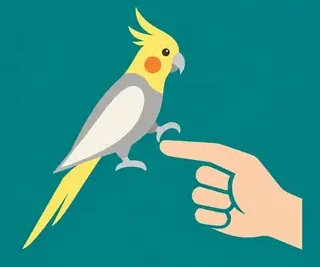 Step-Up Training for Birds
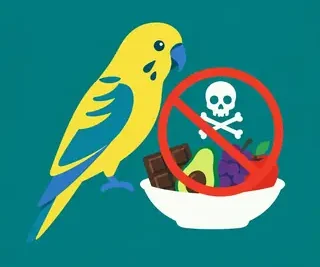 Toxic Foods for Birds
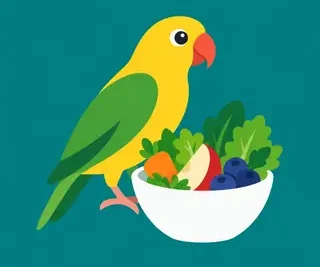 Bird Nutrition - Fresh Foods for Birds
 Bird Social Behavior and Flock Dynamics
 Common Bird Illnesses - Psittacosis and Other Avian Diseases
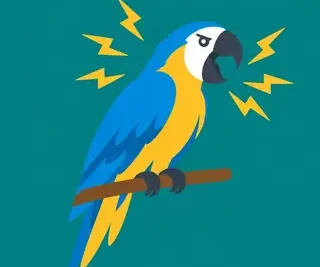 Bird Behavior - Parrot Behavior Problems
 Caring for Finches and Canaries
 Bird Adoption and Rescue
 Bird Cage Safety Tips
 Bird Cage Food and Water Dishes
 Common Bird Illnesses - Respiratory Problems
 Bird Nutrition - Supplements for Birds
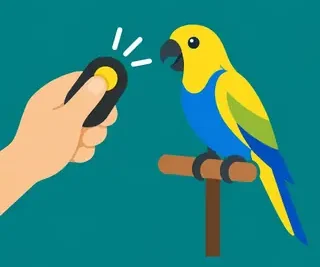 Clicker Training for Birds
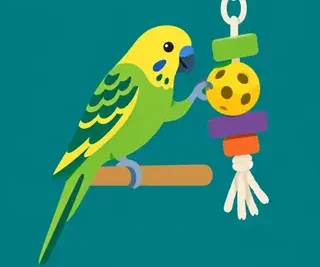 Bird Enrichment and Preventing Boredom
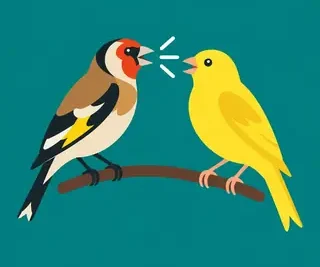 Bird Behavior - Finch and Canary Behavior
 Bird Health - Feather Health and Molting
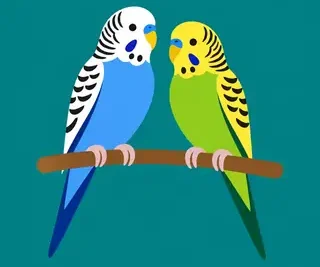 Caring for Parrots - Parakeets
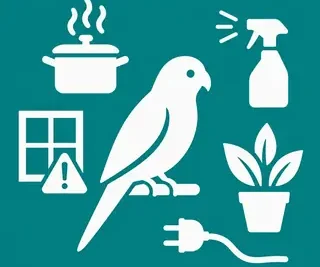 Bird Safety - Household Hazards for Birds
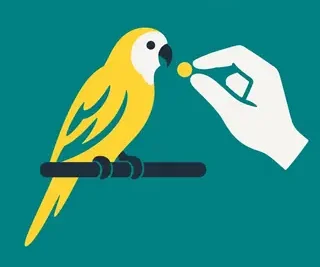 Basic Bird Training Techniques
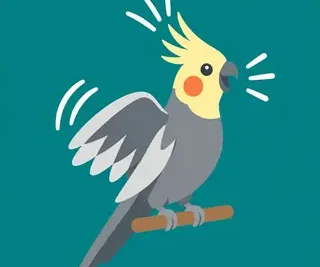 Understanding Bird Body Language
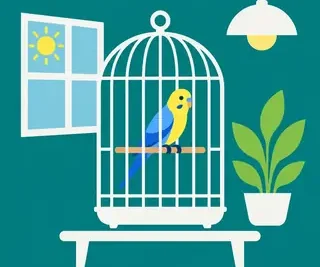 Bird Cage Placement and Environment
 Handling and Socializing Birds
 Bird Health - Egg Binding in Birds
 Quarantine Procedures for New Birds
 Bird Enrichment - DIY Bird Toys
 Species-Specific Bird Nutrition Guides
 Caring for Parrots - Conures
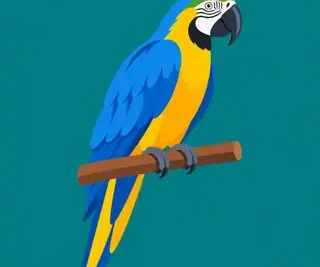 Caring for Parrots - Macaws and Large Parrots
 Bird Health - Beak and Nail Overgrowth
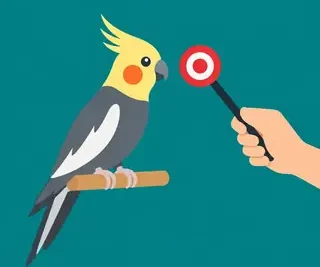 Target Training for Birds
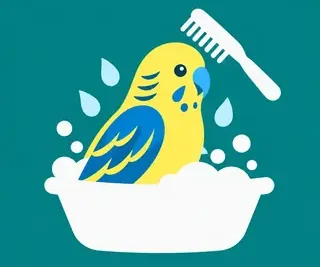 Bird Grooming - Feather Care and Bathing
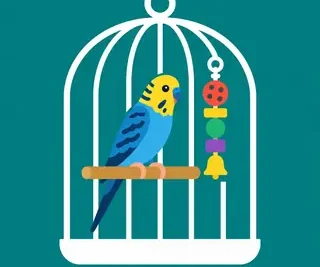 Bird Cage Perches and Toys
 Bird Enrichment - Foraging Toys for Birds
 Caring for Parrots - Cockatiels
 Bird Recall Training
 Feather Plucking in Birds - Causes and Solutions
 Finding an Avian Veterinarian
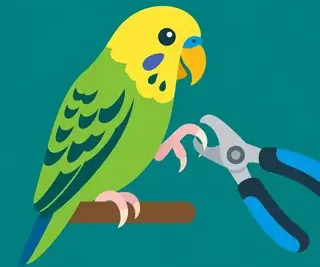 Bird Grooming - Beak and Nail Trimming
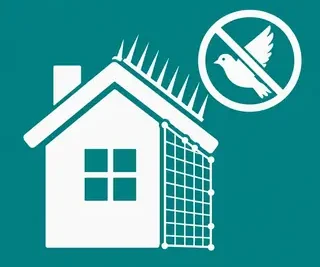 Bird Proofing Your Home
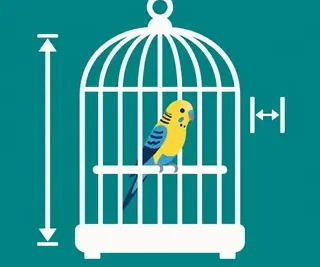 Setting Up a Bird Cage - Size and Bar Spacing
 Understanding Bird Communication - Vocalizations
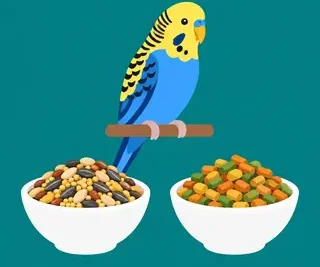 Bird Nutrition - Seed vs Pellet Diets
 Signs of Illness in Birds
 Bird Emergency Situations and First Aid
Bird Care at PetCareWorld: Your Complete Resource for Avian Wellness
Welcome to the ultimate hub for bird care, where we cover everything from emergency first aid to advanced training, nutrition, and behavioral enrichment. Whether you own a tiny finch or a majestic macaw, this category provides expert-backed, actionable advice to ensure your feathered companion thrives. Dive into specialized subcategories that address health, safety, habitat, diet, and communication, all tailored to help you become a more confident and informed bird parent.
🐦 Bird Emergency Situations and First Aid
Emergencies happen fast with birds, so being prepared can save a life. This subcategory covers bleeding, poisoning, burns, fractures, and respiratory distress, with step-by-step first aid instructions you can apply before reaching a vet. You’ll learn to assemble a bird-specific first aid kit, recognize when immediate professional care is non-negotiable, and safely stabilize your bird during transport. Quick, calm action prevents panic—master these skills now.
🚨 Signs of Illness in Birds
Birds hide symptoms naturally, so early detection is vital. Here we detail subtle clues like changes in droppings, fluffed feathers, reduced vocalization, or altered eating habits to help you spot sickness early. Each sign is explained with what it may indicate, from bacterial infections to nutritional deficiencies. Knowing these red flags helps you act before illness escalates, giving your bird the best shot at a speedy recovery.
🥗 Bird Nutrition - Seed vs Pellet Diets
This subcategory breaks down the pros and cons of seed mixes versus formulated pellets, including nutritional profiles, palatability, and potential health impacts. We explain why a seed-only diet often leads to obesity and fatty liver disease, and how pellets offer balanced vitamins and minerals. You’ll find practical tips for transitioning a seed-loving bird to pellets without stress. Make the informed choice for long-term avian health.
🎵 Understanding Bird Communication - Vocalizations
From chirps and whistles to screams and squawks, your bird is talking to you. This section decodes common vocal patterns, explaining what different sounds mean in terms of mood, need, or warning. Learn to differentiate between happy chattering, attention-seeking, fear calls, and mating songs. Interpreting these sounds strengthens your bond and helps you respond appropriately to your bird’s emotional state.
🏠 Setting Up a Bird Cage - Size and Bar Spacing
Choosing the right cage is about more than looks; it’s about safety and comfort. This subcategory provides precise guidelines for cage dimensions based on bird species, wing span, and activity level, plus crucial bar spacing rules to prevent injury or escape. We’ll also cover how cage shape, material, and door access affect your bird's well-being. Get the measurements right to create a secure, spacious home.
🔒 Bird Proofing Your Home
Your home is full of hidden dangers for a curious bird. This guide identifies toxic plants, electrical cords, open water sources, ceiling fans, non-stick cookware fumes, and windows that can cause fatal crashes. You’ll receive a room-by-room checklist to minimize risks and create a safe free-flight zone. Prevention is always easier than emergency treatment—proof your space today.
✂️ Bird Grooming - Beak and Nail Trimming
Overgrown beaks and nails can cause pain, difficulty eating, and even injury. This subcategory teaches you how to safely trim nails using appropriate tools, recognize when a beak needs professional attention, and use perches and toys to naturally wear down growth. Step-by-step instructions with handling tips ensure a calm experience for your bird. Mastering grooming prevents future health complications.
🩺 Finding an Avian Veterinarian
Not every vet treats birds, so finding a specialist is critical. We explain how to locate an avian vet through professional associations, what to look for in certifications and experience, and how to prepare for your first visit. You’ll also learn what emergency services to verify in advance. Establishing an avian vet relationship before a crisis gives you a trusted lifeline.
🪶 Feather Plucking in Birds - Causes and Solutions
Feather plucking is a complex behavioral issue with physical and psychological roots. This section explores triggers like skin infections, allergies, boredom, stress, and hormonal changes. We provide a systematic approach to diagnosis, including veterinary tests, environmental enrichment, and behavior modification techniques. Addressing the root cause, not just the symptom, is key to restoring your bird’s plumage.
🔄 Bird Recall Training
Recall training teaches your bird to fly to you on command, which is essential for safety during out-of-cage time. This subcategory covers positive reinforcement methods, using treats and target sticks, and building reliability in distracting environments. You’ll learn progressive steps from short distances to full-room recalls. Reliable recall can prevent escapes and accidents—train it patiently.
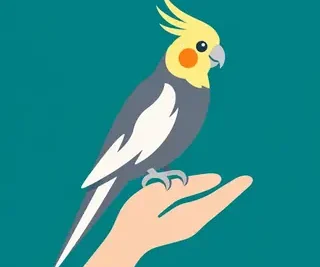
🦜 Caring for Parrots - Cockatiels
Cockatiels are beloved for their crests and whistles, but they have specific needs. Here we cover ideal cage sizes, diet with a focus on seeds and veggies, social interaction requirements, and common health issues like fatty liver and respiratory infections. We also discuss their gentle personality and how to avoid behavioral problems like hissing or biting. Tailored care makes cockatiels delightful companions.
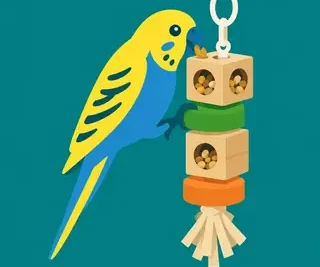
🧩 Bird Enrichment - Foraging Toys for Birds
Foraging toys mimic natural food-seeking behavior, reducing boredom and preventing stress-related disorders. This subcategory explains different foraging levels—from simple paper shredding to puzzle boxes—and how to rotate toys to maintain novelty. You’ll get DIY ideas and commercial recommendations for various species. Engaging toys stimulate your bird’s mind and body for a happier life.
🪵 Bird Cage Perches and Toys
Perches and toys are more than decorations; they affect foot health, exercise, and mental well-being. This guide covers natural wood perches with varied diameters, rope perches, and safe materials like stainless steel or hard plastic. We’ll also recommend toy types—chewable, movable, and foraging—that suit different bird sizes and beak strength. Choosing the right perches prevents foot problems and boredom.
🛁 Bird Grooming - Feather Care and Bathing
Healthy feathers require regular bathing and maintenance. This subcategory teaches you how to encourage bathing through misting, shallow dishes, or shower perches, and when to use feather conditioners. We also discuss molting cycles, powder down feathers, and proper drying techniques. Consistent feather care keeps your bird clean, comfortable, and able to fly efficiently.
🎯 Target Training for Birds
Target training is the foundation for many advanced behaviors and helps with handling, medical checks, and reducing fear. This subcategory explains how to use a target stick and clicker to teach your bird to touch the target on cue. You’ll learn to shape behaviors step-by-step and use targeting to move your bird safely. This positive method builds trust and cooperation.
🦴 Bird Health - Beak and Nail Overgrowth
Abnormal growth can signal liver disease, malnutrition, or improper wear. This section details how to spot early signs of overgrowth, provide natural wearing surfaces like cuttlebones and mineral blocks, and when to seek veterinary trimming. We’ll also cover risks like curling nails that catch on cage bars. Routine monitoring prevents painful deformities and underlying health issues.
🦅 Caring for Parrots - Macaws and Large Parrots
Macaws and other large parrots demand significant space, time, and mental stimulation. This subcategory explores their dietary needs (high-fat nuts and fruits), cage requirements (tall and roomy), and potential for loud vocalizations and destructive chewing. You’ll also learn about their long lifespan and commitment level. Large parrots are a lifestyle change, not just a pet.
🟢 Caring for Parrots - Conures
Conures are playful, clownish, and full of energy. This guide covers diet with a focus on pellets, fresh veggies, and limited seeds, plus cage bar spacing to prevent escape. We’ll discuss their social nature, need for regular interaction, and common quirks like “sun conure scream syndrome.” Meeting their exercise and social needs prevents screaming and feather plucking.
🌾 Species-Specific Bird Nutrition Guides
Different bird species have distinct metabolic requirements. This subcategory breaks down nutritional guidelines for finches, canaries, cockatiels, parakeets, conures, and large parrots, including protein, fat, calcium, and vitamin levels. We also address seasonal feeding variations and breeding diets. Species-specific nutrition prevents malnutrition and chronic disease—tailor your feeding plan.
🛠️ Bird Enrichment - DIY Bird Toys
Save money and boost fun with homemade toys using safe materials like cardboard, paper, wood blocks, and untreated leather. This subcategory provides step-by-step instructions for creating shredders, puzzle feeders, and swing toys, emphasizing safety to avoid choking or toxins. DIY toys keep your bird engaged without breaking the bank—just supervise for wear and tear.
🚧 Quarantine Procedures for New Birds
Introducing a new bird without quarantine can spread deadly diseases like psittacosis or PBFD. This subcategory outlines a 30-45 day isolation protocol in a separate room with dedicated supplies, and what to monitor for (droppings, appetite, behavior). You’ll also learn how to gradually integrate a healthy bird into your flock. Rigorous quarantine protects your existing birds from unseen pathogens.
🥚 Bird Health - Egg Binding in Birds
Egg binding is a life-threatening emergency where a female bird cannot pass an egg. This section covers risk factors like low calcium, obesity, and cold temperatures, plus early symptoms such as straining, tail bobbing, and lethargy. We explain immediate first aid steps (warmth, hydration) and when to rush to a vet. Recognizing egg binding early can save your bird’s life.
🤝 Handling and Socializing Birds
Proper handling builds trust and prevents biting and stress. This subcategory teaches safe techniques for picking up, stepping up, and restraining birds without harming them or triggering fear. You’ll learn how to socialize young and adult birds to different people, sounds, and environments gradually. Gentle, consistent handling creates a confident, tame bird.
🪟 Bird Cage Placement and Environment
Where you place the cage affects your bird’s mood, sleep, and health. This guide covers optimal locations with social visibility but away from drafts, direct sun, and kitchen fumes. We discuss ideal temperature ranges, humidity, and light cycles, plus how to create a quiet, safe corner for sleep. Smart placement reduces stress and encourages natural behaviors.
👀 Understanding Bird Body Language
Birds communicate through posture, feather position, pupil dilation, and wing movement. This subcategory decodes common signals like tail fanning (aggression), feather flattening (fear), and head bobbing (excitement or begging). You’ll learn to read your bird’s mood and intervene before a bite or retreat. Reading body language strengthens your trust and prevents misunderstandings.
🎓 Basic Bird Training Techniques
Training your bird doesn’t require professional help—just patience and consistency. This subcategory covers core methods like positive reinforcement, shaping, capturing, and luring, using treats that your bird loves. You’ll start with simple behaviors like stationing or coming when called. Training reduces boredom and builds a deeper bond with your bird.
⚠️ Bird Safety - Household Hazards for Birds
Your home is filled with invisible threats like Teflon fumes, scented candles, cleaning chemicals, and open windows. This subcategory provides a comprehensive hazard list, including which houseplants are toxic, and how to create a “bird-safe zone” for exercise. We’ll also address risks from other pets and human foot traffic. Eliminate hazards before they cause irreversible harm.
🦆 Caring for Parrots - Parakeets
Parakeets (budgies) are tiny but full of personality and need mental stimulation. This guide covers cage size (wide, not tall), seed and pellet mixes, and daily out-of-cage exercise with supervision. We’ll discuss their vocalizations, potential for talking, and common health problems like mites and thyroid issues. Proper environment and social interaction keep budgies active and happy.
🪶 Bird Health - Feather Health and Molting
Feathers are your bird’s life support—for insulation, flight, and display. This subcategory explains the molting process, what normal shedding looks like, and how to support your bird with extra protein and humidity during feather regrowth. We also cover broken blood feathers, stress bars, and color changes. Monitoring feather condition reveals your bird’s overall health.
🐤 Bird Behavior - Finch and Canary Behavior
Finches and canaries are quieter, more independent birds with unique social structures. This subcategory explains flock dynamics, territorial singing, and breeding rituals, helping you understand their non-touchy nature. We’ll cover housing multiple birds together and how to avoid stress during nesting season. Respect their social needs for a harmonious aviary.
🎲 Bird Enrichment and Preventing Boredom
Boredom leads to screaming, feather plucking, and aggression. This subcategory offers a rotation system for toys, foraging challenges, music, and even simple mirror games. We’ll discuss how to create a stimulating daily schedule that alternates play, training, and quiet time. An enriched bird is a well-behaved, healthy bird.
🎯 Clicker Training for Birds
Clicker training uses a distinct sound to mark desired behavior, making learning fast and precise. This subcategory explains how to charge the clicker, time it correctly, and pair it with high-value treats. You’ll learn step-by-step for tricks like spinning or retrieving, and how to fade the clicker later. Clicker training reduces frustration and builds clear communication.
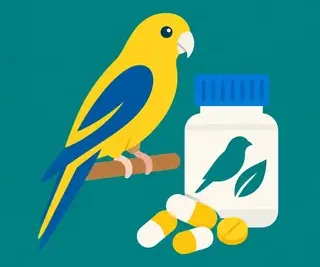
💊 Bird Nutrition - Supplements for Birds
Most birds get enough nutrients from a varied diet, but supplements can help in specific cases. This subcategory covers calcium powders, vitamin D3, probiotics, and amino acids—when they’re needed, dosage safety, and risks of over-supplementation. We’ll also discuss natural sources like cuttlebone and dark leafy greens. Always consult your vet before adding supplements to avoid toxicity.
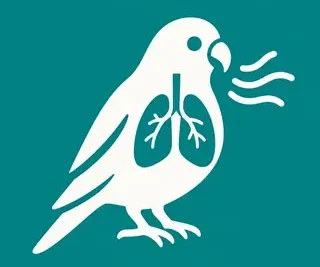
🤧 Common Bird Illnesses - Respiratory Problems
Respiratory issues in birds range from mild sneezes to life-threatening pneumonia. This subcategory details symptoms like nasal discharge, wheezing, tail pumping, and open-mouth breathing, plus potential causes such as fungal infections, bacterial pathogens, or environmental toxins. Rapid veterinary intervention is critical—learn to distinguish a minor issue from an emergency here.
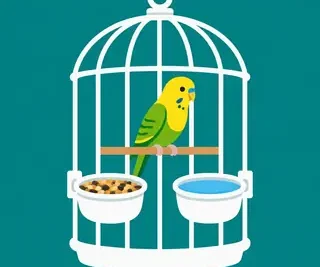
🍽️ Bird Cage Food and Water Dishes
The right dishes keep food and water clean and safe. This subcategory covers materials (stainless steel vs. plastic), mounting methods (cup holders vs. clips), and placement to avoid perch contamination. You’ll learn how many dishes to use per bird, cleaning frequency, and how to prevent bacteria growth. Proper dish selection and hygiene prevent digestive illnesses.
🛡️ Bird Cage Safety Tips
A cage can become a hazard if poorly maintained. This subcategory discusses checking for loose bars, sharp edges, toxic rust, and chewable parts. We’ll cover regular inspections, safe cleaning products, and how to prevent your bird from getting stuck between bars. Routine safety checks protect your bird from preventable injuries.
🏡 Bird Adoption and Rescue
Adopting a bird gives a second chance to a parrot in need, but it comes with challenges. This subcategory guides you through rescue organizations, initial vet checks, and understanding a rehomed bird’s behavior or trauma history. We’ll also address legal considerations and bonding with an older bird. Adoption can be rewarding, but preparation is essential.
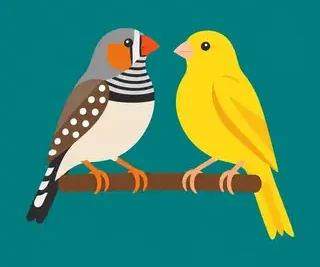
🐦 Caring for Finches and Canaries
Finches and canaries have specific husbandry needs—space to fly, social companions, and a low-stress environment. This subcategory covers cage dimensions, flock composition, optimal temperature, and diet with seeds, greens, and egg food during breeding. These birds are for observation, not handling, so create a sanctuary to enjoy.
😠 Bird Behavior - Parrot Behavior Problems
Screaming, biting, and destructive chewing are common but fixable. This subcategory explores underlying causes like fear, hormonal surges, learned attention-seeking, or inadequate enrichment. We’ll provide behavior modification plans using positive reinforcement and environment changes. Understanding why your parrot acts out is the first step to resolving it.
🦠 Common Bird Illnesses - Psittacosis and Other Avian Diseases
Psittacosis (parrot fever) is zoonotic and requires urgent treatment. This subcategory covers transmission, symptoms like eye discharge and diarrhea, diagnosis, and antibiotic therapy. We’ll also overview other common avian diseases—PBFD, polyomavirus, aspergillosis—and their prevention through hygiene and quarantine. Knowledge of these diseases protects both you and your bird.
🐤 Bird Social Behavior and Flock Dynamics
Birds are social creatures with complex hierarchies, pair bonds, and communication rituals. This subcategory explains how to recognize dominance displays, allopreening, and vocal duets, and how to integrate new birds safely. You’ll learn the impact of flock dynamics on your pet’s stress levels. Understanding social needs prevents aggression and loneliness.
🥦 Bird Nutrition - Fresh Foods for Birds
Fresh vegetables and fruits provide essential vitamins and antioxidants that seeds and pellets lack. This subcategory lists safe options—leafy greens, carrots, berries, and squash—alongside those to avoid, like avocado and chocolate. We’ll cover how to prepare and serve fresh food to encourage acceptance. Add daily fresh foods to boost your bird’s immune system.
☠️ Toxic Foods for Birds
Some everyday foods are lethal to birds. This subcategory provides a clear list of dangerous items including avocado, onion, garlic, caffeine, alcohol, and human junk food. We explain the mechanisms of toxicity (e.g., persin in avocado) and first aid if ingestion occurs. Memorize this list to prevent accidental poisoning in your home.
🦶 Step-Up Training for Birds
The step-up command (climbing onto your finger) is the foundation of handling. This subcategory teaches a gentle, force-free method using a treat as a lure while saying “step up” consistently. You’ll address common issues like nipping and hesitant behavior, and practice on different surfaces. Reliable step-up makes daily care, vet visits, and travel much safer.
Frequently Asked Questions
How often should I clean my bird’s cage and food dishes?
Daily washing of food and water dishes with hot, soapy water is essential to prevent bacterial growth. The cage floor and perches should be spot-cleaned daily, with a full disinfection weekly using bird-safe cleaners. Avoid harsh chemicals and rinse thoroughly to eliminate residue. Regular cleaning prevents respiratory and digestive infections in your bird.
What is the first thing to do if my bird is bleeding?
Stay calm and apply gentle pressure with a clean cloth or styptic powder (if available) to the bleeding area, especially for broken blood feathers. If bleeding doesn’t stop within 5 minutes, or if the wound is deep, contact your avian vet immediately. Meanwhile, keep your bird warm and quiet to reduce stress. Never use human medications without veterinary approval.
Can I train my bird to stop screaming?
Yes, but screaming is often attention-seeking or boredom-driven. First, rule out medical causes with a vet. Then, ignore the screaming completely (no eye contact) and reward quiet behavior with treats or attention. Increase enrichment and foraging toys to reduce boredom. Consistency is key—never yell back, as that rewards the behavior.
How do I know if my bird’s cage is too small?
As a rule, the cage should be at least wide enough for your bird to fully spread its wings without touching the sides. For active species like parakeets or conures, length matters more than height. Your bird should also be able to turn, flap, and move between perches easily. If wings touch the bars, it’s time for a bigger cage.
Why is my bird plucking its feathers, and how can I help?
Feather plucking has many triggers—skin infections, allergies, nutritional deficiencies, or psychological stress like boredom, loneliness, or hormonal changes. Start with a veterinary exam to rule out physical causes. Then, enhance environmental enrichment, add foraging toys, and ensure adequate sleep (10-12 hours). Behavior modification with positive reinforcement and, if needed, avian behavior consultant support can help break the cycle.