The Teflon Trap: How NonStick Cookware Can Harm Birds
🤔 Nonstick cookware poses a serious threat to birds. PetCareWorld reveals the dangers of Teflon fumes, highlighting the critical need for bird…
Read article
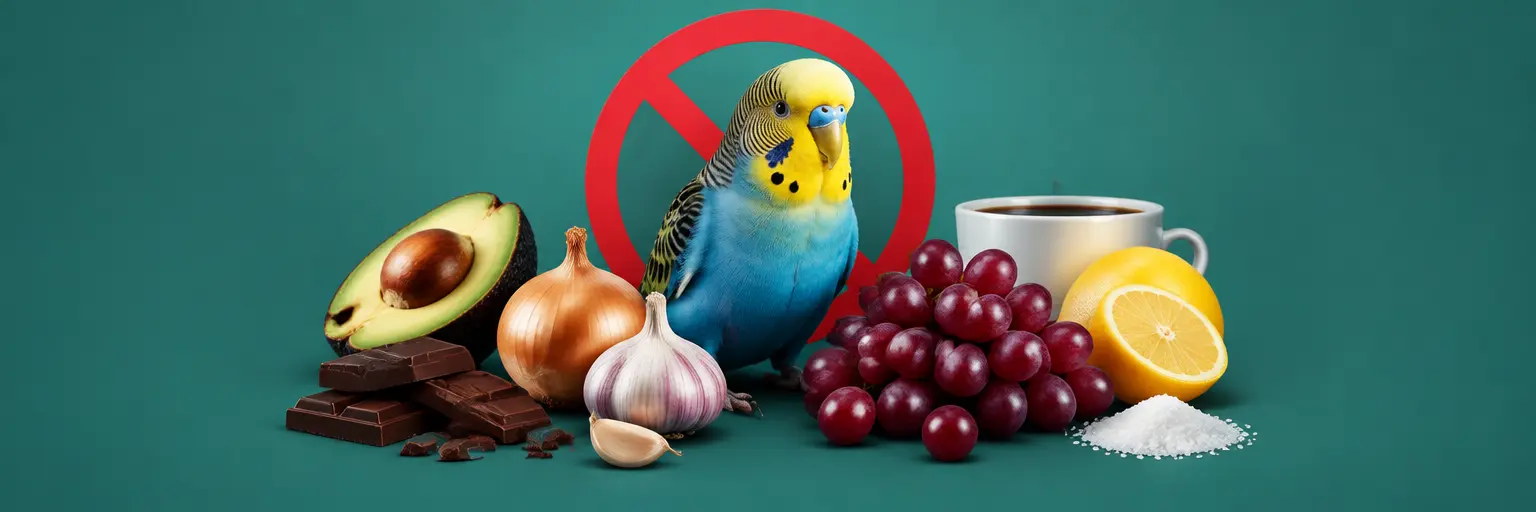
Keeping your feathered friend safe starts with knowing what’s on their plate—and what absolutely isn’t. Many everyday foods are toxic to birds and can cause severe health issues, from digestive distress to sudden organ failure. At PetCareWorld, we break down the hidden dangers in your kitchen, including avocado, chocolate, caffeine, and even certain seeds and fruit pits that pose serious risks. Our expert guidance helps you recognize the critical symptoms of poisoning and act quickly in emergencies, while also offering a clear list of safe, nutritious alternatives to keep your companion thriving. Don’t gamble with your bird’s life—arm yourself with the knowledge to spot hidden hazards before they become a crisis. Whether you’re a new parront or a seasoned aviculturist, this essential resource turns confusion into confidence, ensuring every meal is a healthy, happy one. Your bird depends on you to make the right call—let us make it simple and safe.
🤔 Nonstick cookware poses a serious threat to birds. PetCareWorld reveals the dangers of Teflon fumes, highlighting the critical need for bird…
Read article
🤔 Discover why dairy products pose significant health risks to birds. Our expert guide on "Dairy Dilemma" reveals how milk and cheese…
Read article
🐦 Discover how lead poisoning silently harms your feathered friend. Learn to recognize crucial bird lead poisoning symptoms and ensure your bird…
Read articleAs a devoted bird owner, you know that a balanced diet is the cornerstone of your pet’s health and happiness. However, the line between safe and toxic foods for birds is often thinner than most realize. At PetCareWorld, we understand the anxiety that comes with ensuring your avian companion is safe from hidden dangers. This comprehensive guide dives deep into the most common household foods that are extremely hazardous to birds, helping you prevent accidental poisoning and create a safe, nourishing environment. From the dangers of avocado to the silent threat of salt, we cover the critical knowledge every bird parent must have to keep their feathered friend thriving for years to come.
Chocolate and caffeinated beverages are among the most dangerous items your bird can ingest. These treats contain methylxanthines, specifically theobromine and caffeine, which birds’ bodies cannot metabolize effectively. Even a small piece of dark chocolate or a sip of coffee can lead to severe cardiac arrhythmias, hyperactivity, seizures, and sudden death. The darker the chocolate, the higher the concentration of these toxic compounds, making it an immediate emergency if ingestion occurs.
You should never share your morning latte or dessert with your bird, regardless of how much they beg. Symptoms of toxicity can appear within hours and include vomiting, diarrhea, increased heart rate, and tremors. If you suspect your bird consumed any amount of chocolate or coffee, contact an avian veterinarian immediately. Prevention is straightforward: keep all cocoa products, tea, coffee, and energy drinks completely out of reach and never offer them as treats.
Avocado is a well-known killer in the bird world, and the culprit is a fungicidal toxin called persin. This compound is present in the fruit’s flesh, pit, skin, and even the leaves of the avocado tree. Persin causes respiratory distress, myocardial necrosis (heart tissue death), and fluid accumulation around the heart and lungs. Birds are exquisitely sensitive to persin, and ingestion can be fatal within just 24 to 48 hours, even in small amounts.
Many owners mistakenly believe that only the pit or skin is dangerous, but the creamy flesh is equally hazardous. Never assume that a bird will “know” to avoid it; they often eat it eagerly because of the fatty texture. If your bird has consumed any part of an avocado, watch for labored breathing, weakness, or sudden listlessness. Immediate veterinary intervention with supportive care is crucial, as there is no antidote for persin poisoning. Always remove avocado from your bird’s diet and any shared living space.
The entire allium family—onions, garlic, leeks, scallions, and chives—contains sulfur compounds that can cause oxidative damage to a bird’s red blood cells, leading to hemolytic anemia. These toxins are present whether the vegetables are raw, cooked, dehydrated, or powdered. A bird can suffer from severe weakness, pale mucous membranes, jaundice, and breathing difficulties after ingesting even small amounts. The effects are cumulative, meaning repeated small exposures are just as dangerous as one large dose.
This is particularly tricky because many commercial bird foods, human leftovers, and even some baby foods contain onion or garlic powder as flavoring. Always read ingredient labels meticulously before offering anything to your bird. Avoid feeding them table scraps that have been seasoned with garlic or onion, and if you cook with these aromatics, keep the bird far from the kitchen. If your bird shows signs of lethargy or depression after eating, seek veterinary care for a blood test to check for anemia.
While many fruits are healthy for birds, the seeds and pits of certain fruits contain amygdalin, a compound that releases cyanide when chewed or digested. Apple seeds, cherry pits, peach pits, plum pits, and apricot kernels all pose this threat. Ingesting a single crushed apple seed may not be fatal, but multiple seeds or a broken pit can cause cyanide poisoning, which leads to rapid breathing, seizures, cardiac arrest, and collapse. The danger is acute and progresses very quickly.
To safely feed fruit, always remove all seeds and pits before offering them to your bird. Slicing an apple and discarding the core is a safe practice, and you should never toss whole cherries or peaches into the cage. Additionally, be cautious with fruit-flavored canned goods that may contain crushed pits. If you suspect cyanide poisoning, the clinical signs appear within an hour, and emergency oxygen and antidote therapy are required. Taking the time to prepare fruit correctly is a simple step that prevents a devastating emergency.
Birds have incredibly sensitive kidneys and cannot process high levels of sodium or refined sugar. Excess salt can cause excessive thirst, dehydration, and kidney failure, while sugary treats lead to obesity, fatty liver disease, and malnutrition because they crowd out essential nutrients. More alarmingly, the artificial sweetener xylitol, found in sugar-free gum, candies, and baked goods, causes a rapid and dangerous drop in blood sugar and can result in seizures and liver failure in birds.
These items are often present in everyday snacks, and birds are naturally curious about bright wrappers and sweet smells. Never share chips, pretzels, candy, or bakery items with your bird, even as a rare treat. Keep all such foods sealed and stored securely. Healthy alternatives like small pieces of unsalted seed, fresh berries, or a tiny bit of plain cooked sweet potato are far better choices. If your bird ingests salt-heavy food, encourage them to drink water but watch for signs of distress; for xylitol, immediate emergency care is critical.
Alcohol is another silent threat that many owners do not consider. Ethanol is toxic to birds at incredibly low doses because their small body mass magnifies its effects. A few drops of wine or beer can cause depression, disorientation, vomiting, and respiratory failure. Birds are also highly sensitive to wild or raw mushrooms, which contain various toxins that cause gastrointestinal distress, liver damage, and neurological symptoms. The risk is higher for outdoor birds but also applies to those indoors if you bring in foraged items.
This is a particular danger during parties or gatherings where drinks are left unattended. Always maintain a “no alcohol” rule in the bird’s environment and ensure that no guest offers your bird a sip. For mushrooms, never feed any mushroom that you haven’t thoroughly cooked and confirmed safe for avian consumption; most store-bought white mushrooms are safe in moderation, but wild ones are a gamble. If accidental exposure occurs, call your vet immediately, as early treatment is very effective for preventing severe outcomes.
Remove the toxic food from your bird’s reach immediately and contact an avian veterinarian or an emergency pet poison hotline right away. Do not induce vomiting unless a vet explicitly instructs you to, as this can cause aspiration. Have the packaging or a sample of the food ready to help the vet identify the toxin and provide the best supportive care.
Yes, cooking does not neutralize the toxic sulfur compounds in onions, garlic, or chives. The risk of hemolytic anemia remains the same whether the allium is raw, cooked, dehydrated, or powdered. Never add any form of onion or garlic to your bird’s food, regardless of how little is used for seasoning.
Yes, the apple’s flesh and skin are safe and nutritious for most birds, provided you completely remove all seeds and the core. The skin contains fiber and vitamins, but ensure the apple is thoroughly washed to remove pesticide residue. Always slice the apple into small, manageable pieces to prevent choking.
Honey is generally safe for birds in tiny amounts, but it should only be offered in a very pure, raw form. Commercial honey may contain botulism spores and added sugars that are harmful. However, because birds are prone to obesity and bacterial overgrowth, it’s best to avoid honey altogether and choose fresh fruits instead.
Birds are extremely sensitive to chocolate; even a very small nibble of dark or baking chocolate can be fatal. Milk chocolate is slightly less toxic but still dangerous. There is no safe threshold, and any ingestion should be treated as an emergency. The bird’s small body weight means toxicity can occur from a mere fraction of an ounce.







