
Top Picks for Pet Owners
Discover the best products for your furry, feathered, or scaly companions with our handpicked Top Picks for Pet Owners at PetCareWorld. We’ve done the research so you don’t have to—evaluating everything from interactive cat toys that banish boredom and odor-controlling litter brands to durable dog leashes and harnesses that make walks safer and more enjoyable. Our expert recommendations also cover sensitive-stomach dog foods, foot-friendly bird perches, and enriching bird toys for mental stimulation, plus essential reptile supplies like health-boosting substrates and reliable water bowls or misters. Each pick is tested against rigorous criteria—safety, durability, value, and real-world performance—so you can shop with confidence. Whether you’re a new pet parent or a seasoned enthusiast, our curated lists help you choose top-rated, vet-approved products that enhance your pet’s health, happiness, and quality of life. 🐾 Save time, avoid costly mistakes, and give your animal the very best—dive into our category now for trusted, expert-backed solutions tailored to every pet’s unique needs.
 Best Reptile Water Bowls and Misters
 Top Terrarium Substrates for Reptile Health
 Top Bird Perches for Foot Health
 Best Interactive Cat Toys to Prevent Boredom
 Editor's Choice: Dog Foods for Sensitive Stomachs
 The Best Dog Training Leashes and Harnesses
 Top Cat Litter Brands for Odor Control
 Recommended Bird Toys for Mental Stimulation
Top Picks for Pet Owners: Your Guide to the Best Products
Welcome to PetCareWorld’s curated collection of top-rated products, handpicked by our experts to make pet parenting easier and more rewarding. From brain-boosting toys for parrots to odor-locking litter for cats, these selections focus on quality, safety, and real-world performance. Whether you’re a first-time owner or a seasoned pro, our detailed breakdowns help you choose items that support your pet’s health, happiness, and natural instincts while saving you time and money.
🐦 Recommended Bird Toys for Mental Stimulation
Birds are highly intelligent creatures that thrive on problem-solving and foraging. Our recommended toys include puzzle boxes, shreddable paper, and treat-dispensing bells that challenge your feathered friend’s mind and reduce destructive behaviors like feather plucking. Rotating toys weekly keeps curiosity high, and we prioritize materials that are safe, non-toxic, and beak-resistant. Expect detailed reviews on durability, ease of cleaning, and suitability for species from budgies to cockatoos, so you can pick the perfect mental workout for your avian companion.
🐱 Top Cat Litter Brands for Odor Control
Ask any cat owner: litter box smell can make or break a home. Our top brands use activated carbon, clumping clay, or natural plant fibers to lock in ammonia and moisture for up to 14 days. We test each formula for dust levels, tracking, and clump hardness, ensuring you get a product that’s easy to scoop and gentle on sensitive paws. From budget-friendly options to premium, low-tracking silica gels, this list covers everything you need for a fresh-smelling home without the daily headache.
🦮 The Best Dog Training Leashes and Harnesses
Effective training begins with the right gear. We feature no-pull harnesses with front clips, hands-free leashes for runners, and adjustable training leads that give you better control during walks. Key factors include padding, reflective stitching, and escape-proof buckles to accommodate strong pullers and nervous dogs alike. Our picks are vetted for comfort and safety, so you can focus on positive reinforcement instead of wrestling with tangled straps. Expect size guides and real owner feedback for every product.
🍲 Editor's Choice: Dog Foods for Sensitive Stomachs
If your dog suffers from loose stools, gas, or itchy skin, the right diet can transform their quality of life. Our editor’s picks feature limited-ingredient formulas with novel proteins like salmon, duck, or venison, plus easily digestible carbohydrates such as sweet potato and rice. We emphasize probiotics and omega-3s to support gut health and reduce inflammation. Each brand is chosen for its transparency, AAFCO approval, and clinical results from trial panels. Learn how to transition your dog slowly and what ingredient labels to avoid.
🐾 Best Interactive Cat Toys to Prevent Boredom
Indoor cats need daily mental and physical engagement to avoid obesity and depression. Our interactive toy lineup includes motorized laser pointers, treat puzzles, and feather wands with replaceable attachments. We look for auto-shutoff timers, quiet motors, and adjustable difficulty levels to suit kittens and senior cats. These toys mimic hunting behavior, giving your cat a satisfying outlet for their instincts. Read our comparisons on battery life, durability, and which toys work best for solo play versus owner-guided sessions.
🌿 Top Bird Perches for Foot Health
Unhealthy perches cause arthritis, bumblefoot, and pressure sores. Our top selections include natural branch perches with varied diameters, rope perches that flex, and heated options for colder climates. We stress the importance of texture variation to exercise foot muscles and prevent fatigue. Each perch is reviewed for grip, ease of cleaning, and compatibility with cage bars. Vet-recommended materials like manzanita, sand, and cotton are highlighted, helping you create a safe, comfortable resting spot for your bird’s feet day and night.
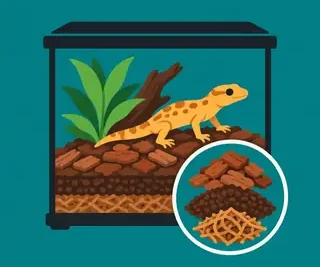
🦎 Top Terrarium Substrates for Reptile Health
Choosing the wrong substrate can lead to impaction, fungal growth, or respiratory issues for reptiles. Our top-rated substrates include coconut husk for humidity-loving species, reptile carpet for easy cleaning, and bioactive soil blends that support live plants. We assess particle size, dust content, and moisture retention to match the needs of geckos, snakes, and tortoises. Detailed guides explain how to layer substrates for burrowing species and when to replace them to maintain a hygienic environment. Safe, natural, and cost-effective options are prioritized.
💧 Best Reptile Water Bowls and Misters
Proper hydration is vital for shedding, digestion, and thermoregulation. Our top picks include heavy ceramic bowls that resist tipping, automatic misting systems for tropical species, and hand-held sprayers for targeted humidity control. We evaluate capacity, ease of cleaning, and safety features like low-voltage pumps to avoid electrical hazards. Whether you need a simple dish for a bearded dragon or a high-output mister for a chameleon enclosure, these products deliver reliable moisture and fresh water without constant refills.
Frequently Asked Questions
How often should I rotate my bird's toys to prevent boredom?
We recommend rotating toys every 3–5 days. Birds quickly habituate to familiar objects, so swapping in a novel toy (or reintroducing an old one after a break) renews interest and encourages exploration. Always clean toys weekly with warm water and mild soap to prevent bacterial buildup, and supervise new toys for the first hour to ensure safety.
What is the best litter material for multi-cat households?
For multi-cat homes, clumping clay litters with activated charcoal or baking soda are most effective for odor control. They form hard clumps that are easy to scoop, and they trap ammonia quickly. Avoid fine silica dust if your cats have respiratory sensitivities. Aim for unscented or lightly scented formulas, and provide one litter box per cat plus one extra.
Can a front-clip harness stop my dog from pulling?
Yes, front-clip harnesses are highly effective for pullers. The clip sits at the chest, so when your dog pulls, the harness gently turns them to the side, breaking their forward momentum. This reduces strain on their neck and makes training easier. Pair it with positive reinforcement, and you’ll see consistent improvement within a few weeks.
How do I introduce a new sensitive-stomach dog food safely?
Transition over 7–10 days by mixing increasing amounts of the new food with the old: 25% new on days 1–2, 50% on days 3–4, 75% on days 5–7, then 100%. Monitor stool quality and energy levels. If diarrhea persists beyond day 5, slow the transition or consult your vet. Always provide fresh water during this change.
What substrate is safest for a burrowing reptile like a leopard gecko?
For leopard geckos, a loose substrate like coconut husk or a specialized sand/soil mix is safe if particle size is large enough to prevent impaction. Avoid fine play sand, which can cause blockages if ingested. Provide a digging area of at least 2–3 inches deep, and replace the substrate every 1–2 months to prevent bacteria and mold growth.