The Secret to a Thriving Reptile: Choosing the Right Substrate
🤔 Unlock your reptile's full potential! Discover the best reptile substrate choices for a healthy, thriving habitat. PetCareWorld guides you to the…
Read article
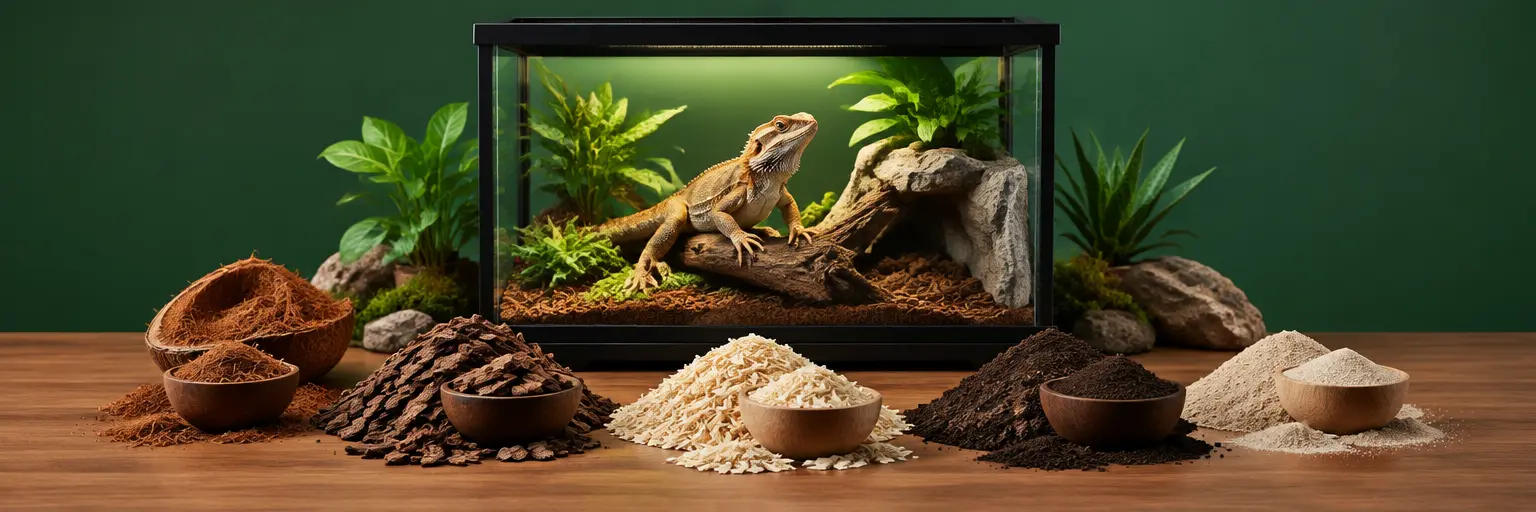
Choosing the right substrate is the foundation of a thriving terrarium, directly impacting your reptile’s hydration, digestion, and overall wellness. Whether you’re nurturing a tropical gecko or a desert-dwelling bearded dragon, the correct bedding mimics their natural habitat, supports healthy burrowing behaviors, and helps maintain optimal humidity levels. From moisture-retaining coconut husk and chemical-free topsoil to bioactive-ready mixes and heat-friendly sand alternatives, our expert-tested picks prioritize safety, ease of cleaning, and long-term comfort. Avoid risky particles that cause impaction, and instead, discover substrates that promote natural shedding and stress reduction. Elevate your pet’s environment with proven, vet-recommended options that make habitat maintenance simpler while ensuring your scaly friend flourishes every single day. Unlock the secret to a happier, healthier reptile with our curated selection of premium ground covers.
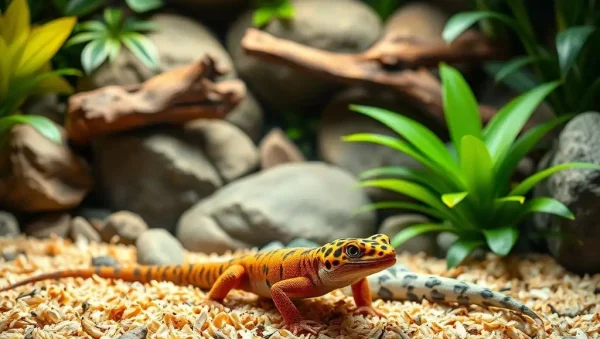
🤔 Unlock your reptile's full potential! Discover the best reptile substrate choices for a healthy, thriving habitat. PetCareWorld guides you to the…
Read article
😊 Choosing the right substrate is crucial for your reptile's health. Our expert guide, "Best reptile substrate species guide," helps you select…
Read articleChoosing the right substrate is one of the most critical decisions for any reptile owner, as it directly impacts humidity, burrowing behavior, hygiene, and overall well-being. For the dedicated enthusiasts at PetCareWorld, this subcategory dives deep into the best materials—from bioactive soil mixes to simple paper options—that support naturalistic habitats and promote long-term health. Whether you keep a desert-dwelling leopard gecko, a tropical tree frog, or a burrowing snake, the proper substrate prevents respiratory issues, impaction, and bacterial growth. Discover how to layer, hydrate, and maintain your chosen medium while avoiding common pitfalls like dusty bark or toxic wood shavings. Your reptile’s comfort and longevity start from the ground up, and this guide empowers you to make informed, species-specific choices.
Bioactive substrates are a top-tier choice for hobbyists aiming to create a self-sustaining ecosystem. These blends typically include organic topsoil, coconut coir, sphagnum moss, and sand, which support beneficial microfauna like springtails and isopods. By mimicking the natural soil biome, bioactive setups help break down waste, reduce odor, and maintain consistent moisture levels. This reduces the frequency of deep cleanings and provides enrichment as reptiles dig and forage.
For tropical species, a deep bioactive layer retains humidity essential for shedding, while arid-adapted reptiles benefit from a sand-soil mix that allows for tunneling without the risk of impaction. Choosing a reputable, fertilizer-free mix is crucial to avoid chemical exposure. When installed correctly, bioactive substrates lower stress hormones and encourage natural behaviors, making them the gold standard for long-term reptile health and keeper satisfaction.
For quarantine, medical monitoring, or species prone to substrate ingestion, simple non-particulate surfaces are often recommended. Newspaper, butcher paper, and unprinted paper towels are the safest choices for baby reptiles or those with digestive sensitivities. They allow for effortless spot cleaning, and any ingestion passes harmlessly without causing gut impaction. Reptile carpet and textured ceramic tiles offer a reusable alternative, but must be scrubbed regularly to prevent bacterial buildup.
Solid surfaces like slate tiles also provide thermal mass, helping to create a warm basking spot. While they lack the visual appeal of natural substrates, their practicality shines in high-humidity environments where mold is a concern. For veterinary recovery or when observing fecal output, paper-based mediums are undisputed champions. The key is to balance hygiene with comfort, ensuring your reptile has enough traction for healthy locomotion.
Coco coir, derived from coconut husks, is a renewable, mold-resistant substrate that excels in moisture retention. It expands when hydrated, creating a soft, rootable medium perfect for tropical species like crested geckos or red-eyed tree frogs. Sphagnum moss, often mixed with coir, forms humid microclimates that support healthy shedding and respiratory function. These substrates also allow for easy burrowing, helping reptiles thermoregulate by moving between cooler, damp layers and drier surfaces.
However, keepers must monitor for anaerobic conditions if over-saturated. A well-draining drainage layer beneath prevents stagnant water and bacterial growth. For arid species, avoid these unless providing a separate humid hide. The versatility of coir and moss makes them indispensable for moisture-loving reptiles, fostering supple skin and vibrant coloring. Regular misting and weekly stirring prevent compaction and ensure optimal air flow through the substrate.
Desert reptiles like bearded dragons and uromastyx need a substrate that mimics their sandy native terrain. The safest options are washed, play-grade silica sand or specialized reptile sands that are calcium-free. Calcium sands can encourage overconsumption, leading to fatal gut impaction. A mix of washed sand with organic topsoil at a 70/30 ratio provides a firmer surface that reduces flying dust and permits natural digging. Avoid fine beach sand, which can irritate eyes and respiratory tracts.
Proper depth—at least 2-3 inches—allows for burrowing behaviors that regulate body heat. Some owners use a sand mat or tile under basking spots to create a separate feeding area, minimizing accidental ingestion. Regular sifting to remove feces and urates is vital. When paired with correct basking temperatures, desert sands allow these reptiles to perform natural thermoregulatory behaviors safely and comfortably.
Not all substrates are safe, and identifying hazards is as important as choosing the good ones. Pine and cedar shavings contain aromatic oils that damage the liver and respiratory system in all reptiles. Treated woods, colored mulch, or artificial turf with chemical adhesives are equally dangerous. Avoid any product with added dyes or pesticides. Always opt for kiln-dried aspen, which is an excellent choice for snakes due to its burrowing support and low dust.
Maple, beech, and pure aspen are hardwoods that are non-toxic but still require frequent spot cleaning. For burrowing species, a deeper layer of aspen is ideal, but it does not hold humidity well. The rule of thumb: if a substrate smells strongly of resin or has unknown additives, discard it. Reading labels and sourcing from reputable reptile-specific brands eliminates most risks. Safety is maximized by observing your reptile’s reaction; if they avoid a particular substrate, listen to their instincts.
For the first six months, plain paper towels or unprinted newspaper are safest. They prevent ingestion and allow you to monitor droppings closely. Once your gecko is larger and healthy, a 70/30 mix of organic topsoil and washed sand is ideal for burrowing enrichment.
Yes, but only if it is washed, fine-grained silica sand or a topsoil blend. Avoid calcium sand completely. Provide a flat feeding surface, such as a tile, to reduce accidental ingestion. Always monitor your dragon’s fecal output and appetite.
A properly established bioactive substrate may last 2-3 years with maintenance. Replace 20-30% of the top layer every six months. Regularly spot-clean with a scoop, and monitor for mold or stagnant spots. Full replacement is only needed if the ecosystem crashes.
Coconut coir is safe but not ideal for very dry environments. If used, it must be allowed to dry thoroughly between misting to avoid scale rot. For desert snakes, a paper or aspen substrate is preferable due to lower moisture retention.
If you notice your reptile consuming substrate frequently, switch immediately to paper or tile. Impaction is a serious risk. Watch for lethargy, loss of appetite, or straining. Consult a reptile veterinarian if you suspect blockage, and always avoid particulate substrates with juvenile animals.