HeavyDuty Dog Leashes for Powerful Breeds: Durability Tested
💪 Control even the strongest dogs with our rigorously tested heavy-duty leashes. Find the best dog leash for powerful breeds at PetCareWorld,…
Read article
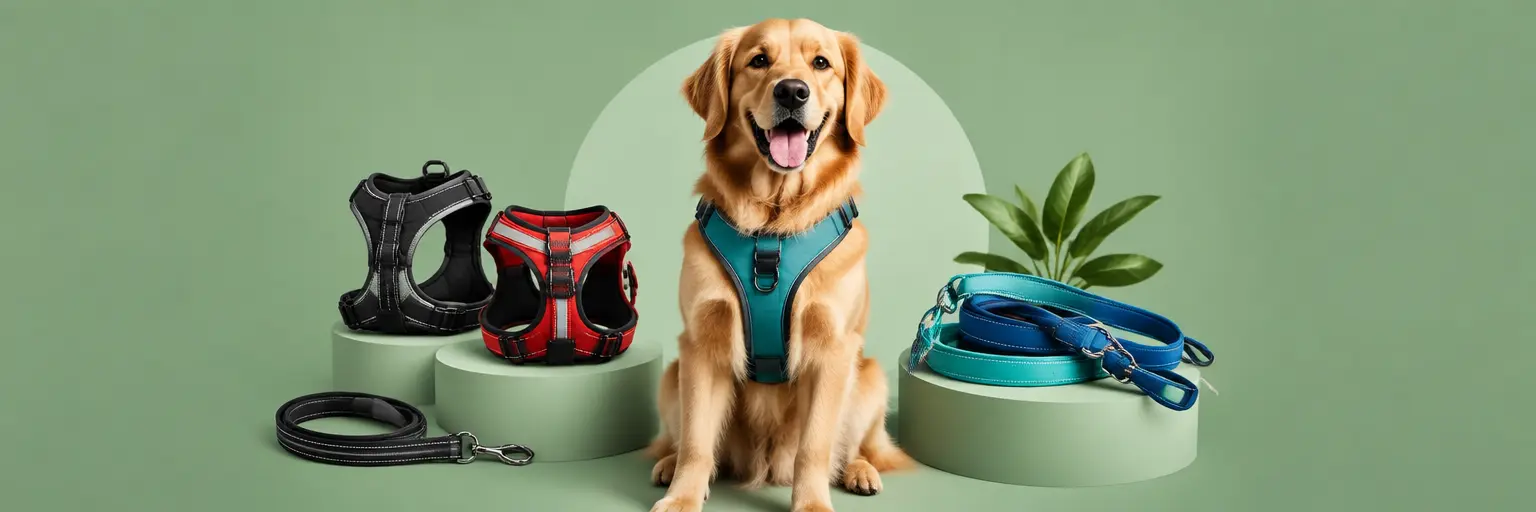
Discover the perfect balance of control, comfort, and durability with our expert-curated selection of the best dog training leashes and harnesses. Whether you’re tackling loose-leash walking, building focus, or managing a strong puller, we’ve tested and ranked top-rated gear from leading brands to match every training style and dog size. From no-pull harnesses that gently steer, to multi-functional leashes with traffic handles and reflective stitching, our guide breaks down key features like material quality, adjustability, and ease of use—so you can train smarter, not harder. 🐕🦺 Stop struggling with tension and discover tools that enhance communication between you and your pup, making every walk a positive, stress-free experience. Dive into our top picks backed by real-world feedback and expert insights, and find the solution that turns obedience into a fun, rewarding bond. 🦴
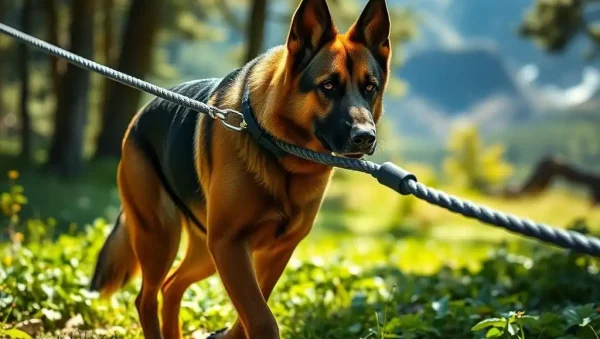
💪 Control even the strongest dogs with our rigorously tested heavy-duty leashes. Find the best dog leash for powerful breeds at PetCareWorld,…
Read article
🤔 Master the science of dog leash training with PetCareWorld's expert tips! Learn proven techniques for loose-leash walking, building a strong bond,…
Read article
😊 Master positive dog leash training methods for a happier, better-behaved canine companion. PetCareWorld shows you how reward-based techniques build a strong…
Read articleWelcome to our curated selection of the best dog training leashes and harnesses, a cornerstone of effective canine communication and control. At PetCareWorld, we understand that the right gear transforms walks, accelerates obedience training, and ensures safety for both you and your furry friend. Whether you are tackling leash pulling, teaching heel, or preparing for agility, our expert-vetted recommendations cover every training scenario. Dive into our deep dives below to find durable, comfortable, and high-performance equipment tailored to your dog’s size, temperament, and your specific training goals. Your journey toward a better-behaved companion starts here.
Choosing the right harness is the first step toward effective training. Our guides break down the three main types: front-clip harnesses, which gently redirect your dog’s forward momentum to reduce pulling; back-clip harnesses, ideal for calm dogs needing basic walking freedom; and head halters, which offer maximum control for powerful or reactive dogs. Each design serves a distinct purpose, and our detailed comparisons help you match the harness to your dog’s specific behavioral challenges. You will also learn about material quality, padding for chafe prevention, and adjustable straps for a perfect, secure fit. Expect practical tips on transitioning your dog from a collar to a harness without stress, ensuring a smoother training experience from day one.
Beyond basic types, we explore specialized harnesses like no-pull variations with multiple attachment points and weight-pulling harnesses for advanced sports. Our reviews highlight real-world performance, including breathability, reflective stitching for night safety, and ease of cleaning. We emphasize how strap placement impacts a dog’s natural gait, preventing shoulder restriction while maximizing control. By the end of this section, you will feel confident identifying a harness that not only stops pulling but also encourages loose-leash walking through positive reinforcement. We also address common pitfalls, such as ill-fitting sizes that cause rubbing, so you can avoid costly returns and keep your pup comfortable.
Leashes are more than just a connection—they are a training tool. Our top picks include standard fixed leashes (6 feet, nylon or leather) for everyday obedience, long training lines (15–50 feet) for recall practice in open spaces, and retractable leashes which we approach with caution, recommending them only for adult, well-trained dogs. We dissect the pros and cons of each, emphasizing how a fixed leash provides consistent feedback and prevents the dangerous slack that encourages darting. Expect a deep dive into handle ergonomics, swivel clip durability, and the ideal width for your dog’s weight class. Our goal is to help you choose a leash that enhances communication without causing neck strain or tangling problems.
For specialized training, we cover slip leads, martingale collars combined with leashes, and dual-handled leashes for quick control during reactivity training. We also explain how to use a leash’s length to your advantage during “leave it” or “focus” exercises, plus the importance of reflective or waterproof materials for adverse weather. Our expert insights reveal why a shorter leash during initial training builds better attention, while a longer line builds distance reliability. Whether you are a first-time owner or a seasoned trainer, our recommendations balance freedom and safety, ensuring you have the right tool for every stage of your dog’s learning curve.
Some products shine individually, but a cohesive pair elevates training to the next level. We review complete combo sets from trusted brands like Ruffwear, PetSafe, and Julius-K9, assessing how the leash’s clip size and material complement the harness’s rings. Our top-rated pairings prioritize seamless attachment, preventing accidental unclipping during intense sessions. Expect detailed performance metrics on grip comfort, tangle resistance, and how each set handles sudden lunges. We also compare price points to deliver the best value without compromising on safety, ensuring a durable investment that grows with your dog through various training milestones.
Beyond brand favorites, we highlight budget-friendly yet robust combos that surprise with their quality. Our testing includes washing machines, mud, and extreme weather to simulate real-life conditions. We analyze weight distribution, showing how a front-clip harness paired with a shorter leash reduces strain on your wrists and shoulders. You will also find compatibility notes—whether a specific leash fits all harness types or if a quick-release connector adds convenience. For multi-dog households, we suggest color-coded sets to avoid mix-ups during group walks. Our goal: simplify your decision-making with a shortlist of pairings that produce tangible behavioral improvements from the very first outing.
Owning the best gear is only half the battle; knowing how to use it is key. Our training tips section walks you through step-by-step protocols for loose-leash walking, heel commands, and stopping pulling using your chosen harness and leash. We explain the “penalty yard” method for front-clip harnesses and how to reward the split second of slack. Expect clear instructions on timing your “yes” marker and delivering high-value treats, transforming your daily walk into a productive session. We also cover how to transition from a harness to a collar as your dog progresses, using the leash to fade aid gradually. These methods are grounded in positive reinforcement, keeping training enjoyable and strengthening your bond.
For advanced users, we tackle distraction-proofing, using a long line to practice recalls in parks, and managing leash reactivity with a head halter. We provide troubleshooting charts for common issues like persistent lunging or chewing the leash, offering gentle corrections and alternative approaches. Our content emphasizes consistency and patience, with a weekly training schedule that tracks measurable progress. We also address safety—never tie a dog to a stationary object with a standard leash, and always supervise with training lines. By internalizing these techniques, your new equipment becomes a catalyst for a well-mannered dog who walks calmly on a loose leash, impresses neighbors, and enjoys exploring the world confidently.
Safety is non-negotiable in our product selection. We evaluate break strength, stitching quality, and hardware hardness to ensure no failures during sudden pulls or escapes. Our safety checklists include reflective trim for dusk visibility, padded handles to prevent rope burns, and weatherproof coatings that resist rust and cracking. We also test for chemical-free materials to protect dogs with sensitive skin, and we identify potential choking hazards in retractable designs. Expect a thorough guide on measuring your dog’s girth and neck for a perfect fit, as a loose harness can slip off, and an overly tight one restricts breathing. Our durability tests mimic years of chewing and roughhousing, so you never face a snapped leash at a critical moment.
We also delve into regulatory standards and certifications, such as Oeko-Tex or REACH compliance, that assure non-toxic dyes and materials. You will learn why metal clips should be zinc-alloy or stainless steel, not plastic, and how double-stitched seams outlast single stitching in high-stress areas. For large breeds, we recommend harnesses with a chest plate that distributes force evenly, reducing neck impact. We also warn against cheap imitations from unknown sellers that lack safety certifications. Our guidance empowers you to inspect a product like a professional, checking for weak points, rough edges, and proper adjustability. Peace of mind comes from knowing your investment is built to withstand training demands for years.
We understand that pet gear can strain budgets, so we categorize our picks into value-driven and premium tiers without hiding flaws. Budget options, often under $30, now include features like padded linings and multiple adjustment points that were once high-end. We share our top three affordable harnesses that match pricier rivals in core functionality, plus leashes with high-visibility stitching under $15. Conversely, premium products ($50+) offer custom sizing, lifetime warranties, and aerospace-grade hardware. We explain when spending extra is justified—like for reactive dogs or daily hiking—and when you can save without sacrificing safety. Expect a transparent cost-per-wear analysis, showing how a premium leash lasts 5+ years versus a budget one failing in 18 months.
We also cover seasonal sales, bundle deals, and sign-up discounts from major retailers, so you can maximize value. Our guide includes a comparison chart of feature-to-price ratios, helping you spot overhyped gimmicks like built-in shock-absorbing bungees that may reduce control. We recommend prioritizing a harness that fits properly over one with fancy extras, because ill-fitting gear wastes money. For first-time buyers, we suggest starting with a mid-range combo to learn your preferences before investing in high-end gear. Ultimately, our advice is to align your choice with your dog’s temperament and your training frequency—occasional walkers can save, while serious trainers benefit from premium reliability. We help you strike that balance.
The best length for basic obedience is a standard 6-foot fixed leash, offering enough slack for movement but not so much that it encourages wandering. This length keeps your dog within arm’s reach for quick corrections and rewards, fostering attention and focus. It’s versatile for urban walking, heel practice, and sit-stay drills.
Yes, front-clip harnesses are generally better for pullers because the leash attaches at the chest, turning your dog’s forward momentum into a gentle redirection toward you. This discourages pulling without causing pain. Back-clip harnesses are more comfortable for calm walkers but offer less control for strong pullers.
It’s not recommended, especially for new trainers. Retractable leashes maintain constant tension, teaching your dog to pull, and they offer little feedback for loose-leash walking. For training, use a fixed 6-foot leash to ensure consistent communication. Reserve retractables only for well-trained dogs in open, safe areas.
Measure the circumference of your dog’s chest at the widest point, just behind the front legs, and the neck’s widest part. Use a cloth tape measure, adding two finger widths for comfortable fit. Compare to the brand’s size chart, as many models vary. A proper fit allows the harness to slide slightly but not rotate.
Nylon webbing is the most durable, resisting weather, mildew, and abrasion, with a strength-to-weight ratio perfect for daily use. Leather is also durable and feels comfortable in hand, but requires conditioning. Biothane is waterproof and easy to clean, though stiffer. Choose a material with a breaking strength exceeding your dog’s weight.