
Cat Care & Behavior
Unlock the secrets to a happier, healthier feline companion with our comprehensive Cat Care & Behavior hub at PetCareWorld. From decoding mysterious meows and purrs to mastering litter box solutions for multi-cat households, we provide expert-backed guidance on every whisker-twitching topic. Whether you're navigating cat nutrition basics like raw food diets and wet vs. dry food, managing common illnesses such as kidney disease or feline diabetes, or addressing behavioral challenges like aggression and anxiety, our in-depth resources empower you with practical solutions. Discover breed-specific traits, enrichment ideas for indoor cats, and essential first-aid tips to ensure your furry friend thrives. Trust PetCareWorld to be your go-to authority for building a stronger bond and a lifetime of well-being for your cat. 🐾
 Cat Breeds - Grooming Needs by Breed
 Introducing Cats to Each Other
 Feline Dental Care and Hygiene
 Cat Nutrition Basics
 Troubleshooting Litter Box Issues
 Creating a Harmonious Multi-Cat Household
 Alternatives to Declawing
 Kitten Nutrition
 Cat Food for Urinary Health
 Fearfulness and Anxiety in Cats
 Feline Parasite Control
 Cat Breeds - Low-Maintenance Cat Breeds
 Wet vs Dry Cat Food
 Creating a Cat-Friendly Home
 Scratching Posts and Surfaces for Cats
 Understanding Cat Scratching Needs
 Cat Socialization - Socializing Adult Cats
 Cat Communication with Humans
 Decoding Cat Meows and Purrs
 Cat Breeds - Best Cat Breeds for Families
 Cat Socialization - Early Kitten Socialization
 Cat Enrichment and Environmental Needs
 Feline Diabetes
 Cat Breeds - Health Predispositions by Breed
 Feline Hyperthyroidism
 Deterrents for Cat Scratching
 Senior Cat Nutrition
 Cat Scratching Behavior Explained
 Adult Cat Nutrition
 Common Cat Illnesses - Bacterial Infections in Cats
 Enrichment for Indoor Cats
 Cat Anxiety Management Techniques
 Litter Box Placement and Environment
 Cat Breeds - Hypoallergenic Cat Breeds
 Cat Vaccinations and Preventative Care
 Cat Aggression - Types and Solutions
 Litter Box Training Guide
 Scratching Mats and Furniture Protectors
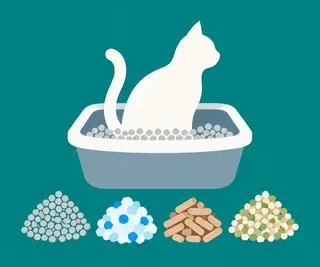 Types of Cat Litter
 Litter Box Solutions for Multi-Cat Households
 Understanding Cat Body Language
 Understanding Feline Pheromones
 Common Cat Illnesses - Feline Urinary Tract Diseases
 Common Cat Illnesses - Feline Viral Diseases
 Cat Mental Health and Wellbeing
 Cat Weight Management
 Cat Food Allergies and Sensitivities
 Raw Food Diet for Cats
 Kidney Disease in Cats
 Choosing the Right Litter Box
 Cat Emergency Situations and First Aid
 Cat Play Behavior and Enrichment
 Cat Breeds - Popular Breeds and Traits
Cat Care & Behavior: Complete Expert Guides for Every Feline Parent
At PetCareWorld, our Cat Care & Behavior hub is the ultimate resource for understanding your feline companion—from nutrition and health to play, communication, and home enrichment. Whether you're a new kitten owner or managing a senior cat with chronic conditions, these evidence-based guides help you decode behaviors, prevent illnesses, and create a thriving environment. Explore 53 subcategories covering breed selection, litter box troubleshooting, emergency first aid, dietary solutions, and mental wellness, all crafted by veterinary experts.
🐱 Cat Breeds - Popular Breeds and Traits
Discover the most beloved feline breeds, from the affectionate Ragdoll to the playful Bengal. This section details each breed's temperament, activity level, grooming demands, and typical lifespan. Understand which traits suit your lifestyle, whether you want a lap cat, an independent hunter, or a social butterfly. Our comparisons help you make an informed choice before adopting, ensuring a harmonious match between your family and your new furry friend.
🧶 Cat Play Behavior and Enrichment
Play is essential for your cat's physical and mental health. Learn how to mimic natural hunting instincts with interactive toys, puzzle feeders, and scheduled play sessions. This guide covers age-appropriate play, signs of overstimulation, and how to rotate toys to sustain interest. Dive into enrichment strategies that reduce boredom, prevent destructive scratching, and strengthen the bond between you and your cat through positive, engaging activities.
🚨 Cat Emergency Situations and First Aid
Be prepared for the unexpected with our step-by-step emergency guide. Recognize critical signs like difficulty breathing, seizures, poisoning, or traumatic injury. Learn how to perform basic first aid, including wound cleaning, safe transport, and temporary bandaging. We also explain when to rush to the vet versus home monitoring, and include a printable checklist for your pet first-aid kit. Quick, calm action can save your cat's life.
🚽 Choosing the Right Litter Box
Selecting the perfect litter box prevents accidents and stress. Consider size, entrance height, covered vs. open designs, and automatic cleaning options. We break down pros and cons for kittens, seniors, and cats with mobility issues. Your cat's preference for privacy or openness matters—get expert tips on placement, number of boxes (rule of thumb: one per cat plus one), and how to transition to a new box without resistance.
🩺 Kidney Disease in Cats
Chronic kidney disease (CKD) is common in older cats. This section explains early symptoms like increased thirst, weight loss, and poor coat quality. Learn about diagnostic tests (blood work, urinalysis), dietary management with low-phosphorus renal diets, subcutaneous fluid therapy, and medications to support kidney function. We also share tips on monitoring quality of life and working with your vet to slow disease progression.
🥩 Raw Food Diet for Cats
Raw feeding is controversial yet increasingly popular. This guide covers nutritional balance, safe handling, and formulation of bone, organ, and muscle meat. We address bacterial risks (Salmonella, E. coli) and how to mitigate them, plus transition protocols from kibble to raw. Consult with a veterinary nutritionist to ensure your cat gets taurine and essential vitamins—this section helps you weigh the benefits against the risks responsibly.
🤧 Cat Food Allergies and Sensitivities
Food allergies cause chronic itching, digestive upset, and ear infections. Identify common triggers like chicken, beef, dairy, and grains. Learn to conduct a strict elimination diet over 8–12 weeks, reading labels for hidden ingredients. We guide you through novel protein diets, hydrolyzed proteins, and home-cooked alternatives. Persistent symptoms may indicate environmental allergies—our veterinary-reviewed plan helps you pinpoint the culprit.
⚖️ Cat Weight Management
Obesity affects 60% of cats, leading to diabetes, arthritis, and shortened lifespan. This section offers body condition scoring charts, calorie calculators, and portion control strategies for both wet and dry foods. We recommend gradual weight loss (1-2% per week) with high-protein, low-carb diets, plus exercise regimes using laser pointers, climbing trees, and food-dispensing toys. Track progress safely with your vet's guidance.
🧠 Cat Mental Health and Wellbeing
Cats suffer from anxiety, depression, and cognitive decline just like humans. Recognize signs of stress—hiding, overgrooming, or changes in appetite—and implement calming routines. This guide covers environmental enrichment, predictable schedules, and positive reinforcement. For senior cats, we discuss cognitive dysfunction syndrome and brain-healthy nutrition. Create a sanctuary with vertical spaces, safe hiding spots, and daily interaction to keep your cat emotionally balanced.
🦠 Common Cat Illnesses - Feline Viral Diseases
Feline herpesvirus, calicivirus, and panleukopenia are highly contagious. This section details symptoms (sneezing, ulcers, fever), transmission routes, and vaccination protocols. Learn how to disinfect your home, isolate infected cats, and support recovery with immune-boosting supplements. For FIV and FeLV, understand how these retroviruses weaken immunity—we offer management strategies and preventive care to extend your cat's quality of life.
💧 Common Cat Illnesses - Feline Urinary Tract Diseases
FLUTD includes cystitis, stones, and blockages—a medical emergency in male cats. Recognize warning signs: straining, blood in urine, or licking genitals. We explain causes like stress, dehydration, and diet, plus prevention with increased water intake, wet food, and reduced magnesium. Explore treatment options from pain relief to surgery. Immediate veterinary care is vital for blocked cats—this guide could save your pet's life.
🌸 Understanding Feline Pheromones
Pheromones are your cat's chemical communication system. Learn how facial pheromones mark safe territory, while stress pheromones from anal glands trigger avoidance. This section explains synthetic pheromone products (Feliway) that reduce anxiety, urine spraying, and conflicts in multi-cat homes. Discover how to interpret scratching, rubbing, and kneading behavior—all driven by pheromonal messages—to create a calmer, more predictable environment.
🐾 Understanding Cat Body Language
Decode your cat's tail position, ear angles, pupil size, and vocalizations to understand moods. A fluffed tail signals fear, slow blinking shows trust, and flattened ears indicate aggression. We break down postures during play, hunting, and rest—plus signs of pain that owners miss. Master this silent language to prevent bites, reduce stress, and respond appropriately to your cat's needs, improving your bond tremendously.
🏠 Litter Box Solutions for Multi-Cat Households
Multi-cat homes often face territorial disputes around litter boxes. Follow our golden rule: one box per cat plus one extra, placed in separate rooms to avoid ambush. This section covers digging depth, substrate choice, and daily cleaning schedules. Learn to manage bullying, use pheromone diffusers, and provide escape routes. With the right setup, you can eliminate inappropriate elimination and restore harmony.
🧪 Types of Cat Litter
From clumping clay to silica gel, pine pellets, corn, and walnut—each litter has unique absorption, odor control, and dust levels. This guide compares price, tracking, and eco-friendliness. Sensitive paws prefer fine-grain textures; respiratory issues demand dust-free options. We also cover flushable litters (check local regulations) and transition tips. Test small batches to find your cat's favorite—and your cleaning convenience.
🪵 Scratching Mats and Furniture Protectors
Protect your couch and carpets without scolding—redirect scratching to appropriate surfaces. Learn about cardboard scratchers, sisal mats, and vertical posts with varying angles. Apply double-sided tape or plastic shields temporarily to deter furniture, but reward your cat when they use their designated post. This section advises placement near sleeping areas and entry points to satisfy natural marking instincts safely.
📚 Litter Box Training Guide
Litter training starts early for kittens but works for adults too. This step-by-step guide covers choosing the right box, introducing your cat to the litter, and reinforcing positive associations. Learn to handle accidents calmly without punishment, and troubleshoot refusal issues. We include techniques for transitioning outdoor cats indoors and retraining after illness. Consistency and patience are key—success is almost guaranteed with our proven methods.
😾 Cat Aggression - Types and Solutions
Aggression stems from fear, pain, play, or territorial disputes. This section distinguishes between these types and offers tailored solutions. For petting-induced aggression, learn to read warning signs; for inter-cat hostility, use gradual introductions and scent swapping. Never hit your cat—positive reinforcement and environmental changes resolve most issues. If aggression escalates, consult a veterinary behaviorist for a customized behavior modification plan.
💉 Cat Vaccinations and Preventative Care
Core vaccines (FVRCP, rabies) protect against deadly diseases, while non-core ones (FeLV, Bordetella) depend on lifestyle. This guide explains vaccination schedules for kittens and boosters for adults, including risk assessment for indoor vs. outdoor cats. We also cover annual health exams, parasite prevention, and dental check-ups—all vital to catching issues early and increasing your cat's lifespan by years.
🌟 Cat Breeds - Hypoallergenic Cat Breeds
If you're allergic but love cats, consider breeds with lower Fel d 1 protein levels: Siberian, Balinese, Cornish Rex, and Sphynx. This section explains that no cat is 100% hypoallergenic, but these breeds produce fewer allergens. Learn grooming routines, air purifiers, and allergen-reducing wipes to minimize reactions. We also share real owner experiences to help you decide if these breeds fit your home.
📍 Litter Box Placement and Environment
Location matters—cats avoid noisy, high-traffic, or inaccessible areas. Place boxes in quiet corners, away from food and water, on solid floors. Avoid basements or near washing machines. Ensure good ventilation and lighting, and provide an escape route for nervous cats. This section offers room-by-room placement ideas, multiple-story suggestions, and how to recreate a safe 'bathroom' environment your cat will consistently use.
😟 Cat Anxiety Management Techniques
Anxiety shows as hiding, excessive meowing, or destructive behavior. This guide covers desensitization for loud noises, separation anxiety counter-conditioning, and calming products like weighted vests and anxiety wraps. Learn about environmental stressors (new pets, moving) and adjust gradually. For severe cases, we discuss prescription medications and natural supplements like L-theanine. With patience, you can restore your cat's confidence and peace.
🏠 Enrichment for Indoor Cats
Indoor cats need mental and physical stimulation to prevent obesity and boredom. This section covers window perches with bird feeders, cat trees with hiding cubbies, and rotating toy selection. Create a 'catio' or secure balcony space. Use puzzle feeders for meals, clicker training for tricks, and simulating hunting with hidden treats. A stimulating environment leads to a happier, healthier, and less destructive cat.
🦠 Common Cat Illnesses - Bacterial Infections in Cats
Bacterial infections range from skin abscesses from bites to respiratory infections (Chlamydia) and urinary tract infections (E. coli). Learn symptoms—swelling, discharge, fever—and diagnostic methods like cultures. Antibiotics are crucial, but resistance is rising, so follow vet instructions precisely. This section also covers preventive care like wound cleaning and vaccination for Bordetella. Early treatment prevents systemic spread and serious complications.
🥘 Adult Cat Nutrition
Adult cats (1–7 years) need balanced protein, fats, and essential amino acids like taurine and arginine. This guide breaks down AAFCO standards, ingredient quality, and meal frequency (2–3 times daily). Compare wet vs. dry food for hydration and dental benefits. Adjust portions based on activity, health status, and spay/neuter status. Read labels to avoid excessive carbohydrates and fillers, ensuring your adult cat thrives through their prime years.
🐝 Cat Scratching Behavior Explained
Scratching is not misbehavior—it's a natural instinct for claw maintenance, scent marking, and stretching. Discover why cats scratch rough surfaces, leaving visible claw marks and pheromones. This section explains the anatomy of claw shedding and the importance of providing appropriate outlets. Learn to identify your cat's preferences (vertical vs. horizontal) and redirect them to acceptable posts to protect your belongings while respecting their biology.
🍂 Senior Cat Nutrition
Senior cats (7+ years) require specialized diets with high-quality protein, omega-3s for joints, and reduced phosphorus for kidneys. This guide covers age-related issues like arthritis, dental pain, and digestive sensitivity. Offer smaller, frequent meals with warmed food to enhance aroma. Consider supplements (glucosamine, probiotics) and ensure hydration with wet food. Regular vet check-ups adjust dietary needs as your senior cat's health evolves.
🚫 Deterrents for Cat Scratching
Use humane deterrents to protect furniture without harming your cat. Options include double-sided tape, aluminum foil, citrus-scented sprays, or motion-activated air puffs. Place these on previously scratched spots to create negative associations. Alternatively, use 'clicker training' to positively reinforce using scratch posts. This section warns against declawing (inhumane) and advises covering furniture temporarily during habit reversal. Consistency rewards good behavior that lasts.
🦋 Feline Hyperthyroidism
Overactive thyroid affects senior cats, causing weight loss, increased appetite, hypertension, and vomiting. This guide explains diagnosis via blood tests (T4 levels), and treatment options: medication (methimazole), radioactive iodine therapy, surgery, or dietary management with iodine-restricted food. We compare success rates, costs, and side effects. With early detection, most cats live normal lives—monitor symptoms and work closely with your vet for the best approach.
🧬 Cat Breeds - Health Predispositions by Breed
Certain breeds are genetically prone to specific conditions—Persians to polycystic kidney disease, Maine Coons to hypertrophic cardiomyopathy, and Siamese to asthma. This section maps breed-specific risks so you can take preventive action with tailored screening. Learn about DNA testing, early symptom spotting, and lifestyle adjustments. Knowledge empowers you to provide proactive care, extending your purebred cat's health and happiness.
🍬 Feline Diabetes
Diabetes mellitus mimics human type 2, with excess weight and inactivity as predictors. Recognize signs: excessive thirst, frequent urination, and weight loss despite good appetite. Diagnosis via blood glucose and fructosamine tests. Treatment includes insulin injections (twice daily), dietary changes (high-protein, low-carb), and weight control. We guide you through home glucose monitoring and managing hypoglycemic emergencies. With dedication, remission is possible in some cats.
🌳 Cat Enrichment and Environmental Needs
Cats are territorial hunters needing vertical space, perches, hiding spots, and scratching areas. This section covers building a 'catification' plan using shelves, condos, and cardboard boxes. Provide safe outdoor views or leash walks. Rotate toys every few days to maintain novelty. Include social enrichment through interactive play and gentle brushing. A well-enriched environment minimizes stress, aggression, and unwanted behaviors—essential for indoor cats.
👶 Cat Socialization - Early Kitten Socialization
The critical 2-9 week window shapes a kitten's temperament. This guide introduces gentle handling, exposure to various people, sounds (vacuum, doorbell), and friendly pets. Use positive reinforcement (treats, play) to create positive associations. Handling paws, ears, and mouth early makes future vet visits easier. Enroll in a ‘kitten kindergarten’ class. Proper socialization prevents fear-based aggression and fosters confident, affectionate adult cats.
👨👩👧👦 Cat Breeds - Best Cat Breeds for Families
Family-friendly breeds include the gentle Ragdoll, playful Burmese, patient Maine Coon, and laid-back British Shorthair. This section evaluates each breed's tolerance for children, other pets, and grabby hands. Consider energy levels and grooming needs. Always supervise interactions and teach kids respectful handling. Adopting an adult cat with a known temperament is also wise. Find your perfect family match that will bring years of joy.
🗣️ Decoding Cat Meows and Purrs
Meows are primarily directed at humans—your cat may have distinct vocalizations for hunger, greeting, or annoyance. Purring often indicates contentment but also occurs during stress or pain as self-soothing. Listen to pitch, duration, and context. This section breaks down chirps, trills, and growls. By responding appropriately, you reinforce desired communication and strengthen your bond, making daily care and understanding simpler.
💬 Cat Communication with Humans
Cats communicate through a mix of vocalization, body posture, and scent marking. Learn how head bunting deposits pheromones for trust, while slow blinking signifies relaxation. Tail 'question marks' express curiosity, and rolled belly can be an invitation or defense. This guide teaches you to respond to your cat's signals proactively—like stopping petting when ears flatten. Mutual communication reduces frustration and accidental injuries.
🤝 Cat Socialization - Socializing Adult Cats
Adult cats from shelters or stressful situations can learn social skills with patience. Start with safe spaces, provide hiding spots, and allow your cat to initiate contact on their terms. Use food treats and play to create positive associations. Gradually expand their territory with short, supervised sessions. Never force interaction—fear can persist. With dedication, many adults become affectionate companions; trust takes time but is rewarding.
🪵 Understanding Cat Scratching Needs
Scratching isn’t destruction; it's essential for claw health, stretching, and stress relief. Cats need both horizontal and vertical surfaces at various heights. This section explains how scratch marks leave visual and olfactory signals for territory. Provide sturdy posts covered in sisal or cardboard that won't wobble. Place them near sleeping areas and doorways. Respect this instinct, and your cat will happily stick to approved surfaces.
🧱 Scratching Posts and Surfaces for Cats
Choose the right scratching post by size, stability, and material. Tall posts (at least 32 inches) allow full-length stretches. Sisal rope or bark offers texture; carpet backing can confuse your cat into scratching carpets. This section covers DIY cardboard scratchers, wall-mounted pads, and compact arcs for small spaces. Test different options and reward your cat when they prefer the post. It’s an investment in your furniture’s survival.
🏡 Creating a Cat-Friendly Home
Design every room with your cat's safety and joy in mind. Secure loose wires, remove toxic plants (lilies!), and use childproof latches on cabinets. Provide sunny windowsills, cozy blankets, and water fountains. Install bird feeders outside for entertainment. This guide offers room-by-room tips, from a quiet bedroom sanctuary to a kitchen feeding station. A cat-friendly home promotes health, prevents accidents, and strengthens your bond.
🥫 Wet vs Dry Cat Food
Wet food provides high moisture (helpful for urinary health), but dry food is convenient and helps with tartar control. Compare protein content, calorie density, and cost. Many owners combine both—offering wet meals twice daily and dry for grazing. This section covers special diets (urinary, renal) where wet is crucial. Always ensure fresh water, regardless. Your cat's individual health, age, and taste preferences will guide the best balance.
🌈 Cat Breeds - Low-Maintenance Cat Breeds
If you prefer minimal grooming and moderate activity, consider domestic shorthairs, British Shorthairs, or Russian Blues. They shed less and are independent yet affectionate. This section evaluates coat types, energy levels, and vet-visit frequency. Low-maintenance doesn’t mean no care—brush weekly, trim nails, and play daily. Adopt an adult to match known temperament. Enjoy a relaxed companion without the high-maintenance demands of exotic breeds.
🐛 Feline Parasite Control
Protect your cat from fleas, ticks, ear mites, and intestinal worms (roundworms, tapeworms). This guide outlines year-round preventives—topical, oral, or injectable—and how to choose by lifestyle (indoor vs. outdoor). Recognize signs like scratching, scooting, or visible worms. We also cover zoonotic risks (hookworm, toxoplasmosis) for humans. Regular vet fecal tests and heartworm prevention are essential, even for indoor cats. Stay ahead of infestations.
😨 Fearfulness and Anxiety in Cats
Fears stem from lack of socialization, trauma, or genetic sensitivity. Signs include hiding, freezes, tail tucked, or inappropriate elimination. Your guide covers gradual desensitization to triggers (loud noises, strangers) and counter-conditioning with treats. Provide high perches, pheromone diffusers, and never force your cat into scary situations. For chronic cases, discuss anti-anxiety medication with your vet. A patient approach rebuilds your cat’s confidence slowly.
💊 Cat Food for Urinary Health
Urinary diets are designed to dissolve crystals (struvite) and prevent stones (calcium oxalate) by controlling pH, magnesium, and protein. This section explains when these prescription foods are necessary—after a urinary blockage or cystitis diagnosis. Compare wet vs. dry therapeutic options and palatability. Always transition gradually over 7–10 days and ensure constant water. Never use non-prescription 'urinary health' foods without veterinary approval for existing disease.
🐣 Kitten Nutrition
Kittens need double the protein of adults for rapid growth and brain development. Kitten-specific formulas (wet or dry) provide higher calories, calcium, phosphorus, and DHA. Feed 3–4 small meals daily until 6 months, then transition to adult food. Avoid cow's milk (causes diarrhea). This guide covers weaning, safe treats (little), and hydration. Proper early nutrition ensures strong bones and