Understanding Cat Mental Health and Wellbeing: A Complete Guide for Pet Parents
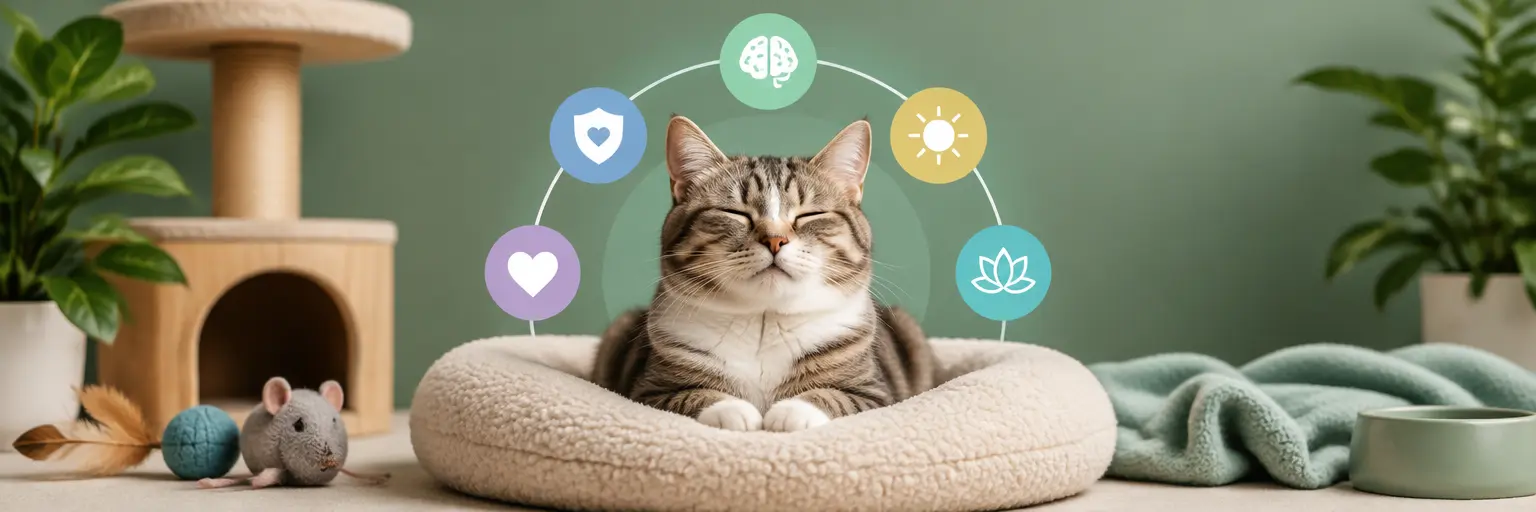
At PetCareWorld, we know that a happy cat is more than just a well-fed one. Your feline’s mental health directly affects their physical health, behavior, and the bond you share. This subcategory dives deep into the often-overlooked emotional world of cats, offering science-backed strategies and practical tips to reduce stress, prevent anxiety, and foster a calm, enriched environment. From decoding subtle body language to creating a sanctuary that meets their natural instincts, you’ll find everything needed to ensure your cat thrives, not just survives.
🐾 Recognizing Signs of Stress and Anxiety in Cats
Cats are masters of disguise, often hiding discomfort until it escalates into litter box issues, aggression, or over-grooming. Here, we break down the subtle indicators, such as tail flicking, dilated pupils, or changes in appetite, that signal an overwhelmed mind. Understanding these cues is your first line of defense in preventing chronic anxiety, which can lead to cystitis or skin conditions. We’ll teach you how to differentiate between temporary stress and deeper emotional distress, so you can act promptly and effectively.
You’ll learn to read your cat’s “stress vocabulary” through visual guides and real-life examples. We also cover how environmental changes—like a new baby, moving homes, or even rearranging furniture—impact their psyche. By recognizing these signs early, you can implement calming techniques before problems solidify. This section is essential for new owners and seasoned cat parents alike, as it transforms guesswork into confident, proactive care.
🏡 Creating a Stress-Free Home Environment
Your home is your cat’s entire universe, so its design plays a pivotal role in their mental wellness. We explore the concept of “catification”—structuring space with vertical perches, hiding spots, and separate resources for food, water, and litter. Multi-cat households face unique challenges, and we offer proven layouts to minimize territorial conflicts. A well-organized environment reduces cortisol levels, encouraging natural behaviors like climbing, scratching, and observing, which are vital for emotional balance.
Beyond furniture, we discuss scent and sound management, including the use of synthetic pheromones and white noise to mask outdoor triggers. You’ll discover how simple additions like window perches or puzzle feeders can transform a boring space into a stimulating haven. This section provides a room-by-room checklist, ensuring no corner is overlooked. The result is a sanctuary where your cat feels safe, confident, and in control—key pillars for long-term mental resilience.
🧠 Enrichment and Play: The Brain’s Best Medicine
Boredom is a silent killer of feline mental health. Without proper stimulation, cats develop compulsive behaviors or lethargy. Here, we highlight species-appropriate enrichment that taps into their hunting, stalking, and pouncing instincts. Interactive toys, rotational play sessions, and food-dispensing puzzles are just the beginning. We’ll show you how to schedule play to mimic natural prey cycles, which releases dopamine and reduces anxiety. Mental exercise is as crucial as physical—think of it as a gym for their mind.
We also cover the importance of puzzle feeders that make mealtime a challenge, slowing down fast eaters and engaging their problem-solving skills. For indoor cats, we suggest DIY obstacle courses and sensory items like catnip or silver vine, explaining how these affect brain chemistry. This section offers a weekly enrichment calendar, balancing active play, solo exploration, and quiet downtime. By the end, you’ll be equipped to design a boredom-busting routine that keeps your cat’s mind sharp and mood elevated.
🏥 The Link Between Physical Health and Mood
Mental wellbeing is inseparable from physical health. Chronic pain—from dental disease, arthritis, or hyperthyroidism—often manifests as irritability, hiding, or aggression. We guide you through common medical conditions that masquerade as behavioral problems, urging a vet check before assuming a purely psychological cause. Nutritional gaps also affect mood, so we discuss diets rich in omega-3 fatty acids, tryptophan, and antioxidants that support brain function. You’ll learn how dehydration or poor gut health can trigger anxiety, and how probiotics may help.
Preventive care is your best ally. We outline routine check-up schedules, dental hygiene tips, and weight management strategies that directly impact mental clarity. Additionally, we cover the emotional benefits of neutering and age-related cognitive decline in senior cats. This section empowers you to be an advocate for your cat’s whole-body health, bridging the gap between veterinary advice and daily care. With this knowledge, you can spot early warning signs and collaborate effectively with your vet to ensure your cat feels as good as they look.
🤝 Building a Trust-Based Bond Through Gentle Training
Trust is the foundation of any cat’s emotional security. Unlike dogs, cats respond best to force-free, positive reinforcement methods. We teach you how to use clicker training to reinforce calm behavior, reduce fear of carriers or vet visits, and even target-train for easier handling. This isn’t about tricks—it’s about communication. A cat that trusts you is less likely to exhibit stress-related aggression or destructive behavior. We also address common pitfalls like punishment, which heightens anxiety and erodes your relationship.
We provide step-by-step protocols for desensitization and counter-conditioning, perfect for fearful or rescue cats. You’ll learn to recognize your cat’s unique communication style, from ear positions to vocalizations, and respond respectfully. Building a secure attachment also means respecting their independence—allowing them to initiate contact. This section includes bonding exercises like grooming sessions, massage, and interactive play that release oxytocin in both of you. Over time, you’ll cultivate a relationship where your cat feels understood, safe, and utterly cherished.
Frequently Asked Questions
How can I tell if my cat is depressed or just lazy?
Depression in cats often shows as a sudden loss of interest in play, excessive sleeping, hiding, or ignoring favorite treats. Lazy cats still engage when stimulated. Monitor for changes in appetite, grooming, or litter box habits. If these persist over two weeks, consult a vet to rule out medical issues, then consider environmental enrichment and more interactive play sessions.
Can I use calming supplements or pheromones for my anxious cat?
Yes, products like Feliway (synthetic pheromones) or natural supplements containing L-theanine or chamomile can reduce stress. However, they work best alongside environmental changes, not as a sole fix. Start with one product, observe effects for 2–4 weeks, and always check with your vet, especially if your cat is on medication.
Is it okay to have multiple cats for better mental health?
Not always. Many cats are solitary by nature and feel stressed with territory-sharing. If you introduce a second cat, do it slowly with scent swapping and separate resources. Watch for hissing, guarding, or avoidance—these indicate friction. For some cats, being the only feline is actually the healthiest choice.
How much daily play does my indoor cat really need?
Aim for at least 15–20 minutes of active, interactive play daily, broken into two sessions. Use toys that mimic prey, like wand feathers or laser pointers, but always end with a “catch” to satisfy their hunter instinct. Additionally, provide solo toys and puzzle feeders to keep them occupied when you’re busy.
What should I do if my cat suddenly starts over-grooming?
Over-grooming often signals stress, allergies, or pain. First, visit a vet to rule out parasites, skin issues, or internal pain. If physical causes are excluded, analyze recent changes in routine or environment. Increase enrichment, add vertical spaces, and consider calming aids. Never punish the behavior, as it worsens anxiety.