Siamese Surprises: Decoding BreedSpecific Health Challenges
😊 Discover the unique health concerns facing Siamese cats in "Siamese Surprises." PetCareWorld explores breed-specific issues, offering expert guidance for owners to…
Read article
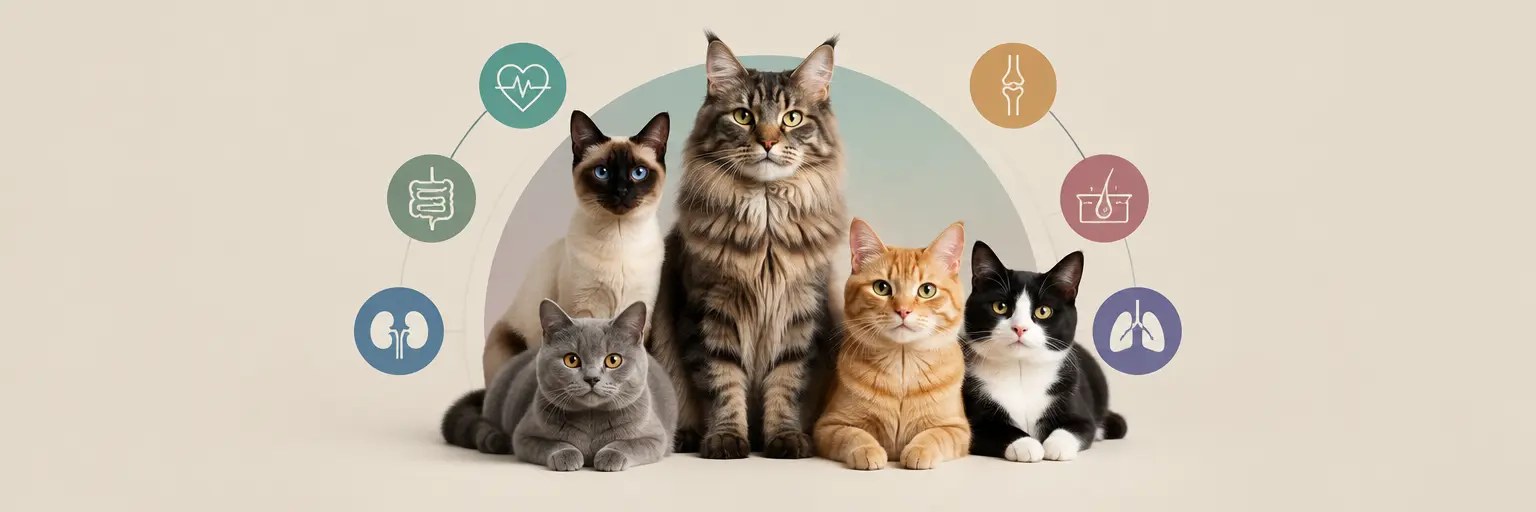
Discovering the right feline companion goes far beyond coat colors and playful personalities—it’s about understanding their unique health blueprint. At PetCareWorld, we dive deep into the genetic predispositions of various cat breeds, helping you anticipate potential issues like hypertrophic cardiomyopathy in Maine Coons, polycystic kidney disease in Persians, or hip dysplasia in British Shorthairs. Our expert-curated guides translate complex veterinary science into practical, breed-specific care plans that empower you to be proactive, not reactive, when it comes to your cat’s well-being. From dietary adjustments that support joint health to early screening recommendations for heart conditions, we connect the dots between a breed’s heritage and its daily care needs. Whether you’re a seasoned breeder, a new kitten parent, or simply curious about your mixed-breed’s traits, our content sheds light on symptom patterns, lifespan considerations, and preventive strategies tailored to your cat’s genetic makeup. Because knowing your cat’s breed-specific health risks isn’t about worrying—it’s about taking control.
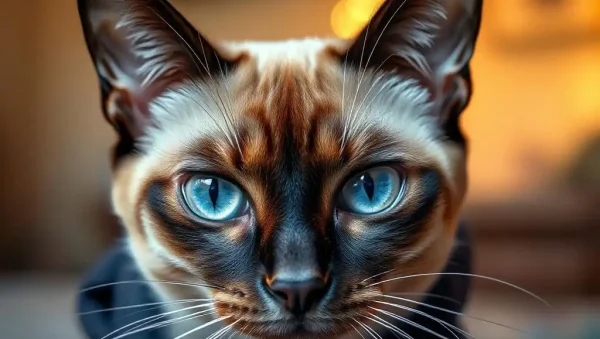
😊 Discover the unique health concerns facing Siamese cats in "Siamese Surprises." PetCareWorld explores breed-specific issues, offering expert guidance for owners to…
Read article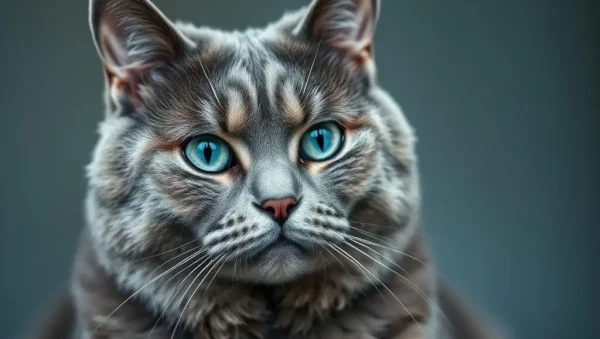
🤔 Discover potential Chartreux cat health problems and learn how to proactively address them. PetCareWorld offers expert guidance to ensure your rare…
Read article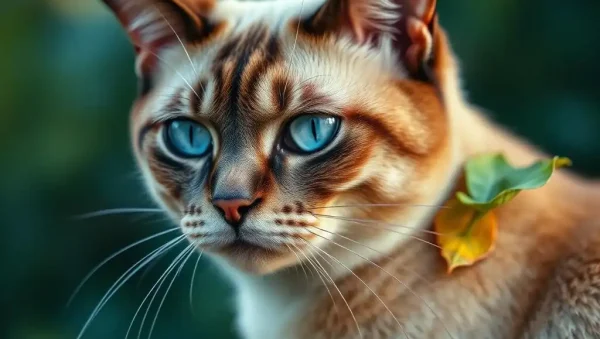
🤔 Discover potential Tonkinese cat health problems, including those related to their breed's unique genetic makeup, to ensure your feline friend thrives.…
Read articleEvery cat is unique, but certain breeds carry a genetic blueprint that makes them more susceptible to specific health conditions. At PetCareWorld, our Cat Breeds - Health Predispositions by Breed subcategory dives deep into these inherited risks, helping you anticipate, prevent, and manage potential issues before they escalate. From heart disease in Maine Coons to polycystic kidney disease in Persians, we break down complex veterinary science into actionable, cat-parent-friendly guidance. Whether you are adopting a purebred kitten or simply curious about your mixed-breed companion’s possible lineage, this resource empowers you with knowledge that can extend your feline friend’s quality of life.
This section highlights the most frequently diagnosed hereditary disorders, including hypertrophic cardiomyopathy (HCM) in Ragdolls and British Shorthairs, progressive retinal atrophy in Abyssinians, and patellar luxation in Devon Rexes. We explain how these conditions manifest, their typical age of onset, and which screening tests are recommended by feline specialists. You will learn why early detection is critical—for example, HCM often shows no outward signs until advanced stages, making routine echocardiograms a lifesaving habit for predisposed breeds.
Beyond diagnosis, we offer practical management tips, from dietary adjustments to medication protocols, ensuring you can provide the best possible care. Our content also clarifies the difference between true genetic predispositions and environmental factors, helping you avoid unnecessary worry. By understanding your breed’s risk profile, you can tailor wellness visits, request targeted blood work, and collaborate more effectively with your veterinarian to catch subtle changes early.
Heart disease is a leading cause of premature death in cats, and certain breeds—including Maine Coons, Persians, and Sphynx—carry a significantly higher genetic risk for HCM. This section provides a detailed breakdown of how HCM progresses, the difference between asymptomatic and symptomatic stages, and the role of genetic testing (e.g., the MyBPC3-A31P mutation). You will also discover breed-specific survival rates and why regular veterinary cardiology checks should begin as early as one year of age for at-risk breeds.
We also cover less common cardiac issues like dilated cardiomyopathy linked to taurine deficiency in historical cases and arrhythmogenic right ventricular cardiomyopathy in Boxers (though rare in cats). Practical advice includes monitoring breathing rates at home, recognizing signs of congestive heart failure (e.g., open-mouth breathing, sudden hind-leg paralysis), and emergency action plans. Our goal is to demystify cardiac diagnostics, such as NT-proBNP blood tests, so you can make informed decisions about advanced imaging and specialist referrals.
From Scottish Folds with their characteristic folded ears (often accompanied by osteochondrodysplasia) to Munchkins with shortened legs prone to spinal issues, this section tackles structural health challenges. We explain how selective breeding has inadvertently amplified certain skeletal anomalies, including hip dysplasia in Maine Coons and patellar luxation in Oriental Shorthairs. For each condition, we outline early warning signs, such as reluctance to jump, stiffness after rest, or unusual gait, and emphasize the importance of joint-friendly environments (e.g., ramps, low-sided litter boxes).
Management strategies range from weight control to physiotherapy and supplements like glucosamine and omega-3 fatty acids. We also discuss surgical options, such as femoral head ostectomy, for severe cases, and how to assess your cat’s pain level using validated scales. Preventative care is a central theme—ensuring your kitten’s diet supports bone development, avoiding over-exercise during growth phases, and providing appropriate scratching posts to maintain muscle tone. This knowledge reduces the likelihood of chronic pain and expensive interventions later.
Chronic kidney disease (CKD) and urinary tract issues are common in breeds like Persians, Himalayans, and Burmese. Here, we detail the genetic basis behind polycystic kidney disease (PKD) in Persians, along with breed-specific risks for feline lower urinary tract disease (FLUTD) and diabetes mellitus in Burmese cats. You will learn which diagnostic tests (e.g., SDMA, urine protein-to-creatinine ratio) are most effective for early detection, and how dietary phosphorus restriction and hydration strategies can slow CKD progression.
Additionally, we cover hyperthyroidism—frequently seen in Siamese and Himalayan cats—and its connection to breed-specific thyroid tumors. Our advice includes recognizing symptoms like weight loss despite a ravenous appetite, increased thirst, and unkempt fur. For each endocrine disorder, we provide a comparison of medical management options (e.g., methimazole, radioactive iodine therapy, or surgery), including pros, cons, and cost considerations. This section equips you with the questions to ask your vet to ensure lifelong monitoring and optimal hormonal control.
Brachycephalic breeds—Persians, Exotic Shorthairs, and Himalayans—face unique respiratory challenges due to their flattened faces, such as stenotic nares and elongated soft palates. We explain how these anatomical features predispose cats to chronic nasal discharge, tear staining, and heat intolerance, and we offer environmental adjustments like humidifiers and low-stress cooling zones. Similarly, skin fold dermatitis is a concern in these breeds, requiring meticulous cleaning and monitoring for fungal or bacterial infections.
Eye issues are also breed-specific: progressive retinal atrophy in Abyssinians, strabismus in Siamese, and corneal sequestration in Persians. We provide a visual symptom guide (e.g., cloudy corneas, excessive blinking, or sudden blindness) and outline when surgical intervention is necessary. For skin conditions, we cover feline acne in exotic breeds and hypotrichosis in Sphynx, emphasizing gentle skincare routines and hypoallergenic products. This holistic view helps you maintain your cat’s comfort and prevent secondary complications.
Beyond physical health, this section explores how breed genetics influence neurological disorders and temperamental quirks. For instance, Siamese and Oriental breeds are prone to vestibular syndrome and anxiety-related behaviors, while Maine Coons may develop spinal muscular atrophy. We explain symptoms like head tilt, circling, and hind-end weakness, and differentiate between inherited conditions and acquired injuries. Our behavioral insights cover breed-specific tendencies toward excessive vocalization, separation anxiety, and sensitivity to environmental changes, offering targeted enrichment strategies.
We also delve into feline hyperesthesia syndrome, often seen in Burmese and Abyssinians, characterized by rippling skin and sudden aggressive episodes. Practical advice includes using calming pheromones, structured play schedules, and veterinary-prescribed anti-anxiety medications when needed. By recognizing these genetic links early, you can adapt your home environment, training approach, and interactions to reduce stress and improve your cat’s emotional well-being. This holistic understanding bridges physical and mental health, ensuring no aspect of your breed’s predispositions goes unaddressed.
Yes, mixed-breed cats can inherit genetic conditions if their ancestry includes predisposed breeds. For example, a mixed cat with Persian lineage may still develop polycystic kidney disease. However, the risk is often lower due to genetic diversity. Routine vet screenings and DNA tests can identify potential issues, allowing early monitoring and management.
For most breeds, initial screening for conditions like HCM or PKD can begin at 6–12 months of age. However, some diseases, such as progressive retinal atrophy, may not show symptoms until adulthood. Confirm with your breeder about any known genetic tests and schedule a baseline veterinary exam, including blood work and imaging, to establish a health benchmark.
Genetic tests are highly reliable for specific mutations, like HCM in Maine Coons or PKD in Persians, but they do not cover every possible disorder. A negative result reduces risk but does not guarantee immunity. Combined with regular physical exams and breed-specific imaging, genetic testing provides a strong preventive foundation.
Hypertrophic cardiomyopathy (HCM) is the most common, affecting breeds like Ragdolls, Maine Coons, and British Shorthairs. It causes thickening of the heart muscle, leading to impaired function. Early detection via echocardiography and regular monitoring can significantly improve management, though there is no cure.
No, genetic predispositions cannot be fully prevented, but their impact can be minimized through proactive care. This includes maintaining a healthy weight, providing proper nutrition, avoiding known triggers, and ensuring regular veterinary check-ups. Early intervention often slows disease progression and enhances your cat’s quality of life.