Manx Cat Grooming: Understanding Their Unique Tailless Needs
😊 Discover the essential Manx cat grooming guide on PetCareWorld! Learn specialized techniques for maintaining the unique coat and skin of this…
Read article
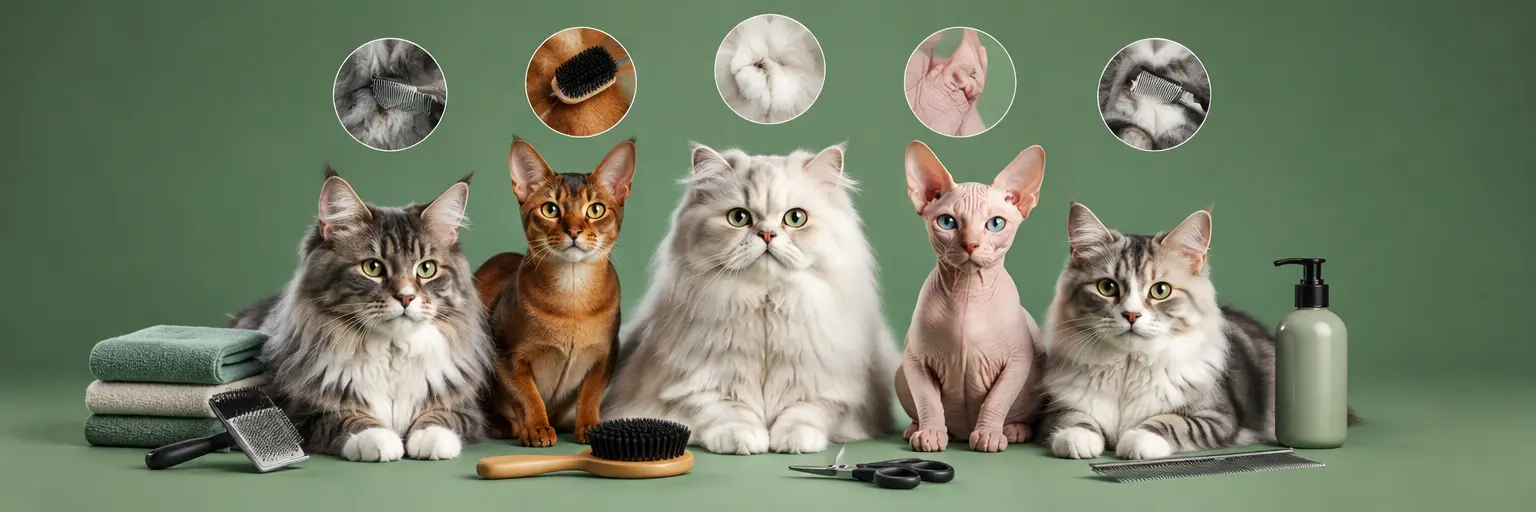
Discover how to keep your feline friend looking and feeling their best with our expert insights into grooming needs by breed. From the dense, plush coats of Persians that demand daily brushing to the low-maintenance, hairless Sphynx that requires weekly baths, every cat has unique requirements. Our detailed guides break down the best grooming tools, shedding levels, and coat care routines tailored to popular breeds like the Maine Coon, Siamese, and Ragdoll. Whether you’re battling matting in long-haired beauties or managing oily skin in short-haired breeds, we provide practical, step-by-step solutions. With clear, breed-specific advice, you’ll not only reduce hairballs and skin issues but also strengthen your bond through stress-free grooming sessions. Explore now to master the art of feline care and keep your cat’s coat shiny, healthy, and tangle-free all year round.
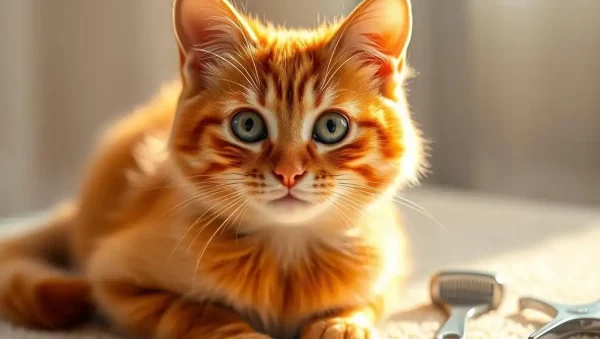
😊 Discover the essential Manx cat grooming guide on PetCareWorld! Learn specialized techniques for maintaining the unique coat and skin of this…
Read article
😊 Master the art of Persian cat grooming with PetCareWorld's ultimate guide. Learn essential techniques and product recommendations for a healthy, stunning…
Read article
😊 Munchkin cat short legs require special grooming attention. PetCareWorld's guide offers expert advice on safely cleaning your Munchkin's unique body, ensuring…
Read articleGrooming isn’t a one-size-fits-all routine. From the silky, low-shedding fur of a Balinese to the dense, triple-layered coat of a Persian, each cat breed demands a unique grooming protocol to stay healthy, comfortable, and happy. In this comprehensive guide, we explore the specific grooming needs of popular and rare breeds, helping you master brushing, bathing, ear care, nail trimming, and coat maintenance tailored to your feline’s genetic blueprint. Whether you’re a new kitten parent or a seasoned cat owner, understanding breed-specific grooming prevents mats, reduces hairballs, and strengthens your bond—while keeping your home fur-free.
Long-haired cats like Persians, Maine Coons, and Ragdolls require near-daily brushing to prevent painful mats, tangles, and skin irritation. Their soft undercoat easily felts against the outer guard hairs, especially behind ears, under the chin, and along the belly. Invest in a stainless-steel comb and a slicker brush, working in small sections. Regular bathing every 4–6 weeks helps remove excess oil and dirt, while routine sanitary trims reduce fecal matter buildup and urinary tract infections.
Beyond brushing, these breeds often need daily eye wiping to prevent tear staining and weekly ear cleaning to avoid wax accumulation. If you skip grooming for a week, mats will form quickly, leading to painful skin pulling and potential vet visits for dematting. Schedule a professional groomer every 3–4 months for deep deshedding and a hygienic trim. Remember, patience and positive reinforcement make grooming a bonding ritual rather than a chore.
Short-haired breeds such as the British Shorthair, American Shorthair, and Siamese need only weekly brushing to remove loose hair and distribute natural skin oils for a glossy coat. A rubber grooming mitt or a soft bristle brush works wonderfully, and most cats enjoy the massage-like sensation. Their self-grooming habits often suffice, but regular nail trims (every 2–3 weeks) and monthly ear checks remain essential to prevent overgrowth and infections.
Bathing is rarely necessary for short-haired cats—unless they get into something sticky or have skin conditions—but focus on dental hygiene and paw care instead. Wipe their paw pads periodically to remove debris, and watch for dandruff or excessive itching, which could signal allergies or parasites. Short-haired breeds are ideal for busy owners, yet they still appreciate a consistent grooming schedule to reduce hairballs and keep their shedding manageable.
Devon Rex, Cornish Rex, and Selkirk Rex possess unique curly or wavy coats that shed minimally but produce a lot of skin oil. Because their fur lacks guard hairs, they’re prone to greasy buildup and blackheads along the chin and tail. Gentle weekly wiping with a damp cloth or a soft glove removes excess oil, while monthly baths with a gentle cat shampoo prevent acne and skin allergies. Avoid over-bathing, as it strips protective oils and triggers dryness.
These breeds often have larger ears and delicate hair, making weekly ear cleaning critical to prevent wax and mites. Their claws tend to grow faster than average due to less friction from brushing, so check and trim nails bi-weekly. Because they feel colder without dense fur, provide warm bedding—and note that their exposed skin is sensitive to sunburn, so limit direct outdoor sun exposure during peak hours.
Sphynx, Donskoy, and Peterbald lack a protective coat, leaving their skin vulnerable to oil accumulation, dirt, and sunburn. They require weekly bathing (every 7–10 days) with a mild, cat-safe cleanser to wipe away the brown, waxy residue that collects on their skin. After bathing, apply an unscented moisturizer or coconut oil to keep their skin supple. Ear cleaning is non-negotiable—without fur, their ears fill with dark, waxy buildup that can lead to infections if ignored twice weekly.
Nail clipping every 10 days is essential, as their exposed paws accumulate dirt quickly. Protect their skin with pet-safe sunscreen when they lounge by sunny windows or during supervised outdoor time. These cats also generate more body heat, so keep their environment comfortably warm, and watch for skin irritations from scratching. With consistent hygiene, hairless breeds thrive as devoted, affectionate companions.
Breeds like the Siberian, Norwegian Forest Cat, and Russian Blue have a dense undercoat that “blows” twice a year—typically spring and fall—resulting in heavy shedding. During these seasons, brush daily with an undercoat rake or a deshedding tool to remove loose fur before it carpets your home. Outside these periods, weekly brushing suffices to keep coats healthy. Bathing every 6–8 weeks during heavy shed helps loosen dead fur, though many owners opt for professional deshedding treatments.
These breeds often develop mats near the tail and hindquarters, so regularly check and comb those areas. Their paws may collect litter and debris, needing routine cleaning. Additionally, double-coated cats are prone to hairballs; provide a hairball-control diet and brush frequently to minimize ingestion. Always dry them thoroughly after bathing to prevent chill, and never shave double coats, as this disrupts natural temperature regulation.
Persians need daily brushing and monthly baths to prevent mats, while Siamese cats require only weekly brushing and occasional bathing. Persians also need eye wiping and sanitary trims, whereas Siamese mostly need nail trims and ear checks. Adapting to breed-specific routines prevents unnecessary discomfort.
Never use human shampoo on any cat, regardless of breed. Human formulas are too acidic and strip natural oils, causing dry skin, itching, and dandruff. Always choose a pH-balanced, cat-specific shampoo—ideally one formulated for your breed’s coat type, such as hypoallergenic for Sphynx or moisturizing for long-haired breeds.
Even low-shedding breeds like British Shorthairs release dead hair daily. Indoor heating and lighting disrupt natural seasonal cycles, increasing shedding year-round. Regular weekly brushing removes loose fur before it falls, while a high-quality diet with omega-3 fatty acids reduces excessive shedding and improves coat health.
Start brushing your kitten daily from the first week home, using soft, positive sessions. Focus on high-friction areas like armpits, belly, and rear. Use a detangling spray for stubborn tangles, and never pull mats—trim gently with safety scissors or seek a groomer. Consistent early grooming builds lifelong tolerance.
Yes, Sphynx ears accumulate heavy wax quickly because they lack protective fur. Clean them weekly using a cotton ball and a vet-approved ear cleaner, gently wiping the inner surface without inserting anything deep. Inspect for redness or odor, which may indicate infection, and never use cotton swabs that push wax further inside.