Is a Hypoallergenic Cat Right for You? A Comprehensive Quiz
🤔 Discover if a hypoallergenic cat suits your lifestyle with PetCareWorld's comprehensive quiz! Find out if you're truly ready for a feline…
Read article
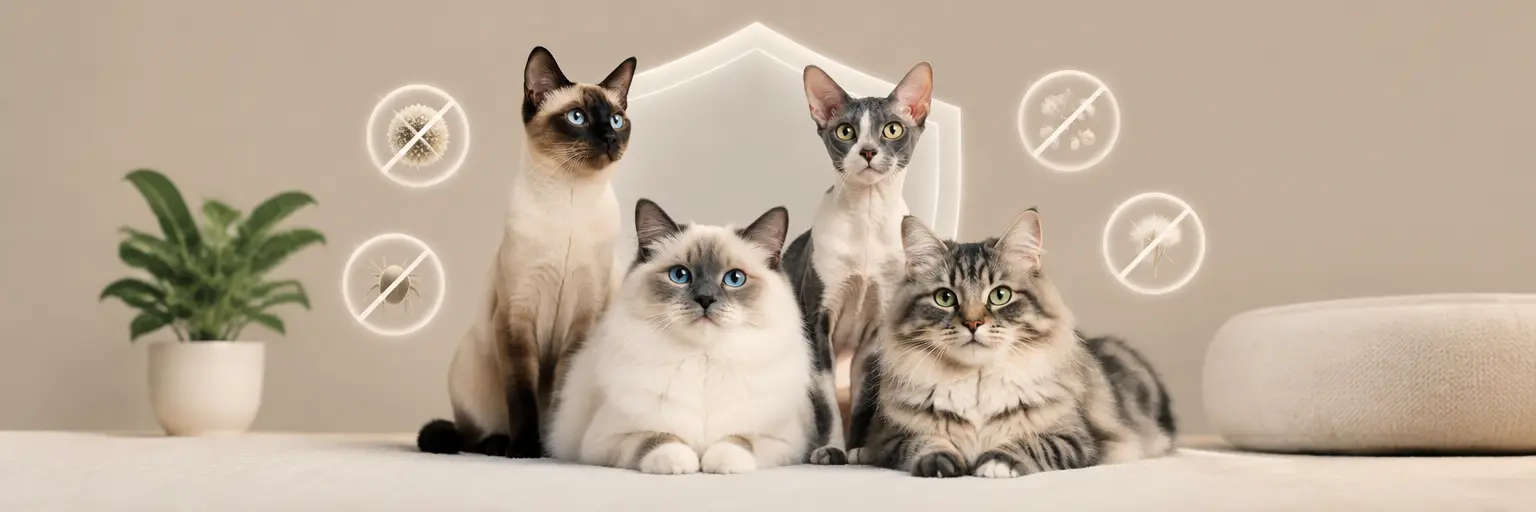
Looking for a feline companion but worried about allergies? You’re in the right place. Hypoallergenic cat breeds offer a fantastic solution for pet lovers who want to enjoy the joy of a cat without the sneezing, itching, and watery eyes. While no cat is 100% allergen-free, these special breeds produce significantly fewer Fel d 1 proteins—the main culprit behind allergic reactions. From the elegant Siberian to the playful Balinese, our expertly curated guide covers the best low-allergen options, their unique grooming needs, and practical tips to minimize allergens in your home. Whether you’re a first-time owner or a seasoned enthusiast, discover how to find the perfect furry friend that fits your lifestyle and health needs. Explore the breeds, learn about their temperaments, and take the first step toward a happier, sneeze-free home with PetCareWorld’s trusted insights.
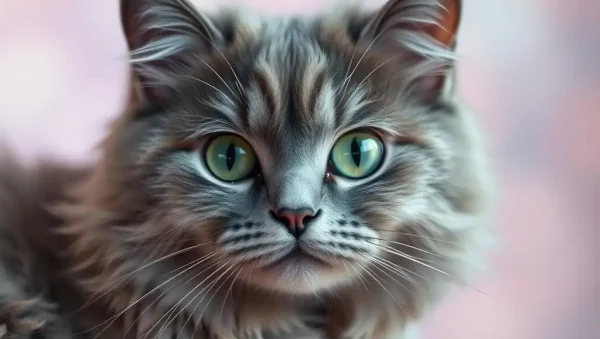
🤔 Discover if a hypoallergenic cat suits your lifestyle with PetCareWorld's comprehensive quiz! Find out if you're truly ready for a feline…
Read article
😊 Planning to welcome a feline friend with fewer allergies? PetCareWorld's guide on hypoallergenic kittens explores what to expect, helping you choose…
Read article
😊 Finding the purrfect feline friend with allergies? PetCareWorld guides you through selecting the best hypoallergenic cat breeds, considering factors beyond just…
Read articleLiving with cat allergies doesn’t mean you have to give up the dream of feline companionship. In this comprehensive guide to hypoallergenic cat breeds, we delve into the world of low-allergen felines, exploring breeds that produce fewer Fel d 1 proteins—the primary culprit behind allergic reactions. Whether you’re a first-time allergy sufferer or a seasoned cat lover seeking a new addition, this subcategory provides expert insights, practical tips, and detailed breed profiles to help you find the perfect match for your home and lifestyle.
The term “hypoallergenic” is often misunderstood. No cat is 100% allergy-free, but certain breeds naturally produce lower levels of Fel d 1, a protein found in saliva, skin, and urine. These breeds, such as the Siberian or Balinese, are better suited for allergy sufferers because they generate fewer allergens. Additionally, coat type matters—cats with single coats or minimal shedding spread fewer allergens around the home.
When considering a hypoallergenic breed, remember that individual reactions vary. Some people may tolerate one breed better than another due to subtle differences in protein production. Our guide explains the science behind allergens and offers practical strategies like regular grooming, air purifiers, and designated pet-free zones to minimize exposure. By understanding these mechanisms, you can make an informed choice that balances your love for cats with your health needs.
Several cat breeds stand out for their low-allergen qualities. The Siberian, despite its lush triple coat, is famed for producing significantly less Fel d 1. The Balinese, often called the “long-haired Siamese,” also boasts lower allergen levels. Other notable mentions include the Devon Rex, Cornish Rex, and Sphynx—all with unique coat textures that reduce allergen spread.
Each breed brings distinct personality traits: Siberians are playful and dog-like, Balinese are vocal and affectionate, while Sphynx cats are social and attention-seeking. Our detailed profiles highlight grooming needs, temperament, and activity levels, helping you determine which breed aligns with your lifestyle. We also discuss less common options like the Oriental Shorthair and Javanese, ensuring you have a broad palette of choices for your allergy-friendly journey.
Owning a hypoallergenic cat requires proactive management to keep allergen levels low. Regular bathing—once a week for hairless breeds, less for others—removes dander and saliva residues. Brushing your cat outdoors or in a well-ventilated area reduces loose fur and dander indoors. Use HEPA air purifiers and vacuum with allergen-trapping filters to maintain a clean environment.
Additionally, wash your hands after petting, avoid touching your face, and designate cat-free bedrooms to improve sleep quality. Consider allergen-reducing wipes or sprays designed for pets. Our care section offers step-by-step routines, product recommendations, and dietary tips that can also reduce allergen production—like omega-3 supplements that promote healthier skin. With these habits, you can enjoy a harmonious relationship without constant sneezing.
Adoption is a rewarding path, but preparation is key. Spend time with the breed before committing—visit breeders or shelters that allow trial interactions. Ask about the cat’s parentage and allergen history if available. Be patient during the initial adjustment period; your allergy symptoms may fluctuate as you build tolerance.
Prepare your home by creating a dedicated pet zone with washable bedding and easy-to-clean surfaces. Budget for routine vet visits, high-quality food, and grooming supplies. If you have other pets, introduce them gradually. Our adoption guide includes a checklist for first-time owners, from choosing a reputable source to setting up a safe, allergen-reduced sanctuary. This preparation ensures a smooth transition for both you and your new companion.
Before bringing a hypoallergenic cat home, consider undergoing allergy testing with your doctor. Skin prick tests or blood tests can identify specific sensitivities, though they don’t predict how you’ll react to a particular breed. A practical approach is to visit the breeder’s home for 30–60 minutes, observing your reactions in a real environment.
Alternatively, fostering a cat temporarily allows you to assess long-term compatibility. Many shelters offer foster-to-adopt programs, ideal for allergy sufferers. Keep a symptom diary, noting sneezing, itching, or breathing difficulties. If symptoms are manageable, you can proceed with confidence. Our testing section also covers environmental adjustments, like using allergen-neutralizing sprays before the cat arrives, to optimize your chances of success.
No, no cat breed is completely allergen-free. Hypoallergenic breeds produce lower levels of the Fel d 1 protein, but they still generate some allergens. The degree of reaction varies by individual. Regular grooming, cleaning, and air filtration can significantly reduce symptoms, but they cannot eliminate them entirely. Always spend time with a breed before adopting.
The Siberian and Ragdoll (though not strictly hypoallergenic) are often great with kids due to their gentle, playful temperaments. Among true hypoallergenic breeds, the Devon Rex is sociable and affectionate, thriving in busy households. Ensure you supervise interactions and teach children respectful handling. Each cat’s personality matters more than breed, so prioritize temperament testing.
For hairless breeds like the Sphynx, weekly baths help remove oil and dander. For short-haired or coated breeds like the Siberian, bathing every 4–6 weeks is usually sufficient. Over-bathing can dry out skin, increasing dander. Use vet-recommended, feline-safe shampoos. Between baths, use pet wipes to spot-clean and brush outdoors regularly.
Allergy immunotherapy (allergy shots) can gradually desensitize your immune system to cat allergens. Many people successfully combine shots with a hypoallergenic cat, reducing symptoms to a manageable level. Consult an allergist for a personalized plan. Shots are long-term treatment and may take several months to show significant benefits, but they can be a game-changer.
Research indicates that unneutered male cats produce higher levels of Fel d 1 than females and neutered males. Hormones influence allergen production. Therefore, choosing a female or a neutered male hypoallergenic cat can further reduce allergen levels. However, breed genetics play a larger role, so prioritize breed over sex when selecting your companion.