
Choosing the Right Hypoallergenic Cat: Factors to Consider

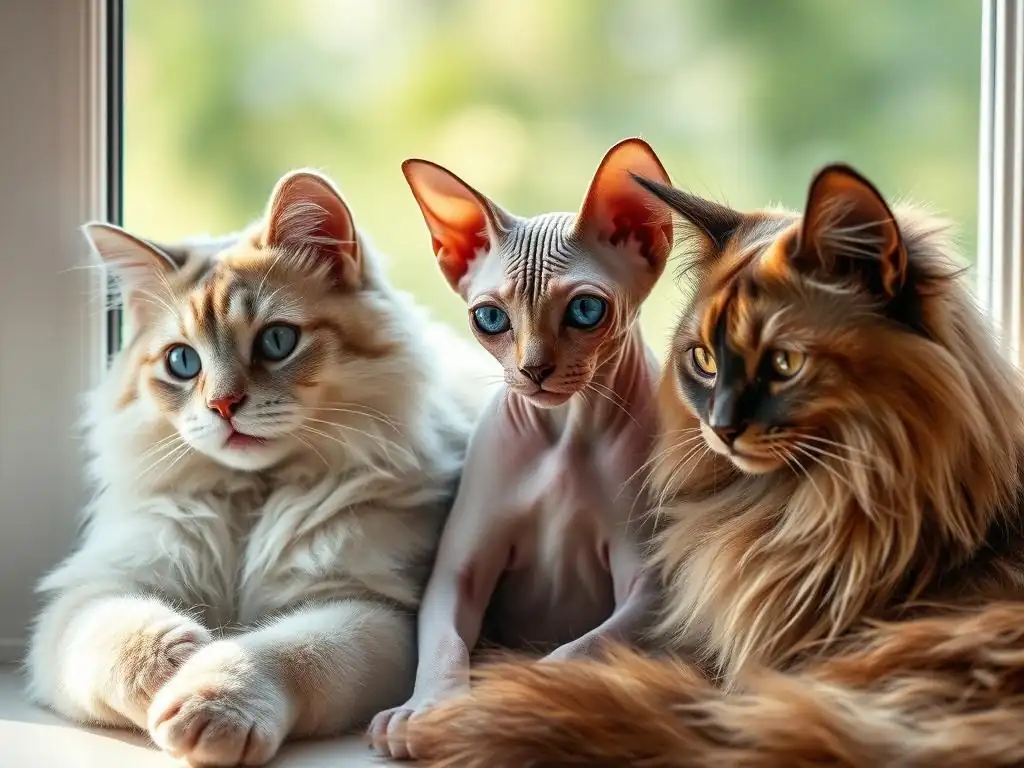
Welcome to PetCareWorld, your ultimate guide to a happier, healthier life for your beloved companion! Are you dreaming of a feline friend but worried about allergies? Discover the secrets to finding the perfect purring pal with our in-depth guide on best hypoallergenic cat breeds. Uncover the surprising factors beyond just the breed that contribute to a less allergenic pet and embark on a journey to find the ideal match for your lifestyle. Let's find your new best friend!
- Understanding Hypoallergenic Cats: Debunking the Myths
-
Best Hypoallergenic Cat Breeds for Allergy Sufferers
- Siberian Cats: Temperament and Allergy-Friendly Traits
- Bengal Cats: A Unique Hypoallergenic Option
- Russian Blue Cats: Low-Allergen Coat and Calm Demeanor
- Devon Rex Cats: Unique Coat and Personality
- Cornish Rex Cats: Similar to Devons, But with Differences
- Oriental Shorthairs: Elegant and Relatively Low-Allergen
- Balinese Cats: Graceful and Less Likely to Trigger Allergies
- Javanese Cats: Active and Relatively Hypoallergenic
- Factors Beyond Breed: Minimizing Allergic Reactions
- Choosing the Right Cat for Your Lifestyle
- Finding a Hypoallergenic Cat: Sources and Considerations
- Living with a Hypoallergenic Cat: Long-Term Care
- Frequently Asked Questions
- Final Reflection: Finding the Purrfect Match: Hypoallergenic Cats and the Human-Animal Bond
- Unleash the Purrfect Allergy-Friendly Companion!
Understanding Hypoallergenic Cats: Debunking the Myths
Choosing a feline companion is a deeply personal decision, filled with excitement and anticipation. For many prospective cat owners, however, allergies present a significant hurdle. This comprehensive guide delves into the world of hypoallergenic cats, separating fact from fiction to help you make an informed choice.
We'll explore what "hypoallergenic" truly means in the context of cats, address common misconceptions surrounding these breeds, and ultimately help you understand whether a truly allergy-proof cat exists. Navigating the complexities of feline allergies requires careful consideration, and our goal is to empower you with the knowledge to select the best hypoallergenic cat breed for your unique circumstances, helping you find a furry friend that fits seamlessly into your life, regardless of allergies. This guide aims to clarify the nuances of choosing a hypoallergenic cat, addressing the frequently searched term "best hypoallergenic cat breeds" with accurate and detailed information.
What Does "Hypoallergenic" Really Mean for Cats?
The term "hypoallergenic cat" is often misunderstood. It doesn't mean a cat produces no allergens. Instead, these cats produce less of the Fel d 1 protein, the primary allergen responsible for most cat allergies. This protein is found in a cat's saliva, urine, and dander (dead skin cells).
Hypoallergenic cats generally produce lower levels of Fel d 1, leading to milder allergic reactions in sensitive individuals. The reduction in allergen production isn't a guarantee of complete allergy freedom; the severity of a reaction still depends on the individual's sensitivity level. Even with a hypoallergenic breed, some people may still experience symptoms, albeit potentially less severe than with other breeds. Therefore, it is crucial to spend time with the cat before committing to adoption to assess your personal reaction.
Common Misconceptions about Hypoallergenic Cat Breeds
Several myths surround hypoallergenic cat breeds. One common misconception is that all cats labeled "hypoallergenic" are equally allergy-friendly. This is inaccurate. The level of Fel d 1 production varies even within a single breed. Another misconception is that a hypoallergenic cat eliminates the need for allergy management strategies altogether.
While these breeds may significantly reduce allergen exposure, other measures like regular cleaning, air purifiers, and allergy medication might still be necessary to fully manage symptoms. Finally, believing that a specific breed guarantees complete allergy prevention is untrue. Individual cats within a breed can vary in their allergen production, and even hypoallergenic cats can trigger reactions in some individuals. Understanding these nuances is vital for realistic expectations.
Are There Truly 100% Allergy-Proof Cats?
No, there are no 100% allergy-proof cats. While some breeds produce significantly less Fel d 1 than others, some level of allergen is always present. The "hypoallergenic" label signifies a reduction in allergens, not their complete absence.
The intensity of an allergic reaction depends on several factors, including the individual's sensitivity, the amount of exposure to the cat, and the specific cat's allergen production. Therefore, while hypoallergenic breeds offer a better chance of coexisting with allergies, careful consideration, thorough research, and potentially a trial period are essential before adopting any cat, even a hypoallergenic one. Managing expectations and understanding the limitations of the "hypoallergenic" label are crucial for both the cat and the owner's well-being.
Best Hypoallergenic Cat Breeds for Allergy Sufferers
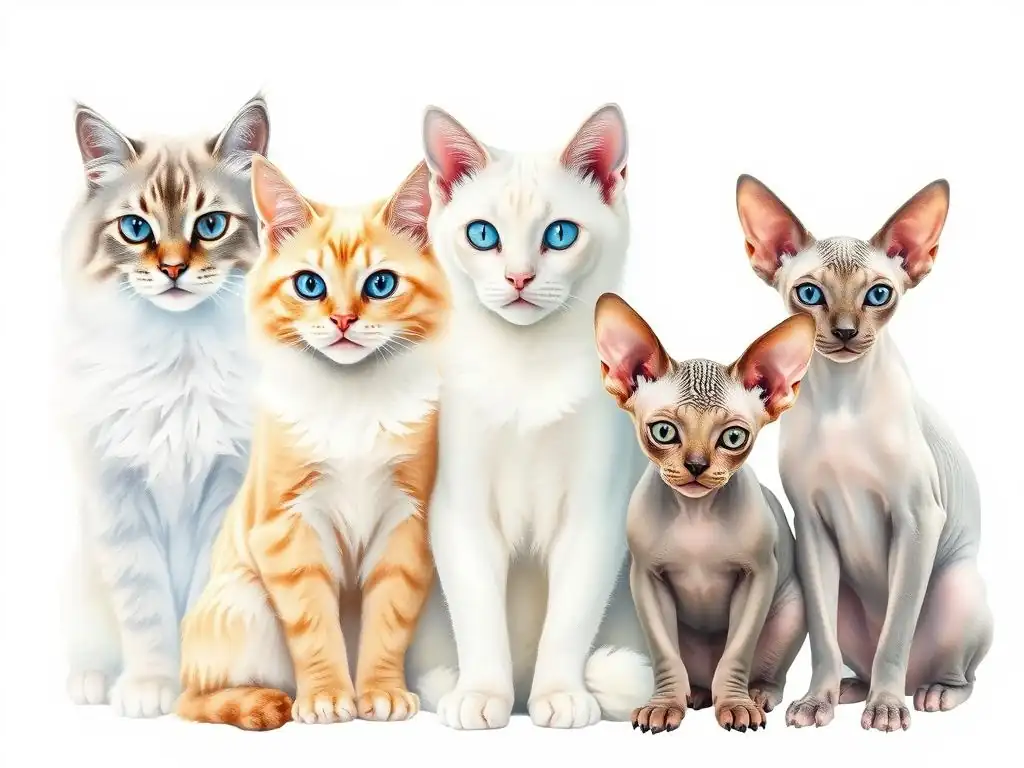
Finding the best hypoallergenic cat breeds can be a game-changer for allergy sufferers who long to share their lives with a feline companion. While no cat is truly 100% hypoallergenic, certain breeds produce significantly less Fel d 1, the primary allergen in cat saliva and dander, making them more suitable for sensitive individuals. This section delves into some of the top contenders, examining their temperaments and allergy-friendly traits.
Remember, even with hypoallergenic breeds, individual reactions can vary, so it's crucial to spend time with a potential pet before committing. Always consult with your allergist before bringing a cat into your home.
Siberian Cats: Temperament and Allergy-Friendly Traits
Siberian cats are often cited as one of the best hypoallergenic cat breeds due to their unique genetic makeup. Their coats produce lower levels of Fel d 1 compared to many other breeds. This doesn't mean they eliminate the allergen completely, but it significantly reduces the likelihood of triggering allergic reactions in many people.
Beyond their allergy-friendly attributes, Siberians boast a delightful personality. They are known for being:
- Affectionate and playful: Siberians readily bond with their owners, enjoying interactive playtime and cuddling sessions.
- Intelligent and trainable: Their intelligence makes them relatively easy to train, responding well to positive reinforcement methods.
- Adaptable and social: Generally, they adapt well to various living situations and get along well with other pets and children.
However, potential owners should be aware that:
- Grooming needs: Siberians possess a thick, three-layered coat requiring regular brushing to prevent matting and shedding. This regular grooming helps to minimize the amount of loose dander in the environment.
- Energy levels: They are moderately active cats and require sufficient playtime and environmental enrichment to prevent boredom and destructive behavior.
A well-groomed Siberian can be a wonderful companion for allergy sufferers seeking a loving and playful cat. Their lower allergen production, combined with their charming personality, makes them a strong contender for the title of "best hypoallergenic cat."
Bengal Cats: A Unique Hypoallergenic Option
Bengal cats stand out for their striking, wild-like appearance, inheriting their distinctive spotted coat from their Asian Leopard Cat ancestors. While not as consistently low-allergen as Siberians, many Bengal owners report that their cats produce less Fel d 1 than other breeds. This makes them a unique option for allergy sufferers who appreciate a less common, visually captivating breed.
The Bengal temperament is often described as:
- Active and playful: These cats are known for their energetic and playful nature, enjoying interactive games and exploring their surroundings.
- Intelligent and curious: Their intelligence makes them quick learners, often engaging in problem-solving activities.
- Affectionate (but independent): While affectionate, Bengals maintain a degree of independence, often preferring to engage on their terms.
It's important to note:
- Grooming: Their short coat requires less grooming than longer-haired breeds, but regular brushing is still beneficial to reduce shedding.
- Energy levels: Their high energy levels require ample playtime and enrichment to prevent behavioral issues.
Choosing a Bengal as a hypoallergenic option requires careful consideration. While their allergen production is often lower than average, individual cat variation exists.
Russian Blue Cats: Low-Allergen Coat and Calm Demeanor
Russian Blue cats are another popular choice for allergy sufferers seeking a best hypoallergenic cat breed. Their dense, short coat produces a relatively low amount of Fel d 1, making them a suitable option for many sensitive individuals.
Their calm and gentle demeanor is a significant advantage:
- Calm and affectionate: Russian Blues are known for their calm and gentle nature, making them ideal companions for relaxed households.
- Quiet and reserved: They are generally quiet cats, not prone to excessive vocalizations.
- Loyal and devoted: They form strong bonds with their owners, exhibiting loyalty and affection.
However, remember:
- Grooming: Their short coat is relatively easy to groom, needing only occasional brushing to remove loose hair.
- Sensitivity: Some Russian Blues can be sensitive to changes in their environment, requiring a stable and predictable home life.
While no guarantees exist, the Russian Blue's low-allergen coat and calm temperament make them a strong candidate for those with allergies seeking a quiet and affectionate companion. Their quiet nature and lower allergen production are significant advantages.
Devon Rex Cats: Unique Coat and Personality
Devon Rex cats are renowned for their incredibly soft, almost suede-like coat. This unique texture is due to their unusually curly, short hair, which produces significantly fewer allergens than many other breeds. This makes them a popular choice for individuals with mild to moderate cat allergies. However, it's crucial to remember that no cat is completely hypoallergenic. Even with a Devon Rex, some individuals may still experience allergic reactions, although often less severe.
Beyond their hypoallergenic qualities, Devon Rex cats possess captivating personalities. They are known for their playful and affectionate nature, often described as being dog-like in their devotion and eagerness to please. Their intelligence and inquisitiveness make them highly engaging companions. They are highly social animals and thrive on human interaction, making them excellent pets for active individuals or families who can provide them with ample attention and playtime.
Their playful antics and endearing personalities often compensate for any minor allergic reactions experienced by their owners. Regular grooming, while not overly demanding, is still recommended to maintain the health and beauty of their unique coat. A weekly brushing is usually sufficient to remove loose hair and prevent matting.
Cornish Rex Cats: Similar to Devons, But with Differences
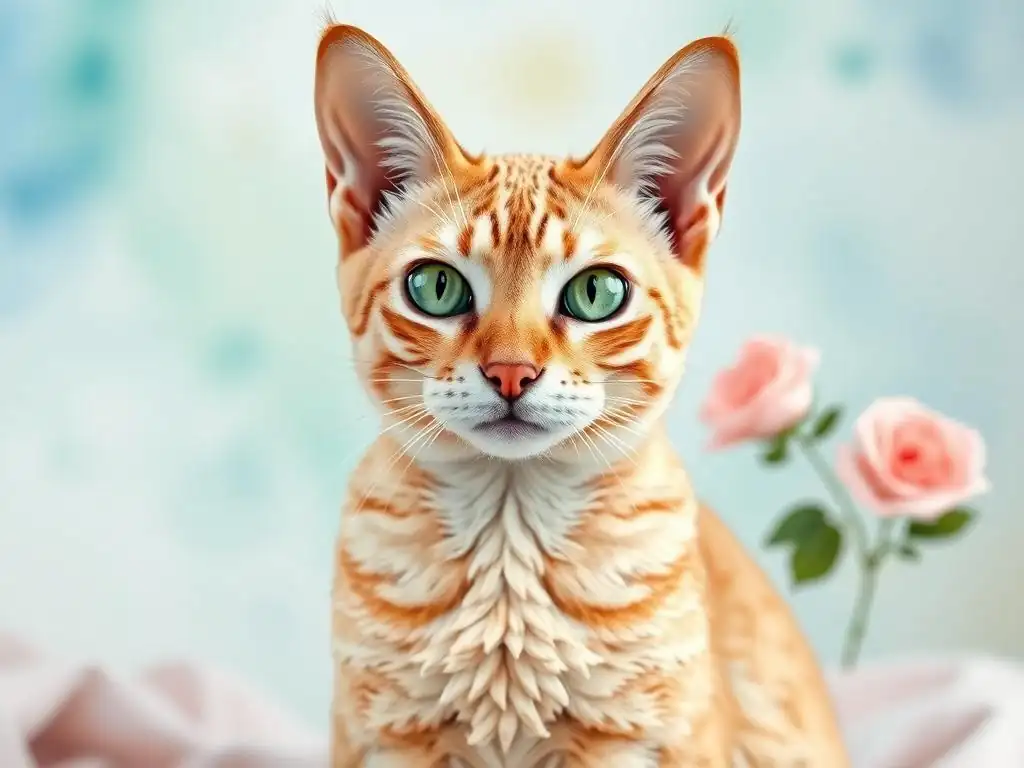
Cornish Rex cats share the hypoallergenic qualities of their Devon Rex cousins, boasting similarly fine and curly coats that produce less Fel d 1, the primary allergen in cat saliva and dander. However, there are subtle yet significant differences between the two breeds. While both have uniquely textured coats, the Cornish Rex’s curls are generally tighter and more pronounced than the Devon Rex's. Their bodies are also typically more slender and elegant.
Personality-wise, Cornish Rex cats are often described as being more mischievous and playful than their Devon counterparts. They are intelligent, inquisitive, and possess a boundless energy that requires regular engagement. They are known for their acrobatic abilities and love to climb and explore. Their active nature makes them ideal companions for people who enjoy an energetic and interactive pet.
Like Devon Rex cats, regular grooming is beneficial, although the specific needs might vary slightly due to the difference in coat texture. It's always recommended to consult with a veterinarian or experienced breeder to understand the specific grooming requirements for your Cornish Rex. Despite their similar hypoallergenic properties, individual reactions can vary, so careful consideration is still necessary for allergy sufferers.
Oriental Shorthairs: Elegant and Relatively Low-Allergen
Oriental Shorthairs, while not considered completely hypoallergenic, often appear on lists of breeds suitable for allergy sufferers due to their relatively low allergen production. This is primarily attributed to their short, fine coat, which sheds less frequently than many long-haired breeds. The reduced shedding contributes to lower levels of allergens in the environment. However, it is crucial to emphasize that the allergen levels are still present, and individuals with severe allergies may still experience significant reactions.
These cats are known for their elegant appearance and striking features, including their large, expressive eyes and slender, athletic bodies. Their personalities are just as captivating as their looks. Oriental Shorthairs are intelligent, active, and highly sociable cats that thrive on human interaction. They are known for their vocal nature and often form strong bonds with their owners. They are active and playful cats who benefit from engaging games and plenty of attention.
Regular grooming, although not as demanding as some long-haired breeds, remains a beneficial aspect of their care. This helps to remove any loose hair and maintain a healthy coat. Their relatively low-allergen profile, combined with their engaging personalities, makes them an appealing option for allergy sufferers seeking a beautiful and affectionate companion. However, prospective owners should always conduct allergy testing before adopting any cat, even those considered relatively hypoallergenic.
Balinese Cats: Graceful and Less Likely to Trigger Allergies
Balinese cats, with their long, silky coats and elegant appearance, are often a surprising choice for allergy sufferers. While no cat is truly 100% hypoallergenic, the Balinese's unique coat produces significantly less Fel d 1, the primary allergen in cat saliva and dander. This reduced allergen production makes them a viable option for many individuals with mild to moderate cat allergies. Their relatively low shedding also contributes to their hypoallergenic reputation.
Regular grooming, however, remains crucial to minimize allergen buildup in their fur. Brushing your Balinese cat at least twice a week will help remove loose hair and dander, keeping your home cleaner and reducing potential allergy triggers. Remember that individual reactions to allergens vary, so it's always advisable to spend time with a Balinese cat before bringing one home to assess your personal tolerance.
Observing your allergy symptoms after interacting with the cat is a crucial step in determining its suitability for your household. Many allergy sufferers report significantly fewer symptoms with Balinese cats compared to other breeds, making them a popular choice among those seeking a hypoallergenic feline companion. The Balinese's gentle and playful nature further enhances their appeal as family pets.
Javanese Cats: Active and Relatively Hypoallergenic
Closely related to the Balinese, Javanese cats share a similar low-shedding coat and reduced Fel d 1 production. This makes them another excellent candidate for those searching for the best hypoallergenic cat breeds. However, their slightly shorter hair means slightly less grooming is needed compared to Balinese cats, although regular brushing is still recommended to manage dander.
Their energetic and playful personalities make them engaging companions, ideal for active households. Javanese cats are known for their intelligence and are often eager to learn tricks, making training an enjoyable experience for both owner and pet. This intelligence and playfulness, combined with their relatively hypoallergenic nature, makes them a well-rounded choice for many allergy sufferers.
Their vibrant personalities can bring joy and excitement to a home, offsetting any concerns about potential allergy symptoms. It's important to remember that individual responses to cat allergies can vary widely, so a trial period with a Javanese cat is recommended before making a long-term commitment. This allows for a personal assessment of your allergy reaction and ensures the best possible outcome for both you and your potential new pet.
Factors Beyond Breed: Minimizing Allergic Reactions
Choosing a cat breed often touted as "hypoallergenic" is a crucial first step in managing cat allergies, but it's not the only factor. Even with a breed known for producing less Fel d 1 (the main cat allergen), several environmental and lifestyle choices significantly impact the severity of allergic reactions. This section delves into strategies that, in conjunction with selecting a hypoallergenic breed, can substantially reduce allergen exposure and improve the lives of both cat owners and their feline companions. Understanding these factors is key to finding the best hypoallergenic cat breeds for your specific situation.
Regular Grooming: Reducing Dander and Allergens
Regular grooming is paramount in minimizing allergen exposure. Cat dander, the primary carrier of Fel d 1, is shed constantly through grooming. Frequent brushing removes loose dander before it becomes airborne, significantly reducing the allergen concentration in your home.
The type of brush matters; a slicker brush is generally effective for removing loose fur and dander from most cat breeds, while a de-shedding tool might be better suited for certain long-haired breeds. The frequency of brushing depends on the cat's breed and coat length; long-haired cats may require daily brushing, while short-haired cats might need it only a few times a week.
Consider these points for optimal grooming practices:
- Consistency is Key: Establish a regular grooming routine and stick to it. This is more effective than occasional, intense brushing sessions.
- Specialized Tools: Invest in high-quality grooming tools designed to remove dander effectively.
- Professional Grooming: Consider professional grooming services periodically, especially for cats with thick or complex coats. Professionals have the expertise and tools to remove dander thoroughly.
- Post-Grooming Cleanup: Thoroughly clean up any loose fur and dander after each grooming session to prevent allergen buildup. Vacuuming and damp-mopping are essential steps.
Air Purifiers and Cleaning: Maintaining a Clean Home Environment
Beyond grooming, maintaining a clean home environment is crucial for managing cat allergies. Air purifiers with HEPA filters are highly effective at trapping airborne allergens, including Fel d 1. Strategic placement of air purifiers – ideally in areas where the cat spends the most time – can drastically reduce allergen levels. Regular filter replacement is essential for maintaining optimal performance. Replacing filters according to manufacturer recommendations ensures continued allergen removal efficiency.
Cleaning is another vital aspect. Regular vacuuming and damp-mopping are essential for removing dander and allergens from surfaces. Consider using a vacuum cleaner with a HEPA filter to prevent allergens from being re-circulated back into the air. Regular washing of bedding, upholstery, and other textiles also helps to reduce allergen buildup. The frequency of cleaning should be adjusted based on the cat’s shedding patterns and your personal sensitivity to allergens. For example, those with severe allergies might benefit from daily cleaning of high-traffic areas.
Here's a sample cleaning schedule:
| Day | Task | Frequency | Notes |
|---|---|---|---|
| Monday | Vacuum all floors and carpets | Weekly | Focus on areas where the cat spends time. |
| Wednesday | Damp-mop all hard floors | Weekly | Use a hypoallergenic cleaning solution. |
| Friday | Wash cat bedding and frequently used textiles | Bi-weekly | Use hot water and a hypoallergenic detergent. |
Diet and Nutrition: Impact on Cat Dander Production
While the link isn't fully established, some research suggests that a cat's diet might influence dander production and allergen levels. A balanced diet rich in essential fatty acids, like omega-3 and omega-6, may potentially improve skin and coat health, potentially leading to less shedding and dander. Consult with your veterinarian to determine a suitable diet for your cat, considering its age, breed, and health status. They can advise on the right balance of nutrients to support healthy skin and coat, indirectly impacting allergen production.
Further research is needed to definitively conclude the impact of diet on Fel d 1 production. However, focusing on a high-quality diet rich in nutrients beneficial for skin and coat health is a proactive approach to overall cat well-being, and may contribute to minimizing allergen levels. Always consult a veterinarian before making significant changes to your cat’s diet. They can help you choose a diet suitable for your cat’s specific needs and potentially minimize the allergens produced. Remember that even with dietary changes, other factors like regular grooming and a clean home environment remain crucial in managing allergies effectively.
Regular Veterinary Checkups: Maintaining Cat Health
Regular veterinary checkups are crucial not only for maintaining your cat's overall health but also for minimizing the potential for allergens. A healthy cat produces fewer allergens than an unhealthy one. Annual checkups allow your veterinarian to detect and address underlying health issues early, preventing them from worsening and potentially increasing allergen production. Conditions like skin infections, allergies, and respiratory problems can all exacerbate allergic reactions in humans. Early detection and treatment through routine checkups are key to managing these issues and keeping your cat—and your home—as allergen-free as possible.
For example, a cat with chronic skin issues might be scratching excessively, leading to increased dander production, a major allergen source. Regular veterinary visits can help identify the cause of the skin problem (fleas, allergies, etc.) and implement effective treatment, thus reducing the amount of dander released into the environment. Similarly, respiratory infections can cause increased mucus production and sneezing, further contributing to airborne allergens. Proactive veterinary care can mitigate these issues and help maintain your cat’s respiratory health, reducing the overall allergen load.
Beyond routine checkups, don't hesitate to contact your veterinarian if you notice any changes in your cat's behavior, coat, or overall health. Early intervention is always better than waiting for a problem to escalate. A thorough examination can help identify potential sources of increased allergen production and recommend appropriate treatment strategies. Remember, a healthy cat is less likely to trigger allergic reactions, making regular veterinary checkups an essential part of managing allergies in a household with cats. This proactive approach to your cat's health is a significant step towards a harmonious co-existence between cat owner and pet. 😻
Choosing the Right Cat for Your Lifestyle

Finding the best hypoallergenic cat breeds isn't just about allergies; it's about finding a feline friend whose personality and needs mesh perfectly with your lifestyle. This section delves into crucial factors beyond just coat type, ensuring a harmonious and fulfilling relationship with your new companion. Remember, even "hypoallergenic" cats require care and attention, and choosing wisely from the start minimizes potential future challenges.
Activity Levels and Temperament: Matching Cat to Owner
The energy levels and temperament of a cat significantly impact the success of cat ownership. A highly active cat in a quiet home might lead to frustration for both the pet and owner, while a laid-back cat in an energetic household might feel neglected. Matching activity levels is crucial for a happy cat and a harmonious home.
Consider your own lifestyle: Are you a busy professional with limited time for playtime, or do you have an active family with children and ample time for interaction?
- High-energy breeds: Certain breeds, while potentially hypoallergenic, are known for their playful and active nature. These might thrive in homes with active individuals or families who can provide ample playtime and stimulation. [Specific breed examples pending] Think about interactive toys, climbing structures, and regular playtime sessions to keep these energetic felines entertained. Insufficient stimulation can lead to behavioral issues such as excessive scratching or vocalization.
- Low-energy breeds: Other hypoallergenic breeds are more content with quiet companionship and shorter bursts of activity. These are often ideal for individuals living in smaller spaces or those with less time for extensive playtime. [Specific breed examples pending] These cats are often content with a gentle brushing, some quiet observation, and occasional petting sessions.
Choosing a cat whose energy level matches your own will create a more balanced and fulfilling relationship for both of you. 😻
Grooming Needs and Commitment: Realistic Expectations
Even hypoallergenic cats require grooming, although the frequency and intensity differ significantly from their high-shedding counterparts. Understanding the grooming needs of your chosen breed is paramount to maintaining the cat's health and coat condition, and preventing matting and skin issues.
| Breed Type | Grooming Frequency | Grooming Tools Needed |
|---|---|---|
| Short-haired | Weekly brushing | Soft-bristled brush, rubber curry comb |
| Long-haired (rare in hypoallergenic breeds) | Daily brushing | Slicker brush, de-shedding tool |
Regular brushing helps remove loose hair, prevents matting, and distributes natural oils, keeping the coat healthy and shiny. Ignoring grooming needs can lead to skin problems, uncomfortable matting, and even health complications.
Remember, even with minimal shedding, regular grooming is a commitment. Consider your ability and willingness to dedicate this time before welcoming a new feline friend into your home. A realistic assessment of your grooming commitment will ensure a healthier and happier cat.
Space Requirements: Ensuring Adequate Living Space
While some cats adapt well to smaller living spaces, others require more room to roam and explore. Consider the size of your home and the cat's natural tendencies before choosing a breed.
- Active breeds: Active hypoallergenic breeds need more space to express their energy. A larger home with climbing structures, interactive toys, and plenty of room to play is ideal. Restricting their movement in a small space can lead to stress and behavioral problems.
- Less active breeds: Less active hypoallergenic breeds may be content in smaller spaces, provided they have access to comfortable resting areas, scratching posts, and a window to observe the outside world. However, even these cats benefit from regular playtime and mental stimulation to prevent boredom.
Remember to consider vertical space as well. Cats are natural climbers, and providing cat trees or shelves allows them to explore and feel secure. Adequate space contributes significantly to a cat's overall well-being and reduces the likelihood of stress-related behaviors. Choosing a cat whose space needs align with your living situation ensures a happy and healthy feline companion.
Finding a Hypoallergenic Cat: Sources and Considerations

Finding the best hypoallergenic cat breeds requires careful consideration of where you source your feline friend. Choosing a reputable source is crucial not only for finding a healthy cat but also for supporting ethical breeding practices and potentially minimizing the risk of allergies. Let's explore your options.
Reputable Breeders: Importance of Ethical Sourcing
Selecting a reputable breeder is paramount when searching for a hypoallergenic cat. Ethical breeders prioritize the health and well-being of their cats, conducting genetic testing to minimize the likelihood of inheriting conditions that could exacerbate allergies. They also typically maintain clean and safe environments for their cats and are knowledgeable about the specific characteristics of hypoallergenic breeds. Unfortunately, many breeders prioritize profit over animal welfare. Red flags to watch out for include:
- Lack of Transparency: A breeder who is unwilling to answer questions about their breeding practices or provide health records for their cats should be avoided.
- High Volume of Kittens: An excessively large number of kittens available at any given time may indicate a "puppy mill"-type operation focused on quantity over quality.
- Unwillingness to Meet: A breeder who refuses to allow you to meet the parent cats or see the living conditions of their cats should be viewed with skepticism.
- Unrealistic Prices: Prices that are significantly lower or higher than the average for the breed can indicate potential problems.
Choosing a responsible breeder ensures you get a healthy cat, minimizes the chances of developing allergies, and supports ethical breeding practices. Look for breeders who participate in cat shows or are members of reputable cat organizations. These organizations often have strict guidelines and standards for their members. Remember, a truly ethical breeder wants the best for their animals and will be happy to answer your questions and help you find the right match.
Adoption and Rescues: Giving a Home to a Hypoallergenic Cat
Adopting a hypoallergenic cat from a shelter or rescue organization offers a rewarding alternative to purchasing from a breeder. While it's harder to guarantee a cat's hypoallergenic status in this scenario (as genetic testing isn't always available), many shelters and rescues are knowledgeable about the different breeds and can help you find a cat that is less likely to trigger allergies. The benefits of adoption include:
- Saving a Life: You're giving a deserving cat a loving home and a second chance.
- Often Lower Costs: Adoption fees are typically significantly lower than purchasing a kitten from a breeder.
- Mature Cats: Adopting an adult cat can sometimes be advantageous, as their personalities are generally more established, making it easier to assess compatibility.
However, it's important to be aware of the limitations. You may need to spend time interacting with potential cats to assess their suitability and potential for triggering allergies. Thorough interaction before committing can help mitigate risk. Moreover, the specific breed might be unknown, making it more difficult to predict the level of allergen production. Despite this, adopting a cat from a shelter offers a wonderful opportunity to enrich both your life and the life of a deserving feline companion.
Preparing Your Home for a New Cat: Allergy-Friendly Setup
Even with a hypoallergenic cat, preparing your home can significantly reduce allergy symptoms. Minimizing allergens in your environment is crucial for allergy sufferers. Consider these steps:
- Regular Cleaning: Frequent vacuuming and mopping, using a HEPA filter vacuum cleaner, are essential to remove dander and other allergens.
- Air Purifiers: Using air purifiers with HEPA filters can significantly improve air quality by trapping airborne allergens.
- Washable Surfaces: Choosing washable fabrics for furniture and bedding makes cleaning easier and more effective.
- Regular Bathing: Bathing your cat regularly (with a veterinarian-approved hypoallergenic shampoo) can help reduce dander. 🧼
- Dedicated Cat Areas: Designating specific areas for your cat, such as a cat tree or bed, can help contain allergens.
Remember, even the best hypoallergenic cat breeds produce some allergens. Proactive measures to minimize exposure are key to managing allergies and ensuring a harmonious co-existence with your new feline companion. A combination of a suitable breed and a well-prepared home environment significantly increases your chances of successfully managing allergies and enjoying the companionship of a cat.
Living with a Hypoallergenic Cat: Long-Term Care
Even with a hypoallergenic cat, responsible pet ownership requires ongoing commitment to minimize allergic reactions and ensure your feline companion thrives. This involves a multi-pronged approach encompassing environmental control, consistent grooming, and proactive allergy management. Remember, while these breeds produce less Fel d 1 (the main cat allergen), they don't eliminate it entirely. Therefore, a proactive strategy is crucial for both the cat's well-being and the comfort of allergy-prone individuals. The "best hypoallergenic cat breeds" are only part of the equation; responsible care is the key to success.
Maintaining a Clean Environment: Ongoing Strategies
Maintaining a clean home is paramount in managing cat allergies. Regular cleaning goes beyond a simple weekly sweep; it's a commitment to consistent allergen reduction. Consider these strategies:
- Frequent Vacuuming: Vacuum at least twice a week, preferably with a HEPA filter vacuum cleaner. This captures microscopic allergens more effectively than standard vacuums. Pay particular attention to areas where your cat spends the most time, such as sleeping areas and favorite lounging spots. Consider using a vacuum with a specialized pet hair attachment for optimal results.
- Air Purification: Invest in a high-quality air purifier with a HEPA filter. These purifiers significantly reduce airborne allergens, improving the air quality in your home. Place the purifier strategically in areas frequented by your cat.
- Regular Laundry: Wash bedding, blankets, and other textiles frequently in hot water to eliminate allergens embedded in the fabric. Consider using hypoallergenic detergents to avoid further irritants.
- Specialized Cleaning Products: Use cleaning products specifically designed for allergy sufferers. These products often minimize the release of volatile organic compounds (VOCs) that can exacerbate allergies.
Ongoing Grooming Routine: Keeping Dander Under Control
Regular grooming is an essential aspect of managing allergens from even the "best hypoallergenic cat breeds." Consistent brushing removes loose hair and dander before it becomes airborne, significantly minimizing allergen levels.
- Brushing Frequency: Aim for daily brushing, or at least every other day, to effectively remove loose hair and dander. The frequency may need adjustment depending on your cat's coat type and shedding pattern.
- Grooming Tools: Use a brush appropriate for your cat's coat type. Slicker brushes are effective for removing loose undercoat, while bristle brushes work well for shorter-haired breeds. Consider using a specialized deshedding tool for extra allergen removal.
- Bathing: While cats generally dislike baths, occasional baths can help remove excess dander. Use a cat-specific shampoo formulated for sensitive skin. Always dry your cat thoroughly to prevent chilling.
Addressing Potential Allergic Reactions: Management Strategies
Even with meticulous cleaning and grooming, some allergic reactions may occur. Having a plan in place is crucial for mitigating these reactions.
- Allergy Medication: Consult an allergist to determine the best course of action. They might recommend over-the-counter antihistamines or prescription medications to manage allergy symptoms.
- Air Filters in Bedrooms: Consider using smaller HEPA air purifiers in bedrooms to further minimize allergen exposure during sleep.
- Monitoring Symptoms: Pay close attention to any symptoms experienced by allergy sufferers, such as sneezing, itchy eyes, or nasal congestion. This allows for prompt intervention and adjustment of management strategies.
- Regular Veterinary Checkups: Ensure your cat receives regular veterinary checkups to maintain their overall health and identify any potential health issues that might exacerbate allergies. A healthy cat is less likely to shed excessively. Remember, responsible ownership extends beyond breed selection and encompasses proactive management of potential challenges.
Frequently Asked Questions
What exactly does "hypoallergenic cat" mean?
It's important to understand that no cat is truly 100% hypoallergenic. However, some breeds produce less Fel d 1, the protein that triggers allergies in many people. These breeds are considered "hypoallergenic".
Are there any guarantees a hypoallergenic cat won't trigger allergies?
No, there are no guarantees. Even with hypoallergenic breeds, individual reactions vary. Spending time with the cat before committing to adoption is crucial to assess your personal reaction.
Which cat breeds are generally considered the most hypoallergenic?
Breeds often cited include the Siberian, Balinese, Bengal, Cornish Rex, and Devon Rex. However, individual cats within a breed can still vary in allergen production.
What other factors should I consider besides the breed?
The cat's overall health, its grooming habits, and the environment you keep it in all play a role. Regular grooming and cleaning can significantly reduce allergens in the home.
Where can I find a hypoallergenic cat?
Reputable breeders and shelters can sometimes help you find a hypoallergenic cat. Be sure to do your research and ask questions about the cat's lineage and health history before adopting.
Final Reflection: Finding the Purrfect Match: Hypoallergenic Cats and the Human-Animal Bond
The search for a hypoallergenic cat is more than just finding a pet; it's about finding a family member who fits seamlessly into your life, regardless of allergies. The rising awareness of pet allergies and the increasing demand for hypoallergenic breeds highlight a growing need for responsible pet ownership and a deeper understanding of animal welfare. This isn't just about avoiding sneezes; it's about building lasting, loving relationships.
The impact of choosing the "right" cat extends far beyond the immediate family. It influences breeding practices, encouraging responsible breeders to prioritize health and temperament over superficial traits. It also underscores the importance of understanding that even "hypoallergenic" cats produce some allergens, and that individual reactions vary greatly. The bond between humans and animals is one of the most profound and enriching relationships we can have.
This quote speaks to the heart of the matter – the responsibility we bear in choosing a companion animal, and the joy that a well-matched relationship can bring.
Consider the information presented in this article as a starting point, not an end. Don't just focus on the breed; delve deeper into the individual cat's personality, health history, and the breeder's practices. Take the time to find the purrfect match, not just a cat that fits a label. Remember, the most rewarding aspect of pet ownership is the unconditional love and companionship you share. Embrace the journey, and you'll find a furry friend who will enrich your life immeasurably.
Unleash the Purrfect Allergy-Friendly Companion!
Thank you for exploring the world of hypoallergenic cats with us! We hope you now feel confident in choosing a feline friend that's gentle on allergies. Ready to find your perfect match?
- Start your search: Begin researching breeders or shelters specializing in hypoallergenic breeds like the Siberian or Bengal. This is the first step to finding your ideal purring pal.
- Share your newfound knowledge: Tell your friends and family about the amazing options available for allergy sufferers who want to enjoy cat ownership. They might be surprised by the variety of breeds and the advancements in allergy-friendly cat care!
- Consider a trial visit: If possible, spend time with a potential cat before bringing it home to ensure compatibility. This crucial step helps create a happy and harmonious household for both you and your new feline friend.
So, which breed will be the perfect fit for your lifestyle and allergy needs? Let's discuss! Share your thoughts and questions in the comments below.