Common Mistakes Pet Owners Make When Dealing With Cat Aggression
🤔 Avoid aggressive cat behavior by understanding its root causes—often stemming from fear, stress, or medical issues. PetCareWorld guides you to identify…
Read article
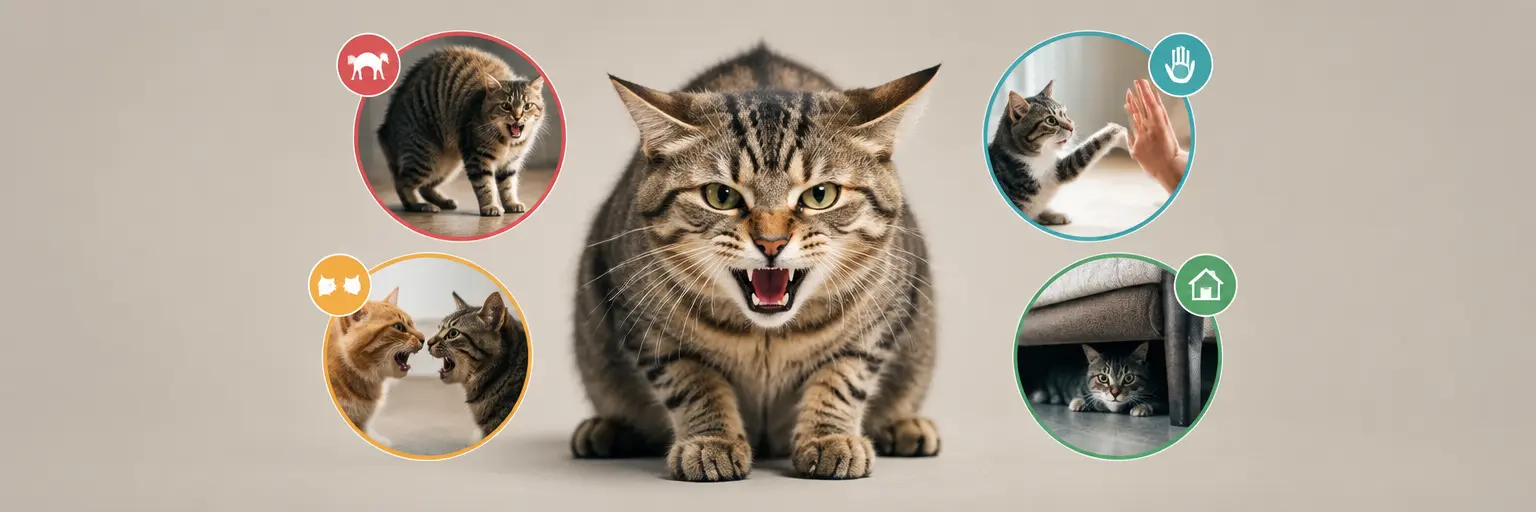
Understanding why your feline friend lashes out is the first step toward a harmonious home, and our expert guide breaks down the different types of cat aggression—from fear-based and territorial to redirected and petting-induced. We dive deep into the root causes, helping you decode subtle body language signals that precede an attack, and offer practical, humane solutions that work for both kittens and adult cats. Whether you’re dealing with sudden hissing, scratching, or biting, you’ll discover proven behavior modification techniques, environmental adjustments, and calming strategies to reduce stress and rebuild trust. With insights from veterinary behaviorists, this resource empowers you to safely manage and prevent aggressive episodes, ensuring a stronger bond and a safer, more peaceful coexistence with your beloved companion. 🐾✨

🤔 Avoid aggressive cat behavior by understanding its root causes—often stemming from fear, stress, or medical issues. PetCareWorld guides you to identify…
Read article
🤔 Learn safe handling techniques for aggressive cats on PetCareWorld. Protect yourself and others from potential harm while interacting with feline companions…
Read article
🤔 Uncover the reasons behind feline aggression! PetCareWorld explores the root causes of unwanted cat behavior, helping you understand why your cat…
Read articleCat aggression can be alarming and confusing for any pet owner, turning a loving companion into a hissing, scratching stranger. At PetCareWorld, we specialize in demystifying feline behavior, and this dedicated guide on cat aggression types and solutions is designed to help you decode the underlying causes and implement safe, humane remedies. Whether you're dealing with sudden hissing, biting during petting, or territorial spats between household cats, understanding the specific type of aggression is the first step toward restoring harmony. Our expert-backed strategies focus on positive reinforcement, environmental enrichment, and veterinary collaboration to ensure both your safety and your cat's emotional well-being.
Play aggression is perhaps the most common form, especially in kittens and young cats under two years old. It typically manifests as stalking, pouncing, and biting your hands or ankles, often when you're moving. This behavior is rooted in your cat's natural hunting instincts, which are normally honed on prey, not human flesh. When feline play becomes too rough or frequent, it usually means your cat lacks appropriate outlets for predatory energy and engagement.
To solve this type, redirect the energy toward interactive toys like feather wands, laser pointers, or motorized mice. Use fishing-pole toys to simulate prey movement away from your body, and always end sessions with a catchable reward, such as a treat or a small plush toy. Avoid using your hands or feet as play targets, and if your cat becomes overly excited, calmly stop the interaction and leave the room for a minute. Providing daily structured play sessions of 15-20 minutes, ideally before mealtimes, can significantly reduce unwanted pouncing and biting.
Territorial aggression occurs when a cat feels its home, yard, or specific rooms are being invaded by other animals or even new people. Signs include growling, hissing, swatting, and urine marking near doors or windows. This type is most common in multi-cat households or when introducing a new feline, but it can also arise when a neighbor's cat wanders near your property. Cats are naturally territorial, and perceived threats trigger a defensive, often aggressive response to protect their resources.
Solutions involve gradual introductions and environmental zoning. For indoor cats, provide vertical space like cat trees, shelves, and window perches so each cat can have high-value observation points. Use Feliway diffusers or calming sprays to reduce anxiety signals. When introducing new cats, follow a strict scent-swapping and visual separation protocol over several days or weeks, feeding them on opposite sides of a closed door. For outdoor threats, block window views with blinds or motion-activated sprinklers, and ensure your cat has safe, inaccessible hiding spots where they feel unthreatened.
Fear aggression is a self-protective response triggered by perceived danger, unfamiliar people, sudden movements, or loud noises. A fearful cat will often flatten its ears, tuck its tail, hiss, or lunge to increase distance between itself and the threat. This is an instinctual "fight or flight" reaction where the cat has determined that fighting is the only way to survive. Understanding the specific trigger is crucial, whether it's a new baby, a stranger with a hat, or the vacuum cleaner.
The answer lies in desensitization and counter-conditioning. Start by identifying the trigger at a low intensity where your cat remains calm, then pair that experience with high-value treats or play. For example, if a visitor causes fear, have the visitor sit still and toss treats from a distance. Never punish a hissing or growling cat, as this amplifies fear. Create safe escape routes—like cardboard boxes or covered beds—so the cat can choose to retreat. Over time, positive associations will replace anxiety, but this process requires patience and consistency. Consulting a veterinary behaviorist or certified feline trainer is highly recommended for severe cases.
Petting-induced aggression, or "petting aggression," happens when a cat suddenly bites or swats during a pleasant petting session. This paradox occurs because cats have threshold tolerance for tactile stimulation. Many cats enjoy petting on their terms, but when the sensation becomes overstimulating—due to repetitive stroking, sensitive areas like the belly or tail base, or simply reaching their limit—they retaliate to stop the action. This is not malice; it's a communication breakdown.
To prevent this, learn your cat's pre-bite warning signs: tail lashing, ear flicking, skin twitching, or a sudden stiffening of the body. Stop petting at the first sign, and offer a treat to create a positive association with stopping. Focus your petting on the head, chin, and cheeks, avoiding the belly and lower back. Use short, gentle sessions of 2-5 minutes and always allow your cat to initiate contact. If a nip occurs, do not yell; simply walk away and ignore the cat for a few minutes, reinforcing that biting ends attention. Over time, most cats learn that petting is a positive, safe experience.
Redirected aggression is a fascinating yet dangerous type where a cat becomes aroused by a trigger it cannot access—like seeing an outdoor cat through a window—and then attacks the nearest available target, often a human or another pet. The cat is in a high-arousal state, and any sudden movement or approach may be perceived as a threat, leading to explosive aggression. This can happen even hours after the initial stimulus, making it particularly confusing for owners.
The immediate solution is to remove the trigger and avoid physical contact until the cat fully calms down, which may take several hours or even a full day. Do not pick up or scold the cat; instead, use a barrier like a pillow or cardboard box to gently separate if needed. Long-term, reduce the likelihood by blocking visual access to outdoor activity using window films or furniture repositioning. Provide environmental enrichment, such as puzzle feeders and climbing shelves, to reduce frustration. In multi-pet homes, maintain separate food, water, and litter stations to minimize competition. If this type recurs, consult a behaviorist to create a structured management plan.
First, ensure your safety by using a thick blanket or spray bottle to distract the cat, but never strike it. Then, allow space and time for your cat to decompress. After the incident, carefully review recent changes—new visitors, environmental shifts, or health issues. If attacks are sudden but not redirected, a veterinary check is crucial to rule out pain or medical conditions, as sudden aggression often has an underlying physical cause.
Avoid physical punishment, yelling, or water sprays, as these increase fear and anxiety, worsening aggression. Instead, use positive reinforcement, reward calm behavior, and remove attention when signs of aggression appear. Cats do not understand "right" vs. "wrong" in human terms; they respond to consequences, so consistent, calm management is far more effective than punishment.
Yes, many medical conditions can trigger aggression, including hyperthyroidism, dental pain, arthritis, neurological disorders, or sensory decline. Even a urinary tract infection can cause irritability. If your cat's behavior changes abruptly, especially in an older cat, schedule a full veterinary exam including blood work. Treating the underlying medical condition often resolves the aggression.
Spaying and neutering can significantly reduce hormone-driven aggression, especially territorial and sexual aggression in unaltered cats. However, it will not address fear, play, or petting-induced aggression, which are learned behaviors. Neutering is still recommended for overall health and population control, but it should be paired with behavioral training for lasting results.
Seek professional help immediately if aggression results in serious bites requiring medical attention, if attacks are frequent or escalating in intensity, or if you have young children, elderly, or immunocompromised individuals at home. A certified veterinary behaviorist or a qualified feline behavior consultant can provide a personalized treatment plan. Never wait if safety is a concern, as early intervention yields the best outcomes.