
Is Your Cat Aggressive? Understanding the Root Causes


Welcome to PetCareWorld, your ultimate guide to a happier, healthier life for your beloved pets! Are you puzzled by your cat's sudden aggression? We understand the worry and frustration. Dive into our in-depth article, "Why is my cat aggressive?", to uncover the potential root causes and discover practical solutions to help you and your feline friend navigate this challenging behavior. Learn to understand your cat's signals and build a stronger, more harmonious relationship. Let's unlock the secrets to feline contentment together!
- Why Is My Cat Aggressive? Deciphering Feline Aggression
- Common Causes of Cat Aggression: Fear, Pain, and Territoriality
- Medical Reasons Behind Cat Aggression: A Vet's Perspective
- Environmental Factors Contributing to Cat Aggression
- Behavioral Modification Techniques for Aggressive Cats
- When to Seek Professional Help: Veterinarians and Cat Behaviorists
- Frequently Asked Questions
- Final Reflection: Unraveling the Mysteries of Feline Aggression
- Unlock Your Cat's Purrfect Potential!
Why Is My Cat Aggressive? Deciphering Feline Aggression
Feline aggression, while concerning for pet owners, is a multifaceted issue with a wide range of underlying causes. Understanding why your cat is exhibiting aggressive behaviors is crucial for addressing the problem effectively and ensuring a harmonious relationship with your beloved companion. This comprehensive guide delves into the various types of cat aggression, explores common triggers, and teaches you how to recognize the subtle and overt signs of feline aggression. We'll equip you with the knowledge to better understand your cat's behavior and take appropriate steps to mitigate aggression, fostering a safer and more loving environment for both you and your feline friend.
This article aims to answer the common question, "Why is my cat aggressive? ", providing practical insights and solutions for pet owners facing this challenge. Remember, early intervention and a proactive approach are key to resolving feline aggression and maintaining a positive bond with your cat.
Understanding Different Types of Cat Aggression: A Comprehensive Guide
Cat aggression manifests in various forms, each with its own potential root causes. Understanding these different types is the first step towards effective management. Some common types include:
- Play Aggression: Often seen in kittens and young cats, this involves playful biting and scratching that can become intense and inadvertently painful. This type usually stems from a lack of appropriate play outlets and isn't necessarily a sign of underlying issues.
- Fear-Based Aggression: A cat feeling threatened or scared may lash out defensively. This could be triggered by loud noises, unfamiliar people or animals, or even sudden movements. This type of aggression is a response to perceived danger.
- Territorial Aggression: Cats are highly territorial creatures. Aggression can arise when a cat feels its territory is being invaded, whether by another cat, a new pet, or even a human. This is often displayed through hissing, growling, and swatting.
- Pain-Induced Aggression: A cat experiencing pain, whether from an injury, illness, or underlying medical condition, may become aggressive as a result of discomfort or distress. This is an important consideration, as underlying health issues should always be ruled out.
- Maternal Aggression: Queens (female cats) can be fiercely protective of their kittens and may exhibit aggression towards anyone they perceive as a threat. This is a natural instinct, but it's important to handle the situation with care and respect.
- Redirected Aggression: This occurs when a cat is frustrated or aroused by a stimulus it can't directly interact with (e.g., a bird outside the window) and redirects its aggression toward a more accessible target, such as a family member.
Understanding the nuances of these different types of aggression is vital for determining the appropriate course of action. Each type requires a slightly different approach to management and resolution.
Identifying Triggers: What Situations Elicit Aggressive Behavior in Cats?
Pinpointing the triggers for your cat's aggression is crucial for effective intervention. Keeping a detailed record of when and why aggressive behaviors occur can be incredibly helpful. Consider these common triggers:
- Environmental Changes: Introducing a new pet, moving to a new home, or even rearranging furniture can disrupt a cat's routine and trigger aggressive behavior. Cats thrive on routine and predictability.
- Stress: Stress is a significant contributor to feline aggression. This can stem from various sources, including changes in the household, lack of resources (food, water, litter boxes), or even interactions with other pets.
- Medical Conditions: Underlying health issues, such as hyperthyroidism, kidney disease, or dental problems, can cause pain and discomfort, leading to increased aggression. A veterinary examination is essential to rule out any medical causes.
- Lack of Enrichment: A bored or understimulated cat may exhibit aggression as an outlet for pent-up energy and frustration. Providing adequate playtime, scratching posts, and interactive toys can help mitigate this.
- Hormonal Imbalances: Hormonal changes, particularly in unneutered cats, can contribute to aggression. Spaying or neutering can significantly reduce aggression in many cases.
By carefully observing your cat's behavior and noting the circumstances surrounding aggressive incidents, you can begin to identify specific triggers and develop strategies to minimize their occurrence.
Recognizing Aggressive Body Language in Cats: Subtle Signs and Clear Indicators
Recognizing the signs of feline aggression is crucial for preventing escalation and ensuring your safety. Cats often display subtle warning signs before resorting to physical aggression. Learning to interpret these signals is vital:
| Sign | Description | Severity Level |
|---|---|---|
| Slow Blink | A slow, deliberate closing and opening of the eyes; a sign of trust and comfort. | Low |
| Ears Flattened Back | Indicates fear, anxiety, or aggression. | Medium |
| Tail Puffed or Swishing | Often indicates irritation or a feeling of being threatened. | Medium |
| Hissing or Growling | Clear vocalizations indicating displeasure and a warning to back off. | High |
| Arching Back (Halloween Cat) | The cat's back is arched, making it look larger; a clear sign of fear or aggression. | High |
| Dilated Pupils | Indicates heightened arousal, fear, or aggression. | High |
| Swatting or Biting | Physical aggression; a last resort after other warning signs have been ignored. | High |
Learning to read these subtle cues can help you de-escalate situations before they become violent. Remember, a proactive approach and understanding your cat's body language are key to preventing aggressive behaviors and maintaining a safe and harmonious relationship. 😻
Common Causes of Cat Aggression: Fear, Pain, and Territoriality

Understanding why your cat is exhibiting aggressive behavior is crucial for addressing the issue effectively. Many instances of feline aggression stem from underlying fear, pain, or territorial instincts. Let's delve into these common root causes, exploring their manifestations and potential solutions. The question "Why is my cat aggressive?" often has a multifaceted answer, and a thorough understanding of these factors is key to finding the right approach. Ignoring the underlying cause can lead to worsening aggression and potentially harm your cat or yourself.
Fear-Based Aggression in Cats: How to Identify and Address It
Fear is a significant driver of aggression in cats. A frightened cat may lash out as a defensive mechanism. This fear can stem from various sources, including loud noises, unfamiliar people or animals, and even sudden movements. Identifying fear-based aggression involves observing your cat's body language. Signs include flattened ears, dilated pupils, a tucked tail, hissing, growling, and swatting.
The key to addressing fear-based aggression is to create a safe and predictable environment for your cat. This involves providing plenty of hiding places, such as cat trees or tunnels, where your cat can retreat when feeling overwhelmed. Gentle, gradual desensitization can also be helpful. Slowly expose your cat to the source of their fear, starting at a distance where they don't react negatively and rewarding calm behavior with treats and praise.
Avoid forcing interactions, and allow your cat to approach at their own pace. Positive reinforcement is key; punishment will only exacerbate their fear and aggression. Consider consulting a veterinary behaviorist for personalized guidance and support. Remember, patience and understanding are essential when dealing with a fearful cat.
Pain-Induced Aggression: Recognizing Illness as a Source of Aggression
Often, aggressive behavior isn't a behavioral issue at all, but rather a symptom of underlying pain or illness. Cats are masters at hiding their discomfort, making it crucial to be vigilant about changes in their behavior. Sudden aggression, especially in a previously docile cat, can be a significant red flag. This pain can originate from various sources, including arthritis, dental problems, hyperthyroidism, or even tumors.
Recognizing pain-induced aggression requires a keen eye for subtle changes. These might include changes in litter box habits, decreased appetite, lethargy, vocalization, or difficulty grooming. If you suspect your cat is in pain, a veterinary examination is paramount. A thorough physical exam, blood tests, and potentially X-rays or ultrasounds can help identify the source of the pain.
Treatment will depend on the underlying condition, but addressing the pain often resolves the aggression. Early intervention is key to improving your cat's quality of life and mitigating any further aggressive behaviors. Don't dismiss sudden aggression as simply "bad behavior" – it could be a cry for help.
Territorial Aggression in Cats: Protecting Their Space and Resources
Cats are inherently territorial creatures, and aggression can arise when they perceive their territory or resources as threatened. This can manifest in various ways, including hissing, growling, swatting, biting, and even attacking other cats or even people who encroach on their perceived domain. Territorial aggression is often directed toward other cats, but it can also extend to humans who are perceived as intruders.
Understanding what constitutes a cat's territory is essential. This includes their food and water bowls, litter box, sleeping areas, scratching posts, and even specific spots in your home. Introducing a new cat into the household can trigger intense territorial aggression. Careful introductions, providing ample resources (multiple food and water bowls, litter boxes, scratching posts), and creating separate spaces for each cat are crucial to minimizing conflict.
Using pheromone diffusers (like Feliway) can also help reduce stress and tension. If aggression persists despite these measures, consulting a veterinary behaviorist is recommended. They can offer tailored strategies to manage territorial disputes and help your cats coexist peacefully. Remember, a proactive approach to resource management and gradual introduction is far more effective than reactive punishment.
Medical Reasons Behind Cat Aggression: A Vet's Perspective

Understanding why your cat is exhibiting aggressive behavior is crucial for addressing the issue effectively. While behavioral issues are common, it's vital to rule out underlying medical conditions that can manifest as aggression. Ignoring potential medical causes can lead to ineffective treatment and prolonged suffering for your feline companion. This section explores the medical factors that can contribute to feline aggression, providing you with insights to help you better understand your cat's behavior and seek appropriate veterinary care.
Underlying Health Issues: How Illnesses Can Manifest as Aggression
Many illnesses can cause behavioral changes in cats, including aggression. Pain, discomfort, and cognitive dysfunction are significant contributors. For example, a cat suffering from arthritis may lash out when touched near painful joints. Similarly, hyperthyroidism, a common condition in older cats, can lead to increased irritability and aggression due to hormonal imbalances and resulting anxiety. Kidney disease, diabetes, and even infections can also impact a cat's mood and behavior, leading to uncharacteristic aggression.
It's important to note that the symptoms of feline aggression stemming from illness are often subtle and may be easily missed. Changes in litter box habits, increased vocalization, decreased appetite, or changes in sleeping patterns can all be early warning signs. A thorough veterinary examination is crucial to determine if underlying health problems are contributing to the aggressive behavior. Remember, treating the underlying medical condition is often the key to resolving the aggression.
A detailed medical history, including a complete physical examination and potentially blood work, urinalysis, and imaging (X-rays, ultrasound), will help your veterinarian identify any underlying health issues. Early diagnosis and treatment are essential for the best possible outcome and to improve your cat's quality of life. Don't hesitate to seek professional veterinary help if you suspect a medical reason for your cat's aggression.
The Role of Hormones and Medications in Feline Aggression
Hormonal imbalances can significantly influence a cat's temperament and behavior, sometimes leading to aggression. For example, unneutered male cats often display territorial aggression due to high testosterone levels. Spaying or neutering can dramatically reduce this type of aggression in many cats. In female cats, hormonal changes during their heat cycles can also lead to increased irritability and aggression.
Certain medications can also have aggression as a side effect. Some medications used to treat underlying health conditions can inadvertently alter a cat's behavior. It is essential to discuss any medication your cat is taking with your veterinarian. They can assess whether the medication might be contributing to the aggression and explore alternative treatments if necessary. Always inform your vet about any behavioral changes your cat experiences while on medication. This information is crucial for accurate diagnosis and appropriate management of the situation. Careful monitoring and open communication with your veterinarian are key to ensuring your cat's well-being.
Remember, a comprehensive approach combining veterinary assessment and behavioral modification is often necessary for managing feline aggression effectively. Early intervention and a collaborative approach between you and your veterinarian can significantly improve the outcome. Don't underestimate the importance of a thorough veterinary examination to rule out any underlying medical conditions contributing to your cat's aggressive behavior. 😼
Environmental Factors Contributing to Cat Aggression

Feline aggression, a significant concern for many cat owners, isn't always rooted in inherent personality. Often, environmental factors play a crucial role in triggering aggressive behaviors. Understanding these factors is the first step towards resolving aggression and fostering a harmonious relationship with your cat. The question "Why is my cat aggressive?" frequently points to easily overlooked aspects of the cat's surroundings. Let's delve into some key environmental triggers.
Stressful Home Environments: Identifying and Reducing Stressors
A cat's environment significantly impacts its well-being and behavior. Stress, often a silent culprit, can manifest as aggression. Identifying and mitigating stressors is paramount. Common sources of stress include:
- Changes in the household: Moving to a new home, introducing a new pet or family member, renovations, or even rearranging furniture can drastically alter a cat's established routine and territory, leading to anxiety and aggression.
- Loud noises: Construction work, fireworks, thunderstorms, or even frequent loud music can overwhelm a sensitive cat, triggering fear-based aggression.
- Lack of safe spaces: Cats need secure retreats where they feel safe and protected. Insufficient hiding places can increase stress levels and make them more prone to aggression when feeling threatened.
- Unpleasant smells: Strong cleaning products, certain perfumes, or the scent of another animal can be intensely aversive to cats, causing them to become defensive and aggressive.
Reducing stress involves creating a predictable and secure environment. Provide plenty of vertical space (cat trees, shelves), hiding spots (cardboard boxes, cat tunnels), and quiet areas away from household activity. Consider using pheromone diffusers (Feliway) to help reduce anxiety. Gradually introduce new pets or people, allowing ample time for adjustment. Remember, a calm and predictable environment is crucial for a well-adjusted cat.
Lack of Enrichment: Stimulation and Play as Preventative Measures
Boredom and lack of mental and physical stimulation are frequently overlooked contributors to feline aggression. Cats are naturally active creatures with hunting instincts. Without adequate enrichment, these instincts can manifest as inappropriate behaviors, including aggression towards humans or other pets.
- Insufficient playtime: Daily interactive play sessions are essential for channeling a cat's predatory instincts and providing physical and mental exercise. Use toys that mimic prey, such as feathered wands or laser pointers (used responsibly).
- Limited environmental exploration: Cats need opportunities to explore and investigate their surroundings. Provide scratching posts to satisfy their natural scratching behavior and prevent them from targeting furniture. Puzzle feeders can provide mental stimulation and prevent boredom.
- Lack of vertical space: Cats are naturally arboreal, meaning they prefer to spend time at heights. Providing vertical space (cat trees, shelves) allows them to explore their environment from a vantage point, enhancing their sense of security and reducing stress.
Implementing enrichment strategies can significantly reduce aggression by channeling a cat's natural instincts and preventing boredom-induced frustration. Regular play sessions, environmental exploration opportunities, and puzzle feeders can transform a frustrated cat into a happy and well-adjusted companion.
Multi-Cat Households: Managing Resources and Preventing Conflict
Aggression is common in multi-cat households, often stemming from competition over resources. Cats are territorial by nature, and when resources like food, water, litter boxes, resting places, and even human affection are scarce or unevenly distributed, conflict can arise.
| Resource | Recommendations |
|---|---|
| Food | Provide multiple feeding stations, ideally in separate locations. |
| Water | Offer multiple fresh water sources. |
| Litter Boxes | Provide at least one litter box per cat, plus one extra. Place them in different areas. |
| Resting Places | Ensure enough comfortable resting areas, such as cat beds, shelves, and window perches. |
| Human Attention | Provide individual attention to each cat, ensuring each feels loved and secure. |
Careful resource management is key to preventing inter-cat aggression. Introducing cats gradually, providing ample space and resources, and ensuring each cat has its own safe haven can significantly reduce the likelihood of conflict. If aggression persists despite these measures, consulting a veterinary behaviorist is recommended. Early intervention is crucial in managing multi-cat household dynamics and fostering a peaceful coexistence among feline roommates. Remember, understanding the root cause of your cat's aggression, whether it's stress, boredom, or resource competition, is the first step towards resolving the issue and creating a happier home for your feline friend. 😻
Behavioral Modification Techniques for Aggressive Cats
Understanding why your cat is aggressive is only half the battle. Successfully managing and mitigating aggressive behavior requires a multifaceted approach, often involving professional veterinary guidance. However, several behavioral modification techniques can be highly effective when implemented correctly and consistently. Remember, patience and understanding are key when working with an aggressive cat; forcing interactions will likely worsen the situation.
The goal is to create a positive association with the situations that trigger aggressive behavior. This involves careful observation to identify those triggers and implementing strategies to modify your cat's response. Consistent application is crucial for success; inconsistent training can confuse your feline companion and hinder progress.
Positive Reinforcement Training for Cats: Rewarding Desired Behaviors
Positive reinforcement training focuses on rewarding desired behaviors rather than punishing unwanted ones. For an aggressive cat, this means identifying behaviors incompatible with aggression, such as calmness or relaxation, and rewarding them profusely. This could involve offering high-value treats (small pieces of cooked chicken or tuna work well for many cats), praise in a soothing voice, or even gentle petting if your cat tolerates it.
For example, if your cat displays aggression when approached, start by rewarding calm behavior from a distance. Gradually decrease the distance as your cat maintains its calmness. If your cat hisses or swats when you try to touch its food bowl, start by rewarding calm behavior when you're near the bowl but not interacting with it. Slowly introduce interaction, rewarding calm behavior throughout.
This process requires patience and meticulous observation; you must carefully monitor your cat's body language to avoid pushing it beyond its comfort zone. The key is to create positive associations with situations that previously triggered aggression. 🎉 Small successes add up to significant progress.
Desensitization and Counter-Conditioning: Gradually Reducing Fear Responses
Many instances of feline aggression stem from fear or anxiety. Desensitization and counter-conditioning are powerful techniques to address this. Desensitization involves gradually exposing your cat to the feared stimulus (e.g., the sound of a vacuum cleaner, the presence of another pet, or even a specific person) at a low intensity, ensuring it doesn't trigger an aggressive response. Counter-conditioning pairs the feared stimulus with something positive (like treats or a favorite toy) to create a new, more positive association.
Let's say your cat is afraid of loud noises. You might start by playing recordings of quiet noises similar to the feared sound at a very low volume, rewarding calm behavior with treats. Slowly increase the volume over several sessions, always ensuring your cat remains calm. If aggression occurs, immediately reduce the intensity of the stimulus and go back to a level that elicits a calm response.
This process requires patience and careful monitoring of your cat's reactions. The goal is to desensitize your cat to the trigger while simultaneously counter-conditioning it to associate the trigger with positive experiences. 😻 This gradual approach is crucial for success.
Environmental Modifications: Creating a Safer and Less Stressful Space for Your Cat
Sometimes, the solution to feline aggression lies not in directly modifying the cat's behavior, but in modifying its environment. Cats are highly sensitive to their surroundings and changes in their environment can significantly impact their behavior. Creating a safe, secure, and enriching environment can significantly reduce stress and, consequently, aggression.
This might involve providing multiple escape routes (e.g., high perches, cat trees), creating safe spaces (e.g., a quiet room where your cat can retreat), and ensuring adequate resources (e.g., food bowls, water fountains, litter boxes). Consider also removing potential stressors, such as noisy toys or other pets that trigger aggression. Furthermore, providing vertical territory (cat trees, shelves) allows cats to feel secure and in control.
Regular grooming can also help reduce stress and improve your cat's overall well-being. A well-structured, enriching environment can be a cornerstone in managing feline aggression. 🏡 Remember, a comfortable cat is less likely to be an aggressive cat.
Remember, if aggression persists or worsens despite your efforts, seeking professional help from a veterinarian or certified cat behaviorist is crucial. They can provide a thorough assessment, identify underlying medical or behavioral issues, and develop a tailored management plan. Early intervention is key to successful management of feline aggression.
When to Seek Professional Help: Veterinarians and Cat Behaviorists
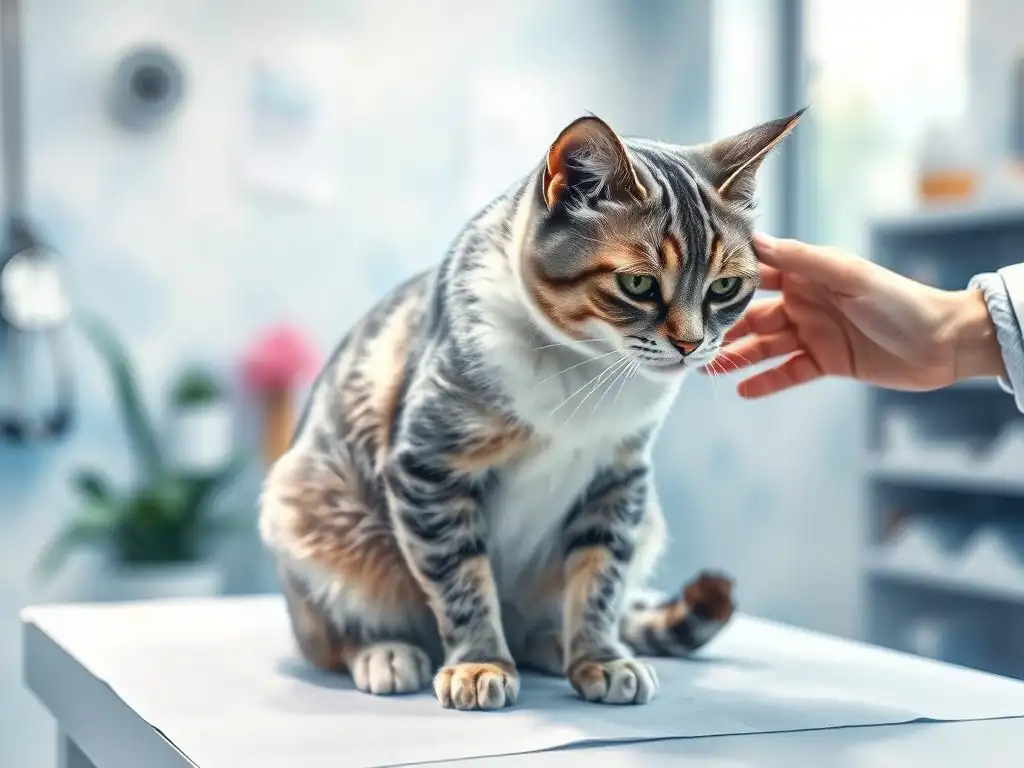
Understanding why your cat is exhibiting aggressive behavior is crucial, but knowing when to seek professional help is equally important. Ignoring underlying medical issues or complex behavioral problems can worsen the situation, impacting both your cat's well-being and your relationship with them. This section details when and how to engage veterinary and behavioral experts to address your cat's aggression. Remember, early intervention often leads to the most effective solutions. The question "Why is my cat aggressive?" often has a multifaceted answer, and professional help is key to unraveling it.
Consulting a Veterinarian: Ruling Out Medical Causes and Getting Expert Advice
Before jumping to behavioral conclusions about your cat's aggression, a veterinary checkup is paramount. Many medical conditions can mimic aggressive behavior. Pain, illness, or hormonal imbalances can drastically alter a cat's temperament, leading to seemingly unprovoked attacks or increased irritability. A thorough veterinary examination should be the first step in addressing any aggression concerns. This includes a complete physical exam, blood work, and potentially other diagnostic tests depending on the cat's symptoms and history.
For example, a cat experiencing hyperthyroidism might exhibit increased agitation and aggression due to the hormonal imbalances. Similarly, a cat with arthritis might bite or scratch when touched in painful areas, leading to a misinterpretation of their actions as aggressive. Your veterinarian can identify these underlying medical issues, providing appropriate treatment and potentially resolving the aggression entirely.
Beyond diagnosis, your vet can offer valuable advice and guidance on managing your cat's behavior, perhaps recommending specific strategies or suggesting a referral to a certified cat behaviorist if needed. They can also rule out less common conditions like infections or neurological disorders that may be contributing to the aggressive behavior.
Remember to provide your veterinarian with a detailed history of your cat's behavior, including:
- When did the aggression start?
- What triggers the aggression? (e.g., petting, feeding, strangers)
- How does the aggression manifest? (e.g., hissing, swatting, biting)
- What is the intensity of the aggression?
- Have there been any recent changes in your cat's environment or routine?
This comprehensive information will help your veterinarian make an accurate assessment and develop an appropriate treatment plan. Don't hesitate to ask questions and clarify any concerns you may have. The veterinarian is your ally in understanding and resolving your cat's aggression.
Working with a Certified Cat Behaviorist: Specialized Help for Complex Aggression Issues
If your veterinarian rules out medical causes, or if the aggression persists despite medical treatment, consulting a certified cat behaviorist is recommended. These specialists possess in-depth knowledge of feline behavior and can provide tailored solutions for complex aggression problems. They can help you understand the root causes of your cat's behavior, offering evidence-based strategies for modification.
Cat behaviorists use a variety of techniques, including:
- Environmental enrichment: Modifying the cat's environment to reduce stress and provide more opportunities for appropriate behaviors. This might involve providing more vertical space, hiding places, and interactive toys.
- Classical and operant conditioning: Using positive reinforcement and counter-conditioning to modify undesirable behaviors. This involves rewarding appropriate behaviors and associating negative triggers with positive experiences.
- Medication (in some cases): In severe cases, a veterinarian might prescribe medication to help manage anxiety or other underlying emotional issues contributing to the aggression. This is always done in conjunction with behavioral modification techniques.
A certified cat behaviorist will conduct a thorough assessment of your cat's behavior, your home environment, and your interaction with your cat. They'll work closely with you to develop a personalized behavior modification plan, providing ongoing support and guidance throughout the process. Remember that behavioral modification takes time, patience, and consistency. The behaviorist will provide realistic expectations and strategies to ensure long-term success.
They can also help you navigate challenging situations and provide you with the tools to manage your cat's aggression effectively. Choosing a certified behaviorist ensures you're receiving professional, evidence-based advice tailored to your cat's specific needs. Don't be discouraged by initial challenges; with patience and the right professional guidance, you can help your cat overcome aggression and live a happier, healthier life.
Frequently Asked Questions
Why is my cat suddenly acting aggressive?
A sudden change in behavior often indicates an underlying medical issue or environmental stressor. Consider a vet visit to rule out pain or illness, and assess your cat's environment for potential triggers.
My cat is aggressive towards other cats. What can I do?
Slow and careful introductions are crucial. Provide separate resources (food, water, litter boxes), and gradually increase interaction under supervised conditions. Consider using pheromone diffusers to reduce tension.
Is my cat's aggression a sign of fear?
Yes, fear-based aggression is common. Cats may exhibit aggression when feeling threatened, trapped, or insecure. Creating a safe and predictable environment can significantly reduce this behavior.
How can I stop my cat from biting or scratching me?
Positive reinforcement training is key. Reward calm behavior and avoid punishment, which can worsen aggression. Consult a certified cat behaviorist for personalized guidance.
My cat is only aggressive towards strangers. Is this normal?
Territoriality is a natural instinct. This type of aggression is often rooted in protecting their home and resources. Desensitization and counter-conditioning techniques can help your cat become more comfortable around strangers.
Final Reflection: Unraveling the Mysteries of Feline Aggression
Understanding the root causes of feline aggression is not merely an academic exercise; it's a crucial step towards building a harmonious relationship with our feline companions and ensuring their well-being. The prevalence of cat ownership worldwide underscores the urgent need to address this often misunderstood behavior, transforming fear and frustration into empathy and understanding.
The journey of exploring feline aggression has profoundly impacted my own understanding of animal behavior, highlighting the complex interplay of instinct, environment, and individual personality. A cat's behavior is a reflection of its emotional state, and understanding that state is key to resolving behavioral problems.
This quote encapsulates the core message of this article: that aggression is rarely a simple matter of "bad cat," but rather a symptom of underlying issues that require careful observation and compassionate intervention. The ongoing challenge lies in educating cat owners to recognize these subtle signs and seek professional help when needed, fostering a more compassionate and informed approach to feline care.
So, as you reflect on the information presented, consider your own cat's behavior. Are there underlying stressors you might be overlooking? Is there a change in their environment that might be triggering aggression? Take the time to observe, learn, and most importantly, seek professional guidance if needed. Remember, a happy, healthy cat is a cat whose needs are understood and met, and that journey begins with understanding the root causes of their behavior. Let's work together to create a world where every cat can live a life free from unnecessary aggression.
Unlock Your Cat's Purrfect Potential!
Thank you for learning about feline aggression. You've gained valuable insights into understanding your cat's behavior. Ready to apply this knowledge?
- Focus on one small behavioral change this week. For example, increase playtime or adjust feeding schedules based on what you've learned. This focused approach is crucial for success.
- Share your experience! Tell us in the comments below about a small change you're making and your goals. Let's build a supportive community!
- Explore our other articles on cat behavior – you might find helpful training or enrichment tips you haven't considered before.
What small step will you take today to improve your cat's well-being and strengthen your bond?