Training Your Cat to Use a Scratching Post: A StepbyStep Guide
😊 Frustrated with ruined furniture? PetCareWorld's cat scratching post training guide provides a step-by-step solution, ensuring your feline friend uses the post,…
Read article
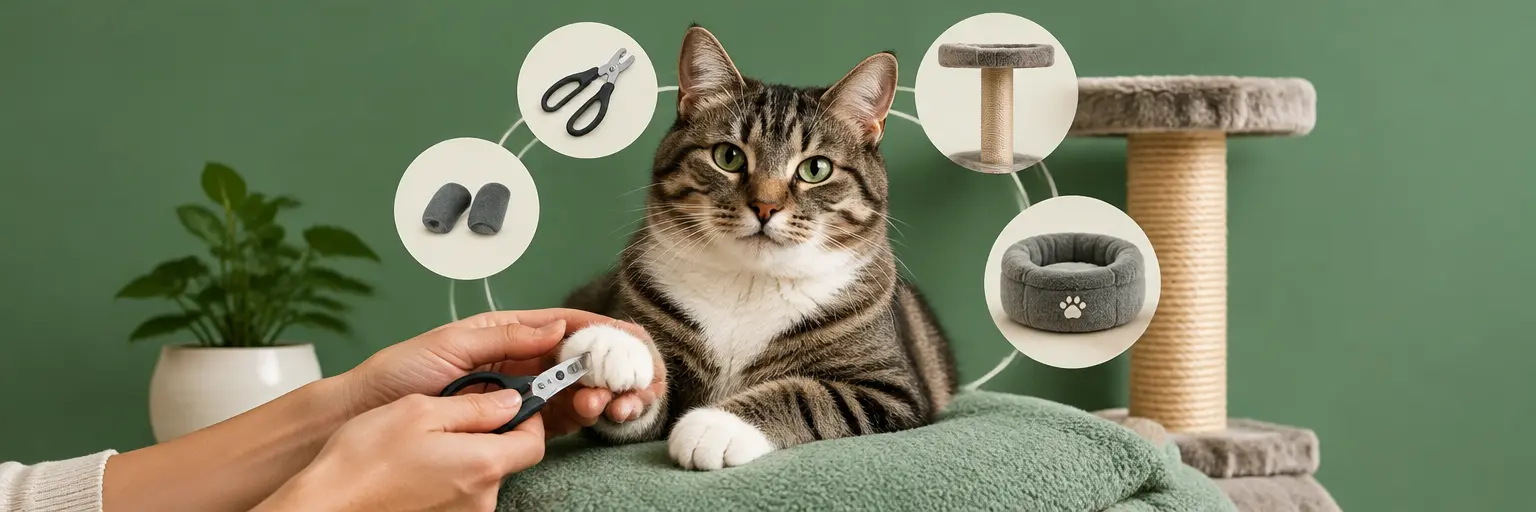
Discover compassionate, science-backed alternatives to declawing that protect your furniture, your peace of mind, and—most importantly—your cat’s physical and emotional well-being. Declawing is a serious surgical procedure that can lead to chronic pain, behavioral issues, and trust problems, but you don’t have to choose between your sofa and your feline friend. Our expert guides cover proven solutions like nail trimming techniques, soft nail caps, scratching post selection, and positive reinforcement training to redirect scratching naturally. Learn how to create a cat-friendly environment with strategic placement of vertical and horizontal scratchers, pheromone diffusers, and cozy resting spots that satisfy your cat’s instinct to scratch while keeping your home intact. We also dive into humane behavior modification, including clicker training and environmental enrichment, to reduce stress-induced scratching. Whether you’re dealing with a kitten or a senior cat, these practical, vet-approved methods are safe, effective, and strengthen your bond. Say goodbye to the declawing debate and hello to a harmonious home where your cat thrives.
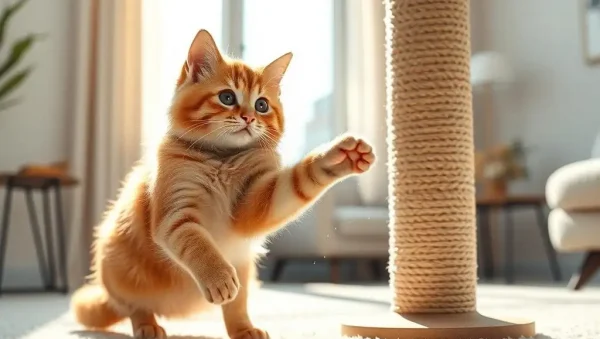
😊 Frustrated with ruined furniture? PetCareWorld's cat scratching post training guide provides a step-by-step solution, ensuring your feline friend uses the post,…
Read article
😊 Discover humane alternatives to declawing your cat! PetCareWorld's comprehensive guide explores effective solutions for preventing destructive scratching, ensuring your cat's well-being…
Read article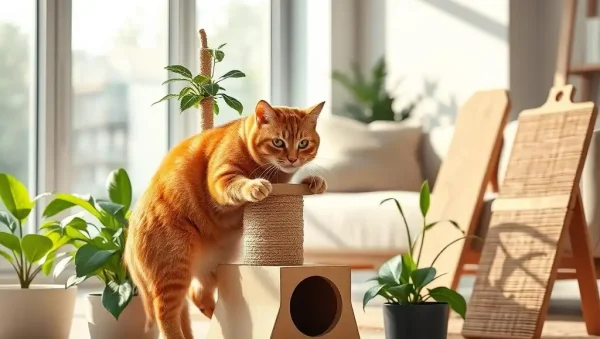
😊 Stop destructive scratching! PetCareWorld explores safe, humane alternatives to satisfy your cat's natural scratching instincts, including creative DIY solutions and the…
Read articleDeclawing is a painful, irreversible surgery that amputates the last bone of each toe, often leading to long-term physical and behavioral issues. At PetCareWorld, we champion compassionate, effective alternatives that protect your furniture and your feline’s well-being. This guide explores proven methods—from nail trims and soft caps to environmental enrichment and training—so you can live harmoniously with your cat without resorting to surgery. Discover how to redirect natural scratching instincts, reduce anxiety-driven clawing, and maintain a beautiful home while keeping your cat’s paws healthy and whole.
Regular nail trimming is the cornerstone of declawing alternatives. By clipping the sharp tips every 1–2 weeks, you reduce damage without harming your cat. Use sharp, guillotine-style clippers designed for cats, and reward with treats to create a positive association. For extra protection, soft vinyl caps (like Soft Paws) glue over trimmed claws, blunting them safely for 4–6 weeks. These caps are painless, allow natural claw retraction, and come in fun colors.
Beyond tools, consistency matters. Start handling your kitten’s paws early to build trust, and always have styptic powder ready for accidental nicks. Many cats adapt quickly when sessions are short and calm. While caps need replacement as nails grow, they offer a stress-free buffer for households with kids, seniors, or delicate furniture. Combine these with regular trims to minimize scratching damage and keep your cat comfortable—no surgery, no pain, just practical care.
Cats scratch to mark territory, stretch muscles, and shed outer nail sheaths—it’s non-negotiable behavior. The trick is offering superior scratching surfaces. Place sturdy sisal, cardboard, or carpet posts near favorite scratching spots (sofas, doorframes). Use catnip or silvervine to lure them, and reward any post use with praise. Vertical posts should be tall enough for a full stretch (≥30 inches), while horizontal cardboard pads suit cats that scratch on floors.
Environmental enrichment reduces destructive clawing by lowering stress. Provide perches, hiding boxes, puzzle feeders, and daily play sessions. A bored cat is a destructive cat—interactive toys like feather wands mimic prey and drain energy. Rotate toys weekly, and consider window bird feeders for mental stimulation. When your cat scratches furniture, gently guide them to the post, never yell. Over time, they learn that posts are the “correct” outlet, preserving your couch and your sanity.
Many cats scratch furniture due to anxiety, territorial pressure, or habit. Positive reinforcement training addresses the root cause. Use clicker training to reward calm behaviors and teach “scratch here” cues near the post. For anxious cats, synthetic feline facial pheromone diffusers (like Feliway) mimic natural calming signals, reducing stress-induced scratching. Also, ensure multiple cats have separate resources (food, litter, resting spots) to minimize competition.
Never punish scratching—it creates fear, which worsens the behavior. Instead, interrupt unwanted scratching with a soft “no” and immediately redirect to the post. For persistent offenders, apply double-sided tape or aluminum foil temporarily to furniture as harmless deterrents. Combined with consistent rewards and a predictable routine, these methods teach your cat that good things happen when claws meet the right surfaces. Over weeks, the habit shifts, and your bond strengthens.
While training works, you also need immediate protection. Cover furniture corners with clear, sticky corner guards or heavy-duty plastic sheeting temporarily. Use washable slipcovers or fleece throws on sofas, and place citrus-scented sprays (cats dislike citrus) on off-limit areas. Horizontal cardboard scrapers near edges catch attention, while leaving one textured item—like an old rug—sacrificially available for scratching can satisfy the urge.
Consider “cat trees” with multiple levels and varying textures (sisal, carpet, wood) to create a vertical territory. Place them near windows for entertainment value. Also, keep nails short (see above) to reduce any damage if a swipe occurs. Physical modifications, like furniture risers or cabinet locks, can keep valuables safe. By layering protection with redirection, you create a no-declaw environment where both cat and couch thrive.
If scratching persists despite all efforts, consult your veterinarian. Medical issues—like arthritis, skin allergies, or parasitic infections—can cause excessive scratching. A vet can rule out pain or discomfort, which may be the real driver. They may recommend nail caps application, prescribe anti-anxiety medications for severe stress, or suggest a veterinary behaviorist for chronic cases. Always avoid “tendonectomy” (a partial declaw alternative), which still carries surgical risks and post-op pain.
Discuss the long-term consequences of declawing (bone spurs, litter box aversion, biting) to strengthen your resolve against it. Your vet can guide you on proper nail care, joint supplements for older cats, and environmental modifications tailored to your pet’s age and health. Remember, declawing is banned in many countries and considered inhumane by most veterinary associations. By exploring medical insights, you ensure your cat’s physical and mental health stays intact, solidifying a happy, claw-safe home.
No, when done correctly. You are only clipping the translucent tip, avoiding the pink “quick” that contains nerves and blood vessels. Use sharp clippers, have styptic powder on hand for errors, and keep sessions calm. If unsure, ask your vet to demonstrate. Most cats tolerate trims well with treats and patience—this is a routine, pain-free procedure.
Soft caps typically stay on for 4 to 6 weeks, falling off as the nail grows. Expect periodic replacements—each cap needs reapplication as your cat’s nails naturally shed. They are safe, non-toxic, and painless if applied properly. Always check caps for loose fits weekly to avoid discomfort or chewing.
Several reasons: the post may be unstable, placed in a low-traffic area, or made of the wrong texture. Cats prefer posts that are sturdy, tall, and near where they sleep or socialize. Try rubbing catnip on the post, moving it to a central location, or adding a horizontal cardboard pad—experiment until your cat’s preference clicks.
Yes. Many declawed cats develop litter box aversion (because scratching to cover waste hurts), biting, and aggression due to chronic pain. The surgery removes a vital defense and stretching mechanism, often leading to arthritis. Behavioral issues are common post-op, making alternatives far safer for your cat’s long-term happiness.
Most cats can be redirected with time, but high-stress or highly territorial cats may be harder. For these, combine multiple methods: nail caps, extra posts, pheromone diffusers, and daily play. If scratching is obsessive, consult a vet behaviorist. There’s always a humane solution—declawing is never the only answer.