Affectionate Cat Breeds That Thrive in a Family Environment
😊 Discover the purrfect additions to your family! PetCareWorld reveals the best family cat breeds, highlighting affectionate companions that thrive in bustling…
Read article
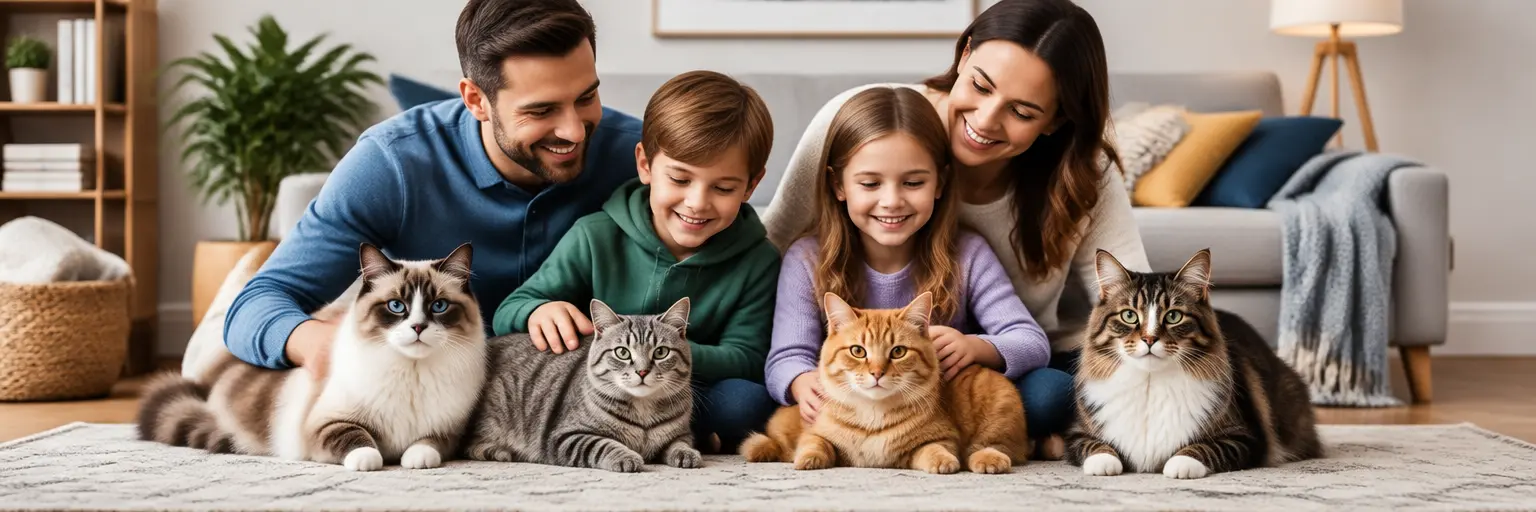
Discovering the perfect feline companion for your household is an exciting journey, and choosing from the best cat breeds for families can make all the difference in creating a harmonious home. At PetCareWorld, we understand that a family cat needs more than just a pretty face—it requires a gentle temperament, patience with children, and a sociable nature that thrives in a bustling environment. Whether you’re seeking a playful lap cat or an independent yet affectionate friend, our expert-curated guide highlights breeds known for their adaptability, low-maintenance grooming, and kid-friendly demeanor. From the famously patient Ragdoll to the ever-playful Maine Coon and the easygoing British Shorthair, we break down each breed’s personality, energy levels, and care needs so you can match your family’s lifestyle with confidence. With practical tips on introducing a cat to kids, managing feeding routines, and creating safe spaces, this resource ensures a smooth transition for everyone involved—human and furry alike. Explore our recommendations to find a loyal, loving companion who will grow alongside your children, offering years of cuddles, playtime, and unforgettable memories.

😊 Discover the purrfect additions to your family! PetCareWorld reveals the best family cat breeds, highlighting affectionate companions that thrive in bustling…
Read article
😊 Discover seven purrfectly patient cat breeds ideal for families with children! PetCareWorld reveals the top choices for patient cat breeds for…
Read article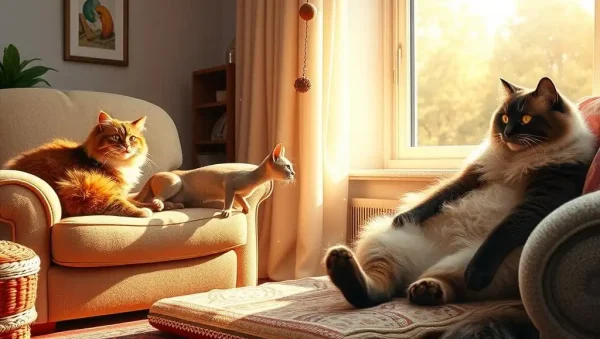
😊 Discover the best cat breeds for multi-pet homes! PetCareWorld reveals which feline companions thrive in busy, multi-animal households, ensuring harmonious cohabitation…
Read articleChoosing the right feline companion for your household is a decision that shapes years of joy, cuddles, and playful chaos. At PetCareWorld, our Best Cat Breeds for Families subcategory dives deep into temperament, energy levels, kid-friendliness, and grooming needs to help you match a cat breed to your unique family dynamic. Whether you have toddlers, teens, or multi-pet households, our expert-backed guides simplify the selection process, ensuring a harmonious home for both humans and whiskers. Explore below to find the purrfect addition to your family.
When young children are in the picture, you need a cat that tolerates tail tugs, sudden noises, and enthusiastic hugs. Our featured breeds like the Ragdoll, Maine Coon, and Birman stand out for their patient, sociable nature. Ragdolls famously go limp when held, making them ideal lap companions, while Maine Coons act more like gentle dogs, following kids from room to room. We also highlight the British Shorthair for its easygoing demeanor and the Scottish Fold for its quirky charm. Each profile includes real owner anecdotes, so you understand exactly what to expect during those unpredictable childhood years.
Beyond just listing traits, we detail energy levels and typical play behaviors, helping you decide if a snuggly couch potato or an active playmate fits your family’s rhythm. We also address how to introduce a new kitten or rescue cat to children safely, emphasizing supervised interactions and teaching kids proper handling techniques. With our vetted recommendations, you can avoid breeds prone to nipping or hiding, ensuring a stress-free bond from day one. Whether you prefer a low-shedding Siberian or a vocal Siamese, our category helps you prioritize patience and adaptability over looks alone.
Not every family has a sprawling house with a backyard. For apartment dwellers, space constraints matter just as much as temperament. Our subcategory highlights Persians and Exotic Shorthairs as excellent options due to their calm, low-activity lifestyle, which thrives in cozy environments. Meanwhile, the American Shorthair adapts beautifully to smaller spaces, offering a self-sufficient yet affectionate personality. We break down each breed’s vocalization levels, scratching tendencies, and litter box habits, ensuring your urban home stays peaceful and clean even with multiple kids and pets present.
Urban families also benefit from our tips on vertical spaces—like cat trees and window perches—that maximize limited square footage. We explain why breeds like the Burmese or Cornish Rex, though energetic, can still flourish in apartments if given enough interactive playtime. For families expecting a baby, we cover breeds known for gentle curiosity, such as the Chartreux, which rarely exhibits aggressive outbursts. Our apartment-focused guides also address noise sensitivities and neighbor-friendly grooming routines, making your cat ownership experience as seamless as possible in compact living arrangements.
If your household thrives on constant motion and interactive games, you’ll want a cat that matches your pace. Our category showcases high-energy breeds like the Bengal, Abyssinian, and Oriental Shorthair, which love fetch, puzzle toys, and climbing challenges. These breeds form strong bonds with active kids, turning playtime into daily adventures. We also include the Siamese for its chatty, fun-loving nature, and the Devon Rex for its mischievous acrobatics. Each guide provides specific enrichment ideas, from harness training for outdoor walks to DIY obstacle courses indoors, so your family never runs out of fun activities.
Active breeds also require consistent mental stimulation to prevent destructive behaviors like chewing or excessive meowing. We offer schedules for interactive play sessions, especially vital for families with older children who can participate in training tricks. Our content explains how to channel their prey drive positively, using wand toys and laser pointers responsibly. For parents concerned about leaving a high-energy cat home during school hours, we suggest companion pairings—like two Bengals—to keep each other engaged. With our detailed profiles, you’ll know exactly which breed will turn your living room into a joyful playground rather than a source of chaos.
Between school runs, work deadlines, and weekend sports, many parents need a cat that thrives with minimal fuss. Our subcategory features Russian Blues, Chartreux, and American Wirehair as top picks for their independent yet affectionate personalities. These breeds are content with a consistent routine, requiring only basic feeding, litter cleaning, and the occasional cuddle. We also examine coat care—short-haired breeds like the Bombay shed less and need fewer brushing sessions, saving you precious time. For allergy-prone families, we highlight hypoallergenic options like the Balinese and Javanese, which produce fewer allergenic proteins.
Busy parents also worry about training and behavior issues, so we provide clear guidance on litter box setup, scratching post training, and early socialization. Breeds like the Exotic Shorthair are notably calm after kittenhood, making them ideal for families that travel occasionally. We also discuss senior cat adoption as a low-maintenance alternative to hyperactive kittens—older felines often appreciate quiet homes and require less supervision. Our goal is to ensure that even the most hectic household can enjoy the unconditional love of a cat without added stress, making your decision straightforward and confidence-boosting.
Millions of families dream of owning a cat but worry about allergic reactions in children or spouses. Our dedicated section zooms in on breeds with lower Fel d 1 protein levels, including the Siberian, Balinese, and Cornish Rex. Though no cat is 100% hypoallergenic, these breeds significantly reduce sneezing, itching, and watery eyes for many allergy sufferers. We explain the science behind allergens and offer practical tips like regular bathing, HEPA filters, and designated cat-free zones in your home. Each breed profile includes personal testimonials from allergic owners who successfully share their lives with these felines.
Beyond breed selection, we guide families on how to test their sensitivity before committing—through brief visits to breeders or fostering programs. We also compare grooming needs, as some hypoallergenic cats require frequent bathing to minimize dander. For families with severe allergies, we suggest consulting an allergist and potential immunotherapy options. By combining breed knowledge with home management strategies, we empower you to make an informed choice that keeps both your loved ones and your new pet healthy. Our comprehensive approach ensures that allergies no longer stand between your family and a lifelong feline friendship.
The Ragdoll is widely considered the most patient breed for toddlers due to its easygoing, laid-back temperament. Ragdolls rarely scratch or bite, even when handled clumsily, and they often enjoy being carried around. Similarly, Maine Coons are gentle giants that tolerate noise and movement exceptionally well. Always supervise interactions and teach your toddler to pet softly, ensuring a safe and loving bond for years to come.
Yes, several breeds are known for dog-friendly behavior, including the Golden Retriever of cats—the Maine Coon—which is confident and sociable. The Burmese and Birman also adapt easily to canine companions, often forming close friendships. To increase success, introduce your cat and dog gradually in controlled settings, and choose a kitten raised around dogs if possible.
The British Shorthair is a superb choice for first-time pet parents due to its calm, undemanding nature and minimal grooming needs. This breed is independent but affectionate, requiring only basic care and routine play. Another great option is the American Shorthair, which is healthy, adaptable, and tolerant of a variety of household environments.
No breed is truly hypoallergenic, but certain cats produce lower levels of the Fel d 1 protein, which triggers allergic reactions. Breeds like the Siberian, Balinese, and Cornish Rex are often better tolerated. To know for sure, spend time with the specific cat you intend to adopt, as individual allergen levels vary even within breeds.
Yes, active breeds like the Bengal or Abyssinian can thrive in apartments if given sufficient vertical space, toys, and interactive playtime. Install cat trees, shelves, and window perches to accommodate their climbing instincts, and dedicate 20-30 minutes daily to active games. Consider adopting a second cat to keep each other entertained, reducing boredom-related issues.