
Affectionate Cat Breeds That Thrive in a Family Environment

Welcome to PetCareWorld, your ultimate guide to a happier, healthier life for your beloved pets! Are you dreaming of adding a feline friend to your family? Then discover the purrfect match with our in-depth guide on the best family cat breeds. We've uncovered the secrets to finding an affectionate companion that thrives in a bustling household – prepare to be amazed by the diverse personalities and unique charms of these incredible cats. Dive in and find your new furry family member!
- Choosing the Purrfect Family Cat: Key Considerations for Best Family Cat Breeds
- Top Affectionate Cat Breeds for Families: Best Family Cat Breeds Reviewed
- Beyond Breed: Creating a Loving Home for Your New Family Cat
- Finding Your Perfect Family Cat: Resources and Next Steps
- Frequently Asked Questions about Choosing a Family Cat
- Frequently Asked Questions
- Final Reflection: The Purrfect Family Member: Choosing a Feline Companion
- Unleash the Purrfect Family Member: Find Your New Best Friend!
Choosing the Purrfect Family Cat: Key Considerations for Best Family Cat Breeds
Bringing a cat into your family is a joyous occasion, enriching your lives with companionship, affection, and endless entertainment. However, selecting the right feline friend is crucial for ensuring a harmonious and fulfilling relationship for both your family and your new pet. This guide focuses on identifying the best family cat breeds, considering factors beyond just cuteness.
We'll delve into crucial aspects like lifestyle compatibility, living space, and the temperament match between cat and family, empowering you to make an informed decision that leads to years of purrfect happiness. Choosing the right breed is about finding a feline companion whose personality and needs align seamlessly with your family's dynamics and living situation, paving the way for a loving and enriching bond. This article will help you navigate the process of finding the best family cat breeds, ensuring a successful and happy adoption.
Understanding Your Family's Lifestyle and Needs
Before diving into specific cat breeds, honest self-assessment is key. Consider your family's daily routine, activity levels, and overall lifestyle. Are you an active family with children constantly running around, or do you prefer a more relaxed and quiet home environment?
- Children's Ages and Temperaments: Young children require extra supervision around cats, and some breeds are better suited to handle the playful, sometimes boisterous nature of kids than others. Consider breeds known for their patience and tolerance.
- Work Schedules: If both parents work long hours, a more independent breed that doesn't require constant attention might be a better fit than one that thrives on interaction.
- Allergies: Some individuals are allergic to certain cat breeds more than others. Research hypoallergenic cat breeds if allergies are a concern within your family. Note that no cat breed is entirely hypoallergenic, but some produce less of the allergen Fel d 1.
- Commitment Level: Owning a cat is a long-term commitment, often spanning 15 years or more. Ensure everyone in the family understands and is prepared for this responsibility, including the financial aspects of pet ownership such as food, vet care, and supplies.
Assessing Your Living Space and Resources for Cat Ownership
Your home environment significantly impacts a cat's well-being. An accurate assessment of your living space is crucial in determining the suitability of certain breeds.
| Factor | Considerations |
|---|---|
| Space Availability | Do you have enough room for a cat to comfortably play, explore, and have its own space? |
| Outdoor Access | Will your cat have access to a secure outdoor area or will it be strictly indoors? |
| Furniture & Decor | Is your furniture cat-friendly? Are there any items that could pose a hazard? |
| Financial Resources | Can you afford the ongoing costs of food, veterinary care, litter, and toys? |
Consider these points carefully: A large, active cat may not thrive in a small apartment, while a more laid-back breed might be perfectly content. Similarly, access to a secure outdoor space can be beneficial for some breeds but not necessary for others. Remember to cat-proof your home before bringing your new feline friend home! This includes securing hazardous items and creating safe spaces for your cat to retreat to.
Matching Cat Temperament to Family Dynamics: Active vs. Relaxed Households
The temperament of a cat breed is paramount when choosing a family pet. Some breeds are known for their playful and energetic nature, while others are more laid-back and independent.
- Active Households: For busy, active families with children, breeds like the Abyssinian or Bengal are often recommended. These cats are known for their playful and energetic personalities, making them ideal companions for active children. However, proper supervision is always necessary.
- Relaxed Households: For quieter, more relaxed families, breeds like the Ragdoll or Persian are often a better fit. These cats are known for their calm and affectionate nature, preferring cuddles and quiet playtime. They're also generally more tolerant of children.
Remember, every cat is an individual, and even within a breed, there can be variations in personality. Consider adopting from a shelter or rescue organization where you can interact with the cat before making a decision. Spending time with potential feline companions helps you gauge their temperament and ensure a good match for your family. Choosing the right cat is about finding the purrfect personality fit, creating a loving and harmonious relationship for years to come. 😻
Top Affectionate Cat Breeds for Families: Best Family Cat Breeds Reviewed
This section dives deep into the characteristics of some of the best family cat breeds, focusing on their temperament, care requirements, and suitability for family life. We'll explore why these breeds consistently rank highly among families seeking affectionate and adaptable feline companions. Choosing the right cat breed is a significant decision, impacting the happiness of both your pet and your family. This detailed review will equip you with the knowledge to make an informed choice.
Ragdoll Cats: Gentle Giants of the Feline World
Ragdolls are renowned for their docile and affectionate nature, making them excellent family pets. Their name perfectly encapsulates their personality: they're famously relaxed and will often go limp when held, earning them the nickname "floppy cats." This gentle temperament, combined with their playful nature, makes them ideal companions for children and adults alike.
Ragdoll Temperament and Compatibility with Children
Ragdolls are incredibly patient and tolerant, particularly with children. Their calm demeanor allows them to handle playful interactions with grace, making them surprisingly resilient to even enthusiastic hugs and cuddles. However, as with any breed, supervision is always recommended, especially with very young children. Teaching children how to interact gently and respectfully with their feline friend is crucial for a harmonious household. Early socialization is key to ensuring a well-adjusted Ragdoll, comfortable in a busy family environment. Many Ragdoll owners report their cats becoming exceptionally bonded with specific family members, forming deep and loving relationships.
Ragdoll Grooming and Healthcare Needs
Ragdolls possess a semi-longhaired coat that requires regular grooming to prevent matting. Weekly brushing is recommended to keep their fur healthy and shiny. Their grooming needs are moderate, but neglecting regular brushing can lead to tangles and knots, requiring more intensive grooming sessions. Regarding healthcare, Ragdolls are generally healthy, but like all breeds, they're susceptible to certain genetic conditions. Regular veterinary check-ups are essential for early detection and prevention of potential health issues. This proactive approach helps ensure your Ragdoll lives a long and healthy life.
Ragdoll Activity Levels and Exercise Requirements
While known for their relaxed nature, Ragdolls still require regular exercise and playtime. They enjoy interactive games, such as chasing toys or playing with feather wands. Providing climbing structures, like cat trees, caters to their natural instincts and provides opportunities for physical activity and mental stimulation. A lack of sufficient exercise can lead to boredom and potentially contribute to behavioral problems. Finding a balance between their relaxed nature and their need for activity is key to a happy and well-adjusted Ragdoll. Remember, even these "floppy cats" need their playtime!
Maine Coon Cats: Friendly and Playful Companions
Maine Coons are another excellent choice for families seeking a large, affectionate cat. Known for their gentle giants personality, they are often described as "gentle dogs in cat suits" due to their loyalty, playful nature, and eagerness to please. Their impressive size, coupled with their calm and friendly disposition, makes them ideal companions for both adults and children.
Maine Coon Personality and Socialization Skills
Maine Coons are generally friendly and outgoing cats, readily engaging in playful interactions with their human companions. Their sociable nature makes them easily adaptable to family life, thriving in busy households. Early socialization is crucial, exposing kittens to various sights, sounds, and people to ensure they develop into confident and well-adjusted adults. A well-socialized Maine Coon will be comfortable interacting with guests and other pets, adding to the harmonious atmosphere of your home. Their playful nature often extends to interactive games, making them enthusiastic participants in family playtime.
Maine Coon Size and Space Requirements
Maine Coons are one of the largest domesticated cat breeds, reaching significant size as adults. This needs to be considered when choosing a Maine Coon. Adequate space is essential to allow them to move freely and comfortably. Providing ample vertical space, such as tall cat trees, allows them to climb and stretch, fulfilling their natural instincts. While they are large, they are not excessively demanding of space, as long as they have sufficient room to move and play. They are generally adaptable to apartment living provided they have enough vertical space and playtime opportunities.
Maine Coon Grooming and Health Considerations
Maine Coons have a long, thick coat requiring regular grooming to prevent matting. Daily brushing during shedding seasons is highly recommended, and weekly brushing is necessary throughout the year. Their long fur can be prone to knots and tangles, so regular grooming is essential for maintaining their coat's health and appearance. While generally healthy, Maine Coons are prone to certain genetic conditions, highlighting the importance of regular veterinary check-ups.
Proactive healthcare is crucial for ensuring your Maine Coon enjoys a long and healthy life, free from preventable health issues. This includes regular vaccinations and parasite prevention. Investing in proper grooming tools and scheduling regular vet appointments is a testament to responsible pet ownership.
Abyssinian Cats: Energetic and Affectionate Playmates
Abyssinian cats are renowned for their playful and affectionate nature, making them excellent companions for families with children and other pets. Their unique ticked coat, reminiscent of a wildcat, adds to their captivating charm. These cats are highly intelligent and curious, always eager to participate in family activities. Their energy levels are impressive; they're not the type to simply lounge around all day. Instead, expect playful antics, enthusiastic chases, and plenty of interaction.
Abyssinians are known for their strong bond with their human families, often following their owners around the house and seeking out cuddles and attention. This breed's adaptability makes them suitable for various living situations, from apartments to houses with yards. However, their energetic nature requires ample playtime and mental stimulation to prevent boredom and potential destructive behaviors. Providing interactive toys, climbing structures, and regular playtime sessions is crucial for a happy and well-adjusted Abyssinian.
Abyssinian Temperament and Playfulness
Abyssinian cats possess a distinct temperament characterized by their playful, curious, and affectionate nature. They are known for their engaging personalities and thrive on interaction with their human companions. Their playfulness extends beyond simple chasing games; they enjoy interactive toys, puzzles, and even participating in family activities.
An Abyssinian cat will often follow its human family members around the house, seeking attention and engaging in playful interactions. They are not shy about expressing their affection through purring, rubbing against legs, and even gentle nudges. While generally friendly, it is important to socialize Abyssinians from a young age to ensure they remain comfortable around strangers and other animals.
Early socialization helps them develop into well-adjusted and confident cats. However, their playful nature can sometimes lead to mischievous antics if not properly channeled. Providing plenty of enrichment, such as climbing posts, scratching posts, and a variety of toys, can help to keep them occupied and prevent destructive behaviors.
Abyssinian Grooming and Maintenance
Despite their active lifestyle, Abyssinian cats are relatively low-maintenance when it comes to grooming. Their short, ticked coat requires minimal brushing, usually once or twice a week, to remove loose hair and prevent matting. Regular brushing also helps to distribute their natural oils, keeping their coat healthy and shiny. While they are generally clean cats, occasional baths may be necessary, especially if they get into something messy.
It's important to use a cat-specific shampoo to avoid irritating their skin. Their ears should be checked regularly for any signs of infection or buildup of wax. Gentle cleaning with a damp cloth is usually sufficient. Nail trimming is also important to prevent overgrowth and potential discomfort.
Regular nail trims, every few weeks, are recommended. Providing a scratching post will help keep their claws naturally trimmed and protect your furniture. Overall, the grooming needs of an Abyssinian are manageable and easily incorporated into a busy family's routine.
Abyssinian Intelligence and Trainability
Abyssinian cats are surprisingly intelligent and highly trainable. Their intelligence, coupled with their eagerness to please, makes them receptive to learning tricks and commands. While they might not be as easily trained as some dog breeds, positive reinforcement techniques, such as rewarding desired behaviors with treats or praise, can yield excellent results. Training should be consistent and patient, focusing on short, engaging sessions to maintain their interest.
Common tricks that Abyssinians can learn include fetching, coming when called, and even using a litter box consistently. Their innate curiosity makes them quick learners; they are often eager to explore new things and engage in interactive games. This intelligence also manifests in their problem-solving abilities; they are known for their cleverness in finding ways to access high places or open cabinets.
Providing mental stimulation through puzzle feeders and interactive toys is crucial to keep their minds engaged and prevent boredom. This contributes significantly to their overall well-being and reduces the likelihood of destructive behaviors. The intelligence and trainability of the Abyssinian make them rewarding companions for owners who enjoy engaging in interactive activities with their pets.
Beyond Breed: Creating a Loving Home for Your New Family Cat
Finding the best family cat breeds is only half the battle. While choosing a naturally affectionate breed like a Ragdoll or Maine Coon increases your chances of a harmonious household, a cat's personality and behavior are also significantly shaped by their environment and upbringing. A loving, stimulating home is crucial for any cat, regardless of breed, to thrive within a family setting.
This section focuses on creating the ideal environment to foster a strong bond between your feline friend and your family members. Remember, even the most naturally sociable cat needs proper care and attention to flourish in a family home. The right environment can transform even a shy kitten into a confident and affectionate companion.
Early socialization is paramount in developing a well-adjusted and friendly cat. Kittens exposed to various sights, sounds, and gentle handling from a young age (ideally from 2-7 weeks) are far more likely to become confident and adaptable adults. This means introducing them gradually to different people, including children, and other pets. Positive reinforcement techniques, using treats and praise, are vital for successful training.
Avoid punishment, which can lead to fear and aggression. Simple commands like "come," "sit," and "stay" can be taught with patience and consistency. Early training not only enhances your bond but also helps prevent behavioral problems later in life. A well-socialized cat is less likely to exhibit fear-based aggression or destructive behaviors, making it a better companion for families with young children.
Remember, consistency is key. The more consistent you are with training and socialization, the better the results. Early training also significantly reduces the likelihood of future behavioral issues, leading to a more peaceful coexistence for both cat and family.
Providing Enrichment and Mental Stimulation for Indoor Cats
Even the most affectionate cat needs mental and physical stimulation to prevent boredom and destructive behaviors. Indoor cats, especially, require enriching environments to keep them happy and engaged. This includes providing plenty of climbing opportunities, such as cat trees or shelves, scratching posts to satisfy their natural scratching instincts, and interactive toys. Puzzle feeders, which dispense treats when manipulated, provide mental stimulation and prevent obesity.
Regular playtime with interactive toys, such as feather wands or laser pointers, keeps them active and engaged. Rotating toys regularly prevents boredom and keeps your cat interested. Consider creating a dedicated "catio" or secure outdoor space if possible, to provide a safe and stimulating outdoor environment. Think about your cat's natural instincts – climbing, hunting, exploring.
Providing outlets for these natural behaviors contributes to a balanced and happy cat. A stimulated cat is a happy cat, and a happy cat is a better family member. The investment in enrichment toys and activities will pay off tenfold in a more contented and loving feline companion.
Ensuring a Safe and Comfortable Environment for Your Feline Friend
A safe and comfortable environment is essential for a happy and well-adjusted cat. This means providing a quiet and secure space where your cat can retreat when feeling overwhelmed or stressed, such as a cat bed or a quiet corner. Cats need access to fresh water and food at all times. Make sure to regularly clean their litter box and provide ample scratching posts to prevent damage to your furniture.
Keep potentially hazardous household items out of reach, such as cleaning supplies and medications. Regular veterinary checkups are crucial to maintaining your cat's health and well-being. Consider using pheromone diffusers or sprays to reduce stress and anxiety, especially during stressful periods like moving house or welcoming a new family member. A secure and comfortable environment fosters a sense of security and reduces the likelihood of stress-related behavioral problems.
This creates a positive environment where your cat can thrive and build strong bonds with your family. Prioritizing safety and comfort allows your cat to relax and truly enjoy its life as a beloved member of the household. Remember, a happy, healthy cat is a loving cat! 😻
Finding Your Perfect Family Cat: Resources and Next Steps
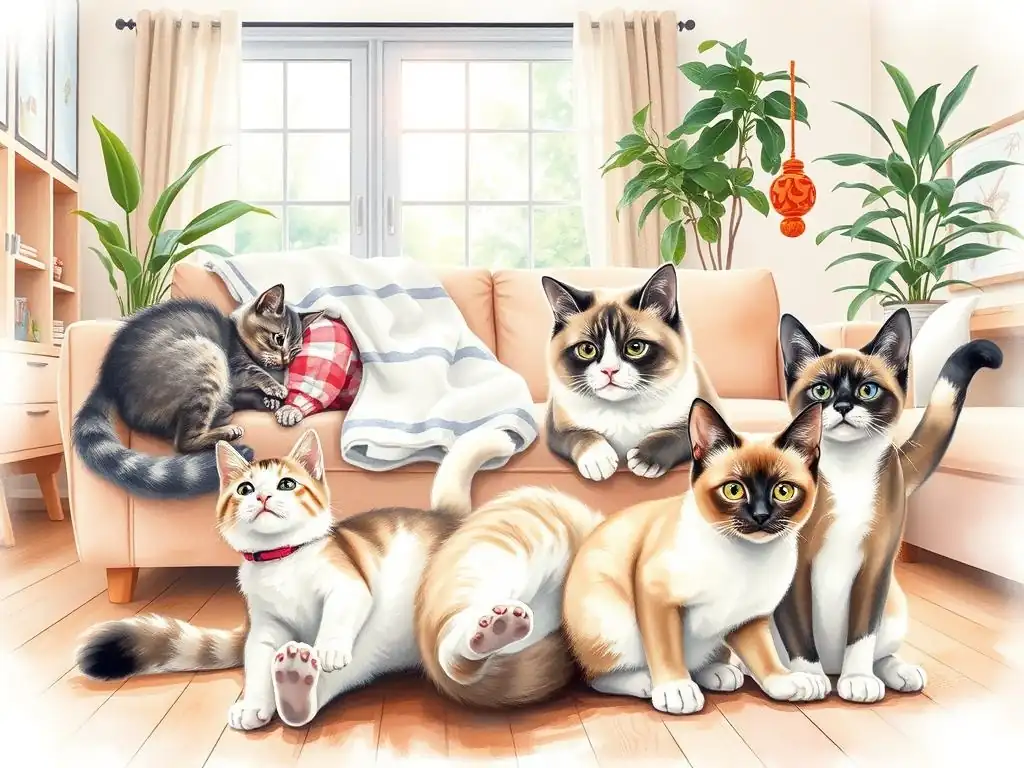
Choosing the best family cat breeds is only the first step in welcoming a feline friend into your home. Thorough research and responsible planning are crucial for a harmonious and loving relationship. This section will guide you through the next steps to ensure a smooth transition for both you and your new cat.
Remember, selecting a breed is about finding a good match for your lifestyle and family dynamic, not simply picking the "cutest" kitten. Consider factors like activity levels, grooming needs, and potential health concerns specific to each breed before making a decision. Understanding these elements will significantly enhance the chances of a successful and fulfilling pet-owner relationship.
Adopting vs. Buying: Ethical Considerations for Cat Ownership
The decision to adopt or buy a cat carries significant ethical implications. Adopting a cat from a shelter or rescue organization offers numerous benefits. You're giving a deserving animal a second chance at a loving home, reducing the number of cats in shelters, and often contributing to a worthy cause. Many shelters offer a variety of breeds and ages, potentially broadening your options beyond specific breeds. Furthermore, adoption fees are typically lower than purchasing from a breeder, making it a more affordable option for many families.
On the other hand, buying from a reputable breeder allows for a greater degree of control over the kitten's lineage, health history, and temperament. Reputable breeders prioritize the health and well-being of their cats, conducting health screenings and genetic testing to minimize the risk of inherited diseases. They also often provide valuable information and support throughout the cat's life. However, it's crucial to distinguish between reputable breeders and irresponsible "backyard breeders" who prioritize profit over animal welfare.
Choosing to buy a kitten should be approached with caution and thorough research to ensure ethical sourcing. The decision ultimately hinges on your personal values and priorities, but both adoption and responsible purchasing play crucial roles in ensuring the well-being of cats. Consider your family's needs and resources when making this important choice.
Finding Reputable Breeders or Shelters
Locating a reputable breeder or shelter requires careful investigation. For breeders, look for those who are transparent about their breeding practices, provide health guarantees, and allow you to meet both the parents and the kittens in a clean and comfortable environment. Avoid breeders who sell kittens online without proper documentation or who seem overly focused on profit. Ask about genetic testing and health screenings performed on their cats. A good breeder will be happy to answer your questions and share information about the kittens' lineage and temperament.
Similarly, choosing a reputable shelter or rescue organization is crucial. Research shelters in your area and visit them in person to assess their cleanliness, organization, and the overall care provided to the animals. Talk to the staff about the cats' histories and temperaments to ensure a good match for your family.
Many shelters offer adoption events and online profiles with detailed information about their available cats. Remember, the goal is to find a cat that will thrive in your home environment and become a cherished member of your family. Thorough research and due diligence are essential to ensure a positive outcome for both you and your new feline companion.
Preparing Your Home for Your New Cat
Bringing a new cat home requires preparation to ensure a smooth transition. Begin by creating a safe and comfortable space for your cat, often referred to as a "cat haven." This could be a quiet room with food, water, a litter box, scratching post, and comfortable bedding. Consider using pheromone diffusers to help reduce stress during the adjustment period. Cat trees provide vertical space for climbing and exploring, mimicking their natural behavior. Introduce your cat gradually to other pets and family members, allowing them time to adjust to their new surroundings before full integration.
Prioritize cat-proofing your home. Secure any potential hazards such as electrical cords, toxic substances, and small objects that could be swallowed. Ensure windows and doors are securely closed to prevent escapes. Provide plenty of toys to stimulate your cat's natural hunting instincts and provide mental enrichment.
Interactive play sessions are vital for building a bond and providing exercise. Remember to maintain a calm and reassuring environment to minimize stress during the initial adjustment phase. The goal is to create a safe, stimulating, and loving home where your new feline companion can thrive. With careful planning and patience, you can ensure a happy and harmonious life together.
Frequently Asked Questions about Choosing a Family Cat
Choosing the right feline companion for your family is a significant decision. Understanding the nuances of different breeds and their temperaments is crucial for ensuring a harmonious household. This section addresses some frequently asked questions to guide you in selecting the best family cat breeds.
What are the most child-friendly cat breeds?
Several cat breeds are renowned for their gentle and patient nature, making them ideal companions for families with children. These breeds often display a high tolerance for playful interactions and are less likely to react negatively to boisterous behavior. However, remember that even the most tolerant cat needs respect and gentle handling.
Some of the top contenders for child-friendly cat breeds include:
- Ragdolls: Known for their docile and affectionate personalities, Ragdolls are often described as "dog-like" in their loyalty and playful nature. Their laid-back demeanor makes them exceptionally tolerant of children's interactions.
- Maine Coons: These gentle giants are known for their playful and tolerant nature. Their large size and sturdy build can withstand enthusiastic cuddles from children.
- Birman: Birmans are known for their sweet and affectionate personalities. They are generally quiet and calm, making them suitable for households with younger children.
- American Shorthairs: These cats are hardy and adaptable, making them a good choice for families with active children. They are known for their playful nature and tolerance.
It's important to note that individual cat personalities can vary even within a breed. Early socialization is crucial for any cat, regardless of breed, to ensure they develop into well-adjusted family pets. Proper training and supervision are essential when children interact with cats.
How can I tell if a cat will be a good fit for my family?
Determining if a specific cat is a good fit for your family goes beyond simply choosing a breed known for its temperament. Consider the following factors:
- Observe the cat's behavior: Spend time with the cat before adopting. Observe how it interacts with other animals and people, noting its level of energy, playfulness, and tolerance. Look for signs of aggression or fearfulness.
- Consider your lifestyle: A high-energy family might prefer a playful breed like an Abyssinian, while a calmer household might be better suited to a more laid-back breed like a Persian.
- Assess your children's maturity level: Younger children require extra supervision when interacting with cats. Choose a breed known for its patience and tolerance, and teach children how to handle cats gently and respectfully.
- Meet the cat's needs: Ensure you can provide the cat with adequate space, enrichment (toys, scratching posts, etc. ), and veterinary care. This includes considering the potential cost of food, litter, and healthcare.
- Ask questions: Don't hesitate to ask questions of shelter staff or breeders about the cat's history, temperament, and any potential health concerns.
Choosing a cat that aligns with your family's lifestyle and the cat's individual needs increases the likelihood of a happy and long-lasting relationship.
What are the common health concerns of popular family cat breeds?
While many breeds are generally healthy, some predispositions to certain health issues exist. Being aware of these potential problems is crucial for responsible pet ownership. Early detection and preventative care can significantly improve a cat's quality of life.
| Breed | Common Health Concerns |
|---|---|
| Ragdoll | Hypertrophic cardiomyopathy (HCM), kidney disease |
| Maine Coon | Hypertrophic cardiomyopathy (HCM), hip dysplasia |
| Birman | Progressive retinal atrophy (PRA), kidney disease |
| American Shorthair | Hypertrophic cardiomyopathy (HCM), various genetic disorders |
Remember that this is not an exhaustive list, and individual cats may experience different health issues. Regular veterinary checkups are essential for early detection and treatment of any health problems. A responsible breeder or shelter will provide information on the potential health concerns specific to the breed and individual cat. Choosing a reputable breeder or adopting from a reputable shelter significantly reduces the risk of inheritable health problems. Remember that proper nutrition and a healthy lifestyle play a significant role in preventing many health issues. 😻
Frequently Asked Questions
What makes a cat breed suitable for families?
A family-friendly cat breed is generally patient, tolerant, and good-natured around children and other pets. They should also be active enough to engage in play but also enjoy calm moments of cuddling. Look for breeds known for their gentle temperaments.
Are all cats good with children?
No, while many cats are adaptable, some breeds are naturally more tolerant of children than others. Early socialization is crucial; even the most docile breeds can react negatively if not properly introduced to children. Careful supervision is always recommended.
Which cat breeds are known for being particularly affectionate?
Many breeds are known for their affectionate nature, including Maine Coons, Ragdolls, and Abyssinians. However, individual personalities vary, so it's important to meet the cat before adopting to assess its temperament.
What are some considerations beyond breed when choosing a family cat?
Beyond breed, consider the cat's age, personality, and health. A younger cat might have more energy, while a senior cat might be calmer. Adopting from a shelter allows you to meet the cat and assess its compatibility with your family.
How can I ensure a smooth introduction of a new cat to my family?
A gradual introduction is key. Allow the cat time to adjust to its new environment before introducing it to children or other pets. Supervise all interactions, providing a safe space for the cat to retreat if needed. Positive reinforcement and patience are vital.
Final Reflection: The Purrfect Family Member: Choosing a Feline Companion
The bond between humans and cats is a powerful one, and choosing the right breed can significantly enhance family life. Finding a feline friend who thrives in a bustling household, offering unconditional love and playful companionship, is a truly rewarding experience. This article has explored several breeds known for their affectionate natures and adaptability to family environments, highlighting the importance of careful consideration before welcoming a new pet into your home.
The impact of a well-chosen pet on family dynamics is immeasurable. A cat can become a cherished member of the family, providing comfort, laughter, and a unique form of emotional support. They teach children about responsibility and empathy, fostering a sense of connection with the natural world. The best therapy is a warm puppy and a cool cat.
This sentiment, though referring to dogs and cats, speaks to the inherent healing power of animal companionship, a power amplified when the animal is a well-suited member of the family unit.
Now, consider your own family dynamic. What kind of personality would best complement your lifestyle? Do you have young children who need a gentle, patient companion? Or perhaps a more active household that requires a playful, energetic cat? Take the time to reflect on these questions, and remember that the right cat can bring years of joy and unconditional love to your home. Choose wisely, and prepare to welcome a purrfect family member into your lives.
Unleash the Purrfect Family Member: Find Your New Best Friend!
Thank you for exploring the wonderful world of affectionate cat breeds with us! We hope you've found the perfect companion to add to your family. Ready to take the next step?
- Start your search: Research the breeds discussed in the article and find a reputable breeder or shelter in your area. This is key to finding a cat that's the right fit for you.
- Share your newfound knowledge: Tell your friends and family about the amazing breeds you've discovered! They might be looking for a new furry friend, too.
- Consider volunteering: Spend some time at your local animal shelter. You can help out and connect with cats needing homes; you might even find your new best friend there!
What breed are you most excited to learn more about, and what qualities are most important to you in a feline companion?