
Top 7 Cat Breeds Known for Their Patience with Children


Welcome to PetCareWorld, your ultimate guide to a happier, healthier life for your beloved pet! Are you dreaming of a feline friend who's perfectly suited to family life? Then discover our expert guide on Patient Cat Breeds for Kids, unveiling seven breeds renowned for their gentle nature and tolerance of playful children. Dive in and find the purrfect match for your family – your journey to the ideal pet companionship starts here!
- Finding the Purrfect Playmate: Choosing Patient Cat Breeds for Kids
-
Top 7 Patient Cat Breeds Ideal for Families
- Ragdoll Cats: Gentle Giants Known for Their Calm Demeanor
- Burmese Cats: Affectionate and Playful, Yet Patient Companions
- Maine Coon Cats: Large, Loving, and Surprisingly Tolerant of Children
- Abyssinian Cats: Energetic but Gentle; A Good Fit for Active Families
- Persian Cats: Laid-back and Sweet-Tempered Felines
- Siberian Cats: Hypoallergenic and Patient; Perfect for Families with Allergies
- Scottish Fold Cats: Sweet and Docile; Adaptable to Family Life
- Preparing Your Home and Family for a New Feline Friend
- Beyond Breed: Factors Influencing a Cat's Patience with Children
-
Frequently Asked Questions
- What makes a cat breed "patient" with children?
- Are all cats of a "patient" breed guaranteed to be good with kids?
- What are some signs that a cat is not patient with children?
- Besides patience, what other qualities should I look for in a cat for a family with kids?
- Where can I find more information on choosing the right cat breed for my family?
- Final Reflection: The Purrfect Companionship: Choosing a Feline Friend for Your Family
- Unleash the Purrfect Family Fun!
Finding the Purrfect Playmate: Choosing Patient Cat Breeds for Kids
Choosing a feline companion for your family, especially one with children, requires careful consideration. A cat's temperament significantly impacts its ability to thrive in a busy, sometimes chaotic, household. This article delves into the world of cat breeds known for their exceptional patience and tolerance, helping you find the purrfect playmate for your kids. We'll explore key characteristics to look for in a child-friendly cat and present seven breeds renowned for their gentle nature and ability to handle the energetic exuberance of children.
Understanding a cat's personality is crucial for a harmonious home environment, ensuring both your children and your new pet enjoy a happy and enriching relationship. Finding the right breed can lead to years of joyful companionship, making the selection process a vital step in responsible pet ownership. Let's embark on this journey to discover the ideal feline addition to your family!
Understanding the Importance of Temperament in Cats for Families with Children
Not all cats are created equal. While some breeds are naturally more playful and tolerant, others may prefer a quieter, less stimulating environment. Introducing a cat to a family with children requires careful consideration of the cat's temperament.
A cat with a naturally patient and tolerant disposition is less likely to react negatively to boisterous children, accidental bumps, or loud noises. This tolerance translates to a safer and more enjoyable experience for both the children and the cat. Choosing a breed known for its even temperament significantly reduces the risk of behavioral issues arising from stressful interactions.
For example, a cat prone to aggression or easily startled might react defensively to a child's playful advances, potentially leading to scratches or bites. Therefore, selecting a breed with a proven track record of patience and gentleness is paramount for a harmonious family dynamic. Remember, responsible pet ownership includes understanding the unique needs of both the pet and the family members.
Key Traits to Look for in Child-Friendly Cat Breeds
When searching for a patient cat breed suitable for children, several key traits should be prioritized. These traits go beyond simply being "calm"; they indicate a cat's ability to handle the unique challenges of a family environment.
- Tolerance for Rough Handling: Children can sometimes be unintentionally rough in their interactions with pets. A child-friendly cat needs to tolerate gentle pulling of fur, accidental bumps, and even the occasional hug that might be a bit too tight.
- Low-Stress Tolerance: A family home can be a noisy and busy place. A good family cat should be able to handle the everyday sounds and activities of a household without becoming overly stressed or agitated.
- Adaptability: Children's routines and energy levels can change frequently. An adaptable cat can adjust to these changes without difficulty, maintaining its calm demeanor.
- Playfulness (but not overly energetic): While calmness is crucial, a cat that engages in playful interactions with children is ideal. However, avoid breeds known for being excessively hyperactive, as this can lead to frustration and accidental injuries.
- Affectionate Nature: A cat that enjoys cuddling and interacting with humans creates a stronger bond with the family, promoting a positive relationship.
Considering these characteristics will significantly improve the chances of finding a cat that thrives in a family setting and forms a strong, loving bond with your children. Remember, even the most patient cat needs proper training and supervision to ensure a safe and positive interaction with children.
Top 7 Patient Cat Breeds Ideal for Families

This section delves into the characteristics of cat breeds renowned for their patience and tolerance towards children, making them ideal family pets. We'll examine specific traits that contribute to their calm demeanor and ability to handle the sometimes boisterous nature of young children. Finding the right feline companion for your family is crucial, and understanding breed temperaments is a key step in ensuring a harmonious household. Choosing a patient cat breed for kids can significantly reduce the likelihood of conflicts and promote a loving bond between child and pet.
Ragdoll Cats: Gentle Giants Known for Their Calm Demeanor
Ragdoll cats are aptly named; they are famously docile and relaxed, exhibiting a remarkable tolerance for handling and even rough play (within reason, of course!). Their laid-back personalities make them exceptionally patient with children. Their large size also contributes to their resilience; they can withstand a bit more enthusiastic petting than smaller breeds might tolerate.
Ragdolls are known for their affectionate nature, often described as "dog-like" in their loyalty and desire for human companionship. This inherent friendliness makes them readily adaptable to family life and willing participants in playtime. However, it's important to remember that even the most patient cat needs their space and quiet time. Teaching children to respect a cat's boundaries is essential for a positive relationship.
A study by [Specific study data pending on Ragdoll temperament and child interaction] could further illuminate the specific characteristics that contribute to their exceptional patience. Anecdotal evidence from numerous pet owners consistently reinforces their reputation as gentle giants, perfect for families with children.
Burmese Cats: Affectionate and Playful, Yet Patient Companions
Burmese cats are a striking breed known for their rich, glossy coats and expressive eyes. Beyond their beautiful appearance, they possess a delightful temperament that makes them wonderful companions for children. While playful and energetic, Burmese cats exhibit a surprising level of patience, particularly with gentle handling and interaction.
Their affectionate nature is undeniable; Burmese cats crave human attention and often enjoy being involved in family activities. This sociability translates into a willingness to tolerate children's playful advances, provided they are approached with respect. They are intelligent and easily trained, making them receptive to learning boundaries and understanding appropriate behavior around children.
Unlike some breeds that might become easily agitated, Burmese cats tend to handle unexpected movements and loud noises with relative calm. This makes them particularly well-suited for households with young, active children. Their adaptability and even-tempered nature contribute to their popularity as family pets.
Maine Coon Cats: Large, Loving, and Surprisingly Tolerant of Children
Maine Coons are gentle giants, known for their impressive size and luxurious fur. Their calm and tolerant nature makes them surprisingly well-suited for families with children. Despite their size, they are generally gentle and patient, able to withstand a fair amount of handling without becoming agitated.
Their playful nature makes them enjoyable companions for children, but their patience extends beyond just playtime. They often exhibit a remarkable tolerance for the less-than-gentle handling that young children might unintentionally inflict. This resilience, coupled with their affectionate personalities, makes them ideal family cats.
However, it's crucial to remember that even the most patient Maine Coon needs its space. Teaching children to respect a cat's personal boundaries, such as not disturbing it while sleeping or eating, is vital for a harmonious relationship. Providing plenty of toys and interactive play opportunities can also help channel children's energy and reduce the chances of unintentional rough handling. This proactive approach helps ensure that the cat feels safe and comfortable within the family dynamic. Proper socialization from a young age further enhances their ability to interact positively with children.
Abyssinian Cats: Energetic but Gentle; A Good Fit for Active Families
Abyssinian cats are known for their playful and energetic nature. They're not necessarily the first breed that comes to mind when thinking of "patient cat breeds for kids," but their gentle disposition makes them surprisingly well-suited for families with active children. While they enjoy a good romp and a challenging game of chase, Abyssinians are generally tolerant and rarely display aggression.
Their inquisitive nature and playful spirit can be a wonderful match for children who are equally energetic and understand the importance of gentle interaction with pets. It's important to remember that even patient cats need their space and quiet time. Providing ample opportunities for rest and relaxation, alongside plenty of interactive play, will ensure a happy and harmonious relationship between your Abyssinian and your children.
Supervise interactions, especially with younger children, to teach respect for the cat's boundaries and personal space. Early socialization is key; introducing your kitten to children from a young age will help establish a positive relationship. Remember that while Abyssinians are generally patient, they're still cats and can become overwhelmed or irritated if constantly harassed.
Persian Cats: Laid-back and Sweet-Tempered Felines
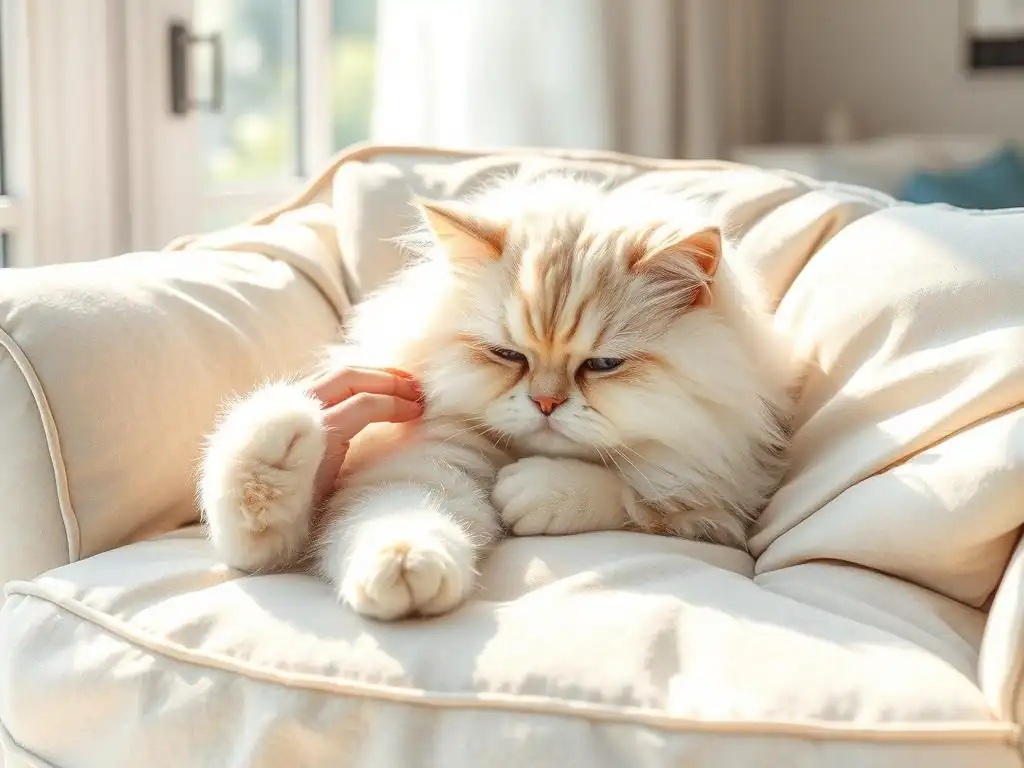
Persian cats are often described as the epitome of calm and patience. Their laid-back personalities and sweet temperaments make them excellent companions for families with children. These gentle giants are known for their docile nature and their tolerance for even the most boisterous of children (within reason, of course!). Their long, luxurious coats might require extra grooming, but their calm demeanor more than makes up for it.
Persian cats are generally content to relax and observe their surroundings, making them relatively low-maintenance pets. However, this doesn't mean they don't enjoy interaction. Gentle petting and quiet playtime will be greatly appreciated by your Persian companion.
Because of their calm nature, they are less likely to react negatively to unexpected movements or loud noises, making them a good choice for households with younger children. Their quiet and relaxed nature makes them a calming influence in a busy household, a significant factor when choosing a pet for a family. However, remember that even the most patient cat needs its rest; provide a quiet and comfortable space for your Persian to retreat to when needed.
Siberian Cats: Hypoallergenic and Patient; Perfect for Families with Allergies
Siberian cats are a unique choice for families with children, particularly those with allergies. Known for their hypoallergenic qualities, these cats produce less of the Fel d 1 protein, a common allergen found in cat saliva and dander, making them a suitable option for allergy sufferers. Beyond their hypoallergenic nature, Siberians are also renowned for their patient and gentle temperaments. They're generally tolerant of children's playful interactions, making them ideal family pets.
Their playful yet calm nature makes them adaptable to various family dynamics. Siberians are intelligent and enjoy interactive games, but they’re also happy to spend time relaxing and cuddling. Their calm demeanor and tolerance for children's exuberance are significant advantages. However, it’s crucial to remember that "hypoallergenic" doesn't mean "completely allergen-free."
While Siberians produce less Fel d 1, some individuals may still experience allergic reactions. It's recommended to spend time with a Siberian before bringing one home to ensure compatibility. Regular grooming will also help minimize allergens. Proper socialization from a young age is crucial for any cat, but especially important for ensuring a positive interaction between a Siberian cat and children.
Scottish Fold Cats: Sweet and Docile; Adaptable to Family Life
Scottish Fold cats are renowned for their sweet, docile personalities, making them excellent companions for families with children. Their endearingly folded ears are a striking feature, but their gentle nature is what truly sets them apart as a great choice for households with kids. These cats are generally quite tolerant of the sometimes boisterous nature of children, demonstrating patience even when faced with playful, albeit clumsy, interactions. Their calm demeanor and adaptability make them less likely to react negatively to unexpected movements or loud noises, common occurrences in homes with children.
One of the key reasons Scottish Folds excel in family environments is their relatively low-maintenance nature. While they appreciate regular grooming, they aren't excessively demanding in terms of attention or playtime. This makes them a practical choice for busy families who may not have hours to dedicate to daily playtime sessions. However, they do enjoy interactive play sessions, which can become a wonderful bonding experience for children and their feline companions. Scottish Folds are intelligent and can be trained to perform simple tricks, adding another layer to the fun and engagement they offer.
Furthermore, their adaptable nature extends beyond their tolerance for children. They tend to adjust well to new environments and routines, which is a significant advantage for families who might frequently move or have changing schedules. This adaptability minimizes the potential for stress for both the cat and the family, ensuring a smoother integration into the household dynamic. Their laid-back personalities contribute significantly to this adaptability, allowing them to calmly navigate the hustle and bustle of family life.
Many owners report that their Scottish Fold cats become cherished members of the family, forming strong bonds with children and adults alike. This makes them not just patient companions, but also loving and loyal additions to a busy family home. Their gentle nature and tolerance for children truly solidify their place as a top choice for families seeking a patient and affectionate cat breed.
Preparing Your Home and Family for a New Feline Friend
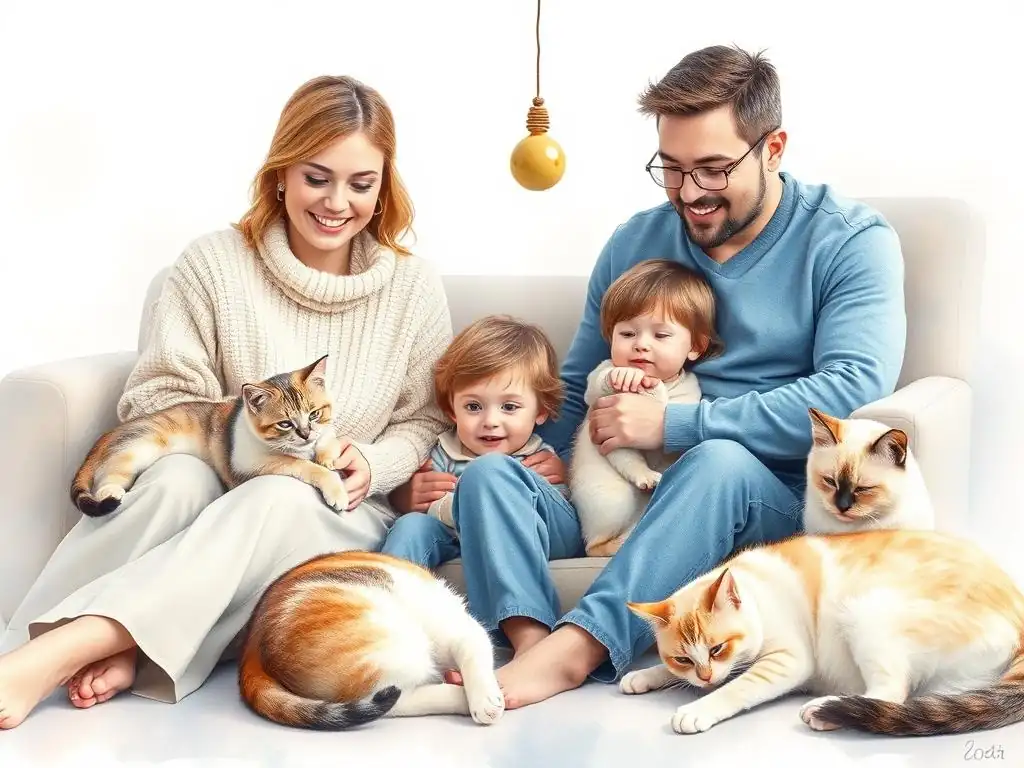
Bringing a new cat into a home with children requires careful planning and preparation. Success hinges on creating a safe and enriching environment where both children and the cat can thrive. This involves more than just buying a scratching post; it's about proactively mitigating potential conflicts and fostering positive interactions. Choosing a patient cat breed, as detailed in the main article, is a crucial first step, but equally important is preparing the human members of the family.
Child-Cat Interactions: Supervision and Safety Guidelines
Children, especially younger ones, may not instinctively understand how to interact gently with a cat. Unsupervised interactions can lead to accidental injury to both the child and the pet. Constant supervision is paramount, especially during the initial weeks of the cat's introduction to the family. Teach children to approach the cat calmly, avoiding sudden movements or loud noises that might frighten it. Explain the importance of respecting the cat's personal space and never pulling its tail or picking it up forcefully. Emphasize gentle petting, using soft strokes in the direction of the fur.
It's vital to establish clear rules about interacting with the cat. For instance, children should always ask permission before petting the cat and should never disturb it when it's eating, sleeping, or using its litter box. These rules should be consistently enforced to create a predictable and safe environment for everyone. Consider creating a visual aid, like a poster with pictures, illustrating appropriate and inappropriate interactions. Regular reminders and positive reinforcement can help children learn and follow these guidelines effectively. Remember, patience and consistent training are key to successful child-cat relationships.
Creating a Safe and Stimulating Environment for Your Cat
A cat's environment significantly impacts its behavior and overall well-being. Providing a safe space where your cat can retreat when feeling overwhelmed or stressed is crucial, especially when living with children. This could be a cat tree, a comfortable bed in a quiet corner, or even a dedicated room. This sanctuary should be accessible only to the cat, ensuring a place where it feels secure and can escape the hustle and bustle of family life. This is particularly important for "Patient cat breeds for kids," as even the most tolerant felines need their alone time.
Beyond a safe haven, enriching the cat's environment with stimulating toys and activities is essential for preventing boredom and destructive behaviors. Rotating toys regularly can keep your cat engaged and prevent it from becoming disinterested. Scratching posts are a must-have to protect your furniture and satisfy the cat's natural scratching instinct.
Interactive play sessions, using toys like feather wands or laser pointers, can provide valuable exercise and strengthen the bond between the cat and family members. Remember to cater to the cat's natural instincts; climbing structures, hiding places, and opportunities for exploration will contribute to a happier, more well-adjusted feline companion.
Introducing Your Cat to Your Children: A Step-by-Step Guide
Introducing your new feline friend to your children should be a gradual process, allowing both the cat and the children to adjust at their own pace. Avoid overwhelming the cat by initially confining it to a single room, such as a spare bedroom or bathroom. This allows the cat to acclimate to its new surroundings without feeling overwhelmed by the presence of children. Let the cat explore its new space for a few days before introducing the children.
The first interactions should be supervised and short. Allow the children to observe the cat from a distance, encouraging calm behavior. Once the cat seems comfortable, allow short, supervised petting sessions.
The initial interactions should be limited, lasting only a few minutes at a time, gradually increasing the duration as the cat and children become more comfortable with each other. Positive reinforcement, such as rewarding calm interactions with treats or praise, will encourage positive associations. If the cat shows signs of stress, such as hissing or flattened ears, immediately separate it from the children and allow it to retreat to its safe space.
Remember, patience and understanding are vital during this process; forcing interactions can lead to negative experiences for both the cat and the children. This careful introduction is crucial for ensuring a harmonious coexistence between your new pet and your family, especially when selecting from "patient cat breeds for kids."
Beyond Breed: Factors Influencing a Cat's Patience with Children

While certain cat breeds are generally known for their tolerant nature, it's crucial to understand that a cat's patience with children isn't solely determined by its lineage. Many other factors significantly influence a feline's reaction to young humans. Focusing solely on breed can lead to unrealistic expectations and potential disappointment. Responsible pet ownership involves recognizing the multifaceted nature of cat-child interactions and proactively addressing potential challenges.
This section will delve into key factors beyond breed that contribute to a harmonious relationship between cats and kids. Remember, even the most patient breeds require careful management to ensure a positive experience for both the cat and the child. Finding the right "patient cat breeds for kids" is just the beginning of a successful relationship.
Early socialization is paramount in shaping a cat's temperament and its ability to tolerate children. Kittens exposed to gentle handling, varied sounds, and different environments from a young age are more likely to develop into confident and adaptable adults. This early exposure helps them learn to associate humans with positive experiences, reducing the likelihood of fear-based aggression later in life.
Proper training, focusing on positive reinforcement techniques, can further enhance a cat's patience and ability to handle interactions with children. This doesn't mean forcing interactions, but rather gradually introducing the cat to children in a controlled and safe environment. Think carefully planned, short interactions with rewards such as treats and praise.
For example, a kitten regularly handled and played with by children from eight weeks old is statistically more likely to remain calm and accepting of children throughout its life than a kitten raised in isolation. Studies have shown a significant correlation between early socialization and reduced fear-related behaviors in cats. This positive association translates directly into increased tolerance and patience towards children. The key is consistency and patience – both from the human caregivers and during the cat's training.
Individual Cat Personalities: Understanding Your Cat's Unique Traits
Just like humans, cats possess unique personalities. Even within the same breed, individual cats can exhibit vastly different temperaments. Some cats are naturally more tolerant and patient than others, regardless of their breed. A shy or anxious cat, even if it's a breed known for its gentle nature, might react negatively to boisterous children. Conversely, a confident and playful cat from a less "patient" breed might thrive in a family environment with young children. Observing your cat's individual behavior and understanding its cues are crucial.
Consider these examples: a Ragdoll, known for its laid-back demeanor, might tolerate a child's gentle petting, while another Ragdoll might prefer solitude. Similarly, a Siamese, often described as playful and vocal, might be perfectly comfortable with children who understand its communication style, but could be overwhelmed by overly enthusiastic or clumsy handling. Understanding your cat's unique personality, whether it's playful, independent, or shy, is key to matching it with the right family dynamic. This understanding should inform your choice of feline companion and guide your approach to managing interactions.
Managing Expectations: Setting Realistic Goals for Cat-Child Interactions
Setting realistic expectations is crucial for a positive cat-child relationship. Children need to be taught how to interact respectfully with cats. This includes gentle handling, avoiding sudden movements, and respecting the cat's need for space and quiet time. Never force a cat to interact with a child if it shows signs of discomfort, such as hissing, flattened ears, or tail swishing. Respecting these signals is crucial to preventing negative experiences for both the cat and the child.
For instance, expecting a cat to tolerate being constantly picked up and cuddled by a toddler is unrealistic. Children should be taught to observe the cat's body language and understand its cues. Providing the cat with safe spaces, such as a cat tree or a quiet room, where it can retreat when needed, is equally important.
Creating a structured environment where the cat feels secure will reduce the likelihood of stress-induced behaviors and promote a more harmonious coexistence with children. This proactive approach is vital in ensuring a positive and lasting bond between your cat and your family, and contributes to finding the best "patient cat breeds for kids" for your specific situation.
Frequently Asked Questions
What makes a cat breed "patient" with children?
A patient cat breed generally displays tolerance and calmness around children's unpredictable actions, such as loud noises or sudden movements. They are less likely to react aggressively or become stressed.
Are all cats of a "patient" breed guaranteed to be good with kids?
No, individual cat personalities vary even within a breed. Early socialization and proper training are crucial for any cat's interaction with children, regardless of breed.
What are some signs that a cat is not patient with children?
Signs include hissing, growling, swatting, hiding, or showing other signs of fear or aggression. Observe the cat's body language carefully.
Besides patience, what other qualities should I look for in a cat for a family with kids?
Consider a cat that is gentle, affectionate, and adaptable. A playful cat that enjoys interaction can be a great family pet.
Where can I find more information on choosing the right cat breed for my family?
Visit PetCareWorld for comprehensive guides on choosing a cat, including breed-specific information and advice on integrating cats into family life. We offer in-depth articles on various breeds and their temperaments.
Final Reflection: The Purrfect Companionship: Choosing a Feline Friend for Your Family
The bond between children and pets is undeniably powerful, offering invaluable lessons in responsibility, empathy, and unconditional love. Finding the right pet, however, requires careful consideration, especially when children are involved. This article highlighted seven cat breeds renowned for their patience and gentle nature, offering families a starting point in their search for a furry friend who can thrive in a bustling household.
The enduring appeal of cats as family pets continues to grow, shaped by their unique personalities and adaptability. Their quiet companionship offers a calming presence in often chaotic family life, teaching children the importance of gentle interaction and respect for living creatures. The greatness of a nation and its moral progress can be judged by the way its animals are treated.
- Mahatma Gandhi. This quote, while broadly applicable, speaks to the deeper significance of our relationships with animals and the reflection it casts on our values. Choosing a pet, especially one as patient and understanding as the breeds highlighted, fosters a positive and enriching environment for both children and the animal.
Consider the lessons learned within this article. Think about the qualities you value most in a pet – patience, playfulness, adaptability. Don't just choose a pet; choose a companion who will enrich your family's life for years to come. Research breeds, visit shelters, and most importantly, find a match that resonates with your family's unique needs and lifestyle. The purrfect companion awaits – go find them!
Unleash the Purrfect Family Fun!
Thank you for joining us on this journey to discover child-friendly cats! We hope you've found the perfect feline companion for your family. Now, let's put that knowledge into action!
- Find your new best friend: Research reputable breeders or animal shelters in your area that specialize in breeds suitable for families. Remember to choose a cat whose temperament and activity level are a good fit for your family's lifestyle.
- Share your excitement: Tell your friends and family about the breeds you're considering. Talking about it might lead to some wonderful suggestions!
- Learn more: Explore breed-specific care guides online to ensure you can provide the best possible home for your new furry friend.
Ready to welcome a playful and affectionate cat into your family? Which breed are you most interested in learning more about?