
Tonkinese Troubles: Health Predispositions You Should Know

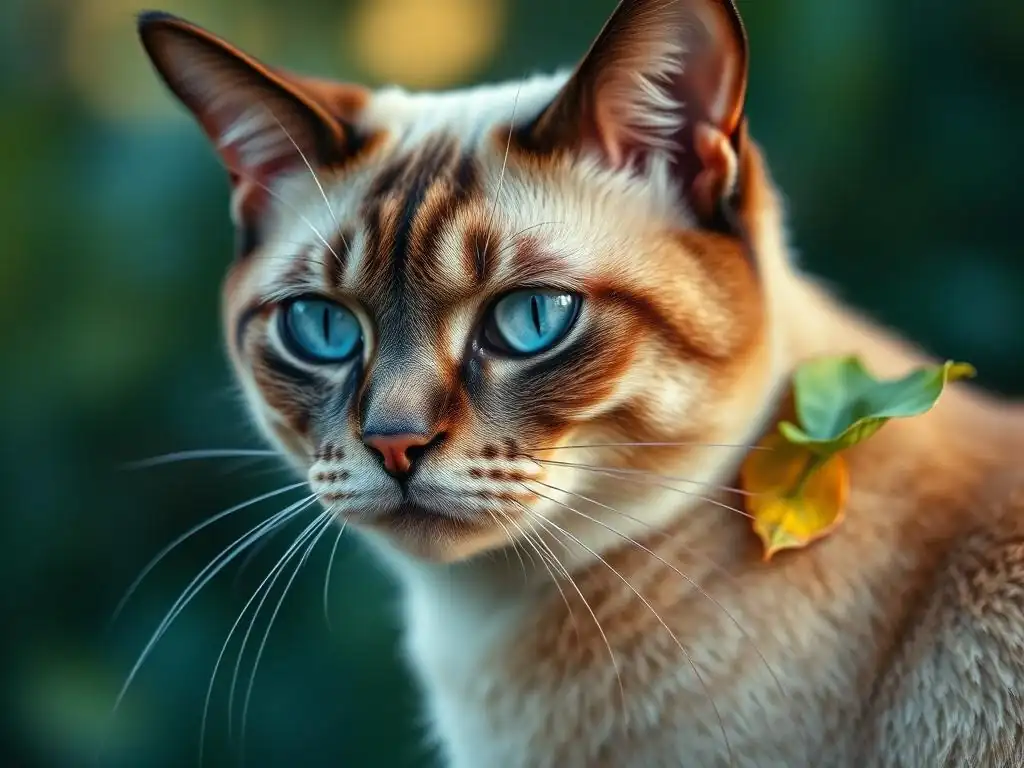
Welcome to PetCareWorld, your ultimate guide to a happier, healthier life for your beloved companion! Are you a proud owner of a stunning Tonkinese cat? Then understanding their unique health predispositions is crucial. Discover the potential Tonkinese cat health problems you should be aware of in our insightful article, "Tonkinese Troubles: Health Predispositions You Should Know," and arm yourself with the knowledge to ensure your feline friend thrives for years to come. Dive in and explore the wealth of expert advice waiting for you!
- Understanding Tonkinese Cat Health Issues
- Inherited Diseases in Tonkinese Cats
- Other Potential Health Concerns in Tonkinese Cats
- Maintaining Your Tonkinese's Health
- Living with a Tonkinese Cat: A Guide to Responsible Ownership
-
Frequently Asked Questions
- What are some common health problems in Tonkinese cats?
- How can I prevent health problems in my Tonkinese cat?
- What is progressive retinal atrophy (PRA) in Tonkinese cats?
- My Tonkinese cat seems lethargic. Could this be a sign of a health problem?
- Are there specific dietary needs for Tonkinese cats to maintain their health?
- Final Reflection: Embracing the Tonkinese Spirit, Despite the Challenges
- Unlock Your Tonkinese's Healthiest Life
Understanding Tonkinese Cat Health Issues
The Tonkinese, a captivating breed known for its striking coat and playful personality, is unfortunately not immune to certain health concerns. Understanding these potential health issues is crucial for responsible ownership and ensuring your beloved Tonkinese enjoys a long and healthy life. This comprehensive guide delves into the common ailments affecting Tonkinese cats, highlighting genetic predispositions and offering insights into early detection and preventative measures.
We'll explore the most prevalent health problems associated with the breed, providing you with the knowledge to advocate for your cat's well-being and make informed decisions regarding their care. By equipping yourself with this information, you can contribute significantly to the overall health and happiness of your Tonkinese companion. This article aims to be your ultimate resource for navigating the specific health challenges faced by this beautiful breed, empowering you to provide the best possible care.
Tonkinese Cat Health Problems: An Overview of Common Ailments
Tonkinese cats, while generally healthy, are susceptible to certain health issues. These problems are not guaranteed to affect every Tonkinese, but awareness is key to early intervention. Some of the most commonly reported health problems include:
- Progressive Retinal Atrophy (PRA): This degenerative eye disease gradually leads to blindness. Early signs might include night blindness or difficulty navigating in low light. Regular veterinary eye exams are crucial for early detection.
- Hypertrophic Cardiomyopathy (HCM): A common heart condition in cats, HCM involves thickening of the heart muscle. Symptoms can be subtle or absent, making regular veterinary check-ups essential for early diagnosis. This condition can range in severity.
- Amyloidosis: This is a disorder where abnormal protein deposits build up in organs, potentially impacting kidney function. Symptoms can vary greatly depending on the severity and organs affected.
- Inherited Kidney Disease: Some Tonkinese are predisposed to kidney issues, often manifesting later in life. Regular blood tests can help monitor kidney function and detect problems early.
- Dental Issues: Like many cats, Tonkinese can be prone to dental problems, including gingivitis and periodontal disease. Regular brushing and professional dental cleanings are vital for maintaining oral health.
The frequency of these ailments varies, and not all Tonkinese will develop them. However, understanding these potential problems allows for proactive health management. Regular veterinary check-ups, including blood work and physical examinations, are paramount for early detection and intervention. A proactive approach is the best way to ensure your Tonkinese lives a long and healthy life. Early diagnosis often leads to better treatment outcomes and improved quality of life.
Genetic Predispositions in Tonkinese Cats
Many of the health problems mentioned above have a genetic component. Responsible breeding practices play a significant role in minimizing the incidence of these inherited conditions. Breeders who screen their cats for genetic diseases before breeding help reduce the likelihood of passing on problematic genes to future generations. Unfortunately, not all breeders employ such rigorous screening, so thorough research is crucial when choosing a breeder.
Look for breeders who are transparent about their health testing procedures and the health history of their breeding cats. This proactive approach helps ensure the overall health of the breed and minimizes the risks for individual cats. Choosing a healthy kitten from a responsible breeder is a crucial step in ensuring your cat's well-being.
It is important to note that even with responsible breeding, some genetic predispositions may still occur. Continuous research and advancements in genetic testing are crucial for identifying and managing these risks effectively. Staying informed about the latest research in Tonkinese cat health will help you make informed decisions regarding your cat's care.
Early Detection and Prevention of Tonkinese Health Issues
Early detection is crucial in managing many Tonkinese health issues. Regular veterinary check-ups are the cornerstone of preventative care. These check-ups should include:
- Annual physical examinations: A thorough physical exam allows your veterinarian to detect any subtle signs of illness.
- Regular blood work: Blood tests can monitor kidney function, liver function, and detect other potential problems.
- Eye exams: Regular eye exams are particularly important for detecting PRA early.
- Heart exams: Auscultation (listening to the heart) and potentially echocardiograms can detect HCM.
- Dental cleanings: Regular dental care helps prevent periodontal disease.
Beyond veterinary check-ups, providing a healthy lifestyle contributes significantly to preventing health problems. This includes:
- High-quality diet: Feeding your Tonkinese a balanced, high-quality diet is essential for overall health.
- Regular exercise: Encouraging play and exercise helps maintain a healthy weight and supports cardiovascular health.
- Stress reduction: A calm and enriching environment can help reduce stress, which can contribute to various health issues.
By combining regular veterinary care with a healthy lifestyle, you can significantly reduce the risk of many health problems and improve your Tonkinese's overall well-being. Remember, proactive care is the best way to ensure your feline companion enjoys a long and happy life. 😻
Inherited Diseases in Tonkinese Cats
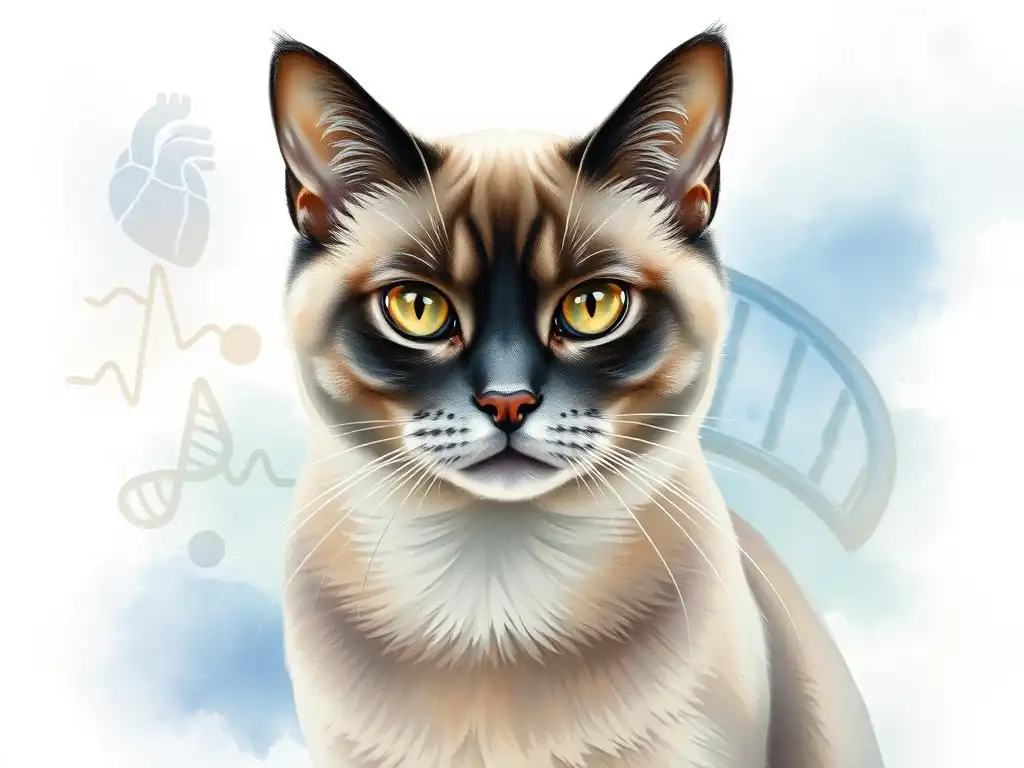
The Tonkinese cat, known for its striking coat and playful personality, is unfortunately prone to certain inherited health issues. Understanding these predispositions is crucial for responsible ownership and ensuring your feline companion enjoys a long and healthy life. Early detection and proactive veterinary care can significantly impact the management and prognosis of these conditions.
This section delves into some of the most common inherited diseases affecting Tonkinese cats, providing insights into their symptoms, diagnosis, and potential management strategies. Responsible breeding practices play a significant role in minimizing the prevalence of these genetic health problems within the Tonkinese breed. Careful screening of breeding cats can help reduce the incidence of these inherited diseases in future generations.
Progressive Retinal Atrophy (PRA) in Tonkinese Cats
Progressive Retinal Atrophy (PRA) is a degenerative eye disease affecting the retina, the light-sensitive tissue at the back of the eye. In Tonkinese cats, PRA manifests as a gradual deterioration of vision, often starting with night blindness. As the disease progresses, daytime vision also diminishes, eventually leading to complete blindness. The onset of PRA can vary, with some cats showing symptoms as early as a few months old, while others may not exhibit signs until they are several years old.
Several genetic tests are available to screen Tonkinese cats for PRA. Early detection through genetic testing allows breeders to make informed decisions about breeding practices and helps owners prepare for potential challenges in managing a visually impaired cat. While there's currently no cure for PRA, supportive care can significantly improve a cat's quality of life.
This includes creating a safe and predictable environment, using visual aids such as tactile toys, and adjusting feeding routines to accommodate their vision loss. Early intervention and a supportive environment can allow Tonkinese cats with PRA to live relatively normal lives, despite their visual impairment. Remember, even with blindness, a Tonkinese cat can still maintain a happy and fulfilling life with appropriate care and attention.
Hypertrophic Cardiomyopathy (HCM) in Tonkinese Breeds
Hypertrophic Cardiomyopathy (HCM) is a serious heart condition characterized by the thickening of the heart muscle. This thickening can obstruct blood flow, leading to various symptoms, including shortness of breath, fatigue, and fainting. In Tonkinese cats, HCM can present differently, ranging from asymptomatic cases to severe heart failure. The severity of HCM varies significantly between affected cats.
Diagnosis of HCM typically involves a combination of physical examination, electrocardiogram (ECG), and echocardiogram (ultrasound of the heart). Early detection is crucial, as treatment options are more effective when initiated before the onset of severe complications. Treatment may involve medications to manage symptoms, such as blood pressure medication or diuretics.
In some cases, more aggressive interventions may be necessary. Regular veterinary check-ups are essential for Tonkinese cats, especially as they age, to monitor for the development of HCM and other heart conditions. The prognosis for HCM varies depending on the severity of the condition and the individual cat's response to treatment.
While there's no definitive way to prevent HCM, responsible breeding practices can help reduce its incidence. Genetic testing for HCM is becoming increasingly available, allowing breeders to screen potential breeding cats and minimize the risk of passing on this serious heart condition to future generations. This proactive approach to breeding can significantly improve the overall health of the Tonkinese breed.
Amyloidosis in Tonkinese Cats: Symptoms and Management
Amyloidosis is a rare but serious condition in which abnormal proteins called amyloid fibrils accumulate in various organs, including the kidneys, liver, and spleen. In Tonkinese cats, amyloidosis can lead to organ dysfunction and failure. The symptoms of amyloidosis can be subtle and non-specific in the early stages, making early detection challenging. As the disease progresses, cats may exhibit symptoms such as weight loss, lethargy, poor appetite, and abdominal swelling. Kidney failure is a common complication of amyloidosis, leading to increased thirst and urination.
Diagnosis of amyloidosis often involves a combination of blood tests, urine analysis, and imaging techniques such as ultrasound or biopsy. Unfortunately, there is no cure for amyloidosis, and treatment focuses on managing symptoms and improving the cat's quality of life. Supportive care may include medications to manage kidney failure, dietary adjustments, and pain management.
The prognosis for cats with amyloidosis varies greatly depending on the extent of organ involvement and the individual cat's response to treatment. While amyloidosis is a serious condition, providing supportive care and managing symptoms can help extend the cat's lifespan and improve their overall well-being. Regular veterinary check-ups are crucial for early detection and management of this condition.
Other Potential Health Concerns in Tonkinese Cats

The Tonkinese cat, with its striking coat and playful personality, is a beloved breed. While generally healthy, responsible ownership requires awareness of potential health issues beyond the more commonly discussed problems. Understanding these predispositions allows for proactive care and early intervention, significantly improving the cat's quality of life. This section delves into some less frequently mentioned, yet still important, health concerns in Tonkinese cats, providing you with the knowledge to be a better caregiver. Remember, early detection is key when managing any feline health issue. Regular veterinary checkups are crucial for preventative care and early diagnosis of potential problems.
Kidney Disease in Tonkinese: Diagnosis and Treatment
Kidney disease, or renal failure, is a significant concern in many cat breeds, and the Tonkinese is no exception. While not exclusive to this breed, it's important to be vigilant. Early signs can be subtle, often manifesting as increased thirst and urination, weight loss, and lethargy. As the disease progresses, more severe symptoms, such as vomiting, diarrhea, and loss of appetite, may appear.
Diagnosis typically involves blood and urine tests to assess kidney function. Veterinarians may use parameters like blood urea nitrogen (BUN) and creatinine levels to evaluate kidney health. Ultrasound imaging can provide a visual assessment of the kidneys' structure and size.
Treatment focuses on managing symptoms and slowing disease progression. This often involves dietary modifications, with prescription diets formulated to reduce the strain on the kidneys. Fluid therapy, either through subcutaneous injections at home or intravenous administration at the veterinary clinic, helps to flush out toxins and maintain hydration. Medication may be prescribed to control nausea, vomiting, and other symptoms.
The prognosis varies depending on the stage of the disease at diagnosis and the response to treatment. Early intervention is crucial for extending the cat's life and improving its quality of life. Regular monitoring is essential to track the disease's progression and adjust treatment as needed.
Dental Problems in Tonkinese Cats
Dental disease is a prevalent issue in cats, and Tonkinese cats are not immune. Poor oral hygiene can lead to the buildup of plaque and tartar, resulting in gingivitis (inflammation of the gums), periodontitis (inflammation of the tissues surrounding the teeth), and ultimately tooth loss. Bad breath (halitosis) is a common early warning sign.
Regular dental care is essential for preventing these problems. This includes daily brushing with a cat-specific toothpaste, providing dental chews, and regular professional dental cleanings by a veterinarian. Veterinary dental cleanings involve anesthesia to allow for thorough cleaning and examination of the teeth and gums. In cases of severe dental disease, tooth extractions may be necessary.
The cost of dental care can vary depending on the extent of the problem and the need for extractions. However, proactive dental care is significantly more cost-effective in the long run than treating advanced dental disease. Remember, a healthy mouth contributes significantly to your Tonkinese's overall health.
Gastrointestinal Issues in the Tonkinese Breed
While not uniquely prevalent in Tonkinese cats, gastrointestinal problems like inflammatory bowel disease (IBD) and food sensitivities can still affect this breed. IBD is a chronic condition causing inflammation of the digestive tract, leading to symptoms such as vomiting, diarrhea, weight loss, and changes in appetite. Food sensitivities manifest similarly, triggered by specific ingredients in the cat's diet.
Diagnosis of gastrointestinal issues often involves a thorough physical examination, blood tests, fecal exams, and possibly further diagnostic tests, such as biopsies. Treatment for IBD may include dietary changes, anti-inflammatory medications, and probiotics. Managing food sensitivities requires identifying the offending ingredient(s) through elimination diets, working closely with your veterinarian.
The cost of diagnosis and treatment can vary depending on the specific condition and the extent of testing required. A detailed history of your cat's diet, symptoms, and any other relevant information will be crucial for your veterinarian to provide the best possible diagnosis and treatment plan. Careful monitoring of your Tonkinese's diet and bowel movements can help in early detection and management of any gastrointestinal issues.
Maintaining Your Tonkinese's Health
This section delves into the proactive measures you can take to safeguard your Tonkinese cat's well-being and minimize the risk of developing common breed-related health problems. A healthy Tonkinese is a happy Tonkinese, and preventative care is key to ensuring a long and fulfilling life for your feline companion. We'll explore crucial aspects of maintaining their health, focusing on regular veterinary checkups, a balanced diet, and sufficient exercise and mental stimulation. Remember, early detection and preventative measures are crucial in managing potential Tonkinese cat health problems.
Regular Veterinary Checkups for Tonkinese Cats
Regular visits to your veterinarian are paramount for early detection of potential health issues. Tonkinese cats, while generally healthy, are predisposed to certain conditions that require vigilant monitoring. A yearly comprehensive checkup, including bloodwork and a thorough physical examination, is recommended. This allows your vet to assess your cat's overall health, identify any subtle changes, and address potential problems before they escalate.
Furthermore, consider more frequent checkups if your Tonkinese shows any signs of illness, such as lethargy, changes in appetite, weight loss, or unusual behavior. Early intervention can significantly improve the prognosis for many health conditions. Don't hesitate to contact your veterinarian if you have any concerns, no matter how small they may seem. Proactive care is the best way to prevent serious Tonkinese cat health problems from developing.
Nutrition and Diet for a Healthy Tonkinese
Proper nutrition plays a vital role in maintaining your Tonkinese cat's health and preventing future problems. A high-quality diet, specifically formulated for adult cats, should form the cornerstone of their nutritional intake. Look for food that contains high-quality protein sources, balanced levels of essential fats, and limited fillers. Avoid foods with excessive artificial colors, flavors, or preservatives.
Consider your cat's individual needs. Some Tonkinese cats may be prone to weight gain, requiring a calorie-controlled diet. Others may have sensitive stomachs, necessitating a diet formulated for sensitive digestion. Consult your veterinarian or a veterinary nutritionist to determine the best diet for your individual Tonkinese, taking into account their age, activity level, and any existing health conditions. A well-balanced diet directly impacts their overall health and helps mitigate the risk of various Tonkinese cat health problems. Providing the right nutrition is an investment in their longevity and well-being.
Exercise and Enrichment to Prevent Tonkinese Health Issues
A physically and mentally stimulated Tonkinese is a healthier Tonkinese. While known for their playful nature, providing adequate opportunities for exercise and enrichment is essential to prevent obesity, behavioral problems, and other health issues. Daily playtime sessions, interactive toys, and climbing structures can provide the physical activity they need.
Beyond physical exercise, mental stimulation is just as important. Puzzle feeders, scratching posts, and interactive games can keep your Tonkinese engaged and entertained, preventing boredom and stress. A bored cat is more prone to destructive behaviors and health problems. Remember, a happy and engaged Tonkinese is a healthier cat, reducing the likelihood of developing many common Tonkinese cat health problems. Prioritize enriching your cat's environment, offering a variety of stimulating activities to keep them physically active and mentally engaged.
Living with a Tonkinese Cat: A Guide to Responsible Ownership
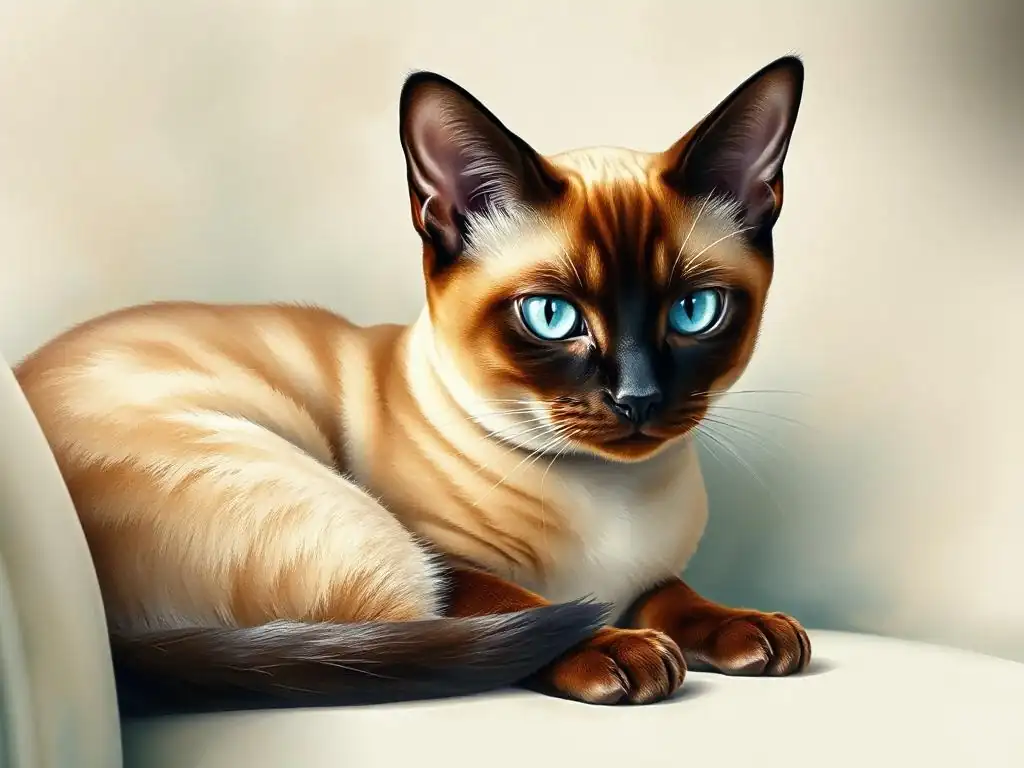
This section focuses on the practical aspects of sharing your life with a Tonkinese cat, a breed known for its intelligence and affectionate nature. Understanding their specific needs is crucial for ensuring a long and happy life together. Proper care significantly mitigates potential health risks associated with the breed. Responsible ownership goes beyond just providing food and water; it encompasses proactive health management and a deep understanding of their unique temperament.
Choosing a Responsible Tonkinese Cat Breeder
Selecting a reputable breeder is paramount in minimizing the risk of inheriting genetic health problems. A responsible breeder prioritizes the health and well-being of their cats, conducting thorough health screenings, and carefully selecting breeding pairs to reduce the incidence of hereditary diseases. Look for breeders who:
- Provide comprehensive health records for both parents, including screenings for hypertrophic cardiomyopathy (HCM), progressive retinal atrophy (PRA), and other common Tonkinese health issues.
- Offer a health guarantee, outlining the breeder's commitment to the kitten's health in the early months.
- Are knowledgeable about the breed standard and prioritize temperament as well as physical characteristics.
- Allow you to meet the parents and observe the kittens' interaction in a clean and well-maintained environment.
- Are transparent about their breeding practices and readily answer your questions.
Avoid breeders who prioritize profit over the health of their cats. A responsible breeder will guide you through the process, ensuring you're prepared for the responsibilities of Tonkinese cat ownership. Remember, investing time in finding the right breeder is an investment in your cat's long-term health and happiness. This proactive approach is a cornerstone of responsible Tonkinese cat ownership and directly contributes to preventing many potential health problems.
Tonkinese cats are intelligent and playful, but early socialization is key to developing a well-adjusted adult cat. Proper socialization minimizes behavioral issues that could arise later in life, thus contributing to their overall well-being. Begin socialization from a young age, exposing kittens to various sights, sounds, and experiences. This includes gentle handling, introducing them to other pets (if applicable), and gradually exposing them to different environments.
Early training, focusing on positive reinforcement techniques, is essential for establishing good habits. This might involve teaching basic commands like "come," "sit," and "stay," using treats and praise as rewards. A well-socialized and trained Tonkinese cat is more likely to be a relaxed and confident companion, reducing stress and potential health problems associated with anxiety or fear. This proactive approach helps build a strong foundation for a healthy and harmonious relationship.
Recognizing Early Signs of Illness in Your Tonkinese
Early detection of illness is crucial for successful treatment. Being vigilant and familiar with common Tonkinese health issues allows for prompt veterinary intervention. Some early warning signs to watch out for include:
- Changes in appetite or eating habits: Sudden loss of appetite, or conversely, excessive eating, can indicate underlying health problems.
- Changes in litter box habits: Increased or decreased urination or defecation, straining during urination or defecation, or changes in stool consistency can signal urinary tract infections, kidney problems, or digestive issues.
- Lethargy or unusual behavior: A sudden decrease in energy levels, hiding more than usual, or changes in their usual playful behavior warrants attention.
- Changes in coat condition: Dull, matted fur, excessive shedding, or skin irritations could indicate underlying health problems.
- Respiratory issues: Sneezing, coughing, or difficulty breathing require immediate veterinary attention.
Regular veterinary check-ups are essential for preventative care and early detection of potential problems. A proactive approach to healthcare, coupled with a watchful eye for subtle changes in your cat's behavior, is a vital component of responsible Tonkinese cat ownership. Remember that early intervention often leads to better outcomes and can significantly improve your cat's quality of life. This diligent monitoring contributes to the overall management of potential "Tonkinese cat health problems."
Frequently Asked Questions
What are some common health problems in Tonkinese cats?
Tonkinese cats are generally healthy, but are predisposed to certain issues. These include progressive retinal atrophy (PRA), which can lead to blindness, and hypertrophic cardiomyopathy (HCM), a heart condition. Amyloidosis is another concern.
How can I prevent health problems in my Tonkinese cat?
Regular veterinary check-ups are crucial. A healthy diet, plenty of exercise, and a stress-free environment contribute significantly to their well-being. Early detection of potential problems is key.
What is progressive retinal atrophy (PRA) in Tonkinese cats?
PRA is a degenerative eye disease that gradually leads to vision loss and eventually blindness. There's currently no cure, but early detection can help manage the condition. Genetic testing is available for breeders.
My Tonkinese cat seems lethargic. Could this be a sign of a health problem?
Lethargy can indicate various health issues, from minor ailments to serious conditions like HCM. Immediate veterinary attention is recommended if your cat shows unusual lethargy or other concerning symptoms.
Are there specific dietary needs for Tonkinese cats to maintain their health?
While Tonkinese cats don't have unique dietary requirements, a high-quality, balanced diet appropriate for their age and activity level is essential. Consult your vet for recommendations on the best food for your cat's specific needs.
Final Reflection: Embracing the Tonkinese Spirit, Despite the Challenges
Understanding the health predispositions of the Tonkinese cat is not merely about managing illness; it's about fostering a deeper, more informed bond with these vibrant and loving creatures. The information presented in this article highlights the importance of proactive care and responsible breeding practices to ensure the well-being of this unique breed. Ignoring these potential health concerns would be a disservice to these intelligent and affectionate companions.
The journey of owning a Tonkinese, like any pet ownership, is a tapestry woven with threads of joy, companionship, and, inevitably, some challenges. The potential health issues discussed here are not meant to deter potential owners, but rather to empower them with knowledge. By understanding these predispositions, we can better anticipate potential problems and work collaboratively with veterinarians to provide the best possible care. The greatness of a nation and its moral progress can be judged by the way its animals are treated.
- Mahatma Gandhi. This quote, while broad, speaks to the responsibility we bear as pet owners to advocate for the health and well-being of our animal companions.
Now, consider your own relationship with animals, and specifically, your understanding of responsible pet ownership. Are you prepared to dedicate the time, resources, and emotional commitment necessary to provide a Tonkinese cat with the best possible life, including proactive healthcare? Take the information presented in this article as a starting point for a deeper dive into the world of Tonkinese care. Embrace the challenges, celebrate the triumphs, and cherish the unique bond you will share with this remarkable breed. The rewards far outweigh the responsibilities, creating a relationship filled with unconditional love and unwavering loyalty.
Unlock Your Tonkinese's Healthiest Life
Thanks for exploring the world of Tonkinese cats and their unique health needs! You've gained valuable insight into potential health challenges and proactive steps you can take. Let's put that knowledge into action:
- Prioritize regular veterinary checkups: Schedule an appointment with your veterinarian to discuss breed-specific health concerns. This is crucial for ensuring your Tonkinese thrives.
- Choose a responsible breeder: If you're considering another Tonkinese, research breeders committed to ethical breeding practices to increase the chances of a healthy kitten.
- Share your knowledge: Join our PetCareWorld community to connect with other Tonkinese owners, share your experiences, and learn from others. Your insights can be invaluable!
Ready to give your Tonkinese the best possible care? What health issue will you address first?