
The Power of Play: Boosting Your Cat's Mental Wellbeing Through Interactive Games

Welcome to PetCareWorld, your ultimate guide to a happier, healthier life for your beloved pets! Are you looking for ways to enrich your feline friend's life and boost their mental wellbeing? Discover the surprising impact of interactive games on your cat's mental health – learn how play can transform their behavior and strengthen your bond. Dive in and unlock the secrets to a more fulfilled life for your cat!
- Understanding the Importance of Interactive Games for Cat Mental Health
- Choosing the Right Interactive Games for Your Cat
- Types of Interactive Games: Puzzles, Fetch, and Hunting Simulations
- The Benefits of Rotation: Keeping Your Cat Engaged with Novel Stimuli
- Interactive Games for Different Cat Personalities
- Creating a Safe and Engaging Play Environment
- Integrating Interactive Play into Your Cat's Daily Routine
- Beyond Toys: Enhancing Mental Stimulation with Environmental Enrichment
- Troubleshooting Common Issues with Interactive Games
- Frequently Asked Questions
- Final Reflection: Unleashing Joy, Strengthening Bonds: The Enduring Power of Play
- Unleash Your Cat's Inner Kitten: Playtime Power-Up!
Understanding the Importance of Interactive Games for Cat Mental Health
Cats, despite their often independent nature, are intelligent and emotionally complex creatures. Their mental wellbeing is just as crucial as their physical health, and often overlooked. This article delves into the significant role interactive games play in enriching a cat's life, stimulating their minds, and ultimately improving their overall mental health.
We'll explore how recognizing signs of boredom and providing stimulating activities can significantly reduce stress and enhance cognitive function in our feline companions. Understanding the power of play is key to ensuring your cat lives a happy, fulfilling, and mentally enriched life. This is particularly important for indoor cats, who may have limited opportunities for natural hunting and exploration.
By providing interactive games, we can mimic these natural behaviors, promoting healthy mental stimulation and reducing the risk of behavioral problems stemming from boredom and lack of mental engagement. The positive impact on their mental health is undeniable, leading to a happier and healthier cat.
Recognizing Signs of Boredom and Mental Lethargy in Cats
Recognizing the subtle signs of boredom and mental lethargy in cats is crucial for implementing the appropriate enrichment strategies. A cat suffering from mental under-stimulation might exhibit several behavioral changes. These can include:
- Increased sleeping: While cats are naturally prone to naps, excessive sleeping, particularly during the day, can indicate boredom or depression.
- Destructive behaviors: Scratching furniture, excessive grooming (leading to hair loss), or inappropriate urination can be signs of frustration and lack of mental stimulation.
- Decreased appetite: A sudden change in eating habits, either overeating or undereating, might signal underlying mental health issues.
- Lethargy and lack of playfulness: A cat that is usually playful suddenly loses interest in toys or interaction might be experiencing boredom or depression.
- Aggression or fearfulness: Unexpected aggression towards humans or other pets, or increased fearfulness, could be linked to stress and mental stagnation.
Observing these behavioral shifts is the first step in addressing your cat's mental health needs. Keeping a detailed behavioral log can help you track changes and identify patterns. For example, you might note the frequency and intensity of each behavior, along with any potential triggers. This detailed record can be invaluable in discussions with your veterinarian or a feline behaviorist. Early intervention is key to preventing more serious behavioral problems. Remember, a happy cat is an active cat, and providing opportunities for play is a significant step towards ensuring their mental well-being.
The Link Between Enrichment and Reduced Stress in Feline Companions
Enrichment activities, particularly interactive games, play a vital role in reducing stress and anxiety in cats. A stimulating environment mimics a cat's natural hunting and exploration instincts, satisfying their innate needs and preventing the build-up of pent-up energy that can manifest as destructive or aggressive behaviors. Think of it as mental exercise – just as physical exercise is important for their physical health, mental enrichment is vital for their mental well-being.
Providing a variety of toys and interactive games is crucial. This could include puzzle feeders that require problem-solving to access food, interactive wands that mimic prey movements, or even simple cardboard boxes that offer exploration opportunities. The key is to offer variety and regularly rotate toys to prevent boredom.
Remember that what excites a kitten may not interest a mature cat, so adaptation is key. The reduction in stress translates to a calmer, more relaxed cat, leading to a stronger bond between you and your feline companion. A less stressed cat is also less likely to develop health problems associated with chronic stress.
How Play Improves Cognitive Function and Problem-Solving Skills in Cats
Interactive games are not just about fun; they are a crucial element in stimulating a cat's cognitive function and enhancing their problem-solving abilities. Puzzle feeders, for instance, require cats to figure out how to access their food, stimulating their minds and challenging them to think creatively. This mental workout sharpens their cognitive skills, improves their memory, and keeps their minds active and engaged.
Similarly, games involving chasing interactive toys help cats to hone their hunting instincts. This involves a series of cognitive processes, from identifying the target to strategizing the chase and ultimately capturing the "prey." This mental stimulation helps to maintain their cognitive sharpness and prevent mental decline, particularly as they age. By providing these mentally stimulating activities, you are essentially helping your cat stay mentally fit and engaged throughout their life, contributing to a longer and happier life. Regular interactive play is a crucial investment in your cat's overall cognitive health and well-being.
Choosing the Right Interactive Games for Your Cat
Selecting the perfect interactive game for your feline companion is crucial for maximizing its mental stimulation and enjoyment. A poorly chosen toy might gather dust, while the right one can transform your cat's playtime into a thrilling adventure. Understanding your cat's individual preferences is key to success in this endeavor. This involves considering several crucial factors: age, breed, and personality. Ignoring these aspects can lead to frustration for both you and your cat.
Selecting Toys Based on Your Cat's Age, Breed, and Personality
A playful kitten will have vastly different needs than a senior cat. Kittens, bursting with energy, thrive on toys that encourage chasing, pouncing, and batting. Think lightweight, brightly colored toys with unpredictable movements. Examples include feather wands, crinkle balls, and small stuffed mice. Senior cats, on the other hand, often prefer slower-paced activities that don't require excessive exertion. Puzzles that dispense treats or slow-moving toys can be ideal choices for these beloved elders.
Breed also plays a role. Active breeds like Abyssinian cats might enjoy more challenging games that require problem-solving skills, such as complex puzzle feeders. Less active breeds might prefer gentler play sessions with toys that offer a sense of comfort and security.
Personality is paramount. A shy cat might be overwhelmed by boisterous games, while a bold cat might find simple toys boring. Observe your cat's behavior during playtime. Does it prefer chasing fast-moving toys or strategically manipulating puzzle feeders? Does it enjoy solitary play or interactive sessions with you? Tailoring the games to your cat's personality ensures maximum engagement and enjoyment. Remember, the goal is to provide stimulating yet appropriate challenges, not to overwhelm or frustrate your feline friend.
Types of Interactive Games: Puzzles, Fetch, and Hunting Simulations
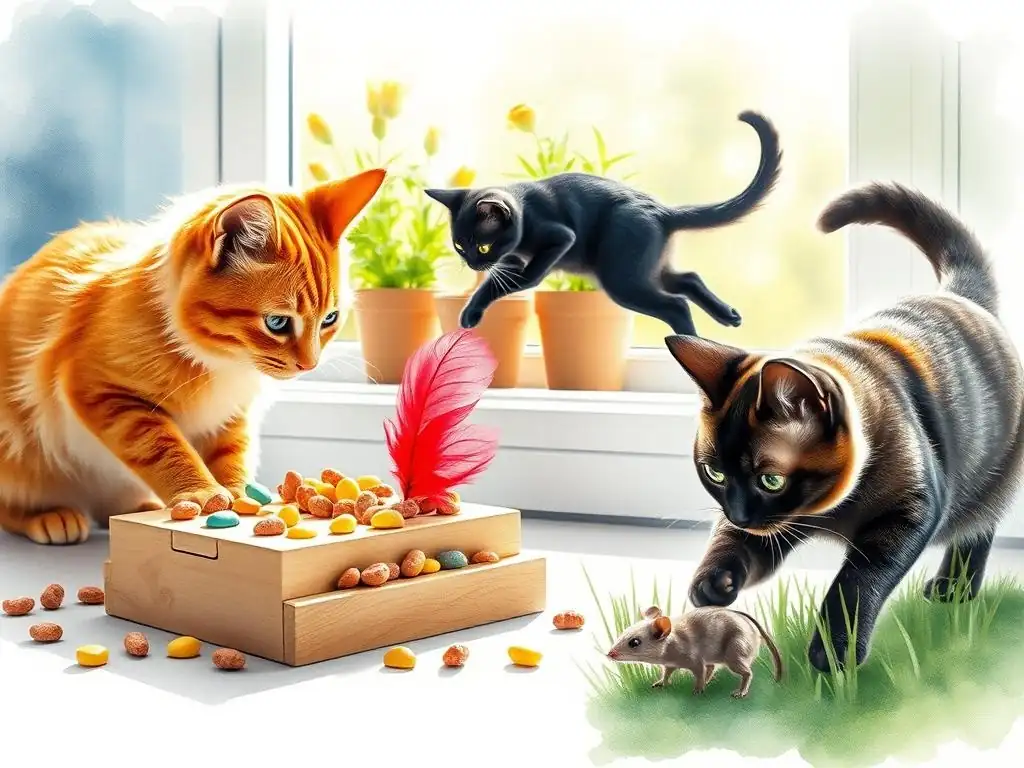
Interactive games for cats fall into several broad categories, each designed to tap into different aspects of their natural instincts. Understanding these categories allows you to create a diverse and engaging playtime experience for your cat.
Types of Interactive Games: Puzzles, Fetch, and Hunting Simulations
- Puzzle Feeders: These toys require your cat to solve a puzzle to access treats, stimulating their problem-solving skills and providing mental enrichment. The difficulty level should be adjusted to your cat's skill level; start with simple puzzles and gradually increase the complexity as your cat masters them. This is especially beneficial for cats prone to boredom or obesity, as it encourages activity and controlled eating.
- Fetch: While not as inherently natural as hunting, fetch can be a rewarding game for some cats, especially those with a playful and energetic personality. Use a toy that is lightweight and easy to carry, such as a small, soft ball or a crinkle toy. Keep sessions short and positive to prevent frustration. Not all cats will enjoy fetch, and that's perfectly okay.
- Hunting Simulations: These games mimic the natural hunting behaviors of cats, satisfying their innate predatory instincts. Toys that move erratically, like laser pointers (used responsibly! ), feather wands, or robotic mice, are excellent examples. Remember to always provide a "catch" at the end of the chase to prevent frustration and disappointment. This aspect is crucial for positive reinforcement and satisfying the natural completion of a hunt. The unpredictability of these toys keeps your cat mentally engaged and prevents boredom.
The Benefits of Rotation: Keeping Your Cat Engaged with Novel Stimuli
The key to maintaining your cat's interest in interactive games is to introduce variety. Cats, like humans, can become bored with repetitive activities. Rotating your cat's toys regularly prevents this boredom and keeps them mentally stimulated. This is a significant aspect of maintaining their mental wellbeing.
The Benefits of Rotation: Keeping Your Cat Engaged with Novel Stimuli
Rotating toys doesn't simply mean swapping one toy for another. It involves strategically introducing new toys, putting away others for a period, and then reintroducing them later. This creates a sense of novelty and prevents your cat from becoming habituated to a specific toy.
This technique can significantly improve the effectiveness of your playtime sessions. Think of it as a "toy rotation schedule" — a curated selection of games to keep your cat happily engaged. You can create a simple system, perhaps rotating three to five toys every week, ensuring each toy gets its moment in the spotlight.
This simple strategy can significantly boost your cat's mental well-being and prevent behavioral issues associated with boredom, such as excessive grooming or destructive behaviors. Observe your cat's reactions to each toy to gauge its level of engagement and adjust your rotation strategy accordingly. The ultimate goal is to maintain a playful and stimulating environment that fosters your cat's happiness and mental health.
Interactive Games for Different Cat Personalities
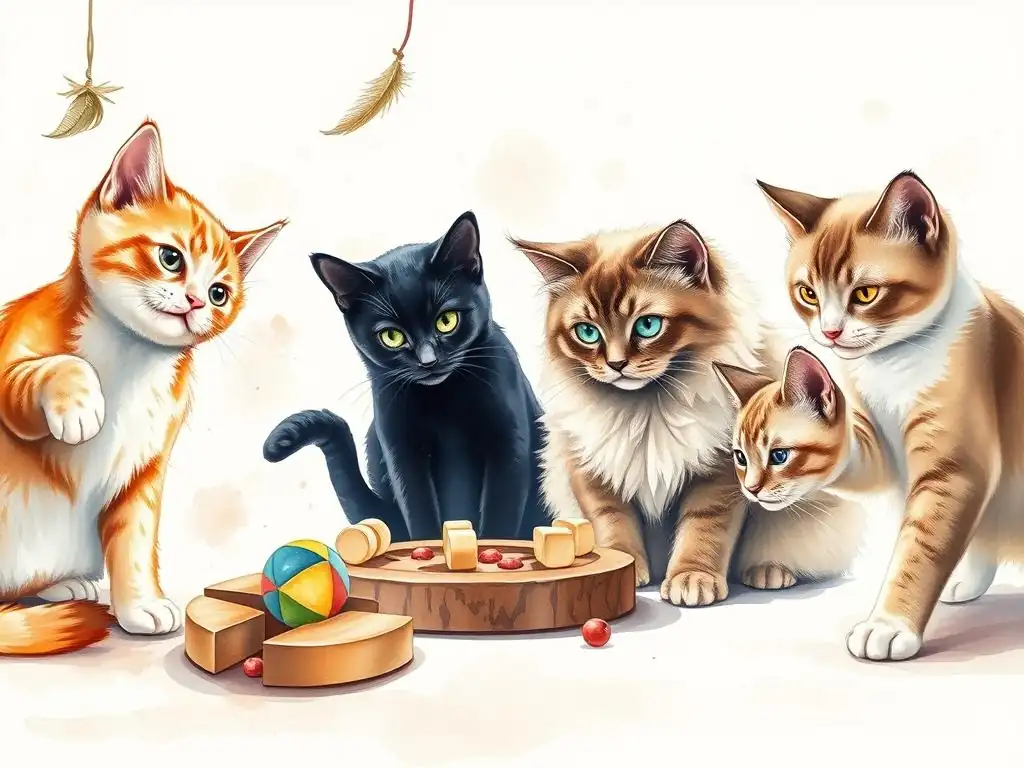
Cats, despite their independent nature, crave mental stimulation and social interaction. Interactive games are crucial for maintaining their cognitive health and preventing behavioral problems stemming from boredom or lack of enrichment. The key to success lies in understanding your cat's unique personality and tailoring the games accordingly. Ignoring individual preferences can lead to frustration for both you and your feline friend, undermining the positive impact of playtime.
This section explores suitable interactive games for various cat personalities, focusing on how to cater to their specific needs and preferences to maximize the benefits for their mental wellbeing. Remember, the goal is to create a fun and engaging experience that strengthens your bond with your cat while promoting their cognitive health. This approach is vital for addressing the keyword "Interactive games cat mental health" effectively.
Games for Energetic and Playful Cats
Energetic cats require games that challenge their hunting instincts and provide ample opportunities for physical activity. These cats thrive on high-energy play sessions. Consider these options:
- Wand Toys: These are a classic for a reason! The unpredictable movement mimics the darting movements of prey, encouraging your cat to stalk, chase, and pounce. Vary the speed and direction to keep your cat engaged and prevent boredom. Remember to avoid letting them get too close to the wand to prevent accidental injury.
- Laser Pointers: The fast-moving red dot is incredibly stimulating for many cats. However, always end the session with a "catch," such as a toy mouse or a treat, to prevent frustration from never "catching" the prey. Overuse can lead to frustration, so limit sessions to a few minutes.
- Interactive Puzzle Feeders: These feeders require your cat to solve a puzzle to access their food, combining mental stimulation with physical activity. This is particularly beneficial for preventing obesity in high-energy cats. Start with simpler puzzles and gradually increase the difficulty as your cat becomes more proficient.
- Fetch with Toys: Some cats enjoy fetch! Use lightweight, soft toys that are easy for them to carry in their mouths. Keep the sessions short and rewarding to maintain their interest.
Games for Shy and Cautious Cats
Shy and cautious cats require a gentler approach to playtime. Forceful interactions can increase their anxiety and make them even more withdrawn. Focus on creating a safe and comfortable environment for play:
- Slow-moving Toys: Avoid fast-paced games that might overwhelm a timid cat. Instead, use slow-moving toys like a toy mouse on a string or a feather on a stick, allowing them to approach at their own pace.
- Puzzle Feeders (Easy Difficulty): Start with simple puzzle feeders that require minimal effort to access food. This builds confidence and provides positive reinforcement without feeling overwhelming.
- Hiding Toys: Hide toys around the house for your cat to discover. This provides mental stimulation and a sense of accomplishment without the pressure of direct interaction.
- Treat Dispensing Toys: These toys release treats when the cat interacts with them, providing a rewarding experience without the need for active chasing. This builds positive associations with playtime.
Games for Senior Cats with Limited Mobility
Senior cats often experience decreased mobility and may have arthritis or other health issues that limit their physical activity. Adapt your games to their limitations:
- Low-Impact Toys: Avoid toys that require extensive jumping or running. Focus on toys that can be easily reached and manipulated while lying down or sitting.
- Treat Puzzles (Simple): Use simple puzzle feeders designed for older cats with limited dexterity. These puzzles often involve less complex mechanisms to access food.
- Interactive Grooming Sessions: Gentle brushing and petting can be a form of interactive play for senior cats. It provides tactile stimulation and strengthens your bond.
- Quiet Playtime: Keep playtime sessions short and relaxed, avoiding any activities that might strain their joints or cause discomfort. Observe your cat's body language and stop if they seem tired or uncomfortable. Prioritize comfort and positive reinforcement throughout these interactions.
Remember to always supervise playtime and adjust the difficulty and intensity of the games based on your cat's individual needs and preferences. Consistent engagement with interactive games significantly contributes to a cat's overall mental and physical wellbeing, enhancing their quality of life and strengthening the human-animal bond. This holistic approach is vital for promoting positive "Interactive games cat mental health".
Creating a Safe and Engaging Play Environment
Creating a stimulating and safe environment is crucial for maximizing the benefits of interactive games for your cat's mental health. A cat's natural instincts—hunting, climbing, exploring—should be considered when designing playtime spaces. Failing to do so can lead to frustration and even anxiety, negating the positive effects of the games themselves. Remember, the goal is to provide an enriching experience that promotes mental well-being, not stress.
Choosing Appropriate Play Areas
The ideal play area should be spacious enough to allow your cat to move freely and express their natural behaviors. Avoid cramped spaces that might restrict movement or cause feelings of confinement. Consider these factors when choosing your play area:
- Vertical Space: Cats are naturally arboreal. Including cat trees, shelves, or window perches allows them to engage in vertical exploration, mimicking their natural climbing behaviors. This adds a layer of complexity and excitement to playtime, enhancing mental stimulation. A tall cat tree can provide hours of entertainment, significantly boosting their mental health.
- Hiding Spots: Incorporate spaces where your cat can retreat and feel secure. Cardboard boxes, tunnels, or even furniture with spaces underneath offer a sense of safety and control, reducing stress and anxiety during playtime. This is especially crucial for shy or easily startled cats.
- Variety of Textures: Different textures stimulate a cat's tactile senses, adding another dimension to playtime. Provide a mix of surfaces like soft rugs, smooth floors, and textured climbing structures. This variety helps keep them mentally engaged and prevents boredom.
- Avoid Clutter: Keep the play area free from hazards such as electrical cords, toxic plants, or breakable objects. A clean and organized space reduces the risk of accidents and allows for safer and more enjoyable playtime. A cluttered environment can increase stress levels, undermining the mental health benefits of interactive games.
Supervising Playtime to Prevent Accidents
Even the most well-designed play environment requires supervision during interactive games. Cats can be surprisingly agile and prone to accidents. Constant monitoring ensures their safety and allows you to adjust the game's intensity as needed. Active supervision is key to preventing injuries and maintaining a positive playtime experience.
Consider these points for effective supervision:
- Observe your cat's body language: Pay close attention to signs of stress or overstimulation, such as flattened ears, dilated pupils, or hissing. If you notice these signs, immediately end the game and allow your cat to rest. Ignoring these cues can lead to negative associations with playtime.
- Adjust the intensity: Not all cats enjoy the same level of intensity. Some cats prefer gentle, slow-paced games, while others thrive on fast-paced chases. Observe your cat's reactions and adjust accordingly to maintain their engagement without causing stress. This tailored approach significantly improves the effectiveness of the interactive games for their mental health.
- Provide breaks: Interactive games should be fun, not exhausting. Regular breaks help prevent overstimulation and allow your cat to relax and recharge. Short, frequent play sessions are generally more beneficial than one long session. This approach ensures that playtime remains a positive and enriching experience.
Ensuring the Safety of Toys and Materials
Selecting safe and appropriate toys is paramount to the success of interactive games for your cat's mental health. Using unsafe materials can lead to injuries, ingestion of harmful substances, or even choking hazards. Prioritize toys made from durable, non-toxic materials.
Here's what to look for:
- Durable Materials: Choose toys made from sturdy materials that can withstand your cat's enthusiastic play. Avoid toys with small, detachable parts that could be swallowed. This is crucial for preventing choking hazards and potential ingestion of harmful substances.
- Non-Toxic Materials: Ensure that all toys are made from non-toxic materials, free from harmful chemicals or dyes. Check the toy's labeling to verify its safety. Ingesting toxic materials can lead to serious health issues, severely impacting your cat's well-being.
- Regular Inspection: Regularly inspect your cat's toys for signs of wear and tear. Discard any damaged toys immediately to prevent accidents or injuries. Proactive maintenance ensures that playtime remains safe and enjoyable. This simple step contributes significantly to your cat's overall mental health.
Remember, safe and engaging playtime is fundamental to using interactive games effectively to boost your cat's mental wellbeing. By following these guidelines, you can provide a stimulating and enriching experience that promotes happiness and reduces stress in your feline companion. The positive impact on their mental health will be evident in their behavior and overall well-being.
Integrating Interactive Play into Your Cat's Daily Routine
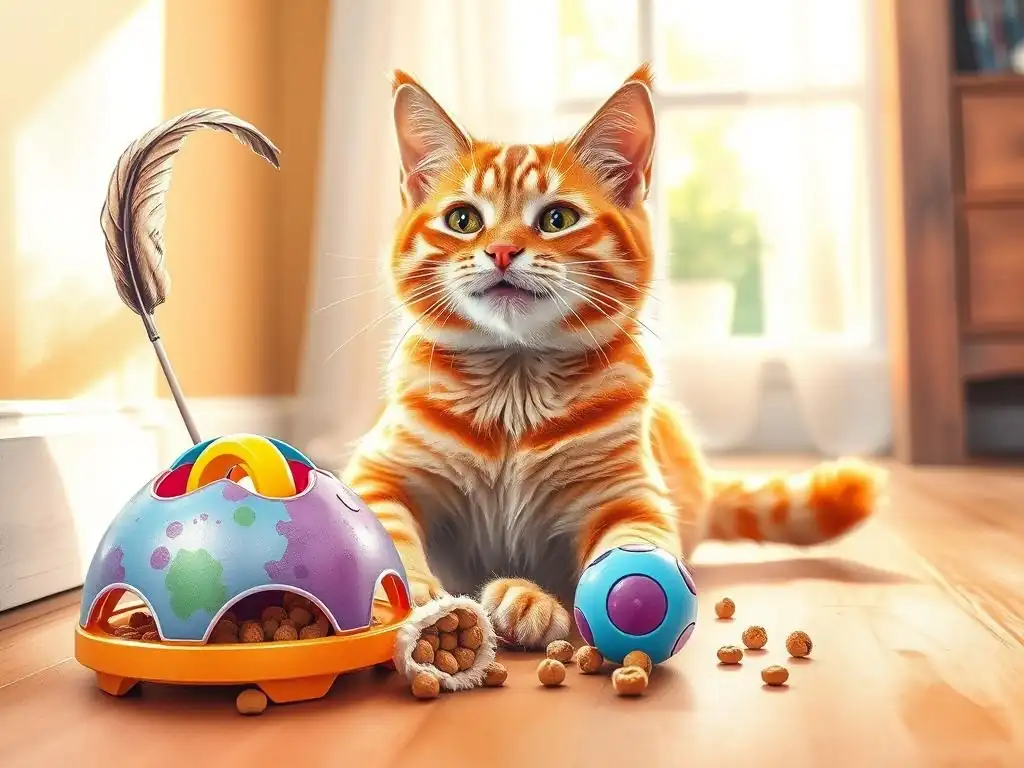
Interactive games are crucial for a cat's mental health, but their effectiveness hinges on consistent integration into their daily schedule. Simply throwing a toy occasionally isn't enough to reap the full benefits. Think of interactive play as a vital component of your cat's overall wellbeing, just like feeding and grooming. A structured approach ensures your feline friend gets the stimulation they need. This isn't about forcing playtime, but rather creating opportunities for engagement that align with your cat's natural rhythms and preferences. Remember, consistency is key when it comes to improving your cat's mental health through interactive games.
Scheduling Regular Play Sessions
Establishing a routine is paramount. Instead of sporadic playtime, aim for at least two dedicated play sessions daily, each lasting 15-20 minutes. These sessions should be spread throughout the day, mirroring your cat's natural activity patterns. For example, one session could be in the morning, and another in the evening. The timing can be adjusted based on your cat's individual preferences and your schedule.
Consider using a visual reminder, like a sticky note on your calendar, to ensure consistency. Don't be surprised if your cat starts anticipating these sessions; their enthusiastic meows will be a clear sign of their enjoyment and the positive impact of the routine. This predictability helps reduce stress and anxiety, contributing to improved mental wellbeing. Experiment with different times to see when your cat is most receptive and energetic.
Combining Play with Other Enrichment Activities
Interactive games shouldn't exist in isolation. Think of them as one piece of a larger puzzle designed to stimulate your cat's mind and body. Combine play sessions with other enrichment activities to provide a holistic approach to mental stimulation. This could include:
- Puzzle feeders: These challenge your cat to work for their food, mimicking their natural hunting instincts and providing mental stimulation.
- Scratching posts: Essential for physical and mental well-being, scratching allows cats to stretch, mark their territory, and relieve stress.
- Rotating toys: Keep your cat engaged by regularly introducing new toys and rotating older ones. This prevents boredom and maintains interest.
- Environmental enrichment: Provide climbing opportunities, window perches, and hiding places to mimic a cat's natural environment.
By creating a stimulating and engaging environment, you're not just providing entertainment; you're actively enhancing your cat's cognitive abilities and reducing the risk of behavioral problems stemming from boredom or lack of stimulation. This holistic approach significantly contributes to a happier, healthier cat. The combination of activities provides a diverse range of mental and physical stimulation, crucial for optimal cat mental health.
Observing Your Cat's Behavior During Play and Adjusting Accordingly
Careful observation is essential to ensure the interactive games are truly beneficial. Pay close attention to your cat's body language during play. Is your cat actively engaged, or do they seem disinterested or stressed? Signs of stress might include flattened ears, a tucked tail, or avoidance.
If you notice any signs of stress, immediately adjust the intensity or type of play. Perhaps the game is too stimulating, or the toy is too frightening. The goal is to create a positive and enjoyable experience for your cat, not to exhaust or overwhelm them. Remember, interactive games for cat mental health should be fun and engaging, not a source of anxiety.
Flexibility and responsiveness to your cat's cues are essential for success. Consider keeping a small notebook to record your observations and any adjustments you make to optimize your cat's playtime. This data will allow you to fine-tune your approach over time for optimal results. This continuous adjustment is vital to ensure the games remain effective and enjoyable for your feline companion.
Beyond Toys: Enhancing Mental Stimulation with Environmental Enrichment
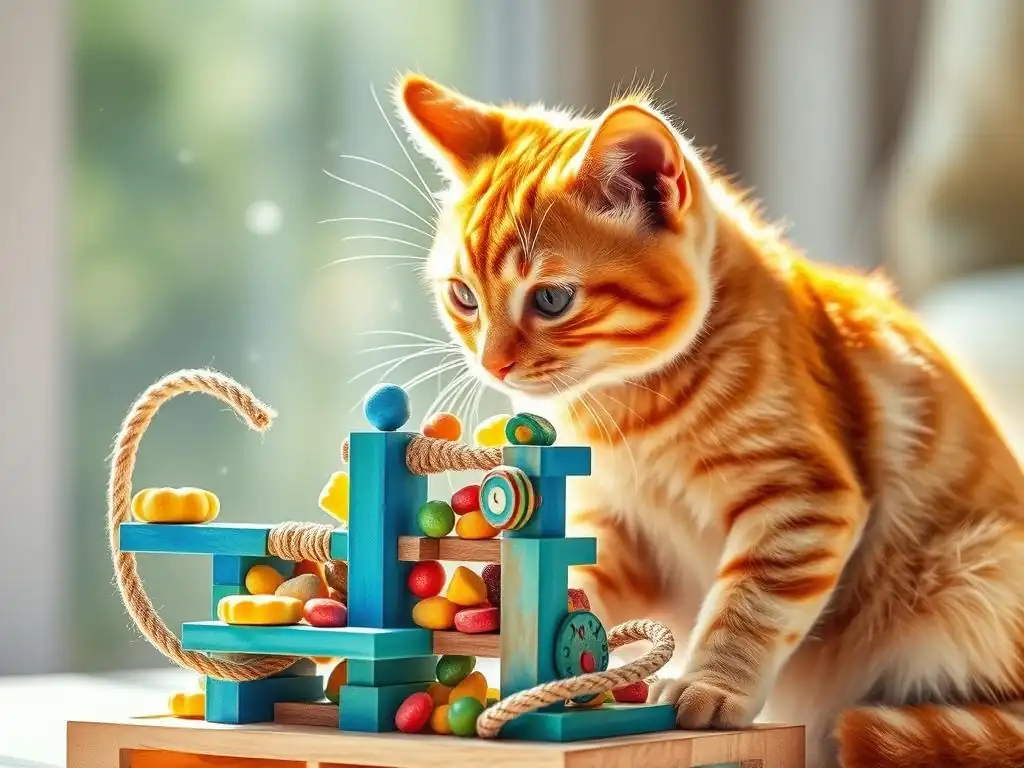
Interactive games are crucial for a cat's mental wellbeing, but they're only one piece of the puzzle. Environmental enrichment plays a vital role in stimulating a cat's mind and preventing boredom, a significant contributor to behavioral issues. A stimulating environment provides opportunities for exploration, problem-solving, and satisfying natural instincts, contributing significantly to their overall cognitive health and happiness. This section explores ways to enhance your cat's environment to support their mental wellbeing, going beyond simply providing toys. This holistic approach to interactive games cat mental health is key to a truly happy and well-adjusted feline companion.
Providing Vertical Space and Climbing Opportunities
Cats are naturally arboreal creatures; they love to climb and survey their territory from a height. Providing vertical space caters to this instinct, offering significant mental stimulation. Think beyond just a cat tree. Consider installing shelves along walls, strategically placed perches near windows offering views of the outside world, or even utilizing tall cat furniture to create a multi-level environment. This vertical exploration helps satisfy their natural hunting instincts – scanning for "prey" (birds, squirrels, etc.) – and reduces stress.
Studies show that cats spending more time at elevated positions exhibit lower stress hormones and increased confidence. 1 The act of climbing itself provides physical exercise, burning energy, and contributing to a healthier lifestyle which in turn positively impacts their mental state. A lack of vertical space can lead to boredom and frustration, manifesting as destructive behaviors like scratching furniture or excessive vocalization. Therefore, providing ample vertical space is a crucial aspect of interactive games cat mental health. Consider the size and agility of your cat when selecting or designing vertical spaces to ensure safety and accessibility.
Example Vertical Enrichment Ideas
- Wall-mounted shelves with soft, non-slip surfaces
- A tall cat tree with multiple platforms and scratching posts
- Repurposing existing furniture (bookcases, etc.) with cat-safe modifications
- Cat walkways connecting different areas of the room
Creating Hiding Places and Safe Spaces
Cats are instinctively cautious creatures, requiring safe havens where they can retreat and feel secure. Providing ample hiding places and safe spaces significantly contributes to their sense of security and reduces stress and anxiety. These spaces should be dark, quiet, and easily accessible, offering a respite from overwhelming stimuli. These hiding spots aren't just for when your cat feels threatened; they are essential for their emotional regulation and overall wellbeing. They provide a sense of control and predictability in their environment, crucial elements for interactive games cat mental health.
Think of places like under beds, inside cardboard boxes (supervised of course! ), or purpose-built cat caves. A variety of hiding spots, each with a different level of seclusion, is ideal. One might be a cozy, enclosed cat bed, while another could be a partially concealed space under a piece of furniture. Remember, the key is to create spaces where your cat feels safe and in control, contributing to their overall sense of security and reducing stress.
The Importance of Sensory Stimulation
Beyond physical enrichment, sensory stimulation is equally vital for a cat's mental wellbeing. This involves engaging their senses of sight, smell, hearing, and touch through various means. Rotating toys, introducing new textures, sounds, and scents, and providing opportunities for exploring different environments (even within your home) can significantly enhance their cognitive engagement. This is another critical aspect of interactive games cat mental health.
For example, you can use puzzle feeders to stimulate their hunting instincts and problem-solving skills while providing food rewards. Introducing a new scratching post with a different texture can provide tactile stimulation and prevent boredom. Playing with toys that make different sounds or have varied textures, or even introducing new scents through catnip or other cat-safe herbs, all contribute to a more enriching and stimulating environment.
This sensory diversity is crucial for preventing boredom and promoting mental agility, leading to a happier and healthier cat. The enrichment of their senses directly relates to their happiness and overall mental health. Remember to introduce new stimuli gradually to avoid overwhelming your cat.
1 [Specific study data pending]
Troubleshooting Common Issues with Interactive Games
Interactive games are fantastic for boosting your cat's mental wellbeing, but sometimes, even the most engaging toys can fall flat. Understanding and addressing common issues is key to maximizing the benefits of playtime and ensuring your feline friend remains stimulated and happy. This section focuses on common problems and offers practical solutions to keep your cat engaged and mentally enriched. Remember, the goal is to provide enriching experiences that mimic natural hunting behaviors, thus promoting healthy mental stimulation.
My Cat Loses Interest Quickly: Solutions and Strategies
Many cat owners report that their cats lose interest in interactive games quickly. This isn't necessarily a sign of a problem; cats, like humans, have preferences and attention spans. However, there are several strategies you can employ to prolong engagement and prevent boredom.
First, variety is key. Rotate your toys regularly. Keeping a selection of different textures, sounds, and movement patterns prevents your cat from becoming accustomed to one type of stimulation. Consider a range of toys: feather wands, laser pointers (used responsibly! ), puzzle feeders, and even simple cardboard boxes can provide hours of entertainment.
Second, consider your cat's personality. A high-energy kitten will require more intense and frequent play sessions than a more laid-back senior cat. Adjust the duration and intensity of playtime according to your cat's individual needs and energy levels. Observe your cat's body language; signs of fatigue include yawning, turning away, or hiding. Respect these cues and end playtime before your cat becomes overwhelmed.
Third, make it unpredictable. Don't follow the same pattern every time you play. Change the speed, direction, and height of the toy to keep your cat guessing. This taps into their natural hunting instincts and keeps them mentally engaged. Think of it as a game of cat and mouse – the more unpredictable you are, the more stimulating it becomes.
Finally, incorporate rewards. Positive reinforcement with treats or praise can significantly extend playtime and create positive associations with the interactive games. Rewarding your cat for successful "captures" or for engaging with the toy will increase their motivation to participate.
A bored cat can exhibit destructive behaviors, such as scratching furniture, excessive meowing, or even aggression. These behaviors are often a sign that your cat isn't getting enough mental stimulation. Interactive games provide a constructive outlet for their energy and natural instincts, helping to mitigate destructive tendencies.
To address destructive behaviors stemming from boredom, start by evaluating your cat's current playtime routine. Are the sessions frequent enough? Are the toys engaging enough? Do you offer a variety of play experiences? If the answer to any of these questions is no, you may need to adjust your approach.
Furthermore, ensure your cat has sufficient scratching posts and other enrichment items available. These provide alternative outlets for their natural scratching and climbing behaviors, reducing the likelihood of them targeting your furniture.
Consider creating a dedicated "play area" with a variety of toys and climbing structures. This provides a designated space for play and prevents your cat from associating destructive behaviors with specific areas of your home. Regular, consistent playtime with interactive games is crucial in managing and preventing destructive behaviors linked to boredom and lack of mental stimulation.
When to Seek Professional Veterinary Advice
While interactive games are a fantastic tool for improving your cat's mental wellbeing, some behavioral issues may require professional intervention. If you notice significant changes in your cat's behavior, such as excessive vocalization, aggression, self-mutilation, or sudden changes in appetite or litter box habits, it's crucial to seek professional veterinary advice.
These symptoms could indicate underlying medical conditions or other issues beyond the scope of simple enrichment activities. A veterinarian can perform a thorough examination, rule out any medical problems, and potentially recommend behavioral therapy or other specialized care. Remember, addressing underlying medical issues is crucial before implementing behavioral changes. Don't hesitate to seek professional help if you're concerned about your cat's well-being; early intervention can often lead to better outcomes. Your veterinarian is your best resource for determining whether your cat's behavior requires specialized attention.
Frequently Asked Questions
What are the benefits of interactive games for cats?
Interactive games offer significant mental stimulation, preventing boredom and reducing stress and anxiety. They also provide physical exercise and strengthen the bond between cat and owner.
How much playtime does my cat need daily?
The amount of playtime varies depending on your cat's age, breed, and energy levels. Aim for at least two 15-20 minute sessions daily, breaking it up throughout the day. Observe your cat's cues for when they're tired.
What types of interactive games are best for cats?
Puzzle feeders challenge their problem-solving skills, while fishing rod toys encourage hunting instincts. Laser pointers provide stimulating chase games (ensure they have a "catch" at the end!), and simple toys like crumpled paper can also be engaging.
Can interactive games help with behavioral problems in cats?
Yes, interactive play can help alleviate destructive behaviors stemming from boredom or excess energy. It provides a healthy outlet for their natural instincts, reducing the likelihood of unwanted behaviors.
How can I tell if my cat is enjoying interactive playtime?
Look for signs of engagement such as focused attention, playful chasing, swatting, and vocalizations. Happy purring and a relaxed body posture are also good indicators. If your cat seems stressed or avoids the game, try a different type of toy or shorter play sessions.
Final Reflection: Unleashing Joy, Strengthening Bonds: The Enduring Power of Play
The simple act of play isn't just about fleeting amusement; it's a cornerstone of feline wellbeing, profoundly impacting their mental and physical health in ways we're only beginning to fully understand. Ignoring this fundamental need in our feline companions deprives them of crucial enrichment and can lead to behavioral issues and decreased quality of life. The benefits extend far beyond simple entertainment; they are vital for a happy and thriving cat.
The impact of interactive play on the cat-human bond is immeasurable. It fosters a deeper connection, built on mutual understanding and shared joy. The best mirror is an old friend.
This holds true for our feline companions; through play, we see their true personalities shine, strengthening the unique bond we share. Observing their playful exuberance, their focused attention, and the sheer delight they experience reminds us of the profound responsibility we have to nurture their wellbeing. It's a privilege to witness this, and a responsibility we should embrace.
Now, consider your own cat. What games bring them the most joy? What moments of playful interaction do you cherish? Take a moment to reflect on the power of these shared experiences. Make a conscious effort to incorporate more interactive play into your cat's daily routine. It's an investment in their happiness, their health, and the strength of your bond. You'll be surprised by the positive changes, both big and small, that emerge from this simple act of love and engagement. Let's celebrate the power of play, and the joy it brings to both cats and their human companions.
Unleash Your Cat's Inner Kitten: Playtime Power-Up!
Thank you for exploring playful enrichment for your feline companion! We hope you've discovered exciting ways to boost your cat's happiness and well-being. Now, let's put that knowledge into action!
- Prioritize playtime: Dedicate at least 15 minutes daily to interactive play, using toys that encourage hunting instincts and problem-solving. This is crucial for a happier, healthier cat.
- Share your success: Tell us about your cat's favorite new game! Share photos or videos on PetCareWorld's social media—we'd love to see your furry friend enjoying playtime.
- Keep playtime fresh: Introduce new toys or play environments regularly to prevent boredom. Think creatively—cardboard boxes and paper bags can be surprisingly fun!
What exciting new games will you introduce to your cat today? Let's chat!