
Dry Food Demystified: The Nutritional Powerhouse in Every Kibble

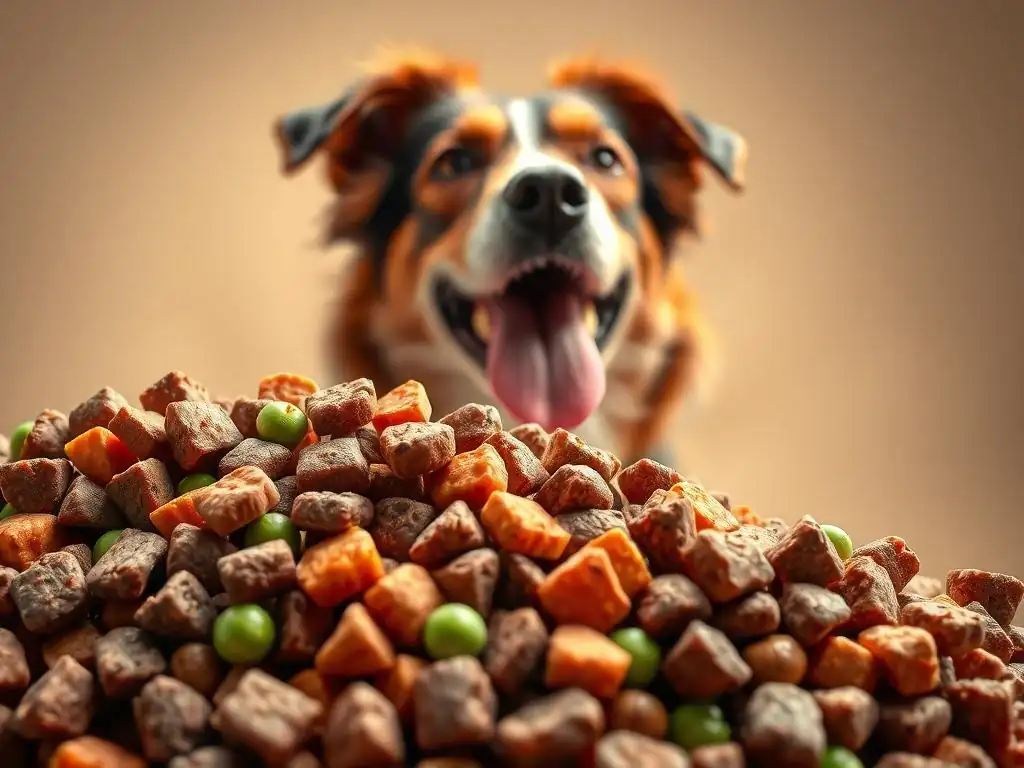
Welcome to PetCareWorld, your ultimate guide to a happier, healthier life for your beloved companion! Are you ready to unlock the secrets to optimal pet nutrition? Then delve into our comprehensive guide on the Best Dry Dog Food Brands, where we dissect the nutritional powerhouse within each kibble and help you make informed choices for your furry friend's well-being. Discover the surprising truths behind ingredient lists and find the perfect food to fuel their vibrant life. Let's embark on this journey together!
-
Understanding Dry Dog Food: A Nutritional Deep Dive
- Key Ingredients and Their Benefits: Protein Sources for Optimal Health
- Carbohydrate Content: Fueling Energy and Digestion
- Essential Fats and Fatty Acids: Promoting Healthy Skin and Coat
- Vitamins and Minerals: Supporting Overall Well-being
- Choosing High-Quality Dry Dog Food: A Guide to Ingredient Lists
-
Best Dry Dog Food Brands: Top Picks for Every Breed and Life Stage
- Best Dry Dog Food Brands for Puppies: Fueling Growth and Development
- Best Dry Dog Food Brands for Adult Dogs: Maintaining Optimal Health
- Best Dry Dog Food Brands for Senior Dogs: Addressing Age-Related Needs
- Best Dry Dog Food Brands for Specific Dietary Needs: Allergies, Sensitivities, and More
- Comparing Dry Dog Food Brands: A Detailed Analysis of Key Factors
- Debunking Dry Dog Food Myths: Separating Fact from Fiction
- Dry Food Storage and Handling: Ensuring Freshness and Quality
- Recognizing Spoiled Dry Dog Food: Signs and Symptoms
- Best Practices for Serving Dry Dog Food: Portion Control and Feeding Schedules
- Dry Dog Food vs. Wet Dog Food: A Comparative Analysis
-
The Ultimate Guide to Selecting the Best Dry Dog Food for Your Canine Companion
- Understanding Your Dog's Specific Needs: Breed, Age, Activity Level, and Health Conditions
- Reading and Interpreting Dog Food Labels: Decoding the Ingredients List
- Consulting with Veterinarians: Expert Advice for Personalized Recommendations
- Transitioning to a New Dry Dog Food: A Smooth and Safe Process
- Choosing the Right Dry Food for Your Dog's Lifestyle and Health
-
Frequently Asked Questions
- What makes dry dog food a nutritional powerhouse?
- How do I choose the best dry dog food brand for my dog?
- Are there any potential downsides to feeding my dog dry food?
- What are some of the best dry dog food brands according to PetCareWorld? (This question will help with SEO)
- How often should I change my dog's dry food brand?
- Final Reflection: Unlocking the Nutritional Potential of Dry Dog Food
- Unlock Your Pet's Nutritional Potential Today!
Understanding Dry Dog Food: A Nutritional Deep Dive
Choosing the right food for your feline companion is a crucial aspect of responsible pet ownership. While wet food offers undeniable appeal, dry kibble remains a nutritional powerhouse, offering a convenient and cost-effective way to ensure your cat receives a balanced diet. This in-depth guide delves into the nutritional composition of dry cat food, exploring the key ingredients and their impact on your cat's overall health and well-being.
We'll examine the components that contribute to a high-quality dry food, ultimately helping you make informed decisions when selecting the best dry cat food brands for your beloved pet. Understanding the science behind dry kibble empowers you to choose a diet that supports your cat's vitality and longevity, contributing to a happier and healthier life together.
This exploration will help you navigate the world of "Best dry dog food brands" and select the perfect option for your canine companion. While this article focuses on dog food, many principles apply to cat food as well, making it relevant to the "Wet vs Dry Cat Food" subcategory.
Key Ingredients and Their Benefits: Protein Sources for Optimal Health
Protein forms the cornerstone of any high-quality dry dog food. The best dry dog food brands prioritize high-quality protein sources, providing the essential amino acids necessary for muscle development, tissue repair, and overall bodily function. These sources vary, with some brands utilizing chicken, beef, lamb, or fish. The protein percentage listed on the food label should be readily identifiable and should reflect a significant proportion of the total ingredients.
Look for specific meat sources, rather than vague terms like "meat by-products," which may contain lower-quality ingredients. A higher percentage of named meat protein generally indicates a better quality product. Furthermore, the digestibility of the protein source is crucial; easily digestible proteins minimize waste and maximize nutrient absorption. For example, chicken is generally considered highly digestible for dogs, while some other proteins might be less so for certain breeds.
Always check the ingredient list for potential allergens, like chicken or beef, that might negatively affect your dog's health. The bioavailability of the protein is also a key factor to consider; this refers to how easily the body can absorb and utilize the protein. Higher bioavailability leads to better utilization of nutrients.
Carbohydrate Content: Fueling Energy and Digestion
Carbohydrates provide the energy your dog needs for daily activities. However, the type and quantity of carbohydrates are crucial. High-quality dry dog foods use complex carbohydrates, such as brown rice, oats, or barley, providing sustained energy release and promoting healthy digestion. These complex carbohydrates are also beneficial for fiber content, which supports healthy gut function and prevents constipation.
In contrast, simple carbohydrates, often found in cheaper brands, can lead to rapid spikes in blood sugar levels, followed by energy crashes and potential weight gain. The carbohydrate content should be balanced to provide energy without contributing to obesity. The optimal carbohydrate level varies depending on the dog's age, activity level, and overall health.
Some dogs might need a higher carbohydrate intake than others. It's essential to consult with a veterinarian or a certified canine nutritionist to determine the appropriate carbohydrate level for your specific dog. Avoid dry dog foods with excessive amounts of fillers like corn syrup, which provide little nutritional value.
Essential Fats and Fatty Acids: Promoting Healthy Skin and Coat
Fats are essential for a healthy skin and coat, as well as brain function and hormone production. The best dry dog food brands include healthy fats like omega-3 and omega-6 fatty acids, often derived from fish oil, flaxseed, or chicken fat. These fatty acids contribute to a shiny, healthy coat, reduce inflammation, and support the immune system.
The balance between omega-3 and omega-6 fatty acids is vital; an imbalance can negatively impact skin and coat health. The label should clearly state the sources of fats and the amounts of omega-3 and omega-6 fatty acids. A healthy balance promotes optimal skin and coat health, reducing issues like dry skin, itching, and dullness.
Furthermore, these fatty acids contribute to cognitive function and can support joint health. Look for dry dog foods that specify the inclusion of these essential fatty acids, and avoid those with excessive amounts of saturated or trans fats, which can be detrimental to your dog's health.
Vitamins and Minerals: Supporting Overall Well-being
Dry dog food isn't just about protein and fat; it's a carefully balanced source of essential vitamins and minerals crucial for your canine companion's health. These micronutrients play a vital role in numerous bodily functions, from supporting a strong immune system to maintaining healthy skin and coat. A deficiency in even one key vitamin or mineral can lead to various health problems, highlighting the importance of selecting a high-quality dry food formulated to meet your dog's specific needs.
For example, Vitamin A is essential for vision, reproduction, and immune function. A deficiency can manifest as night blindness, reproductive issues, and increased susceptibility to infections. Similarly, Vitamin D plays a critical role in calcium absorption, vital for strong bones and teeth. Inadequate Vitamin D can lead to rickets in puppies and osteomalacia in adult dogs. Other crucial vitamins include Vitamin E, a powerful antioxidant protecting cells from damage, and the B vitamins, essential for energy metabolism and nerve function.
Minerals are equally important. Calcium and phosphorus work together for bone health, while iron is crucial for red blood cell production and oxygen transport. Magnesium is involved in numerous enzymatic reactions, and zinc plays a vital role in immune function and wound healing. The precise amounts of each vitamin and mineral will vary depending on the dog's age, breed, size, and activity level.
Reputable dry dog food brands conduct extensive nutritional analyses to ensure their products provide a balanced and complete profile of these essential nutrients. Always check the label to understand the vitamin and mineral content and choose a brand that meets your dog's specific dietary requirements. Remember, a balanced diet rich in vitamins and minerals is fundamental to a happy, healthy, and energetic dog.
Choosing High-Quality Dry Dog Food: A Guide to Ingredient Lists
Navigating the world of dry dog food can be overwhelming, with countless brands and formulations vying for your attention. The key to selecting the best dry dog food for your furry friend lies in understanding how to decipher the ingredient list. This seemingly simple list holds crucial information about the food's nutritional value and overall quality. Learning to interpret it correctly will empower you to make informed decisions and ensure your dog receives the best possible nutrition.
The first ingredient listed is usually the most abundant. Ideally, you should see a named meat source, such as "chicken," "beef," or "lamb," as the primary ingredient. Avoid foods where the first ingredient is a generic term like "meat by-products" or "animal digest," as these can be less nutritious and may contain lower-quality ingredients. Look for specific and identifiable meat sources, indicating higher quality and better digestibility.
Beyond the primary ingredient, pay close attention to the overall list. High-quality dry dog foods generally list whole grains, fruits, and vegetables further down the list, providing added fiber and nutrients. However, be mindful of fillers such as corn, wheat, and soy, which may be less digestible and offer limited nutritional value.
While some dogs tolerate these fillers, others may experience digestive upset or allergies. Opt for foods with a shorter ingredient list, avoiding artificial colors, flavors, and preservatives. These additives can potentially trigger allergies or other health problems in sensitive dogs.
Checking for certifications, such as those from the Association of American Feed Control Officials (AAFCO), can also help ensure the food meets minimum nutritional standards for different life stages. Ultimately, selecting the "best" dry dog food requires careful consideration of your dog's specific needs, age, and any potential allergies. Reading labels critically and understanding the significance of ingredient placement is key to making an informed choice.
Best Dry Dog Food Brands: Top Picks for Every Breed and Life Stage

Choosing the best dry dog food can feel overwhelming, given the sheer number of brands and formulations available. This section focuses on identifying top-performing brands categorized by life stage, helping you make an informed decision for your canine companion. Remember, individual needs vary, so always consult your veterinarian before making significant dietary changes. Finding the best dry dog food is highly dependent on your dog's unique requirements. This guide aims to provide a solid starting point for your research on "best dry dog food brands".
Best Dry Dog Food Brands for Puppies: Fueling Growth and Development
Puppies require a diet rich in protein and essential nutrients to support their rapid growth and development. They need higher calorie intake than adult dogs to fuel their boundless energy and support the formation of strong bones and muscles. Look for brands specifically formulated for puppies, often indicated with "Puppy" on the packaging. These formulas typically feature:
- Higher protein content: Around 22-28% protein is generally recommended.
- Increased fat levels: To provide the necessary energy for growth and development.
- Essential fatty acids: Like Omega-3 and Omega-6, crucial for healthy skin and coat.
- Calcium and Phosphorus: For strong bones and teeth.
Some brands consistently recognized for their puppy formulas include [Brand Name 1 pending], known for its focus on easily digestible ingredients, and [Brand Name 2 pending], appreciated for its comprehensive nutrient profile. Remember to check the ingredient list for fillers and artificial additives, opting for foods with high-quality protein sources like real meat and poultry. Always monitor your puppy's weight and adjust food portions as needed to prevent obesity. A healthy puppy is a happy puppy! 🐶
Best Dry Dog Food Brands for Adult Dogs: Maintaining Optimal Health
Adult dogs (typically 1-7 years old, depending on breed size) need a balanced diet to maintain their weight, energy levels, and overall health. The focus shifts from rapid growth to sustained well-being. Look for adult dog food that offers:
- Moderate protein levels: Around 18-22% protein is usually sufficient.
- Balanced fat content: Providing energy without contributing to weight gain.
- Essential vitamins and minerals: Supporting immune function and overall health.
Several brands consistently receive high praise for their adult dog formulas, including [Brand Name 3 pending], known for its use of natural ingredients, and [Brand Name 4 pending], which often incorporates probiotics for improved digestive health. Consider your dog's breed, activity level, and any specific health concerns when making your selection. Regular veterinary check-ups are crucial for monitoring your adult dog's health and adjusting their diet as needed.
Senior dogs (generally 7+ years old, again depending on breed) experience age-related changes that require dietary adjustments. Their metabolism slows down, and they may have decreased mobility and digestive efficiency. Senior dog food should:
- Lower calorie density: To help prevent weight gain, a common issue in older dogs.
- High-quality protein: To maintain muscle mass and strength.
- Easily digestible ingredients: To support their sometimes compromised digestive systems.
- Added glucosamine and chondroitin: To help support joint health.
Brands known for their excellent senior dog formulas include [Brand Name 5 pending], often praised for its joint support ingredients, and [Brand Name 6 pending], which frequently highlights its easily digestible recipe. Monitoring your senior dog's weight, energy levels, and overall health is especially important, and regular veterinary visits are essential. Providing the right nutrition can significantly improve your senior dog's quality of life. Remember, a well-nourished senior dog can enjoy many happy years with you! 🐾
Best Dry Dog Food Brands for Specific Dietary Needs: Allergies, Sensitivities, and More
Finding the right dry dog food can be particularly challenging for pets with allergies or sensitivities. Many high-quality brands cater to these specific needs, formulating diets to minimize common allergens and irritants. For dogs with allergies to common protein sources like beef or chicken, brands often offer alternatives such as lamb, duck, or fish-based formulas. These options utilize novel proteins—proteins the dog hasn't been exposed to before—to reduce the likelihood of an allergic reaction. It's crucial to carefully read ingredient lists, looking for clear labeling and the absence of potential allergens. For example, a dog with a chicken allergy should avoid any kibble containing chicken, chicken by-products, or chicken fat.
Beyond protein sources, other ingredients can trigger sensitivities. Grains like wheat, corn, and soy are frequent culprits. Many brands now offer grain-free or limited-ingredient diets, focusing on single-source protein and easily digestible carbohydrates like sweet potatoes or peas. These formulas aim to reduce the chances of digestive upset and allergic reactions.
Some brands even specialize in hypoallergenic diets, using extensively hydrolyzed proteins that are broken down into smaller peptides, making them less likely to trigger an immune response. These highly specialized foods are often recommended by veterinarians for dogs with severe allergies. Remember to always consult your veterinarian before making significant changes to your dog's diet, especially if they have pre-existing health conditions.
They can help determine the best approach for your dog's specific needs and monitor their response to the new food. Choosing a brand with transparent labeling and a commitment to quality ingredients is paramount in managing your dog's dietary requirements. Look for brands that clearly state their sourcing practices and manufacturing processes.
Comparing Dry Dog Food Brands: A Detailed Analysis of Key Factors
Choosing the best dry dog food requires careful consideration of several key factors. A simple comparison of price points isn't sufficient; a deeper dive into the ingredients, nutritional profiles, and manufacturing processes is necessary. Let's analyze some critical aspects:
| Factor | Description | Example Considerations |
|---|---|---|
| Ingredient Quality | The quality and source of ingredients significantly impact nutritional value and digestibility. | Look for named meat sources (e.g., "chicken," not "meat by-products"), whole grains, and recognizable vegetables. |
| Protein Source | The primary protein source should be easily digestible and meet your dog's specific needs (e.g., puppy, senior). | Chicken, lamb, fish, or novel proteins like venison or rabbit. |
| Fat Content | Essential for energy and healthy skin and coat, but excessive fat can lead to weight gain. | Balance is key; check the guaranteed analysis for appropriate fat percentages. |
| Fiber Content | Aids digestion and promotes healthy bowel movements. | Soluble and insoluble fiber are both important for optimal gut health. |
| Additives & Preservatives | Artificial colors, flavors, and preservatives should be minimized or avoided altogether. | Look for brands that use natural preservatives like vitamin E or mixed tocopherols. |
| Guaranteed Analysis | This section on the packaging provides the minimum guaranteed levels of crucial nutrients (protein, fat, fiber, etc. ). | Compare guaranteed analyses across different brands to assess nutritional value. |
| Breed & Life Stage | Formulations are often tailored to meet the specific nutritional needs of different breeds and life stages. | Puppy food has higher calorie and protein content than adult maintenance food. |
| Price per Serving | Consider the cost per serving, not just the overall price of the bag, to ensure cost-effectiveness. | Larger bags might seem cheaper initially but could be less economical if the food spoils. |
Comparing brands requires a thorough assessment of these factors. For example, two brands might both claim to be "premium," but one might use higher-quality protein sources and fewer fillers, justifying a higher price. Don't just focus on marketing claims; examine the ingredient list and guaranteed analysis for a true comparison. Remember that the "best" brand will depend on your dog's individual needs, preferences, and your budget. Thorough research and possibly consultation with your veterinarian can help you make an informed decision. 🐶
Debunking Dry Dog Food Myths: Separating Fact from Fiction

Dry dog food, a staple in many households, often faces unwarranted criticism. Let's address some persistent myths surrounding this convenient and nutritionally-rich option, helping you make informed choices for your canine companion. Choosing the best dry dog food brands requires understanding these facts.
Myth 1: Dry Food is Less Nutritious Than Wet Food
This is a common misconception. While wet food often boasts higher moisture content, high-quality dry dog food can be equally, if not more, nutritionally complete. The manufacturing process allows for precise control over ingredient ratios and nutrient additions. Many dry foods undergo rigorous testing to ensure they meet the Association of American Feed Control Officials (AAFCO) nutrient profiles, guaranteeing a balanced diet for your dog. In fact, some dry foods offer higher levels of certain vitamins and minerals due to the addition of supplements that are less stable in wet food formulations.
The key difference lies in the formulation. Wet food often relies on meat and broth as a base, while dry food utilizes a precise blend of ingredients, including grains, proteins, fats, and added vitamins and minerals, to create a nutritionally balanced kibble. The best dry dog food brands often incorporate high-quality protein sources and easily digestible carbohydrates, offering a complete and balanced diet. This meticulous process allows for longer shelf life and easier storage compared to wet food, which also translates to cost-effectiveness in the long run.
Myth 2: Dry Food Causes Dehydration
While it's true that dry food has a lower moisture content than wet food, it's inaccurate to claim it causes dehydration. A dog's overall hydration depends on many factors, including water intake, environmental conditions, and individual health. Dogs consuming dry food simply require more water to compensate for the lower moisture content in their diet. Providing fresh, clean water at all times is crucial, regardless of whether your dog eats wet or dry food.
Observing your dog's water consumption habits is vital. If you notice significantly increased thirst or changes in urination patterns, consult your veterinarian to rule out underlying medical conditions. Adding a moisture boost to your dog's diet can be achieved through supplemental water sources like broth (added sparingly), or even by using a food topper that increases moisture content. Ultimately, responsible ownership entails providing ample access to water and monitoring your dog's hydration status.
Myth 3: All Dry Dog Foods Are Created Equal
This is definitively false. The quality and nutritional value of dry dog food vary drastically depending on the ingredients used, the manufacturing process, and the brand's reputation. Reading labels carefully is essential. Look for high-quality protein sources listed prominently, such as named meats (chicken, beef, lamb), and avoid fillers like corn, wheat, and soy, which offer minimal nutritional value. The best dry dog food brands often emphasize transparency in their ingredient sourcing and manufacturing processes.
Consider factors beyond the ingredient list. Kibble size and shape can impact palatability and ease of chewing, especially for senior dogs or those with dental issues. Price is also a consideration, but should not be the sole determining factor. A more expensive food might justify its cost through higher quality ingredients and rigorous testing, ultimately contributing to your dog's long-term health and well-being.
Don't hesitate to research different brands and seek recommendations from your veterinarian to find the best dry dog food brands for your pet's specific needs. Choosing a balanced diet tailored to your dog's age, breed, and activity level is crucial for their overall health. 🐕
Myth 4: Dry Food is Unpalatable to Dogs
Many pet owners believe that dry dog food lacks the appealing aroma and texture of wet food, leading to decreased palatability. This couldn't be further from the truth for many dogs! While some dogs might initially show a preference for wet food due to its moisture content and stronger scent, the reality is that palatability is highly subjective and depends on individual canine preferences, just like human food preferences.
Breed, age, and even past experiences can influence a dog's food choices. Some dogs, particularly those with sensitive noses or those used to a specific type of food from a young age, may require a transition period to adapt to dry kibble. This transition should be gradual, mixing small amounts of dry food with their current diet and slowly increasing the proportion of dry food over several days.
Furthermore, the notion of unpalatability often overlooks the advancements in dry dog food formulations. Modern kibble manufacturing incorporates techniques to enhance aroma and flavor, using high-quality ingredients and even adding enticing meat-based broths or flavor enhancers during the manufacturing process. Many premium brands focus on creating highly palatable recipes that even the pickiest eaters find appealing. The addition of appealing textures, such as crunchy kibble with varied shapes and sizes, can also stimulate a dog's interest in eating. In fact, the satisfying crunch can be a major plus for dogs who enjoy a textural experience during mealtimes.
Ultimately, a dog's acceptance of dry food is not solely determined by the food's inherent qualities but also by the owner's approach. Positive reinforcement techniques, such as using treats or praise, can significantly influence a dog's attitude towards dry kibble. If a dog consistently refuses dry food, it's crucial to consult a veterinarian to rule out underlying health issues that might affect appetite or digestion. Often, the issue isn't the food itself, but rather a need for dietary adjustments or veterinary intervention.
The variety of flavors and textures available in the market ensures that there's a suitable dry food option for almost every dog. So, before dismissing dry food as unpalatable, consider the factors influencing your dog's food preferences and explore different brands and formulas. The "best dry dog food brands" offer a wide range of options to cater to diverse palates.
Dry Food Storage and Handling: Ensuring Freshness and Quality
Maintaining the nutritional integrity of your cat's dry food is crucial for their health and well-being. Improper storage can lead to nutrient degradation, rancidity, and the growth of harmful bacteria, ultimately impacting your feline companion's dietary intake and overall health. Choosing the best dry dog food brands is only half the battle; proper storage ensures you're providing the best possible nutrition.
Proper Storage Techniques to Maintain Nutritional Value
The key to preserving the nutritional value of dry cat food lies in proper storage. Here's a breakdown of best practices:
- Airtight Containers: Transferring dry food from its original bag to an airtight container is paramount. This prevents exposure to moisture, oxygen, and light, all of which can accelerate deterioration. Choose containers made of food-grade materials like stainless steel or high-quality plastic. Avoid using containers that previously held strong-smelling substances, as these odors can transfer to the food.
- Cool, Dry, and Dark Place: Store the container in a cool, dry, and dark location. Avoid areas with extreme temperature fluctuations, direct sunlight, or high humidity. The ideal storage temperature is between 50°F and 70°F (10°C and 21°C). A pantry or cupboard away from appliances that generate heat is ideal.
- First In, First Out (FIFO): Always follow the FIFO method. Rotate your stock, using the oldest bags or containers first to prevent spoilage and ensure you're always feeding your cat the freshest food.
- Bag Storage (if applicable): If you're keeping the food in its original bag, tightly seal it after each use using a clip or twist tie. Store it upright to minimize exposure to moisture. Consider using an oxygen absorber pack to further extend the shelf life, especially in humid climates.
Proper storage significantly extends the shelf life of dry cat food and helps maintain its palatability and nutritional profile. Remember, even the best dry dog food brands won't deliver optimal nutrition if stored incorrectly.
Recognizing Spoiled Dry Dog Food: Signs and Symptoms
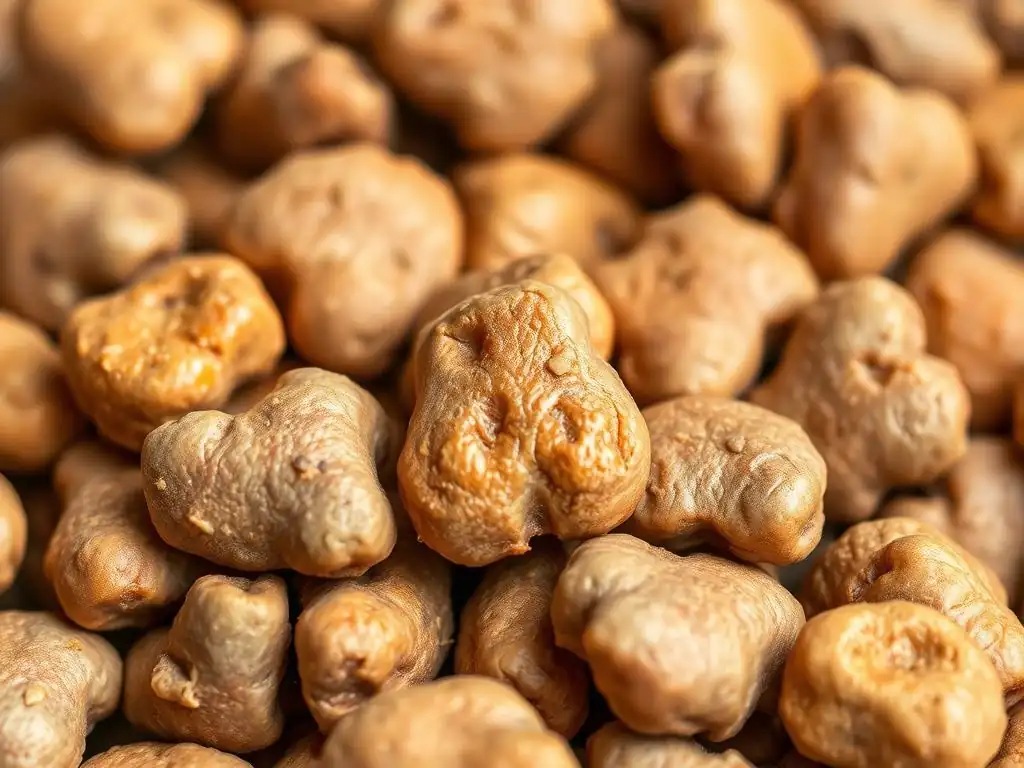
Even with proper storage, it's vital to be able to recognize signs of spoilage. Feeding your cat spoiled food can have serious consequences, ranging from digestive upset to more severe health issues. Regularly inspect your cat's dry food for the following signs:
Signs and Symptoms
- Changes in Odor: A rancid or sour smell is a clear indicator of spoilage. Fresh dry food should have a pleasant, slightly sweet aroma. Any off-putting odor signifies that the food has gone bad.
- Changes in Appearance: Look for signs of discoloration, clumping, or the presence of mold or insects. Dry food should maintain its original color and texture. Clumping can be a sign of moisture absorption, indicating potential spoilage.
- Changes in Texture: Spoiled dry food may become unusually hard or brittle, or conversely, soft and sticky. This change in texture is a result of the degradation of its components.
- Your Cat's Reaction: If your cat suddenly refuses to eat their dry food, it might be a sign that something is wrong. A change in appetite, coupled with any of the above signs, warrants immediate disposal of the food.
If you notice any of these signs, discard the affected food immediately. Don't risk your cat's health by feeding them spoiled kibble. Preventing spoilage through proper storage and regular inspection is crucial for maintaining your cat's health and well-being. The best dry dog food brands are only as good as their proper handling.
Best Practices for Serving Dry Dog Food: Portion Control and Feeding Schedules
Serving dry cat food correctly involves more than just pouring it into a bowl. Proper portion control and a consistent feeding schedule are essential for maintaining your cat's ideal weight, preventing overeating, and ensuring optimal digestion.
Portion Control and Feeding Schedules
- Follow Feeding Guidelines: Always refer to the feeding guidelines printed on the packaging of your chosen dry food. These guidelines are based on your cat's weight, age, and activity level. Remember that these are only guidelines; adjust portions based on your cat's individual needs and body condition.
- Weigh Your Portions: Use a kitchen scale to accurately measure your cat's food. This ensures consistency and prevents accidental overfeeding. Overfeeding can lead to obesity, which is associated with various health problems in cats.
- Multiple Small Meals: Instead of one large meal, consider dividing your cat's daily food allowance into two or three smaller meals. This can help prevent overeating and improve digestion.
- Monitor Your Cat's Weight: Regularly monitor your cat's weight and adjust their food intake accordingly. Maintain a healthy body condition score, avoiding both underweight and overweight conditions.
- Fresh Water: Always provide access to fresh, clean water at all times. Dry food can be dehydrating, so ensuring adequate water intake is vital for your cat's health.
By following these best practices for serving dry cat food, you can contribute to your cat's overall health, well-being, and happiness. Remember, even with the best dry dog food brands, proper portioning and feeding are key to optimal nutrition.
Dry Dog Food vs. Wet Dog Food: A Comparative Analysis
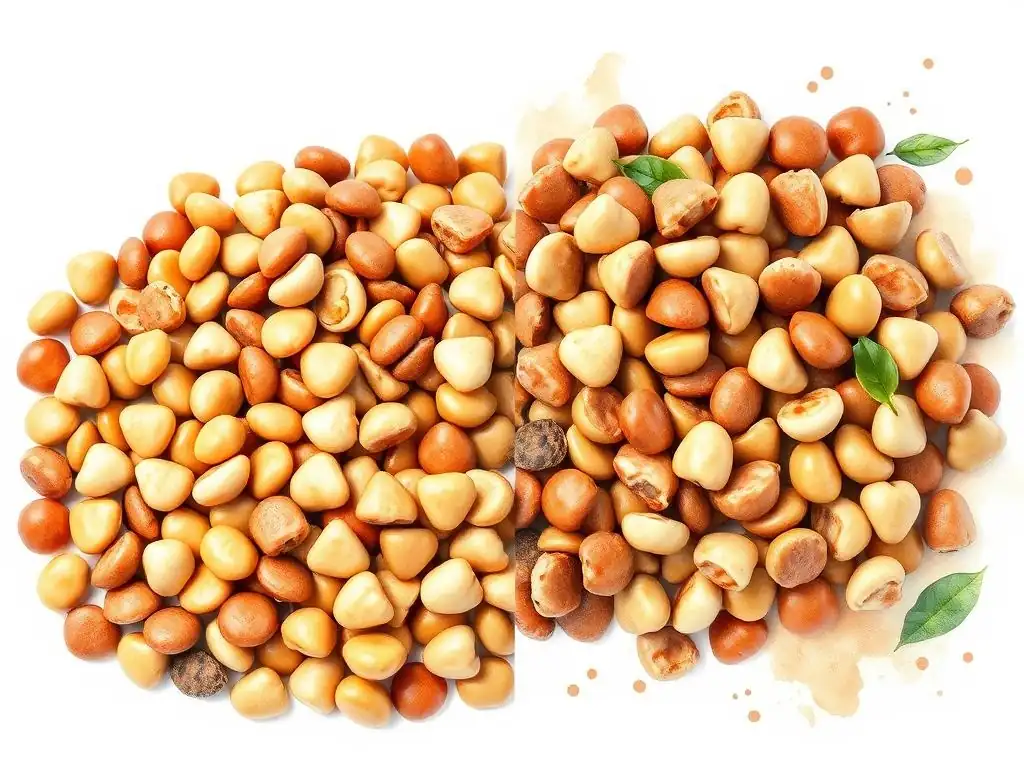
This section delves into the key differences between dry and wet dog food, focusing on factors crucial for informed decision-making when choosing the best dry dog food brands for your canine companion. While both options offer complete and balanced nutrition, understanding their nuances is vital for optimal pet health. The choice often hinges on individual dog needs, lifestyle considerations, and budget.
Nutritional Content Comparison: A Side-by-Side Look
Dry dog food and wet dog food both aim to meet the Association of American Feed Control Officials (AAFCO) nutritional standards, but their composition and nutrient delivery differ significantly. Dry kibble, due to its processing, often boasts a higher concentration of protein and fiber per unit weight compared to wet food. This higher concentration can be beneficial for dogs requiring weight management or those prone to obesity.
Let's compare a typical example:
| Nutrient | Dry Dog Food (Example) | Wet Dog Food (Example) |
|---|---|---|
| Protein (%) | 28 | 10 |
| Fat (%) | 15 | 6 |
| Fiber (%) | 5 | 2 |
| Moisture (%) | 10 | 78 |
| Calories/Cup | 400 | 200 |
However, wet food generally has a higher moisture content, which is crucial for hydration, especially for older dogs or those with kidney issues. The higher moisture content can also improve palatability, making it a preferred option for picky eaters. The added moisture also often translates to a higher concentration of certain vitamins and minerals that can be lost during the drying process of kibble.
Ultimately, the "best" choice depends on your dog's specific dietary needs and health status. Consulting with a veterinarian is always recommended for personalized dietary advice. Choosing among the best dry dog food brands necessitates considering these nutritional variations carefully.
Cost-Effectiveness: Evaluating the Long-Term Budget
While the upfront cost of wet food often appears higher per can or pouch, a comprehensive cost analysis reveals a more complex picture. Dry food typically has a lower cost per calorie, making it potentially more economical in the long run for dogs consuming larger quantities. However, this calculation must factor in your dog's individual needs. A smaller dog requiring less food might find wet food more cost-effective overall.
Consider this scenario: A large breed dog might consume 4 cups of dry food daily, while the same dog might need 2 large cans of wet food to achieve comparable caloric intake. While the cost per can of wet food might be higher, the overall daily cost might still be lower than the cost of the larger quantity of dry food required.
Therefore, careful consideration of your dog's size, activity level, and specific dietary needs is essential to assess the true cost-effectiveness of each option. The perceived value of convenience and potential health benefits should also be factored into the long-term budget.
Convenience and Storage: Practical Considerations for Busy Owners
Dry dog food offers undeniable convenience in terms of storage and preparation. Kibble boasts a longer shelf life and requires minimal preparation, making it ideal for busy pet owners. Simply measure out the daily portion and serve. The compact packaging of dry food also saves space compared to storing numerous cans or pouches of wet food.
Wet food, on the other hand, requires refrigeration once opened, adding a layer of complexity to feeding schedules. While some owners appreciate the ease of serving pre-portioned wet food pouches, others find the disposal of packaging less environmentally friendly compared to the reusable containers often employed for dry food storage. The choice between dry and wet food ultimately comes down to balancing nutritional needs, budget constraints, and the practical considerations of storage and convenience. Ultimately, the best dry dog food brands offer convenience, but your dog’s needs should always come first.
Palatability and Preference: Understanding Your Dog's Individual Needs
Choosing the best dry dog food brand often hinges on palatability—will your dog actually eat it? While nutritional value is paramount, a food your dog refuses is useless. Many factors influence a dog's food preference. Breed plays a role; some breeds, like German Shepherds, might have more sensitive stomachs and prefer gentler formulas.
Age is another critical factor. Puppies, with their rapidly developing bodies, might need higher calorie counts and different nutrient profiles compared to senior dogs, who may benefit from joint support formulas. Even individual dogs within the same litter can display vastly different preferences. One might gobble down kibble enthusiastically, while its sibling turns up its nose.
This inherent variability necessitates a trial-and-error approach. Start by carefully reading the ingredient list – looking for high-quality protein sources as the primary ingredient. Introduce new foods gradually, mixing small amounts with your dog's current food over several days. Monitor their bowel movements and overall energy levels for any adverse reactions.
If your dog shows consistent disinterest, don't force it. Try a different brand or flavor, focusing on those formulated for their age and breed. Some dogs are simply more finicky than others; finding a brand they enjoy may involve trying several options. Remember to consult your veterinarian if you suspect food allergies or intolerances are contributing to your dog's pickiness.
They can provide personalized guidance and potentially suggest specialized diets. Ultimately, finding the right balance between nutritional excellence and palatability is key to ensuring your canine companion thrives. Don't be discouraged by initial setbacks – persistence often pays off in discovering the perfect kibble for your beloved pet. 🐶
The Ultimate Guide to Selecting the Best Dry Dog Food for Your Canine Companion
This section delves into the crucial aspects of choosing the best dry dog food, ensuring your canine companion receives optimal nutrition. Selecting the right food isn't just about finding a palatable option; it's about providing the building blocks for a long, healthy, and happy life. The "best" dry dog food brand is highly subjective and depends entirely on your individual dog's needs.
Understanding Your Dog's Specific Needs: Breed, Age, Activity Level, and Health Conditions
Choosing the right dry dog food requires a holistic understanding of your dog's unique characteristics. Different breeds, ages, activity levels, and health conditions necessitate varying nutritional requirements. Let's break down these key factors:
- Breed: Certain breeds are predisposed to specific health issues. For example, larger breeds like Great Danes are prone to hip dysplasia, requiring food formulated to support joint health. Smaller breeds, like Chihuahuas, might need food with smaller kibble sizes for easier chewing and digestion. Breeds with sensitive stomachs may benefit from foods with easily digestible ingredients.
- Age: Puppies, adults, and senior dogs have drastically different nutritional needs. Puppies require higher calorie and protein content for growth, while senior dogs benefit from formulas designed to support their aging bodies, often focusing on joint health and digestive support. Adult dogs require a balanced diet to maintain their weight and energy levels.
- Activity Level: Highly active dogs, such as working dogs or those participating in canine sports, need more calories and protein than less active dogs. Their food should provide sustained energy throughout the day. Conversely, less active dogs may require lower-calorie options to prevent weight gain.
- Health Conditions: Dogs with specific health conditions, such as allergies, diabetes, or kidney disease, require specialized diets formulated to address their individual needs. These diets often contain specific ingredients or exclude others to manage their condition effectively. Always consult with your veterinarian before making dietary changes for a dog with a health condition. They can provide tailored recommendations based on your dog's specific situation.
Consider this example: A senior German Shepherd with hip dysplasia requires a dry dog food formulated for large breeds, addressing joint health concerns, with a lower calorie count to manage weight, and easily digestible ingredients to minimize digestive upset. This highlights the importance of considering all factors when making a selection.
Reading and Interpreting Dog Food Labels: Decoding the Ingredients List
Understanding dog food labels is paramount in selecting a nutritious option. Pay close attention to the ingredients list, which is usually listed in descending order by weight.
| Ingredient Category | Significance | Example |
|---|---|---|
| Meat Sources | Primary source of protein; look for named meat sources (e.g., chicken, beef) | "Chicken," "Lamb Meal," "Salmon" |
| Grains | Source of carbohydrates and fiber; consider grain-inclusive or grain-free options | "Brown Rice," "Oats," "Corn" |
| Fats | Source of energy and essential fatty acids; look for healthy fats | "Chicken Fat," "Canola Oil," "Flaxseed" |
| Vegetables/Fruits | Source of vitamins, minerals, and fiber | "Peas," "Carrots," "Cranberries" |
| Additives | Preservatives, vitamins, and minerals; check for artificial ingredients | "Artificial Colors," "BHA/BHT" (preservatives) |
Look for clearly identified meat sources as the primary ingredients. Avoid foods with excessive fillers or artificial ingredients. The guaranteed analysis section provides minimum percentages of crude protein, fat, fiber, and moisture. While helpful, this isn't a complete picture of nutritional value. Always check the AAFCO statement, which indicates whether the food meets nutritional standards for a specific life stage (puppy, adult, senior).
Consulting with Veterinarians: Expert Advice for Personalized Recommendations
While this guide provides valuable information, your veterinarian remains the ultimate resource for personalized recommendations. They can assess your dog's individual needs, considering factors like breed, age, activity level, and any existing health conditions. They can also help you navigate the vast array of dry dog food options available and guide you towards the best choice for your canine companion's well-being. Don't hesitate to discuss your options and concerns with your vet to ensure your dog receives the most appropriate and nutritious diet.
They can help you avoid potential health problems and contribute to a longer, healthier life for your furry friend. A veterinarian's expertise is invaluable in making informed decisions about your dog's nutrition, ultimately contributing to their overall health and happiness. 🐶
Transitioning to a New Dry Dog Food: A Smooth and Safe Process
Switching your dog's food, even to another dry kibble, requires a gradual approach to avoid digestive upset. A sudden change can lead to vomiting, diarrhea, and general discomfort for your furry friend. The best practice is a slow and steady transition, allowing your dog's digestive system time to adapt to the new ingredients and nutritional profile.
A common method involves a gradual mixing process. Start by mixing a small amount (approximately 25%) of the new food with 75% of the old food for the first few days. Observe your dog closely for any signs of digestive distress. If everything seems fine, gradually increase the proportion of the new food over a week to ten days, eventually reaching 100% new food. This slow introduction minimizes the risk of digestive problems and allows your dog's body to adjust comfortably.
Remember, every dog is different. Some dogs may transition more easily than others. If you notice any persistent digestive issues like persistent vomiting or severe diarrhea during the transition, it's crucial to consult your veterinarian immediately. They can help determine if the new food is unsuitable or if there's an underlying health issue. Don't hesitate to slow down the transition process if needed; better to be cautious than to risk your dog's health. Patience and careful monitoring are key to a successful transition.
Beyond the gradual mixing, consider the specific ingredients in both the old and new foods. A significant difference in protein source, for example, might require a slower transition. Similarly, if the new food has a higher fat content, a slower introduction is recommended to avoid potential pancreatitis issues. Always review the ingredient lists carefully and consult with your vet if you have concerns about significant changes in the nutritional composition.
They can provide personalized advice based on your dog's breed, age, activity level, and any pre-existing health conditions. Choosing the best dry dog food is only half the battle; a smooth transition is equally important for your canine companion's well-being. This careful approach ensures a happy and healthy transition to the new food.
Choosing the Right Dry Food for Your Dog's Lifestyle and Health
Selecting the best dry dog food brands isn't just about finding a palatable kibble; it's about aligning your dog's nutritional needs with their unique lifestyle and health status. A high-energy working dog requires a vastly different nutritional profile than a senior dog with joint issues. Understanding these variations is crucial for ensuring your canine companion thrives. This section delves into choosing the right dry food based on your dog's activity level and any pre-existing health conditions. Remember, consulting with your veterinarian before making significant dietary changes is always recommended.
Dry Food Options for Active Dogs: High-Energy Formulas
Active dogs, including working breeds, sporting dogs, and highly energetic pups, need a dry food formulated to meet their increased caloric and nutrient demands. These formulas typically boast higher protein content (at least 25-30%) to support muscle mass and repair, along with increased fat levels (around 15-20%) for sustained energy. Look for keywords like "high-performance," "active," or "working breed" on the packaging. Furthermore, carbohydrate sources should be easily digestible, such as brown rice or sweet potatoes, to provide readily available energy without digestive upset.
Essential nutrients like taurine, L-carnitine, and antioxidants are also crucial for supporting cardiovascular health and muscle function in active dogs. Consider the following when choosing a high-energy formula:
- Protein Source: Chicken, beef, lamb, or fish – ensure the source is clearly identified and of high quality.
- Fat Content: The percentage should be appropriate for the dog's age and activity level; avoid excessively high fat levels, which can lead to obesity.
- Fiber Content: Moderate fiber is helpful for digestive health, but excessive fiber can reduce energy density.
- Added Vitamins and Minerals: Check for added vitamins and minerals vital for active dogs, such as Vitamin E, Vitamin B complex, and electrolytes.
Failing to provide sufficient calories and nutrients can lead to weight loss, muscle weakness, and reduced performance in active dogs. Choosing the right best dry dog food brands tailored to their needs is vital for their overall well-being.
Dry Food Options for Less Active Dogs: Balanced Nutrition for Moderate Activity Levels
For dogs with moderate activity levels – those who enjoy daily walks but don't engage in strenuous exercise – a balanced dry food is sufficient. These formulas typically contain a moderate protein level (around 22-25%) and a lower fat content (around 12-15%) compared to high-energy formulas. The focus here is on maintaining a healthy weight, supporting overall health, and preventing nutritional deficiencies.
These diets should emphasize whole grains, vegetables, and fruits for optimal digestion and nutrient absorption. Pay close attention to the calorie density to avoid overfeeding and potential weight gain. Consider factors such as your dog's age, breed, and overall health when selecting a balanced formula. For senior dogs, look for formulas that support joint health with glucosamine and chondroitin.
| Nutrient | Recommended Level (Approximate) | Importance |
|---|---|---|
| Protein | 22-25% | Muscle maintenance, growth, and repair |
| Fat | 12-15% | Energy, essential fatty acids |
| Fiber | 4-6% | Digestive health, satiety |
| Calcium & Phosphorus | Balanced ratio | Bone health |
Choosing a balanced diet ensures your dog receives the essential nutrients without excess calories, contributing to a long and healthy life. Prioritizing the best dry dog food brands aligned with this moderate activity level is key.
Dry Food Options for Dogs with Specific Health Concerns: Addressing Allergies, Sensitivities, and Other Conditions
Dogs with allergies, sensitivities, or specific health conditions require specialized dry food formulated to address their unique needs. This might involve avoiding certain protein sources (like chicken or beef), choosing limited-ingredient diets, or selecting formulas designed for specific conditions like diabetes or kidney disease.
For dogs with allergies, hypoallergenic options utilize novel protein sources (like venison or duck) or hydrolyzed proteins, which are broken down into smaller peptides to minimize allergic reactions. For digestive sensitivities, look for easily digestible ingredients such as brown rice, sweet potatoes, and oatmeal, and limit fiber content to prevent diarrhea.
For dogs with conditions like diabetes, the carbohydrate content should be carefully controlled to stabilize blood sugar levels. Formulas for kidney disease often have reduced phosphorus and protein to minimize strain on the kidneys. Always consult your veterinarian to determine the most appropriate diet for your dog's specific health condition. They can guide you toward the best dry dog food brands specifically designed to manage your dog's condition effectively and safely. Remember, a well-chosen diet can significantly improve their quality of life and longevity. 🐶
Frequently Asked Questions
What makes dry dog food a nutritional powerhouse?
Dry dog food offers a balanced nutritional profile, containing essential proteins, fats, carbohydrates, vitamins, and minerals necessary for your dog's health. The kibble form also helps with dental hygiene.
How do I choose the best dry dog food brand for my dog?
Consider your dog's age, breed, size, and activity level. Look for brands with high-quality protein sources, limited fillers, and clear nutritional information. Consult your vet for personalized recommendations.
Are there any potential downsides to feeding my dog dry food?
Some dogs may be prone to dental issues despite the kibble's benefits. Obesity is possible with overfeeding. Always monitor your dog's weight and adjust food portions accordingly. Certain ingredients can cause allergies in some dogs.
What are some of the best dry dog food brands according to PetCareWorld? (This question will help with SEO)
PetCareWorld doesn't endorse specific brands, but we recommend researching brands with high-quality ingredients, positive customer reviews, and transparent labeling. Always prioritize your dog's individual needs when selecting a food.
How often should I change my dog's dry food brand?
Unless advised by your vet due to allergies or health concerns, it's generally recommended to gradually transition your dog to a new food over several days to avoid digestive upset. Sudden changes can cause problems.
Final Reflection: Unlocking the Nutritional Potential of Dry Dog Food
The quest for the best dry dog food isn't just about finding a convenient option; it's about fueling your canine companion's health and vitality. Choosing the right kibble can significantly impact your dog's energy levels, coat condition, and overall well-being, a truth that resonates deeply with every responsible pet owner. This understanding is crucial in navigating the vast and often confusing world of pet food.
The journey through the nutritional landscape of dry dog food has revealed a fascinating interplay between ingredient quality, processing methods, and the ultimate impact on our furry friends. It's a journey that underscores the importance of informed choices, moving beyond simple brand recognition to a deeper understanding of what truly nourishes our beloved pets. The dog is the most remarkable creature; he will sit for hours on end and do nothing, yet he will also run for miles and miles without getting tired.
– This quote, while humorous, highlights the incredible energy and resilience a properly nourished dog possesses.
Now, armed with this knowledge, I invite you to take a closer look at your dog's food bowl. Consider the ingredients, the nutritional profile, and the overall impact on your dog's health. Don't just settle for the familiar; actively seek out the best dry dog food for your specific canine companion, considering their age, breed, activity level, and any unique dietary needs. Empower yourself to make informed choices that will contribute to a longer, healthier, and happier life for your faithful friend.
Unlock Your Pet's Nutritional Potential Today!
Thank you for exploring the world of dry pet food with us! We hope you've discovered the surprising nutritional benefits hidden within those seemingly simple kibbles. Now, let's put that knowledge into practice.
- Revamp your pet's diet: Carefully review your pet's current food and identify areas for improvement. Consider switching to a brand or recipe that better meets their specific nutritional needs. For example, if your pet is a senior dog, you might choose a formula designed for joint health.
- Share your discoveries: Spread the word! Let other pet owners know about the nutritional value of high-quality dry food. Join the conversation on our PetCareWorld forum or share this article on your favorite social media platform.
- Deep-dive into specific ingredients: Examine the ingredients listed on your pet's food label. Research each ingredient to understand its benefits and potential drawbacks. Knowing what's in your pet's food is key to making informed choices.
Ready to transform your pet's health through better feeding choices? What's the first ingredient you'll be researching on your pet's food label?