
Litter Box Training: The Best Ways to Clean and Disinfect Your Litter Box

Welcome to PetCareWorld, your ultimate guide to a happier, healthier life for your beloved pets! Are you ready to unlock the secrets to a perfectly clean and inviting litter box? We delve into the crucial topic of "Clean cat litter box properly" in our comprehensive guide, revealing expert techniques for maintaining a sanitary environment and ensuring your feline friend’s comfort and well-being. Discover the best practices for cleaning and disinfecting your cat's litter box, preventing common issues, and fostering a harmonious relationship with your purrfect companion. Dive in and explore!
- Understanding the Importance of Proper Litter Box Cleaning
- Essential Tools and Supplies for Litter Box Cleaning
- Step-by-Step Guide: How to Clean Your Cat's Litter Box Effectively
- Advanced Litter Box Cleaning Techniques
- Maintaining a Clean Litter Box Environment
- Troubleshooting Common Litter Box Cleaning Issues
- Frequently Asked Questions
- Final Reflection: The Unsung Hero of Cat Ownership
- Unlock a Cleaner, Happier Home: Take Action Now!
Understanding the Importance of Proper Litter Box Cleaning
Maintaining a clean cat litter box is crucial for your feline friend's health and happiness. A neglected litter box can quickly become a breeding ground for bacteria and parasites, leading to various health issues for your cat and unpleasant odors in your home. This comprehensive guide will delve into the best methods for cleaning and disinfecting your cat's litter box, ensuring a healthy and hygienic environment for your beloved companion.
Proper litter box maintenance is not just about eliminating unpleasant smells; it's a fundamental aspect of responsible cat ownership, directly impacting your cat's well-being and preventing potential health problems. Learning how to effectively clean your cat's litter box will contribute significantly to a stronger bond with your pet and a more harmonious home environment. We'll cover everything from the frequency of cleaning to the best cleaning products and techniques to ensure you're equipped to provide your cat with the cleanest and most comfortable litter box possible.
This guide will help you confidently tackle the task and maintain a sparkling clean and odor-free litter box, contributing to a healthier and happier cat. Remember, a clean litter box is a happy cat! 😻
Why Regular Cleaning Prevents Cat Urinary Tract Infections (UTIs)
Cat Urinary Tract Infections (UTIs) are a common and painful problem. Bacteria thrive in dirty litter boxes, and these bacteria can easily infect your cat's urinary tract if they are exposed to contaminated litter. Regular cleaning, which includes scooping solid waste daily and completely changing the litter at least once a week (or more frequently depending on the number of cats and litter type), significantly reduces the risk of UTIs.
A build-up of ammonia from urine, in particular, is a major irritant and can contribute to inflammation and infection. By maintaining a clean litter box, you're proactively minimizing the chances of your cat developing a painful and potentially serious UTI. The frequency of cleaning should be adjusted based on the number of cats using the box and the type of litter used.
For example, clumping litter may allow for slightly less frequent complete changes, but daily scooping remains essential. Ignoring this crucial aspect of cat care can have serious consequences for your feline companion's health. Consider adding a second litter box if you have multiple cats to further reduce the risk of UTIs and other litter box-related problems.
Reducing the Risk of Bacterial Infections with Proper Litter Box Hygiene
Beyond UTIs, a dirty litter box can expose your cat to a range of other bacterial infections. Bacteria like E. coli and Salmonella can contaminate the litter and potentially cause gastrointestinal issues, skin infections, and other health problems. Proper hygiene involves more than just scooping; it requires a thorough cleaning and disinfection of the entire litter box at regular intervals.
This includes washing the box with hot, soapy water and then using a pet-safe disinfectant to eliminate harmful bacteria. Avoid using harsh chemicals that could be toxic to your cat. Always rinse the box thoroughly after disinfecting to remove any residue before adding fresh litter.
Remember to wash your hands thoroughly after handling the litter box and any cleaning materials. The choice of disinfectant is crucial; opt for products specifically designed for pet use and follow the instructions carefully. Regular disinfection, coupled with diligent daily scooping, forms a powerful defense against bacterial infections and keeps your cat healthy and safe.
Maintaining a Clean and Healthy Environment for Your Cat
A clean litter box is not just about preventing illness; it's also about ensuring your cat's overall well-being. Cats are naturally clean animals, and a dirty litter box can cause stress and anxiety. This stress can manifest in various behavioral problems, such as inappropriate urination outside the litter box or increased aggression. Maintaining a clean and inviting litter box contributes significantly to a happy and content cat.
Beyond regular cleaning, consider factors such as litter type, litter box size and location. Choose a litter that your cat enjoys and ensure the box is large enough and placed in a quiet, accessible location. Regularly assess your cat's litter box habits; changes in behaviour could indicate a problem with the litter box itself, requiring adjustments to maintain a comfortable and hygienic environment for your pet.
Providing a clean and comfortable litter box is a simple yet effective way to show your cat you care and improve their overall quality of life. Remember, a happy cat is a healthy cat! 😊
Essential Tools and Supplies for Litter Box Cleaning
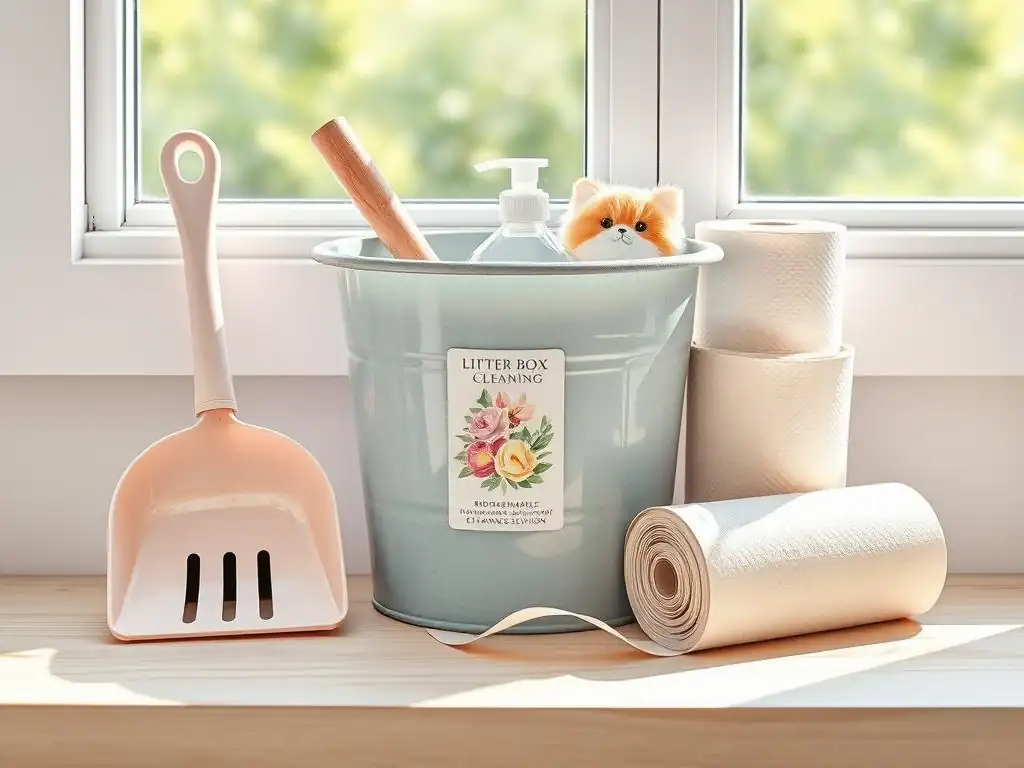
Maintaining a clean cat litter box is crucial for your cat's health and your home's hygiene. This involves more than just scooping; it requires the right tools and supplies to ensure a thorough and safe cleaning process. Neglecting proper cleaning can lead to bacterial growth, unpleasant odors, and potential health issues for your feline companion.
Let's delve into the essential items you'll need to effectively tackle this task. Proper cleaning is key to preventing the spread of diseases and maintaining a pleasant environment for both you and your cat. This section focuses on equipping you with the best tools for the job, ensuring you can effectively clean your cat's litter box properly.
Choosing the Right Litter Scoop for Efficient Cleaning
The litter scoop is your primary weapon in the daily battle against litter box debris. Choosing the right one significantly impacts the efficiency and thoroughness of your cleaning. Avoid flimsy plastic scoops that break easily; instead, opt for durable, high-quality options. Consider these factors:
- Size and Shape: Larger scoops with wider openings allow for quicker cleaning and minimize the amount of scooping needed. Some scoops feature angled edges or perforated designs to facilitate efficient waste removal.
- Material: Sturdy plastic or metal scoops are preferable. Metal scoops are generally more durable but can be heavier.
- Handle Design: A long, comfortable handle reduces strain on your back and wrists during cleaning. Ergonomic handles are a plus.
For example, a scoop with a deep, wide bowl and a comfortable grip will make the daily scooping much less of a chore. Investing in a good quality scoop is a small price to pay for the convenience and effectiveness it provides. Remember, regular, thorough cleaning prevents the build-up of waste, contributing to a cleaner and healthier environment for your cat.
Selecting Effective Cat Litter for Odor Control and Hygiene
The type of cat litter you choose directly impacts the ease and frequency of cleaning. Certain litters are formulated for superior odor control and clumping, simplifying the scooping process and reducing the need for frequent, deep cleans. Here’s a breakdown:
- Clumping Litters: These litters form solid clumps when wet, allowing for easy removal of waste and minimizing the amount of litter you need to change. This is crucial for keeping the box cleaner for longer.
- Non-Clumping Litters: These litters require more frequent complete changes as waste doesn't clump together. They are often less expensive, but the increased cleaning frequency can offset this saving.
- Low-Dust Litters: These litters minimize dust, reducing the risk of respiratory issues for both you and your cat. This is particularly beneficial for those with allergies or sensitivities.
- Naturally Scented Litters: While some cat owners prefer unscented litters, naturally scented options can help mask odors, but always ensure the scents are cat-friendly and not overly strong.
Selecting the right litter is a significant factor in maintaining a clean litter box. Experiment with different types to find the one that best suits your cat's preferences and your cleaning routine. Consider the trade-offs between cost, convenience, and effectiveness in odor control when making your choice.
Disinfectants Safe for Cats and Litter Boxes: A Detailed List
Disinfecting the litter box is a crucial step in maintaining hygiene. However, it's essential to use disinfectants that are safe for your cat. Harsh chemicals can be harmful if ingested or inhaled. Here’s a list of disinfectants generally considered safe, but always check the product label to ensure it's safe for cats and is properly diluted before use:
| Disinfectant Type | Safety Precautions | Effectiveness |
|---|---|---|
| Enzymatic Cleaners | Follow dilution instructions carefully; rinse thoroughly. | Excellent odor and stain removal |
| Bleach (diluted solution) | Use a very weak solution (1 part bleach to 32 parts water); rinse thoroughly. Never mix with ammonia. | Effective against bacteria and viruses |
| White Vinegar | Safe and effective for general cleaning; may not kill all bacteria. | Good for general cleaning |
Important Considerations:
- Thorough Rinsing: Always rinse the litter box thoroughly after disinfecting to remove any residual disinfectant.
- Ventilation: Ensure proper ventilation during and after cleaning to dissipate fumes.
- Allergies: Be mindful of potential allergic reactions to certain disinfectants.
Remember, regular and proper cleaning, using the appropriate tools and disinfectants, is key to maintaining a clean cat litter box and a healthy environment for your beloved pet. The goal is to effectively and safely clean your cat's litter box properly, reducing the risk of illness and maintaining a pleasant living space.
Using Appropriate Protective Gear
Cleaning a cat litter box, while essential for maintaining a hygienic environment for your feline friend, exposes you to potential hazards. Bacteria, parasites, and even viruses can lurk within the litter, posing risks to your health. Therefore, utilizing appropriate protective gear is paramount to ensuring your safety and well-being during the cleaning process. This isn't just about avoiding unpleasant smells; it's about safeguarding yourself from potential health issues.
One of the most crucial pieces of protective gear is a pair of disposable gloves. These gloves create a barrier between your skin and the potentially harmful contents of the litter box. Opt for heavy-duty gloves made of nitrile or latex, as these materials offer superior protection against punctures and chemical exposure. Remember, even seemingly harmless litter can contain microscopic organisms that you don't want to come into contact with. Never reuse gloves; always discard them after each cleaning session.
Beyond gloves, consider wearing a mask or respirator, particularly if your cat has any known health issues or if you're sensitive to dust and odors. The dust generated during scooping and cleaning can irritate your respiratory system and exacerbate allergies or asthma. An N95 mask, for instance, offers excellent filtration, reducing your exposure to airborne particles. This is especially important when cleaning clumping litter, which can generate more dust than other types.
Eye protection is another often-overlooked aspect of safe litter box cleaning. While less common, accidental splashes of cleaning solutions or even litter itself can irritate or damage your eyes. Safety glasses or goggles provide a simple yet effective way to protect your eyes from harm. Choose glasses that fit comfortably and offer good peripheral vision to ensure adequate protection.
Finally, consider wearing old clothes or a dedicated cleaning apron. This protects your clothing from stains and odors, preventing the spread of bacteria or unpleasant smells throughout your home. Choosing clothing you don't mind discarding or easily washing is a practical approach to maintaining hygiene and preventing accidental contamination. Remember, thorough protection minimizes risks and allows you to focus on efficiently and safely cleaning your cat's litter box. Prioritizing your health is just as important as maintaining your cat's hygiene.
Step-by-Step Guide: How to Clean Your Cat's Litter Box Effectively
This section provides a comprehensive, step-by-step guide on how to clean your cat's litter box properly, ensuring a hygienic environment for your feline friend and preventing potential health issues. Regular and thorough cleaning is crucial for maintaining a clean cat litter box, contributing to your cat's well-being and a pleasant home environment. Following these steps will help you effectively manage odor and maintain a healthy space for your cat. Remember, consistency is key! The frequency of cleaning will depend on the number of cats using the litter box and the type of litter used.
Emptying the Litter Box: A Detailed Process
Before you begin cleaning, gather your supplies: a sturdy trash bag (ideally double-bagged to prevent spills and odors), a scoop, a bucket (optional, for rinsing the scoop), and cleaning solutions appropriate for pet use (more on this in the next section). The process of emptying the litter box should be approached methodically to minimize mess and maximize efficiency.
- Locate the Trash: Position your trash bag and a bucket (if using one) near the litter box for easy access. This minimizes walking around with a scoop full of waste.
- Scoop the Solids: Using your scoop, carefully remove all solid waste from the litter box. Aim for thorough removal; even small clumps can contribute to odor and potential health issues for your cat.
- Dispose of Waste: Dispose of the waste immediately into the trash bag. Double-bagging is recommended, especially if your cat is prone to diarrhea or you’re using a particularly pungent litter.
- Rinse the Scoop (Optional): If you’re using a metal or plastic scoop, rinse it thoroughly with hot, soapy water to prevent bacteria buildup and lingering odors. Thoroughly dry before storing.
- Assess Litter Level: Check the remaining litter level. If it's below the recommended level for your litter box, add fresh litter to maintain the appropriate depth. This is crucial for proper waste absorption and clumping. Refer to your litter manufacturer's instructions for the appropriate depth.
Cleaning the Litter Box: Removing Waste and Debris
Once the solid waste is removed, it’s time for a thorough cleaning of the litter box itself. This step is vital in preventing the build-up of bacteria and controlling odors. Remember, always use pet-safe cleaning products to avoid harming your cat.
- Remove Remaining Litter: Depending on the type of litter you use, you may choose to remove all remaining litter or simply leave a layer of fresh litter. For clumping litter, completely removing the litter is often recommended to prevent the accumulation of old litter and to fully address odor control. For non-clumping litter, you might choose to partially refresh the litter, removing only the top few inches.
- Wash the Litter Box: Thoroughly wash the litter box with hot, soapy water. A pet-safe dish soap is ideal. Pay close attention to corners and crevices where waste and bacteria can accumulate. A stiff brush can help remove stubborn residue.
- Rinse Thoroughly: Rinse the litter box multiple times with clean, hot water to ensure all traces of soap are removed. Soap residue can irritate your cat's paws.
- Dry Completely: Allow the litter box to air dry completely before adding fresh litter. A completely dry litter box is crucial to prevent the growth of bacteria and mold.
Disinfecting the Litter Box: Using Safe and Effective Methods
Disinfecting your cat's litter box is an essential step in maintaining a hygienic environment and preventing the spread of bacteria and parasites. However, it's crucial to use pet-safe disinfectants. Never use harsh chemicals or disinfectants that are not specifically designed for pet use. Always follow the manufacturer's instructions carefully.
- Choosing a Disinfectant: Select a pet-safe disinfectant specifically labeled for use on pet surfaces. Read the label carefully to ensure it's appropriate for the material of your litter box (plastic, metal, etc.). Some common active ingredients in pet-safe disinfectants include bleach (diluted appropriately) and enzymatic cleaners.
- Applying the Disinfectant: Follow the manufacturer's instructions for dilution and application. Usually, this involves spraying the disinfectant onto the litter box's interior, allowing it to sit for the recommended contact time, and then rinsing thoroughly with clean water.
- Thorough Rinsing: Rinsing is crucial to remove any residual disinfectant. Thoroughly rinse the litter box several times with clean water and let it air dry completely before adding fresh litter. Residual disinfectant can be harmful to your cat.
- Frequency of Disinfecting: While daily cleaning is recommended, disinfecting should be done at least once a week, or more frequently if your cat has experienced diarrhea or other health issues. Regular disinfecting contributes significantly to a clean cat litter box, promoting your cat's health and well-being.
This detailed process ensures you effectively clean and disinfect your cat's litter box, contributing to a healthier and happier cat and a cleaner home. Remember to always use pet-safe products and prioritize thorough cleaning and rinsing. By consistently following these steps, you will successfully maintain a clean cat litter box and address the "clean cat litter box properly" concern effectively.
Drying and Reassembling the Litter Box: Ensuring Proper Hygiene
After thoroughly washing and rinsing your cat's litter box, the next crucial step is ensuring it's completely dry before reassembling and refilling it. Residual moisture can create a breeding ground for bacteria and unpleasant odors, negating your cleaning efforts. Thorough drying prevents the regrowth of harmful microorganisms and keeps your cat's litter box hygienic.
Several methods can be employed for effective drying. Air drying is the simplest and most environmentally friendly option. Allow the litter box to air dry completely, preferably in a well-ventilated area, for at least several hours, or even overnight. Direct sunlight can accelerate the process, but be mindful of potential discoloration of the litter box material.
For faster drying, especially in humid environments, consider using a clean, absorbent towel to wipe down the inside and outside of the box. This helps to remove excess water and speeds up the air-drying process. Avoid using harsh chemicals or abrasive cleaning materials on the towel, as these can transfer to the litter box and potentially harm your cat. Remember to thoroughly dry the towel itself before using it to avoid transferring moisture.
Once the litter box is completely dry, you can reassemble it. If your litter box is comprised of multiple parts, ensure all components are dry before putting them back together. This prevents trapped moisture from leading to mold or mildew growth. Proper reassembly is also crucial for maintaining the litter box's structural integrity and functionality. Reassemble the litter box according to the manufacturer's instructions.
How Often Should You Clean Your Cat's Litter Box?
The frequency of cleaning your cat's litter box is directly related to maintaining a clean and healthy environment for your feline companion. Neglecting regular cleaning can lead to health problems for your cat and create unpleasant odors in your home. The golden rule is to scoop solid waste and clumps daily, removing any urine-soaked litter as well. This prevents the build-up of ammonia and other harmful substances. Daily scooping minimizes odor and significantly reduces the risk of bacterial growth. Think of it as a daily maintenance task to keep your cat happy and healthy.
Beyond daily scooping, a complete change of litter and a thorough cleaning of the litter box itself should be performed at least once a week, or more frequently if necessary. The frequency depends on several factors, including the number of cats using the litter box, the type of litter used, and your cat's individual habits. For multi-cat households, more frequent cleaning might be necessary, perhaps even every 2-3 days for a complete change of litter. Similarly, if you notice strong odors or excessive clumping despite daily scooping, it's a sign that a full cleaning is overdue.
For cats with specific health conditions, such as urinary tract infections (UTIs), more frequent cleaning is strongly recommended. Consulting with your veterinarian is crucial in determining the appropriate cleaning schedule for your cat's specific needs. Regular, thorough cleaning of the litter box is a fundamental aspect of responsible cat ownership, contributing significantly to your cat's overall health and well-being. Ignoring this vital task can have negative consequences, so establish a routine that suits your cat and your lifestyle.
Advanced Litter Box Cleaning Techniques
This section delves into more advanced techniques for maintaining a pristine and odor-free litter box environment for your feline friend. Properly cleaning your cat's litter box is crucial not only for hygiene but also for their health and happiness. A consistently clean litter box encourages your cat to use it and prevents potential health issues stemming from bacterial growth and unpleasant smells. Remember, a happy cat is a healthy cat, and a clean litter box is a key component of their well-being. Let's explore some advanced cleaning strategies to ensure your cat's comfort and your peace of mind.
Deep Cleaning Your Cat's Litter Box: A Monthly Routine
A monthly deep clean goes beyond the daily scooping. It's essential for eliminating built-up bacteria and preventing lingering odors. This process involves completely emptying the litter box, scrubbing it thoroughly, and allowing it to dry completely before refilling it with fresh litter.
Here's a step-by-step guide:
- Empty and Dispose: Remove all litter, disposing of it according to your local waste disposal guidelines. This is the most crucial step in removing the bulk of waste and preventing the spread of bacteria and parasites.
- Wash with Hot Water and Soap: Use hot water and a pet-safe, unscented dish soap to thoroughly wash the litter box. Pay close attention to corners and crevices where urine and feces can accumulate. Avoid using harsh chemicals that could harm your cat.
- Scrub with a Brush: A stiff-bristled brush will help remove stubborn residue. For particularly difficult stains, consider using a non-toxic baking soda paste (baking soda mixed with a little water).
- Rinse Thoroughly: Rinse the litter box multiple times with hot water to ensure all soap residue is removed. Soap residue can irritate your cat's paws.
- Dry Completely: Allow the litter box to air dry completely before adding fresh litter. A completely dry litter box prevents the growth of bacteria and mold. You can speed up the drying process by using a clean towel or letting it sit in the sun (avoid direct sunlight for prolonged periods).
- Refill with Fresh Litter: Use the recommended amount of fresh litter for your litter box size. Consider using a litter that is designed to control odors effectively.
This monthly deep cleaning, combined with daily scooping, will significantly reduce the risk of bacterial build-up and maintain a hygienic environment for your cat. Remember to always wear gloves during the cleaning process.
Dealing with Stubborn Stains and Odors: Effective Solutions
Even with regular cleaning, stubborn stains and odors can sometimes persist. Here are some effective solutions to tackle these challenges:
- Enzyme Cleaners: Enzyme cleaners are specifically formulated to break down organic matter, including urine and feces. They are highly effective at eliminating odors at the source, preventing your cat from avoiding the litter box due to lingering smells.
- Baking Soda: Baking soda is a natural deodorizer. Sprinkle a generous amount of baking soda on the stained area, let it sit for a few hours, and then scrub thoroughly.
- White Vinegar: Diluted white vinegar can also help neutralize odors. Mix equal parts white vinegar and water, apply to the stain, let it sit for 30 minutes, and then rinse thoroughly. Always ensure the litter box is completely dry before refilling it with fresh litter.
- Commercial Odor Eliminators: Many commercial odor eliminators are available, but always check the ingredients to ensure they are safe for cats. Avoid products containing harsh chemicals or strong fragrances that could irritate your cat.
Remember to always test any cleaning solution in an inconspicuous area of the litter box first to ensure it doesn't damage the material. Consistent application of these methods will help you maintain a consistently clean and fresh-smelling litter box.
How to Clean Different Types of Litter Boxes (Covered, Uncovered, Self-Cleaning)
The cleaning process varies slightly depending on the type of litter box you use.
| Litter Box Type | Cleaning Considerations |
|---|---|
| Uncovered Litter Box | Easier to clean; requires thorough scrubbing of all surfaces. |
| Covered Litter Box | Requires additional cleaning of the cover and the interior; ensure complete drying. |
| Self-Cleaning Litter Box | Follow the manufacturer's instructions carefully; may require specialized cleaning solutions. |
Uncovered litter boxes are generally easier to clean, as all surfaces are readily accessible. Covered litter boxes require extra attention to cleaning the cover and ensuring the interior is completely dry to prevent mold and mildew growth. Self-cleaning litter boxes often have specific cleaning instructions provided by the manufacturer, which should be followed carefully. Always prioritize thorough cleaning and complete drying regardless of the litter box type to ensure optimal hygiene and prevent odor buildup. Remember, consistent and proper cleaning is crucial for maintaining a clean cat litter box and a happy, healthy cat.
Addressing Accidents Outside the Litter Box
Accidents happen, even with the most diligent litter box training. When your cat misses the mark, it's crucial to react calmly and systematically to prevent future occurrences and understand the underlying cause. Panicking or punishing your cat will only worsen the situation and damage your bond. Instead, focus on identifying the root of the problem.
One common reason for accidents is a dirty litter box. Cats are incredibly fastidious creatures; a soiled litter box is simply unacceptable to them. Even if you've been diligent with scooping, a buildup of urine odor or feces can deter your cat from using the box. Thoroughly cleaning and disinfecting the box, as outlined in previous sections, is the first step in resolving this issue. Remember to use an enzymatic cleaner designed to break down odor-causing bacteria and eliminate lingering scents. A clean box is the foundation of successful litter box training.
Beyond cleanliness, consider other factors that might contribute to accidents. Is your cat experiencing a medical issue? Urinary tract infections (UTIs) or other health problems can lead to increased urination frequency and accidents outside the litter box. A visit to the veterinarian is crucial to rule out any underlying medical conditions. Your vet can perform a thorough examination and recommend appropriate treatment if needed. Early detection is key to managing these issues effectively.
Another possible reason is stress or anxiety. Changes in the household, new pets, or even loud noises can disrupt your cat's routine and lead to stress-induced accidents. Providing a safe and secure environment for your cat is essential. This may involve providing more hiding places, reducing stressors within the home, or using pheromone diffusers to calm your cat. Observe your cat's behavior to identify potential triggers and adjust your approach accordingly. A stressed cat might benefit from a calming environment and consistent routine.
Finally, the type of litter and the number of litter boxes can also play a role. Some cats are sensitive to certain types of litter, while others may need multiple boxes, especially in multi-cat households. Experiment with different litters to find one that your cat prefers, and ensure you have enough litter boxes readily available, following the general rule of one box per cat plus one extra. For example, if you have two cats, provide at least three litter boxes.
Consider the size and location of the boxes as well; placing them in easily accessible, quiet locations is advisable. Proper assessment and adjustment of these factors are critical. Remember, even seemingly minor changes can significantly impact your cat's litter box habits. Careful observation and patience are key to success.
Maintaining a Clean Litter Box Environment
Maintaining a clean cat litter box is crucial for your cat's health and happiness, and for keeping your home smelling fresh. A neglected litter box can lead to urinary tract infections, behavioral problems like spraying, and an unpleasant odor that permeates your house. Regular cleaning, using the right tools, and employing effective odor control strategies are essential for achieving and maintaining a clean litter box environment.
This section focuses on practical steps to ensure your cat's litter box remains a hygienic and inviting space. Properly cleaning your cat's litter box is key to preventing health problems and maintaining a harmonious household. The frequency of cleaning depends on the number of cats and the type of litter used.
Preventing Litter Box Odors: Tips and Tricks
Unpleasant smells emanating from the litter box are a common complaint among cat owners. However, with the right approach, you can significantly minimize, if not eliminate, these odors. The key is proactive cleaning and the use of appropriate odor-absorbing products.
Regular scooping is paramount. Aim to scoop solid waste at least once a day, and more frequently if you have multiple cats or a particularly messy feline. This prevents the accumulation of ammonia, a major contributor to litter box odor. Beyond daily scooping, completely changing the litter should be done at least once a week, or more often as needed.
Consider using a litter box with an enclosed design. These can help contain odors more effectively than open-top boxes. Also, experimenting with different types of litter can make a difference. Clumping litters make scooping easier and more effective, and some litters are specifically formulated to control odor. Baking soda is a natural odor absorber; sprinkling a thin layer on the bottom of the litter box before adding fresh litter can help absorb unpleasant smells. Finally, regular cleaning of the litter box itself, using soap and water, is vital.
Choosing the Right Location for Your Cat's Litter Box
The placement of your cat's litter box significantly impacts its usage and the overall cleanliness of your home. Cats are naturally fastidious creatures and prefer a private, quiet, and easily accessible location. Avoid placing the litter box in high-traffic areas or near food and water bowls. Cats associate eating and elimination with different areas, so separating these locations is crucial.
Consider your cat's personality and preferences. Some cats prefer a more enclosed space, while others prefer an open area. Experiment with different locations to find the spot your cat prefers most. Easy access is key. The litter box should be easily accessible to your cat at all times, without obstacles or barriers. This is especially important for older or arthritic cats. Regularly assess the location and make adjustments as needed based on your cat’s behavior and your home’s layout. This simple step can dramatically improve litter box usage and minimize cleaning challenges.
Providing Multiple Litter Boxes for Multiple Cats
The rule of thumb for multiple cats is to provide one litter box per cat, plus one extra. This ensures that each cat has ample space and reduces competition for resources, which can lead to litter box avoidance and subsequent messes outside the designated area. For example, if you have three cats, you should have at least four litter boxes.
Spread the litter boxes throughout your house. Cats may have preferences for different locations, and having multiple boxes in various areas ensures accessibility for all your felines. Consider placing them in different rooms or on different floors, depending on your home's structure. This strategy prevents territorial disputes and reduces the likelihood of accidents outside the litter box.
Cleaning multiple litter boxes requires a more rigorous schedule, but the benefits – cleaner home and happier cats – are well worth the effort. Regularly monitoring the usage of each litter box can help you identify any potential issues or preferences among your cats and adjust your strategy accordingly. Remember, a clean and accessible litter box for each cat is crucial for a harmonious multi-cat household.
Recognizing Signs of Litter Box Problems: Behavioral Changes in Your Cat
A clean cat litter box is crucial for a happy and healthy cat. However, even with diligent cleaning, sometimes behavioral changes signal underlying litter box issues that require attention. Ignoring these subtle cues can escalate into more significant problems, impacting your cat's health and your household harmony. Understanding these behavioral shifts is the first step in addressing potential litter box problems and ensuring your feline friend remains content.
One of the most common indicators is a change in your cat's elimination habits. This could manifest as increased urination or defecation outside the litter box, perhaps even in inappropriate locations like your bed or a favorite rug. The frequency of accidents, even seemingly minor ones, is a critical warning sign. A sudden shift from impeccable litter box manners to frequent accidents warrants investigation. Don't dismiss these incidents as simple mishaps; they often indicate a deeper underlying issue.
Another key sign is a change in your cat's attitude towards the litter box itself. A cat who previously readily used the litter box might now exhibit reluctance or avoidance. This could involve hesitating before entering the box, spending less time inside than usual, or even outright refusing to use it. Observe your cat's body language – a tense posture, flattened ears, or a swishing tail near the litter box could all point to discomfort or anxiety associated with the litter box itself.
Furthermore, changes in urination or defecation patterns can be significant. If your cat suddenly starts straining during urination or defecation, experiencing pain, or producing smaller or more frequent stools, these are warning signs that shouldn't be overlooked. These symptoms may indicate a medical condition requiring veterinary attention, which could indirectly affect their litter box usage. Painful elimination will naturally cause your cat to avoid the litter box.
Finally, consider changes in your cat's overall demeanor. Increased vocalization, lethargy, or changes in appetite can be associated with stress, pain, or illness, all of which can impact litter box habits. A comprehensive assessment of your cat's overall health and behavior is essential to rule out any underlying medical issues contributing to litter box problems.
If you notice several of these behavioral changes concurrently, it's crucial to schedule a visit to your veterinarian for a thorough examination. Early detection and intervention are key to resolving litter box issues and maintaining your cat's well-being. Remember, a clean and well-maintained litter box is only part of the equation; addressing underlying behavioral and health concerns is equally vital for successful litter box management.
Troubleshooting Common Litter Box Cleaning Issues
This section addresses common problems pet owners encounter while cleaning their cat's litter box, offering practical solutions for maintaining a hygienic and inviting environment for their feline companions. Successfully cleaning a cat litter box properly involves more than just scooping; it requires understanding and addressing potential issues proactively. Ignoring these problems can lead to litter box avoidance, which can cause significant behavioral issues in cats.
Dealing with Difficult Stains: Removing Stubborn Residue
Urinary and fecal stains, especially older ones, can be incredibly stubborn. Simply scooping the litter won't suffice; you need a targeted approach to eliminate the residue and prevent lingering odors that might deter your cat. The key is to act quickly. Fresh stains are far easier to remove than those that have had time to set.
Here's a step-by-step guide to tackling difficult stains:
- Immediate Action: If you discover a fresh stain, blot (don't rub!) it with a clean paper towel or cloth to absorb as much liquid as possible. Rubbing will spread the stain and make it harder to remove.
- Enzyme Cleaners: These are your best weapons against stubborn stains. Enzyme cleaners contain bacteria that break down the organic matter in urine and feces, eliminating the source of the odor. Follow the product instructions carefully, ensuring adequate contact time.
- Baking Soda: For less severe stains, a paste of baking soda and water can be effective. Apply the paste, let it dry completely, then vacuum or sweep it away. Baking soda is a natural deodorizer that can help neutralize odors.
- White Vinegar: Diluted white vinegar can also help to break down some stains and neutralize odors. However, avoid using it on plastic litter boxes, as it can damage some materials.
- Professional Cleaning: If all else fails, consider professional pet stain removal services. They have access to stronger cleaning agents and specialized equipment that can effectively tackle even the most persistent stains.
Remember to always rinse the litter box thoroughly with water after cleaning to remove any residue from the cleaning agents.
Eliminating Unpleasant Odors: Natural and Chemical Solutions
Even with diligent cleaning, lingering odors can persist. These odors can be incredibly off-putting to cats, leading to them avoiding their litter box. A clean cat litter box properly maintained means a fresh-smelling one. Here are some effective methods for eliminating unpleasant odors:
- Regular Scooping: The most important step in odor control is frequent scooping – at least once a day, ideally twice. This prevents ammonia buildup, a major contributor to unpleasant litter box smells.
- Air Circulation: Ensure good ventilation in the area where the litter box is located. This can help to dissipate odors more quickly.
- Baking Soda: Sprinkle a thin layer of baking soda at the bottom of the litter box before adding fresh litter. Baking soda is a natural odor absorber.
- Activated Charcoal: Activated charcoal is another excellent natural odor absorber. You can find it in pet stores or online.
- Commercial Odor Eliminators: Numerous commercial odor eliminators are available specifically formulated for pet waste. Choose one that is safe for pets and follow the instructions carefully. Always consider the toxicity of any chemical you use and keep it away from your pets.
Addressing Cat's Resistance to a Clean Litter Box
Sometimes, even with a sparkling clean litter box, a cat may still resist using it. This could be due to a variety of reasons, unrelated to cleanliness. Here are some potential issues and solutions:
| Issue | Potential Cause | Solution |
|---|---|---|
| Cat avoids the litter box | Litter box is too small or inaccessible | Provide a larger litter box or more accessible location. |
| Cat avoids the litter box | Litter type is disliked | Try different types of litter (clay, clumping, silica gel, etc. ). |
| Cat avoids the litter box | Litter box is not clean enough (despite your efforts) | Try a more rigorous cleaning process, or consider a self-cleaning box. |
| Cat avoids the litter box | Medical issues (UTI, kidney disease) | Consult a veterinarian immediately. |
| Cat avoids the litter box | Stress or anxiety | Identify and address stressors, perhaps with environmental enrichment. |
Addressing these issues requires careful observation of your cat's behavior and a willingness to experiment with different solutions. If the problem persists, consulting a veterinarian is crucial to rule out any underlying medical conditions. A clean cat litter box properly maintained is a key element of a happy and healthy cat. 😻
When to Seek Veterinary Advice
While diligent cleaning and proper litter box maintenance are crucial for a happy and healthy cat, some situations necessitate veterinary intervention. Ignoring subtle signs can lead to more significant health problems down the line, resulting in increased costs and stress for both you and your feline companion. Recognizing when to seek professional help is a vital aspect of responsible cat ownership.
One key indicator that something is amiss is a sudden change in your cat's litter box habits. A previously reliable cat suddenly exhibiting signs of hesitancy, straining during urination or defecation, or producing unusually frequent or infrequent bowel movements warrants immediate veterinary attention. This could signify underlying urinary tract infections (UTIs), kidney issues, constipation, or other serious conditions.
Don't dismiss these changes as minor quirks; they could be symptoms of a serious health problem requiring prompt medical intervention. For example, a cat experiencing painful urination might avoid the litter box altogether, leading to accidents outside the designated area. This isn't a behavioral issue to be solved with cleaning; it's a medical emergency.
Furthermore, if you notice blood in your cat's urine or feces, contact your veterinarian immediately. This is a clear sign of potential internal bleeding or other serious health issues requiring urgent medical attention. Similarly, persistent diarrhea or vomiting, coupled with lethargy or loss of appetite, should prompt a visit to the vet. These symptoms could indicate various health problems, from simple indigestion to more severe infections or illnesses.
Remember, early detection and treatment are key to achieving the best possible outcome for your cat's health. Don't hesitate to seek professional advice if you're concerned; your cat's well-being is paramount. The cost of a veterinary visit is far outweighed by the potential cost of neglecting a treatable condition.
Finally, even if your cat seems relatively healthy, changes in litter box cleanliness might indirectly signal a problem. For instance, if you're meticulously cleaning the litter box and still noticing persistent odors or unusual residue, it might point towards a dietary issue or a less obvious medical condition. While thorough cleaning is your first line of defense against odors, persistent issues might necessitate a veterinary check-up to rule out any underlying health concerns affecting your cat's waste.
Your veterinarian can help determine the root cause and offer appropriate guidance. Remember, proactive care is the best way to ensure your feline friend enjoys a long and healthy life. Don't underestimate the importance of seeking professional veterinary advice when necessary, ensuring you are properly equipped to address any litter box-related concerns effectively and responsibly.
Frequently Asked Questions
How often should I clean my cat's litter box?
You should scoop solid waste and clumps daily, and completely change the litter at least once a week, or more frequently if needed, depending on the number of cats and the type of litter used. Regular cleaning prevents odor and health issues.
What's the best way to disinfect a cat litter box?
After scooping, wash the litter box with hot, soapy water, rinse thoroughly, and allow it to air dry completely. You can then use a pet-safe disinfectant, ensuring it's thoroughly rinsed before refilling. Avoid harsh chemicals.
What type of litter is best for easy cleaning?
Clumping litter makes cleaning easier as you can simply scoop away solid waste and clumps. However, consider your cat's preferences, as some cats prefer non-clumping litter. Experiment to find what works best.
My cat avoids the litter box – could cleaning be the issue?
Yes, inadequate cleaning can cause cats to avoid their litter box. Strong odors are a major deterrent. Ensure the box is thoroughly cleaned and disinfected regularly, and consider using an odor-eliminating litter.
Are there any specific cleaning products I should use?
Use pet-safe disinfectants specifically designed for cleaning pet areas. Avoid products containing harsh chemicals or strong fragrances that could harm your cat. Hot, soapy water is often sufficient for daily cleaning.
Final Reflection: The Unsung Hero of Cat Ownership
Maintaining a clean cat litter box isn't just about avoiding unpleasant odors; it's a cornerstone of responsible pet ownership and a vital component of your cat's health and well-being. A clean litter box directly impacts your cat's happiness, preventing potential health issues and strengthening the bond you share. Neglecting this crucial aspect can lead to behavioral problems and even serious medical complications for your feline friend.
The impact of proper litter box hygiene extends far beyond the immediate environment. It's a testament to our commitment to providing a safe and healthy space for our beloved companions. The care we give to our pets reflects the care we give to ourselves and the world around us.
This simple truth underscores the importance of consistent and thorough litter box cleaning, transforming a mundane task into an act of love and responsibility. It's a small act with significant consequences for both the cat and the owner, fostering a healthier home and a deeper connection.
Now, consider your own cat's litter box routine. Are you diligently following the best practices outlined in this article? Take a moment to reflect on your current methods and identify areas for improvement. Even small changes, like increasing the frequency of cleaning or switching to a more effective disinfectant, can make a world of difference in your cat's life and your home's hygiene. Embrace the opportunity to enhance your cat's comfort and well-being – it's a rewarding journey that strengthens the bond you share.
Unlock a Cleaner, Happier Home: Take Action Now!
Thank you for learning about litter box cleaning and disinfection! We hope you feel confident in maintaining a hygienic and comfortable environment for your cat. Ready to put your new knowledge into practice?
- Deep clean your cat's litter box today! Use the methods discussed to thoroughly clean and disinfect it, ensuring a fresh and inviting space for your feline companion.
- Share your cleaning tips and tricks with other pet owners on social media – let's build a supportive community dedicated to clean and happy cat homes!
- Experiment with different litter types and cleaning solutions to find what best suits your cat's needs and your preferences.
What's one simple change you'll make today to improve your cat's litter box experience?