
The Complete Guide to Interactive Games for Indoor Cat Enrichment

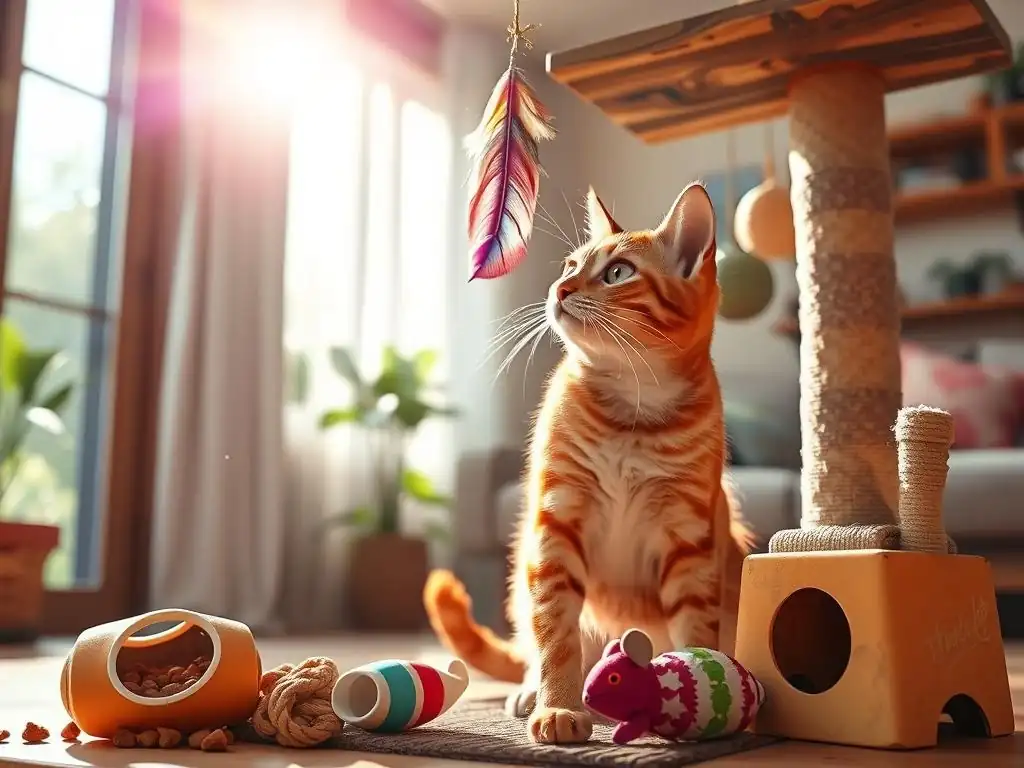
Welcome to PetCareWorld, your ultimate destination for everything pet-related! Are you ready to transform your indoor cat's life from bored to blissful? Our expert guide to indoor cat enrichment games reveals the secrets to a happier, healthier feline companion. Discover engaging activities that will stimulate your cat's mind and body, preventing boredom and enriching their daily lives. Dive in and unlock the playful potential within your furry friend – read on to learn more!
- Understanding the Importance of Indoor Cat Enrichment Games
- Types of Interactive Games for Indoor Cats
- Choosing the Right Games for Your Cat's Personality
- Creating a Stimulating Play Environment for Your Indoor Cat
- Safety Precautions When Using Interactive Games
- A Step-by-Step Guide to Introducing New Games
- Maintaining Your Cat's Interest in Interactive Games
- Troubleshooting Common Problems with Indoor Cat Enrichment Games
- Resources and Further Reading on Indoor Cat Enrichment
-
Frequently Asked Questions
- What are the benefits of indoor cat enrichment games?
- How much time should I dedicate to playing enrichment games with my cat?
- What types of enrichment games are best for indoor cats?
- Are there any safety considerations when choosing enrichment games?
- My cat seems disinterested in the enrichment games I've tried. What should I do?
- Final Reflection: Unlocking Joy: The Enduring Power of Play for Indoor Cats
- Unleash Your Cat's Inner Hunter: Level Up Their Playtime!
Understanding the Importance of Indoor Cat Enrichment Games
Indoor cats, while enjoying the comfort and safety of a home environment, often face the challenge of limited space and fewer opportunities for natural hunting and exploration compared to their outdoor counterparts. This can lead to behavioral problems and a decline in overall well-being. This comprehensive guide delves into the world of interactive games designed specifically for indoor cat enrichment, offering practical solutions and expert advice to help you create a stimulating and engaging environment for your feline companion.
We'll explore the crucial role enrichment plays in preventing boredom and stress, identify the telltale signs of a bored cat, and provide a range of engaging activities to keep your cat happy, healthy, and mentally stimulated. This guide is your ultimate resource for understanding and implementing effective indoor cat enrichment strategies, ensuring your cat thrives in their indoor habitat. It's a must-read for any cat owner striving to provide the best possible care and enriching experience for their beloved pet.
We'll cover everything from simple DIY solutions to commercially available toys and games, empowering you to create a truly enriching environment for your cat. This guide will help you address the common challenges of indoor cat ownership and promote a happy and healthy life for your feline friend.
Why Enrichment is Crucial for Indoor Cats
Cats, by nature, are curious and active creatures. They possess innate predatory instincts that drive their behavior, including hunting, stalking, and pouncing. Indoor cats, however, often lack opportunities to express these natural behaviors, leading to frustration and boredom. Providing enrichment through interactive games addresses this crucial need, mimicking natural behaviors and stimulating their minds and bodies.
Enrichment isn't just about entertainment; it's about preventing behavioral issues stemming from a lack of stimulation. A mentally and physically stimulated cat is less likely to exhibit destructive behaviors like scratching furniture, excessive vocalization, or inappropriate elimination. Furthermore, enrichment contributes to a happier, healthier cat with improved overall well-being.
Studies have shown a strong correlation between environmental enrichment and reduced stress levels in indoor cats. Providing a stimulating environment benefits their physical health as well, encouraging increased activity and preventing obesity. By understanding the fundamental importance of enrichment, cat owners can proactively address potential behavioral problems and foster a stronger bond with their feline friends.
The Dangers of Boredom and Lack of Stimulation in Indoor Cats
The consequences of boredom and understimulation in indoor cats can be significant and far-reaching. Prolonged boredom can lead to a variety of behavioral problems, including:
- Destructive behaviors: Excessive scratching, chewing, or biting on furniture and other household items.
- Inappropriate elimination: Urinating or defecating outside the litter box.
- Increased aggression: Showing aggression towards other pets or humans.
- Overgrooming: Excessive licking or biting that can lead to skin problems.
- Obesity: Lack of physical activity can lead to weight gain and associated health issues.
- Depression and anxiety: A lack of mental stimulation can manifest as lethargy, withdrawal, and other signs of depression.
These behavioral issues can strain the relationship between the cat and its owner and create a stressful environment for both. Addressing boredom proactively through enrichment is crucial for preventing these problems and maintaining a harmonious household. The lack of stimulation can also lead to a decline in the cat's overall physical health, making enrichment vital for a long and happy life. Ignoring the signs of boredom can have serious consequences for your cat's well-being.
Recognizing Signs of Boredom in Your Indoor Cat
Recognizing the signs of boredom in your indoor cat is the first step towards providing effective enrichment. While each cat is an individual, some common indicators include:
- Increased sleeping: While cats sleep a lot naturally, excessive sleeping can indicate boredom and lack of stimulation.
- Restlessness and pacing: Constantly wandering around the house without purpose.
- Excessive vocalization: Meowing, yowling, or chattering excessively.
- Destructive behaviors: As mentioned earlier, this can include scratching furniture, chewing on objects, or inappropriate elimination.
- Lack of interest in play: Showing little or no interest in interactive games or toys.
- Changes in appetite: Sudden increases or decreases in food intake.
- Self-mutilation: Excessive licking or biting leading to hair loss or skin irritation.
If you notice several of these signs in your cat, it's a clear indication that they need more enrichment and mental stimulation. Observing your cat's behavior closely is crucial for identifying these subtle signs and providing the necessary interventions to address their boredom and ensure their overall well-being. Don't hesitate to consult a veterinarian or feline behaviorist if you're unsure about your cat's behavior or if the boredom persists despite your enrichment efforts.
Types of Interactive Games for Indoor Cats
This section delves into the diverse world of interactive games designed to stimulate and enrich the lives of indoor cats. We'll explore various game types, highlighting their benefits and how to best utilize them to maximize your feline companion's engagement and overall well-being. Remember, the key to successful indoor cat enrichment is variety – offering a range of games to cater to your cat's individual preferences and prevent boredom. Providing a stimulating environment is crucial for preventing behavioral issues often seen in indoor cats, such as excessive grooming, destructive scratching, and unwanted aggression.
Puzzle Feeders: Engaging Your Cat's Hunting Instincts
Puzzle feeders are a fantastic way to tap into your cat's natural hunting instincts, transforming mealtimes into engaging challenges. These feeders require your cat to work for their food, mimicking the effort involved in hunting prey. This process stimulates their minds and provides a satisfying sense of accomplishment. The level of difficulty should be adjusted based on your cat's age, experience, and problem-solving skills. Starting with simpler puzzles and gradually increasing the complexity is recommended.
Several types of puzzle feeders exist, each offering a unique challenge:
- Treat-dispensing balls: These simple yet effective toys roll around, dispensing treats as they move. They encourage physical activity and mental stimulation.
- Maze feeders: These feeders present a more complex challenge, requiring your cat to navigate a maze-like structure to reach their reward. They are ideal for cats who enjoy problem-solving.
- Slow-feed bowls: Designed to slow down eating, these bowls help prevent gulping and digestive issues, while also offering a slight mental challenge.
The benefits extend beyond just mealtime entertainment. Puzzle feeders can help manage weight in overweight cats by slowing down their eating pace, preventing overeating. They also provide mental stimulation, reducing boredom and preventing behavioral problems stemming from a lack of enrichment. Consider incorporating different types of puzzle feeders to keep your cat engaged and challenged. Observe your cat's interaction with each puzzle to gauge their enjoyment and adjust the difficulty accordingly.
Interactive Toys: Keeping Your Cat Mentally and Physically Active
Interactive toys go beyond simple playthings; they are tools for engaging your cat in active play sessions, providing both physical and mental stimulation. These toys often involve direct interaction with you, strengthening the bond between you and your feline friend. Choosing a variety of interactive toys will ensure your cat remains engaged and interested. Remember to rotate toys regularly to prevent boredom.
Here are some examples of effective interactive toys:
- Wand toys: These classic toys mimic the movements of prey, stimulating your cat's hunting instincts. Vary the speed and direction of the wand to keep your cat engaged.
- Feather wands: These are particularly effective at triggering stalking and pouncing behaviors.
- Laser pointers: These provide a challenging chase game, but remember to always provide a tangible reward at the end of the session to avoid frustration. Never shine the laser pointer in your cat's eyes.
Regular interactive play sessions are crucial for your cat's physical and mental health. It's a great opportunity for exercise, helping to maintain a healthy weight and prevent obesity. Furthermore, it strengthens the bond between you and your cat, promoting trust and companionship. Aim for at least two 15-20 minute play sessions per day. Observe your cat's body language during playtime; if they appear tired or disinterested, it's time to end the session.
DIY Enrichment Ideas: Creating Engaging Games at Home
Creating your own enrichment games is a rewarding and cost-effective way to provide your indoor cat with stimulating activities. Using readily available household items, you can design games tailored to your cat's specific preferences. This allows for creativity and customization, further enhancing your cat's engagement. Remember safety is paramount – avoid using materials that could be hazardous to your cat.
Here are some simple DIY enrichment ideas:
- Cardboard box castles: Cats love exploring and hiding in boxes. Create a multi-level cardboard box structure for your cat to climb and explore. 🛍️
- Paper bag fun: Simply crinkle a paper bag and watch your cat bat and pounce at it. The crinkling sound adds an extra element of intrigue.
- Tunnels: Create a tunnel using a long cardboard tube or a blanket draped over furniture. This provides a safe and secure space for your cat to explore and hide.
Remember to supervise your cat during playtime with DIY toys, ensuring they don't ingest any potentially harmful materials. Regularly check and replace worn-out or damaged toys to prevent accidents. By incorporating these DIY enrichment ideas, you can provide a constantly evolving and engaging environment for your indoor cat, promoting their physical and mental well-being. The possibilities are endless; let your creativity guide you! Remember to always prioritize your cat's safety and enjoyment.
Rotating Toys: Maintaining Novelty and Interest
Rotating toys is a cornerstone of successful indoor cat enrichment. Cats, much like humans, can become bored with repetitive stimuli. A toy that was thrilling yesterday might be ignored today. This is where the power of rotation comes in. By regularly swapping out toys, you present your feline friend with a constant stream of novel stimuli, preventing boredom and encouraging continued engagement. This strategy taps into their natural hunting instincts, keeping their minds sharp and their bodies active.
Think of it like a culinary experience for your cat. You wouldn't serve the same meal every day, right? Variety is the spice of life – or, in this case, the purrfect recipe for a happy cat. Rotating toys ensures that each play session feels fresh and exciting, preventing your cat from becoming desensitized to specific items. This prevents the development of learned helplessness, a condition where a cat stops trying to engage with toys because they've become predictable.
The frequency of rotation depends on your cat's personality and the types of toys you offer. Some cats might lose interest in a toy after a few days, while others might play with the same toy for a longer period. A good starting point is to rotate toys every 3-5 days. Observe your cat's behavior closely; if they seem to be losing interest in a particular toy sooner, swap it out earlier.
You can even create a "toy rotation schedule" to keep track of which toys are currently available and when to switch them out. This organized approach helps ensure your cat always has something new and exciting to explore. Remember to store the toys in a clean, safe place to prevent damage or loss. This simple strategy can dramatically improve your cat's mental and physical well-being.
Consider using storage containers or toy boxes specifically designed for toy rotation. This helps keep things organized and makes the process of swapping toys much smoother. You can even label the containers with the name of the toy or the date it was last used for easy reference. Moreover, introducing a new toy doesn't mean discarding the old ones entirely.
Periodically reintroducing previously rotated toys can rekindle your cat's interest, effectively extending the lifespan of your enrichment resources. This cyclical approach maximizes the use of your existing toys and avoids unnecessary expenses. Rotating toys isn't just about novelty; it's about mindful engagement and creating a stimulating environment for your beloved feline companion. The key is to stay observant and adapt your rotation strategy to your cat's preferences.
Choosing the Right Games for Your Cat's Personality
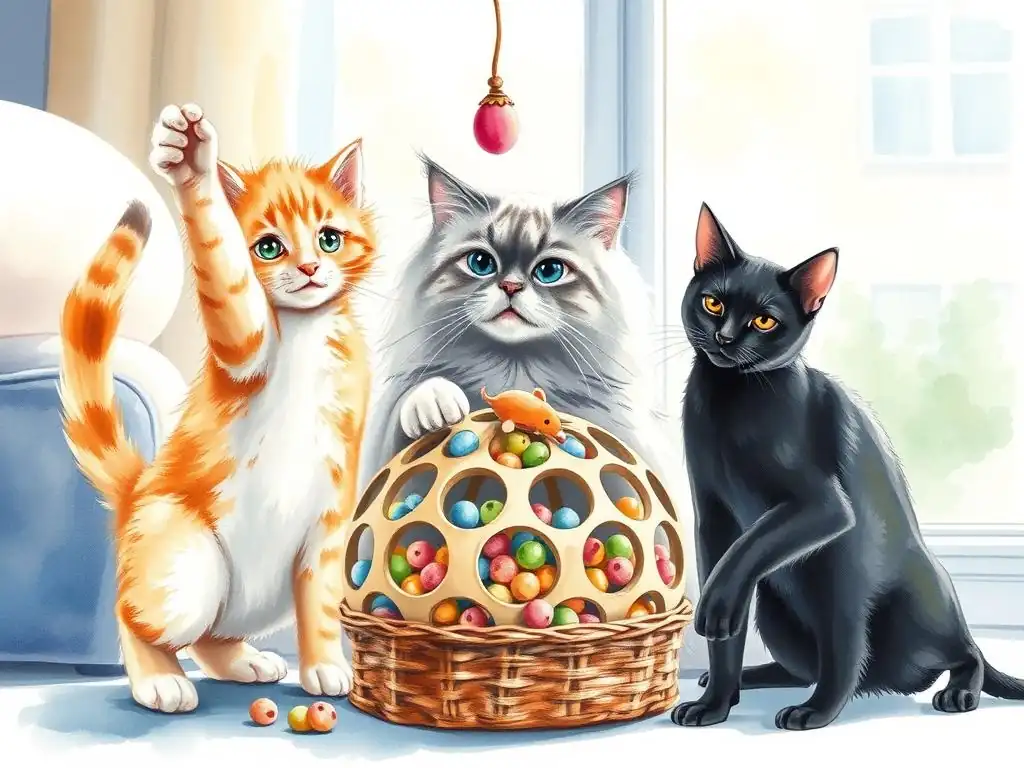
Choosing the right indoor cat enrichment games is crucial for maximizing their engagement and enjoyment. Cats, much like humans, possess unique personalities that influence their preferences and play styles. Ignoring these individual differences can lead to frustration for both you and your feline friend, resulting in under-stimulated cats and ultimately, less effective enrichment.
Understanding your cat's personality is the first step towards selecting the perfect games to stimulate their minds and bodies. This section will help you identify your cat's personality type and match it with appropriate enrichment activities. We'll explore how to tailor the gameplay to ensure a positive and rewarding experience.
Adapting Games for Different Cat Personalities (Playful, Shy, etc.)
Cats exhibit a wide spectrum of personalities, ranging from the exuberantly playful to the shy and cautious. A playful cat might relish chasing laser pointers across the floor, while a more reserved cat might prefer a slow, gentle puzzle feeder. Here's a breakdown of how to adapt games for different personality types:
- Playful Cats: These energetic felines thrive on interactive games that challenge their hunting instincts. Consider using toys that mimic prey, such as feathered wands, toy mice, or even interactive puzzle toys that dispense treats as a reward. Vary the types of games and toys to prevent boredom. Remember to end the play session on a high note to leave your cat wanting more.
- Shy or Anxious Cats: For shy cats, the key is to introduce games gradually and in a low-stress environment. Start with simple puzzle feeders that offer a reward without requiring excessive interaction. Avoid overly stimulating toys or games that might overwhelm them. Focus on building trust and positive associations with the game before increasing the level of difficulty or interaction. Quiet, solitary play is often better suited for these cats.
- Curious Cats: These inquisitive felines are eager to explore and investigate. Puzzle toys that require problem-solving skills are ideal for this personality type. Toys that involve hiding treats or require manipulating objects to access rewards will keep them engaged and mentally stimulated. Providing a variety of textures and scents also adds to the appeal.
- Independent Cats: Even independent cats benefit from enrichment. Offer a selection of toys that allow them to play alone, such as scratching posts, catnip toys, or self-play toys. Avoid forcing interaction, instead, provide options that cater to their preference for solitary play.
Considering Your Cat's Age and Physical Abilities
Just as human children's games change as they grow, so too should your cat's enrichment activities adapt to their age and physical condition. A senior cat with arthritis, for instance, won't be able to enjoy the same high-energy games as a rambunctious kitten. Consider these factors:
| Age Group | Suitable Games | Considerations |
|---|---|---|
| Kittens (0-6 months) | Interactive wand toys, small balls, puzzle feeders with easy-to-access treats | Supervise playtime closely; avoid small toys that could be swallowed. |
| Adult Cats (1-7 years) | A variety of interactive toys, puzzle feeders, climbing structures | Offer a mix of physical and mental challenges; rotate toys regularly. |
| Senior Cats (7+ years) | Low-impact toys, puzzle feeders with large openings, comfortable resting spots | Choose toys that are easy to manipulate; limit strenuous activity; prioritize comfort. |
Introducing New Toys Gradually
Introducing new toys abruptly can overwhelm your cat, especially if they are shy or have a cautious personality. A gradual introduction allows your cat to adjust to the new item at their own pace, fostering a positive association. Here's a step-by-step approach:
- Initial Observation: Place the new toy in a visible but easily accessible location. Allow your cat to approach and investigate it at their leisure, without any pressure.
- Scent Introduction: Cats rely heavily on their sense of smell. Allow your cat to sniff the new toy. If the toy is made of material they haven’t encountered before, this is an important step to reduce anxiety.
- Gentle Interaction: Once your cat shows interest, try gently moving the toy or interacting with it yourself, to pique their curiosity further. Avoid forceful interaction; let your cat lead the way.
- Reward and Positive Reinforcement: If your cat engages with the toy, reward them with praise, treats, or their favorite play session. This positive reinforcement strengthens the positive association with the new toy.
- Gradual Increase in Complexity: As your cat becomes more comfortable, gradually introduce more challenging aspects of the game or toy. If the toy is a puzzle feeder, start with easier puzzles and progress to more difficult ones.
By carefully considering your cat's individual personality, age, and physical abilities, and introducing new games gradually, you can create a stimulating and enjoyable environment that promotes their physical and mental well-being. Remember, the goal is to provide a variety of engaging activities that cater to your cat's unique needs, enhancing their quality of life as an indoor companion. 😻
Creating a Stimulating Play Environment for Your Indoor Cat
This section focuses on crafting a stimulating indoor environment specifically designed to meet your cat's natural instincts and prevent boredom, a common issue leading to behavioral problems in indoor cats. We'll explore practical strategies to transform your home into a feline paradise, promoting physical and mental well-being. Remember, a happy cat is an enriched cat!
This guide provides actionable steps towards achieving that goal, focusing on the key elements of an enriching indoor space for your feline companion. Strategic placement of toys and furniture plays a vital role in maximizing engagement and preventing your cat from becoming sedentary. The goal is to replicate, as much as possible, the natural hunting and exploration behaviors cats would engage in outdoors.
Designing a Cat-Friendly Indoor Space
Designing a cat-friendly indoor space involves more than just providing food and water. It’s about creating an environment that caters to your cat’s natural instincts and preferences. Consider the following points:
- Traffic Flow: Avoid placing food and water bowls near litter boxes. Cats prefer to eat and drink in locations separate from their waste elimination areas. This improves hygiene and reduces stress.
- Furniture Placement: Strategically position furniture to create natural pathways and climbing opportunities. This encourages exploration and physical activity. Avoid placing furniture in a way that restricts your cat’s movement.
- Sensory Stimulation: Incorporate various textures and materials in your cat’s environment. This could include scratching posts made of sisal, carpet, or cardboard; soft blankets; and even rougher surfaces like wood or stone. This variety provides sensory stimulation and helps prevent boredom.
- Temperature and Lighting: Cats are sensitive to temperature fluctuations and light levels. Ensure your home provides comfortable temperatures and a balance of light and shade. This is especially crucial during different times of the day. Consider using window perches for sunbathing opportunities.
- Safe Spaces: Identify and create quiet, secure zones where your cat can retreat when feeling overwhelmed or stressed. These safe havens are crucial for a cat's overall well-being.
Utilizing Vertical Space with Cat Trees and Shelves
Cats are naturally arboreal creatures; they love to climb and survey their surroundings from high vantage points. Utilizing vertical space is crucial for providing enriching opportunities and satisfying this innate instinct. Cat trees and shelves offer a fantastic solution:
- Strategic Placement: Position cat trees and shelves near windows to provide viewing opportunities. Cats enjoy watching birds, squirrels, and other outdoor activities.
- Variety of Levels: Choose cat trees and shelves with multiple levels and platforms to encourage climbing and exploration. This promotes physical activity and prevents boredom.
- Scratching Posts: Incorporate scratching posts into your cat tree or shelf system. This provides a designated area for scratching, preventing damage to your furniture. Different materials, such as sisal, carpet, and cardboard, can cater to various scratching preferences.
- Stability: Ensure all cat trees and shelves are sturdy and stable to prevent accidents. A wobbly structure can be stressful and even dangerous for your cat.
- Size and Scale: Select appropriately sized cat trees and shelves based on your cat’s size and weight. A large cat will need a more robust and spacious structure than a smaller kitten.
Providing Hiding Spots and Safe Retreats
Cats are crepuscular animals, meaning they are most active during dawn and dusk. They also have a natural instinct to seek out hiding places for safety and security. Providing hiding spots and safe retreats is essential for reducing stress and promoting a sense of security:
- Types of Hiding Places: Offer a variety of hiding places, such as cardboard boxes, tunnels, cat caves, or even furniture with enclosed spaces. The more options, the better. Variety is key to keeping your cat engaged and stimulated.
- Location: Position hiding spots in different areas of the house, including high and low locations. This allows your cat to choose the spot that best suits their mood and needs at any given time.
- Privacy: Ensure the hiding places are dark and secluded, providing a sense of privacy and security. This is particularly important for shy or anxious cats. The ability to retreat when needed is paramount for feline well-being.
- Accessibility: Make sure the hiding places are easily accessible to your cat. Avoid placing them in areas that are difficult to reach or navigate.
- Rotation: Regularly rotate or change hiding places to maintain interest and prevent your cat from becoming bored with the same old spots. This keeps the environment fresh and exciting.
This comprehensive approach to indoor cat enrichment is vital for maintaining your cat's physical and mental health, leading to a happier, healthier, and more well-adjusted feline companion. Remember, consistency and observation are key to understanding your cat's preferences and adjusting your enrichment strategy accordingly. 🎉
Safety Precautions When Using Interactive Games
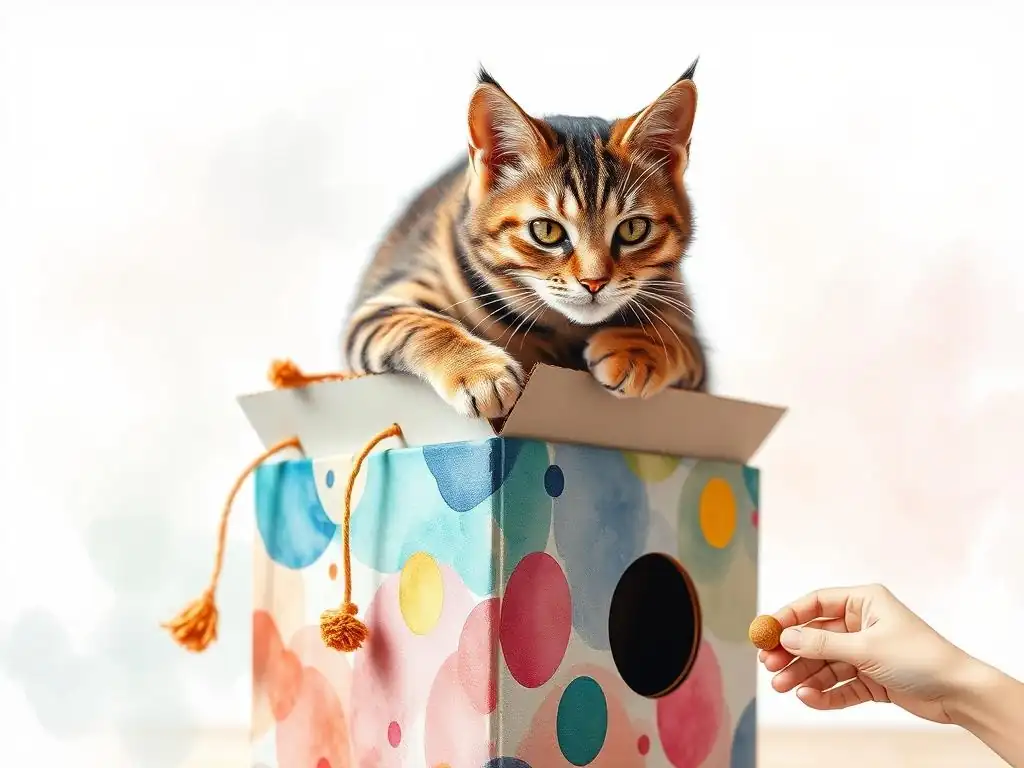
Interactive games are a fantastic way to enrich your indoor cat's life, providing mental stimulation and physical exercise. However, it's crucial to prioritize safety to prevent accidents and injuries. This section outlines essential safety precautions to ensure your feline friend enjoys playtime without risk. Remember, responsible enrichment is key to a happy and healthy cat. Properly implemented indoor cat enrichment games can drastically improve your cat's quality of life, reducing stress and boredom.
Choosing Safe and Durable Toys
Selecting the right toys is the first step towards safe and enriching playtime. Avoid toys with small, detachable parts that could pose a choking hazard. Opt for durable materials that can withstand enthusiastic play sessions. Consider the strength of your cat's chewing habits; some cats are more destructive than others. For kittens, particularly, look for toys designed for their age group and developmental stage, as their play can be quite vigorous. Here's a breakdown of toy material considerations:
- Natural Materials: Sisal rope toys, cardboard scratchers, and wooden toys are generally safe choices, provided they are appropriately sized and free from splinters or sharp edges. However, always supervise your cat with these, as some cats may be able to ingest small pieces.
- Synthetic Materials: Many synthetic materials are perfectly safe, but always check for durability and ensure they are non-toxic. Look for toys made from strong, non-fraying materials. Avoid toys that easily shed fibers, as these could be ingested.
- Avoid: Toys made from rubber bands, small beads, plastic bags, or anything that could easily be broken into small pieces. These present significant choking hazards.
The size of the toy is also critical. Ensure the toy is large enough that your cat cannot swallow it whole. Regularly inspect toys for any signs of damage or wear and tear. Replace any damaged toys immediately to prevent accidents.
Supervising Play Sessions
Even with the safest toys, supervision during playtime is essential. Cats can be unpredictable, and even the most durable toy can become a hazard if misused or damaged. Active supervision allows you to intervene if your cat attempts to swallow a piece of a toy or becomes overly aggressive during play. This is especially important for kittens and young cats, whose play can be quite rough.
Consider scheduling dedicated playtime sessions throughout the day, rather than leaving toys out unsupervised. This ensures your cat gets the attention and interaction they need, preventing boredom and destructive behavior. Interactive play, such as using a wand toy or laser pointer, also offers a great opportunity for bonding and strengthens the human-animal bond.
Remember, playtime should be fun and enriching, not stressful. If your cat shows signs of frustration or aggression, end the play session and try again later. Observe your cat's body language and adjust your approach accordingly.
Avoiding Choking Hazards
Choking is a serious risk for cats, especially with smaller toys or those that can easily break into pieces. Always choose toys appropriate for your cat's size and chewing habits. Regularly inspect toys for wear and tear and replace them immediately if any damage is found.
Here's a checklist to minimize choking hazards:
- [ ] Avoid small toys: Toys that are small enough to be swallowed whole pose a significant choking risk.
- [ ] Choose durable materials: Opt for robust materials that can withstand chewing and won't easily break apart.
- [ ] Supervise playtime: Constant supervision during play allows for immediate intervention if a toy breaks or your cat tries to swallow it.
- [ ] Check for loose parts: Regularly check toys for loose parts or pieces that could become detached and swallowed.
- [ ] Remove damaged toys: Discard any damaged or worn-out toys immediately.
Implementing these safety precautions will ensure that interactive games are a safe and enriching part of your indoor cat's life, promoting their physical and mental well-being. Remember, a safe and stimulating environment is crucial for a happy and healthy feline companion. Enjoy the playful moments with your cat! 😻
A Step-by-Step Guide to Introducing New Games
Introducing new interactive games to your indoor cat requires a thoughtful approach. A sudden influx of novel toys might overwhelm your feline friend, leading to avoidance rather than engagement. Instead, a gradual and observant introduction maximizes the chances of success and fosters a positive association with playtime. This section provides a step-by-step guide to seamlessly integrating new enrichment games into your cat's routine, promoting both physical and mental stimulation. This guide is crucial for maximizing the benefits of indoor cat enrichment games and ensuring your cat enjoys the experience.
Step 1: Observation and Assessment
Before introducing any new game, carefully observe your cat's current play style and preferences. Does your cat prefer chasing toys, batting at dangling objects, or solving puzzles? What types of textures and materials do they seem to enjoy? Note their energy levels throughout the day. Are they more playful in the morning or evening?
Understanding your cat's individual preferences is paramount to selecting appropriate games and maximizing engagement. For example, a highly energetic kitten will respond differently to a puzzle feeder than a senior cat with arthritis. Consider creating a simple log to track your cat's play behavior over a few days. This detailed observation will guide your selection of appropriate indoor cat enrichment games.
| Day | Time of Day | Activity Level | Preferred Toy Type | Notes |
|---|---|---|---|---|
| Monday | Morning | High | Feather wand | Very enthusiastic, chased for 15 minutes |
| Monday | Afternoon | Medium | Crinkle ball | Played for 5 minutes, then lost interest |
| Tuesday | Morning | Low | Puzzle feeder | Showed initial interest, solved one compartment |
This data provides valuable insight into your cat's play patterns, helping you choose games that cater to their individual needs and preferences. Remember, the goal is to select games that will both excite and challenge your cat, not overwhelm them.
Step 2: Gradual Introduction of the New Toy
Once you've selected a new game, don't simply present it and expect immediate engagement. Instead, introduce it gradually. Begin by placing the new toy in a familiar area, allowing your cat to investigate it at their own pace. Avoid forcing interaction. Some cats are naturally more cautious than others.
Let them sniff, explore, and get used to the sight and smell of the new toy before attempting any interaction. You can also try placing a familiar toy near the new one to ease the transition. This process of gradual introduction helps to avoid overwhelming your cat and build positive associations with the new game. Patience is key at this stage.
The key is to make the experience positive and rewarding for your cat. If they seem scared or stressed, remove the toy and try again later.
Step 3: Monitoring Your Cat's Reaction
Once your cat shows signs of interest in the new toy, you can begin to interact with them. Start with short play sessions, gradually increasing the duration as your cat's enthusiasm grows. Pay close attention to their body language. Signs of positive engagement include playful pouncing, batting, chasing, and vocalizations. However, if your cat displays signs of stress or fear – flattened ears, tucked tail, hissing, or avoidance – immediately stop the interaction and remove the toy.
Remember, the goal is to create a positive and enjoyable experience for your cat. Regular monitoring allows you to adjust the game's complexity and duration to maintain your cat's interest and prevent boredom or frustration. Remember to always prioritize your cat's comfort and well-being above all else. This attentive approach will ensure a successful introduction of new indoor cat enrichment games, maximizing the benefits and enjoyment for your feline companion. 🎉
Step 4: Adjusting the Game Based on Your Cat's Response
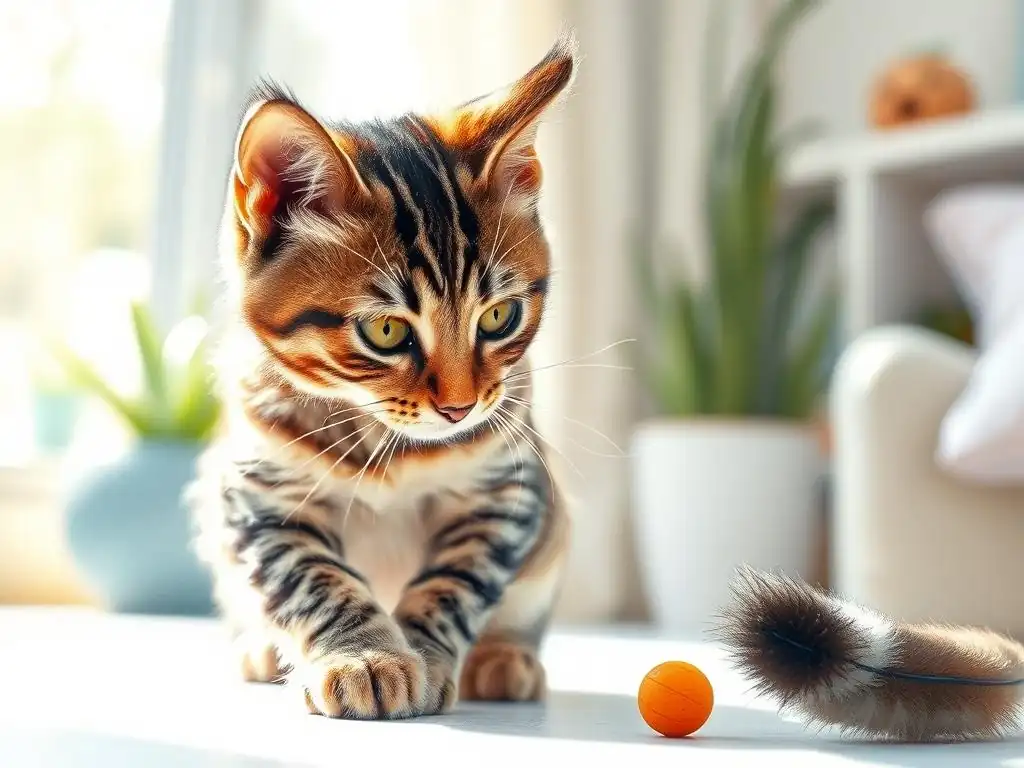
Introducing a new game isn't a one-size-fits-all process. Your cat's individual personality and preferences will heavily influence how they react. Observe your feline friend carefully during playtime. Is your cat intensely focused, batting playfully at the toy, or is their interest waning quickly? Understanding their cues is crucial for successful enrichment.
For instance, if your cat shows disinterest after only a few minutes, the game might be too complex, too simple, or just not stimulating enough for their current mood. Try adjusting the difficulty. If you're using a puzzle feeder, start with an easier level. If you're playing fetch with a toy on a string, slow down the movement and make the toy more predictable. Conversely, if your cat seems bored easily with simple games, you might need to increase the challenge. Introduce more complex puzzles, faster movements, or incorporate unpredictable elements into the game.
Remember that cats, like humans, have different moods and energy levels throughout the day. A game that's a hit in the morning might be met with indifference in the afternoon. Be flexible and adapt your approach accordingly. Don't force your cat to play if they seem uninterested; instead, try a different game or activity later. The goal is to create positive associations with playtime, not to cause stress or frustration.
A relaxed and playful approach will yield better results in the long run. Consider keeping a small journal to track your cat's responses to different games and their preferred play styles for future reference. This will help you curate the perfect playtime experience tailored to your cat's individual needs and preferences. This personalized approach will maximize enrichment and contribute significantly to your cat's overall well-being.
Step 5: Maintaining Engagement and Preventing Boredom
Even the most engaging games can become mundane if played repeatedly without variation. To keep your cat stimulated and prevent boredom, it's crucial to rotate games regularly. Introduce new toys and activities periodically, keeping some "old favorites" in the rotation to avoid overwhelming your cat. This variety is key to maintaining your cat's interest and preventing them from losing enthusiasm for playtime.
Think of it like a human's workout routine. Variety is key! You wouldn't do the same exercise every day; similarly, your cat needs a diverse range of stimulating activities. One week you might focus on puzzle feeders, the next on interactive wands, and the following week on hiding treats around the house. The unpredictability will keep your cat guessing and engaged. You can even create a "toy rotation" system, storing some toys away for a few weeks and then reintroducing them to make them feel "new" again.
Furthermore, consider incorporating environmental enrichment alongside interactive games. This could include things like cat trees, window perches, or scratching posts—all of which offer different forms of physical and mental stimulation. By creating a stimulating environment, you'll further enhance the effectiveness of your interactive games. Remember, the goal is to provide a rich and varied experience that promotes both physical activity and mental stimulation. A well-rounded enrichment strategy ensures your indoor cat thrives, even without access to the outdoors. The ultimate reward? A happy, healthy, and engaged feline companion. 🎉
Maintaining Your Cat's Interest in Interactive Games
Keeping your indoor cat engaged with interactive games requires a strategic approach. Cats, like humans, can get bored with repetitive activities. A key element of successful indoor cat enrichment is preventing this boredom and maintaining their interest over time. This involves understanding feline psychology and employing techniques to stimulate their natural hunting instincts and problem-solving abilities. The goal is to ensure that playtime remains exciting and rewarding, preventing your cat from losing interest in the games you provide. This section will provide practical tips and strategies to keep your feline friend stimulated and entertained.
Rotating Toys Regularly
One of the most effective ways to maintain your cat's interest in interactive games is to rotate their toys regularly. Just as we might tire of eating the same meal every day, cats can become less interested in toys they've played with extensively. A simple solution is to have a variety of toys and rotate them on a weekly or bi-weekly basis. This creates a sense of novelty and prevents the toys from becoming predictable.
Consider storing toys in different locations, or even using a rotating toy system where you introduce a new toy each week while putting away an older one. This ensures that your cat always has something fresh and exciting to explore. For example, you could have a box of "new" toys, and a box of "old" toys that you swap every two weeks.
This simple strategy can significantly extend the lifespan of your cat's enjoyment of their toys. Remember, variety is key to keeping your indoor cat stimulated and preventing them from losing interest in their play sessions. 😻
Adding New Challenges and Variations
Simply rotating toys isn't always enough. To truly maximize engagement, you need to introduce new challenges and variations to existing games. This could involve modifying how you use the toy, changing the environment in which the game is played, or even introducing puzzle elements. For example, if you use a wand toy, try varying the speed and patterns of your movements to keep your cat guessing.
You can also hide treats under furniture or in puzzle feeders to add a problem-solving element to the game. This taps into your cat's natural hunting instincts and keeps them mentally stimulated. Another idea is to change the location of playtime. Instead of always playing in the same room, move the game to a different area of the house.
This provides a change of scenery and can re-ignite your cat's interest in the game. The key is to keep them thinking and engaged. Think of it as providing "brain training" for your cat; it's just as important as physical exercise.
Using Treats and Rewards to Enhance Engagement
Positive reinforcement plays a crucial role in maintaining your cat's interest in interactive games. Using treats and rewards can significantly enhance engagement and make playtime a more rewarding experience. Reward your cat for successful hunting attempts during play sessions. This positive reinforcement strengthens the association between the game and a positive outcome (a delicious treat!).
The timing of the reward is critical; provide the treat immediately after your cat successfully "catches" the toy or completes a puzzle. This helps them understand the connection between their actions and the reward. You can also use clicker training in conjunction with treats to further enhance the learning process. The clicker acts as a marker, signaling the exact moment your cat performs the desired behavior.
This precise timing is more effective than simply giving a treat after the fact. Remember to choose healthy, high-value treats that your cat particularly enjoys to maximize the effectiveness of this method. By consistently rewarding your cat, you'll not only keep them engaged in playtime but also strengthen your bond with your feline companion.
Troubleshooting Common Problems with Indoor Cat Enrichment Games
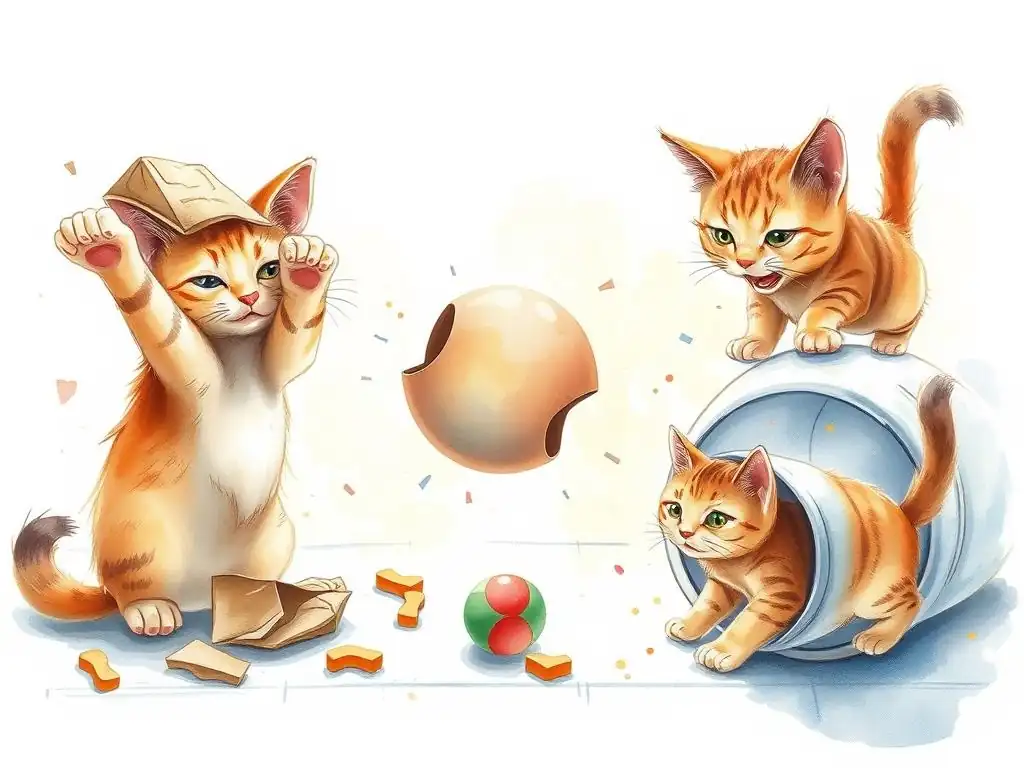
This section addresses common challenges pet owners face when introducing interactive games for indoor cat enrichment. We'll explore solutions to help you maximize your cat's engagement and enjoyment, fostering a stimulating and fulfilling environment for your feline companion. Remember, patience and observation are key to understanding your cat's individual preferences and adjusting your approach accordingly. Finding the right enrichment strategy involves trial and error, and what works for one cat might not work for another.
My Cat Isn't Interested in the New Toy
Many cat owners invest in exciting new toys only to find their cat completely ignoring them. This isn't necessarily a reflection on your cat's personality; it's often a matter of presentation and understanding feline preferences. Cats are notoriously picky!
Several factors could be at play:
- Lack of Instinctive Appeal: The toy may not trigger your cat's natural hunting instincts. Cats are hardwired to stalk, chase, and pounce. Ensure the toy offers movement, unpredictability, or a combination of both. Toys that mimic the movement of prey (like feathered wands or laser pointers) are often highly effective.
- Sensory Overload: Too much stimulation can actually be overwhelming for cats. If you introduce multiple new toys at once, your cat may become confused and less likely to engage with any of them. Start with one or two new toys and observe your cat's reaction.
- Incorrect Presentation: Cats often need an introduction to new toys. Don't just drop the toy in their favorite spot and expect them to play. Try teasing them with the toy, mimicking prey movement, or even dragging it across the floor to pique their interest. Consider the texture and sound of the toy – some cats prefer crinkly materials, while others prefer soft, plush toys.
- Timing and Environment: The time of day and your cat's overall mood can significantly impact their willingness to play. Avoid introducing new toys when your cat is already stressed, tired, or otherwise preoccupied. Choose a quiet, comfortable environment where they feel safe and secure.
My Cat Gets Bored Quickly with Games
Cats, particularly indoor cats, can develop a short attention span when it comes to play. This is natural, but it doesn't mean your enrichment efforts are failing. The key is to rotate toys and vary your play sessions to keep your cat engaged.
Here's how to combat boredom:
- Toy Rotation: Keep a variety of toys on hand and rotate them regularly. Put some toys away for a few weeks, then reintroduce them as "new" toys to rekindle your cat's interest. This simple strategy can make old favorites feel fresh and exciting again. Consider a dedicated toy box or storage system to manage your cat's toy collection.
- Vary Play Styles: Don't stick to the same game every time. Mix up the type of play – some days use a wand toy, other days a puzzle feeder, and other days a simple ball. This variety keeps the experience unpredictable and engaging.
- Increase the Challenge: As your cat masters a particular game, gradually increase the difficulty. For example, if you use a puzzle feeder, start with an easy level and gradually increase the complexity as your cat progresses. This keeps them mentally stimulated and prevents boredom.
- Environmental Enrichment: Remember that play isn't the only form of enrichment. Provide climbing structures, scratching posts, and window perches to offer diverse opportunities for exploration and activity. This holistic approach to enrichment is crucial for keeping your indoor cat happy and stimulated.
My Cat is Destructive with Toys
Some cats, especially kittens or those with high energy levels, can be quite destructive with their toys. This isn't necessarily a behavioral problem; it's often just a sign of enthusiastic play. However, it's important to choose durable toys and manage the situation to prevent damage to your home and ensure your cat's safety.
Here's what you can do:
- Durable Toy Selection: Opt for toys made from robust materials designed to withstand rough play. Avoid toys with small parts that could be swallowed or pose a choking hazard. Look for toys specifically labeled as "durable" or "heavy-duty."
- Supervise Play Sessions: Always supervise your cat during playtime, especially with new toys. This allows you to intervene if they start exhibiting destructive behavior. Redirect their attention to a more appropriate toy or activity if necessary.
- Provide Alternative Outlets: If your cat is excessively destructive, it might indicate a need for more physical or mental stimulation. Increase the frequency or duration of play sessions, introduce new toys regularly, and ensure your cat has plenty of opportunities to climb, scratch, and explore. Consider a sturdy scratching post to channel their destructive energy.
- Address Underlying Issues: In some cases, excessive destructiveness might indicate an underlying behavioral problem, such as stress or anxiety. If you suspect this is the case, consult with a veterinarian or a certified cat behaviorist to rule out any underlying medical or behavioral issues.
Remember, creating a stimulating environment for your indoor cat is an ongoing process. By understanding your cat's preferences and adjusting your approach as needed, you can provide them with the enrichment they need to thrive. The benefits extend beyond playtime; a happy, stimulated cat is a healthier, more well-adjusted companion.
Resources and Further Reading on Indoor Cat Enrichment
This section provides additional resources to deepen your understanding of indoor cat enrichment and expand your toolkit for keeping your feline friend happy and stimulated. We've compiled a list of valuable resources, categorized for easy navigation. Remember, a well-enriched environment is crucial for preventing behavioral problems and promoting a healthy, contented cat. Providing ample opportunities for play, exploration, and mental stimulation contributes significantly to your cat's overall well-being. This is especially vital for indoor cats, who may otherwise experience boredom and frustration.
Recommended Books and Websites
Finding reliable information on cat enrichment can be challenging. To help you navigate this, we've curated a selection of books and websites known for their accurate and insightful content on feline enrichment strategies. These resources offer in-depth information beyond the scope of this guide, covering various aspects of cat behavior and environmental enrichment. Remember to always consult with your veterinarian if you have any concerns about your cat's health or behavior.
Here's a starting point:
- Books: Consider exploring books focusing on feline behavior and enrichment. Look for titles that delve into the psychology of cats and offer practical advice tailored to indoor environments. Many excellent resources are available through reputable pet care publishers. [Specific book titles and authors pending] Look for books that emphasize positive reinforcement training methods.
- Websites: Reputable veterinary websites and those affiliated with animal welfare organizations often provide valuable information on cat enrichment. Search for websites that offer evidence-based advice and avoid those promoting potentially harmful practices. [Specific website names pending] Pay close attention to the credentials of the authors or contributors to ensure the information is accurate and reliable. Look for websites that offer a variety of enrichment ideas, catering to different cat personalities and energy levels.
Online Communities and Forums for Cat Owners
Connecting with other cat owners can be incredibly beneficial. Sharing experiences, seeking advice, and learning from others' successes and challenges can significantly enhance your approach to cat enrichment. These online communities offer a supportive environment where you can ask questions, share your own insights, and learn from the collective wisdom of experienced cat owners.
Here are some avenues to explore:
- Online Forums: Many online forums dedicated to cats provide spaces for discussions on various aspects of cat care, including enrichment. These forums can be a great place to find specific advice tailored to your cat's breed, age, and personality. [Specific forum names pending] Remember to always critically evaluate information found online and prioritize advice from trusted sources.
- Social Media Groups: Facebook groups and other social media platforms often host dedicated communities for cat owners. These groups frequently share enrichment ideas, product recommendations, and personal experiences, providing valuable insights and fostering a sense of community. [Specific group names pending] Be mindful of the information shared and focus on groups with active moderators who ensure the quality and accuracy of the content.
Remember, active participation in these communities should be approached responsibly. Always prioritize advice from veterinary professionals when dealing with health concerns or significant behavioral issues. The goal is to build a supportive network to assist in creating a stimulating and enriching environment for your indoor cat. 😻
Frequently Asked Questions
What are the benefits of indoor cat enrichment games?
Indoor cats often suffer from boredom and lack of stimulation, leading to behavioral issues. Enrichment games combat this by providing mental and physical exercise, improving their overall well-being and reducing stress. They also help strengthen the bond between you and your cat.
How much time should I dedicate to playing enrichment games with my cat?
The amount of playtime depends on your cat's energy levels and personality. Aim for at least two 15-20 minute play sessions daily, breaking them up throughout the day. Observe your cat's cues to determine their ideal playtime duration.
What types of enrichment games are best for indoor cats?
A variety is key! Consider puzzle feeders for mental stimulation, interactive toys like wands or laser pointers for physical activity, and hiding games using treats or toys to engage their hunting instincts. Rotate toys regularly to prevent boredom.
Are there any safety considerations when choosing enrichment games?
Always supervise playtime, especially with small or easily swallowed toys. Ensure toys are durable and non-toxic. Avoid toys with small parts that could pose a choking hazard. Prioritize your cat's safety and well-being above all else.
My cat seems disinterested in the enrichment games I've tried. What should I do?
Try different types of games and toys. Experiment with various textures, sounds, and scents. Start with short play sessions and gradually increase the duration. Positive reinforcement with treats or praise can also encourage participation. Consider consulting a veterinarian or feline behaviorist if the problem persists.
Final Reflection: Unlocking Joy: The Enduring Power of Play for Indoor Cats
The simple act of play is not merely a pastime for our feline companions; it's a cornerstone of their physical and mental well-being, especially for indoor cats. The lack of stimulating environments can lead to behavioral issues, and the games and activities detailed in this guide offer a crucial pathway to a happier, healthier life for your beloved cat.
This exploration into interactive games has underscored for me the profound connection between environmental enrichment and feline happiness. It's easy to overlook the subtle signs of boredom or frustration in our indoor cats, but the rewards of providing engaging activities are immeasurable. A cat's life is a game; it is a game of hunting, stalking, pouncing, and catching.
This quote perfectly encapsulates the inherent need for play in a cat's nature, a need we, as responsible owners, must strive to fulfill.
Now, consider your own cat. What sparks their curiosity? What activities make their eyes light up with excitement? Take the knowledge gained from this guide and use it to create a personalized enrichment plan for your feline friend. Experiment with different games, observe their reactions, and tailor your approach to their unique personality. Remember, the journey of enriching your cat's life is an ongoing process of discovery and connection, a testament to the enduring bond you share. Let's work together to ensure our indoor cats live lives filled with joy, engagement, and the simple pleasure of play.
Unleash Your Cat's Inner Hunter: Level Up Their Playtime!
Thanks for exploring the world of interactive cat games with us! We hope you've discovered fun and enriching ways to keep your feline friend entertained and stimulated. Ready to put this new knowledge into practice?
- Design your cat's ultimate play zone: Consider your cat's unique personality and preferences when choosing interactive toys and activities. Think beyond the usual store-bought items – perhaps a puzzle feeder to challenge their problem-solving skills, a DIY climbing structure to satisfy their natural instincts, or even a laser pointer game with added complexity, like moving the dot along unpredictable paths.
- Share your successes (and failures!): Let us know in the comments below which games were a hit with your cat (and which ones were hilariously unsuccessful!). Let's build a community of cat enrichment experts together!
- Capture the fun: Take a photo or video of your cat enjoying their new interactive game and share it on social media using #PetCareWorldPlaytime.
Ready to transform your cat's playtime and strengthen your bond? What creative enrichment ideas will you try first?