
The Truth About Ash Content in Cat Food and Urinary Problems

Welcome to PetCareWorld, your ultimate guide to a happier, healthier life for your beloved companions! Are you concerned about your cat's urinary health? We delve into the often-overlooked connection between cat food ash content and urinary issues, revealing crucial insights that could significantly impact your feline friend's well-being. Discover the truth and empower yourself with knowledge to make informed choices – explore our expert analysis on "The Truth About Ash Content in Cat Food and Urinary Problems" now.
- Understanding Ash Content in Cat Food and its Impact on Urinary Tract Health
-
Linking Ash Content to Specific Urinary Issues in Cats
- Feline Idiopathic Cystitis (FIC) and Dietary Factors
- Struvite and Calcium Oxalate Crystals: The Connection to Ash Content
- Diagnosing Urinary Tract Issues Related to Diet
- The Importance of Veterinary Consultation for Urinary Problems
- Understanding the Role of Magnesium in Cat Food and Urinary Health
- The Connection Between Phosphorus and Ash Content in Relation to Urinary Problems
- Choosing Cat Food with Optimal Ash Content for Urinary Health
- Beyond Ash Content: Other Factors Affecting Urinary Health
- Case Study: A Cat's Journey to Urinary Health Through Dietary Changes
- Conclusion: Maintaining Urinary Health Through Informed Cat Food Choices
-
Frequently Asked Questions
- What is ash content in cat food, and why is it important for urinary health?
- How does high ash content lead to urinary problems in cats?
- What is the ideal ash content percentage in cat food for preventing urinary issues?
- My cat has already developed urinary problems. Can changing its food to one with lower ash content help?
- Are there any other factors besides ash content that affect feline urinary health?
- Final Reflection: Understanding Ash Content: A Path to Feline Wellness
- Unleash Your Cat's Urinary Health: Take Action Today!
Understanding Ash Content in Cat Food and its Impact on Urinary Tract Health
Maintaining your cat's urinary tract health is paramount to their overall well-being. A seemingly insignificant ingredient listed on cat food labels – ash content – can significantly influence this crucial aspect of feline health. This article delves into the often-misunderstood world of ash content in cat food, exploring its composition, measurement, and crucial role in preventing urinary tract issues. We'll examine how different mineral levels impact feline urine and ultimately, your cat's health.
Understanding these factors empowers you to make informed decisions about your cat's diet and contribute to a longer, healthier life for your beloved companion. Choosing the right food can be the difference between a happy, healthy cat and one facing serious urinary complications. Let's unravel the truth about ash content and its impact on your cat's urinary tract health.
What is Ash Content in Cat Food?
Ash content in cat food represents the inorganic mineral residue remaining after the complete combustion of all organic matter in the food. This isn't simply leftover "ash" in the literal sense; rather, it's a measure of the total mineral content present. These minerals are essential for various bodily functions, including bone health, enzyme activity, and nerve transmission. However, an imbalance or excessive intake of certain minerals can contribute to the formation of urinary crystals and stones, leading to painful and potentially life-threatening urinary tract infections (UTIs) and other problems.
The key is balance: sufficient minerals for proper bodily functions, but not so much that they disrupt the delicate equilibrium of your cat's urinary system. Understanding the specific minerals contributing to the ash content is crucial for informed decisions about your cat's diet. For example, high levels of phosphorus or magnesium can be particularly problematic.
Measuring Ash Content: Percentage and Interpretation
Ash content is expressed as a percentage on cat food labels, typically ranging from 6% to 8%, although this can vary significantly depending on the ingredients and formulation. A higher percentage doesn't automatically indicate inferior quality; it simply reflects the overall mineral concentration. However, consistently high ash content, especially when coupled with other factors like the specific mineral profile, might raise concerns. It is crucial to look beyond just the percentage and analyze the type of minerals contributing to that percentage.
A detailed ingredient list, often found on premium cat food brands, provides more insight into the specific mineral sources and their quantities. This allows for a more nuanced understanding of potential risks and benefits. Always compare ash content across different brands and formulations, keeping in mind the overall nutritional profile of the food.
The Role of Minerals in Cat Urine and Urinary Tract Health
The minerals present in cat food directly influence the composition of their urine. Minerals like magnesium, phosphorus, calcium, and sodium play a significant role. An excess of certain minerals, particularly magnesium and phosphorus, can lead to the formation of struvite crystals, a common cause of feline lower urinary tract disease (FLUTD). Conversely, a deficiency in other minerals can also negatively impact urinary health.
Maintaining a balanced mineral intake is therefore crucial for preventing crystal formation and maintaining the proper pH level of urine. This underscores the importance of selecting cat food with a carefully formulated mineral profile, tailored to the specific needs of your feline companion and their age, breed, and overall health status. Consulting with a veterinarian can provide personalized guidance on selecting the most appropriate food to mitigate urinary health risks. Remember, prevention is always better than cure when it comes to your cat's urinary health.
High Ash Content and the Risk of Urinary Crystals and Stones in Cats
High ash content in cat food is a significant factor contributing to the formation of urinary crystals and stones in cats. Ash, primarily composed of minerals like calcium, phosphorus, magnesium, and potassium, represents the inorganic residue remaining after food is incinerated. While some minerals are essential for feline health, excessive intake can disrupt the delicate balance of the urinary system. This imbalance can lead to the precipitation of minerals in the urine, forming crystals. Over time, these crystals can aggregate and solidify, creating urinary stones that can cause severe pain, blockage, and even life-threatening complications.
The precise relationship between ash content and urinary problems isn't simply a matter of higher ash equating to higher risk. The type and bioavailability of minerals also play crucial roles. For instance, high levels of magnesium and phosphorus, common components of ash, are particularly implicated in the formation of struvite crystals, a prevalent type of feline urinary stone.
Conversely, a diet deficient in certain minerals can also contribute to stone formation, highlighting the complexity of mineral balance in feline nutrition. It's not just the total ash content that matters; the specific mineral composition within that ash is equally, if not more, important.
Many commercially available cat foods list ash content on their nutritional labels, usually expressed as a percentage of the dry matter. However, interpreting this information requires understanding the context. A seemingly high ash percentage might be misleading if the minerals are predominantly from highly digestible sources and contribute to overall health.
Conversely, a lower ash percentage doesn't guarantee a low risk of urinary problems if the food contains other ingredients known to promote crystal formation. Therefore, focusing solely on the ash percentage without considering other factors such as the specific mineral profile and overall formulation can be an oversimplification and potentially lead to incorrect conclusions.
Understanding the source of the minerals contributing to ash content is also vital. Some minerals are naturally present in meat and organ sources, while others are added during manufacturing. The bioavailability of these minerals differs significantly. Minerals from natural sources might be more readily utilized by the cat's body, reducing the likelihood of excess accumulation in the urine. Conversely, added minerals might have higher bioavailability, increasing the risk of urinary problems. This nuanced distinction underscores the importance of considering the entire nutritional profile of the cat food, rather than focusing solely on the ash content.
For cat owners concerned about urinary health, choosing a cat food with a moderate ash content, and a balanced mineral profile, is crucial. Consulting a veterinarian is highly recommended to determine the most suitable diet for your cat, taking into account its breed, age, activity level, and any pre-existing health conditions. They can provide personalized recommendations and address specific concerns regarding urinary health, ensuring your cat receives optimal nutrition and minimizing the risk of developing urinary crystals or stones. Remember, a proactive approach to feline nutrition plays a vital role in preventing this potentially serious health issue.
Linking Ash Content to Specific Urinary Issues in Cats
Understanding the relationship between ash content in cat food and urinary problems requires a nuanced approach. High ash content, often misinterpreted as a simple indicator of mineral content, can contribute to several feline urinary tract issues. The key is not just the amount of ash, but also the type of minerals present and their bioavailability. This section delves into specific urinary problems linked to dietary ash and provides insights into mitigating risks. Remember, always consult a veterinarian for diagnosis and treatment of urinary issues in your cat. Early intervention is crucial for optimal feline health.
Feline Idiopathic Cystitis (FIC) and Dietary Factors
Feline Idiopathic Cystitis (FIC), a common and frustrating feline urinary problem, is characterized by inflammation of the bladder without any identifiable underlying infection or structural abnormality. While the exact etiology of FIC remains unclear, dietary factors, including the mineral composition of cat food, are implicated as potential contributors. High levels of certain minerals in the diet, reflected in elevated ash content, may contribute to the formation of crystals or increase urinary tract irritation.
Some studies suggest a link between high magnesium and phosphorus levels (often reflected in higher ash content) and increased FIC risk. However, the relationship isn't straightforward, and more research is needed to fully understand the complex interplay between diet and FIC development.
A balanced diet with appropriate mineral levels is crucial for supporting urinary tract health and potentially reducing FIC recurrence. Many commercial cat foods now focus on lower ash content formulations specifically designed to help manage FIC.
Struvite and Calcium Oxalate Crystals: The Connection to Ash Content
The formation of struvite and calcium oxalate crystals in the urine is a significant concern in cats. These crystals can lead to the development of urinary stones (uroliths), causing pain, blockage, and potentially life-threatening complications. Dietary management plays a vital role in preventing and managing crystal formation. High ash content, particularly from excessive phosphorus and magnesium, can contribute to struvite crystal formation. Conversely, high calcium levels, although not directly reflected in ash content in the same way, can contribute to calcium oxalate crystal formation.
A balanced diet with controlled levels of these minerals is essential. Veterinarians often recommend prescription diets tailored to dissolve existing crystals and prevent new formation based on the specific type of crystals present. These prescription diets usually carefully manage ash content and overall mineral balance. Monitoring urine pH is also crucial in managing crystal formation, as it influences the solubility of different crystal types. 🐾
Diagnosing urinary tract issues linked to diet requires a comprehensive approach. A thorough veterinary examination, including a complete blood count, urinalysis, and urine culture, is necessary to identify the underlying problem. The veterinarian will assess the cat's overall health, evaluate the urine for crystals or infection, and consider the dietary history.
Providing your veterinarian with detailed information about your cat's food, including the brand, ingredients, and ash content, is vital. This information aids in determining if dietary modifications are necessary. The vet might recommend a change to a lower ash content diet, a prescription diet formulated to manage specific crystal types, or a diet with adjusted mineral levels.
Regular follow-up appointments are essential to monitor the cat's progress and ensure the effectiveness of the dietary intervention. Remember, early detection and intervention are key to successfully managing urinary tract issues in cats. A collaborative approach between the pet owner and veterinarian is crucial for optimal feline health and well-being.
The Importance of Veterinary Consultation for Urinary Problems
Diagnosing and treating feline urinary tract issues requires professional veterinary assessment. While understanding ash content in cat food is a crucial piece of the puzzle when considering urinary health, it's only one factor among many. A veterinarian can perform a thorough physical examination, including palpation of the abdomen to check for bladder distension or pain, and may order diagnostic tests such as urinalysis, blood work, and radiography (X-rays) or ultrasound to pinpoint the exact cause of the urinary problem. These tests can reveal the presence of crystals, infections, inflammation, or other underlying conditions that might not be apparent from simply analyzing the food's ash content.
Relying solely on information about ash content to address urinary issues could lead to delayed or inadequate treatment, potentially worsening the cat's condition and causing long-term health problems. A veterinarian can also differentiate between various types of urinary tract diseases, such as FLUTD (Feline Lower Urinary Tract Disease), which encompasses a range of conditions, and determine the appropriate course of action, including dietary changes, medication, or other therapeutic interventions. Ignoring professional advice and self-treating based on limited information can be harmful to your cat's health and well-being. Therefore, a visit to a veterinarian is paramount for any cat exhibiting signs of urinary problems, regardless of the ash content in its food.
They can provide a comprehensive diagnosis and create a tailored treatment plan addressing the root cause of the issue, leading to a much better outcome for your feline companion. Early intervention is key to preventing serious complications and ensuring your cat's comfort and long-term health. Remember, responsible pet ownership includes seeking professional veterinary care when necessary.
Understanding the Role of Magnesium in Cat Food and Urinary Health
Magnesium is a mineral present in cat food, and its levels, while often indirectly related to ash content, can influence urinary health. High levels of magnesium in the diet can contribute to the formation of struvite crystals, a common cause of urinary stones in cats. These crystals can obstruct the urethra, causing excruciating pain and potentially leading to life-threatening urinary blockage. Conversely, a deficiency in magnesium can also negatively impact urinary health, although it's less commonly associated with crystal formation.
The balance is crucial. While the total ash content provides a general indication of mineral content, it doesn't specifically quantify magnesium levels. Therefore, careful consideration of the specific ingredient list and nutritional information on the cat food label is necessary to assess magnesium levels. Some cat foods specifically designed for urinary health may have lower magnesium content to reduce the risk of struvite crystal formation.
However, it’s important to remember that altering magnesium levels in a cat's diet should always be done under the guidance of a veterinarian. They can assess your cat's individual needs and recommend an appropriate diet to maintain optimal urinary health, considering factors beyond just magnesium and ash content. Self-adjusting a cat's diet based solely on an understanding of magnesium and ash content could lead to nutritional imbalances with potentially serious consequences.
The Connection Between Phosphorus and Ash Content in Relation to Urinary Problems
Phosphorus is another mineral significantly contributing to the overall ash content in cat food. High levels of phosphorus can exacerbate certain urinary tract problems, particularly those involving calcium oxalate crystals. These crystals are less soluble than struvite crystals and are more resistant to dissolution, making them a more challenging urinary health concern. While the total ash content doesn't isolate phosphorus, it offers a general indication of the mineral profile.
A diet high in phosphorus can increase the risk of calcium oxalate crystal formation, leading to painful urinary stones and potential blockages. Therefore, selecting cat food with a moderate phosphorus content is crucial for cats prone to calcium oxalate urinary issues. However, it is essential to understand that phosphorus is also vital for several bodily functions, including bone health and energy metabolism. A deficiency can be just as detrimental as an excess.
Therefore, managing phosphorus intake requires a balanced approach. Consulting a veterinarian is crucial to determine the appropriate phosphorus level in your cat's diet based on its individual health needs and existing urinary conditions. They can help you choose a cat food that maintains a healthy balance of phosphorus, minimizing the risk of complications while ensuring adequate nutritional intake. It's important to remember that simply focusing on reducing ash content without considering specific mineral levels (such as phosphorus) might not effectively address the underlying urinary health concerns.
Choosing Cat Food with Optimal Ash Content for Urinary Health
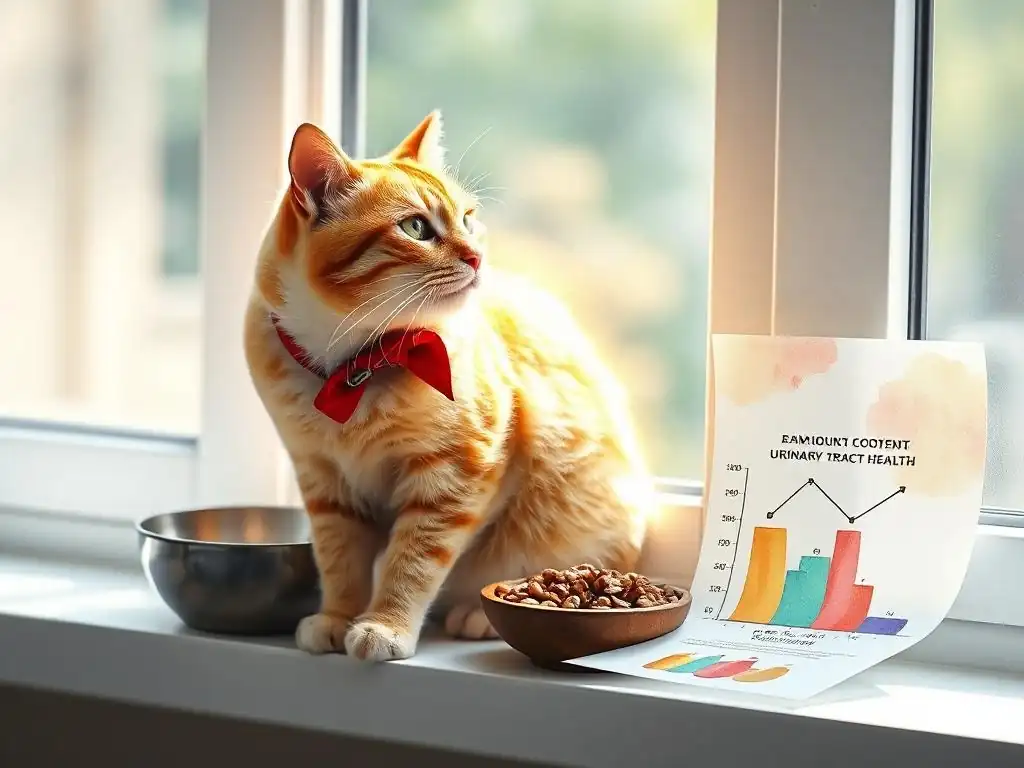
Selecting the right cat food is crucial for maintaining your feline companion's urinary health. High ash content in cat food is often linked to the development of feline lower urinary tract disease (FLUTD), a prevalent and potentially serious condition. Understanding ash content and its impact on urinary health is therefore paramount for responsible pet ownership.
This section will guide you through choosing cat food with optimal ash content to minimize the risk of urinary issues in your cat. We'll explore how to interpret labels, understand recommended levels, and identify food types that best support urinary tract health. Remember, always consult your veterinarian for personalized dietary advice, especially if your cat has pre-existing urinary problems.
Deciphering Cat Food Labels: Identifying Ash Content
Finding the ash content on a cat food label might seem daunting at first, but it's simpler than you think. Look for the "Guaranteed Analysis" section on the back of the package. This section lists the minimum or maximum percentages of various nutrients, including crude protein, crude fat, crude fiber, and crucially, ash. The ash content represents the inorganic mineral residue remaining after the food has been completely incinerated.
This isn't the total mineral content; rather, it’s a measure of the total mineral inorganic content. A higher ash percentage often indicates a higher concentration of minerals, some of which can contribute to urinary problems if consumed in excess. For example, a label might state "Ash: 7.0% max".
This means the food contains no more than 7% ash. Pay close attention to this figure when comparing different cat food brands and formulations. Remember to always compare the percentage of ash, not just the raw number, as different sized bags have different total ash weights.
Recommended Ash Content Levels for Cats with Urinary Issues
The ideal ash content for cats, particularly those prone to urinary issues, is generally considered to be below 7%. While some sources suggest a slightly higher tolerance, keeping the ash content lower is a safer bet. Lower ash content generally means fewer minerals that could contribute to the formation of urinary crystals, a major cause of FLUTD. However, it's important to note that too low an ash content can also be problematic, as it may indicate a deficiency in essential minerals. The key is to strike a balance.
Always consult your veterinarian to determine the appropriate ash content for your cat's specific needs and health status. They can assess your cat's individual risk factors and recommend a suitable dietary plan. They may also recommend specific urinary tract support diets. Furthermore, factors like your cat's age, breed, and overall health can influence the recommended ash content.
Types of Cat Food Best Suited for Urinary Tract Health
Several types of cat food are formulated to support urinary tract health, often featuring lower ash content and controlled mineral levels. These include:
- Prescription Diets: These are specifically formulated by veterinarians to address urinary issues and often have significantly lower ash content than regular commercial cat food. They are generally only available through a veterinary clinic.
- Veterinary Diets: These are similar to prescription diets but may have slightly less strict requirements and may be available through pet stores as well. They still often feature controlled mineral levels and lower ash content.
- Commercial Cat Foods with Urinary Support Formulas: Many commercial brands offer cat food lines specifically designed for urinary health. These often highlight "low ash" or "urinary support" on the packaging. Always check the guaranteed analysis to verify the actual ash content.
Choosing the right type of food is crucial, but remember that regular monitoring of your cat's urinary health, including providing plenty of fresh water and observing urination habits, is just as important. A balanced approach to diet and lifestyle management is key to preventing and managing FLUTD. The information provided here is for educational purposes; always consult your veterinarian for professional advice tailored to your cat's individual needs. Don't hesitate to ask questions! Early detection and intervention are crucial in managing feline urinary tract issues.
Ingredients to Look For and Avoid in Cat Food for Urinary Health
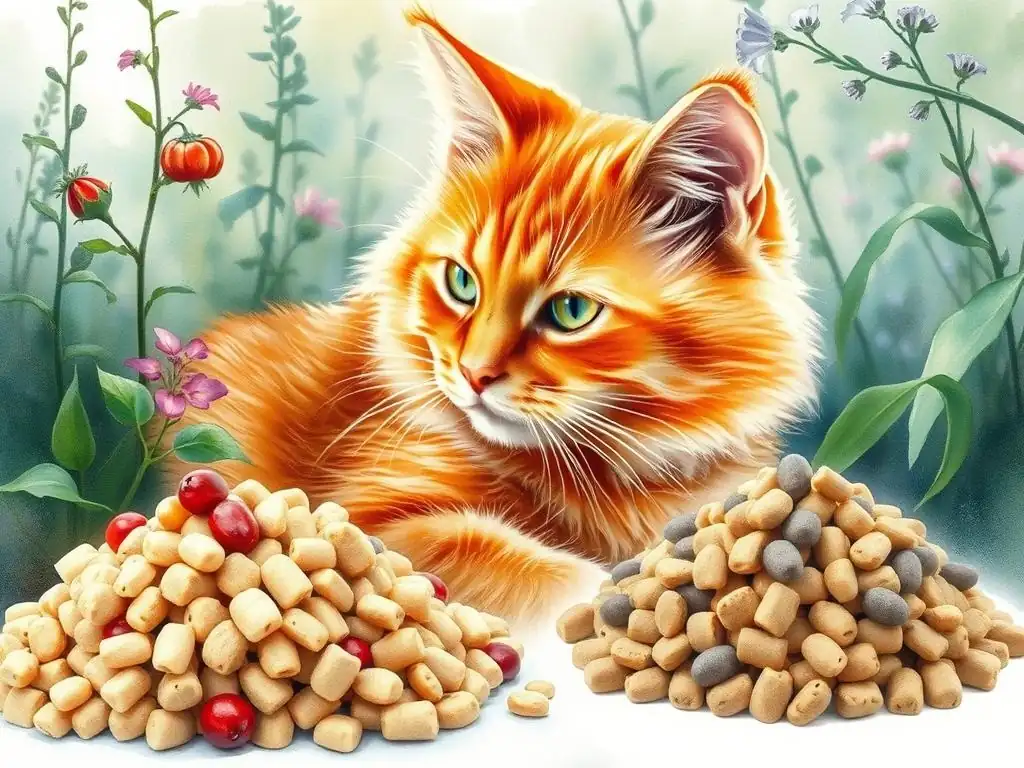
Choosing the right cat food to mitigate urinary issues requires a careful examination of the ingredient list. Understanding what to look for and what to avoid is crucial for maintaining your cat's urinary tract health. High-quality ingredients are the cornerstone of a healthy diet, directly impacting your cat's overall well-being and reducing the risk of urinary tract problems.
Firstly, focus on protein sources. Look for cat foods that list named meat sources, such as chicken, turkey, or fish, as the primary ingredients. Avoid vague terms like "meat by-products" or "animal digest," as these can be of lower quality and less digestible. The protein content itself should be substantial, typically around 30-40% of the dry matter, to support healthy muscle mass and overall bodily functions, including kidney function. Insufficient protein can lead to muscle wasting and potentially exacerbate urinary issues.
Secondly, pay close attention to the fat content. While essential for energy and nutrient absorption, excessive fat can contribute to weight gain, which is a risk factor for feline urinary tract diseases (FUD). Aim for a moderate fat content, typically around 15-20% of the dry matter, and choose healthier fat sources like chicken fat or fish oil over less desirable options.
Thirdly, fiber is essential for healthy digestion and can help regulate bowel movements, indirectly impacting urinary health. Look for foods containing soluble fiber sources like beet pulp or psyllium husk, which can aid in maintaining a healthy urinary pH. However, avoid excessive fiber, as it can cause digestive upset.
Finally, and critically for this article's focus, minimize ash content. Ash is the mineral residue left after incineration and represents the total mineral content of the food. While some minerals are essential, excessive ash can contribute to the formation of urinary crystals and stones. Aim for cat foods with a relatively low ash content, generally below 7%.
This is a key factor in preventing or managing feline lower urinary tract disease (FLUTD). Always compare the ash content across different brands and formulations to make an informed choice. Remember, consistently monitoring your cat's urinary health through regular vet check-ups is crucial, irrespective of the food you choose.
Transitioning Your Cat to a New Diet: A Gradual Approach
Switching your cat's food, especially when addressing urinary issues, requires a gradual and careful approach. A sudden change can cause digestive upset and stress, potentially worsening existing problems. A slow transition minimizes the risk of these adverse reactions and allows your cat's digestive system to adapt smoothly to the new food.
The most effective method is a gradual mixing process. Start by mixing a small amount (approximately 25%) of the new food with the old food for the first 3-5 days. Observe your cat closely for any signs of digestive distress, such as vomiting, diarrhea, or changes in appetite. If you notice any problems, slow down the transition or consult your veterinarian.
Over the next few days, gradually increase the proportion of the new food while decreasing the amount of the old food. Increase the new food by 25% every 3-5 days until your cat is completely transitioned to the new diet. This usually takes about 2-3 weeks. This slow and steady approach allows your cat's body to adjust to the new ingredients and nutrient profile without experiencing significant discomfort.
During this transition period, monitor your cat's urine output and consistency. Any changes should be reported to your veterinarian. Provide fresh water at all times to encourage adequate hydration, which is essential for urinary health. Remember, patience is key. Some cats adapt more quickly than others, and it’s crucial to respect your cat's individual pace.
A successful transition will lead to improved urinary health and a happier, healthier cat. Remember to always consult with your veterinarian before making significant dietary changes, particularly if your cat has pre-existing health conditions. They can provide personalized advice and monitor your cat's progress throughout the transition.
Beyond Ash Content: Other Factors Affecting Urinary Health
While ash content in cat food is a crucial factor to consider when addressing feline urinary health, it's not the only piece of the puzzle. Several other aspects significantly influence the risk of developing urinary tract issues in cats. Understanding these interconnected factors is vital for providing optimal care and preventing health problems. Ignoring these other contributing factors, even with a low-ash diet, can leave your cat vulnerable. This section delves into key elements beyond ash content that impact urinary tract health in cats.
Hydration: The Crucial Role of Water Intake
Maintaining adequate hydration is paramount for preventing urinary tract problems in cats. Water helps flush out waste products, preventing the formation of crystals and stones that can lead to urinary tract blockages. Dehydration concentrates urine, increasing the risk of mineral crystallization.
Many factors influence water intake. Some cats simply prefer to drink less water than others, while certain medical conditions can lead to dehydration. Kidney disease, for example, often manifests with increased thirst and urination, but the cat might still become dehydrated despite drinking more. Dry food, compared to wet food, contributes less to a cat's daily water intake, further highlighting the importance of providing fresh, clean water at all times.
Consider these tips to encourage water consumption:
- Multiple water bowls: Place bowls in various locations throughout the house, including at different levels (e.g., high and low).
- Water fountains: The running water often appeals more to cats than still water.
- Adding flavor: While not recommended for long-term use, you can temporarily add a small amount of low-sodium broth or tuna water (ensure it's unsalted) to entice your cat to drink more. Always consult your vet before making dietary changes.
- Wet food: Increase the proportion of wet food in your cat's diet as it contains a higher water content.
Monitoring your cat's urine output is also crucial. Changes in frequency or appearance (cloudy, bloody) should prompt a veterinary visit. Early detection of urinary issues can significantly improve the outcome. 💧
Weight Management and its Influence on Urinary Health
Obesity is a significant risk factor for a variety of feline health problems, including urinary tract issues. Excess weight puts added strain on the kidneys and urinary system, increasing the chance of crystal formation and blockages. Overweight cats are also more prone to developing diabetes and other metabolic disorders, which can further compromise urinary health.
Maintaining a healthy weight for your cat involves a combination of factors:
- Appropriate portion control: Follow the feeding guidelines on your cat food packaging, adjusting based on your cat's age, activity level, and body condition score (BCS). Your veterinarian can help you determine your cat's ideal weight and provide guidance on portion sizes.
- Regular exercise: Encourage physical activity through play sessions, interactive toys, and climbing opportunities. Even indoor cats need regular exercise to stay healthy.
- High-quality diet: Choose a cat food that's formulated to meet your cat's specific nutritional needs, avoiding foods high in calories and fat.
Regular veterinary check-ups, including weight monitoring and BCS assessment, are essential for early detection and management of obesity. A healthy weight significantly reduces the risk of urinary tract problems and other health complications. ⚖️
Stress and its Impact on Feline Urinary Tract Health
Stress is a surprisingly potent factor contributing to feline idiopathic cystitis (FIC), a common and frustrating urinary problem. Stress can manifest in various ways, including changes in litter box habits (increased urination outside the box, straining), increased vocalization, hiding, and changes in appetite.
Sources of stress for cats can be numerous:
- Changes in the household: New pets, moving, renovations, or even changes in family routines can trigger stress.
- Multi-cat households: Competition for resources (food, water, litter boxes, attention) can lead to significant stress between cats.
- Environmental factors: Loud noises, unfamiliar smells, or lack of safe spaces can also contribute to stress.
Managing stress involves identifying and mitigating potential stressors. Providing multiple litter boxes, safe spaces (e.g., cat trees, hiding places), and consistent routines can help reduce stress levels. Feliway diffusers, which release feline pheromones, can also have a calming effect. In severe cases, your veterinarian might recommend medication or behavioral modification techniques. Recognizing and addressing stress is crucial for preventing and managing feline urinary issues. 🐱
Litter Box Habits and Environmental Factors
Maintaining a clean litter box is paramount in preventing urinary tract issues in cats. Cats are fastidious creatures and a dirty litter box can lead to them holding their urine, increasing the risk of urinary tract infections (UTIs) and other problems. Regular scooping, at least once a day, is essential, removing solid waste and clumps promptly. The frequency of complete litter box changes depends on the type of litter used and the number of cats, but generally, a full change every 1-2 weeks is recommended.
Consider the size of the litter box as well; it should be large enough for your cat to comfortably turn around and eliminate without feeling cramped. Multiple litter boxes, especially for multi-cat households, are highly recommended, following the "n+1" rule (one box per cat, plus one extra). This helps prevent territorial disputes and ensures easy access for all cats. The placement of the litter box is also crucial; it should be in a quiet, easily accessible location, away from food and water bowls, and ideally, away from high-traffic areas.
Stress, caused by factors such as a change in household routines, new pets, or even loud noises, can significantly impact a cat's urinary health. Providing a safe and secure environment for your feline friend is a cornerstone of preventative care. A stressed cat may exhibit inappropriate urination outside the litter box as a stress response, potentially leading to further complications.
Furthermore, the type of litter used can play a role. Some cats are sensitive to certain types of litter, either due to scent, texture, or dust. Experimenting with different types of litter – clumping, non-clumping, clay, silica gel, etc. – may be necessary to find what works best for your cat and to minimize irritation.
Consider low-dust options to reduce respiratory irritation and potential allergic reactions. The environment surrounding the litter box is also a critical factor. Ensure the area is well-ventilated and free of strong odors that might deter your cat from using the litter box.
A clean and inviting litter box environment significantly reduces the likelihood of your cat developing urinary issues due to avoidance behavior. Regularly assess your cat’s litter box habits; any changes, such as straining, frequent urination, or accidents outside the box, warrant a veterinary visit to rule out underlying health problems. Proactive monitoring of your cat's litter box usage is a crucial aspect of maintaining their overall urinary health.
Case Study: A Cat's Journey to Urinary Health Through Dietary Changes
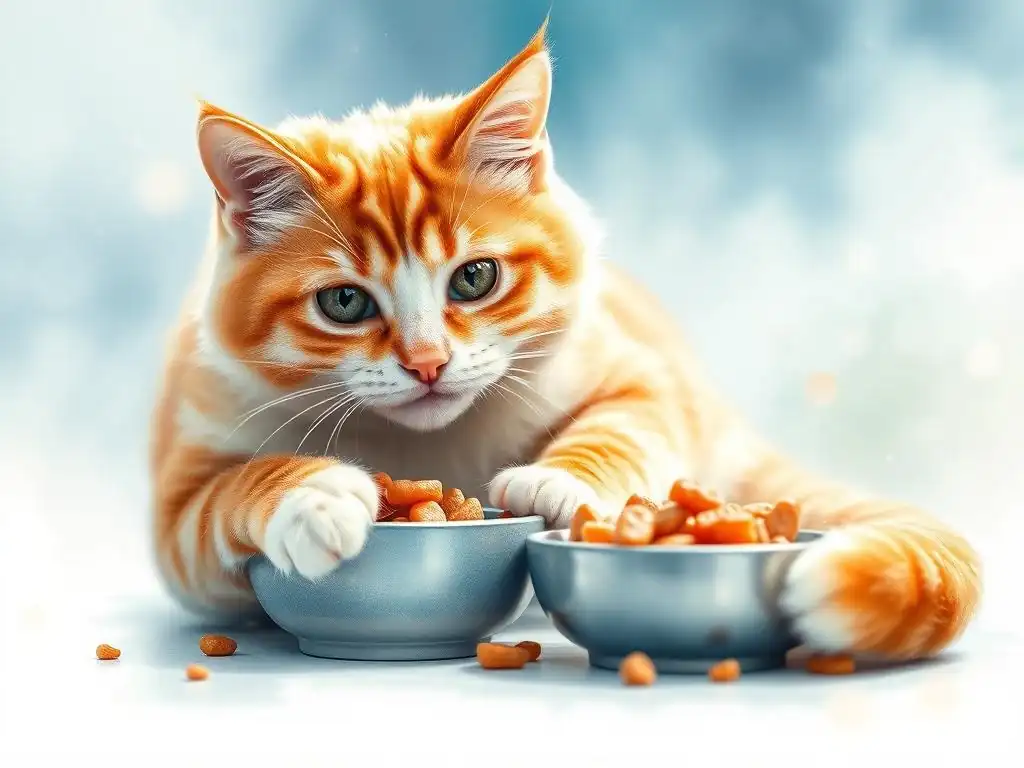
This section details a real-world example illustrating the connection between cat food ash content and urinary tract health. We'll examine a specific case to highlight how careful consideration of dietary ash levels can significantly impact a cat's well-being. Understanding this connection is crucial for preventing and managing feline urinary tract issues, a common concern for many cat owners. This case study will focus on the keyword phrase "cat food ash content urinary issues" and its variations.
Initial Symptoms and Diagnosis
Seven-year-old Mittens, a domestic shorthair, presented with several concerning symptoms. She was lethargic, frequently straining to urinate, and exhibiting signs of discomfort, including vocalization during urination and licking her genital area excessively. Her owner, concerned about these changes in her behavior, took her to a veterinarian. The vet performed a thorough physical examination and ran several diagnostic tests, including a urinalysis.
The urinalysis revealed the presence of crystals in her urine, indicating a potential urinary tract infection (UTI) or the early stages of feline lower urinary tract disease (FLUTD). Further blood tests were normal, ruling out other underlying medical conditions. The vet suspected a dietary contribution to the urinary crystal formation, highlighting the importance of reviewing Mittens' current diet and its ash content. The vet emphasized that managing the cat's diet, specifically focusing on lowering the ash content, was crucial for mitigating future urinary issues.
Dietary Changes Implemented and Ash Content Considerations
Following the diagnosis, the veterinarian recommended a significant dietary change for Mittens. Her previous diet consisted of a commercial dry food with a relatively high ash content (around 8%). High ash content, often associated with high levels of minerals like phosphorus and magnesium, can contribute to the formation of urinary crystals in susceptible cats. The vet recommended transitioning Mittens to a prescription diet formulated for urinary health, specifically designed to lower the risk of crystal formation.
This prescription diet had a significantly lower ash content (around 6.5%), and was also adjusted to increase water intake through a higher moisture content. The owner was instructed to monitor Mittens' water intake closely and to provide fresh water at all times. The lower ash content, coupled with increased hydration, aimed to dilute the urine, making it less conducive to crystal formation.
The veterinarian also stressed the importance of gradual dietary transitions to avoid digestive upset. The owner was advised to mix the new food with the old food gradually over a period of seven to ten days. This approach minimized the likelihood of digestive distress during the dietary shift.
Results and Long-Term Management
Within a few weeks of the dietary change, Mittens showed marked improvement. Her lethargy subsided, and she was urinating more easily and without apparent discomfort. Follow-up urinalysis tests showed a significant reduction in urinary crystals. The lower ash content diet, combined with increased water intake, proved to be highly effective in managing Mittens' urinary health.
To maintain her progress, the owner continued to feed Mittens the prescription diet and ensured consistent access to fresh water. Regular veterinary check-ups, including urinalysis, were scheduled to monitor her urinary health and make any necessary adjustments to her diet. This case study showcases how addressing cat food ash content can play a critical role in the prevention and management of urinary issues in cats.
The success with Mittens highlights the importance of careful consideration of dietary factors in maintaining feline urinary health and underscores the vital role veterinarians and pet owners play in collaboratively managing these conditions. The long-term management plan emphasizes the ongoing need for a balanced diet with appropriate ash content and adequate hydration to prevent recurrence. 😻
Conclusion: Maintaining Urinary Health Through Informed Cat Food Choices
Choosing the right cat food is paramount in preventing and managing feline urinary issues. While ash content is a crucial factor, it's not the sole determinant of urinary tract health. A holistic approach, combining a balanced diet with adequate hydration and regular veterinary checkups, provides the most effective strategy.
This means carefully scrutinizing the ingredient list, looking beyond just the ash percentage. The overall quality of ingredients, the presence of beneficial additives like cranberries, and the absence of potential irritants are equally important considerations. Remember, a diet high in magnesium and phosphorus can exacerbate urinary problems, so understanding the nutritional breakdown of your chosen cat food is vital.
Don't hesitate to consult with your veterinarian regarding your cat's specific needs and dietary requirements. They can offer personalized recommendations tailored to your cat's age, breed, and health history, ensuring they receive optimal nutrition for a long and healthy life. Proactive pet ownership, combined with informed food choices, significantly reduces the risk of developing serious urinary complications in cats.
Key Takeaways: Ash Content, Hydration, and Veterinary Care
Understanding the role of ash content in cat food is only part of the equation when it comes to preventing urinary problems. Here's a summary of key takeaways to remember:
- Ash Content: While a lower ash content is generally preferred, it shouldn't be the only factor considered. Focus on the overall quality of ingredients and the complete nutritional profile. High ash content can contribute to mineral buildup, increasing the risk of urinary tract stones and crystals. Aim for a balance, rather than fixating solely on a low number.
- Hydration: Water intake is crucial for flushing out the urinary tract and preventing crystal formation. Ensure your cat has access to fresh, clean water at all times. Consider adding water to wet food to increase hydration levels. Some cats might prefer a water fountain, which encourages drinking. Dehydration significantly increases the risk of urinary issues, regardless of the ash content in the food.
- Veterinary Care: Regular check-ups are essential for early detection of urinary tract problems. Your veterinarian can conduct urine tests and provide personalized dietary recommendations based on your cat's individual needs. Early intervention is key to successful management and treatment of urinary tract conditions. Don't delay seeking professional help if you notice any changes in your cat's urination habits, such as increased frequency, straining, or blood in the urine. These are all warning signs that require immediate attention.
Resources for Further Information on Feline Urinary Health
While this article provides valuable insights into the relationship between cat food ash content and urinary issues, further research can enhance your understanding and empower you to make the best choices for your feline companion. [Specific information pending: List of reputable veterinary websites and organizations dedicated to feline health]. Remember that reliable information is crucial for making informed decisions about your cat's well-being. Always prioritize sources that are backed by scientific evidence and veterinary expertise.
Continuing education on this topic will allow you to actively participate in your cat's healthcare and contribute to a longer, healthier life for your beloved pet. Remember, a proactive and informed approach to your cat's diet and overall health is the best way to ensure they thrive. 😻
Frequently Asked Questions
What is ash content in cat food, and why is it important for urinary health?
Ash content represents the inorganic minerals left after food is burned. High ash content can contribute to urinary tract issues in cats by increasing the concentration of minerals in their urine. Maintaining a low ash content diet is crucial for preventing problems.
How does high ash content lead to urinary problems in cats?
High ash content can lead to the formation of crystals and stones in the urinary tract, causing pain, blockage, and infection. These minerals, concentrated in the urine due to high ash, can irritate the bladder and urethra.
What is the ideal ash content percentage in cat food for preventing urinary issues?
The ideal ash content is generally considered to be below 7%, although specific needs vary depending on the cat's age, breed, and overall health. Always consult your veterinarian for personalized recommendations.
My cat has already developed urinary problems. Can changing its food to one with lower ash content help?
Changing to a low-ash diet can be beneficial, but it's crucial to consult your veterinarian. They can diagnose the specific issue and recommend the best course of action, which may include medication alongside dietary changes.
Are there any other factors besides ash content that affect feline urinary health?
Yes, hydration, diet quality, and overall health are all critical. Sufficient water intake helps dilute urine, reducing the risk of crystal formation. A balanced diet with the right balance of nutrients is also vital.
Final Reflection: Understanding Ash Content: A Path to Feline Wellness
The alarming link between high ash content in cat food and feline urinary tract issues remains a critical concern for cat owners today. Ignoring this connection can lead to preventable suffering for our beloved companions, highlighting the urgent need for informed choices in pet nutrition. The health and happiness of our cats depend on our understanding of even the seemingly minor details on a food label.
The impact of this knowledge extends far beyond individual pet care; it underscores a broader need for transparency and responsible manufacturing within the pet food industry. The best way to find out if a cat likes you is to offer it food.
This simple truth highlights the profound connection between nutrition and the well-being of our feline friends. Understanding the role of ash content allows us to actively participate in their health, moving beyond passive acceptance of commercially available products. This journey of understanding has deeply impacted my own approach to caring for my cats, leading me to prioritize quality ingredients and mindful feeding practices.
Now, consider your own cat's diet. Take a moment to examine the ingredient list of their food. Are you confident in the quality and the potential impact of the ash content? This article serves as a starting point; further research and open communication with your veterinarian are crucial steps in ensuring your cat receives the best possible nutrition. Empower yourself with knowledge, advocate for your cat's health, and contribute to a future where feline urinary tract issues caused by poor diet become a thing of the past.
Unleash Your Cat's Urinary Health: Take Action Today!
Thank you for learning about the crucial link between dietary minerals and your cat's urinary health! We hope this information empowers you to make informed choices for your feline companion. Now, let's put this knowledge into action:
- Choose a low-mineral cat food: Carefully examine the ingredient list of your cat's food, paying close attention to the mineral content. Selecting a food formulated to support urinary health is a significant step towards improving your cat's well-being.
- Schedule a veterinary checkup: Discuss your cat's diet and urinary health with your veterinarian. They can provide personalized recommendations and address any specific concerns you may have.
- Share this important information: Spread the word among other cat owners! Sharing this information could help prevent urinary tract issues in other cats. Let's work together to create a healthier community for our feline friends.
What positive change will you make today to support your cat's urinary health?