
Is Your Cat Talking to You? The Signs You Shouldn't Miss


Welcome to PetCareWorld, your ultimate guide to a happier, healthier life for your beloved companion! Are you curious about the subtle signals your feline friend is sending? Dive into our expert guide, "Understanding Cat Communication Signs," and unlock the secrets behind those meows, purrs, and tail swishes. Discover how to truly understand your cat and strengthen your bond – it's more than just purrs and cuddles!
- Understanding Cat Communication Signs: Beyond Meows
- Recognizing Subtle Communication Cues in Cats
- Common Misinterpretations of Cat Communication
- Improving Your Communication with Your Cat
- When to Seek Professional Help for Cat Communication Issues
- Frequently Asked Questions
- Final Reflection: Unlocking the Whispers of Your Feline Friend
- Unlock Your Cat's Secret Language: A Purrfect Next Step
Understanding Cat Communication Signs: Beyond Meows
Cats, often perceived as aloof and independent creatures, are surprisingly expressive beings. They communicate constantly, though not always in ways readily understood by humans. Mastering the art of interpreting feline communication is crucial for building a strong bond with your cat and ensuring their well-being.
This article delves into the nuanced world of cat communication, exploring vocalizations, body language, and subtle cues that reveal your cat's emotional state, needs, and desires. Understanding these signs empowers you to respond appropriately, strengthening your relationship and enhancing your cat's quality of life. We'll cover everything from the familiar meow to the more subtle shifts in posture and tail position, helping you become a more attuned and responsive cat owner.
Learning to understand your cat's communication is key to a harmonious and fulfilling life together – a truly rewarding experience for both of you. This guide will equip you with the knowledge to decipher your cat's messages, ultimately leading to a deeper understanding and a stronger bond.
Deciphering Vocalizations: More Than Just Meows and Purrs
Cats utilize a complex array of vocalizations, far beyond the simple meow. While a meow might seem straightforward, its pitch, length, and frequency convey a range of emotions and intentions. A high-pitched meow often signals distress or urgency, while a low, rumbling meow might indicate contentment. Purring, commonly associated with happiness, can also indicate pain or discomfort in certain contexts.
Hissing is a clear sign of fear or aggression, while growling represents a warning. Understanding the nuances of these sounds is crucial for interpreting your cat's needs. For instance, a short, sharp meow might be a demand for food, while a long, drawn-out meow could signal loneliness or anxiety.
Pay close attention to the context of the vocalization to gain a more accurate understanding. Consider factors such as your cat's environment, recent interactions, and overall demeanor. Keeping a detailed record of your cat’s vocalizations and the corresponding situations may help you identify patterns over time.
Body Language: The Silent Conversation of Cats
Beyond vocalizations, cats communicate extensively through their body language. Subtle shifts in posture, tail position, ear orientation, and eye contact provide valuable insights into their emotional state. These silent cues often convey more information than their meows, offering a deeper understanding of their feelings. Learning to interpret this nonverbal communication is essential for building a strong bond and ensuring your cat's well-being. Misinterpreting these signals can lead to misunderstandings and even unintentional harm to your feline friend.
Tail Positions and Their Meanings
A cat's tail is a highly expressive appendage. A tail held high often indicates confidence and friendliness, while a low-slung tail suggests fear or submission. A rapidly twitching tail can signal excitement or even aggression, depending on the context. A puffed-up tail suggests fear or anger, while a tail tucked tightly between the legs is a clear sign of fear or anxiety. Observing these subtle variations in tail position can provide valuable clues about your cat's emotional state.
Ear Positions: Indicators of Mood and Intent
The position of your cat's ears can reveal a wealth of information about their mood. Ears pricked forward indicate alertness and interest, while ears flattened against the head often signify fear or aggression. Ears rotated slightly to the side might indicate a neutral or relaxed state. Paying attention to the subtle changes in your cat’s ear positions can significantly enhance your ability to interpret their feelings.
Eye Contact and its Significance
Direct eye contact in cats can have different meanings depending on the context. Prolonged staring can be a sign of aggression or dominance, while a slow blink can be a sign of affection and trust. Avoiding eye contact often indicates fear or submission. Understanding the nuances of feline eye contact is essential for navigating social interactions with your cat and interpreting their intentions.
Posture and Stance: Interpreting Your Cat's Body Shape
A cat's overall posture and stance can also reveal much about their emotional state. A relaxed cat will typically have a loose, comfortable posture, while a tense cat will exhibit stiffness and rigidity. A crouched position can indicate readiness to pounce or flee, while a arched back with raised fur is a clear display of aggression or fear. Paying attention to these physical cues is crucial for interpreting your cat's intentions and responding appropriately.
Recognizing Subtle Communication Cues in Cats
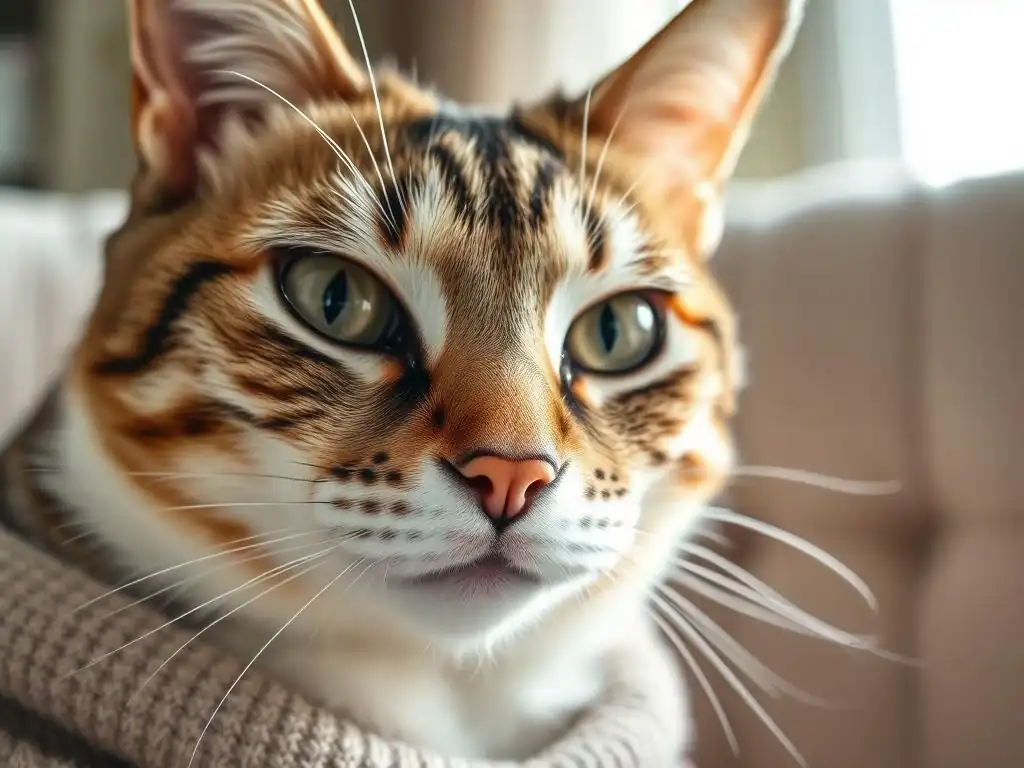
Understanding cat communication signs is crucial for building a strong bond with your feline friend and ensuring their well-being. Cats are masters of subtle communication, often conveying complex emotions through seemingly minor actions. Ignoring these subtle cues can lead to misunderstandings and potentially stressful situations for both you and your cat. This section will delve into some of the more nuanced ways cats communicate, helping you become a more attuned and responsive pet owner.
Facial Expressions: Whiskers, Eyes, and Mouth
A cat's face is a rich tapestry of communication. Their whiskers, eyes, and mouth work together to express a wide range of emotions, from contentment to fear. Learning to interpret these subtle signals is key to understanding your cat's emotional state.
- Whiskers: These aren't just cute facial features; they're highly sensitive sensory organs. Relaxed whiskers point outwards, indicating a calm and comfortable cat. However, whiskers pulled back flat against the face often signal fear or anxiety. Similarly, whiskers twitching rapidly can indicate alertness or even aggression. Observe your cat's whiskers in different situations to get a better understanding of their meaning within the context.
- Eyes: A cat's eyes are incredibly expressive. Slow blinks are a sign of trust and affection – a cat slow-blinking at you is essentially giving you a "cat kiss." Wide, dilated pupils usually indicate fear, excitement, or stress. Narrowed pupils, on the other hand, can suggest aggression or intense focus. The position of the ears also plays a role; ears flattened against the head often accompany wide eyes, signaling fear or aggression.
- Mouth: An open mouth doesn't always mean aggression. A slightly open mouth with a relaxed expression could simply indicate your cat is panting from exertion or heat. However, a wide open mouth with bared teeth is a clear sign of aggression and should be treated with caution. A subtle yawn can also be a calming signal, or a way to de-escalate tension. Context is key.
Scent Marking: Understanding Feline Pheromones
Beyond visible cues, cats utilize scent marking to communicate. Feline pheromones are invisible chemical signals that carry information about the cat's emotional state and territory. Understanding these scents can offer valuable insights into your cat's behavior.
Cats use several methods for scent marking:
- Scratching: Scratching posts and furniture isn't just about sharpening claws; it's a way to leave scent marks using glands in their paws. The location and frequency of scratching can indicate territorial behavior or stress. Providing appropriate scratching posts can help redirect this behavior.
- Urine Marking: While often associated with male cats, female cats can also engage in urine marking, usually to mark their territory or communicate with other cats. Excessive urine marking can be a sign of stress or a medical problem.
- Facial Rubbing: Cats rub their faces against objects and people to deposit scent from glands located on their cheeks. This is a sign of affection and territorial marking, indicating that they consider the object or person part of their "family."
Grooming Habits: A Reflection of Emotional State
A cat's grooming habits can be a significant indicator of their emotional state. Changes in grooming frequency or style can signal underlying issues.
- Excessive Grooming: Over-grooming, sometimes leading to bald patches, can be a sign of stress, anxiety, or even a medical condition. It's a self-soothing mechanism, and if you notice excessive grooming, it's important to investigate potential underlying causes.
- Neglecting Grooming: Conversely, a cat neglecting its grooming can also be a sign of illness or distress. A dull, matted coat may indicate a medical problem or a significant change in their environment or routine.
- Grooming Others: Cats may groom each other as a sign of bonding and social interaction. If your cat grooms you, it's a sign of affection and trust. However, excessive grooming of another cat could indicate tension or dominance.
Understanding these subtle communication cues, from facial expressions to scent marking and grooming habits, allows you to better understand your cat's needs and build a stronger, more harmonious relationship. Remember that consistent observation and careful attention to detail are essential for mastering the art of "Understanding cat communication signs." Pay attention to the context of each behavior to accurately interpret your cat's messages. 😻
Common Misinterpretations of Cat Communication
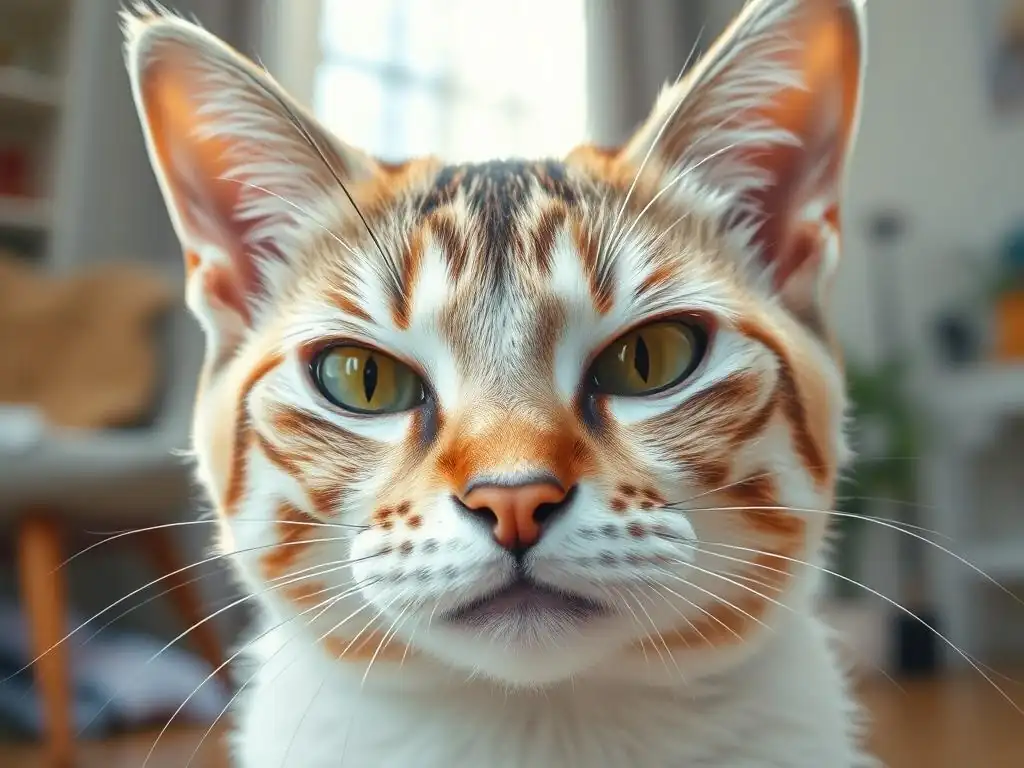
Understanding cat communication signs is crucial for building a strong bond with your feline friend. However, many human pet owners misinterpret subtle cues, leading to misunderstandings and potentially negative interactions. This section will delve into some common areas of confusion, helping you decipher your cat's true intentions.
Aggression vs. Fear: Identifying the Difference
Often, aggressive and fearful behaviors in cats appear similar to the untrained eye. A flattened ear, a puffed-up tail, and hissing can indicate both aggression and intense fear. The key to differentiation lies in the context of the behavior and the cat's overall body language.
A cat exhibiting aggression will typically maintain direct eye contact, have a stiff body posture, and may actively stalk or attack. Their pupils might be dilated, and they may growl or spit. This behavior is often a response to a perceived threat, such as another animal encroaching on its territory or feeling cornered. For instance, a cat hissing and swatting at a dog approaching its food bowl is displaying aggression.
Conversely, a fearful cat might display similar physical signs (flattened ears, puffed tail) but will often avoid direct eye contact, try to escape, or urinate/defecate outside the litter box. Their body will often be crouched low to the ground, and they may even vocalize with a high-pitched yowl or mew. A cat hiding under furniture when a stranger enters the house is exhibiting fear.
Understanding this difference is vital for appropriate responses. Addressing aggression might involve providing more space or resources, while a fearful cat needs reassurance and a safe haven. Remember, punishment is rarely effective and can worsen fear-based aggression.
Playful Behavior vs. Hunting Instincts
Cats are natural hunters, and even indoor cats retain these instincts. Playful behavior and hunting instincts often overlap, making it challenging to distinguish between the two. However, subtle differences exist.
Playful behavior usually involves a more relaxed body posture. The cat might stalk its toy with a playful pounce, but there's often a lack of intense focus or aggression. They might bat at the toy gently, chase it playfully, and even vocalize with chirps or meows. Think of a kitten batting at a dangling string – this is classic playful behavior.
Hunting instincts, on the other hand, are characterized by a more intense focus and predatory behavior. The cat's body will be tense, muscles coiled, and their eyes intently fixed on the "prey." The attack will be swift and precise, often involving a sudden lunge, bite, and kill. This behavior is less about fun and more about survival. Observing a cat meticulously stalking a bug across the floor is an example of hunting instincts at play.
Recognizing this distinction helps in providing appropriate enrichment. Playful interactions should involve interactive toys that stimulate hunting behaviors in a safe and controlled way, preventing the cat from developing boredom-induced destructive habits or misdirecting their hunting instincts towards your belongings.
Contentment vs. Apathy: Recognizing Subtle Differences
A purring cat is often associated with contentment, but this isn't always the case. While purring often signals happiness and relaxation, it can also be a sign of stress, pain, or illness. A cat might purr to self-soothe during stressful situations, or even when experiencing pain. Therefore, relying solely on purring to gauge contentment can be misleading.
A truly content cat will exhibit a combination of behaviors. These include slow blinks (a cat's way of showing affection), a relaxed body posture, a slow, gentle tail wag, and soft kneading. They might also groom themselves contentedly or simply relax in a comfortable spot.
Apathy, on the other hand, is characterized by a lack of interest in their environment and usual activities. The cat might sleep excessively, have a decreased appetite, and show little to no interest in play or interaction. This could indicate a health problem, depression, or other underlying issues requiring veterinary attention. A significant change in behavior warrants a visit to the vet to rule out any medical conditions. Observing subtle changes in your cat's behavior is key to understanding their well-being and addressing potential problems early.
Improving Your Communication with Your Cat

Understanding cat communication signs is crucial for building a strong bond with your feline companion. Cats, unlike dogs, don't communicate through obvious vocalizations and body language as readily understood by humans. Their subtle cues often go unnoticed, leading to misunderstandings and potential behavioral problems. This section will explore practical strategies to enhance your communication with your cat, fostering a more harmonious relationship. Learning to interpret their signals and respond appropriately is key to a happy and healthy cat-human partnership.
Responding Appropriately to Cat Signals
Cats use a complex system of communication, including vocalizations (meows, purrs, hisses), body postures (tail position, ear orientation), and facial expressions. Understanding these signals is paramount to responding appropriately. For instance, a slow blink is a feline greeting, a sign of trust and affection. Responding with a slow blink back strengthens this bond. Conversely, a flattened ear, a puffed tail, and a hissing sound clearly indicate fear or aggression; backing away and giving your cat space is the appropriate response.
A cat's tail offers a wealth of information. A tail held high indicates confidence and a friendly disposition. A slightly twitching tail might signal curiosity or alertness. However, a tail that's tucked low between the legs is a clear sign of fear or anxiety. Learning to distinguish these subtleties is essential for avoiding unintentionally upsetting your cat.
Consider this table summarizing common cat signals and appropriate responses:
| Signal | Description | Appropriate Response |
|---|---|---|
| Slow blink | Relaxed, friendly greeting | Slow blink back |
| Tail held high | Confident, friendly | Approach gently, offer interaction |
| Tail twitching | Curiosity, alertness | Observe, approach cautiously if the cat initiates |
| Tail tucked low | Fear, anxiety | Give space, avoid approaching |
| Flattened ears, hissing | Fear, aggression | Back away slowly, give the cat space |
| Rubbing against your legs | Affection, marking territory | Pet gently, acknowledge the affection |
| Kneading | Comfort, contentment | Allow the kneading, it's a sign of trust and love |
| Loud meowing | Seeking attention, possibly hungry or thirsty | Check for needs, offer food or water, provide attention |
Understanding and responding appropriately to these subtle cues fosters trust and strengthens the bond between you and your cat. Remember, patience and observation are key.
Creating a Calming Environment for Your Feline Friend
Providing a calming environment is crucial for effective communication with your cat. Cats are sensitive creatures, and a stressful environment can lead to behavioral problems and hinder communication. Creating a safe and secure space for your cat involves considering several factors.
Firstly, ensure your cat has access to multiple safe spaces. These could be high perches (cat trees), hiding places (under beds or in boxes), or quiet corners. Cats need places where they can retreat when feeling overwhelmed or stressed. These spaces should be free from excessive noise and disturbances.
Secondly, consider the use of pheromone diffusers or sprays. These products mimic feline facial pheromones, which have a calming effect on cats. They can help to reduce stress and anxiety, creating a more relaxed atmosphere. Consistent use is key to obtaining the desired results.
Thirdly, minimize stressors in your home environment. Sudden loud noises, unfamiliar people, or changes in routine can all contribute to stress. Try to maintain a consistent routine and minimize disruptive elements as much as possible. Providing enrichment activities, such as interactive toys or puzzle feeders, can also help to keep your cat mentally stimulated and reduce boredom-related stress.
Building Trust and Understanding Through Interaction
Building a strong bond with your cat is essential for effective communication. Positive interactions, consistent routines, and respectful communication are crucial elements. Avoid forceful interactions, such as grabbing your cat or holding them against their will. This can lead to fear and aggression, making it harder to communicate effectively. Instead, approach your cat calmly and respectfully, allowing them to initiate interactions.
Regular playtime is essential for building trust and understanding. Interactive play sessions, using toys that encourage stalking and pouncing, help to satisfy your cat's natural hunting instincts. This not only provides physical exercise but also strengthens the bond between you and your cat. Playtime should be positive and enjoyable for both of you. Observe your cat's body language during playtime; if they seem stressed or overwhelmed, end the session.
Positive reinforcement training can further enhance your communication. Reward your cat for desired behaviors with treats or praise. This helps to build a positive association with you and strengthens the bond. Avoid punishment, as this can damage trust and create fear. Remember, patience and consistency are key to successful training. Building trust takes time and effort, but the rewards of a strong, communicative relationship with your cat are immeasurable. 😻
When to Seek Professional Help for Cat Communication Issues
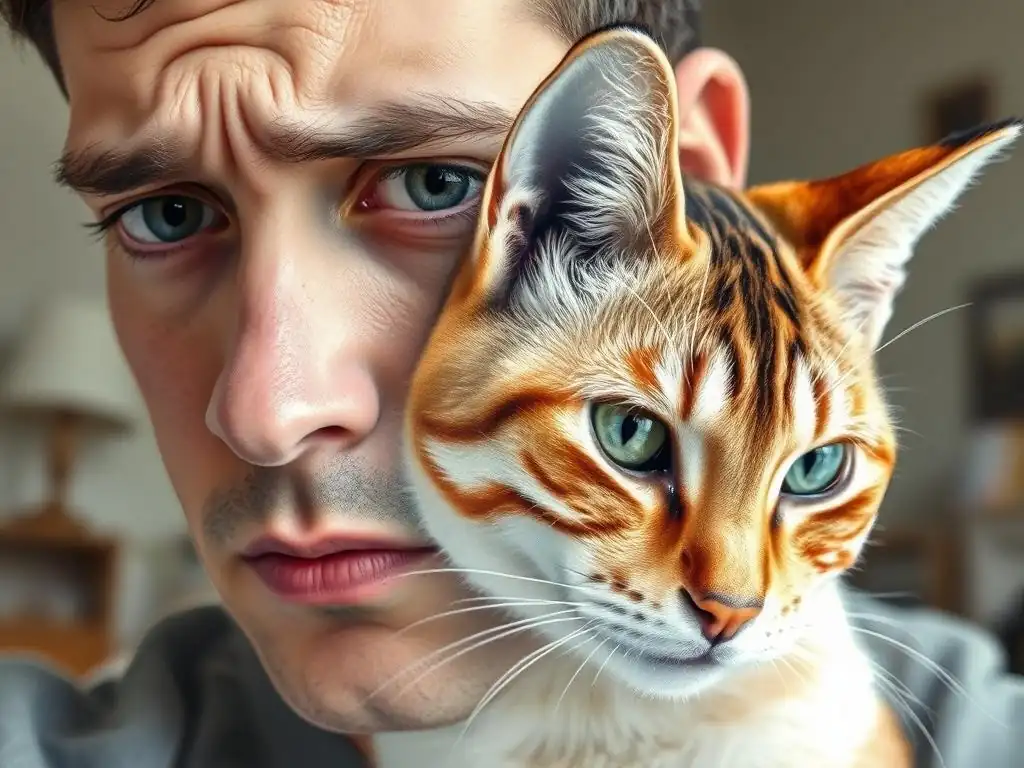
Understanding your cat's communication is crucial for a harmonious relationship. While many feline vocalizations and body language cues are relatively easy to interpret, some situations require the expertise of a professional. Ignoring subtle shifts in your cat's communication can lead to escalating behavioral problems and untreated underlying health issues. This section focuses on identifying when professional intervention is necessary for optimal cat care and to ensure your feline companion's well-being. Knowing when to seek help is a key aspect of understanding cat communication signs.
Signs of Underlying Health Problems Affecting Communication
Changes in your cat's communication can often be the first sign of an underlying medical problem. A normally vocal cat suddenly becoming quiet, or a usually playful cat exhibiting increased aggression, might indicate pain, discomfort, or cognitive decline. Pain, for example, can manifest as hissing, growling, or avoidance of touch – behaviors that are drastically different from their normal communication style. These subtle shifts are often missed unless you pay close attention to your cat's baseline behavior.
Consider these scenarios:
- Sudden changes in vocalization: A cat who suddenly meows excessively, screams, or stops meowing altogether warrants veterinary attention. This could be a sign of hyperthyroidism, kidney disease, or even cognitive dysfunction.
- Increased aggression or fear: Unexplained aggression or excessive fear, especially if accompanied by other symptoms like lethargy or changes in appetite, could indicate pain or a neurological issue.
- Changes in litter box habits: While sometimes related to stress, changes in litter box habits (such as increased frequency, accidents outside the box, or straining) can signal urinary tract infections, kidney disease, or other medical conditions. These changes often impact a cat's overall demeanor and communication.
- Changes in grooming habits: Excessive grooming or neglect of grooming can point towards skin allergies, pain, or anxiety, all of which can alter a cat's communication style. A cat experiencing discomfort may avoid interaction or become more irritable.
- Appetite changes: A sudden increase or decrease in appetite can also be a sign of an underlying health problem, indirectly affecting communication by altering mood and energy levels.
It's crucial to remember that these are just some examples, and a comprehensive veterinary examination is needed to determine the underlying cause. Don't hesitate to consult a veterinarian if you notice any significant or persistent changes in your cat's communication or behavior. Early intervention can often lead to better outcomes.
Finding a Qualified Veterinary Behaviorist or Cat Specialist
If you suspect a behavioral issue underlies your cat's altered communication, seeking a qualified professional is vital. Not all veterinarians specialize in feline behavior, so finding a veterinary behaviorist or a veterinarian with extensive experience in feline behavior is essential for accurate diagnosis and effective treatment.
Here's what to look for when searching for a specialist:
- Veterinary Behaviorist (DACVB): These veterinarians have completed advanced training in animal behavior and are certified by the American College of Veterinary Behaviorists. They possess in-depth knowledge of feline psychology and can offer tailored solutions.
- Certified Cat Friendly Practice: Many veterinary clinics are now certified as Cat Friendly Practices. These clinics are designed to minimize stress on cats during visits, creating a more comfortable environment for both the cat and the owner, which can help in accurately assessing communication issues.
- Veterinarians with Feline Expertise: Even if a veterinarian isn't a board-certified behaviorist, many have significant experience with feline behavior and can provide valuable guidance and referrals.
- Online Resources: Several online resources can help you locate qualified veterinary behaviorists or cat specialists in your area.
Remember, effective communication with your cat is a two-way street. By actively observing your cat's behavior, understanding its subtle cues, and seeking professional help when necessary, you can foster a stronger bond and ensure your feline companion's overall well-being. This proactive approach is key to successfully understanding cat communication signs and addressing any potential problems.
Frequently Asked Questions
How can I tell if my cat is happy?
A happy cat will often display relaxed body posture, a slow blink, and may even purr or rub against you. These are all positive signs of feline contentment.
What does it mean when my cat hisses?
Hissing is a clear sign of fear or aggression. Your cat feels threatened and is warning you to back off. Give your cat space and avoid approaching it.
My cat is constantly meowing, is something wrong?
Excessive meowing can indicate a variety of things, from boredom to medical issues. Consider enriching their environment and consult a veterinarian if it's persistent.
What does it mean when my cat's tail is puffed up?
A puffed-up tail usually signifies fear or anger. Your cat is feeling threatened and may be preparing to defend itself. Observe your cat's other body language for further clues.
How can I better understand my cat's body language?
Pay close attention to your cat's overall posture, including their tail, ears, and eyes. Researching feline body language online or in books can greatly improve your understanding of your cat's communication.
Final Reflection: Unlocking the Whispers of Your Feline Friend
Understanding cat communication is not just about deciphering meows; it's about forging a deeper, more meaningful bond with your feline companion. The subtle flick of a tail, the slow blink of an eye, the gentle rub against your leg – these are not mere coincidences, but deliberate attempts at communication often missed by well-meaning but unaware humans. Ignoring these signals can lead to misunderstandings and even distress for your cat.
The journey into understanding feline communication has profoundly shifted my own relationship with my cats. I've become more attuned to their nuanced behaviors, leading to a richer, more harmonious coexistence. It's a constant learning process, a beautiful dance of observation and interpretation. The greatest gift that one can give to another is the gift of understanding.
This quote, while not specifically about cats, perfectly encapsulates the profound impact of truly understanding another being, regardless of species.
Now, it's your turn. Take a moment to observe your cat. Pay attention to the subtle shifts in their body language, the tiny vocalizations, the way they interact with their environment. By consciously engaging in this process of observation and learning, you'll not only deepen your understanding of your cat, but you'll also enrich the bond you share, creating a more loving and fulfilling relationship built on mutual respect and understanding. This journey of understanding is ongoing, a testament to the enduring magic of the human-animal bond.
Unlock Your Cat's Secret Language: A Purrfect Next Step
Thanks for exploring the fascinating world of feline communication! We hope you've gained valuable insights into understanding your cat's unique ways of expressing itself. Now it's time to put that knowledge into practice.
- Keep a Cat Communication Journal: Record your cat's meows, purrs, and body language, noting the surrounding circumstances. This will help you identify patterns and truly understand their messages.
- Experiment with Interactive Play: Engage your cat in interactive play using a feather wand or laser pointer to stimulate their natural hunting instincts and strengthen your bond.
- Share Your Successes!: Tell us about your experiences understanding your cat's communication in the comments below – we'd love to hear your stories and learn from one another!
What surprising communication styles has your cat revealed, and how are you working to strengthen your relationship?