
Interactive Play: Engaging Your Cat with Focused Playtime Sessions

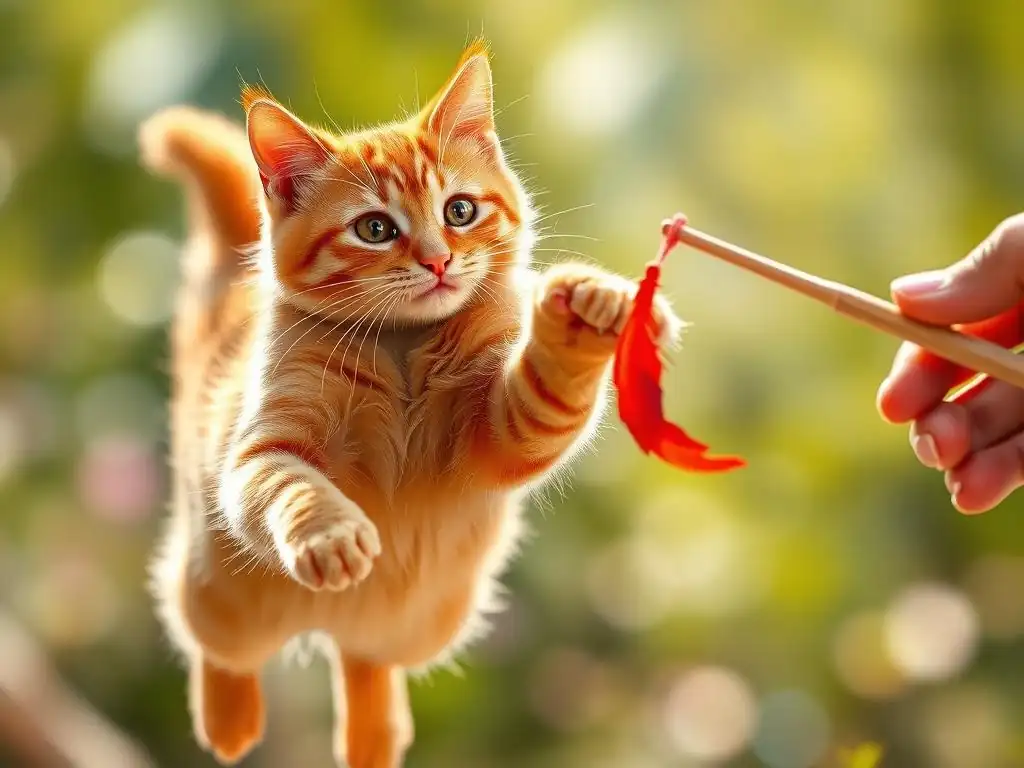
Welcome to PetCareWorld, your ultimate guide to a happier, healthier life for your beloved companion! Are you ready to unlock the secrets to truly engaging cat playtime sessions? Discover how enriching interactive play can strengthen your bond with your feline friend and improve their overall well-being. Dive in and explore our expert advice – you'll be amazed at the difference!
- Understanding Your Cat's Play Instincts: The Foundation of Engaging Playtime
- Designing Engaging Cat Playtime Sessions: A Step-by-Step Guide
-
Types of Interactive Play for Cats: Variety is Key
- Interactive Play with Wand Toys: Mastering the Technique for Maximum Engagement
- Puzzle Toys and Food Dispensers: Mental Stimulation and Physical Activity Combined
- Interactive Games with Multiple Cats: Promoting Socialization and Healthy Competition
- Introducing New Toys Gradually: Preventing Boredom and Maintaining Interest
- Enhancing Cat Playtime: Advanced Techniques and Considerations
- Beyond Playtime: Enriching Your Cat's Life Through Environmental Enrichment
- Frequently Asked Questions
- Final Reflection: The Enduring Power of Play in the Human-Feline Bond
- Unlock Your Cat's Inner Kitten: Playtime Power-Up!
Understanding Your Cat's Play Instincts: The Foundation of Engaging Playtime
Cats, despite their reputation for independent lounging, possess deeply ingrained predatory instincts. Understanding these instincts is crucial to crafting truly engaging cat playtime sessions. This article will explore the science behind feline play, providing practical tips and techniques to enrich your cat's life through stimulating and interactive play sessions. We'll delve into recognizing your cat's unique play style, interpreting their body language during play, and ultimately understanding the vital role play has in maintaining their physical and mental well-being.
By creating enriching playtime experiences, you'll not only strengthen your bond with your feline companion but also contribute to a happier, healthier, and more balanced cat. This guide is tailored for indoor cats, recognizing the specific enrichment needs of cats who lack access to the natural hunting opportunities of their outdoor counterparts. Let's unlock the secrets to creating truly engaging cat playtime sessions that your cat will adore!
Cats, much like humans, exhibit diverse personalities and preferences. Some are relentless hunters, meticulously stalking toys with laser-like focus. Others might display more playful, social interactions, enjoying chasing and pouncing alongside their human companions. Understanding your cat's individual play style is paramount to designing effective playtime sessions.
There are several key play styles to consider:
- The Stealth Hunter: This cat meticulously stalks its prey, exhibiting patience and precision before launching a swift attack. These cats often prefer toys that mimic small animals, such as feathered wands or mice. Play sessions should be structured to allow for prolonged stalking and ambushing opportunities.
- The Energetic Pouncer: These cats are all about quick bursts of energy. They prefer toys that encourage rapid movement and sudden changes in direction. Laser pointers (used responsibly, of course!) and interactive toys with unpredictable movements are ideal for this type.
- The Social Butterfly: These cats enjoy interactive play with their human companions, often initiating play and engaging in playful wrestling or chasing games. These cats thrive on physical interaction and enjoy toys that encourage shared play.
Observing your cat's behavior during playtime will reveal their preferred style. Note their chosen toys, their hunting techniques, and their overall engagement level. This information will guide you in selecting appropriate toys and structuring playtime sessions that cater to their unique preferences. Remember to always observe their body language for signs of stress or disengagement.
Deciphering Cat Body Language During Play: Signs of Engagement and Disengagement
Accurate interpretation of feline body language is crucial for ensuring safe and enjoyable playtime. Knowing when your cat is engaged and when they're ready for a break is essential to prevent stress and maintain a positive association with playtime.
Signs of Engagement:
- Tail twitching: A slightly twitching tail often indicates excitement and anticipation.
- Erect ears: Pricked ears show attentiveness and interest.
- Focused stare: Intense eye contact with the toy or your hand suggests focused hunting behavior.
- Playful biting and swatting: Gentle nips and swats are normal during play, but always monitor the intensity.
- Vocalizations: Soft meows or chirps can indicate excitement and engagement.
Signs of Disengagement:
- Flattened ears: This indicates stress or discomfort.
- Dilated pupils: While sometimes associated with excitement, excessively dilated pupils can also suggest fear or anxiety.
- Hissing or growling: These are clear signs of aggression or displeasure.
- Tail tucked between legs: This is a sign of fear or submission.
- Avoiding the toy or you: If your cat consistently avoids the toy or turns away from you, it's time to end the play session.
By carefully observing these cues, you can ensure that playtime remains a positive and enriching experience for your cat. Remember, a happy cat is a playful cat!
The Importance of Appropriate Play for Cat Physical and Mental Well-being
Engaging in appropriate playtime sessions is not simply about entertainment; it's vital for your cat's overall health and well-being. Lack of stimulation can lead to boredom, frustration, and even behavioral problems, such as excessive scratching or destructive behavior. Regular playtime provides numerous benefits:
- Physical Exercise: Play helps maintain a healthy weight and muscle tone, preventing obesity and related health problems. It provides opportunities for stretching, jumping, and sprinting, which are essential for physical fitness.
- Mental Stimulation: Play challenges your cat's predatory instincts, keeping their minds sharp and engaged. It prevents boredom and provides a sense of accomplishment.
- Bonding and Socialization: Interactive play strengthens the bond between you and your cat, promoting trust and companionship.
- Stress Reduction: Play provides an outlet for pent-up energy and can help reduce stress and anxiety. A tired cat is a happy cat!
By incorporating regular, engaging playtime sessions into your cat's routine, you are actively contributing to their physical health, mental stimulation, and emotional well-being. Remember to tailor the play sessions to your cat's individual preferences and always monitor their body language to ensure a positive and enriching experience. This investment in playtime will pay dividends in the form of a happier, healthier, and more well-adjusted feline companion.
Designing Engaging Cat Playtime Sessions: A Step-by-Step Guide
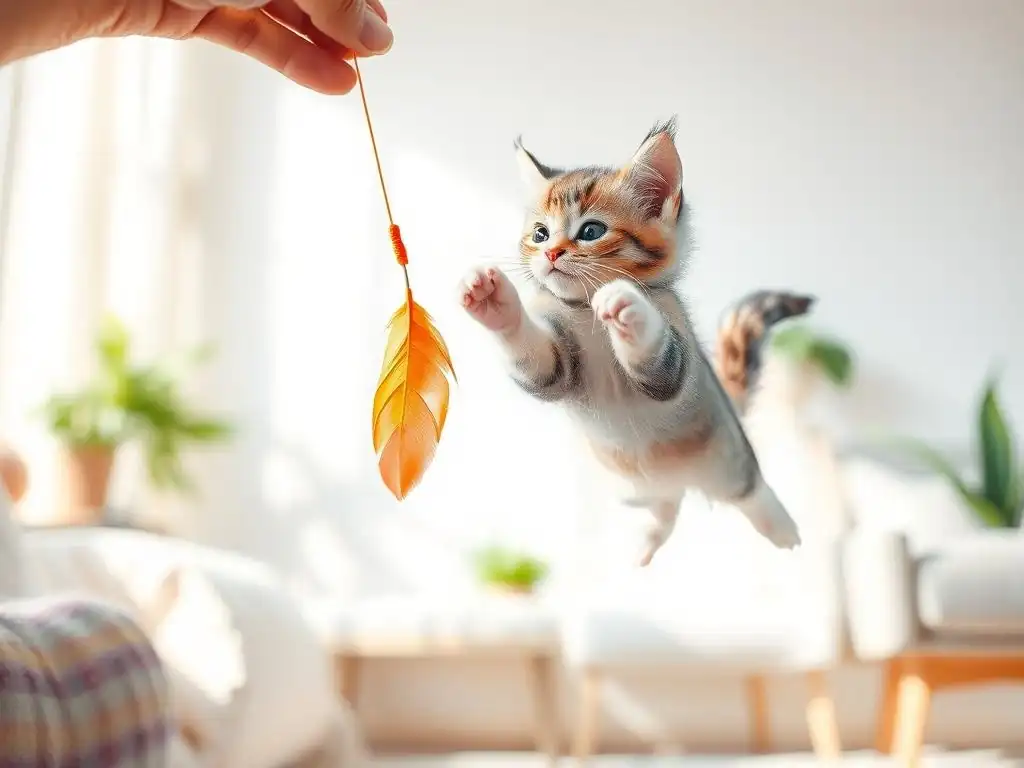
This section delves into the practical aspects of creating truly engaging cat playtime sessions. We'll move beyond the basics and explore strategies to maximize your cat's enjoyment and engagement, ensuring enriching playtime that benefits both you and your feline companion. Remember, the goal is to stimulate your cat's natural hunting instincts and provide mental and physical exercise. This isn't just about fun; it's about contributing to their overall well-being.
Creating a Stimulating Play Environment: Toys, Hiding Spots, and Vertical Space
A stimulating environment is crucial for successful interactive playtime. Cats are naturally curious and enjoy exploring. Providing a variety of textures, hiding spots, and vertical space will significantly enhance their engagement during play sessions.
Think about incorporating different elements:
- Variety of Textures: Include toys made of various materials – plush, crinkly, feathery, etc. This caters to different sensory preferences and keeps things interesting. A simple change in texture can reignite interest in a toy that's become familiar.
- Strategic Hiding Spots: Cats love to ambush their prey. Provide hiding places like cardboard boxes, tunnels, or even strategically placed furniture where they can pounce from unexpected angles. This adds an element of surprise and excitement to the playtime.
- Vertical Space Utilization: Cats are naturally adept climbers. Utilize vertical space by providing cat trees, shelves, or window perches. These allow them to survey their territory and add a new dimension to their play, simulating the natural behaviors of stalking prey from elevated positions.
Consider this example: A cat who enjoys hiding might be more engaged in a playtime session involving a toy that's moved under a chair or within a tunnel. The element of surprise and the ability to ambush the toy from a hidden position significantly boosts their participation and enjoyment. Conversely, a cat who loves to climb might be more stimulated by a toy dangling from a high shelf, requiring them to jump and stretch to engage with it.
Choosing the Right Toys for Interactive Play: Rods, Feathers, Balls, and More
The selection of toys is paramount for engaging cat playtime sessions. Avoid toys that are too small (choking hazard) or easily destroyed. Aim for durability and variety to prevent boredom.
Here's a breakdown of popular options and their benefits:
| Toy Type | Benefits | Considerations |
|---|---|---|
| Wand Toys (Rods) | Excellent for mimicking prey movement; great exercise | Supervise to prevent accidental ingestion of feathers or string. |
| Feather Toys | Highly stimulating; triggers natural hunting instincts | Regularly inspect for wear and tear; avoid loose feathers. |
| Balls | Simple yet effective; encourages chasing and batting | Choose balls of appropriate size and material; avoid those that are easily destroyed. |
| Puzzle Toys | Mental stimulation; helps to keep cats occupied | Select puzzles appropriate for the cat's skill level. |
Remember to rotate toys regularly to maintain novelty and prevent boredom. A toy that's been put away for a week might feel like a brand new treasure when reintroduced. This simple technique can significantly extend the lifespan of your cat's favorite toys and keep playtime exciting.
Scheduling Play Sessions: Frequency, Duration, and Optimal Times of Day
Consistency is key when it comes to establishing a successful playtime routine. Regular, scheduled engaging cat playtime sessions help to establish predictability and reduce unwanted behaviors stemming from boredom or pent-up energy.
- Frequency: Aim for at least two 10-15 minute play sessions per day. More is always better, especially for high-energy cats.
- Duration: Keep sessions relatively short and intense. Cats tend to lose interest if playtime drags on for too long. Short, frequent sessions are more effective than one long session.
- Optimal Times: Observe your cat's behavior to determine their most active periods. Many cats are most playful in the morning and evening.
Example Play Schedule:
Morning: 7:00 AM - 7:15 AM (Wand toy play)
Evening: 6:00 PM - 6:15 PM (Puzzle toy and ball play)
Remember to always end the session on a positive note, allowing your cat to "catch" the toy or achieve a successful "hunt." This reinforces positive associations with playtime and leaves them feeling satisfied and content. This contributes to a more relaxed and well-adjusted feline companion. Consistent, engaging playtime is an investment in your cat’s overall health and happiness.
The Art of the Chase: Mimicking Prey Movement to Maximize Engagement
Cats are obligate carnivores; their hunting instincts are deeply ingrained. To create truly engaging playtime sessions, it's crucial to understand and tap into this primal drive. Simply throwing a toy across the room isn't enough; it's about mimicking the erratic, unpredictable movements of actual prey. Think of a mouse scurrying across the floor – sudden stops, quick changes in direction, disappearing behind objects, and reappearing unexpectedly. This unpredictable nature is key to keeping your cat stimulated and engaged.
One effective technique involves using a wand toy or a fishing rod-style toy with a feather or other enticing lure attached. Instead of simply sweeping the toy back and forth in a predictable manner, try to incorporate sudden bursts of speed, pauses, and changes in direction. Let the toy “hide” behind furniture or under rugs before suddenly reappearing. This mimics the chase sequence perfectly and triggers your cat's natural hunting response, resulting in more intense and prolonged playtime.
The key is to avoid predictable patterns. If your cat anticipates the movement of the toy, the engagement level will drop significantly. Vary the height, speed, and trajectory of the toy to keep your feline friend guessing. Observe your cat’s reactions closely; adjust your movements based on their responses. If they seem bored or uninterested, change your technique immediately. If they are intensely focused, continue with the same level of unpredictability. Remember, the goal is to mimic the unpredictable nature of live prey, challenging your cat both physically and mentally.
Another important element is the "disappearance" of the prey. Don't let your cat catch the toy every time. Allowing them to successfully "hunt" occasionally is rewarding, but the thrill of the chase is a crucial aspect of the engagement. By allowing the toy to disappear periodically – whether behind furniture, under a blanket, or simply by removing it from sight – you maintain the anticipation and excitement, preventing them from losing interest. This controlled "disappearance" technique significantly extends the duration and intensity of your playtime session. The anticipation of the next appearance keeps them on their toes, literally.
Furthermore, consider the environment. A cluttered room, with hiding places and varied textures, can enhance the engagement. The more opportunities your cat has to stalk and ambush their "prey," the more satisfying and engaging the playtime session will be. This is particularly crucial for indoor cats who have limited opportunities for natural hunting behavior. By strategically using the environment, you can amplify the effectiveness of your prey-mimicking techniques. Remember, the goal is to create an engaging hunting simulation, not just a simple game of fetch.
Types of Interactive Play for Cats: Variety is Key
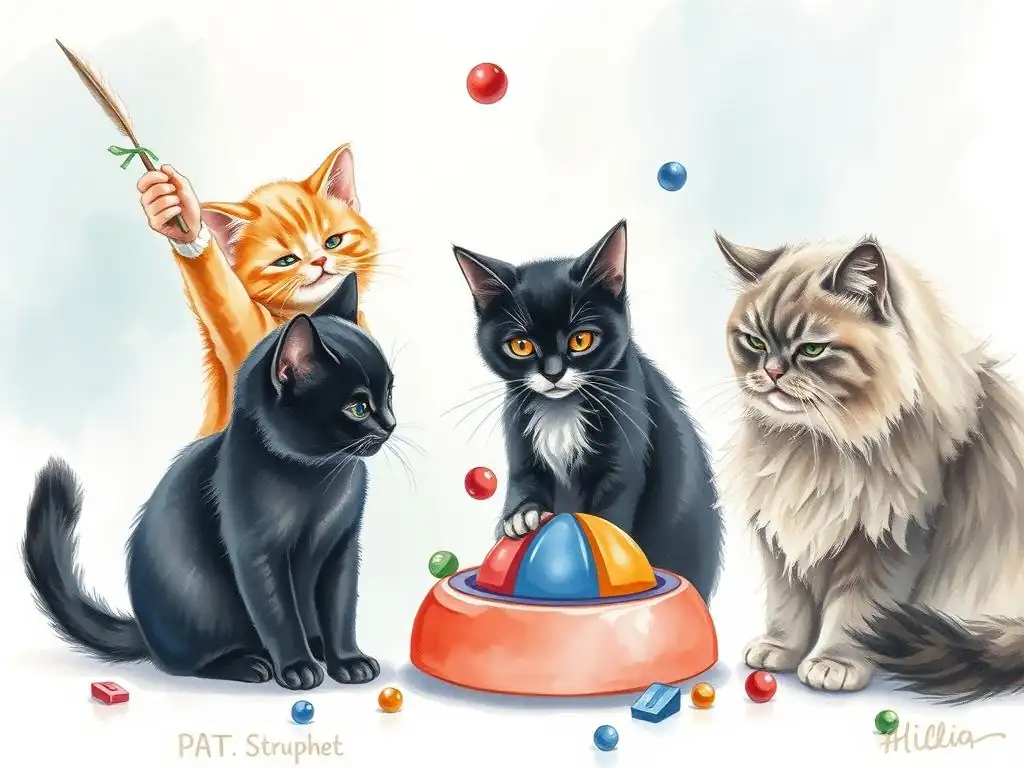
Cats, despite their reputation for independent behavior, thrive on engaging playtime sessions. Providing a diverse range of interactive play experiences is crucial for their physical and mental well-being, especially for indoor cats. Monotony can lead to boredom and behavioral issues, so offering a variety of toys and activities is key to keeping your feline friend stimulated and happy.
This variety helps prevent your cat from becoming desensitized to a single type of play, ensuring longer periods of focused engagement and preventing them from losing interest quickly. The key to successful engaging cat playtime sessions is to understand your cat's preferences and tailor the activities accordingly. Observe your cat's reactions to different toys and games to determine what they enjoy most.
This allows you to create a dynamic and enriching playtime routine that keeps your cat mentally and physically challenged. Remember, the goal isn't just to tire them out, but to stimulate their natural hunting instincts and provide positive reinforcement through interaction.
Interactive Play with Wand Toys: Mastering the Technique for Maximum Engagement
Wand toys are a fantastic tool for mimicking the natural hunting behaviors of cats. The erratic movement of the toy stimulates their predatory instincts, leading to intense bursts of activity and engagement. However, simply waving a wand around isn't enough for truly engaging cat playtime sessions. Mastering the technique requires understanding your cat's body language and adapting your approach.
Start with slow, deliberate movements to pique their interest. Gradually increase the speed and unpredictability as your cat engages, mimicking the movement of prey. Avoid repetitive patterns; surprise is key! Short, intense bursts of play are more effective than long, drawn-out sessions. Cats tend to tire quickly, and prolonged play can lead to frustration. Aim for several short sessions throughout the day rather than one long one.
Remember to incorporate hiding and reappearing of the toy to further challenge your cat and replicate a real hunting scenario. This will keep them fully engaged and mentally stimulated during the playtime session. Finally, always end the session on a high note, allowing your cat to "catch" the toy and feel a sense of accomplishment. This positive reinforcement will leave them anticipating the next playtime.
Puzzle Toys and Food Dispensers: Mental Stimulation and Physical Activity Combined
Puzzle toys and food dispensers offer a unique form of engaging cat playtime sessions, combining mental stimulation with physical activity. These toys challenge your cat to work for their reward, tapping into their natural problem-solving abilities. This is especially beneficial for indoor cats, who may lack the opportunity to forage for food in their environment.
There's a wide variety of puzzle toys available, from simple treat balls to more complex mazes. Choose toys that are appropriate for your cat's skill level and gradually increase the difficulty as they master each challenge. This gradual progression keeps them engaged and prevents them from becoming bored.
The benefits extend beyond just entertainment. Puzzle feeders encourage slower eating, which can improve digestion and prevent obesity. The mental stimulation involved in solving the puzzle also contributes to a happier, more well-adjusted cat. Consider rotating different puzzle toys regularly to prevent your cat from becoming too familiar with a single challenge. This variety ensures continued mental engagement and prevents boredom. Observe your cat's interaction with the puzzle to gauge its difficulty. If they solve it too quickly, opt for a more challenging option; if they struggle excessively, choose an easier one.
For households with multiple cats, interactive play can be a fantastic way to promote socialization and healthy competition. Engaging cat playtime sessions involving several cats can strengthen their bond and reduce potential conflict by providing a shared activity that encourages positive interaction.
However, it's crucial to tailor the games to the individual personalities and play styles of each cat. Some cats are more playful than others, and forcing a less enthusiastic cat to participate can lead to stress. Observe their interactions closely and adjust the activity accordingly. Use toys that allow multiple cats to engage simultaneously, such as long wands or multiple puzzle feeders. This prevents competition from escalating into aggression.
Supervising the playtime is essential, especially in the initial stages. Ensure that each cat has equal opportunities to engage with the toy and prevent any one cat from dominating the game. If signs of aggression or stress appear, separate the cats and try again later with a different type of play or a smaller group.
Remember, the goal is to create a positive and enjoyable experience for all involved. Regular interactive play sessions for multiple cats can significantly improve their social dynamics and reduce the likelihood of territorial disputes. Positive interactions during playtime reinforce positive associations between the cats, creating a more harmonious household environment.
Introducing New Toys Gradually: Preventing Boredom and Maintaining Interest
Introducing new toys gradually is crucial for keeping your cat engaged and preventing boredom. Cats, like humans, can become habituated to stimuli. A brand-new toy might initially spark intense interest, but if it's constantly available, the novelty quickly wears off. This is why a rotation system is key to successful engaging cat playtime sessions.
Start by introducing one or two new toys at a time. Allow your cat to explore them thoroughly. Observe their play style; some cats might be immediately captivated, while others might take a little longer to warm up to a new object. Don't force interaction; let your cat investigate at their own pace. Once the initial excitement diminishes, put those toys away for a week or two. This period of absence helps to re-ignite the cat's interest when you reintroduce them.
This strategy is particularly effective for preventing toy fatigue. By rotating toys, you effectively maintain the "novelty factor." This keeps your cat mentally stimulated and prevents them from becoming disinterested in their playthings. Think of it like a carefully curated "toy wardrobe" – a variety of textures, shapes, and functionalities, each making its appearance at opportune moments.
The frequency of rotation depends on your cat's individual personality and play style. Some cats might require a more frequent change, perhaps every few days, while others might happily play with the same toy for a longer duration. Pay attention to your cat's cues. If they seem bored or disinterested, it's time to switch things up! A lack of engagement during playtime can sometimes indicate a need for a different type of toy or a change in the play style itself. Remember, the goal is to maintain active and engaging cat playtime sessions.
Consider creating a "toy box" or designated storage area where you keep your cat's toys. This makes it easy to rotate and manage the collection, ensuring a consistent supply of exciting playthings without overwhelming your feline friend. Regularly assessing your cat's toy collection and discarding or replacing worn-out items is also important for maintaining hygiene and safety. Remember, a safe and stimulating environment is crucial for promoting the well-being of your beloved pet. This simple strategy of gradual introduction and rotation can drastically enhance the effectiveness of your engaging cat playtime sessions.
Enhancing Cat Playtime: Advanced Techniques and Considerations
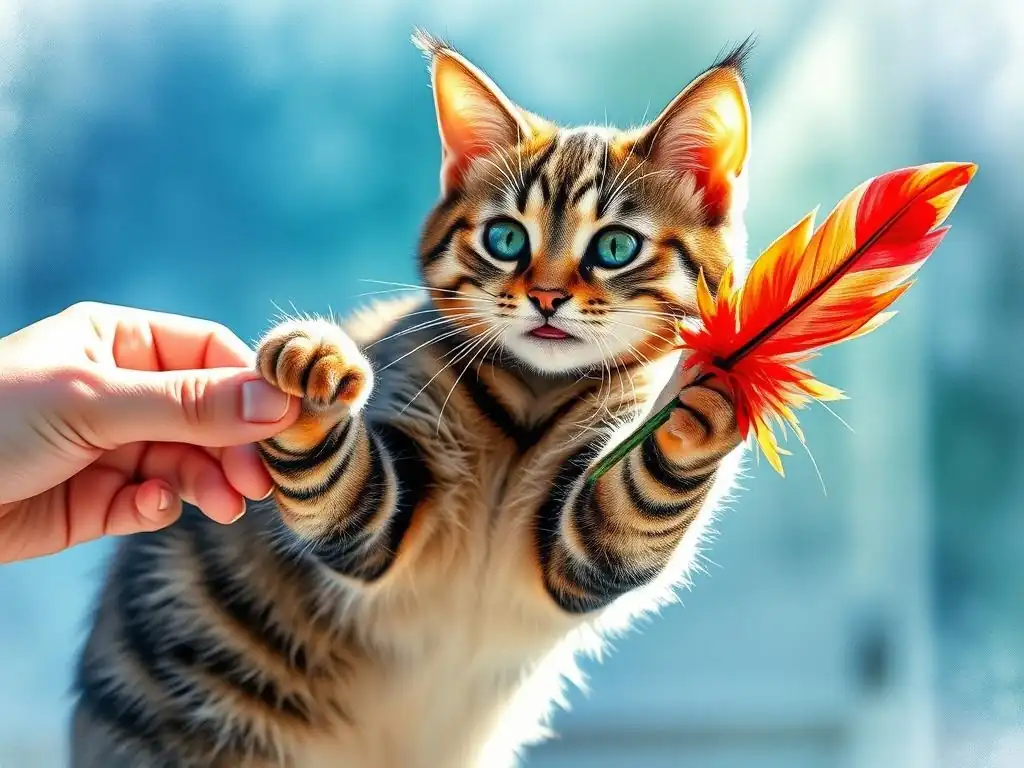
This section delves into strategies to maximize the effectiveness and enjoyment of your cat's playtime, moving beyond basic playtime to create truly engaging cat playtime sessions. We'll explore techniques to refine your approach and address potential challenges. Remember, consistent, positive interaction is key to building a strong bond with your feline companion and ensuring stimulating enrichment.
Using Positive Reinforcement During Play: Rewards and Encouragement
Positive reinforcement is crucial for shaping desirable play behavior in cats. Instead of relying solely on chasing toys, incorporate rewards to strengthen positive associations with playtime. This not only makes playtime more enjoyable for your cat but also helps build trust and a stronger bond.
Consider these strategies:
- Treats: Offer small, high-value treats immediately after your cat successfully engages with a toy or exhibits desired behavior during play. Timing is crucial; reward immediately following the action.
- Praise: Combine treats with verbal praise – a soft, encouraging tone works best. Cats respond to the tone of your voice, so keep it positive and upbeat.
- Petting: Gentle petting can be a powerful reward, especially if your cat enjoys physical affection. Focus on areas your cat prefers to be petted.
- Interactive Toys: Reward your cat for interacting with specific toys. This can help them learn to prefer certain toys over others, improving the variety and effectiveness of your playtime sessions.
For example, if your cat successfully bats at a feather wand, immediately give them a treat and praise them with a cheerful "Good kitty!". Consistency is key; repeat this process throughout the playtime session to reinforce positive behavior. Avoid punishing unwanted behavior; instead, redirect their attention to a more appropriate activity.
Addressing Common Playtime Challenges: Aggression, Overexcitement, and Boredom
Even with careful planning, you might encounter challenges during playtime. Understanding and addressing these issues is key to maintaining positive and engaging cat playtime sessions.
- Aggression: Some cats may exhibit aggression during play, perhaps due to overstimulation or frustration. If your cat bites or scratches excessively, immediately end the playtime session. Try shorter, more frequent play sessions to avoid overstimulation. Observe your cat's body language; signs of stress include flattened ears, a puffed tail, or hissing. If aggression persists, consult your veterinarian to rule out underlying medical conditions.
- Overexcitement: Excessive excitement can lead to uncontrolled behavior. If your cat becomes overly hyped, end the session immediately and allow them time to calm down. Try using less stimulating toys or reducing the intensity of the play session. Consider incorporating calming activities like grooming or quiet playtime with less active toys.
- Boredom: A bored cat might lose interest in playtime quickly. Rotate toys regularly to prevent boredom and keep playtime interesting. Introduce new toys periodically to stimulate their hunting instincts and maintain their interest in playtime. A variety of textures, sounds, and movement patterns will help keep your cat engaged.
Adapting Play Sessions to Your Cat's Age and Health
The intensity and duration of playtime should be adjusted based on your cat's age and health.
| Age Group | Play Session Recommendations | Considerations |
|---|---|---|
| Kittens (0-6 months) | Short, frequent sessions (10-15 minutes, several times a day) with high-energy toys. | Kittens have boundless energy; short sessions prevent overstimulation and exhaustion. |
| Adult Cats (1-7 years) | Moderate-length sessions (15-20 minutes, 1-2 times a day) with a variety of toys. | Balance high-energy play with calmer activities. |
| Senior Cats (7+ years) | Shorter, gentler sessions (5-10 minutes, 1-2 times a day) with low-impact toys. | Adapt to their reduced energy levels and any physical limitations. |
| Cats with Health Issues | Consult your veterinarian for recommendations tailored to your cat's specific condition. | Certain health conditions may limit the type and duration of appropriate playtime. |
Remember, flexibility is key. Observe your cat's cues and adjust the playtime accordingly. A well-planned, adaptive approach will ensure that your playtime sessions remain engaging and beneficial for your feline friend throughout their life. Always prioritize their comfort and enjoyment. 😻
Recognizing When to Stop: Signs Your Cat is Tired or Frustrated
Knowing when to end a playtime session is crucial for your cat's well-being and to prevent frustration or negative associations with playtime. Cats, despite their playful nature, have limits. Pushing them beyond those limits can lead to stress and even aggression. Observing your feline friend carefully during playtime is key to understanding their cues. A fatigued or frustrated cat might exhibit several tell-tale signs, and it's vital to recognize them.
One common indicator is a sudden shift in behavior. A cat actively engaged in play will typically show focused attention, intense stalking, and enthusiastic pouncing. However, a tired or overwhelmed cat might abruptly stop chasing the toy, even if it's still in motion. They might flatten their ears, a clear sign of discomfort or stress. This abrupt cessation of play, coupled with a change in body language, should signal the end of the session.
Another important sign is over-grooming. Cats often groom themselves to relieve stress. If your cat starts excessively licking or grooming themselves during playtime, it could indicate they're feeling overwhelmed or anxious. This is particularly true if the grooming is focused on a specific area, such as their paws or tail, suggesting they might be trying to self-soothe.
Furthermore, yawning and slow blinking can also be subtle indicators of tiredness or stress. While slow blinking can be a sign of affection in other contexts, during playtime, it might signal that your cat is reaching their limit. Yawning, of course, is a clear indication of fatigue. These subtle cues, often overlooked, are important signals to pay attention to.
Finally, hissing, growling, or swatting are clear signs of frustration. These are defensive behaviors that indicate your cat is no longer enjoying the playtime and feels threatened or cornered. Ignoring these signals can lead to negative associations with play, making it harder to engage your cat in future sessions. Respecting these boundaries is essential for building a positive and trusting relationship with your cat.
Always prioritize your cat's comfort and well-being during playtime; a short, positive session is far better than a long, stressful one. Remember, the goal is to create enjoyable interactions, not to push your cat beyond their limits. Learning to read your cat's body language will make you a better and more responsible playmate.
Beyond Playtime: Enriching Your Cat's Life Through Environmental Enrichment
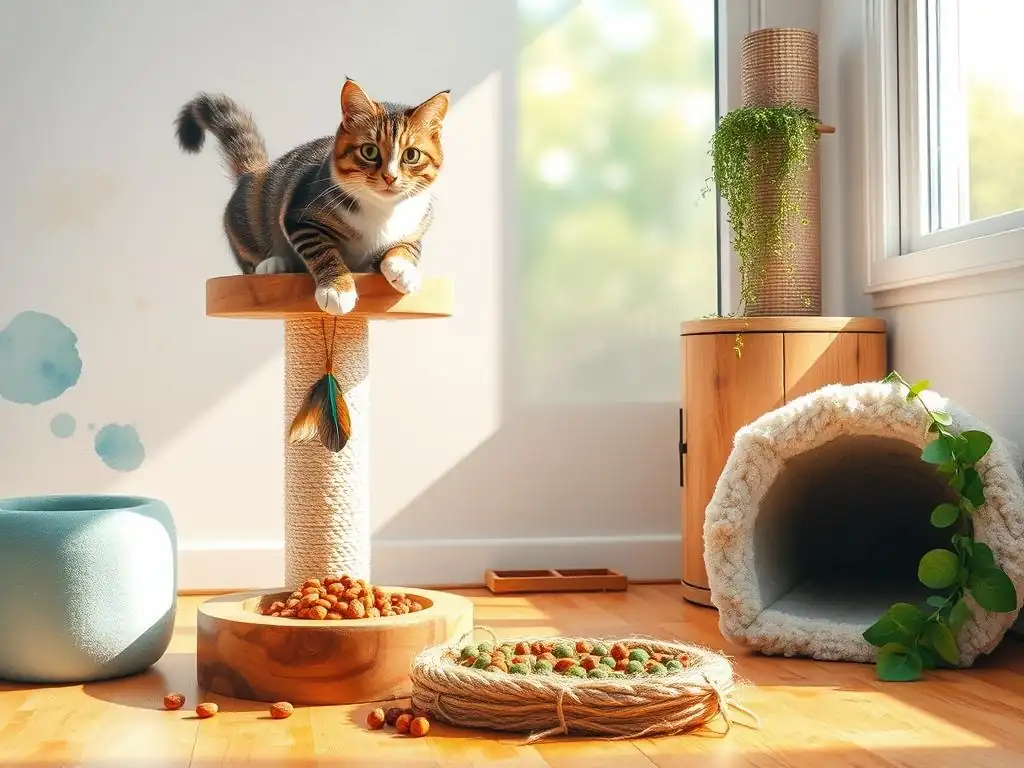
Engaging cat playtime sessions are crucial for your feline friend's physical and mental well-being, but enriching their environment goes beyond simply playing with toys. A stimulating home environment is key to preventing boredom, reducing stress, and fostering a happy, healthy cat. This section explores ways to enrich your cat's life beyond dedicated playtime, focusing on providing opportunities for exploration, climbing, hiding, and scratching – all essential aspects of a cat's natural instincts. Remember, a happy cat is an enriched cat!
Providing Vertical Space: Cat Trees, Shelves, and Window Perches
Cats are naturally inclined to climb and survey their territory from high vantage points. Providing vertical space caters to this innate behavior, offering them a sense of security and control. A simple cat tree, strategically placed near a window, can transform your cat's experience. Consider these points when choosing or creating vertical spaces:
- Height: Taller is generally better. Cats love to be able to look down on their surroundings. Aim for at least 5 feet, or even higher for particularly active cats.
- Variety: Offer a range of perches at different heights and angles. This allows your cat to choose their preferred viewing spot based on their mood and the activity in the house. They might prefer a high perch for observing the outside world or a lower one for a quick nap.
- Stability: A wobbly cat tree is a safety hazard. Ensure the tree is sturdy and well-balanced, especially if you have multiple cats who might be climbing on it at the same time.
- Materials: Choose durable, easy-to-clean materials. Consider the texture; some cats prefer rough surfaces, while others prefer soft, plush materials.
- Window Access: Cats love to watch birds and other animals. A perch near a window gives them prime viewing opportunities, providing hours of natural entertainment.
Consider supplementing cat trees with strategically placed shelves (ensure they are securely mounted!) and window perches. These additions provide extra vertical space and variety, further stimulating your cat's environment. You'll observe a noticeable difference in their engagement and overall contentment with these added features. For example, one cat owner reported a significant decrease in destructive scratching after providing a tall cat tree with multiple perches and a window ledge. This highlights the importance of providing sufficient vertical territory for your cat.
Creating Hiding Places: Boxes, Tunnels, and Cozy Spaces
Cats are crepuscular animals, meaning they are most active during dawn and dusk. They also have a natural instinct to seek out safe, hidden spaces for rest and relaxation. Providing hiding places caters to this instinct, reducing stress and anxiety. Think about it: a safe haven is a must-have for any cat!
- Variety of Hiding Spots: Don't limit yourself to just one hiding place. Offer a variety of options, including cardboard boxes (a cat's favorite! ), tunnels, and cozy beds tucked away in quiet corners.
- Location Matters: Place hiding spots in different areas of the house, offering a choice of environments – some dark and secluded, others slightly more open.
- Size and Shape: Offer a range of sizes and shapes to accommodate your cat's preferences. Some cats prefer snug, enclosed spaces, while others might prefer a more open tunnel.
- Material: Use a variety of materials, including cardboard, fabric, and even wicker.
Remember, even something as simple as a clean laundry basket or a partially covered pet bed can serve as a valuable hiding place. Experiment with different options to see what your cat prefers. Observe their behavior; where do they choose to spend their time? This will help you determine the ideal location and type of hiding places for your cat. Providing multiple hiding options allows your cat to choose the perfect spot depending on their mood and the level of stimulation they desire.
Offering Scratching Posts: Satisfying Natural Instincts and Protecting Furniture
Scratching is a natural feline behavior, serving several important purposes: shedding old nail sheaths, stretching muscles, and marking territory. Providing appropriate scratching posts is crucial to protect your furniture and satisfy your cat's instinctual needs. Failure to do so often results in unwanted scratching on sofas, carpets, and other household items.
- Types of Scratching Posts: Offer a variety of scratching posts made from different materials, such as sisal, carpet, and cardboard. Cats have different preferences, so offering choices increases the likelihood of finding a favorite. Vertical posts, horizontal scratching boards, and even corner posts can cater to various scratching styles.
- Placement: Place scratching posts in several locations around the house, including near resting areas and high-traffic zones. Consider placing one near where your cat currently scratches your furniture – this can help redirect their behavior.
- Height and Size: Offer a variety of sizes and heights to accommodate your cat's preferences. Some cats prefer tall posts, while others may prefer shorter, horizontal scratching boards.
- Stability: A wobbly scratching post is less appealing to a cat and can be dangerous. Ensure your scratching posts are sturdy and securely anchored.
Regularly inspect and replace worn-out scratching posts. A well-maintained scratching post is more likely to be used by your cat. Consider using catnip or other attractants to entice your cat to use the scratching post, especially when introducing a new one. Remember, a happy cat is a cat that can scratch to their heart's content without damaging your belongings! Investing in quality scratching posts is an investment in both your cat's well-being and the longevity of your furniture.
Frequently Asked Questions
How long should an engaging cat playtime session last?
Ideally, short and frequent sessions are best. Aim for 5-15 minutes, several times a day, to prevent your cat from becoming overstimulated or bored. This keeps them actively engaged.
What types of toys are best for engaging cat playtime sessions?
Interactive toys that encourage your cat to stalk, chase, and pounce are ideal. Consider wand toys, feather wands, or toys that mimic prey movement. Variety is key to keep your cat interested.
How can I tell if my cat is enjoying their playtime session?
Observe your cat's body language. Signs of enjoyment include intense focus, playful swatting or biting, and vocalizations like chirps or meows. If they seem stressed or avoidant, shorten the session.
What's the best time of day for engaging cat playtime sessions?
The best time is when your cat is most active and alert. This often varies by cat, but experimenting with different times will help you find what works best. Consistency is important.
My cat seems disinterested in playtime. What can I do?
Try different types of toys, vary the location of playtime, and ensure the toys are novel and stimulating. If the problem persists, consult a vet to rule out any underlying health issues. Patience is crucial.
Final Reflection: The Enduring Power of Play in the Human-Feline Bond
The simple act of playful interaction profoundly impacts the well-being of our feline companions, shaping not only their physical health but also their emotional and mental states. Ignoring this fundamental need can lead to behavioral issues and a diminished quality of life for our beloved cats, highlighting the urgent need for mindful engagement.
The impact of dedicated playtime extends far beyond mere entertainment; it strengthens the bond between cat and owner, fostering trust and mutual understanding. It's a powerful way to communicate, building a relationship based on respect and affection. The cat, who sits and stares out the window, is not merely contemplating the world; it is contemplating its relationship to the world.
This quote, while not directly about playtime, speaks to the depth of a cat's experience and the importance of enriching their environment, which dedicated playtime sessions directly contribute to.
Now, consider your own cat. Think about the joy in their eyes during a particularly engaging game, the playful pounces, the contented purrs that follow. This isn't just about providing exercise; it's about nurturing a connection, creating a richer life for your feline friend, and enriching your own. Make a conscious effort to schedule those focused playtime sessions, to observe your cat's unique preferences, and to adapt your approach to maximize their enjoyment. The rewards – a happier, healthier, and more bonded companion – are immeasurable.
Unlock Your Cat's Inner Kitten: Playtime Power-Up!
Thank you for exploring ways to enrich playtime with your feline companion! We hope you've discovered valuable strategies for creating engaging and stimulating play sessions. Now, let's put your newfound knowledge into practice.
- Design a daily playtime schedule: Incorporate at least two dedicated playtime sessions each day, experimenting with different times to find when your cat is most energetic. Remember to rotate toys regularly to keep things interesting!
- Create a stimulating "treasure hunt": Hide your cat's favorite toys around the house to encourage exploration and satisfy their natural hunting instincts. This simple game transforms playtime into an exciting adventure!
- Share your playful successes!: Tell us about your cat's favorite new games or toys in the comments below—let's build a supportive and playful community!
Ready to transform playtime from a routine into an exciting bonding experience? What creative playtime ideas will you try first?