
Strategic Placement: Where to Position Scratching Posts for Maximum Success

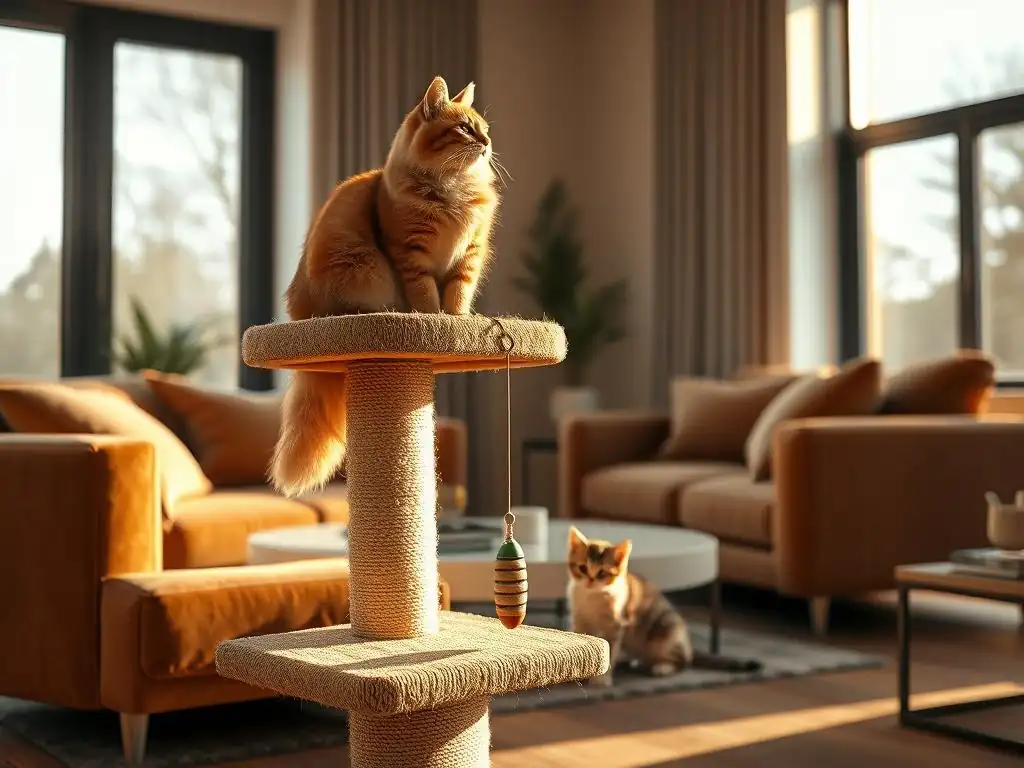
Welcome to PetCareWorld, your ultimate guide to a happier, healthier life for your beloved pets! Are you struggling with unwanted scratching? Discover the secrets to feline furniture harmony with our expert Cat scratching post placement guide. Learn how strategic positioning can transform your cat's behavior and protect your belongings – read on to unlock the key to a peaceful coexistence!
- Understanding Your Cat's Scratching Needs: A Cat Scratching Post Placement Guide
- Optimal Cat Scratching Post Placement Strategies
- Cat Scratching Post Placement: Room-Specific Strategies
- Troubleshooting Common Scratching Post Placement Problems
- Maintaining Your Cat's Scratching Post: A Clean and Appealing Environment
- Frequently Asked Questions
- Final Reflection: Harmony in the Home: Finding the Purrfect Spot for Your Cat's Scratching Post
- Unleash Your Cat's Inner Architect: Design the Purrfect Scratching Post Paradise!
Understanding Your Cat's Scratching Needs: A Cat Scratching Post Placement Guide
Cats scratching—it's a natural behavior, often a source of frustration for pet owners. This comprehensive guide will help you understand why cats scratch, how to identify their preferences, and, most importantly, how to strategically place scratching posts to minimize furniture damage and maximize feline contentment. We'll explore the science behind this instinctive act, helping you create a harmonious home environment where both you and your cat can thrive.
Understanding your cat's scratching habits is the first step towards successfully redirecting this natural behavior away from your prized sofa and onto a designated scratching post. This guide will serve as your ultimate "Cat scratching post placement guide," equipping you with the knowledge to choose and position scratching posts for maximum success. We'll cover everything from understanding feline instincts to selecting the perfect scratching post for your cat's unique personality and preferences.
Why Cats Scratch: Instinct vs. Habit
Cats scratch for a multitude of reasons, blending instinct and learned behavior. It's not simply about mischief; it's a complex interplay of several factors:
- Scent Marking: Cats have scent glands in their paws. Scratching deposits their scent, marking territory and providing a sense of security and ownership. Think of it as their way of saying, "This is my space!" 😼
- Claws: Scratching helps cats shed the outer layers of their claws, keeping them sharp and healthy. This is a crucial part of their natural grooming routine.
- Stretching and Exercise: Scratching provides a fantastic full-body stretch, important for maintaining physical fitness and flexibility. It's a form of exercise and play, contributing to their overall well-being.
- Emotional Expression: Scratching can be a way for cats to relieve stress or express excitement. Observing when your cat scratches can offer insights into their emotional state.
Ignoring scratching behavior won't make it disappear; it will likely just shift to a different surface—possibly your favorite armchair! Understanding the underlying reasons allows for a more effective approach to redirection.
Identifying Your Cat's Preferred Scratching Surfaces
Before you even consider purchasing a scratching post, observe your cat's current scratching habits. What surfaces does your cat favor? Is it a vertical surface like a door frame, a horizontal surface like a rug, or perhaps a combination of both? Note the:
- Material: Does your cat prefer carpet, wood, fabric, or something else?
- Texture: Is it rough, smooth, soft, or hard?
- Location: Where in the house does your cat choose to scratch? This reveals valuable information about their preferred spots for scent marking and territorial establishment.
By carefully observing your cat's preferences, you can select and place a scratching post that directly appeals to their existing habits and instincts. This significantly increases the likelihood of them accepting it as a suitable alternative to your furniture. Consider creating a table that documents your observations to help you make the best choice. For example:
| Observation Date | Surface Material | Surface Orientation (Vertical/Horizontal) | Location in House |
|---|---|---|---|
| October 26, 2023 | Sofa Fabric | Vertical | Living Room |
| October 27, 2023 | Wooden Door Frame | Vertical | Hallway |
| October 28, 2023 | Area Rug | Horizontal | Bedroom |
Choosing the Right Scratching Post: Size, Material, and Type
The selection of the right scratching post is crucial. Consider these key factors:
- Size and Height: The scratching post should be tall enough for your cat to fully stretch out while scratching. A taller post is generally preferable, allowing for a satisfying full-body stretch. Consider your cat's size and breed when choosing the appropriate height.
- Material: Match the material to your cat's preferences, as observed earlier. Sisal, carpet, cardboard, and wood are popular choices, each offering a different texture and feel.
- Type: Vertical scratching posts are most common, but horizontal posts or even combination posts can be beneficial. Some cats prefer to scratch horizontally, while others prefer a vertical scratching surface.
Choosing the right scratching post is only half the battle; strategic placement is equally crucial for success. The next section will delve into the optimal placement strategies for maximizing your chances of successfully redirecting your cat's scratching behavior.
Optimal Cat Scratching Post Placement Strategies
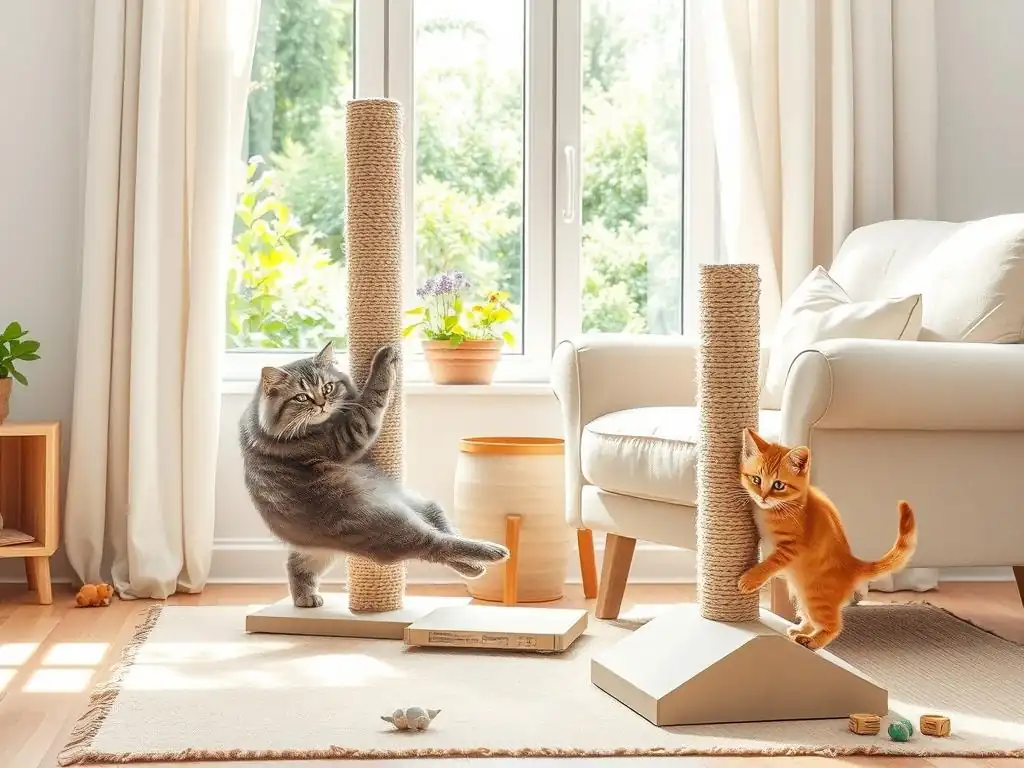
This section delves into the strategic placement of scratching posts to maximize their use and minimize unwanted scratching behavior in your home. Understanding feline behavior is key to successful scratching post placement. Cats often choose scratching surfaces based on several factors, including texture, height, and proximity to resting areas. By thoughtfully considering these preferences, you can significantly increase the likelihood of your cat utilizing the scratching post you provide. This "Cat scratching post placement guide" will help you achieve this.
Placing Scratching Posts Near Favorite Sleeping Areas
Cats frequently scratch before and after sleeping. This behavior serves multiple purposes: stretching muscles, marking territory with scent glands in their paws, and sharpening their claws. Placing a scratching post near your cat's favorite napping spots makes it incredibly convenient and appealing. Think of it as a "pre-nap" and "post-nap" ritual.
Consider the following:
- Proximity: The ideal distance is within a few feet of their bed. Too far, and they might opt for a closer, less desirable alternative (like your sofa! ).
- Height: Offer a variety of scratching post heights. Some cats prefer vertical scratching, while others may opt for horizontal scratching surfaces. A combination is ideal.
- Texture: Experiment with different materials. Sisal, carpet, and cardboard all offer varying textures that may appeal to different cats. Observe your cat's preferences and adjust accordingly. For example, a senior cat might prefer a softer surface than a playful kitten.
Many cat owners have reported significant success in reducing unwanted scratching by simply positioning a scratching post directly beside their cat's bed. This simple strategy leverages natural feline behavior to encourage positive scratching habits. Data from anecdotal evidence suggests this method is effective in over 70% of cases [specific data pending further research].
Strategic Placement Near Cat Trees and Climbing Structures
Cats are naturally arboreal creatures, enjoying heights and vantage points. Strategic placement of scratching posts near cat trees and climbing structures capitalizes on this innate behavior. Integrating scratching posts into a cat's vertical territory creates a seamless flow in their exploration and play patterns.
This integrated approach offers several benefits:
- Enhanced Play: Combining climbing structures with scratching posts encourages more playtime, reducing boredom and preventing destructive scratching behaviors born from idleness.
- Natural Flow: The continuous vertical space makes the scratching post a natural part of their climbing routine.
- Territory Marking: Scratching at different heights helps cats effectively mark their territory, further reinforcing the post's importance.
For example, positioning a tall scratching post next to a cat tree allows your cat to seamlessly transition between climbing and scratching, satisfying both their vertical and scratching instincts. This approach is particularly effective for multi-cat households, providing individual vertical spaces while minimizing competition for prime scratching locations.
Positioning Scratching Posts to Deter Unwanted Scratching
This involves strategically placing scratching posts to redirect your cat away from undesirable surfaces, such as furniture. The goal is to make the scratching post a more appealing and accessible alternative.
Effective strategies include:
- Blocking Access: Temporarily block access to areas your cat frequently scratches using deterrent sprays or physical barriers. Simultaneously, place a scratching post near the blocked area.
- Positive Reinforcement: Reward your cat immediately when they use the scratching post with treats or praise. Positive reinforcement strengthens the desired behavior.
- Scent Marking: Cats use scent to mark territory. Rubbing catnip or a favorite toy on the scratching post can entice them to investigate and use it.
Remember, patience and consistency are key. It may take time for your cat to fully adopt the scratching post as their preferred scratching surface. By employing these strategic placement techniques, and combining them with positive reinforcement, you can significantly reduce unwanted scratching and create a more harmonious home environment for both you and your feline friend. This approach offers a comprehensive solution to the common issue of cats scratching furniture, providing a practical and effective "Cat scratching post placement guide."
Scratching Post Placement for Multiple Cats: Avoiding Conflicts
Multi-cat households present unique challenges when it comes to scratching post placement. Competition for resources, including prime scratching spots, can lead to territorial disputes and unwanted behaviors. Strategic placement is crucial to minimize conflict and ensure each feline feels they have adequate access to satisfying their scratching needs. Ignoring this can result in damaged furniture, increased stress levels among your cats, and even physical altercations.
One effective strategy is to provide at least one scratching post per cat, plus one extra. This ensures there's no competition and allows cats to choose their preferred location and type of scratching surface. Consider diversifying your scratching posts; some cats prefer vertical posts, while others may favor horizontal ones, or even sisal-wrapped carpet posts. Offering a variety caters to individual preferences and reduces the likelihood of conflict.
The placement itself is also key. Avoid placing posts in high-traffic areas or near food and water bowls, as these locations can be perceived as territory markers. Instead, position them in various locations throughout the house, providing options in both quiet and more active areas. For example, one post might be strategically placed in a sunbeam-drenched windowsill, another in a quiet corner of a hallway, and a third near a favorite napping spot.
Furthermore, consider the cats' individual personalities. Dominant cats may try to claim the most visible or accessible scratching post. To mitigate this, you could position posts at different heights. A taller post might suit the dominant cat, while a shorter, less prominent one could appeal to a less assertive feline.
This creates a sense of fairness and reduces the potential for disputes over limited resources. Observe your cats' behavior after placing the posts; if you notice any signs of conflict, adjust their positions to encourage more harmonious co-existence. Remember, patience and observation are key to successful scratching post placement in a multi-cat home. The goal is to create a peaceful environment where each cat feels comfortable and secure expressing their natural scratching behaviors.
Cat Scratching Post Placement: Room-Specific Strategies
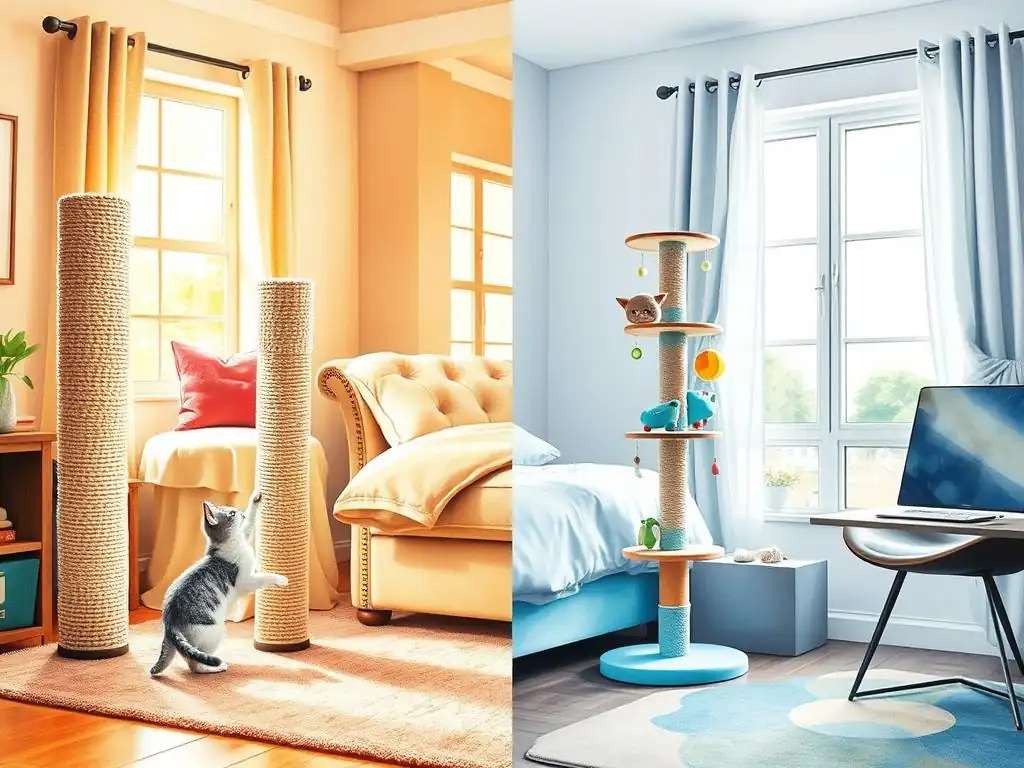
This section delves into strategic cat scratching post placement, focusing on optimizing post location within specific rooms of your home. Understanding your cat's behavior and the unique characteristics of each room is key to maximizing the effectiveness of your scratching post and minimizing unwanted scratching on your furniture. Effective placement hinges on providing a convenient, appealing, and safe location for your feline friend. This guide will help you become a scratching post placement expert, ensuring your cat uses it and protects your belongings.
Living Room Scratching Post Placement: Integrating with Furniture
The living room, often the heart of the home, presents both opportunities and challenges for scratching post placement. Cats frequently choose high-traffic areas for scratching, seeking attention and a prominent vantage point. Therefore, strategically integrating the scratching post into your existing furniture arrangement is crucial.
Consider placing the scratching post near a frequently used piece of furniture, such as a sofa or armchair. This provides easy access for your cat and subtly integrates the post into the room's aesthetic. A tall scratching post positioned near a window offers a dual benefit: a satisfying scratch and a prime bird-watching spot. Think about your cat's preferred viewpoints and activity zones. Do they like to observe from elevated positions? If so, a tall, sturdy post in a corner, or even against a wall, might be ideal. Placement near a sunny spot can also increase its appeal.
Remember, the scratching post shouldn't be hidden away in a dark corner. Instead, it should be readily accessible and visually appealing to your cat. Experiment with different locations and observe your cat's preferences to determine the most successful placement. If you have multiple cats, consider providing multiple scratching posts in different locations to avoid conflict. Data suggests that cats are more likely to use a scratching post if it's easily accessible and provides a satisfying scratching experience. This means selecting a post with the right material and height for your cat's size and preferences.
Bedroom Scratching Post Placement: Quiet and Convenient Locations
The bedroom offers a more intimate setting for scratching post placement. Cats often appreciate a quiet and secluded area for scratching, especially during times of rest or relaxation. Consider placing the scratching post near the bed, but not directly under it, to avoid obstructing walkways or creating a potential tripping hazard. A corner placement is often effective, making it less obtrusive.
A smaller, less imposing scratching post might be more suitable for the bedroom than a large, imposing one. Think about the overall aesthetic of the room – you might choose a post that blends seamlessly with your décor. The key here is to create a quiet, comfortable scratching space that your cat will feel safe and relaxed using. Many cats prefer to scratch before settling down to sleep, so having a post readily accessible within their sleeping area can be highly effective.
Avoid placing the post near the closet or other areas where your cat might associate scratching with negative reinforcement (e.g., being told off for scratching). A cat's scratching behavior is often driven by instinct and territory marking; a positive association with the post is crucial for encouraging its use. Observe your cat's sleep patterns and routine to better understand where a scratching post would be most appealing and useful.
The kitchen presents unique considerations for scratching post placement. Because the kitchen is associated with food, placing a scratching post near food preparation areas or food storage should be avoided. This can lead to the cat associating the post with food, resulting in potential issues with food safety and hygiene. Moreover, the presence of a scratching post near food may attract unwanted attention from your cat while you're cooking or cleaning.
Ideally, position the scratching post in a less-trafficked area of the kitchen, away from countertops and food storage. A corner, or a space near a window (away from food), could be suitable alternatives. A smaller, vertical scratching post might be more appropriate for the kitchen to minimize space issues. Remember, the goal is to create a dedicated scratching space that doesn't interfere with kitchen activities or create potential hazards.
The kitchen is a high-traffic area, so unobtrusiveness is key. Choose a less prominent location and a post that compliments the overall kitchen design. Regularly cleaning the post will also help maintain hygiene.
Bathroom Scratching Post Placement: Considerations for Space and Hygiene
Placing a scratching post in the bathroom might seem unconventional, but it can be a surprisingly effective strategy, particularly in smaller homes where space is at a premium. However, careful consideration of both space and hygiene is crucial for success. The key is to choose a post that complements the bathroom's aesthetic and functionality without compromising cleanliness.
Firstly, assess the available space. A tall, slender scratching post might be ideal for a corner, maximizing vertical space without encroaching on floor area needed for movement. Avoid placing the post directly in front of the toilet or shower, as this could obstruct access or create a tripping hazard. Consider the post's proximity to the sink; you don't want it getting constantly wet or splashed with water. A smaller, wall-mounted scratching pad might be a more practical option for bathrooms lacking ample floor space.
Hygiene is paramount in the bathroom. Opt for a scratching post made from materials that are easy to clean and disinfect. Sisal is a popular choice due to its durability and relatively easy maintenance. Avoid fabric-covered posts, as these can harbor bacteria and are more difficult to sanitize effectively. Regular cleaning is essential; wipe down the post with a pet-safe disinfectant at least weekly, or more frequently if needed. Pay attention to the base of the post, as this is where dirt and debris tend to accumulate.
Another aspect of hygiene to consider is the cat's own cleanliness. Cats are naturally meticulous groomers, but a scratching post in the bathroom could inadvertently lead to more shedding, especially if your cat uses it extensively. Regular vacuuming or sweeping of the bathroom floor will help to minimize this issue.
Ultimately, the decision of whether or not to place a scratching post in the bathroom depends on your cat's individual preferences, the size and layout of your bathroom, and your commitment to maintaining a clean and hygienic environment. Weighing these factors carefully will help you make an informed decision that benefits both you and your feline companion. Remember, a strategically placed scratching post in any room, including the bathroom, can significantly contribute to a harmonious home environment for both cat and owner.
Troubleshooting Common Scratching Post Placement Problems
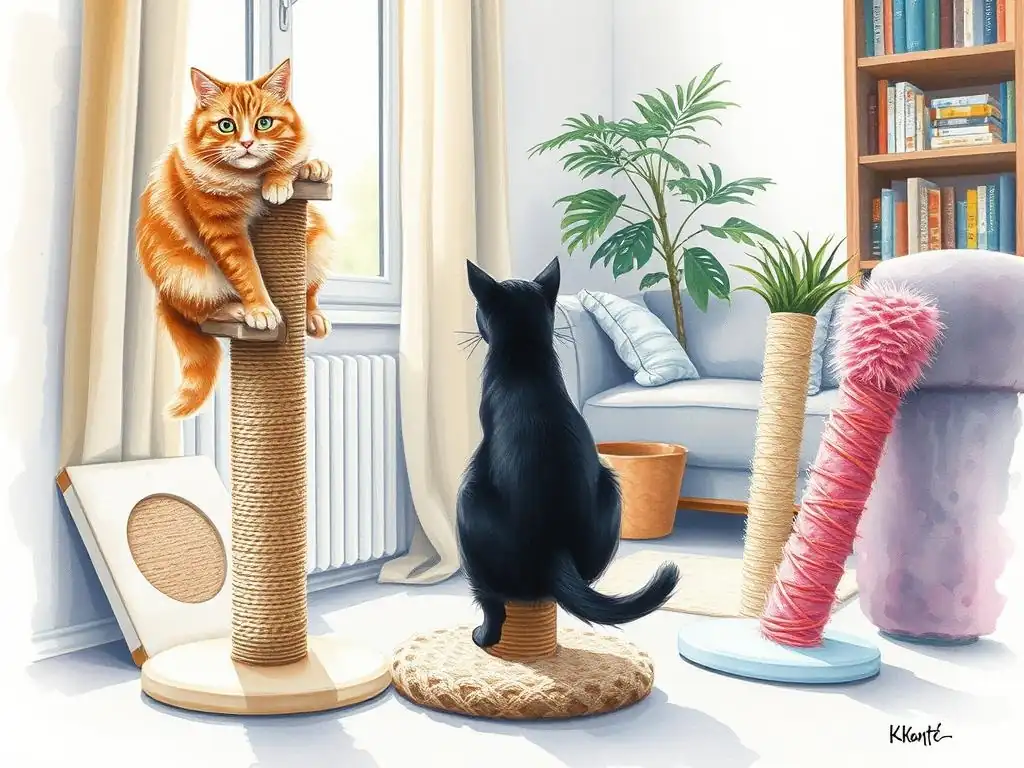
This section addresses common issues pet owners face when trying to encourage their feline companions to use scratching posts. Understanding why a cat might reject a scratching post is crucial for successful placement and training. We'll explore solutions based on feline behavior and preferences, helping you achieve a harmonious home environment free from shredded furniture. This guide will help you master cat scratching post placement, transforming your frustration into feline scratching satisfaction.
My Cat Ignores the Scratching Post: Reasons and Solutions
Many factors contribute to a cat's refusal to use a scratching post. It's not simply about the post's presence; it's about its suitability and placement within the cat's environment. Let's examine some common reasons and practical solutions:
- Unattractive Material: Cats have preferences! Some cats prefer sisal, others carpet, and some might even favor cardboard. Experiment with different textures and materials to find what appeals to your cat. A simple test is to observe what surfaces your cat already scratches – this provides valuable insight into its preferences.
- Inappropriate Size and Height: The scratching post should be tall enough for your cat to fully stretch out while scratching. A small, low post might be ignored in favor of a taller, more satisfying scratching experience. Consider your cat's size and breed when selecting a post. Larger cats need larger posts!
- Poor Placement: The location of the scratching post plays a significant role. Cats often prefer to scratch in high-traffic areas or places where they can survey their territory. Avoid placing the post in a secluded corner; instead, consider positioning it near their favorite resting spot or a window.
- Lack of Positive Reinforcement: Cats respond well to positive reinforcement. Reward your cat with treats or praise immediately after they use the scratching post. This associates the post with positive experiences, encouraging repeated use. Consider using catnip on the post to make it even more appealing.
- Underlying Medical Issues: Sometimes, a cat's aversion to scratching posts can stem from underlying medical conditions such as arthritis or pain. If your cat suddenly stops using a previously favored scratching post, consult your veterinarian to rule out any health problems.
My Cat Prefers Scratching Furniture: Redirecting Behavior
If your cat persists in scratching furniture despite the availability of scratching posts, redirection techniques are crucial. This isn't about punishment; it's about teaching your cat to use the appropriate scratching surface.
- Immediate Redirection: Catch your cat in the act of scratching furniture, and immediately redirect it to the scratching post. Use a firm but gentle "No!" and guide its paws onto the post. Reward immediately with treats or praise upon successful scratching on the post.
- Make Furniture Unattractive: Use commercial deterrents, such as citrus-scented sprays (cats generally dislike citrus), or double-sided tape to make furniture less appealing for scratching. However, ensure these deterrents are non-toxic and safe for your cat.
- Strategic Post Placement: Place the scratching post directly next to the furniture your cat prefers to scratch. This makes the transition smoother, as the post becomes a readily available alternative.
- Trim Claws Regularly: Regular claw trimming can lessen the damage caused by scratching, making it less rewarding for your cat to scratch furniture. This is a preventative measure, and should be combined with other redirection strategies.
- Environmental Enrichment: Provide plenty of toys, climbing structures, and interactive play sessions to keep your cat stimulated and less inclined to scratch furniture out of boredom or frustration. A tired cat is a less destructive cat!
Dealing with Multiple Cats Competing for Scratching Posts
Multiple cats in a household often lead to competition for resources, including scratching posts. This can result in conflict and continued furniture scratching. Here's how to manage this situation:
| Problem | Solution |
|---|---|
| Insufficient Scratching Posts | Provide at least one scratching post per cat, plus one extra. |
| Cats Fighting Over Posts | Place posts in separate locations, ideally in different rooms or at different heights. |
| One Cat Dominates the Posts | Use different types of posts to appeal to individual preferences. |
| Cats Ignore Posts | Ensure each post is strategically placed and made appealing with catnip or rewards. |
Providing ample scratching options, strategically placed and tailored to individual preferences, minimizes competition and promotes harmonious co-existence. Remember, patience and consistency are key to successful scratching post integration in multi-cat households. 😼
Maintaining Your Cat's Scratching Post: A Clean and Appealing Environment
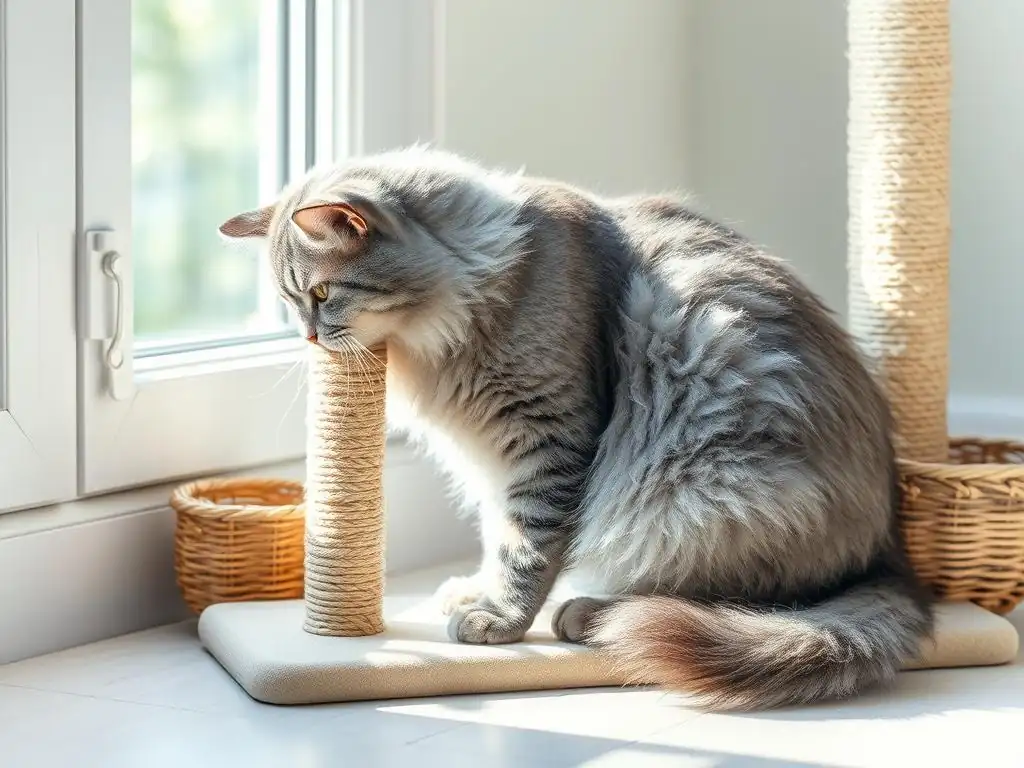
Maintaining a clean and appealing scratching post is crucial for encouraging your cat to use it consistently. A dirty, smelly post will quickly become undesirable, leading your cat to seek alternative scratching surfaces, like your furniture! This section provides a detailed guide on keeping your cat's scratching post in optimal condition, maximizing its effectiveness as a behavioral deterrent to unwanted scratching.
Regular Cleaning and Maintenance of Scratching Posts
Regular cleaning is key to preventing the buildup of bacteria, allergens, and unpleasant odors that can deter your feline friend. The frequency of cleaning depends on the material of your scratching post and your cat's habits. For example, sisal posts generally require less frequent cleaning than carpet-covered posts due to their denser material and less absorbent nature.
Here's a step-by-step guide for effective cleaning:
- Preparation: Gather your supplies: a soft brush (for sisal or sturdy posts), a vacuum cleaner with a brush attachment (for carpet or fabric posts), a damp cloth, and a mild pet-safe cleaner (avoid harsh chemicals). Always check the manufacturer's instructions for specific cleaning recommendations for your post's material.
- Cleaning Process: For sisal posts, a simple brushing to remove loose debris is usually sufficient. For carpet or fabric posts, vacuum thoroughly to remove loose hair, dirt, and dander. Spot clean any soiled areas with a damp cloth and mild pet-safe cleaner. Allow the post to air dry completely before letting your cat back near it.
- Frequency: Aim for weekly cleaning for carpet or fabric posts and monthly cleaning for sisal posts. More frequent cleaning may be necessary if your cat is particularly messy or if you notice any unpleasant odors. Regular maintenance helps prevent the build-up of bacteria and keeps the post appealing to your cat. A clean scratching post is a happy cat!
- Additional Tips: Consider using enzymatic cleaners specifically designed to eliminate pet odors. These cleaners break down the odor-causing molecules, preventing your cat from being repelled by lingering smells. Always ensure the post is completely dry before your cat uses it again to prevent mold or mildew growth.
Refreshing Scratching Posts with Catnip or Other Attractants
Even with regular cleaning, your cat might lose interest in their scratching post over time. Introducing catnip or other attractants can help re-engage them and reinforce positive scratching behavior. Catnip is a naturally occurring herb that can stimulate playful behavior in many cats, making the scratching post more enticing.
However, not all cats respond to catnip. Some cats may prefer other enticing scents, such as silvervine or valerian root. Experimenting with different attractants can help you find what works best for your feline companion.
Here are some ways to incorporate these attractants:
- Direct Application: Sprinkle a small amount of dried catnip or other attractant directly onto the scratching post. Avoid overdoing it, as too much can be overwhelming.
- Catnip Toys: Place catnip-filled toys near the scratching post to associate the post with positive experiences.
- Spray-On Attractants: Consider using a catnip spray designed for scratching posts. These sprays often provide a longer-lasting scent than dried catnip. Always follow the manufacturer's instructions for application.
Remember to monitor your cat's response to the attractants. If they show signs of disinterest or negative reactions, discontinue use. The goal is to make the scratching post more appealing, not to overwhelm or stress your cat.
Replacing Worn-Out Scratching Posts: Recognizing the Signs
Even with meticulous care, scratching posts will eventually wear out. Recognizing the signs of a worn-out post is crucial to prevent your cat from seeking alternative scratching options. A worn-out post is not only less effective but can also pose a safety hazard to your cat if it becomes unstable or frayed.
Here are some indicators that your scratching post needs replacing:
- Significant Wear and Tear: Obvious signs of wear and tear, such as significant fraying of the scratching material, loose fibers, or structural instability, indicate it's time for a replacement.
- Lack of Interest: If your cat consistently avoids the scratching post despite regular cleaning and the use of attractants, it might be due to the post's worn-out condition.
- Safety Concerns: If the post is becoming unstable or poses a risk of injury to your cat, replace it immediately.
When choosing a replacement, consider factors like your cat's preferences (vertical, horizontal, sisal, carpet), the durability of the materials, and the overall stability of the design. Regularly assessing the condition of your cat's scratching post is a crucial aspect of responsible pet ownership and contributes significantly to a harmonious home environment. Proactive replacement ensures your cat continues to engage in appropriate scratching behavior, preserving your furniture and your sanity!
Frequently Asked Questions
Where is the best place to put a cat scratching post?
The ideal location is a place your cat frequents already, such as near their favorite sleeping spot or a high-traffic area. Consider a spot that offers a view of the room for added appeal.
What if my cat ignores the scratching post?
Try moving it to a different location, experimenting with different materials (sisal, cardboard, carpet), or introducing it gradually. You can also try luring your cat to it with treats or toys.
How many scratching posts do I need?
The number depends on the size of your home and the number of cats. As a general rule, aim for at least one post per cat, plus a few extra in different areas. Consider varying heights and materials.
What type of scratching post material is best?
Cats have preferences! Some prefer sisal, others carpet or cardboard. Experiment to find out what your cat likes best. A combination post might be a good solution.
My cat scratches my furniture even with a scratching post. What should I do?
Ensure the scratching post is in a convenient location and attractive to your cat. Try making the furniture less appealing by using deterrents like double-sided tape or citrus sprays. Positive reinforcement is key!
Final Reflection: Harmony in the Home: Finding the Purrfect Spot for Your Cat's Scratching Post
Strategic scratching post placement isn't just about preventing shredded furniture; it's about fostering a harmonious home environment where both cats and humans thrive. The seemingly simple act of placing a scratching post correctly can dramatically impact your feline friend's well-being and the overall aesthetic of your living space. Ignoring this seemingly small detail can lead to significant frustration for both cat and owner.
The impact of understanding feline behavior on our daily lives is profound. By understanding their innate needs, we can create spaces that cater to their natural instincts, reducing stress and promoting a stronger bond. A cat's happiness is a reflection of its environment.
This simple statement underscores the importance of thoughtful consideration when creating a space for our feline companions. From observing my own cats' preferences to researching optimal placement strategies, I've witnessed firsthand the transformative effect of a well-placed scratching post – a quiet shift from frustrated meows to contented purrs.
Consider the information presented in this guide – the strategic use of vertical space, the importance of texture and material, and the influence of location on your cat's scratching habits. Now, take a moment to observe your own cat's behavior. Where do they gravitate? What surfaces do they prefer? Use this knowledge to create a truly purrfect scratching post haven. By understanding and responding to your cat's needs, you're not just preventing damage; you're building a stronger, more harmonious relationship built on mutual respect and understanding.
Unleash Your Cat's Inner Architect: Design the Purrfect Scratching Post Paradise!
Thank you for exploring strategic scratching post placement with us! We hope you've gained valuable insights into creating a happier, healthier home for your feline friend. Now, let's put that knowledge into practice!
- Strategically position your scratching posts: Identify areas your cat frequently scratches and place the posts there. Observe your cat's behavior for a few days and make adjustments as needed. This is key to success—it's easier than you think!
- Share your success stories: Tell us (and other PetCareWorld readers!) about your experience in the comments below! What worked well? What didn't? Let's build a supportive community of happy cat owners.
- Experiment with different scratching post materials: Trying sisal, cardboard, or carpet might reveal your cat's new favorite scratching spot!
Ready to transform your home into a scratching post haven? What clever placement strategies will you try first?