
DIY Cat Toys: Crafting Engaging Playthings for Your Feline Friend

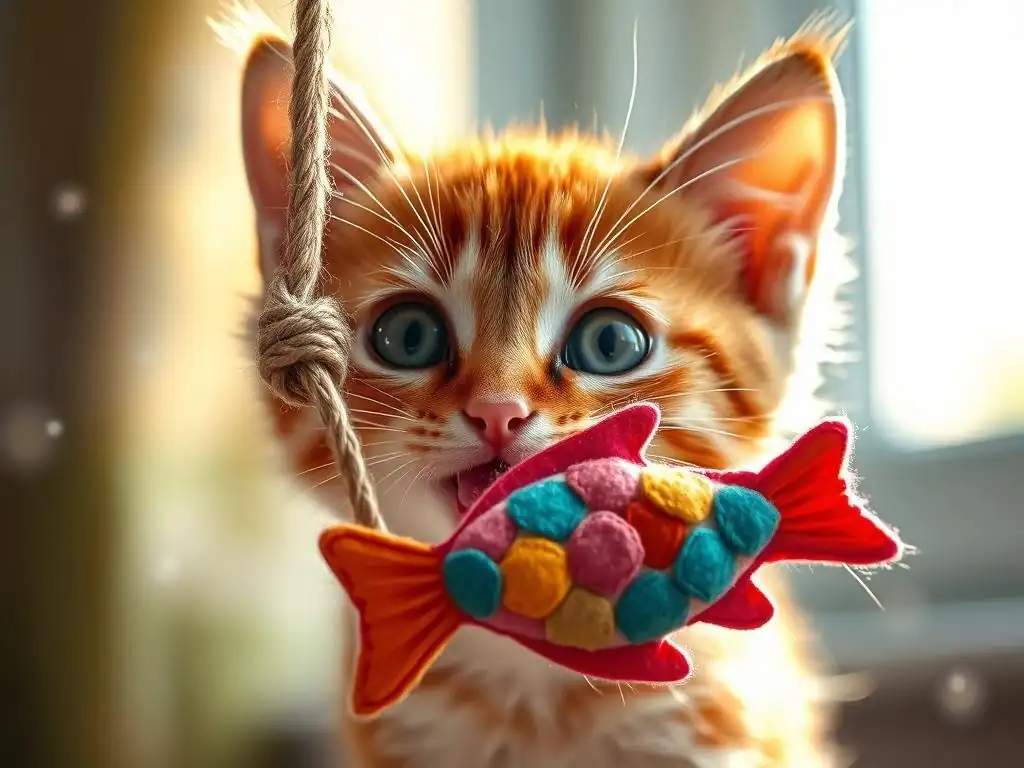
Welcome to PetCareWorld, your ultimate guide to happy and healthy pets! Are you looking for ways to enrich your cat's life and keep them entertained? Then you've come to the right place. Discover a world of DIY cat toy ideas that will transform playtime for your feline friend, fostering a stronger bond and endless hours of fun. Dive in and unlock the secrets to creating engaging and stimulating playthings – your cat will thank you for it!
- Simple DIY Cat Toys: Easy Projects for Beginners
- Advanced DIY Cat Toy Ideas: More Challenging but Rewarding Projects
- Safety Considerations for DIY Cat Toys
- Enhancing Your DIY Cat Toys: Adding Extra Appeal
- Creative DIY Cat Toy Storage Solutions
- Resources for DIY Cat Toy Materials
- Frequently Asked Questions
- Final Reflection: The Enduring Joy of DIY Cat Enrichment
- Unleash Your Inner Cat Toy Designer!
Simple DIY Cat Toys: Easy Projects for Beginners
Cats, those enigmatic and often independent creatures, require enrichment and stimulation just like any other pet. A crucial aspect of responsible cat ownership is providing opportunities for play, which not only keeps them physically active but also mentally stimulated, preventing boredom and behavioral issues. This article delves into the rewarding world of DIY cat toys, offering simple, cost-effective, and engaging projects that you can create at home using readily available materials.
We'll explore various ideas, catering to different skill levels, and emphasizing the importance of safety and feline-friendly materials. From repurposing cardboard boxes into elaborate play structures to transforming humble toilet paper rolls into interactive hunting grounds, we'll guide you through the process of crafting delightful and stimulating playthings that your feline companion will adore. Get ready to unleash your creativity and strengthen your bond with your cat through the simple act of making toys together!
This guide is perfect for those searching for "DIY cat toy ideas" and wanting to create a truly cat-friendly home. 😻
Cardboard Box Cat Toys: Transforming Ordinary Boxes into Playful Paradises
Cardboard boxes are a cat's natural playground! Their crinkly texture, the ability to hide inside, and the sheer fun of batting and scratching makes them irresistible. But instead of simply giving your cat a plain box, let's elevate the experience!
Here are some ideas to transform ordinary cardboard boxes into playful paradises:
- The Peek-a-Boo Box: Cut several small holes of varying sizes in a sturdy box, allowing your cat to peek through and ambush imaginary prey. Consider adding a small flap that can be opened and closed for added engagement.
- The Tunnel of Fun: Use a large box and create a long tunnel by cutting an entrance and exit on opposite sides. You can also add smaller holes along the sides for extra exploration opportunities.
- The Crinkle Castle: Line the inside of the box with crinkling paper or plastic bags (ensure they are non-toxic and free of small pieces that could be ingested). This adds an extra layer of sensory stimulation.
- The Scratching Post Palace: Cover the exterior of the box with sturdy carpet scraps or sisal rope to create a scratching post integrated into the play structure. This caters to their natural scratching instincts, protecting your furniture.
Remember to always supervise your cat while they play with cardboard boxes and discard any damaged or unsafe parts immediately. Size the holes appropriately to prevent your cat from getting stuck.
Toilet Paper Roll Cat Toys: Creative Uses for Everyday Items
Those seemingly insignificant toilet paper rolls hold a world of potential for feline fun! With a little creativity, you can transform them into engaging toys that will keep your cat entertained for hours.
Here are a few ideas:
- The Crinkle Roll: Stuff the toilet paper roll with crinkled paper or plastic bags (again, ensuring they're non-toxic and safe). Seal the ends with tape. The resulting toy provides both auditory and tactile stimulation.
- The Treat Puzzle: Make small holes in the cardboard and fill the roll with small, healthy treats. Your cat will have to work to get the treats out, providing mental stimulation.
- The Feathery Friend: Attach a few feathers or a small toy at one end of the roll. Your cat will enjoy batting and chasing this simple, yet effective toy.
- The Catnip Carnival: Fill the toilet paper roll with catnip, seal the ends, and let the feline fun begin! This is a simple but highly effective way to provide a catnip treat that also offers a bit of a challenge.
Always monitor your cat while they are playing with these toys, and replace them if they become damaged or pose a choking hazard.
Fabric Scrap Cat Toys: Repurposing Old Clothes for Feline Fun
Old t-shirts, socks, and other fabric scraps can be easily transformed into engaging toys for your cat. This is a great way to recycle and reduce waste, while providing your feline friend with something new to play with.
Here are some ideas:
- The Knotted Sock: Tie a knot in an old sock to create a simple, yet effective toy. The knot provides a stimulating texture, and the sock itself is soft and cuddly.
- The Fabric Mouse: Cut out a simple mouse shape from an old t-shirt or piece of fabric. Stuff it with cotton or other safe stuffing material and sew it closed. Add a tail made from yarn or string.
- The Crinkle Fabric Ball: Sew together small pieces of fabric to create a crinkle ball. This is a great way to use up small fabric scraps and provide your cat with a textured toy.
Remember to use strong, non-toxic fabrics and securely sew any seams to prevent your cat from ingesting any loose threads or stuffing. Always supervise your cat while they play with these toys.
Advanced DIY Cat Toy Ideas: More Challenging but Rewarding Projects
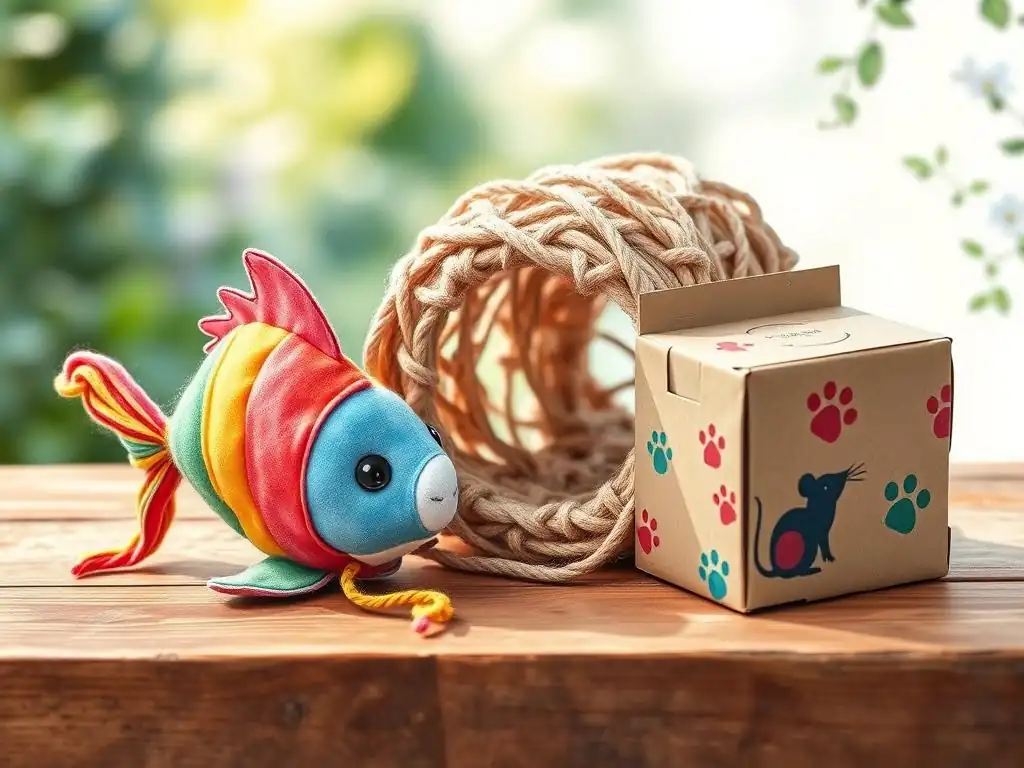
This section delves into more complex DIY cat toy projects, perfect for experienced crafters looking to create truly engaging playthings for their feline companions. These projects require slightly more time and skill, but the rewards are well worth the effort. They offer a higher level of stimulation and durability compared to simpler DIY cat toy ideas. Remember safety is paramount; always supervise your cat during playtime and ensure all materials are non-toxic and safe for ingestion.
Homemade Catnip Mice: A Classic Cat Toy, Made at Home
The classic catnip mouse is a timeless favorite, and making your own allows for complete customization. You can tailor the size, shape, and even the stuffing to your cat's preferences. This project requires some basic sewing skills, but the result is a durable and engaging toy that your cat will adore.
Several variations exist. You can create a simple mouse using felt scraps, stuffing it with catnip and cotton. More advanced versions might incorporate different fabrics for a more realistic look, perhaps even adding embroidered details for eyes and whiskers.
To make a felt mouse:
- Cut out two identical mouse shapes from felt.
- Sew the two pieces together, leaving a small opening for stuffing.
- Fill the mouse with a mixture of catnip and cotton stuffing.
- Carefully sew the opening closed.
- Optional: Embroider eyes and whiskers.
A well-made catnip mouse can last for weeks, even months, with proper care. Regularly check for damage and replace the toy if it becomes excessively worn or if the catnip loses its potency. Consider making several mice at once to keep your cat entertained and prevent boredom. You can even experiment with different fabrics and colors to see which your cat prefers! This project provides a great opportunity to upcycle old fabrics, reducing waste and adding a touch of sustainability to your DIY cat toy creation. Remember to use only non-toxic fabrics and dyes.
DIY Catnip Kicker Toys: Stimulating Play for Active Cats
For active cats who love to pounce and bat at their toys, a DIY catnip kicker toy is an excellent choice. These toys are designed to provide a satisfying kicking and batting experience, stimulating natural hunting instincts.
One simple design involves creating a small tube-like structure filled with catnip. This can be achieved using sturdy fabric scraps, sewn into a cylindrical shape, and then stuffed with catnip. Alternatively, you could use a sturdy sock, filling it with catnip and securing the end with a strong knot.
However, the key to a successful catnip kicker is the texture. Cats often prefer toys with a slightly rough or textured surface that provides a good grip for their paws. Consider using materials like fleece, corduroy, or even recycled denim for the outer layer. This adds another dimension to the play experience, enhancing the toy’s appeal. Experiment with different fabrics and stuffing to find the perfect combination that your cat enjoys the most. The added catnip provides that extra element of irresistible allure.
To ensure durability, use strong thread and reinforce seams where needed. Remember to always supervise your cat during playtime to prevent accidental ingestion of fabric or stuffing. A well-made catnip kicker can provide hours of engaging play for your feline friend, contributing to their physical and mental well-being.
Feathery Wand Toys: Creating Interactive Play Experiences
Feathery wand toys offer a highly interactive play experience, mimicking the natural hunting behaviors of cats. These toys are incredibly simple to make, requiring only a sturdy stick or dowel, some string, and a selection of feathers.
The process is straightforward:
- Attach the string securely to the end of the stick.
- Tie several feathers to the end of the string. Vary the types and lengths of feathers for added visual stimulation.
- Consider adding other enticing elements, such as small bells or ribbons.
However, the success of this toy lies in the interaction. The goal is to create a playful dance between you and your cat, stimulating their hunting instincts and providing valuable exercise. Avoid letting your cat become overly focused on just the feathers; instead, move the wand in unpredictable ways to keep them engaged and challenged. This interactive game strengthens the bond between you and your pet.
The key to a successful feathery wand toy is to use high-quality, durable feathers that are difficult for your cat to tear apart and ingest. Avoid using overly delicate feathers, as these can quickly become damaged and pose a choking hazard. Regularly inspect the toy for wear and tear and replace it as needed. Remember, safety always comes first. This simple DIY cat toy offers hours of fun and exercise, strengthening the bond between you and your cat while providing a safe and enriching playtime experience. It's a truly rewarding project for both you and your feline friend!
Safety Considerations for DIY Cat Toys
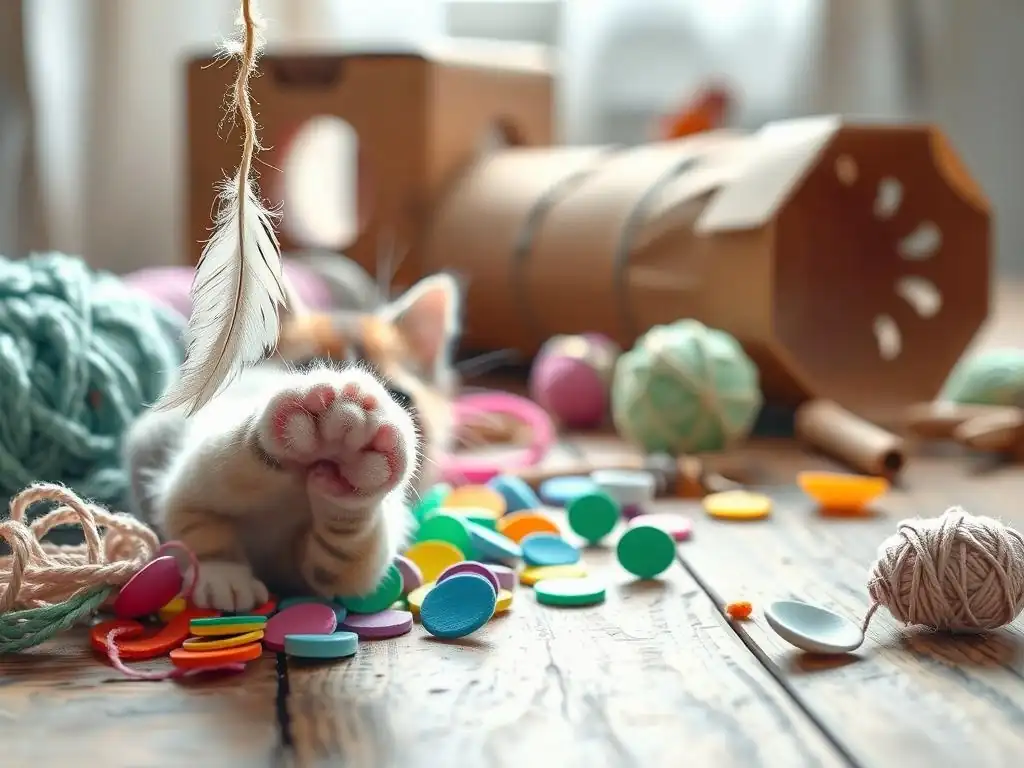
Creating engaging DIY cat toys is a rewarding experience, allowing you to tailor playtime to your feline friend's unique preferences. However, safety must always be the top priority. A seemingly harmless toy can quickly become a danger if not made with care and consideration. This section will explore crucial safety aspects to ensure your cat enjoys their new toys without risk. Remember, responsible pet ownership includes prioritizing your cat's well-being above all else. Let's delve into the specifics of creating safe and fun DIY cat toys.
Choosing Safe Materials for Cat Toys: Avoiding Hazards
Selecting appropriate materials is paramount when crafting DIY cat toys. Avoid anything toxic or easily ingested. Cats are naturally curious and prone to mouthing and chewing their playthings. Therefore, using non-toxic materials is crucial to prevent accidental poisoning.
- Safe Material Options: Natural materials like cotton rope (untreated), sisal, felt (check for certifications! ), and sturdy cardboard are excellent choices. You can also utilize recycled materials such as clean, empty toilet paper rolls or sturdy wine corks. Always ensure materials are free from sharp edges or small, detachable parts.
- Materials to Avoid: Never use materials that could be toxic if ingested, such as rubber bands, plastic bags, ribbons (long ribbons are a serious choking hazard! ), synthetic fabrics that may shed harmful fibers, and anything treated with chemicals or pesticides. Avoid using anything with small parts that could easily break off and be swallowed.
- Checking for Certifications: When purchasing materials, look for certifications indicating that they are non-toxic and safe for pets. Some felt and fabrics may contain dyes or treatments that are harmful. Always prioritize safety by opting for certified or naturally safe materials.
Preventing Choking Hazards in Homemade Cat Toys: Essential Precautions
Choking hazards are a significant concern when making DIY cat toys. Cats are agile and playful, and a small, easily swallowed piece could lead to a serious emergency. Therefore, meticulous attention to detail is essential.
- Size Matters: Ensure that all components of your DIY cat toy are large enough that your cat cannot swallow them whole. A good rule of thumb is that any piece should be larger than your cat's mouth. Avoid using small beads, buttons, or other tiny objects.
- Secure Attachments: If your toy involves different parts, ensure they are securely attached. Use strong, durable thread or glue to prevent pieces from coming loose and becoming choking hazards. Regularly inspect your toy for any signs of wear and tear.
- Strong Construction: Construct your toy using sturdy materials and techniques. Avoid loose threads or weak points that could easily break off. A well-made toy will last longer and reduce the risk of choking hazards. Regularly inspect your cat's toys for damage.
Durability and Longevity of Homemade Cat Toys: Tips for Long-lasting Fun
A durable cat toy ensures long-lasting enjoyment and reduces the frequency of toy replacement – saving you money and reducing waste. A well-made toy is safer, too, as it's less likely to break into pieces that could pose choking hazards.
- Reinforced Construction: Use strong stitching, robust materials, and secure fastenings to create a toy that can withstand enthusiastic play. Consider double stitching seams and using heavy-duty thread.
- Material Selection: Choose materials known for their durability, such as sisal rope or thick felt. Avoid flimsy materials that will easily tear or break.
- Regular Inspections: Even the most durable toys will eventually show wear and tear. Regularly inspect your cat's toys for any signs of damage and replace them promptly if necessary. This proactive approach ensures ongoing safety and enjoyment. This is crucial for maintaining a safe play environment for your feline companion. 😻
Enhancing Your DIY Cat Toys: Adding Extra Appeal
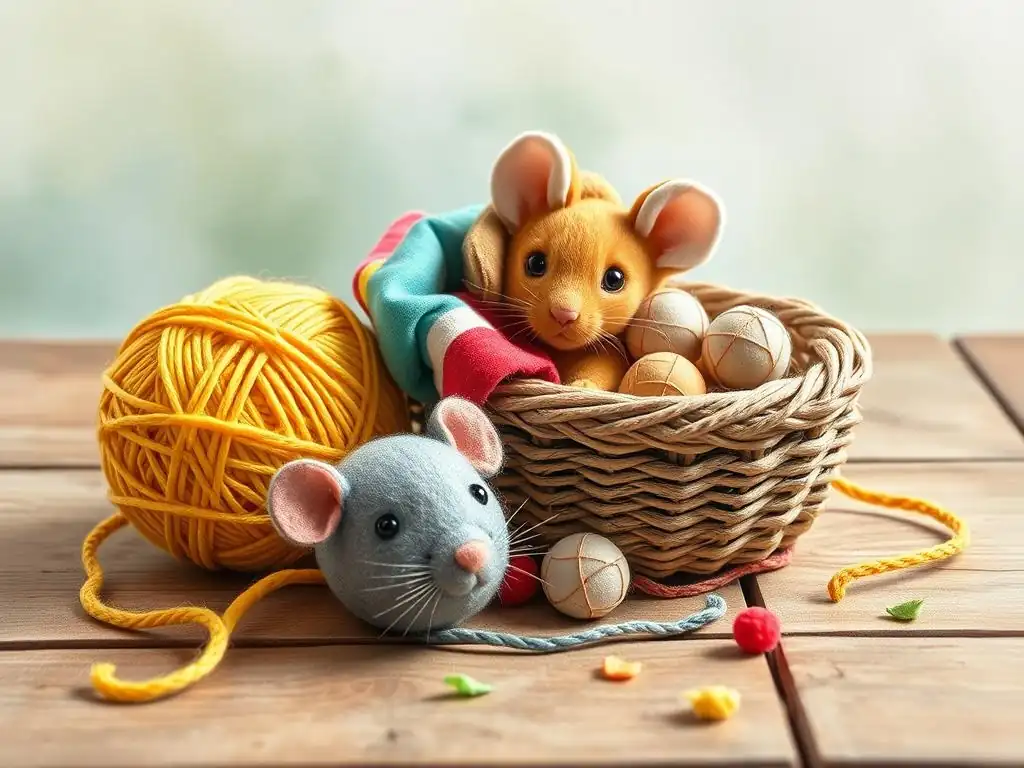
Creating engaging DIY cat toys isn't just about the basic construction; it's about understanding what truly captivates your feline companion. By adding specific elements, you can transform a simple toy into a stimulating and irresistible plaything. This section delves into techniques to boost your DIY cat toy's appeal, focusing on maximizing playtime and keeping your cat entertained. Remember, the key to a successful DIY cat toy is understanding your cat's preferences and tailoring the toy accordingly. Different cats respond to different stimuli, so experimentation is key!
Incorporating Catnip into Your Creations: Maximizing Playtime
Catnip, a natural herb from the mint family, acts as a powerful attractant for many cats. Its euphoric effects, caused by nepetalactone, trigger playful behavior and increased sensory stimulation. Adding catnip to your DIY cat toys can significantly extend playtime and make them far more engaging. There are several ways to incorporate catnip effectively:
- Sewing it into fabric toys: Simply sew a small pouch of dried catnip into your fabric creations. Ensure the stitching is secure to prevent leakage.
- Stuffing it into plush toys: Mix dried catnip with your stuffing material for a subtle, yet effective, infusion.
- Sprinkling it on toys: For toys that aren't easily stuffed, a light sprinkling of catnip can be just as effective. However, be mindful that the scent will fade over time.
Remember to use organic, high-quality catnip for the best results. Not all cats react to catnip, so don't be discouraged if your cat doesn't show immediate interest. You could also try different strengths of catnip or explore alternative herbs like valerian root, which some cats find equally appealing. Always supervise your cat while they are playing with catnip-infused toys.
Adding Textures and Sounds: Stimulating Multiple Senses
Cats are naturally curious creatures with highly developed senses. Enhancing your DIY cat toys with varied textures and sounds can significantly increase their appeal. Consider these options:
- Textural Variety: Use a range of materials like fleece, felt, corduroy, and even crinkly paper or plastic bags (ensure they are securely sealed to prevent ingestion). The different textures stimulate their tactile senses, making the toy more engaging.
- Sound Integration: Incorporate crinkling materials, bells, or even small, safe rattles within the toy. These subtle sounds will pique your cat's interest and encourage them to play. Avoid anything too loud or jarring, however, as this could frighten your feline friend.
The combination of different textures and sounds creates a multi-sensory experience that greatly enhances the toy's play value. Think about the natural hunting instincts of cats—a rustling sound combined with a soft, furry texture might mimic the feel of a small prey animal.
Rotating Toys to Maintain Interest: Keeping Your Cat Engaged
Cats, like humans, can get bored with the same toys repeatedly. To ensure your DIY cat toys remain engaging, implement a rotation system. Keep a selection of toys available, and rotate them regularly – perhaps every few days or a week. This prevents your cat from becoming habituated to a single toy and keeps them interested in exploring and playing.
You can create a dedicated "toy box" or simply store the toys in different locations around the house. By rotating the toys, you are essentially giving your cat "new" toys periodically, stimulating their play drive and preventing boredom. This simple strategy can significantly extend the lifespan of your DIY creations and ensure your cat stays happy and active. Remember to always check the toys for damage and replace any worn or damaged parts promptly to ensure your cat's safety. A well-maintained and rotated toy collection is a crucial aspect of providing enriching playtime for your feline companion. 😻
Creative DIY Cat Toy Storage Solutions
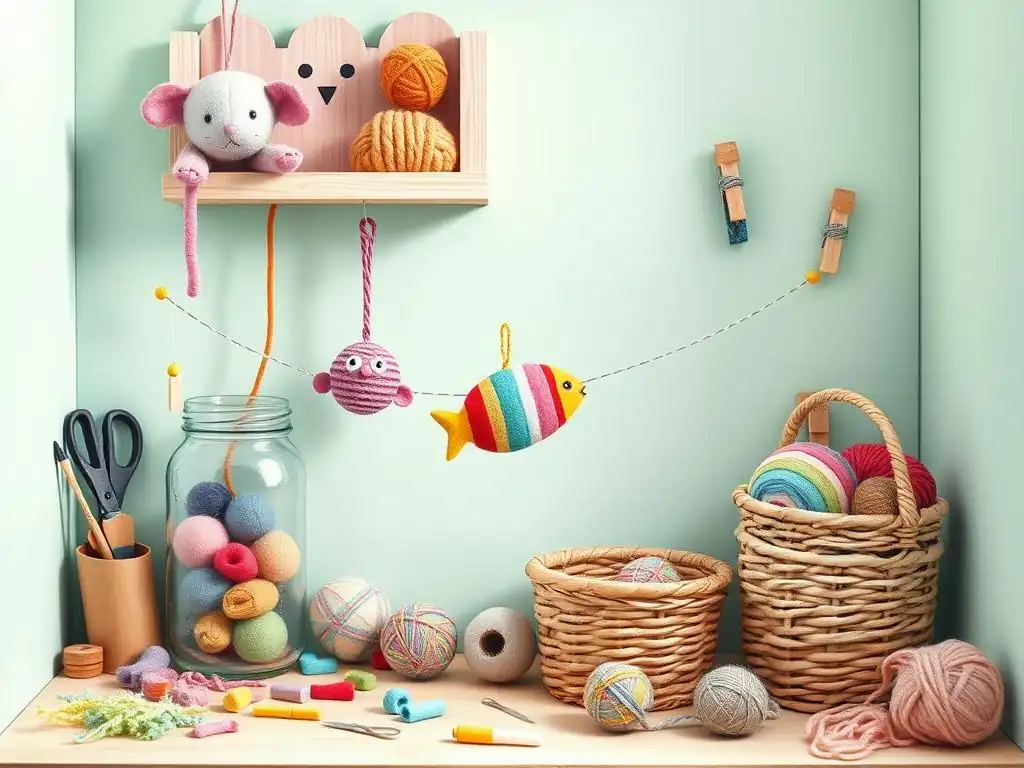
Creating engaging DIY cat toys is only half the battle; keeping them organized and easily accessible is just as important! A cluttered toy bin can quickly become a source of frustration for both you and your feline friend. This section explores practical and stylish storage solutions for your homemade cat toy collection, transforming potential chaos into a visually appealing and functional space. This will help you keep your "DIY cat toy ideas" organized and readily available for playtime.
Organizing Your Homemade Cat Toys: Practical Storage Ideas
Effective organization is key to maintaining a playful yet tidy environment for your cat. Consider these practical storage strategies to keep your DIY cat toys readily accessible and prevent them from becoming scattered throughout your home:
- Designated Toy Baskets: Utilize attractive baskets or bins, perhaps repurposed from other household items, to store toys categorized by type (e.g., feather wands, crinkle balls, stuffed mice). Label each basket for easy identification. This simple method helps maintain order and ensures your cat can easily locate their favorites.
- Wall-Mounted Shelves: Install floating shelves at cat-accessible heights to display toys visually. This not only provides storage but also adds a decorative element to your home, showcasing your creativity and your cat’s playful personality. You can even arrange the shelves in a fun, cat-friendly pattern.
- Clear Containers for Small Toys: Utilize clear plastic containers or jars to store smaller toys like jingle balls or catnip mice. This allows you to see the contents at a glance, making it easy to locate specific toys. Consider using labels to further identify the contents.
- Toy Rotation: To keep your cat engaged, rotate their toys regularly. Store some toys away for a few weeks, then bring them out again to freshen up playtime. This simple trick helps prevent toys from becoming boring or less stimulating.
- Vertical Storage: Utilize vertical space by stacking baskets or using a tall, narrow shelving unit. This is particularly helpful if you have a large collection of DIY cat toys.
Repurposing Containers for Toy Storage: Creative Recycling
Embrace sustainability and unleash your creativity by repurposing existing containers for cat toy storage. This environmentally friendly approach adds a unique touch to your home decor while providing a practical storage solution. Here are some ideas:
- Tin Cans: Clean and decorate empty tin cans (ensure all sharp edges are smoothed) to create charming storage containers for smaller toys. You can paint them, wrap them in fabric, or add decorative elements to match your home décor.
- Cardboard Boxes: Transform sturdy cardboard boxes into whimsical cat toy storage by covering them with fabric, wrapping paper, or paint. Cut out cat-shaped holes for a playful touch. Remember to reinforce the boxes if necessary to prevent them from collapsing under the weight of toys.
- Mason Jars: Use mason jars to store catnip toys or small balls. Tie ribbons or twine around the necks of the jars for added visual appeal. This creates a rustic and charming storage solution that complements a range of home styles.
- Shoe Organizers: Over-the-door shoe organizers are excellent for storing smaller toys and keeping them neatly organized. Their vertical design optimizes space and keeps things easily accessible.
Making a DIY Cat Toy Hammock: A Stylish Storage Solution
Elevate your cat toy storage with a stylish and functional DIY cat toy hammock. This project combines practicality with aesthetic appeal, creating a unique storage solution that adds character to any room.
This project requires basic crafting skills and materials, including sturdy fabric (canvas or burlap work well), rope or strong twine, and two sturdy hooks or screws for mounting. The hammock design can be adapted to fit your space and the size of your toy collection. You can create a simple, rectangular hammock or opt for a more complex design with multiple compartments. Remember to ensure the fabric is strong enough to hold the weight of the toys and that the mounting is secure to prevent accidents.
A well-crafted hammock can become a focal point in your cat's play area, showcasing your homemade toys and adding a touch of charm to your home. The added benefit? Your cat may even enjoy playing with the hammock itself!
Resources for DIY Cat Toy Materials
This section focuses on sourcing the materials you need to create engaging and safe DIY cat toys. Remember, safety is paramount when crafting toys for your feline companion. Always prioritize materials that are non-toxic and durable to prevent potential hazards. Let's explore some avenues for finding the perfect supplies for your DIY cat toy projects.
Finding Affordable Materials for Cat Toys: Budget-Friendly Options
Creating stimulating DIY cat toys doesn't require breaking the bank. Many household items can be repurposed into fantastic feline playthings. Think creatively! Here are some budget-friendly options:
- Recycled Cardboard: Cardboard boxes, tubes from paper towels or toilet paper, and even cereal boxes can be transformed into exciting scratching posts, tunnels, or hiding places. Just ensure all tape and glue used are non-toxic.
- Fabric Scraps: Old t-shirts, towels, or even socks can be sewn or knotted into interactive toys. Avoid using fabrics with loose threads or small embellishments that could be ingested.
- Bottle Caps: Clean and thoroughly washed bottle caps can be used to create stimulating toys. These can be strung together or attached to a string for a fun chase game.
- Yarn and String: Leftover yarn or sturdy string can be used to create interactive toys like catnip mice or feather wands. Always supervise your cat when they play with string to prevent entanglement.
- Natural Materials: Consider using natural materials like feathers (ensure they are securely attached), sisal rope (for scratching posts), or even dried catnip.
Remember to always thoroughly clean and inspect any recycled materials before using them to create cat toys. Avoid using materials that could be sharp, splinter, or contain harmful chemicals.
Sourcing Safe and Non-Toxic Materials: Prioritizing Your Cat's Health
Your cat's safety and well-being should always be your top priority. Using non-toxic materials is crucial, as cats often lick and chew on their toys. Here's a guide to selecting safe materials:
- Avoid Toxic Materials: Steer clear of materials containing lead, mercury, or other heavy metals. Also, avoid using materials treated with pesticides or other harmful chemicals. Always check product labels carefully.
- Natural Fibers: Opt for natural fibers like cotton, wool (ensure it's securely attached and not easily ingested), and sisal. These are generally safer alternatives to synthetic materials.
- Durable Materials: Choose materials that are durable and won't easily break apart into small pieces that your cat could swallow. This is particularly important for toys intended for chewing.
- Non-Toxic Adhesives and Paints: If you are using glue or paint, choose non-toxic, pet-safe options specifically designed for crafting.
- Regular Inspection: Regularly inspect your DIY cat toys for any signs of wear and tear. Discard any damaged toys immediately to prevent potential hazards.
Choosing safe materials is a crucial aspect of responsible DIY cat toy creation. A little extra care in selecting your supplies will ensure your feline friend enjoys their new toys safely.
Where to Find Inspiration for DIY Cat Toy Designs: Online and Offline Resources
The internet is a treasure trove of DIY cat toy ideas! Numerous websites and social media platforms offer countless design inspirations. But don't limit yourself to the digital world; offline resources can also spark creativity.
- Online Resources: Search for "DIY cat toy ideas" online to find countless tutorials, patterns, and videos. Pinterest, YouTube, and various craft blogs are excellent starting points. Look for tutorials that specifically address the use of safe and non-toxic materials.
- Craft Stores: Visit local craft stores to browse through a variety of materials and find inspiration. The sheer diversity of fabrics, yarns, and other supplies can stimulate your creativity.
- Pet Stores: While pet stores primarily sell commercially produced toys, observing the designs and materials used in existing toys can inspire you to create something unique and personalized.
- Books and Magazines: Craft books and magazines often include patterns and instructions for making cat toys. These can provide detailed step-by-step guidance.
By combining online and offline inspiration, you can create truly unique and engaging DIY cat toys that your feline friend will adore. Remember to tailor your designs to your cat's personality and play preferences for maximum enjoyment. Happy crafting!
Frequently Asked Questions
What materials are best for making DIY cat toys?
Many household items work great! Cardboard, yarn, feathers, and toilet paper tubes are inexpensive and safe options. Always supervise your cat's playtime.
How can I ensure my DIY cat toy is safe for my cat?
Avoid using small parts that could be swallowed. Choose non-toxic materials, and always inspect the toy regularly for damage. Supervise your cat while they play.
What are some easy DIY cat toy ideas for beginners?
A simple stuffed mouse made from an old sock is a great start. You can also create a fishing rod toy using a string and a small toy. Cardboard boxes are always a hit!
How can I make my DIY cat toys more engaging?
Use catnip to add extra appeal! You can also incorporate different textures and sounds to stimulate your cat's senses. Variety keeps them interested.
Are there any DIY cat toys that are particularly good for kittens?
Soft, crinkly balls made from fabric scraps are ideal for kittens. A simple ball of yarn (supervised play is essential!) can also provide hours of fun. Focus on soft, safe materials.
Final Reflection: The Enduring Joy of DIY Cat Enrichment
The simple act of crafting a toy can transform your cat's playtime, fostering a deeper bond and enriching their lives in ways store-bought options often can't. From repurposed cardboard boxes to whimsical yarn creations, the possibilities are endless, and the rewards are immeasurable – a happier, healthier, and more engaged feline companion.
The impact of DIY cat toys extends beyond mere entertainment; it speaks to a growing awareness of our responsibility to provide enriching environments for our pets. It's a movement away from passive pet ownership and towards a more active, mindful approach to their well-being. The best things in life are simple,
a sentiment that rings especially true when witnessing the pure joy on a cat's face as they bat at a homemade toy. This simple act of creation strengthens the human-animal bond, fostering a deeper connection built on shared experiences and mutual affection.
Now, consider the possibilities. What creative ideas can you bring to your cat's playtime? Don't be afraid to experiment, to let your imagination run wild, and to tailor your creations to your cat's unique personality and preferences. The time spent crafting will be repaid tenfold in purrs, playful antics, and the undeniable satisfaction of knowing you've enriched the life of your beloved feline friend. Embrace the joy of DIY, and watch your cat's world blossom with playful possibilities.
Unleash Your Inner Cat Toy Designer!
Thank you for joining us on this creative journey into the world of DIY cat toys! We hope you've found some fun and practical ideas to enhance your cat's playtime. Now it's time to put those creative skills to the test!
- Craft your cat's dream toy: Choose your favorite project from the article and start crafting! Let your imagination soar – add extra bells, feathers, or even repurpose old socks and other household items.
- Share your creations: Post a picture of your finished cat toy on PetCareWorld's social media pages – we'd love to see your handiwork!
- Explore sustainable materials: Challenge yourself to find new, eco-friendly materials for your next cat toy project. Discover clever and sustainable alternatives.
What unique and playful feature will you incorporate into your next homemade cat toy?