
Feline Calicivirus: How to Identify and Manage Oral Ulcers


Welcome to PetCareWorld, your ultimate guide to a happier, healthier life for your beloved pets! Are you concerned about your feline companion? We delve into the complexities of cat calicivirus oral ulcers treatment, offering expert advice and practical solutions to help you navigate this challenging condition. Discover how to identify symptoms, manage discomfort, and provide the best possible care for your cat. Prepare to unlock a deeper understanding of feline health and empower yourself with the knowledge to keep your furry friend thriving. Let's explore the world of cat care together!
- Understanding Feline Calicivirus and its Oral Manifestations
- Recognizing Oral Ulcers Associated with Feline Calicivirus
- Home Management of Cat Calicivirus Oral Ulcers
- Veterinary Care for Feline Calicivirus Oral Ulcers
- Preventing Feline Calicivirus Infection
- Long-Term Management of Feline Calicivirus and Oral Ulcers
- Frequently Asked Questions
- Final Reflection: The Unseen Struggle: Understanding and Treating Feline Calicivirus Oral Ulcers
- Unleash Your Cat's Healthy Smile: Next Steps for Oral Care
Understanding Feline Calicivirus and its Oral Manifestations
Feline calicivirus (FCV) is a highly contagious viral infection affecting cats worldwide. While many associate FCV with upper respiratory infections, a significant and often overlooked manifestation is the development of painful oral ulcers. This comprehensive guide will delve into the specifics of FCV, focusing on its oral presentation, helping you identify the symptoms, and understand appropriate management strategies for these debilitating ulcers.
Understanding the nuances of FCV infection, particularly its impact on a cat's oral health, is crucial for pet owners seeking to provide the best possible care for their feline companions. This article aims to equip you with the knowledge to recognize the signs of FCV-related oral ulcers and to navigate the treatment options effectively.
We'll explore the virus itself, how it spreads, the telltale symptoms, and ultimately, how to manage the discomfort and promote healing in your affected cat. This information is vital for timely intervention and improved feline well-being.
What is Feline Calicivirus?
Feline calicivirus is a highly contagious virus belonging to the Caliciviridae family. It primarily affects cats, causing a range of symptoms, most notably upper respiratory tract infections. However, a significant subset of infected cats also experiences oral manifestations, specifically the development of painful ulcers and stomatitis. The virus is transmitted through direct contact with infected cats, often via saliva, nasal secretions, or contaminated surfaces. Several strains of FCV exist, exhibiting varying degrees of virulence and clinical presentation.
Some strains may cause mild, self-limiting infections, while others can lead to severe illness, particularly in kittens or immunocompromised cats. The virus is remarkably resilient in the environment, surviving for extended periods on surfaces. This persistence contributes to its ease of transmission within multi-cat households or shelters. Understanding the nature of the virus is a crucial first step in effective management of both the respiratory and oral symptoms.
Calicivirus Transmission and Spread in Cats
The transmission of FCV is primarily through direct contact with infected cats. This can occur through:
- Direct contact: Sniffing, grooming, or fighting with an infected cat.
- Indirect contact: Contact with contaminated surfaces such as food bowls, litter boxes, or toys.
- Aerosol transmission: While less common, the virus can potentially spread through airborne droplets.
The virus's ability to survive outside the host for extended periods makes it highly contagious. In multi-cat households, outbreaks are common, and rapid spread among susceptible individuals is often observed. Furthermore, asymptomatic carriers can play a significant role in the transmission of FCV, making eradication challenging. Veterinary clinics and animal shelters are high-risk environments for FCV outbreaks due to the close proximity of many cats. Therefore, stringent hygiene protocols are essential in these settings to minimize the spread of infection. Proper sanitation and disinfection practices are crucial in controlling the spread of FCV within any environment.
Identifying the Symptoms of Feline Calicivirus Infection
Identifying FCV infection, particularly the oral manifestations, is crucial for timely intervention. While respiratory symptoms such as sneezing, coughing, and nasal discharge are common, the oral ulcers are often a key indicator, especially in cases where respiratory symptoms are mild or absent. Symptoms of FCV-related oral ulcers include:
- Ulcers: Painful sores and lesions on the tongue, gums, and inside of the cheeks. These can range from small, pinpoint lesions to large, deep ulcers.
- Stomatitis: Inflammation of the mouth, often characterized by redness, swelling, and increased salivation.
- Anorexia: Loss of appetite due to pain and discomfort in the mouth.
- Dehydration: Reduced water intake due to pain, leading to dehydration.
- Weight loss: A consequence of reduced food intake.
The severity of oral ulcers can vary significantly, ranging from mild discomfort to severe pain that prevents eating and drinking. Careful observation of your cat's behavior and oral cavity is essential. If you suspect FCV infection, prompt veterinary attention is crucial. Early diagnosis and treatment can significantly improve the prognosis and reduce the duration of the illness. Remember, early detection is key to effective management of FCV and its associated oral complications. 😻
Distinguishing Calicivirus Oral Ulcers from Other Mouth Problems
Diagnosing feline calicivirus (FCV) solely based on oral ulcers can be tricky, as several other conditions can cause similar symptoms in cats. Accurate diagnosis requires a veterinary examination, which may involve a combination of physical examination, blood tests, and possibly viral cultures. It's crucial to differentiate FCV ulcers from other potential causes to ensure appropriate treatment.
One common condition that mimics FCV oral ulcers is gingivitis. Gingivitis is an inflammation of the gums, often presenting with redness, swelling, and bleeding. While gingivitis can cause discomfort and potentially lead to ulceration, it's typically not as severe or widespread as the ulcers seen in FCV infections. Gingivitis is often associated with poor oral hygiene and plaque buildup, unlike FCV, which is a viral infection.
Another potential differential diagnosis is stomatitis, a more severe inflammation of the oral mucosa (the lining of the mouth). Stomatitis can manifest as painful ulcers, redness, and swelling, sometimes extending beyond the gums to the tongue and cheeks. While both FCV and stomatitis can lead to oral ulceration, stomatitis can often be linked to underlying immune-mediated diseases or allergies. The veterinarian will need to conduct further investigations to distinguish between these two conditions.
Furthermore, trauma to the mouth, such as from fights or accidental injuries, can also result in oral ulcers. These trauma-induced ulcers often present differently, appearing as localized lesions rather than the widespread ulceration frequently associated with FCV. The history provided by the owner, detailing any potential trauma, can be crucial in this differential diagnosis. The location and appearance of the ulcers can also offer clues; trauma-induced ulcers might show specific patterns or be related to a specific injury site.
Finally, certain fungal or bacterial infections can also cause oral ulcers in cats. These infections typically require specific diagnostic tests, such as cytology or culture, to identify the causative agent. The veterinarian may perform a thorough examination of the oral cavity, looking for specific characteristics of fungal or bacterial lesions, which can differ significantly from the typical appearance of FCV ulcers. Treatment for these infections differs substantially from FCV treatment, emphasizing the importance of accurate diagnosis. Ignoring this critical step could lead to ineffective treatment and potentially worsen the condition.
Recognizing Oral Ulcers Associated with Feline Calicivirus
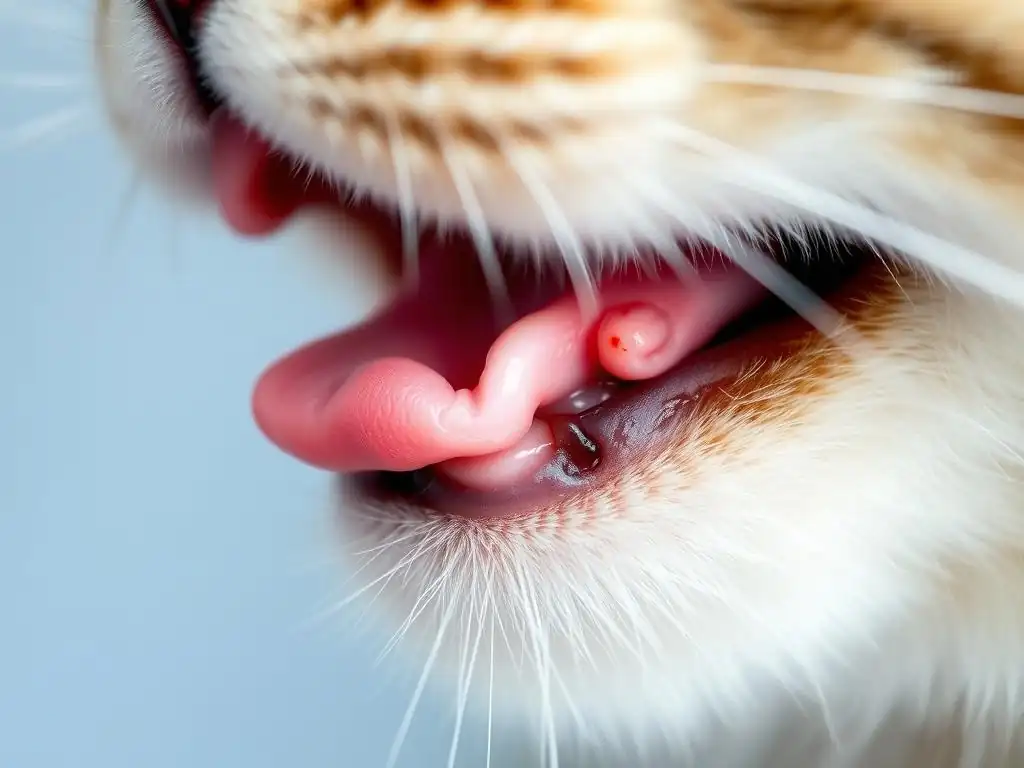
Oral ulcers are a common clinical sign of feline calicivirus infection, a highly contagious viral disease affecting cats worldwide. Understanding how to identify these ulcers is crucial for early diagnosis and effective management of the condition, significantly improving the cat's chances of a swift recovery. This section focuses on the specific characteristics of oral ulcers linked to feline calicivirus, helping pet owners and veterinary professionals alike to accurately assess the condition. Early detection of these ulcers, coupled with appropriate veterinary intervention, is key to mitigating the severity of the infection and preventing complications.
Visual Characteristics of Calicivirus-Induced Oral Ulcers
Calicivirus-induced oral ulcers typically present with distinct visual characteristics. They often appear as painful, shallow erosions or crater-like lesions on the gums, tongue, and the lining of the mouth (buccal mucosa). The ulcers can vary in size, ranging from small pinpoint lesions to larger, more extensive areas of ulceration.
Their color is usually a reddish-pink or grayish-white, often accompanied by a surrounding area of inflamed, reddened tissue (erythema). The surface of the ulcer may appear slightly raised or depressed, depending on the stage of the infection. In severe cases, the ulcers can coalesce, forming larger, irregular areas of damage.
It's important to note that the appearance of the ulcers can change throughout the course of the infection, often becoming more severe before gradually healing. The presence of significant bleeding is not always observed, but can occur, especially during feeding or grooming. Careful observation of these visual cues is essential for accurate diagnosis.
Location and Severity of Oral Ulcers in Cats with Calicivirus
The location and severity of oral ulcers in cats with calicivirus can vary considerably depending on the individual cat's immune response and the virulence of the specific viral strain. While ulcers can be found anywhere in the oral cavity, some locations are more commonly affected. The gums (gingivae), particularly along the gum line, are frequently involved.
The tongue is another common site, with ulcers often appearing on the edges or tip. The lining of the cheeks (buccal mucosa) and the hard palate (roof of the mouth) can also be affected. Severity ranges from mild, with just a few small ulcers, to severe, involving extensive ulceration throughout the oral cavity.
This severity often correlates with the overall severity of the feline calicivirus infection. A detailed examination of the entire oral cavity is therefore essential for a comprehensive assessment of the condition. The severity of the ulcers can influence the cat's appetite and ability to eat and drink, necessitating supportive care in more severe cases.
Other Symptoms Accompanying Oral Ulcers (e.g., fever, nasal discharge)
Oral ulcers associated with feline calicivirus are rarely the sole clinical sign. The virus is known for its systemic effects, leading to a range of other symptoms. These can include a high fever (often exceeding 103°F or 39.4°C), lethargy, loss of appetite (anorexia), and sneezing. Nasal discharge, often watery and sometimes purulent (containing pus), is another common symptom. In some cases, conjunctivitis (inflammation of the eye lining) and eye discharge can also occur.
These additional symptoms, in conjunction with the presence of oral ulcers, provide a more complete clinical picture and aid in the diagnosis of feline calicivirus infection. It's crucial to monitor the cat for these additional symptoms, as they can impact the overall management and prognosis. A holistic approach, considering all clinical signs, is vital for effective treatment and supportive care. The severity of these accompanying symptoms can vary greatly between individual cats.
Further Considerations for Cat Calicivirus Oral Ulcers Treatment
Effective management of feline calicivirus oral ulcers requires a multifaceted approach. While there is no specific cure for the virus itself, supportive care is crucial to alleviate symptoms and promote healing. This may include pain management medication (analgesics), fluids to combat dehydration, and a soft, easily digestible diet to prevent further irritation of the ulcers. In severe cases, hospitalization may be necessary to provide intensive supportive care. Regular monitoring of the cat's condition is essential, and prompt veterinary attention should be sought if any complications arise.
Home Management of Cat Calicivirus Oral Ulcers

This section focuses on practical steps pet owners can take at home to manage their cat's oral ulcers caused by feline calicivirus. Effective home management significantly improves the cat's comfort and aids in the healing process, complementing veterinary care. Remember, while home management is crucial, veterinary consultation is essential for diagnosis and treatment of feline calicivirus. Early intervention is key to preventing complications. This information is for educational purposes and should not replace professional veterinary advice.
Providing Comfort and Pain Relief for Your Cat
Cats with calicivirus-induced oral ulcers often experience significant discomfort. Providing comfort is paramount to their recovery. This involves creating a soothing environment and offering pain relief options as directed by your veterinarian. Gentle handling is essential; avoid any actions that might aggravate the sores.
Several strategies can help alleviate your cat's pain:
- Soft Food: Transition your cat to a soft, easily digestible diet. Avoid anything crunchy or abrasive that could irritate the ulcers. Examples include wet food, blended food, or commercially available prescription diets formulated for oral discomfort.
- Warm Compresses: Applying warm compresses (not hot!) to the affected area for short periods can soothe inflammation. Use a clean, soft cloth dampened with warm water.
- Pain Medication: Your veterinarian might prescribe pain medication, such as non-steroidal anti-inflammatory drugs (NSAIDs) or other analgesics, to manage pain and inflammation. Never administer any medication without explicit veterinary instructions. Incorrect dosage can be harmful.
- Hydration: Ensure your cat is adequately hydrated. Dehydration can worsen the condition. Offer fresh water frequently and consider using a shallow, wide bowl to make drinking easier. If your cat is reluctant to drink, consult your vet about subcutaneous fluid therapy.
- Quiet and Restful Environment: A calm and stress-free environment promotes healing. Minimize noise and activity, and allow your cat plenty of opportunities for rest.
Remember, observing your cat closely for any changes in behavior or appetite is crucial. Report any worsening symptoms immediately to your veterinarian.
Dietary Adjustments for Cats with Mouth Sores
Nutritional support is vital during the recovery period. Dietary adjustments are critical for managing cat calicivirus oral ulcers treatment. The goal is to provide easily digestible, palatable food that minimizes discomfort while ensuring adequate nutrition.
Here's a breakdown of dietary considerations:
- Avoid Dry Food: Dry kibble can further irritate already painful sores. Completely avoid dry food until the ulcers have significantly healed.
- Soft, Wet Food: Opt for high-quality wet food formulated for sensitive stomachs. Look for options with easily digestible proteins and added nutrients.
- Blended Food: If your cat is struggling to eat even soft wet food, consider blending their regular food with a small amount of warm water to create a smoother consistency.
- Temperature: Offer food at a lukewarm temperature; avoid extremely hot or cold food, which can cause further discomfort.
- Small, Frequent Meals: Instead of large meals, offer several smaller meals throughout the day. This reduces the strain on your cat's mouth and improves their overall comfort.
- Nutritional Supplements: Consult your veterinarian about adding nutritional supplements, such as vitamins or amino acids, to support healing and boost your cat's immune system. They can recommend appropriate supplements based on your cat's specific needs.
Maintaining Oral Hygiene for Cats with Calicivirus
Maintaining good oral hygiene is crucial for preventing secondary infections and promoting healing in cats with calicivirus oral ulcers. While you can't completely eliminate the virus, you can support your cat's recovery by minimizing bacterial growth. However, remember that forceful cleaning can worsen the ulcers.
Here's how to approach oral hygiene:
- Gentle Cleaning: If your veterinarian approves, you can gently wipe your cat's mouth with a soft, damp cloth or cotton swab to remove food debris and reduce bacterial buildup. Avoid scrubbing or applying any pressure.
- Veterinary Dental Care: Once the acute phase of the infection has subsided, schedule a veterinary dental cleaning to address any underlying dental issues that might have contributed to the severity of the calicivirus infection. Regular dental check-ups are vital for overall feline health.
- Avoid Harsh Chemicals: Do not use any harsh chemicals or mouthwashes in your cat's mouth. These can irritate the ulcers and cause further harm.
- Monitor for Secondary Infections: Closely monitor your cat's mouth for any signs of secondary infection, such as increased swelling, pus, or a foul odor. Report any such changes to your veterinarian immediately.
Remember, consistent monitoring and a proactive approach to oral hygiene are key components of successful cat calicivirus oral ulcers treatment. A partnership with your veterinarian ensures the best possible outcome for your feline companion.
Veterinary Care for Feline Calicivirus Oral Ulcers

This section focuses on the crucial role of veterinary intervention in managing feline calicivirus, particularly concerning the often painful oral ulcers it causes. Early and appropriate veterinary care is paramount for successful treatment and preventing complications. Ignoring symptoms can lead to secondary infections, dehydration, and even death in severe cases. Remember, this information is for educational purposes only and should not replace professional veterinary advice.
When to Seek Veterinary Attention for Calicivirus in Cats
Identifying when your cat needs veterinary care for suspected calicivirus is vital. While some mild cases might resolve on their own, many require professional intervention. Seek immediate veterinary attention if your cat exhibits any of the following:
- Severe lethargy or depression: A significant change in your cat's usual behavior, showing prolonged inactivity and lack of interest in their surroundings.
- Significant dehydration: This is indicated by sunken eyes, dry gums, and decreased skin elasticity (skin tenting). Dehydration is a serious complication of calicivirus, especially in kittens.
- Difficulty breathing: Labored breathing, open-mouth breathing, or bluish discoloration of the gums (cyanosis) warrants immediate veterinary care.
- High fever: A persistently high temperature (above 103°F or 39.4°C) indicates a severe infection that needs treatment.
- Severe oral ulcers: Extensive ulceration causing significant pain, hindering eating and drinking. Ulcers that are bleeding profusely or show signs of secondary infection (pus, swelling) also require immediate attention.
- Eye discharge and/or conjunctivitis: These symptoms often accompany calicivirus and can lead to serious eye complications if left untreated.
- Loss of appetite and weight loss: A persistent lack of appetite leading to significant weight loss is a serious indicator of underlying illness.
Even if your cat only exhibits mild symptoms like sneezing and mild oral ulcers, it's always best to consult a veterinarian for diagnosis and to rule out other potential causes. Early diagnosis and treatment can significantly improve your cat's prognosis and prevent long-term complications. Early intervention is key to managing Cat calicivirus oral ulcers treatment.
Diagnostic Tests for Feline Calicivirus
Accurate diagnosis of feline calicivirus is essential for effective treatment. While a veterinarian can often make a presumptive diagnosis based on clinical signs, several diagnostic tests can confirm the presence of the virus and rule out other potential causes of similar symptoms. These tests may include:
- Physical Examination: A thorough physical exam is the first step, focusing on assessing the cat's overall health, checking for fever, dehydration, and examining the oral cavity for ulcers.
- PCR (Polymerase Chain Reaction) Test: This highly sensitive test detects the viral genetic material (RNA) in samples from nasal swabs, oral swabs, or conjunctiva. It's considered the gold standard for diagnosing feline calicivirus.
- ELISA (Enzyme-Linked Immunosorbent Assay): This test detects antibodies against the calicivirus in the blood. A positive result indicates past or current infection. However, it may not be as sensitive as PCR in detecting acute infections.
- Complete Blood Count (CBC): This blood test helps assess the cat's overall health and identify any abnormalities in blood cell counts that might indicate the severity of the infection.
- Blood Chemistry Profile: This assesses organ function and can detect any complications resulting from the infection, such as dehydration or kidney damage.
The specific tests recommended by your veterinarian will depend on your cat's individual clinical presentation and the severity of the symptoms. A combination of tests often provides the most accurate and comprehensive diagnosis.
Treatment for feline calicivirus oral ulcers focuses on managing symptoms and supporting the cat's immune system. There is no specific cure for the virus itself, but treatment aims to alleviate discomfort and prevent secondary infections. Treatment options typically include:
- Antiviral Medications: While not always necessary for mild cases, antiviral medications can be prescribed for severe infections to reduce viral shedding and shorten the duration of the illness. The choice of medication will depend on the severity of the infection and your cat's overall health.
- Pain Relievers: Oral ulcers can be extremely painful, so pain management is a crucial aspect of treatment. Your veterinarian may prescribe pain relievers such as NSAIDs (non-steroidal anti-inflammatory drugs) or opioids, depending on the severity of the pain. Careful monitoring is essential, especially with NSAIDs, to avoid potential side effects.
- Supportive Care: This is a critical component and includes ensuring adequate hydration (often through subcutaneous fluids), providing a palatable, soft diet to minimize discomfort during eating, and maintaining good oral hygiene to prevent secondary bacterial infections. Frequent cleaning of the oral cavity with a gentle saline solution can help.
- Topical Treatments: Topical medications may be used to soothe the ulcers and promote healing. These might include anti-inflammatory gels or ointments.
- Nutritional Support: Providing a highly palatable, nutrient-rich diet is crucial to support the cat's immune system and aid recovery. This may involve offering small, frequent meals of soft food.
The specific treatment plan will be tailored to your cat's individual needs and the severity of their illness. Close monitoring by your veterinarian is essential to assess the effectiveness of the treatment and make any necessary adjustments. Remember, consistent and attentive Cat calicivirus oral ulcers treatment is vital for a positive outcome.
Prognosis and Recovery from Feline Calicivirus Infection
The prognosis for cats with feline calicivirus infection, particularly regarding oral ulcers, is generally good. Most cats will recover completely within a few weeks with appropriate supportive care. However, the recovery time varies depending on several factors, including the severity of the infection, the cat's overall health, and the presence of any underlying conditions. Younger kittens and cats with weakened immune systems may experience a more prolonged and potentially severe course of the disease.
Complete resolution of oral ulcers typically occurs within 1-3 weeks, although some mild scarring may remain in severe cases. During this recovery phase, it's crucial to monitor the cat's appetite and hydration status. Dehydration can be a serious complication, especially in cases with significant ulceration, leading to reduced food and water intake. Owners should ensure their cats have access to palatable food and fresh water at all times. In some instances, veterinary intervention might be necessary to manage dehydration through subcutaneous fluid therapy.
While most cats recover fully, some may experience recurring infections. These recurrences are often less severe than the initial infection, and the cat's immune system usually manages them effectively. However, chronic carriers can shed the virus intermittently, potentially posing a risk to other cats. Stressful situations can trigger reactivation of the virus, leading to the recurrence of oral ulcers and other clinical signs. Therefore, minimizing stress in the cat's environment is important for preventing future outbreaks.
Regular veterinary check-ups are also recommended to monitor the cat's overall health and detect any potential complications or recurrences promptly. Early intervention is key to managing feline calicivirus and ensuring a positive prognosis. The severity of the initial infection and the effectiveness of the immune response significantly influence the long-term outcome. Careful monitoring and appropriate veterinary care are essential for optimal recovery and minimizing the risk of complications.
Preventing Feline Calicivirus Infection

Preventing feline calicivirus (FCV) infection is crucial for maintaining your cat's oral health and overall well-being. While there's no foolproof method to guarantee complete protection, proactive measures significantly reduce the risk of your cat contracting this highly contagious virus. A multi-pronged approach encompassing vaccination, rigorous hygiene, and careful management of infected animals offers the best defense against FCV outbreaks.
This section will delve into the specifics of these preventative strategies, focusing on practical steps you can take to safeguard your feline companion. Understanding and implementing these measures is paramount in protecting your cat from the painful oral ulcers and other complications associated with FCV.
Vaccination against Feline Calicivirus
Vaccination remains the cornerstone of feline calicivirus prevention. The FCV vaccine is a core component of most feline combination vaccines, typically administered as a series of injections starting at a young age. These vaccines are highly effective in preventing severe disease and reducing the shedding of the virus, thereby minimizing the risk of transmission to other cats.
It's vital to consult your veterinarian to establish a tailored vaccination schedule for your cat. Factors such as your cat's age, overall health, and lifestyle will influence the recommended vaccination protocol. Some cats might require booster shots to maintain adequate immunity levels throughout their lives, particularly those with higher exposure risks, like cats who frequent catteries or animal shelters.
Remember, even vaccinated cats can still contract a milder form of the virus, highlighting the importance of other preventative measures. The goal of vaccination isn't total eradication of the virus, but a significant reduction in its severity and spread. Regular veterinary check-ups are essential to ensure your cat's vaccination status is up-to-date and to monitor their overall health.
Hygiene Practices to Prevent Calicivirus Spread
Maintaining strict hygiene is paramount in preventing the spread of FCV, especially in multi-cat households. Thorough cleaning and disinfection of surfaces, food and water bowls, litter boxes, and other items your cat frequently interacts with are essential. Using a disinfectant specifically effective against viruses is recommended. Always wash your hands thoroughly with soap and water after handling your cat, its belongings, or cleaning its environment. This simple yet crucial step significantly minimizes the risk of accidental transmission.
Consider using disposable gloves when cleaning litter boxes or dealing with potentially contaminated materials. Proper disposal of contaminated waste is equally important. Regularly laundering bedding, blankets, and other washable items your cat uses helps eliminate viral particles. These seemingly small actions collectively contribute to a significantly cleaner and safer environment for your cat and help prevent the spread of feline calicivirus oral ulcers and other associated symptoms. Remember, consistent hygiene is key to mitigating the risk of FCV infection.
Isolating Infected Cats to Prevent Transmission
If you suspect or confirm that one of your cats has FCV, immediate isolation is crucial to prevent the virus from spreading to other cats in your household. This involves confining the infected cat to a separate room, ideally with its own litter box, food and water bowls, bedding, and toys. Avoid sharing any items between the infected cat and other cats. Strict adherence to hygiene protocols within the isolation area is also vital.
The duration of isolation depends on the severity of the infection and your veterinarian's guidance. It's important to closely monitor the infected cat's condition and provide appropriate supportive care as directed by your vet. Remember, early detection and isolation are key to containing the outbreak and preventing further transmission within your household. This decisive action protects the health of your other cats and significantly reduces the likelihood of a widespread infection, thereby minimizing the potential need for extensive cat calicivirus oral ulcers treatment in the future.
Long-Term Management of Feline Calicivirus and Oral Ulcers
Successfully managing feline calicivirus (FCV) and its associated oral ulcers requires a long-term commitment to monitoring, supportive care, and preventative measures. While acute infections can be treated with antiviral medications and supportive therapies, the virus can persist in a cat's system, leading to recurring outbreaks and ulcer formation. Therefore, a proactive approach is crucial for maintaining your cat's overall health and well-being.
This involves careful observation, consistent oral hygiene, and strategies to bolster your cat's immune system. The severity of long-term management will depend heavily on the individual cat and the history of their infection. Some cats may experience only infrequent mild recurrences, while others may require more intensive ongoing care.
Monitoring for Recurrences of Calicivirus Symptoms
Regular monitoring is paramount in long-term FCV management. Even after an initial infection appears resolved, the virus can reactivate, especially under stressful conditions or if the immune system is compromised. Key signs to watch for include:
- Oral Ulcers: Frequent visual inspection of your cat's mouth is essential. Look for any signs of redness, swelling, or lesions on the gums, tongue, and inside of the cheeks. Even small ulcerations should be noted.
- Sneezing and Nasal Discharge: These are common respiratory signs associated with FCV, often preceding or accompanying oral ulcer development. Increased sneezing or changes in nasal discharge warrant veterinary attention.
- Lethargy and Loss of Appetite: A sudden decrease in your cat's energy levels or a refusal to eat can indicate a recurrence. Monitor food intake and observe your cat's overall behavior.
- Fever: A slightly elevated temperature can be an early warning sign of a calicivirus reactivation. Regular temperature checks might be advisable for cats with a history of recurrent infections.
Maintaining a detailed record of your cat's symptoms, including dates and severity, can be incredibly valuable for your veterinarian. This allows for a more informed assessment and appropriate management strategies. This careful monitoring helps to catch recurrences early, allowing for prompt intervention and minimizing the severity of the infection. Early detection can significantly impact the outcome and prevent complications.
Ongoing Oral Care for Cats Prone to Ulcers
Cats susceptible to FCV-related oral ulcers require diligent oral hygiene. Regular cleaning can help prevent secondary bacterial infections and promote healing. This is crucial because oral ulcers can be painful, making eating and drinking difficult. Consider these steps:
- Gentle Brushing: Use a pet-specific toothbrush and toothpaste formulated for cats. Start slowly, gradually increasing the frequency and duration of brushing to avoid stressing your cat.
- Oral Rinses: Veterinary-approved oral rinses can help soothe ulcers and reduce bacterial load. Follow your veterinarian's instructions carefully regarding application and frequency.
- Soft Food Diets: If your cat is experiencing painful ulcers, switching to a soft food diet can make eating more comfortable. This prevents further irritation and promotes healing.
- Hydration: Ensure your cat is drinking enough water. Dehydration can exacerbate the condition. If necessary, encourage water intake by offering different water sources or adding water to their food.
Remember, consistent oral care is key to preventing secondary infections and promoting healing. Even without visible ulcers, regular oral hygiene is a preventative measure against future flare-ups. The frequency of oral care will depend on your cat's individual needs, as determined by your veterinarian.
Supporting Your Cat's Immune System to Combat Calicivirus
A strong immune system is crucial in preventing FCV recurrences and managing the severity of infections. Several strategies can help support your cat's immune function:
- Nutritional Support: A high-quality, balanced diet provides the essential nutrients needed for a healthy immune response. Consult your veterinarian about the best dietary options for your cat's specific needs. Consider adding supplements only after consulting with a vet, as some can interact negatively with medications.
- Stress Reduction: Stress weakens the immune system, making cats more susceptible to infections. Creating a calm and secure environment for your cat is vital. Minimize stressful situations, provide plenty of enrichment, and ensure your cat feels safe and comfortable.
- Regular Veterinary Checkups: Routine checkups allow your veterinarian to monitor your cat's health and identify any potential problems early. This proactive approach helps ensure that any underlying health issues that might compromise the immune system are addressed promptly.
- Vaccination: While not all FCV vaccines prevent infection, they can help reduce the severity of symptoms and the duration of the illness. Discuss vaccination options with your veterinarian, considering your cat's individual risk factors.
By implementing these strategies, you can significantly improve your cat's chances of managing feline calicivirus and minimizing the impact of oral ulcers. Remember, consistent monitoring, proactive oral care, and a focus on immune support are key to long-term success. Always consult your veterinarian for personalized advice and treatment plans.
Frequently Asked Questions
What is feline calicivirus?
Feline calicivirus (FCV) is a highly contagious viral infection in cats. It commonly causes upper respiratory tract infections, but can also lead to more severe complications, including oral ulcers. Early diagnosis and treatment are crucial.
How can I identify oral ulcers caused by FCV?
Look for painful sores or blisters in your cat's mouth, often on the tongue, gums, and lips. Your cat may exhibit excessive drooling, difficulty eating, and reduced appetite. A vet visit is necessary for confirmation.
What are the treatment options for FCV oral ulcers?
Treatment focuses on managing symptoms and supporting the immune system. This may include pain relief medication, fluids, and a soft diet to reduce discomfort. Antiviral medication is sometimes used in severe cases.
How can I prevent my cat from getting FCV?
Vaccination is the most effective preventative measure. Good hygiene practices, such as regular cleaning of food and water bowls, can also help minimize the risk of infection. Avoid contact with infected cats.
Is feline calicivirus always serious?
While many cats recover fully, FCV can cause severe complications in some cases. Prompt veterinary care is crucial, especially if your cat shows signs of severe illness or dehydration. The severity depends on the cat's overall health and the strain of the virus.
Final Reflection: The Unseen Struggle: Understanding and Treating Feline Calicivirus Oral Ulcers
The silent suffering of cats with feline calicivirus oral ulcers is a stark reminder of the unseen battles waged within our beloved companions. This often-overlooked aspect of the disease demands our attention, not only for the immediate relief of the cat's pain but also for the broader understanding of feline viral infections and their impact on animal welfare.
The pervasive nature of feline calicivirus, and its devastating effect on a cat's ability to eat and thrive, underscores the importance of early detection and appropriate management. The greatest good is often the simplest.
This simple truth applies directly to the treatment of these ulcers; prompt veterinary care and diligent home management can significantly improve a cat's quality of life. The emotional toll on owners witnessing their cat's discomfort highlights the deep bond we share with our feline friends and the responsibility we have to ensure their well-being.
Now, consider your own cat, or any cat you know. Are you equipped to recognize the subtle signs of feline calicivirus oral ulcers? Do you know the steps to take if you suspect your cat is suffering? Take the time to learn the symptoms, seek professional veterinary advice when needed, and remember that your vigilance can make a world of difference in the life of a cat battling this painful condition. Empower yourself with knowledge, and become a champion for the silent sufferers among our feline companions.
Unleash Your Cat's Healthy Smile: Next Steps for Oral Care
Thank you for learning about feline calicivirus and its effect on your cat's oral health. You've gained valuable knowledge to help protect your furry friend. Now, let's put that knowledge into action!
- Schedule a veterinary checkup: Early detection is crucial for managing oral problems and preventing complications. Don't delay—your cat's well-being depends on it.
- Connect with other pet owners: Join our online community to share experiences and learn from others. Together, we can build a supportive network for cat lovers.
- Share this information: Help other cat owners protect their beloved companions from the discomfort of feline calicivirus.
What will you do today to ensure your cat's oral health and happiness?