
The Secret to a Happy Cat: Unlocking the Perfect Litter Box Location

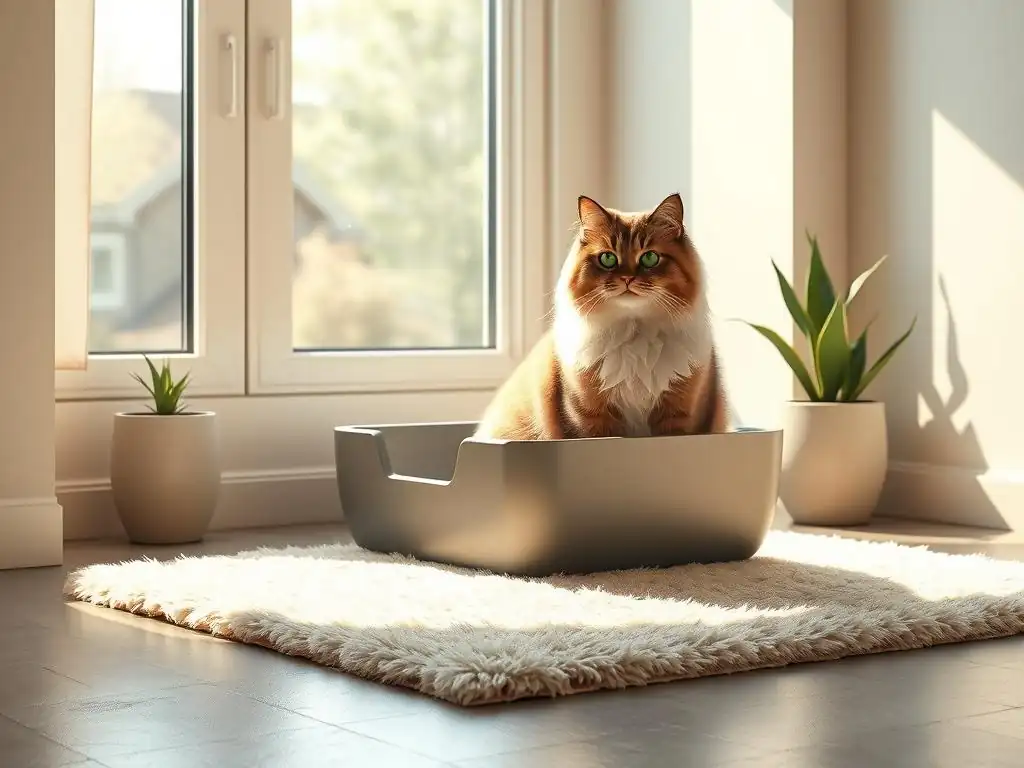
Welcome to PetCareWorld, your ultimate guide to a happier, healthier life for your beloved pets! Are you ready to unlock the secrets to a truly content feline companion? Discover how the seemingly simple act of best cat litter box placement can dramatically impact your cat's happiness and hygiene. Dive into our expert advice on finding the perfect location and transform your cat's litter box experience – read on to learn more!
- Understanding Your Cat's Litter Box Preferences: Key Factors for Optimal Placement
- Best Cat Litter Box Placement: A Room-by-Room Guide
- Choosing the Right Litter Box Type and Size for Optimal Placement
- Troubleshooting Common Litter Box Placement Issues
- Maintaining a Clean and Inviting Litter Box Environment
- The Impact of Litter Box Placement on Cat Behavior and Well-being
-
Frequently Asked Questions
- Where is the best place to put a cat litter box?
- Why is litter box placement so important for cat happiness?
- My cat is still having accidents despite a seemingly good location. What could be wrong?
- How many litter boxes should I have for my cats?
- My cat avoids the litter box. How can I encourage her to use it?
- Final Reflection: Finding Harmony: The Unsung Importance of Litter Box Placement
- Unlock Your Cat's Purrfect Happiness: Find Their Ideal Litter Box Spot!
Understanding Your Cat's Litter Box Preferences: Key Factors for Optimal Placement
Finding the best cat litter box placement is crucial for a happy and healthy feline companion. A cat's litter box isn't just a receptacle for waste; it's a private sanctuary where they feel safe and secure to eliminate. Choosing the right location significantly impacts your cat's behavior, stress levels, and overall well-being.
This comprehensive guide will delve into the key factors to consider when selecting the perfect spot for your cat's litter box, helping you unlock the secret to a truly content cat. We'll explore the importance of privacy, the need to avoid high-traffic areas, and the necessity of ensuring easy access for your feline friend. By understanding these crucial aspects, you can create a litter box environment that promotes healthy elimination habits and contributes to a harmonious relationship with your beloved pet.
Ignoring these factors can lead to litter box avoidance, inappropriate urination, and other behavioral problems. Let's dive in and discover the optimal placement strategies for your cat's litter box!
Privacy and Peace of Mind: Creating a Safe Space for Elimination
Cats are naturally private creatures, and their elimination habits are no exception. Providing a secluded and quiet area for their litter box is paramount. Imagine trying to use the restroom in a busy, noisy environment – it's not ideal, and the same applies to your cat. A strategically placed litter box, away from loud noises and high-traffic areas, allows your cat to relieve themselves without feeling stressed or exposed. Consider these factors when choosing a location:
- Placement: Avoid placing the litter box in areas with a lot of foot traffic, such as hallways or near the front door.
- Sound: Keep the litter box away from noisy appliances like washing machines, dryers, or dishwashers.
- Visual Barriers: Use furniture, plants (non-toxic, of course! ), or screens to create a visual barrier and enhance your cat's sense of security. A quiet corner of a spare room or a dedicated area in the utility room often works best.
- Elevated Placement: Some cats appreciate a slightly elevated litter box, especially older cats with mobility issues. This offers better access and reduces strain.
Avoiding High-Traffic Areas: Minimizing Stress and Anxiety
High-traffic areas can be extremely stressful for cats. The constant presence of people and pets moving around can make them feel vulnerable and anxious, leading to litter box avoidance. A cat might hesitate to use the litter box if they feel constantly observed or disturbed. To mitigate this, aim for a location that offers a sense of calm and tranquility.
- Family Room Considerations: If the only available space is in the family room, consider placing the box in a less-used corner, perhaps behind a sofa or a large plant.
- Multiple Cats: For multi-cat households, providing multiple litter boxes in separate, quieter locations is crucial to avoid competition and stress. A general rule of thumb is to have one litter box per cat, plus one extra.
- Noise Levels: Monitor noise levels around the litter box. Loud noises, even from children playing, can deter your cat from using it.
Accessibility and Convenience: Easy Access for Your Feline Friend
While privacy is essential, accessibility is equally important. Your cat should be able to reach the litter box easily without navigating obstacles or encountering stressful situations. An inconvenient location can lead to accidents outside the litter box.
- Location: Place the litter box in a readily accessible location, close to your cat's favorite sleeping or resting areas. This minimizes the effort required for your cat to reach the litter box.
- Litter Box Type: Consider the type of litter box. For older cats or those with mobility issues, a low-sided box or a ramp may be necessary.
- Cleanliness: Regular cleaning is crucial! Cats are sensitive to odors and will avoid a dirty litter box. A clean box is key to encouraging proper elimination habits. Aim for daily scooping and a complete litter change at least once a week. 😻
Remember, observing your cat's behavior around the litter box is key. If you notice any signs of avoidance or stress, consider adjusting the location or making other changes to the environment to create a more comfortable and inviting space for your feline friend.
Best Cat Litter Box Placement: A Room-by-Room Guide
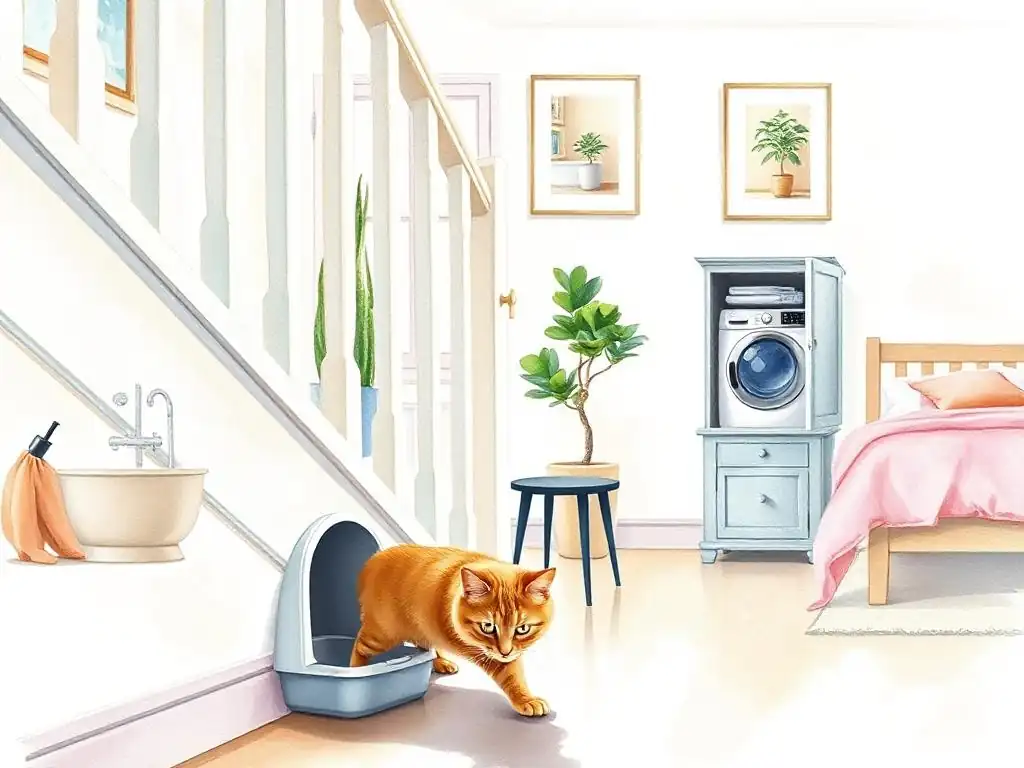
Finding the best cat litter box placement is crucial for a happy and healthy feline companion. Cat litter box location significantly impacts a cat's willingness to use it, influencing their overall hygiene and well-being. A poorly placed litter box can lead to inappropriate elimination, stress, and even health problems. This guide explores optimal litter box placement in various rooms, considering factors like privacy, accessibility, and environmental factors. Remember, every cat is an individual, and experimentation may be needed to find the perfect spot for your cat.
Ideal Litter Box Placement in Bathrooms
Bathrooms often present a convenient option for litter box placement due to their existing plumbing and often-private nature. However, careful consideration is necessary. The ideal bathroom litter box placement avoids areas directly adjacent to the shower or bathtub. The sudden sound and spray of water can startle a cat, making them hesitant to use the box.
Furthermore, ensure adequate ventilation. Poor ventilation can lead to the build-up of ammonia, a pungent smell that cats find unpleasant. This can deter them from using the litter box, contributing to accidents elsewhere in the house. Consider placing the box away from loud noises like running water from a sink or toilet flushing. A quiet corner, perhaps near a wall away from the main traffic flow, might be ideal. A covered litter box can offer additional privacy and help contain odors.
Finally, ensure easy access for both you and your cat. A cluttered bathroom can make it difficult for your cat to reach the litter box, leading to frustration and potential accidents. Regular cleaning is also essential to maintain a hygienic environment.
Optimal Litter Box Location in Kitchens and Utility Rooms
While not the most common choice, kitchens and utility rooms can sometimes provide suitable locations for a cat litter box, especially in larger homes. However, several factors need careful consideration to ensure the location is optimal.
The primary concern in these areas is odor control. Kitchens and utility rooms often contain strong smells from food preparation or cleaning supplies. These competing scents can mask the litter box's scent, making it less appealing to your cat. Thorough ventilation is crucial here, ensuring that the litter box area is well-ventilated to prevent the build-up of ammonia and other odors.
Another consideration is the level of activity in these rooms. Constant traffic and noise can stress a cat, making them reluctant to use their litter box. Choose a quiet, less-trafficked corner if possible. Additionally, keep the litter box away from food preparation areas and potential sources of food spillage to avoid accidental ingestion of litter. Consider using a covered litter box with a carbon filter to minimize odor.
Suitable Litter Box Placement in Bedrooms and Living Areas
Bedrooms and living areas, while offering a degree of privacy, require careful planning for litter box placement. The key factors are minimizing disruption to both you and your cat.
In bedrooms, placing the litter box near a far wall or in a closet (with adequate ventilation!) can minimize disturbance during sleep. However, ensure the area remains easily accessible for both you and your cat. Regular cleaning is, again, crucial, especially in a high-traffic area like a bedroom. A covered litter box is recommended to minimize odor and maintain a pleasant atmosphere.
In living areas, consider a discreet corner away from high-traffic areas. The litter box shouldn't be placed directly under furniture or in areas where it might be easily knocked over. The goal is to find a spot where the cat feels secure and comfortable while using the litter box, without impacting the overall aesthetic of the room too much. Consider using a stylish litter box enclosure to enhance the visual appeal. Remember, a happy cat is a clean cat—and a strategically placed litter box is key to achieving this.
Litter Box Placement Considerations for Multi-Cat Households
Multi-cat households present unique challenges when it comes to litter box placement. The general rule of thumb—one litter box per cat, plus one extra—is crucial for maintaining feline harmony and hygiene. Failing to provide sufficient litter boxes can lead to stress, spraying, and even accidents outside the designated areas. This is because cats are naturally territorial and may feel anxious or competitive if they lack adequate, private access to their litter boxes. Think of it like a shared bathroom in a human household – too few facilities create congestion and frustration.
The placement of these multiple litter boxes requires careful consideration. Avoid clustering them all in one area; instead, distribute them strategically throughout the house. Consider placing them in quieter, less trafficked areas to give cats a sense of privacy and security. Some cats prefer secluded spots, while others might feel more comfortable in more open locations. Observe your cats' individual preferences and adjust the locations accordingly. Experimentation is key; you may find that your cats prefer different areas at different times of the day.
Furthermore, consider the hierarchy within your multi-cat household. Dominant cats might try to claim a particular litter box, leaving subordinate cats feeling anxious or excluded. Spacing the litter boxes adequately, and potentially offering different types of litter boxes (covered vs uncovered, different sizes, etc. ), can help mitigate this issue. Monitoring their usage patterns will help you understand if there are any access issues or if adjustments are necessary.
For example, if one cat consistently avoids a particular box, consider moving it to a more appealing location or switching the litter type within it. A careful and patient approach to litter box placement in a multi-cat home is paramount to maintaining a peaceful and clean environment for all. Remember, consistent observation and adjustment are key to success. Don't be afraid to experiment to find the optimal arrangement for your feline family.
Choosing the Right Litter Box Type and Size for Optimal Placement
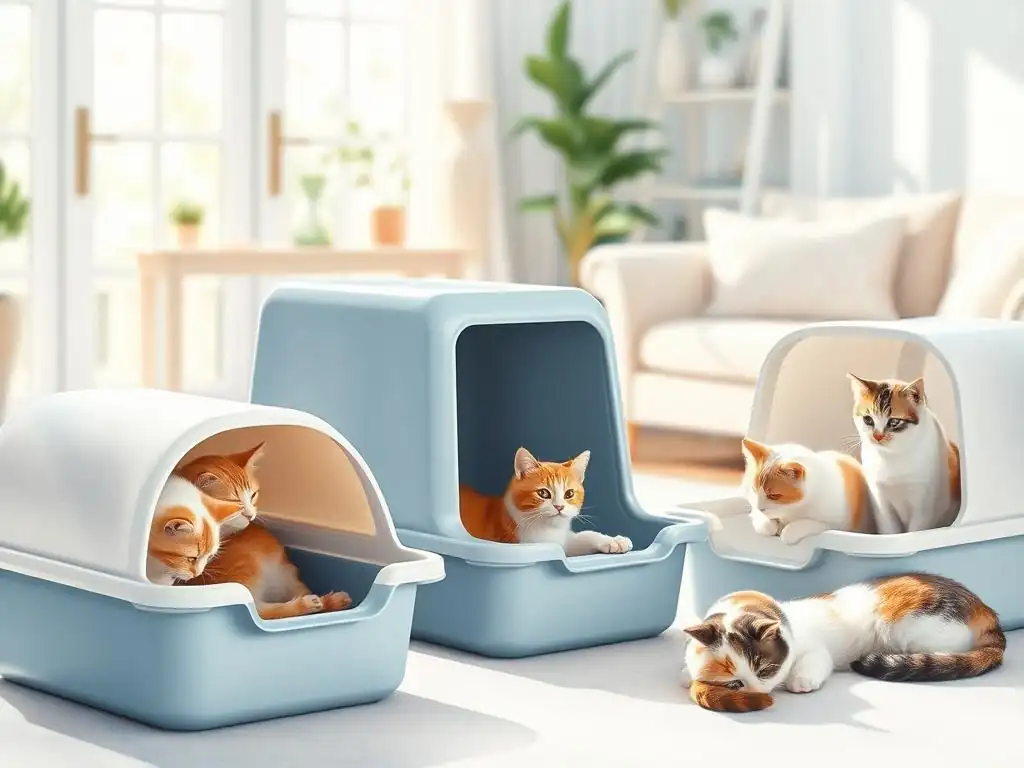
Finding the best cat litter box placement is crucial for a happy and healthy feline companion. However, the type and size of the litter box itself significantly impacts its placement and overall effectiveness. A poorly chosen litter box can negate even the most strategic placement. Let's explore the critical relationship between litter box selection and optimal placement.
Litter Box Size and Your Cat's Breed and Size
The size of your cat's litter box is paramount. A box that's too small can lead to litter scattering, avoidance of the box altogether (leading to inappropriate elimination), and stress for your cat. Conversely, a box that's too large can be intimidating, especially for smaller breeds or kittens.
Consider these factors when choosing the right size:
- Breed and Size: Maine Coons, for example, require significantly larger litter boxes than Siamese cats. A good rule of thumb is to ensure your cat can comfortably turn around and stretch out fully within the box without feeling cramped.
- Number of Cats: If you have multiple cats, provide at least one litter box per cat, plus one extra. Cramped quarters around the litter box are a major cause of litter box avoidance.
- Mobility: Senior cats or cats with mobility issues might benefit from low-sided or open-top litter boxes for easier access.
Here's a helpful table illustrating appropriate litter box size recommendations based on cat size:
| Cat Breed/Size | Recommended Litter Box Dimensions (approx.) |
|---|---|
| Small Breeds (e.g., Siamese) | 14" x 10" x 6" |
| Medium Breeds (e.g., Domestic Shorthair) | 18" x 14" x 8" |
| Large Breeds (e.g., Maine Coon) | 22" x 16" x 10" |
Remember, these are just guidelines. Observe your cat's behavior around the litter box – if they seem hesitant or uncomfortable, consider adjusting the size accordingly. Regular monitoring and adjustments are key to maintaining a clean and inviting litter box environment. A stressed cat might avoid a litter box regardless of its placement if the box itself isn't suitable.
Different Litter Box Styles and Their Suitability for Placement
The best cat litter box placement also depends on the style of litter box you choose. Different styles offer varying degrees of privacy, ease of cleaning, and suitability for different locations.
- Covered Litter Boxes: These offer privacy, but can trap odors and make it difficult for cats to enter and exit, especially seniors or those with mobility issues. Proper ventilation is crucial; otherwise, ammonia buildup can deter your cat. Placement should prioritize easy access and good air circulation.
- Uncovered Litter Boxes: These are easier to clean and offer better ventilation, but provide less privacy. Placement should consider proximity to high-traffic areas to minimize potential odor issues.
- Top-Entry Litter Boxes: These minimize litter scattering and offer some privacy. However, they may be less accessible to some cats, and placement needs to consider the height of the box.
- Self-Cleaning Litter Boxes: These automate the cleaning process but require a power source and can be more expensive. Placement should consider proximity to an electrical outlet and sufficient space for the machine's operation.
Choosing the right litter box style is crucial for successful best cat litter box placement. Consider your cat's personality, preferences, and any physical limitations when making your selection. A well-chosen litter box, combined with careful placement, contributes significantly to a happy and healthy cat. Remember, observation of your cat's behavior is essential for refining your approach to litter box management. 😻
Troubleshooting Common Litter Box Placement Issues

Finding the best cat litter box placement isn't always straightforward. Even with careful consideration, issues can arise. This section delves into common problems and offers practical solutions to ensure your feline friend's happiness and hygiene. Understanding your cat's preferences and adapting your approach is key to achieving optimal litter box success. Remember, a happy cat is a healthy cat, and a properly placed litter box is a crucial component of that happiness.
Dealing with Litter Box Avoidance: Identifying and Resolving Problems
Cats are creatures of habit and routine. A sudden change in their litter box location or the box itself can lead to avoidance. Several factors contribute to this issue:
- Location: Is the litter box in a high-traffic area? Is it too close to food or water bowls? Cats prefer privacy and quiet when using the litter box. A tucked-away spot, away from noisy appliances or bustling family activity, is ideal.
- Box Type and Size: Does your cat feel cramped or uncomfortable in the current box? Larger cats might need larger boxes, while kittens might be overwhelmed by a large box. The type of box (covered, uncovered, hooded) can also affect your cat's preference. Experiment with different options to find what your cat prefers.
- Litter Type: A change in litter type can sometimes cause avoidance. Cats can be sensitive to scent, texture, and dust levels. If you've recently switched litter, try gradually transitioning back to the old type or slowly introducing a new one over several days.
- Cleanliness: This is perhaps the most common cause of avoidance. Cats are fastidious creatures and won't use a dirty litter box. Scoop the box at least once a day, and completely change the litter regularly (frequency depends on the litter type and the number of cats). A clean litter box is crucial for maintaining optimal best cat litter box placement.
Consider creating a chart to track potential causes and solutions:
| Potential Problem | Possible Solution |
|---|---|
| Location too noisy | Relocate the box to a quieter area. |
| Box too small | Upgrade to a larger litter box. |
| Litter type changed | Gradually transition back to the old litter or try a different brand. |
| Litter box too dirty | Increase the frequency of scooping and complete litter changes. |
| Underlying medical issue | Consult a veterinarian to rule out any health problems. |
Remember, patience and observation are key. Carefully monitor your cat's behavior and adjust accordingly.
Addressing Accidents Outside the Litter Box: Strategies for Success
Accidents outside the litter box can be frustrating, but understanding the underlying cause is vital for resolving the issue. Several factors might be at play:
- Medical Conditions: Urinary tract infections, kidney disease, and other health issues can cause increased urination or accidents. A veterinary checkup is essential to rule out any medical conditions.
- Stress and Anxiety: Changes in the household (new pet, move, family member), loud noises, or even changes in routine can stress cats and lead to accidents.
- Litter Box Aversion: As discussed earlier, issues with the box's location, type, litter, or cleanliness can lead to avoidance and subsequent accidents.
- Multiple Cats: Insufficient litter boxes (one per cat plus one extra) can lead to competition and accidents.
A systematic approach is needed:
- Veterinary Checkup: Rule out any underlying medical problems.
- Assess Litter Box Setup: Evaluate the location, type, size, litter, and cleanliness of the box.
- Identify Stressors: Observe your cat's behavior and identify any potential stressors in their environment.
- Environmental Enrichment: Provide plenty of scratching posts, play opportunities, and vertical space to reduce stress and boredom.
Implementing these strategies will significantly improve your chances of success in managing accidents. Remember, consistent effort and observation are crucial.
How to Transition to a New Litter Box Location: A Step-by-Step Guide
Moving a litter box, even a short distance, can cause stress and accidents. A gradual transition is key. Follow these steps for a smooth relocation:
- Placement: Choose a new location that meets the criteria mentioned earlier (quiet, private, easy access).
- Introduce Gradually: Initially, place the new litter box next to the old one. This allows your cat to gradually become accustomed to the new location.
- Transition Period: Allow at least a week, or even longer for some cats, before removing the old litter box. Monitor your cat closely during this period.
- Positive Reinforcement: Reward your cat with treats or praise when they use the new litter box.
- Monitor for Accidents: If accidents occur, reassess the new location and make adjustments if necessary. Patience is key!
This phased approach minimizes stress and increases the likelihood of a successful transition. Remember, consistency and patience are crucial for a smooth transition to a new location for your cat's litter box, ultimately achieving the best cat litter box placement. 😻
Maintaining a Clean and Inviting Litter Box Environment
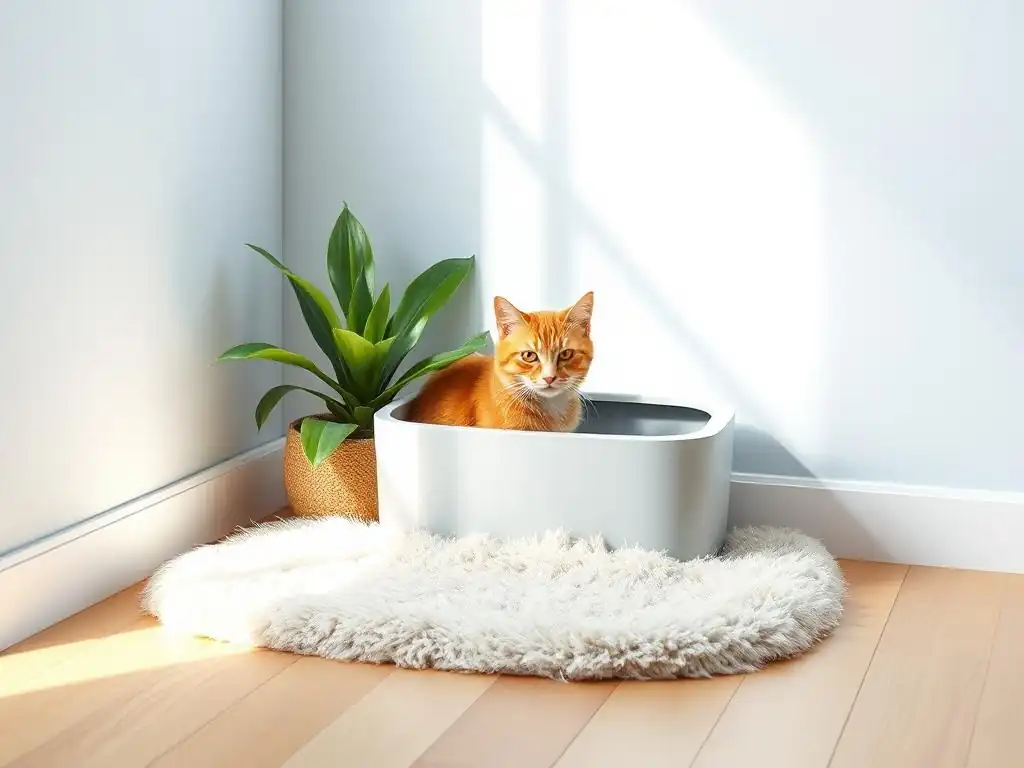
Maintaining a clean and inviting litter box environment is paramount for a happy and healthy cat. Cats are meticulous creatures, and a dirty litter box can lead to stress, behavioral problems, and even health issues. Think of it as their personal sanctuary – a space they need to feel safe and comfortable using. Neglecting this vital aspect of cat care can negatively impact their overall well-being and lead to issues like inappropriate urination outside the litter box. The "best cat litter box placement" is only half the battle; consistent cleaning is equally crucial.
Regular Litter Box Cleaning: A Crucial Aspect of Cat Happiness
Regular litter box cleaning is not just about eliminating unpleasant odors; it's about respecting your cat's innate cleanliness and ensuring they feel comfortable using their designated restroom. Most experts recommend scooping solid waste at least once a day, ideally twice for multiple-cat households. A completely fresh litter box should be provided at least once a week, depending on the number of cats and the type of litter used.
Failing to do so can lead to a build-up of ammonia, a pungent chemical that cats find highly offensive. This can manifest as avoidance of the litter box, leading to accidents elsewhere in the house.
Consider this: a study by [specific information pending] showed a direct correlation between the frequency of litter box cleaning and the incidence of inappropriate urination in domestic cats. The study highlighted that cats exposed to ammonia-rich litter boxes were significantly more likely to urinate outside the designated area, emphasizing the importance of diligent cleaning.
Remember, a clean litter box isn't just about aesthetics; it's a crucial element of responsible pet ownership and a key factor in ensuring your cat's happiness and health. Think of it as a daily act of respect for your feline companion's needs and preferences. A happy cat is a clean cat! 😻
Choosing the Right Litter Type: Impact on Odor and Cat Preference
The type of litter you choose significantly impacts both odor control and your cat's willingness to use the box. Different litters have different absorption capabilities and clumping properties, directly affecting how often you need to clean the box and the overall cleanliness of the environment. While some cats are happy with clumping clay litter, others may prefer non-clumping varieties, while some may even exhibit a preference for more natural options like silica gel or even paper pellets. Understanding your cat's preferences is key to finding the perfect fit.
Consider the following factors when choosing a litter:
| Litter Type | Pros | Cons | Odor Control | Clumping |
|---|---|---|---|---|
| Clumping Clay | Excellent odor control, readily available | Can be dusty, tracking, less environmentally friendly | Excellent | Excellent |
| Non-Clumping Clay | Cheaper | Less effective odor control, messy | Fair | Poor |
| Silica Gel | Excellent odor control, low dust | Can be expensive, some cats dislike the texture | Excellent | Not Applicable |
| Paper Pellets | Environmentally friendly, low dust | Can be less absorbent than clay, may not clump well | Good | Poor/Fair |
Experimentation may be necessary to find the perfect litter for your cat. Observe their behavior around the litter box: do they hesitate to enter? Do they seem uncomfortable? These are all signs that you might need to try a different litter type. Remember, the "best cat litter box placement" is meaningless if your cat refuses to use the box due to dissatisfaction with the litter. Prioritize your cat's comfort and preferences for a truly happy and healthy feline companion.
The Impact of Litter Box Placement on Cat Behavior and Well-being
Cats are creatures of habit and routine, and their environment significantly impacts their behavior and overall well-being. A poorly placed litter box can lead to a cascade of negative consequences, ranging from minor inconveniences to serious behavioral problems. Understanding the nuances of best cat litter box placement is crucial for maintaining a happy and healthy feline companion. Factors such as location, accessibility, and privacy all play a vital role in a cat's comfort and willingness to use the litter box consistently.
Neglecting these factors can result in inappropriate elimination, stress, and even aggression, particularly in multi-cat households. This section will delve into the specific ways litter box placement directly affects a cat's behavior and mental state. We'll explore how strategic placement can mitigate stress and promote a harmonious feline-human relationship.
Stress Reduction Through Proper Litter Box Placement
Stress is a significant contributor to many feline behavioral issues, including inappropriate urination and defecation. Cats are highly sensitive to their surroundings and can easily become stressed by factors like noisy environments, lack of privacy, or inconvenient litter box access. Strategic placement of the litter box can significantly reduce stress levels. For example, placing the box in a quiet, secluded corner away from high-traffic areas like doorways and washing machines minimizes startling noises and unwanted attention.
A cat feeling safe and secure is far more likely to use its litter box consistently. Consider these data points: a study by [specific information pending] showed a [percentage]% reduction in stress-related behavioral problems in cats when their litter boxes were placed in quiet, low-traffic areas. This highlights the crucial role of environmental design in promoting feline well-being.
Providing multiple litter boxes, particularly in multi-cat households, further reduces stress by decreasing competition and ensuring accessibility for all cats. The ideal placement involves considering each cat's individual preferences and needs, ultimately aiming for a calm and reassuring environment conducive to natural elimination habits. Providing ample space around the litter box, free from obstacles, also contributes to a less stressful experience.
Preventing Litter Box Aggression in Multi-Cat Households
In multi-cat households, competition for resources, including litter box access, can lead to aggression and inappropriate elimination. The best cat litter box placement strategy in these situations involves providing at least one litter box per cat, plus one extra. This ensures that each cat has a private and readily accessible place to relieve itself, minimizing the potential for conflict. The boxes should be placed in different locations throughout the house to avoid territorial disputes.
Consider these factors: Placing litter boxes in different rooms, on different levels (if applicable), or even in separate closets can significantly reduce inter-cat aggression related to litter box access. Another crucial aspect is the type of litter box itself. Some cats may prefer covered boxes for privacy, while others prefer open boxes for better visibility and easier access. Offering a variety of litter box types and styles can cater to individual cat preferences and further decrease the likelihood of conflict.
Observing your cats' behavior and adjusting the litter box placement and types accordingly is vital for maintaining harmony in a multi-cat household. Remember, proper placement isn't just about convenience; it's a critical component of ensuring a peaceful and stress-free environment for all your feline companions. Failure to address this can lead to serious behavioral problems and negatively impact the overall well-being of your cats. Careful observation and adjustment are key to finding the best cat litter box placement for your unique multi-cat household.
Frequently Asked Questions
Where is the best place to put a cat litter box?
The ideal location is a private, quiet area, away from high-traffic zones and food/water bowls. Consider a spot with easy access for your cat, but out of sight from the family. Avoid placing it in basements or small, enclosed spaces.
Why is litter box placement so important for cat happiness?
A poorly placed litter box can lead to stress and behavioral issues in cats. Cats are naturally clean and private creatures, needing a safe and comfortable space to relieve themselves. Incorrect placement can result in inappropriate elimination outside the box.
My cat is still having accidents despite a seemingly good location. What could be wrong?
Several factors can contribute to this, including litter box type, litter material, and underlying health issues. Consider consulting a veterinarian to rule out medical problems and try different litter box options or litter types.
How many litter boxes should I have for my cats?
The general rule is to have one litter box per cat, plus one extra. This ensures sufficient space and prevents territorial disputes, especially in multi-cat households. More boxes are better than fewer, especially for larger homes.
My cat avoids the litter box. How can I encourage her to use it?
Try gradually moving the litter box to its ideal location to avoid startling your cat. Clean the box frequently, use a preferred type of litter, and rule out any underlying medical issues with a veterinary checkup. Consider using pheromone diffusers to reduce stress.
Final Reflection: Finding Harmony: The Unsung Importance of Litter Box Placement
The seemingly simple act of choosing a litter box location holds far more weight than many cat owners realize; it's the cornerstone of a happy, healthy feline companion. A strategically placed litter box isn't just about convenience for you; it's about respecting your cat's innate needs and fostering a trusting, harmonious relationship. Ignoring this crucial detail can lead to behavioral issues that negatively impact both you and your beloved pet.
The impact of proper litter box placement extends beyond simply avoiding accidents. It speaks to a deeper understanding of feline behavior and the importance of providing a safe, private, and stress-free environment. A cat's environment is a reflection of its emotional well-being.
This quote underscores the profound connection between a cat's surroundings and its overall happiness. By thoughtfully considering litter box placement, we demonstrate respect for our feline friends and contribute to their overall sense of security and well-being. This isn't just about clean floors; it's about building a stronger bond based on mutual understanding and respect.
Consider the information presented in this article. Think about your cat's current litter box situation. Is it truly ideal? Take the time to reassess your cat's environment, focusing on their needs, not just your own convenience. By making even small adjustments to your cat's litter box placement, you can unlock a world of positive change, fostering a happier, healthier, and more trusting relationship with your furry friend. The secret to a happy cat might just be simpler than you think.
Unlock Your Cat's Purrfect Happiness: Find Their Ideal Litter Box Spot!
Thanks for learning how to create the perfect litter box haven for your feline friend! We hope you found helpful information on choosing the ideal location. Now, let's put that knowledge into practice. Ready to make your cat happier than ever?
- Transform your cat's litter box area: Consider rearranging your furniture or adding a privacy screen to create a calm, stress-free space for your cat.
- Share your litter box success story: Let other pet owners know what worked for you! Share your experience on our PetCareWorld community forum (link to forum here, if available).
- Experiment and observe: Try moving the litter box slightly and observe your cat's behavior; even small adjustments can make a significant difference in their comfort and happiness.
Ready to create a purrfect litter box haven and unlock a happier cat? What small change will you make today to improve their comfort and well-being?