
The Importance of Regular Checkups: Catching Weight Issues Early

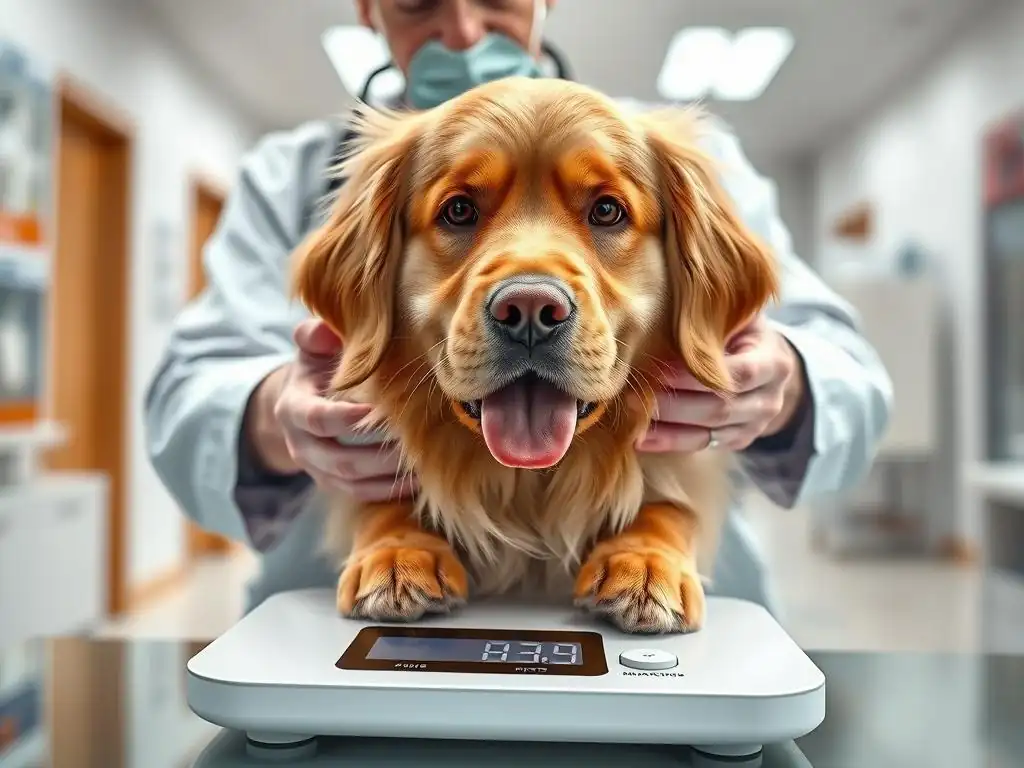
Welcome to PetCareWorld, your ultimate guide to a happier, healthier life for your beloved pets! Are you giving your feline friend the best possible care? Discover the critical role of pet weight checkups in ensuring your cat thrives. Learn why regular monitoring is key to catching potential weight issues early and preventing serious health problems. Dive into our insightful article, "The Importance of Regular Checkups: Catching Weight Issues Early," and unlock the secrets to a longer, healthier life for your cat.
- Understanding Your Cat's Ideal Weight: A Crucial First Step
- The Dangers of Cat Obesity: Health Risks and Complications
- The Benefits of Regular Veterinary Checkups for Weight Management
- Implementing a Weight Management Plan at Home: Practical Steps
- Maintaining a Healthy Weight: Long-Term Strategies for Success
- When to Seek Immediate Veterinary Attention Regarding Your Cat's Weight
- Frequently Asked Questions
- Final Reflection: The Unseen Scales of Pet Health
- Unlock Your Pet's Healthiest Weight: Take Action Today!
Understanding Your Cat's Ideal Weight: A Crucial First Step
Maintaining a healthy weight is paramount to your cat's overall well-being. Just like humans, feline obesity and underweight conditions can lead to a cascade of serious health problems, significantly impacting their quality of life and lifespan. This article explores the critical importance of regular weight checkups for cats, emphasizing early detection of weight issues as a key preventative measure.
We'll guide you through practical methods for monitoring your cat's weight, identifying potential problems, and ultimately ensuring they live a long, happy, and healthy life. Understanding your cat's ideal weight is the first crucial step in proactive pet weight management, a vital component of responsible cat ownership. Regular veterinary visits, combined with diligent at-home monitoring, are essential for preventing and addressing weight-related concerns effectively.
The timely detection of weight problems, whether overweight or underweight, allows for prompt intervention, minimizing the risk of developing more severe health complications later on. This proactive approach to pet weight management is key to ensuring your feline companion thrives.
Determining Your Cat's Breed-Specific Weight Range
Knowing your cat's ideal weight range is the foundation of effective weight management. However, a simple weight chart isn't sufficient; breed plays a significant role. Certain breeds are naturally larger or smaller than others. For example, a Maine Coon's healthy weight will be considerably higher than that of a Siamese cat.
Therefore, consulting your veterinarian is crucial. They can provide breed-specific guidance based on your cat's age, breed, and overall health. They will also consider factors like body type and build, which can influence the appropriate weight range. While online resources can offer general guidelines, professional veterinary assessment remains the most accurate method for establishing your cat's ideal weight range.
Remember to record this information for future reference and to track your cat's weight effectively over time. This baseline data will be invaluable in monitoring weight changes and making informed decisions regarding your cat's diet and exercise. Don't hesitate to ask your vet for clarification or additional resources to help you understand your cat's specific needs.
Using Body Condition Scoring Charts for Accurate Assessment
Beyond simply weighing your cat, understanding their body condition is equally important. Veterinarians utilize body condition scoring (BCS) charts—a standardized system that assesses your cat's muscle and fat distribution. These charts typically use a numerical scale (often 1-9), with lower numbers indicating underweight and higher numbers representing obesity.
Learning to interpret these charts allows for a more nuanced assessment of your cat's weight, going beyond just the number on the scale. Regularly assessing your cat's BCS, ideally in conjunction with veterinary checkups, provides a holistic view of their overall health. Looking for ribs that are easily felt but not prominent, a visible waistline, and a clear abdominal tuck are key indicators of a healthy weight.
A BCS chart can help you identify subtle changes that might indicate weight gain or loss before it becomes a significant health concern. This proactive approach is crucial for early intervention and preventing more serious health complications. Familiarize yourself with a BCS chart and practice assessing your cat's body condition to become a more informed and proactive pet owner.
Recognizing Signs of Overweight and Underweight Cats
Identifying early signs of weight issues is critical for successful intervention. Overweight cats might exhibit lethargy, difficulty grooming, increased panting, and a noticeable pot belly. They may also show a reduced desire for physical activity and an increased appetite. In contrast, underweight cats may appear gaunt, with prominent ribs and hip bones.
They might have dull coats, lack energy, and experience weight loss despite a seemingly normal appetite. Early detection is key; both overweight and underweight cats are at increased risk of various health problems, including diabetes, heart disease, and joint problems. Pay close attention to your cat's behavior and physical appearance. Any noticeable changes, such as a sudden increase or decrease in appetite, lethargy, or changes in their body shape, warrant a visit to the veterinarian for a thorough examination.
Don't delay seeking professional advice if you suspect your cat has a weight problem; timely intervention can make a significant difference in their health and longevity. Remember, regular checkups are your best defense against weight-related issues. 😻
The Dangers of Cat Obesity: Health Risks and Complications

Cat obesity is a serious concern, significantly impacting your feline companion's quality of life and longevity. Regular weight checkups are crucial for early detection and intervention, preventing these potentially life-threatening complications. Ignoring your cat's weight can lead to a cascade of health problems, making preventative care paramount. The severity of these issues is directly correlated with the degree of obesity, highlighting the importance of maintaining a healthy weight throughout your cat's life. This section explores some of the most prevalent health risks associated with feline obesity.
Increased Risk of Diabetes in Obese Cats
Obesity is a major risk factor for feline diabetes mellitus. Excess weight disrupts the body's ability to regulate blood sugar effectively. Fat cells release substances that interfere with insulin function, leading to insulin resistance. This resistance means the body's cells don't respond properly to insulin, causing a buildup of glucose in the bloodstream.
The resulting hyperglycemia can damage vital organs over time. Studies have shown a strong correlation between obesity and the development of diabetes in cats. For instance, one study indicated that obese cats were [specific information pending] times more likely to develop diabetes compared to cats of a healthy weight.
Early detection through regular weight monitoring and veterinary checkups is crucial for managing this condition and improving your cat's prognosis. Early intervention with dietary changes and possibly medication can significantly improve their quality of life. The impact of diabetes on a cat's life can be profound, ranging from increased thirst and urination to potential blindness and kidney failure.
Heart Disease and Respiratory Problems in Overweight Felines
Carrying excess weight puts immense strain on a cat's cardiovascular system. Obese cats are at a significantly increased risk of developing hypertrophic cardiomyopathy (HCM), a condition where the heart muscle thickens, making it harder for the heart to pump blood effectively. This can lead to heart failure. Furthermore, the added weight compresses the lungs and diaphragm, hindering respiratory function. Overweight cats often experience shortness of breath, especially during exertion.
They may also be more susceptible to respiratory infections due to compromised lung capacity. The increased strain on the heart and lungs can manifest in various symptoms, including lethargy, coughing, and difficulty breathing. Regular veterinary checkups, including weight monitoring and potentially echocardiograms, are essential for early diagnosis and management of these serious conditions. A healthy weight significantly reduces the risk of these life-threatening complications.
Joint Pain and Mobility Issues in Obese Cats
Excess weight places excessive pressure on a cat's joints, particularly the hips and knees. This can lead to osteoarthritis, a degenerative joint disease characterized by inflammation, pain, and stiffness. Obese cats often exhibit reduced mobility, experiencing difficulty jumping, climbing, or even walking.
The constant strain on their joints can result in chronic pain, impacting their overall comfort and quality of life. This pain can lead to behavioral changes, such as increased aggression or withdrawal. Veterinary care may involve pain management medication, weight loss strategies, and potentially surgery in severe cases.
Maintaining a healthy weight is crucial in preventing or delaying the onset of osteoarthritis and other joint problems, allowing your cat to enjoy a more active and comfortable life. Regular exercise, tailored to your cat's abilities, can also help maintain joint health and mobility. Even small changes in weight can make a significant difference in improving their comfort and preventing further joint damage.
Remember, consistent monitoring of your cat's weight and regular veterinary checkups are essential components of responsible pet ownership. Early detection of weight issues significantly improves the chances of successful intervention and helps prevent the serious health complications associated with feline obesity. Don't underestimate the importance of these regular "pet weight checkups"; they are a cornerstone of proactive cat care.
The Link Between Obesity and Certain Cancers in Cats
Obesity in cats is significantly linked to an increased risk of developing several types of cancer. The exact mechanisms aren't fully understood, but the correlation is well-established through numerous studies. Excess body fat disrupts the body's hormonal balance, leading to chronic inflammation throughout the system. This chronic inflammation creates an environment conducive to the development and growth of cancerous cells. Some cancers specifically associated with feline obesity include lymphoma, mammary cancer, and certain types of gastrointestinal cancers.
The increased fat tissue itself may also play a role, potentially producing hormones or growth factors that stimulate tumor growth. It's important to note that while obesity increases the risk of cancer, it doesn't guarantee a cat will develop the disease. However, maintaining a healthy weight significantly reduces this risk, contributing to a longer, healthier life for your feline companion. Early detection is crucial, and regular veterinary checkups are paramount in identifying any potential cancerous growths or abnormalities.
The earlier a cancer is diagnosed, the better the prognosis and treatment options usually are. Therefore, proactive weight management is an essential component of preventative care for cats, reducing the chances of various health problems, including cancer. Regular veterinary visits are instrumental in monitoring weight and overall health, allowing for early intervention if any issues arise. Remember, a healthy weight is a significant step towards a cancer-free life for your beloved cat.
The Benefits of Regular Veterinary Checkups for Weight Management

Regular veterinary checkups are paramount for maintaining your cat's health and well-being, and this is especially true when it comes to weight management. Many cat owners underestimate the significance of consistent monitoring, often overlooking subtle changes in their feline friend's physique until a significant weight problem develops. Proactive care, however, offers a multitude of advantages in preventing and addressing feline obesity, a prevalent issue with serious health implications.
This section will delve into the key benefits of incorporating regular weight checkups into your cat's healthcare routine. Understanding the importance of these checkups will empower you to take a more proactive role in your cat's long-term health and happiness. This is crucial for successful pet weight checkups.
Early Detection of Weight Gain: Preventing Major Health Issues
Early detection of weight gain is crucial in preventing numerous health problems associated with feline obesity. Even seemingly minor increases in weight can signal underlying issues. A veterinarian can assess your cat's Body Condition Score (BCS) during a routine checkup, a standardized method for evaluating body fat. This involves feeling your cat's ribs and assessing the overall distribution of fat. A BCS exceeding the ideal range indicates potential weight problems.
Regular weigh-ins, combined with a visual assessment, allow for early intervention before weight gain becomes excessive. This early detection is vital because obesity significantly increases the risk of several serious conditions, including:
- Diabetes Mellitus: Obesity is a major risk factor for diabetes in cats, leading to increased thirst, urination, and potential long-term complications.
- Hypertension: Excess weight strains the cardiovascular system, increasing blood pressure and the risk of heart disease.
- Hepatic Lipidosis (Fatty Liver Disease): This life-threatening condition is more common in obese cats and can lead to liver failure.
- Arthritis and Joint Problems: Carrying excess weight puts extra stress on joints, leading to pain, mobility issues, and osteoarthritis.
- Respiratory Problems: Obesity can restrict breathing and increase the risk of respiratory infections.
Early intervention, facilitated by regular pet weight checkups, significantly improves the chances of successful weight management and reduces the severity of these potential complications. The earlier you address weight gain, the better the prognosis.
Personalized Weight Management Plans from Your Veterinarian
Once weight gain is detected, your veterinarian can develop a personalized weight management plan tailored to your cat's specific needs. This plan will likely involve a combination of dietary changes, increased physical activity, and potentially, medication in certain cases.
The plan will consider various factors, including:
- Your cat's age, breed, and overall health: Different cats have different metabolic rates and nutritional requirements.
- Current diet and feeding habits: Your veterinarian will assess your cat's current food intake and make recommendations for appropriate portion sizes and food types. They might suggest switching to a lower-calorie, higher-fiber diet specifically formulated for weight loss.
- Lifestyle and activity levels: Encouraging increased physical activity through interactive play sessions and providing stimulating environments is crucial.
- Underlying health conditions: Certain medical conditions can contribute to weight gain, and these will need to be addressed.
A comprehensive plan ensures the weight loss process is safe and effective, minimizing stress on your cat and maximizing the chances of success. Remember, drastic measures are often counterproductive and can harm your cat. A gradual, veterinarian-supervised approach is always best. This is a crucial aspect of responsible pet weight checkups.
Monitoring Progress and Adjusting Treatment Strategies
Regular follow-up appointments are essential for monitoring your cat's progress and making necessary adjustments to the weight management plan. Your veterinarian will track your cat's weight, BCS, and overall health indicators. This continuous monitoring allows for early detection of any setbacks or complications. It also enables timely adjustments to the plan, optimizing its effectiveness.
For example, if your cat isn't losing weight as expected, your veterinarian might suggest:
- Adjusting the calorie intake of the diet.
- Increasing the amount of exercise.
- Introducing additional support, such as appetite suppressants (under veterinary supervision).
- Investigating potential underlying medical conditions contributing to weight gain.
This iterative approach ensures the weight management strategy remains effective and adaptable to your cat's individual response. Consistent monitoring and adjustments are key to achieving lasting success in feline weight management. It highlights the ongoing importance of regular pet weight checkups in ensuring your cat’s optimal health and well-being. The process is not a one-time event; it's an ongoing partnership between you and your veterinarian to ensure your furry friend thrives.
Tailored Nutritional Guidance for Healthy Weight Maintenance
Regular veterinary checkups are crucial for obtaining personalized dietary recommendations. A veterinarian can assess your cat's current weight, body condition score (BCS), and overall health to determine the most appropriate nutritional plan. This isn't a one-size-fits-all approach; factors like age, breed, activity level, and any underlying health conditions significantly influence nutritional needs. For example, a senior cat with arthritis will require a different calorie intake and nutrient profile compared to a young, active Siamese.
The vet might suggest specific commercial diets formulated for weight management, or they may help you create a balanced homemade diet tailored to your cat's unique requirements. This personalized approach ensures that your cat receives the optimal balance of macronutrients (proteins, fats, and carbohydrates) and micronutrients (vitamins and minerals) to support healthy weight maintenance and prevent obesity-related health problems. Ignoring these individual needs can lead to nutritional deficiencies or excesses, further complicating weight management efforts.
Remember, even seemingly small adjustments in diet, guided by professional advice, can make a significant difference in your cat's weight and overall health. A vet can also help you understand portion control and feeding schedules, crucial aspects of successful weight management. They can provide practical tips and strategies to help you stick to the recommended feeding plan and monitor your cat's progress effectively.
The veterinarian can also identify potential underlying health issues that might be contributing to weight gain or loss. For instance, hypothyroidism, a condition affecting the thyroid gland, can lead to weight gain and lethargy. Similarly, hyperthyroidism can cause weight loss despite increased appetite. Early detection of such conditions through regular checkups is paramount for effective treatment and management, preventing further complications and improving your cat's quality of life.
Furthermore, the vet can monitor your cat's response to dietary changes and adjust the plan as needed. This iterative approach ensures that the nutritional strategy remains effective and addresses any emerging challenges. Continuous monitoring and adjustments are key to long-term success in managing your cat's weight. Without regular checkups, you risk missing crucial signs of underlying health problems or ineffective dietary strategies.
Implementing a Weight Management Plan at Home: Practical Steps

Successfully managing your cat's weight requires a multifaceted approach. Simply reducing food isn't always enough; a holistic plan encompassing diet, exercise, and monitoring is crucial. This section details practical steps you can take at home to help your feline friend achieve and maintain a healthy weight. Remember, consistency is key when it comes to pet weight checkups importance. Regular monitoring, even between vet visits, will allow you to make timely adjustments to your plan.
Adjusting Your Cat's Food Intake: Portion Control and Calorie Counting
One of the most impactful changes you can make is controlling your cat's food intake. This involves careful portion control and, ideally, calorie counting. Start by determining your cat's ideal weight based on breed and age – your veterinarian can provide guidance on this. Then, use a pet food calorie calculator (easily found online) to determine the appropriate daily caloric intake for your cat's target weight.
Many cat owners underestimate the caloric density of treats. A seemingly small treat can significantly contribute to overall daily calorie intake. Consider reducing or eliminating treats entirely during the weight loss phase. Instead, reward good behavior with extra playtime or positive reinforcement.
It's also important to carefully measure your cat's food. Don't just pour food into the bowl; use a measuring cup to ensure consistency. Many cat owners find it helpful to use a food scale for even greater precision. This level of precision is particularly important for pet weight checkups importance as it allows for fine-tuning of the diet plan based on observed weight changes.
Choosing the Right Cat Food: Nutritional Content and Ingredients
The nutritional content of your cat's food is paramount for successful weight management. Look for cat food formulated for weight management or weight loss. These diets often contain fewer calories and higher fiber content, which can help your cat feel fuller for longer.
Avoid foods high in fat and carbohydrates. Check the ingredient list carefully. The first few ingredients should be high-quality protein sources, such as chicken, turkey, or fish. Look for foods with added fiber to promote satiety and healthy digestion.
Remember to transition your cat to the new food gradually to avoid digestive upset. Start by mixing a small amount of the new food with the old food and gradually increase the proportion of the new food over several days. This gradual transition is crucial for the success of the weight management plan and highlights the pet weight checkups importance.
Increasing Physical Activity for Your Cat: Playtime and Exercise
Cats, despite their reputation for laziness, need regular exercise. Increasing your cat's physical activity is a critical component of any weight management plan. While cats are less likely than dogs to require extensive walks, providing opportunities for play and movement is essential. Interactive play sessions using toys like wands, feather teasers, or laser pointers can be highly effective.
Consider creating a stimulating environment for your cat. Cat trees, climbing structures, and window perches encourage exploration and activity. Puzzle feeders can also provide mental stimulation and encourage your cat to work for their food, which can increase activity levels. Remember, even seemingly small increases in activity can contribute significantly to weight management, underscoring the pet weight checkups importance.
Remember to monitor your cat's energy levels. If your cat seems overly tired or lethargic, consult your veterinarian to rule out any underlying health issues that may be contributing to weight gain. A comprehensive approach to weight management, including regular exercise and veterinary checkups, is key to your cat's long-term health and well-being. The pet weight checkups importance cannot be overstated in this regard.
Creating a Stimulating Environment to Encourage Movement
A stimulating home environment is crucial for combating feline obesity. Cats, by nature, are curious and playful creatures, but a boring, unchallenging home can lead to lethargy and weight gain. Creating an environment that encourages physical activity doesn't require elaborate setups; simple changes can make a big difference. Think verticality! Cats are natural climbers; providing cat trees, shelves, and window perches allows them to explore their surroundings from different heights, burning calories in the process. This vertical space also satisfies their innate desire to survey their territory, adding an element of mental stimulation alongside the physical.
Beyond vertical space, interactive toys are essential. Forget the passive, battery-operated toys; instead, invest in toys that require your cat's active participation. Feather wands, puzzle feeders, and even simple crumpled paper balls can transform playtime into a fun, calorie-burning workout. Remember to vary the toys to prevent boredom and maintain your cat's interest. A consistent routine of interactive playtime, even just 15-20 minutes twice a day, can significantly impact their activity levels. This isn't just about weight management; it’s about enriching their lives and strengthening your bond.
Consider incorporating environmental enrichment beyond toys. Strategic placement of food and water bowls can encourage movement. Instead of placing them in the same spot all the time, move them to different locations throughout the house. This encourages your cat to explore and move around to find their resources.
Similarly, hiding treats around the house transforms feeding time into a treasure hunt, stimulating their hunting instincts and promoting physical activity. Even something as simple as rearranging furniture can create a new and exciting environment, prompting exploration and play. The key is to make their environment engaging and unpredictable, encouraging them to move naturally. Remember, a happy, active cat is a healthy cat.
Maintaining a Healthy Weight: Long-Term Strategies for Success

Maintaining a healthy weight for your feline companion is crucial for their overall well-being and longevity. It's not just about aesthetics; a healthy weight directly impacts their cardiovascular health, joint health, and susceptibility to various diseases. Successfully managing your cat's weight requires a multifaceted approach that goes beyond simply adjusting their food intake. It demands consistent monitoring, proactive veterinary care, and a commitment to lifestyle adjustments. This section will delve into the long-term strategies that ensure your cat maintains a healthy weight throughout their life, emphasizing the pet weight checkups importance.
Scheduling Regular Follow-up Appointments with Your Vet
Regular veterinary checkups are paramount in maintaining your cat's ideal weight. These visits aren't just for vaccinations; they are opportunities for your vet to assess your cat's overall health, including their weight and body condition score (BCS). A consistent weight monitoring schedule, ideally every 3-6 months for adult cats and more frequently for kittens or senior cats, allows for early detection of weight gain or loss.
This proactive approach is crucial. Early intervention significantly improves the chances of successfully managing weight issues before they become serious health concerns. Your veterinarian can also provide valuable insights into your cat's diet, exercise needs, and any underlying health problems that might be contributing to weight fluctuations.
They can help you create a personalized weight management plan tailored to your cat's specific needs and breed. Don't underestimate the pet weight checkups importance in preventative care. Think of these appointments as preventative maintenance, not just reactive treatment.
Monitoring Your Cat's Weight and Body Condition Regularly
Beyond scheduled vet visits, regular at-home monitoring is essential. Weighing your cat at least once a month using a pet scale provides valuable data points to track their weight trends. Don't just rely on your perception; a scale offers objective measurements. Furthermore, regularly assessing your cat's body condition score (BCS) is equally important.
This involves visually assessing your cat's body shape and feeling their ribs. A healthy cat should have ribs easily palpable but not visible under a thin layer of fat. A BCS chart, readily available online and from your veterinarian, provides a visual guide to help you accurately assess your cat's body condition.
Changes in BCS, even subtle ones, can signal an issue needing attention. Consistent monitoring allows you to detect deviations from their ideal weight early, enabling timely intervention and preventing the development of obesity or weight loss. This proactive monitoring significantly increases the chances of successful pet weight checkups importance.
Addressing Underlying Health Issues Contributing to Weight Problems
Weight problems in cats aren't always solely due to diet or lack of exercise. Several underlying health issues can contribute to weight gain or loss. Hyperthyroidism, diabetes, and kidney disease, for example, can significantly impact your cat's metabolism and appetite, leading to weight changes.
During your regular veterinary checkups, your vet will assess your cat for any such conditions. Blood tests, urine analysis, and other diagnostic tools may be used to identify these underlying problems. Addressing these issues is crucial, as treating the underlying cause is often the most effective way to manage your cat's weight.
Ignoring these underlying issues can lead to a vicious cycle, where treating only the symptoms (weight gain/loss) fails to address the root cause, potentially worsening the health of your cat. Therefore, understanding the pet weight checkups importance extends beyond simple weight monitoring; it encompasses a holistic approach to your cat's health and well-being. Early detection and treatment of these conditions are key to maintaining your cat's ideal weight and overall health.
Remember, consistent monitoring and proactive veterinary care are essential components of successful long-term weight management for your cat. The benefits far outweigh the effort, ensuring your furry friend enjoys a long, healthy, and happy life. 😻
Celebrating Successes and Maintaining a Positive Approach
Maintaining your cat's ideal weight is a journey, not a race. There will be ups and downs, and it's crucial to celebrate even the smallest victories. Did your cat lose a single ounce this week? That's a fantastic accomplishment!
Acknowledge and reward this progress—not with extra treats, of course, but with extra playtime, a new scratching post, or even just some extra cuddles. Positive reinforcement is key to keeping your cat engaged and motivated throughout the weight loss process. Remember, consistent effort, even with small, incremental changes, yields significant results over time. A positive and encouraging attitude will make the entire experience less stressful for both you and your feline friend.
Focusing solely on the numbers on the scale can be discouraging. Instead, celebrate behavioral changes. Has your cat become more playful? Does she seem more energetic? These are equally important indicators of progress and should be celebrated enthusiastically. Positive reinforcement strengthens the bond between you and your cat and helps maintain their cooperation throughout the weight management program. Consider keeping a journal to record not only weight changes but also positive behavioral shifts and milestones achieved. Reviewing this journal regularly will provide a powerful visual representation of your success and help maintain momentum.
Remember that setbacks are a normal part of any weight loss journey, both for humans and pets. If your cat's weight plateaus or even slightly increases, don't despair. Analyze the situation calmly. Did you unintentionally introduce more treats or higher-calorie food? Has your cat's activity level decreased?
Identifying the cause of the setback allows you to make appropriate adjustments to your strategy without feeling defeated. View these instances as opportunities for learning and refinement, rather than failures. A flexible and adaptable approach is essential for long-term success in pet weight management. This adaptable and positive approach will make the entire process more manageable and ultimately more rewarding for both you and your cat. The journey towards a healthier weight for your feline companion is a testament to your dedication and care, and celebrating each step of the way strengthens that bond.
When to Seek Immediate Veterinary Attention Regarding Your Cat's Weight
Regular weight checks are crucial for maintaining your cat's health, but knowing when to seek immediate veterinary attention is equally important. This section details situations requiring urgent veterinary care related to your cat's weight, helping you understand the significance of prompt action in addressing potential health risks. Ignoring subtle changes can lead to more serious, and potentially irreversible, health complications. The timely identification of weight problems is key to effective treatment and a better prognosis for your feline friend. Remember, proactive pet weight management is essential for "Pet weight checkups importance".
Sudden Weight Loss or Gain in Your Cat
A sudden, unexplained change in your cat's weight – whether significant loss or gain – warrants immediate veterinary attention. This is particularly true if the change occurs rapidly, within a week or two. While gradual weight fluctuations might be attributed to dietary changes or increased activity, abrupt shifts often indicate an underlying medical condition.
For instance, rapid weight loss could signal hyperthyroidism, diabetes, kidney disease, or even cancer. Conversely, rapid weight gain might point towards hypothyroidism, Cushing's disease, or a less active lifestyle coupled with overfeeding. Quantifying the change is crucial. Keep a record of your cat's weight using a pet scale, noting the date and any observed changes. This detailed information will be invaluable to your veterinarian in diagnosing the cause. Don't hesitate; schedule an appointment immediately if you notice a concerning shift in your cat's weight. Early detection significantly improves the chances of successful treatment.
Changes in Appetite, Energy Levels, or Behavior
Weight changes are often accompanied by alterations in your cat's appetite, energy levels, or behavior. These secondary symptoms can provide crucial clues to the underlying cause of weight issues and highlight the "Pet weight checkups importance". Pay close attention to any deviations from your cat's normal routine.
- Appetite Changes: A significant decrease or increase in appetite, coupled with weight changes, is a red flag. Anorexia (loss of appetite) can be a symptom of numerous serious illnesses, while increased appetite, despite weight loss, could indicate diabetes.
- Energy Level Changes: Lethargy, excessive sleeping, or a noticeable decrease in playfulness can indicate underlying health problems. Conversely, increased restlessness or hyperactivity might also be a sign of a medical issue.
- Behavioral Changes: Changes in litter box habits (increased frequency or straining), increased vocalization, or aggression can be associated with various health conditions impacting weight.
Documenting these behavioral changes alongside weight fluctuations will help your veterinarian create a comprehensive picture of your cat's health. This detailed information is essential for accurate diagnosis and effective treatment planning. Remember, even subtle changes can be significant indicators.
Weight problems in cats are frequently linked to underlying health issues. Recognizing these associated symptoms is vital for timely intervention and underscores the "Pet weight checkups importance". These symptoms often manifest alongside weight changes and require prompt veterinary attention.
| Symptom | Potential Underlying Health Problem(s) |
|---|---|
| Excessive thirst (polydipsia) | Diabetes mellitus, kidney disease, hyperthyroidism |
| Increased urination (polyuria) | Diabetes mellitus, kidney disease, hyperthyroidism |
| Vomiting or diarrhea | Inflammatory bowel disease, pancreatitis, intestinal parasites |
| Difficulty breathing | Heart disease, asthma, obesity-related respiratory problems |
| Hair loss or dull coat | Hyperthyroidism, malnutrition, underlying skin conditions |
| Lethargy and weakness | Kidney disease, diabetes, hyperthyroidism, cancer |
The presence of any of these symptoms, combined with weight changes, necessitates a veterinary examination. Delaying treatment can lead to irreversible damage and significantly reduce your cat's quality of life. Regular veterinary checkups, including weight monitoring, are essential for early detection and management of these potentially serious conditions. Proactive care demonstrates the "Pet weight checkups importance" and ensures your cat's long-term well-being.
Frequently Asked Questions
Why are regular pet weight checkups important?
Regular weight checkups are crucial for early detection of weight-related health problems. Catching these issues early allows for timely intervention and a better chance of a positive outcome. This prevents more serious health complications down the line.
How often should I weigh my pet?
The frequency depends on your pet's age and health status. Generally, monthly weigh-ins are recommended for adult pets, while more frequent checks might be necessary for kittens, puppies, or pets with existing health conditions. Consult your vet for personalized advice.
What are the signs of unhealthy weight in pets?
Signs can vary depending on the animal, but common indicators include rib visibility, changes in body shape, decreased energy levels, and difficulty moving. Excessive panting or difficulty breathing can also signal a problem.
How can I accurately weigh my pet at home?
Use a reliable pet scale, ensuring your pet is calm and still. You can find these scales online or at pet supply stores. If unsure, ask your veterinarian for guidance on the best weighing method for your pet.
What should I do if I notice my pet is overweight or underweight?
Immediately consult your veterinarian. They can help determine the underlying cause and recommend a personalized weight management plan, including dietary changes and exercise. Never attempt drastic changes without professional guidance.
Final Reflection: The Unseen Scales of Pet Health
Regular veterinary checkups aren't just about vaccinations; they're the cornerstone of preventative care, significantly impacting your pet's longevity and quality of life. Failing to address weight issues early can lead to a cascade of serious health problems, diminishing the precious time you have with your beloved companion. The seemingly small act of weighing your pet at each visit can be the difference between a long, healthy life and a shorter, more challenging one.
The impact of responsible pet ownership extends far beyond the individual animal; it reflects a societal commitment to animal welfare. We, as pet owners, are entrusted with the well-being of these creatures who depend entirely on us. The bond with a pet is one of the purest and most unconditional forms of love.
This bond demands vigilance and proactive care, and regular weight checks are a vital part of that commitment. Ignoring potential weight problems is not only detrimental to your pet's physical health but also neglects the emotional connection you share.
Consider this your call to action. Schedule that next appointment, hop on the scales with your furry friend, and engage in an open dialogue with your veterinarian about their weight and overall health. Don't wait for obvious signs of illness; proactive care is the best gift you can give your pet. By embracing regular checkups, you're not just ensuring their physical well-being, but you're investing in the strength and longevity of your unique and irreplaceable bond.
Unlock Your Pet's Healthiest Weight: Take Action Today!
Thank you for learning about the importance of regular checkups in maintaining your pet's ideal weight. You've gained valuable insights into early detection and prevention! Now, let's put that knowledge into action.
- Schedule your pet's next wellness visit: This is crucial for proactively addressing potential weight problems. Don't delay—your pet's health depends on it!
- Track your pet's food intake and activity: Keeping a simple record can provide your veterinarian with valuable data for a more precise assessment of your pet's needs.
- Share this information with other pet owners: Spread the word about preventative care and help others keep their furry friends happy and healthy.
Ready to give your pet the gift of optimal health? What will you do today to help keep your pet at a healthy weight?