
Understanding Cat Body Language During Vet Visits

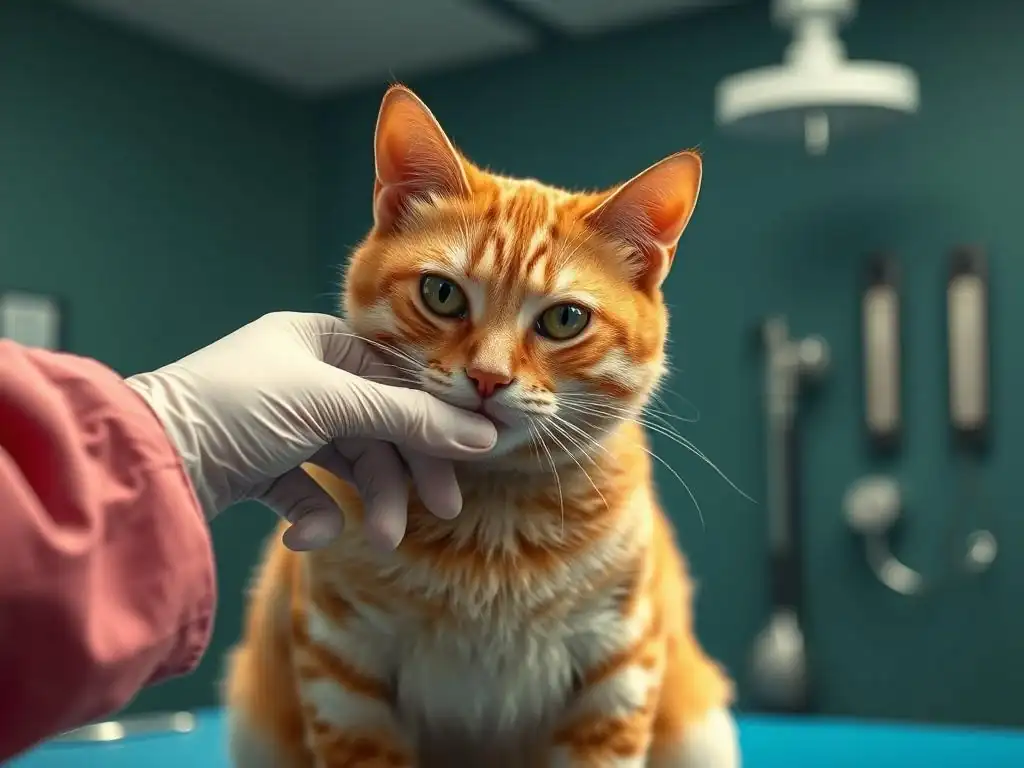
Welcome to PetCareWorld, your ultimate guide to a happier, healthier life for your beloved pets! Are you ready to decipher the often-mysterious signals your feline friend sends? Understanding your cat's body language, especially during stressful vet visits, is crucial for their well-being. Learn how to interpret subtle cues and ensure a smoother, less anxiety-filled experience for both you and your cat in our comprehensive guide, "Cat Body Language Vet Visit." Discover the secrets to a more harmonious relationship with your furry companion – explore now!
- Deciphering Your Cat's Stress Signals at the Veterinary Clinic
- Positive Indicators: When Your Cat is Relatively Relaxed at the Vet
- Preparing Your Cat for a Less Stressful Vet Visit
- Communicating Effectively with Your Veterinarian
- Post-Visit Care and Monitoring Your Cat's Recovery
-
Frequently Asked Questions
- What are common signs of stress in cats during a vet visit?
- How can I help my cat feel more comfortable at the vet?
- Why is understanding cat body language crucial during vet examinations?
- What should I do if my cat becomes aggressive during the vet visit?
- Are there any specific body language signals indicating pain in cats at the vet?
- Final Reflection: Deciphering the Silent Cries of Our Feline Companions
- Unlock Your Cat's Secrets: A Vet Visit Game Plan
Deciphering Your Cat's Stress Signals at the Veterinary Clinic
Taking your feline friend to the veterinary clinic can be a stressful experience for both you and your cat. Understanding your cat's body language during these visits is crucial for ensuring a smoother, safer, and less traumatic experience for everyone involved. This article will equip you with the knowledge to recognize and interpret your cat's communication, allowing you to advocate for their well-being and help the veterinary staff provide the best possible care.
We'll explore the subtle and not-so-subtle signs of fear, anxiety, and aggression, providing practical tips on how to help your cat feel more comfortable and secure during their check-ups and treatments. Successfully navigating these veterinary visits contributes significantly to your cat's overall health and happiness, fostering a stronger bond between you and your beloved pet.
Learning to read your cat’s body language is key to proactive pet care, allowing for early detection of potential issues and improved communication with veterinary professionals. This is particularly important during veterinary visits, where cats are often placed in unfamiliar and potentially frightening situations.
Recognizing Fear in Cats: Body Language at the Vet
Fear is a common response in cats during vet visits. Recognizing the signs of fear is the first step in mitigating your cat's stress. A fearful cat may exhibit a variety of behaviors, including:
- Flattened ears: This is a classic sign of fear and apprehension. The ears are pressed tightly against the head, often accompanied by other fearful behaviors.
- Dilated pupils: Enlarged pupils indicate heightened arousal and can be a sign of fear or anxiety.
- Whiskers pulled back: Cats use their whiskers to sense their environment, and pulling them back suggests a feeling of being overwhelmed or threatened.
- Tucked tail: A tail tucked low between the legs is a clear indication of fear and submission.
- Hunched posture: The cat may appear smaller by hunching its body, trying to make itself less of a target.
- Slow blinking: While often a sign of affection, slow blinking in a fearful context can indicate a cat attempting to self-soothe.
- Panting or yawning: These behaviors, unusual in cats, can be signs of stress and anxiety. They might be trying to calm themselves.
- Hiding or trying to escape: An obvious sign of fear is attempting to hide or run away from the situation.
It's crucial to remember that these signs can manifest individually or in combination. A cat displaying even one of these signs should be approached with extra care and patience. The veterinary staff should also be made aware of these behaviors. Remember to remain calm and reassuring to reduce your cat's anxiety.
Identifying Anxiety: Subtle Signs of Cat Distress During Examination
Anxiety in cats can present more subtly than fear. While some signs overlap with fear, others are more nuanced and require careful observation. Subtle signs of anxiety during a vet visit might include:
- Increased grooming: Excessive licking or grooming, particularly in specific areas, can indicate stress or anxiety.
- Restlessness: The cat might pace, fidget, or constantly shift its weight, indicating discomfort and unease.
- Vocalization: While some meowing is normal, excessive meowing, hissing, or growling can signal distress.
- Changes in appetite: A decrease or increase in appetite before or after a vet visit could indicate underlying anxiety. This requires careful monitoring at home.
- Changes in litter box habits: Stress can affect a cat's urination and defecation patterns. Changes in these habits might indicate underlying anxiety.
- Increased urination outside the litter box: Another stress-related behavior, this should be discussed with your vet.
These subtle signs often go unnoticed unless the owner is paying close attention. Keeping a detailed record of your cat's behavior before, during, and after vet visits can help identify patterns and inform your communication with the veterinary team. This proactive approach can help improve your cat's future veterinary experiences.
Interpreting Aggressive Postures: Protecting Your Cat and the Vet Staff
While less common, aggression can manifest during a stressful veterinary visit. Recognizing aggressive postures is vital for the safety of both your cat and the veterinary staff. Signs of feline aggression can include:
- Direct stare: A prolonged, intense stare is often a warning sign.
- Erect tail: An upright, stiff tail, often with a slightly curved tip, signals aggression or readiness to attack.
- Arched back: This posture makes the cat appear larger and more intimidating.
- Hissing or growling: These vocalizations are clear indicators of aggression and discomfort.
- Swishing tail: A rapidly swishing tail is a warning sign of impending aggression.
- Snapping or biting: This is the most obvious sign of aggression and requires immediate intervention.
In such situations, it's crucial to remain calm and allow the veterinary staff to handle the situation. Never attempt to restrain an aggressive cat yourself, as this can lead to injury for both you and the animal. Communicate clearly with the vet about your cat's behavior and any concerns you have. Collaboration between you and the veterinary team is essential for ensuring a safe and positive outcome. Understanding feline body language during a vet visit is paramount for ensuring a positive experience for your cat and a safe environment for the veterinary staff. 😻
Positive Indicators: When Your Cat is Relatively Relaxed at the Vet
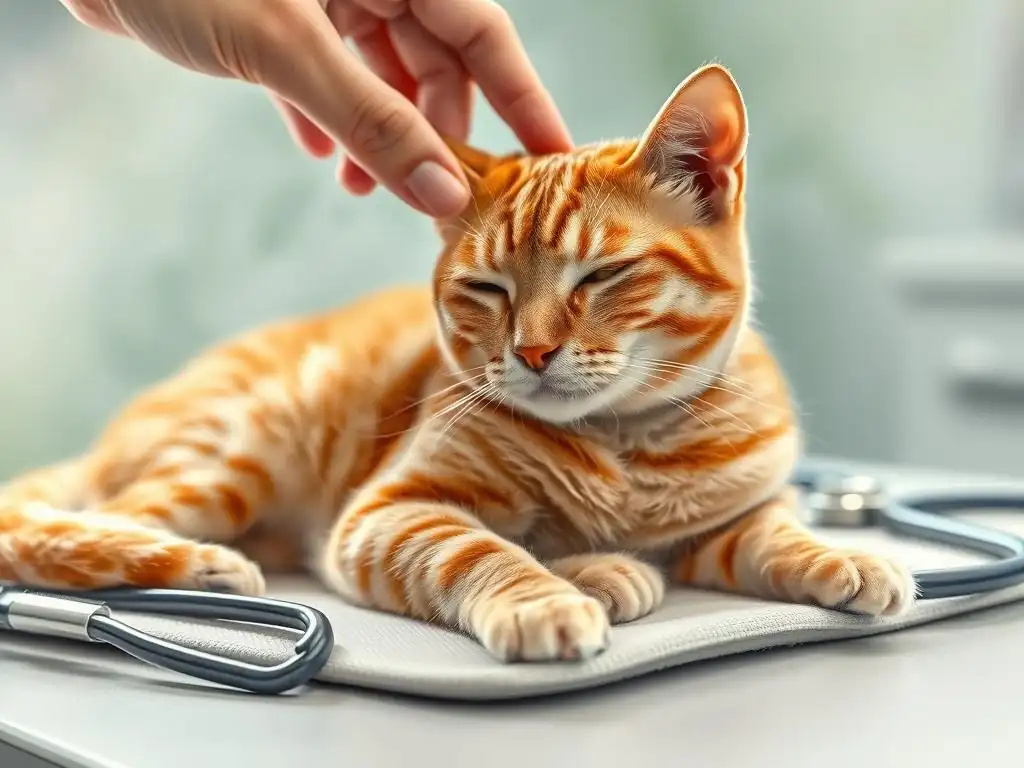
Understanding your cat's body language during a veterinary visit is crucial for a smoother and less stressful experience for both you and your feline friend. While complete relaxation is unlikely in a veterinary setting, recognizing positive indicators can help you gauge your cat's comfort level and adjust your approach accordingly. This section focuses on identifying signs that your cat is relatively relaxed and cooperative during the examination.
Remember, even subtle shifts in behavior can provide valuable insight into your cat's emotional state. The ability to interpret these cues can significantly improve the veterinary experience for your cat, potentially leading to a more accurate diagnosis and treatment.
Relaxed Body Posture: Signs of Comfort During the Vet Visit
A relaxed cat will typically exhibit a calm and unthreatening body posture. Look for signs such as a slightly lowered head, a relaxed jaw, and a soft, supple body. Avoid confusing this with lethargy; a truly relaxed cat will be alert and responsive, even if subdued. Conversely, a tense body, flattened ears, or a tucked tail often signals discomfort or fear.
For example, a cat comfortably lying on its side, perhaps with a slow blink, is displaying a positive sign. This slow blink, often interpreted as a cat's version of a smile, indicates a sense of trust and security. On the other hand, a cat arched its back, with its fur standing on end, is clearly distressed.
Observe the overall posture; a relaxed posture is characterized by a lack of tension in the muscles, and a natural, unforced positioning of the limbs. The subtle differences between a relaxed and tense posture are crucial to understanding your cat's emotional state. Consistent observation will improve your ability to recognize these subtle nuances.
Cooperative Behavior: Understanding Your Cat's Willingness to Participate
Cooperation during a vet visit is a significant positive indicator. This doesn't necessarily mean your cat will enjoy the experience, but a willingness to allow the vet to examine them without excessive struggle or resistance is a positive sign. This cooperation might manifest in various ways, from allowing the vet to palpate their abdomen without flinching to calmly sitting on the examination table.
Consider factors like your cat's willingness to accept handling. Does your cat readily allow you to touch their paws and belly at home? Cats who are generally comfortable with being handled will likely show more cooperation during the vet visit. However, even cats who are typically less tolerant of handling might exhibit moments of cooperation during the exam, perhaps allowing the vet to listen to their heart without complaint. These small acts of cooperation are valuable indicators of a relatively comfortable experience. A cat who actively resists or struggles throughout the examination, however, is clearly distressed.
Tail Position and Movement: Interpreting Subtle Cues
The tail is a powerful indicator of a cat's emotional state. A relaxed, gently swaying tail usually indicates contentment and a calm demeanor. Conversely, a tail held tightly against the body, tucked between the legs, or rapidly whipping back and forth often signifies fear or anxiety. A puffed tail can also be a sign of aggression or fear, depending on the context.
For instance, a slowly wagging tail, similar to a dog's happy tail wag, can be a sign of contentment in cats. However, unlike dogs, a rapidly thrashing tail usually indicates agitation or fear. Pay close attention to the subtle nuances of the tail's movement; a slight twitch might be insignificant, while a rapid, jerky movement is a clear indicator of distress.
Remember to consider the entire body language picture; the tail position should be interpreted in conjunction with other behavioral cues to obtain a more comprehensive understanding of your cat's emotional state. This holistic approach will provide a more accurate assessment of your cat's comfort level during the vet visit.
Preparing Your Cat for a Less Stressful Vet Visit
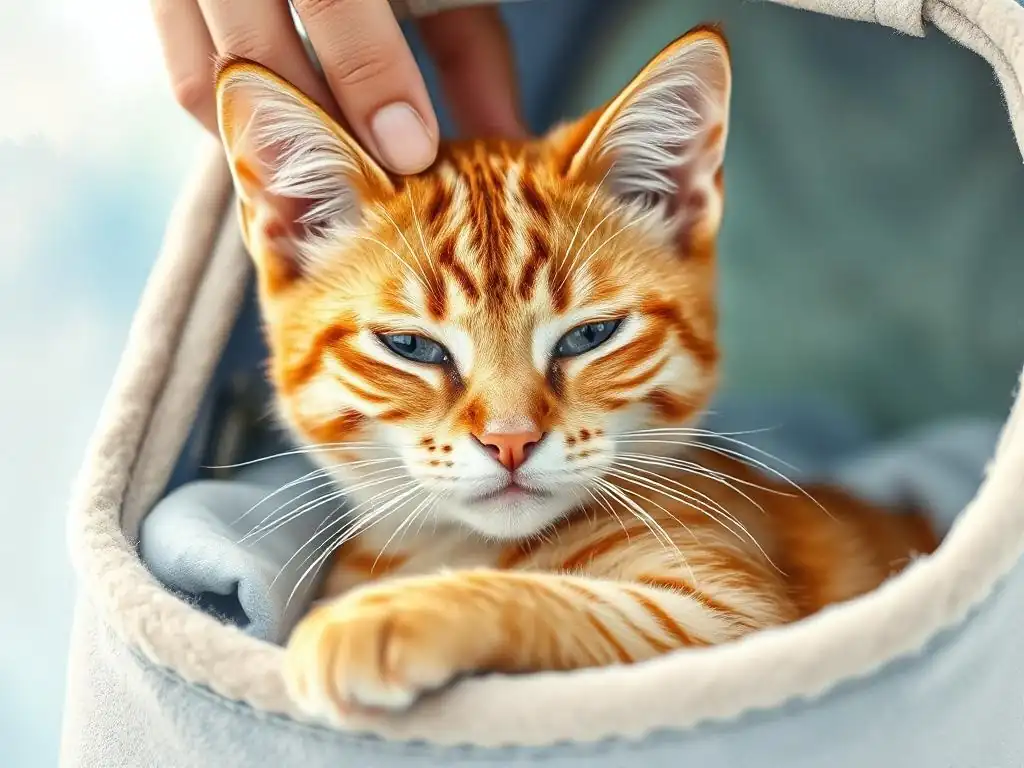
Many cats experience significant anxiety during vet visits. Understanding and minimizing this stress is crucial for both the cat's well-being and the effectiveness of the examination. A well-prepared cat is a calmer cat, leading to a smoother and more successful veterinary experience.
This section focuses on practical steps you can take before the visit to mitigate your cat's fear and anxiety related to the vet. Proper preparation significantly impacts your cat's overall comfort and cooperation during the examination, making the entire process less traumatic for both you and your feline companion. This involves creating a positive association with the carrier, employing pre-visit calming techniques, and understanding the role of pheromones in reducing stress.
Creating a Safe and Comfortable Carrier Environment
The carrier is often the source of much of a cat's anxiety. Cats associate carriers with unpleasant experiences, such as vet visits or trips to unfamiliar places. To counteract this negative association, it's vital to make the carrier a positive and safe space long before the actual veterinary appointment.
Start by leaving the carrier open in a familiar area of your home, perhaps near a sunny window or a comfortable resting spot. Place a soft, familiar blanket or toy inside. Encourage your cat to explore the carrier at their own pace, offering treats and praise when they enter. Gradually increase the time the carrier is left open and accessible.
You can even feed your cat meals inside the carrier to create a positive association with this space. The goal is to desensitize your cat to the carrier, transforming it from a source of fear into a safe haven. Consider using a pheromone spray inside the carrier (more on this below) to further enhance its appeal. Remember, patience and consistency are key in this process; it may take several days or even weeks to completely desensitize your cat to the carrier.
Pre-Visit Calming Techniques for Cats: Using Feliway Diffusers and Calming Treats
In addition to carrier desensitization, incorporating pre-visit calming techniques can significantly reduce your cat's stress levels. Feliway diffusers, which mimic feline facial pheromones, create a calming atmosphere in your home. Plugging one in several days before the visit can help ease your cat's anxiety. These pheromones provide a sense of security and comfort, reducing stress hormones. The calming effect is subtle but cumulative, working best when implemented consistently over time.
Alongside Feliway, consider using calming treats specifically formulated for cats experiencing anxiety. These treats often contain ingredients like chamomile or L-theanine, known for their calming properties. Introduce these treats well in advance of the vet visit, gradually incorporating them into your cat's regular diet. This way, your cat will associate these treats with positive experiences, reducing their anxiety during the actual vet visit. Remember to always check with your veterinarian before introducing new supplements or treats into your cat's diet, especially if they have any underlying health conditions.
The Role of Pheromone Diffusers and Sprays: Feliway and Adaptil Usage
Pheromone diffusers and sprays, such as Feliway (for cats) and Adaptil (for dogs), can be incredibly beneficial in managing feline anxiety during veterinary visits. These products release synthetic pheromones that mimic the natural calming signals cats produce. Feliway diffusers, as mentioned earlier, should be plugged in at home several days before the visit to create a calming environment. The constant release of pheromones helps to reduce stress levels gradually.
Feliway sprays can be used directly in the carrier, on bedding, or on other areas where your cat spends time. This targeted application provides localized calming effects. However, remember that pheromones are not a magic bullet; they work best as part of a holistic approach to anxiety management, combined with other strategies like carrier desensitization and calming treats.
While both Feliway and Adaptil are widely used and generally safe, it's always best to consult your veterinarian to discuss the most appropriate approach for your cat's specific needs and any potential interactions with existing medications. Always follow the manufacturer's instructions carefully when using pheromone products.
Communicating Effectively with Your Veterinarian
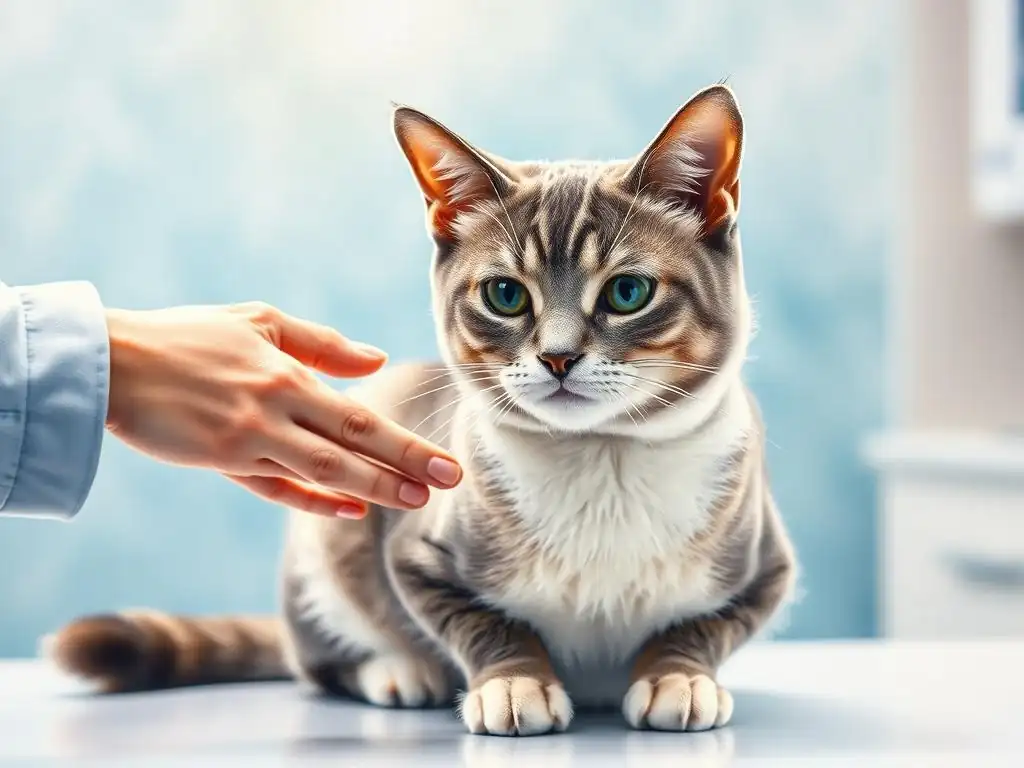
Understanding your cat's body language is crucial, especially during veterinary visits. A stressed cat can exhibit subtle signs that might be missed by even experienced veterinarians. Effective communication between you and your vet is key to ensuring your feline friend receives the best possible care. This section will provide you with strategies to effectively communicate your observations to your veterinarian, leading to a more accurate diagnosis and treatment plan.
Accurate reporting of your cat's behavior significantly impacts the veterinary assessment, helping them understand the context of any physical symptoms. This collaborative approach fosters a strong pet-owner-vet partnership, maximizing your cat's health and well-being. Remember, even seemingly insignificant details can be vital pieces of the puzzle.
Describing Your Cat's Behavior: Accurate Reporting to the Vet
Before your appointment, take some time to carefully observe your cat's behavior. Note any changes in their typical demeanor, even small ones. For example, is your cat eating less? Are they using the litter box normally? Have they become more withdrawn or less playful? Documenting these changes beforehand allows for a more comprehensive picture for your veterinarian. Use a journal or a notes app on your phone to record these observations.
Consider using a standardized scale to describe your cat's behavior. For instance, you could rate their activity level on a scale of 1 to 5, with 1 being lethargic and 5 being highly active. Similarly, you could assess their appetite, sociability, and grooming habits using a numerical scale. This structured approach helps ensure consistent and clear communication.
When describing your cat's behavior to your vet, use specific, concrete examples. Instead of saying "My cat is stressed," try "My cat has been hiding under the bed more often, hissing when approached, and has stopped grooming herself as meticulously as usual." The more detail you provide, the better your veterinarian can understand your cat's condition.
Example of a Behavioral Observation Log
| Date | Time | Behavior Observed | Severity (1-5) | Notes |
|---|---|---|---|---|
| Oct 26, 2023 | 8:00 AM | Decreased appetite; only ate half a bowl of food | 3 | Usually eats a full bowl with gusto. |
| Oct 26, 2023 | 12:00 PM | Hiding under the bed; avoids eye contact | 4 | Usually more playful and interactive during the day. |
| Oct 27, 2023 | 7:00 AM | Litter box usage appears normal | 1 | |
| Oct 27, 2023 | 6:00 PM | Increased vocalization; meowing more frequently | 2 | Usually quiet except for mealtimes. |
Remember to mention any environmental changes that might be contributing to your cat's behavior. A new pet, a move to a new home, or even a change in your daily routine can significantly impact a cat's well-being. Be honest and thorough in your description; this is vital for accurate diagnosis and effective treatment. Providing visual aids like short videos of your cat's behavior can be incredibly beneficial.
Working Collaboratively with Your Vet: A Partnership for Optimal Care
The veterinarian-client-patient relationship (VCPR) is a cornerstone of successful pet care. Your vet is a valuable partner in your cat's health journey. Open communication, mutual respect, and a shared commitment to your cat's well-being are essential elements of this partnership. Actively participate in the examination and treatment planning process by asking questions and sharing your insights.
Don't hesitate to express any concerns you may have about your cat's behavior or health. Your observations, combined with the vet's professional expertise, create a comprehensive understanding that leads to more effective treatment strategies. Remember that you are your cat's advocate, and your voice is crucial in ensuring they receive the best possible care. A collaborative approach fosters trust and mutual understanding, resulting in a more positive and successful veterinary experience for both you and your feline companion. This partnership ensures that your cat receives holistic care, addressing both physical and behavioral aspects of their health.
Post-Visit Care and Monitoring Your Cat's Recovery
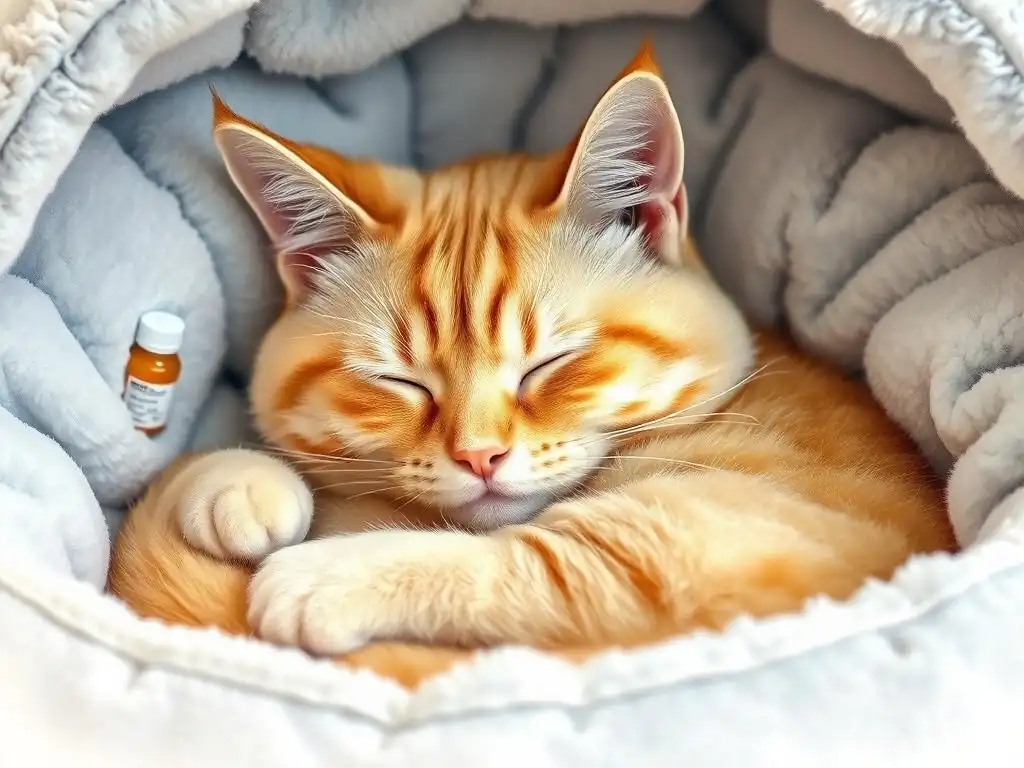
After your cat's veterinary visit, careful monitoring is crucial for a smooth recovery. Even seemingly uneventful appointments can leave a cat stressed, so understanding their post-visit behavior is key to ensuring their well-being. Observing subtle changes in your feline companion's demeanor can significantly impact their healing process and prevent potential complications. This section focuses on recognizing signs of lingering stress and providing optimal post-visit care. Successful post-vet care contributes to a faster recovery and strengthens the bond between you and your beloved pet. Remember, proactive monitoring is a vital component of responsible cat ownership.
Recognizing Signs of Continued Stress: Lethargy, Anorexia, and Hiding
Following a vet visit, some cats exhibit prolonged signs of stress. These aren't always immediately obvious and can manifest subtly. Lethargy, for instance, might not be a dramatic collapse but rather a noticeable decrease in activity levels. Your usually playful cat might spend more time sleeping or resting, showing less interest in their favorite toys or interactive games. This reduced activity, a key indicator of stress in cats, warrants attention.
Another common sign is anorexia. A healthy appetite is a hallmark of a well cat. A sudden decrease in food intake, even just for a meal or two, could signal underlying stress or discomfort. Observe their eating habits carefully; any significant deviation from their normal patterns should be noted. Don't assume a temporary decrease in appetite is insignificant; it might be a crucial warning sign.
Finally, hiding is a classic feline stress response. Cats, by nature, seek safe, secluded spaces when feeling vulnerable or threatened. If your usually sociable cat is spending an unusual amount of time in hidden areas, such as under furniture or in closets, it could be a sign of lingering anxiety from the veterinary visit. Understanding these subtle behavioral shifts is essential for providing appropriate support and ensuring a swift recovery. A reduction in these behaviors is a promising sign of your cat regaining its composure.
Providing a Safe and Quiet Recovery Space at Home
Creating a comfortable and secure environment at home is essential for your cat's post-visit recovery. This "safe space" should be quiet, dimly lit, and free from potential stressors. Consider a comfortable bed, a soft blanket, and perhaps a familiar toy or two. The goal is to provide a haven where your cat can relax and de-stress without feeling overwhelmed or threatened.
The location of this space is also important. Choose a quiet corner away from household activity, such as a spare bedroom or a quiet area in a less-used room. Minimizing exposure to loud noises, sudden movements, or other pets will help reduce anxiety and promote relaxation. This dedicated space should be readily accessible to your cat, allowing them to retreat whenever they feel the need. Providing this secure environment shows your cat that you understand their needs and are committed to their well-being, significantly aiding in their recovery.
When to Contact Your Veterinarian After a Visit: Vomiting, Lethargy, and Lack of Appetite
While some post-visit stress is normal, certain symptoms warrant immediate veterinary attention. Persistent vomiting, for instance, is a serious concern. If your cat vomits repeatedly after the visit, especially if the vomit contains bile or blood, contact your veterinarian immediately. This could indicate a more serious underlying issue requiring prompt medical intervention.
Prolonged lethargy beyond a day or two is another red flag. While some drowsiness is expected, if your cat remains excessively lethargic, unresponsive, or shows signs of depression, don't hesitate to seek veterinary advice. This could suggest complications from the procedure or an underlying health problem that needs addressing.
Similarly, a persistent lack of appetite beyond 24-48 hours should also prompt a call to your veterinarian. Dehydration and malnutrition can quickly become serious problems. Combine this with other symptoms, and the situation becomes critical. Don't delay; proactive communication with your veterinarian is crucial for ensuring your cat's health and well-being. Early intervention can often make a significant difference in the outcome. Remember, your veterinarian is your partner in your cat's healthcare. Don't hesitate to reach out with any concerns.
Frequently Asked Questions
What are common signs of stress in cats during a vet visit?
Cats experiencing stress may exhibit flattened ears, a tucked tail, dilated pupils, hissing, or overgrooming. Recognizing these signs helps owners and vets manage the visit better.
How can I help my cat feel more comfortable at the vet?
Use a familiar carrier, provide a comfort item like a blanket, and speak to your cat in a soothing voice. Consider pheromone sprays or diffusers to ease anxiety.
Why is understanding cat body language crucial during vet examinations?
Understanding your cat's nonverbal cues allows for a smoother examination. It helps the vet assess your cat's comfort level and adjust their approach accordingly, ensuring accurate diagnosis and treatment.
What should I do if my cat becomes aggressive during the vet visit?
Remain calm and avoid forcing interaction. Alert the vet immediately. They have strategies to handle aggressive cats safely and efficiently.
Are there any specific body language signals indicating pain in cats at the vet?
Signs of pain include hunched posture, vocalization, avoiding touch, and extreme agitation. Immediately inform the vet of any observed pain signals.
Final Reflection: Deciphering the Silent Cries of Our Feline Companions
Understanding feline body language during vet visits is not merely an academic exercise; it's a crucial step towards providing truly compassionate care for our beloved cats. The subtle shifts in posture, tail position, and ear flicks often speak volumes, revealing levels of stress and anxiety that can significantly impact the effectiveness of treatment and the overall well-being of our pets. Ignoring these silent signals can lead to misinterpretations and potentially hinder the healing process.
The impact of a stressful vet visit extends far beyond the immediate appointment. The experience can shape a cat's future behavior, fostering fear and anxiety that may manifest in other aspects of their lives. A cat's fear is not a sign of weakness, but a survival mechanism honed over millennia.
This quote highlights the importance of recognizing and addressing the underlying emotional state of our cats, not just treating the physical ailment. Understanding their communication allows us to build trust and create a more positive association with veterinary care, ultimately benefiting both the cat and the human-animal bond.
Now, consider your own cat. Think back to their last vet visit. Did you notice the subtle signs of stress? Take a moment to reflect on how you can better interpret their body language in the future. By learning to recognize these cues, you can advocate more effectively for your feline friend, creating a less traumatic experience and fostering a stronger, more trusting relationship built on mutual understanding and respect. Let's work together to make veterinary visits less stressful for our cats, ensuring they receive the best possible care in a supportive and compassionate environment.
Unlock Your Cat's Secrets: A Vet Visit Game Plan
Thank you for learning more about understanding your cat's body language during vet visits! We hope this knowledge empowers you to better advocate for your feline friend. Now, let's put this into practice:
- Create a calming pre-vet visit routine: Begin practicing relaxation techniques at home a week before the appointment. This could involve gentle petting, playing with their favorite toys, or offering calming treats.
- Share your experiences: Discuss your cat's behavior during your vet visit—what worked well, and what could be improved next time? This discussion will benefit other pet owners!
- Choose a comfortable carrier: Don't just use any carrier! Consider a cat-sized bed or a pet carrier lined with a familiar blanket to reduce stress during transport.
What small change can you make today to help your cat feel safer and more comfortable at their next veterinary appointment?