
Litter Box and Behavior Problems: Addressing the Root Cause


Welcome to PetCareWorld, your ultimate guide to a happier, healthier life for your beloved companion! Are you facing frustrating cat litter box behavior issues? We understand the worry and confusion this can cause. Discover expert insights and practical solutions to address the root cause of your cat's unusual bathroom habits in our in-depth guide, "Litter Box and Behavior Problems: Addressing the Root Cause." Prepare to unlock the secrets to a harmonious home and a stress-free relationship with your feline friend. Let's delve into the world of feline behavior together!
- Understanding Cat Litter Box Behavior Issues
-
Diagnosing the Root Cause of Your Cat's Litter Box Issues
- Assessing the Litter Box Itself: Size, Type, and Placement
- Evaluating the Type of Litter Used: Preferences and Sensitivities
- Examining the Cat's Overall Health and Potential Medical Conditions
- Considering Environmental Factors: Stressors and Changes in the Home
- Ruling Out Underlying Medical Conditions Affecting Litter Box Habits
-
Solutions for Cat Litter Box Behavior Problems
- Addressing Medical Conditions Affecting Litter Box Use
- Creating a Stress-Free Environment for Your Cat
- Choosing the Right Litter Box and Litter Type for Your Cat
- Implementing a Litter Box Cleaning Schedule
- Providing Multiple Litter Boxes for Multiple Cats
- Positive Reinforcement Training Techniques for Litter Box Habits
- When to Seek Professional Veterinary or Behavioral Help
- Preventing Future Litter Box Problems
- Frequently Asked Questions
- Final Reflection: Unlocking the Secrets of Happy, Healthy Cats
- Unlock Your Cat's Happy Bathroom Habits!
Understanding Cat Litter Box Behavior Issues
Cats, known for their meticulous grooming habits, can sometimes exhibit perplexing litter box behavior issues. These problems, ranging from infrequent use to inappropriate urination or defecation outside the designated area, can be incredibly frustrating for cat owners. Understanding the root causes of these behaviors is crucial for effective resolution, moving beyond simple cleaning and litter changes to address underlying anxieties, medical conditions, or environmental factors that may be contributing to the problem.
This article will delve into common litter box problems, helping you differentiate between medical and behavioral causes, and ultimately guiding you towards solutions that restore harmony and cleanliness to your feline companion's bathroom habits. We'll explore how stress and anxiety manifest in litter box use, and equip you with the knowledge to navigate this common challenge in cat ownership, ensuring a happy and healthy cat.
Remember, addressing cat litter box behavior issues effectively requires patience, observation, and a holistic approach. Let's begin by identifying some common problems.
Identifying Common Litter Box Problems in Cats
Many cat litter box problems manifest in similar ways, making accurate diagnosis crucial. Some common issues include:
- Urinating outside the litter box: This can range from a single accident to consistent urination outside the designated area. The location of the accident can offer clues; for example, urination near the food bowl might suggest a territorial issue.
- Defecating outside the litter box: Similar to urination, defecation outside the litter box can indicate discomfort, stress, or a medical problem. The consistency of the feces can also be an important indicator. Is it hard, soft, or bloody?
- Increased frequency of urination or defecation: A sudden increase in bathroom trips might signal a urinary tract infection or other medical condition.
- Straining during urination or defecation: This could indicate constipation, urinary tract blockage, or other physical discomfort.
- Avoiding the litter box altogether: A cat completely avoiding the litter box suggests a significant problem, possibly related to the box itself, its location, or underlying health issues.
It's important to note that a combination of these issues can also occur. For example, a cat might exhibit both increased frequency of urination and urination outside the litter box, pointing towards a more complex underlying problem. Keeping a detailed record of the frequency, location, and consistency of urination and defecation can be invaluable in helping your veterinarian reach a diagnosis. 😻
Stress and anxiety are frequently overlooked contributors to cat litter box problems. Cats are sensitive creatures, and changes in their environment, routine, or household dynamics can trigger stress, manifesting as changes in their litter box habits. Recognizing these signs is crucial for effective intervention. Look for these indicators:
- Changes in appetite or sleeping patterns: Stress can affect a cat's eating and sleeping habits, leading to decreased appetite or increased sleeping.
- Increased vocalization or hiding: A stressed cat might meow more frequently or spend more time hiding in secluded areas.
- Aggression or fearfulness: Changes in temperament, such as increased aggression or fearfulness, can indicate underlying stress.
- Grooming changes: Excessive grooming or neglect of grooming can also be signs of stress.
- Changes in litter box usage itself: The cat may suddenly start avoiding the litter box, or exhibit increased frequency or accidents outside of the box.
Addressing the underlying stress is key. This might involve creating a more calming environment, providing more hiding places, or gradually introducing changes to the household routine. A veterinarian can also provide guidance on managing stress and anxiety in cats.
Differentiating Medical Issues from Behavioral Problems in Litter Box Habits
Differentiating between medical and behavioral causes of litter box problems is essential for effective treatment. Many medical conditions can mimic behavioral issues, and ignoring underlying medical problems can exacerbate the situation.
| Medical Issue | Behavioral Sign | Diagnostic Approach |
|---|---|---|
| Urinary Tract Infection (UTI) | Increased frequency, straining, blood in urine | Urinalysis, physical exam |
| Feline Idiopathic Cystitis (FIC) | Increased frequency, straining, inappropriate urination | Urinalysis, physical exam, possibly ultrasound |
| Kidney Disease | Increased frequency, increased thirst, weight loss | Blood tests, urinalysis |
| Arthritis or other mobility issues | Avoiding litter box due to pain | Physical exam, X-rays |
| Constipation | Straining, hard stools | Physical exam, possibly X-rays |
| Diabetes | Increased thirst, urination, weight loss | Blood tests |
If you suspect a medical issue, a veterinary examination is crucial. Your veterinarian can conduct a thorough physical exam, run diagnostic tests (such as urinalysis and blood tests), and potentially recommend further investigations like X-rays or ultrasounds to pinpoint the underlying cause. Early diagnosis and treatment of medical conditions are essential for preventing long-term complications and improving your cat's quality of life. Remember, addressing any underlying medical issues is paramount before focusing solely on behavioral modifications.
Diagnosing the Root Cause of Your Cat's Litter Box Issues
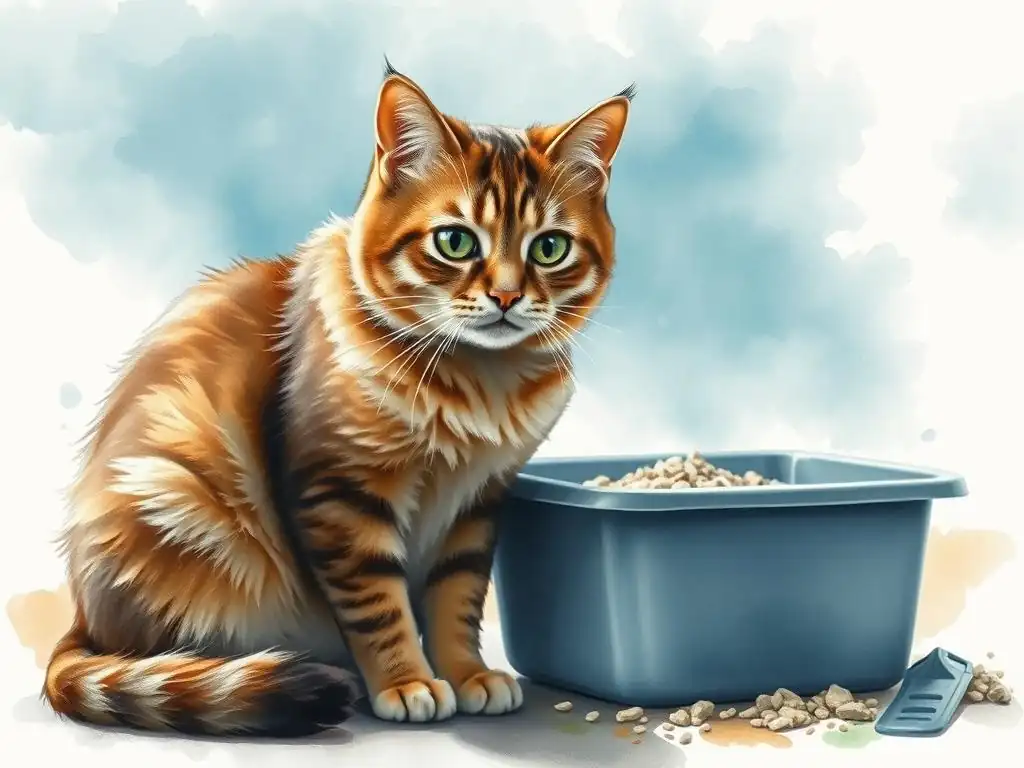
Understanding why your feline friend is exhibiting undesirable litter box behavior is crucial for resolving the problem. Many cat owners mistakenly focus solely on symptoms—such as urinating outside the box or defecating in inappropriate locations—rather than investigating the underlying cause. This section will guide you through a systematic approach to diagnose the root of your cat's litter box behavior issues, helping you pinpoint the problem and find effective solutions. Remember, consistent and patient observation is key to successful diagnosis. Ignoring the problem can lead to escalating issues and potential health complications for your cat.
Assessing the Litter Box Itself: Size, Type, and Placement
The physical attributes of the litter box itself can significantly impact your cat's toileting habits. A box that's too small, improperly placed, or of an unsuitable type can trigger avoidance. Let's explore these factors in detail:
- Size: Cats, especially larger breeds, need ample space to comfortably maneuver within the litter box. A cramped box can lead to accidents outside. Ideally, the box should be at least 1.5 times the length of your cat. Consider using multiple boxes if you have multiple cats or large breeds.
- Type: Open-top boxes are the most common, but some cats prefer enclosed boxes for privacy. Others might find the enclosed design confining. Experiment with different types to see what your cat prefers. Covered boxes should have adequate ventilation to prevent ammonia buildup, which can be irritating to your cat's sensitive respiratory system.
- Placement: Location plays a critical role. The litter box should be placed in a quiet, easily accessible area away from food and water bowls. Avoid placing it in high-traffic areas or near noisy appliances. Consider your cat's personality; some cats prefer secluded areas, while others are less sensitive to their surroundings. Remember, accessibility is paramount; a box tucked away in a hard-to-reach corner might lead to accidents.
Consider this example: A large Maine Coon cat using a small, enclosed litter box located near a noisy washing machine is highly likely to exhibit litter box problems. Simply providing a larger, open-top box in a quieter location might solve the issue entirely.
Evaluating the Type of Litter Used: Preferences and Sensitivities
The type of litter you use can profoundly impact your cat's litter box habits. Cats have individual preferences, and some may have sensitivities to certain litter types. Let's examine this aspect:
- Texture: Some cats prefer the fine texture of clay litter, while others prefer the clumping properties of silica gel or the natural feel of wood or paper litter. Experiment with different textures to determine your cat's preference.
- Scent: Strongly scented litters can be irritating or even offensive to some cats. Unscented litters are generally recommended to avoid potential problems. Even naturally scented litters, while seemingly harmless, can trigger adverse reactions.
- Dust: Dusty litters can cause respiratory irritation in cats, potentially leading them to avoid the litter box. Low-dust or dust-free options are ideal for sensitive cats. Observe your cat for signs of sneezing or respiratory distress after litter changes.
| Litter Type | Pros | Cons | Potential Issues |
|---|---|---|---|
| Clay (Clumping) | Excellent clumping, absorbent | Dusty, can be heavy, not biodegradable | Respiratory irritation, tracking |
| Silica Gel | Low dust, absorbent, odor control | Expensive, not biodegradable, can be slippery | None reported frequently but check for sensitivities |
| Wood | Biodegradable, less dusty | Less absorbent than clay or silica gel | May not be suitable for all cats |
| Paper | Biodegradable, low dust, absorbent | Can be less absorbent than clay | May be less effective for odor control |
Remember, even a subtle change in litter can trigger a change in your cat's behavior. Introducing a new litter gradually, by mixing it with the old litter, can help ease the transition and minimize the risk of litter box problems.
Examining the Cat's Overall Health and Potential Medical Conditions
Underlying medical conditions can significantly contribute to litter box problems. Ignoring health issues can lead to a worsening of the problem and potential health complications for your cat. This aspect requires attention from a veterinarian.
Several medical conditions can cause inappropriate urination or defecation:
- Urinary Tract Infections (UTIs): UTIs are common in cats and can cause frequent, painful urination, leading to accidents outside the litter box. Symptoms include straining to urinate, crying during urination, and increased water consumption.
- Kidney Disease: Kidney disease can affect a cat's ability to control urination, leading to increased frequency and accidents. Symptoms include increased thirst, weight loss, and lethargy.
- Diabetes: Diabetes can cause increased urination and thirst. Untreated diabetes can lead to serious health complications.
- Arthritis or Mobility Issues: Older cats or cats with arthritis may struggle to reach the litter box, leading to accidents near the box or elsewhere in the house.
- Cognitive Dysfunction: Senior cats can experience cognitive decline, which might manifest as confusion and inappropriate elimination.
If you suspect a medical condition, immediately consult your veterinarian. Early diagnosis and treatment are crucial for preventing further complications and resolving the litter box problem. A thorough veterinary examination is essential to rule out any underlying health concerns. Don't delay seeking professional help if you observe any changes in your cat's urination or defecation habits. Your veterinarian can perform tests to determine the cause and recommend appropriate treatment.
Considering Environmental Factors: Stressors and Changes in the Home
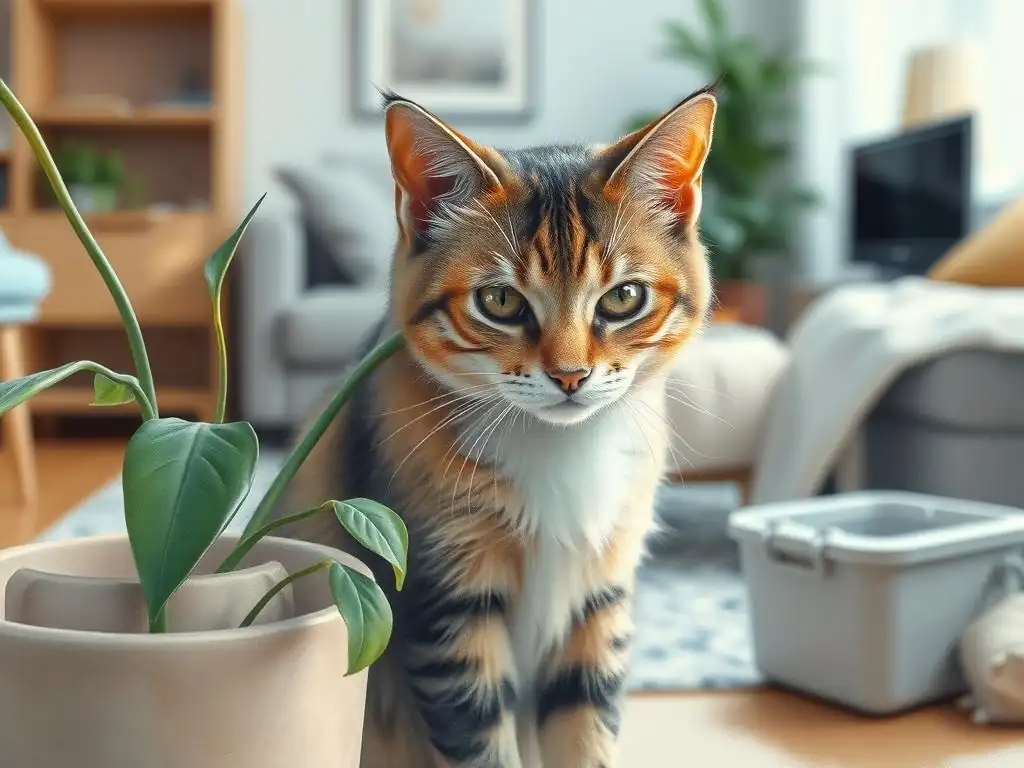
Cats are highly sensitive creatures, and changes in their environment can significantly impact their litter box habits. Stress is a major culprit in causing cats to urinate or defecate outside the litter box. A seemingly minor alteration, like rearranging furniture, introducing a new pet, or even a change in household routine, can trigger stress-induced elimination problems. These changes disrupt a cat's sense of security and predictability, leading to anxiety and inappropriate elimination as a coping mechanism.
For example, a new baby in the house can dramatically alter a cat's routine and territory, leading to increased stress and subsequently, litter box problems. The new smells, sounds, and increased activity can overwhelm a cat, causing it to seek solace and control in other ways—often by marking its territory outside the designated litter box.
Similarly, the introduction of a new pet, even another cat, can create competition for resources and territory, resulting in stress-induced urination or defecation outside the litter box. Even seemingly insignificant changes, such as a new cleaning product with a strong scent, can be perceived as a threat and trigger inappropriate elimination.
Understanding and addressing environmental stressors is crucial in resolving litter box issues. Creating a safe, quiet, and predictable environment for your cat is paramount. Providing multiple litter boxes, strategically placed throughout the house, can offer your cat more choices and reduce anxiety associated with limited access. Introducing calming pheromone diffusers or sprays can also help mitigate stress and encourage appropriate litter box use. Careful observation of your cat's behavior and environment is key to identifying potential stressors and implementing appropriate solutions. Remember, a calm and secure cat is more likely to maintain good litter box habits.
Ruling Out Underlying Medical Conditions Affecting Litter Box Habits
Before attributing litter box issues solely to behavioral problems, it's crucial to rule out any underlying medical conditions that might be contributing to the problem. Many medical issues can affect a cat's ability or willingness to use the litter box correctly. Urinary tract infections (UTIs), for example, are a common cause of frequent urination and straining, which may lead to accidents outside the litter box. The pain and discomfort associated with a UTI can make it difficult for a cat to use the litter box comfortably.
Similarly, feline lower urinary tract disease (FLUTD) encompasses a range of conditions affecting the bladder and urethra, often causing painful urination and increased frequency. Cats with FLUTD may exhibit signs such as straining to urinate, crying during urination, and even blood in the urine. These conditions can lead to inappropriate elimination as the cat seeks relief from discomfort.
Other medical conditions, such as arthritis, obesity, or cognitive dysfunction, can also affect a cat's mobility and ability to access and use the litter box effectively. Arthritis, for instance, can make it painful for an older cat to jump into a high-sided litter box, prompting them to eliminate elsewhere.
A thorough veterinary examination is essential to rule out any underlying medical conditions. Your veterinarian will conduct a physical examination, possibly including blood and urine tests, to determine if a medical problem is contributing to your cat's litter box issues. Early diagnosis and treatment of any underlying medical conditions are crucial for resolving the problem and preventing further complications. Ignoring medical causes can lead to prolonged and potentially more severe health problems for your cat. Remember, a healthy cat is more likely to maintain appropriate litter box habits.
Solutions for Cat Litter Box Behavior Problems
This section delves into practical solutions for addressing common cat litter box behavior issues. Understanding the underlying causes is crucial for effective intervention. We'll explore medical factors, environmental stressors, and the importance of selecting appropriate litter box and litter types. Remember, consistent observation and patience are key to resolving these problems and ensuring your feline companion's well-being. Addressing these issues proactively can significantly improve your cat's health and your relationship with your furry friend.
Addressing Medical Conditions Affecting Litter Box Use
Many seemingly behavioral litter box problems stem from underlying medical conditions. Urinary tract infections (UTIs), kidney disease, diabetes, and arthritis can all cause discomfort and changes in urination habits, leading to inappropriate elimination. For example, a cat with a UTI might experience painful urination, causing them to avoid the litter box or urinate outside of it to minimize discomfort. Similarly, arthritis can make it difficult for older cats to access the litter box, leading them to eliminate elsewhere.
A thorough veterinary examination is essential to rule out any medical causes. Symptoms like straining to urinate, increased frequency of urination, blood in the urine, excessive licking of the genital area, or changes in appetite or water intake should prompt an immediate veterinary visit. Early diagnosis and treatment of underlying medical issues are crucial for resolving litter box problems and preventing further complications. Ignoring these symptoms can lead to more severe health problems for your cat.
The veterinarian might recommend diagnostic tests such as urinalysis, blood work, and potentially radiography or ultrasound, depending on the suspected condition. Treatment will vary depending on the diagnosis, but may involve medication, dietary changes, or other supportive care. Close monitoring of your cat's condition after treatment is also important to ensure the problem is resolved and to detect any potential recurrence. Remember, treating the underlying medical condition is the first step towards resolving the litter box issue.
Creating a Stress-Free Environment for Your Cat
Stress is a significant contributor to inappropriate elimination in cats. Changes in the household, such as new pets, renovations, or even a change in furniture arrangement, can trigger stress and lead to litter box problems. Cats are highly sensitive creatures, and even seemingly minor changes can disrupt their routine and cause anxiety.
Creating a calm and predictable environment is vital. This includes providing plenty of safe spaces where your cat can retreat and feel secure, such as cat trees, hiding boxes, or elevated perches. Enrichment activities, such as interactive toys, scratching posts, and puzzle feeders, can help alleviate boredom and reduce stress. Consider using pheromone diffusers or sprays, which release calming scents that can help reduce anxiety.
Minimizing conflict with other pets in the household is also crucial. If multiple cats live together, ensure each has access to multiple resources, such as food and water bowls, litter boxes (a general rule of thumb is one litter box per cat, plus one extra), and resting areas. This prevents competition and reduces stress.
Observe your cat's behavior carefully to identify potential stressors and address them promptly. A relaxed and comfortable cat is much less likely to exhibit litter box problems. Remember, a stress-free environment is a key component of successful litter box training and maintaining a happy, healthy cat.
Choosing the Right Litter Box and Litter Type for Your Cat
The type of litter box and litter used can significantly impact a cat's willingness to use it. Some cats prefer larger, open boxes, while others might prefer enclosed boxes for privacy. The height of the sides of the box is also important, especially for older cats or those with arthritis. Too high of sides can make it difficult for them to enter and exit, leading to avoidance. Consider offering various types of litter boxes to see which your cat prefers.
Litter type is another crucial factor. Some cats are sensitive to certain scents or textures. Experimenting with different litter types, such as clay, clumping, silica gel, or even paper litter, can help determine which one your cat finds most comfortable and appealing. Avoid strongly scented litters, as these can be irritating to a cat's sensitive nose and may cause them to avoid the litter box. The size of the litter particles also matters; some cats prefer finer litter, while others prefer coarser granules.
Regular cleaning of the litter box is paramount. Cats are fastidious creatures and will avoid a dirty litter box. Scoop the litter at least once a day, and completely change the litter regularly, typically every one to two weeks, depending on the type of litter and the number of cats using the box.
A clean litter box is essential for maintaining a healthy and happy cat and preventing litter box avoidance. Always keep an extra litter box on hand in case of any unforeseen issues. Remember, a clean and appropriate litter box is just as important as addressing underlying medical or behavioral issues.
Implementing a Litter Box Cleaning Schedule
Maintaining a meticulous litter box cleaning schedule is paramount in preventing cat litter box behavior issues. Cats are fastidious creatures; a dirty litter box is a significant source of stress and can lead to them eliminating outside the designated area. The frequency of cleaning depends on the number of cats and the type of litter used. As a general rule, scooping solid waste and clumps daily is essential.
A complete litter box change, involving removing all the litter and washing the box thoroughly with soap and water (avoiding harsh chemicals), should be done at least once a week. For households with multiple cats, a more frequent complete change, perhaps every 3-4 days, might be necessary. Remember to rinse the box thoroughly and allow it to dry completely before adding fresh litter. This prevents the build-up of ammonia and bacteria, which can be extremely unpleasant for your cat and contribute to avoidance of the litter box.
Regular cleaning not only minimizes unpleasant odors but also significantly reduces the risk of parasitic infections. Failing to maintain a clean litter box can lead to various behavioral issues, ranging from spraying to eliminating outside the box entirely. Consider using a litter box with an enclosed design to further minimize odor.
Providing Multiple Litter Boxes for Multiple Cats
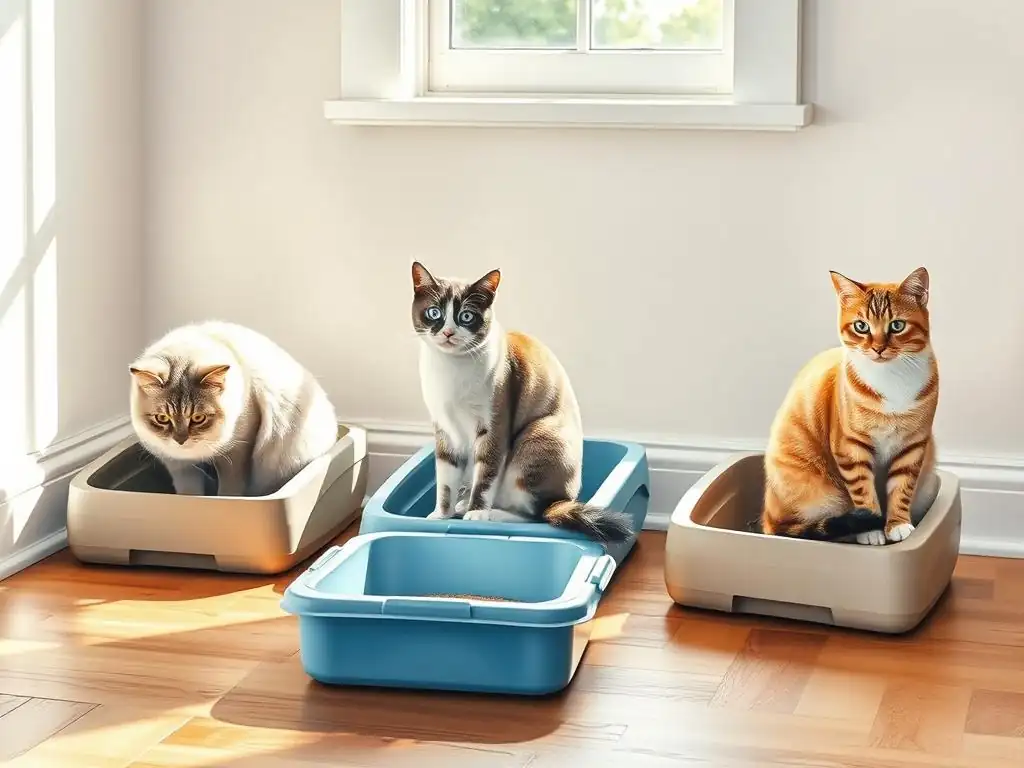
The "one cat, one box, plus one" rule is a widely accepted guideline for managing litter box use in multi-cat households. This means that for every cat you have, you should provide at least one litter box, plus an additional one. For example, a household with two cats should have at least three litter boxes strategically placed throughout the home. The reason behind this is simple: Cats are territorial creatures and may not feel comfortable sharing a litter box, especially if they have established a dominance hierarchy.
Competition for resources, including the litter box, can contribute to stress and lead to inappropriate elimination. Placing the litter boxes in different locations, ideally in quiet, accessible areas, ensures that each cat has convenient access to a clean and private space. Consider placing some boxes in more secluded areas, others in more open spaces, to cater to individual cat preferences.
Different types of litter boxes can also be considered; some cats prefer enclosed boxes, while others prefer open ones. Offering a variety of litter box options can further enhance the likelihood of successful litter box use. Failure to provide enough litter boxes can lead to increased stress, urine marking, and even aggression between cats.
Positive Reinforcement Training Techniques for Litter Box Habits
Addressing cat litter box behavior issues often requires a combination of environmental modifications and positive reinforcement training. Punishment is rarely effective and can actually worsen the problem, leading to increased anxiety and fear in the cat. Instead, focus on rewarding your cat for using the litter box appropriately. This involves consistently praising and rewarding your cat immediately after they successfully eliminate in the litter box.
Treats, verbal praise, or even a favorite toy can serve as effective rewards. The key is consistency and timing; the reward should be given immediately following the desired behavior. If you catch your cat eliminating outside the litter box, gently redirect them to the appropriate location and reward them once they finish. Never scold or punish them; this can make the problem worse.
If your cat is already exhibiting litter box problems, consider making the litter box more appealing. Try different types of litter, experimenting to find a texture and scent your cat prefers. You could also try different types of litter boxes, as some cats have preferences for enclosed versus open boxes. Through consistent positive reinforcement, patience, and environmental adjustments, you can help your cat learn and maintain proper litter box habits, thus resolving the underlying "cat litter box behavior issues."
When to Seek Professional Veterinary or Behavioral Help
Addressing cat litter box issues often involves a combination of patience, observation, and practical solutions. However, some situations require the expertise of a veterinarian or a certified cat behaviorist. Understanding when to seek professional help is crucial for ensuring your cat's well-being and resolving the problem effectively. Ignoring persistent problems can lead to further behavioral complications and potential health issues.
Several red flags indicate the need for professional intervention. For instance, if your cat's elimination habits suddenly change drastically – perhaps they're urinating or defecating outside the litter box and exhibiting other concerning symptoms like lethargy, loss of appetite, or changes in water intake – a veterinary visit is paramount. These symptoms could point to underlying medical conditions, such as urinary tract infections (UTIs), kidney disease, diabetes, or hyperthyroidism, all of which can significantly impact a cat's toileting habits. A thorough veterinary examination can rule out or diagnose these medical problems, paving the way for appropriate treatment.
Beyond medical concerns, persistent inappropriate elimination despite implementing various changes to the litter box setup and environment warrants consultation with a certified cat behaviorist. A behaviorist brings a unique perspective, analyzing your cat's overall behavior and environment to identify potential stressors or underlying behavioral issues contributing to the problem. They can help rule out medical causes if your vet hasn't already, as well as develop a tailored behavior modification plan. This plan may involve techniques like desensitization, counter-conditioning, or environmental enrichment to address the root cause of the inappropriate elimination.
For example, a cat exhibiting spraying behavior might be doing so due to stress caused by a new pet in the household, a recent move, or even changes in the family routine. A behaviorist can help identify these stressors and work with you to create a more harmonious and less stressful environment for your feline companion. Remember, early intervention is key.
The longer the problem persists, the more ingrained the behavior becomes, making it harder to correct. Don't hesitate to seek professional help; it's an investment in your cat's health and happiness. A collaborative approach involving you, your veterinarian, and potentially a behaviorist offers the best chance of successfully resolving your cat's litter box issues and restoring a peaceful coexistence.
Preventing Future Litter Box Problems
Addressing cat litter box behavior issues proactively is crucial for maintaining a harmonious home environment and ensuring your feline companion's well-being. Ignoring early signs of potential problems can lead to more significant and challenging behavioral changes down the line. Understanding your cat's preferences and needs is the cornerstone of preventing future litter box issues.
This involves careful consideration of several key factors, from litter box selection to environmental enrichment. By taking a preventative approach, you can significantly reduce the likelihood of encountering frustrating and potentially stressful litter box problems. Proactive cat care is the best defense against unwanted feline behavior.
Establishing Good Litter Box Habits Early On
Kittens are especially susceptible to developing poor litter box habits if not properly trained. Introducing them to the litter box from a young age is paramount. Ideally, this should occur when they are first brought home. Place the litter box in a quiet, easily accessible location, away from food and water bowls. Use a shallow, wide box initially, making it easy for the kitten to enter and exit. Choose a fine-grained, unscented litter that is low-dusting to minimize irritation.
Positive reinforcement is key. Immediately praise and reward your kitten with treats or affection when they use the litter box appropriately. Never punish them for accidents; this can lead to fear and avoidance of the litter box. Consistency and patience are crucial during this training period. Remember, establishing positive associations with the litter box from the outset significantly reduces the risk of future litter box problems. This initial training lays the foundation for a lifelong healthy relationship with their designated elimination area.
Maintaining a Consistent Routine for Litter Box Use
Maintaining a consistent routine is essential for preventing litter box issues. Cats thrive on predictability, and disruptions to their routine can trigger stress and lead to inappropriate urination or defecation. This includes maintaining a consistent cleaning schedule for the litter box. Scoop the litter at least once a day, and completely change the litter and clean the box thoroughly at least once a week. Failing to do so can create an unpleasant odor and make the litter box less appealing to your cat.
Consider the number of litter boxes you provide. A general guideline is to have one litter box per cat, plus one extra. This ensures sufficient access for all cats in the household, preventing competition and reducing stress. The location of the litter boxes should also remain consistent. Moving the boxes without a clear reason can confuse your cat and lead to accidents outside the box. A consistent routine reduces stress and minimizes the potential for litter box problems. Regular cleaning and appropriate box placement are crucial aspects of preventative care.
Monitoring Your Cat's Litter Box Habits Regularly
Regular monitoring of your cat's litter box habits is a crucial element of preventative care. Pay attention to changes in their urination and defecation patterns. This includes the frequency of use, the amount of urine or feces produced, and the consistency of the waste. Any deviation from their normal routine could indicate an underlying medical issue or a behavioral problem.
Keep a litter box journal! Note down any changes in your cat's behavior, including changes in eating habits, sleeping patterns, and any signs of stress or illness. This information can be invaluable in identifying potential causes of litter box problems. Early detection allows for timely intervention, preventing minor issues from escalating into more significant behavioral challenges. Regular monitoring, coupled with meticulous record-keeping, empowers you to address any issues before they become entrenched problems. This preventative approach is key to ensuring a happy and healthy cat.
Addressing Changes in Behavior Promptly
Sudden changes in your cat's litter box habits—such as increased urination outside the box, infrequent use, or changes in urination posture—should never be ignored. These are often early warning signs of underlying health issues or environmental stressors that, if left unaddressed, can escalate into more significant behavioral problems. A seemingly minor shift in your cat's elimination habits could indicate a urinary tract infection (UTI), kidney disease, diabetes, or even stress related to changes in the household, such as a new pet or a move. Prompt veterinary attention is crucial for diagnosing and treating any medical conditions.
A thorough veterinary examination can rule out underlying health problems and provide appropriate treatment, which is often the key to resolving litter box issues. Ignoring these subtle behavioral shifts could lead to chronic problems and potentially irreversible damage to your cat's health. Remember, early intervention is key to successful management of cat litter box behavior issues. Don't wait for the problem to become entrenched; address any change immediately.
This proactive approach will save you considerable time, stress, and potential veterinary expenses in the long run. Furthermore, promptly addressing behavioral changes is crucial for maintaining your cat's overall well-being and strengthening your bond. A healthy and happy cat is a cat less likely to exhibit problematic litter box behaviors.
Maintaining a Clean and Comfortable Litter Box Environment
Maintaining a pristine litter box environment is paramount in preventing and resolving cat litter box behavior issues. Cats are incredibly fastidious creatures, and a dirty litter box is a major source of stress and can lead to them seeking alternative places to eliminate. This means more than just scooping the box daily; it requires a comprehensive approach to cleanliness. The frequency of complete litter box changes depends on the number of cats and the type of litter used. For a single cat, a complete change of litter every 1-2 weeks is generally recommended, while multiple cats may require more frequent changes.
Clumping litter simplifies the cleaning process, but even with clumping litter, a thorough cleaning is essential to remove all traces of urine and feces. The litter box itself should be cleaned regularly with a mild, pet-safe disinfectant, ensuring that it is completely dry before adding fresh litter. Furthermore, consider the location of the litter box. It should be placed in a quiet, easily accessible area away from food and water bowls, and ideally away from high-traffic areas. A stressed cat might avoid using the litter box if it’s located in a noisy or disruptive environment.
The size and type of litter box are also crucial. The box should be large enough for your cat to comfortably turn around and eliminate without feeling cramped. Multiple litter boxes are often recommended, especially in multi-cat households, to minimize competition and ensure easy access for all cats. Providing a comfortable and clean litter box environment is a simple yet highly effective strategy for preventing and resolving cat litter box behavior issues, contributing to a happier and healthier cat.
Frequently Asked Questions
Why is my cat suddenly peeing outside the litter box?
Several factors could be at play. Urinary tract infections, stress, or a dislike of the litter box itself (type of litter, cleanliness, location) are common culprits. A vet visit is crucial to rule out medical issues.
My cat is pooping outside the litter box, what should I do?
This could indicate a medical problem, such as constipation or digestive issues, or a behavioral issue, such as stress or anxiety. Try cleaning the litter box thoroughly and ensuring it's in a quiet, accessible location. Consider a vet checkup.
How can I make my cat more comfortable with their litter box?
Offer multiple litter boxes (one per cat plus one extra), use a litter type your cat prefers, and ensure the box is clean and spacious. Consider its location – cats prefer private, quiet spots away from food and water.
My multi-cat household has litter box issues – what's the solution?
Cats are territorial. Provide at least one litter box per cat, placed in different locations. Stress and competition are common causes; ensure each cat has sufficient resources (food, water, resting areas).
My cat is spraying urine; is this a litter box problem?
Spraying is usually a territorial marking behavior, not related to litter box issues per se. However, stress from litter box problems can exacerbate spraying. Consider neutering/spaying, pheromone diffusers, and addressing potential stressors.
Final Reflection: Unlocking the Secrets of Happy, Healthy Cats
Understanding feline litter box behavior isn't just about cleaning up accidents; it's about deciphering the silent language of your cat and fostering a harmonious home. Ignoring these subtle signals can lead to escalating problems, impacting both your cat's well-being and your own peace of mind. The consequences of dismissing litter box issues can range from minor inconveniences to significant behavioral challenges, highlighting the urgent need for proactive understanding and intervention.
The journey of understanding cat litter box issues has profoundly impacted my own approach to pet ownership. It's not simply about providing a clean box; it's about creating an environment where our feline companions feel safe, secure, and respected. Their behavior is a direct reflection of their overall health and happiness, and often, the root cause lies not in a lack of cleanliness, but in underlying medical conditions, stress, or environmental factors. The cat is a creature of habit, and its habits are often a reflection of its inner world.
This quote underscores the importance of observing our cats closely and responding to their needs with empathy and understanding.
Now, it's your turn. Take a moment to reflect on your own cat's litter box habits. Are there any subtle cues you've overlooked? Is your cat's environment truly conducive to comfortable elimination? By paying attention to the details, by approaching your cat's behavior with patience and compassion, you can unlock the secrets to a happier, healthier relationship, built on mutual respect and understanding. Remember, a clean litter box is only the first step; a truly happy cat is a cat whose needs are met on every level.
Unlock Your Cat's Happy Bathroom Habits!
Thank you for taking the time to understand your feline friend's litter box issues! You've gained valuable insight into how litter box behavior can be connected to underlying health problems. Now, let's put that knowledge to good use.
- Clean the litter box thoroughly: Is the box clean enough? Does your cat prefer a certain type of litter? Making these adjustments today will significantly improve your cat's comfort and happiness.
- Share your experiences: Let's build a supportive community of cat lovers! Share your successes and challenges in the comments below; you might help other cat owners facing similar situations.
- Enrich your cat's environment: Does your cat have enough opportunities for play and scratching? Even small changes to their environment can make a big difference in their overall well-being.
Ready to transform your cat's litter box experience? What small step will you take today to improve your cat's health and happiness?