
When to Seek Professional Help: Identifying Serious Issues in MultiCat Dynamics

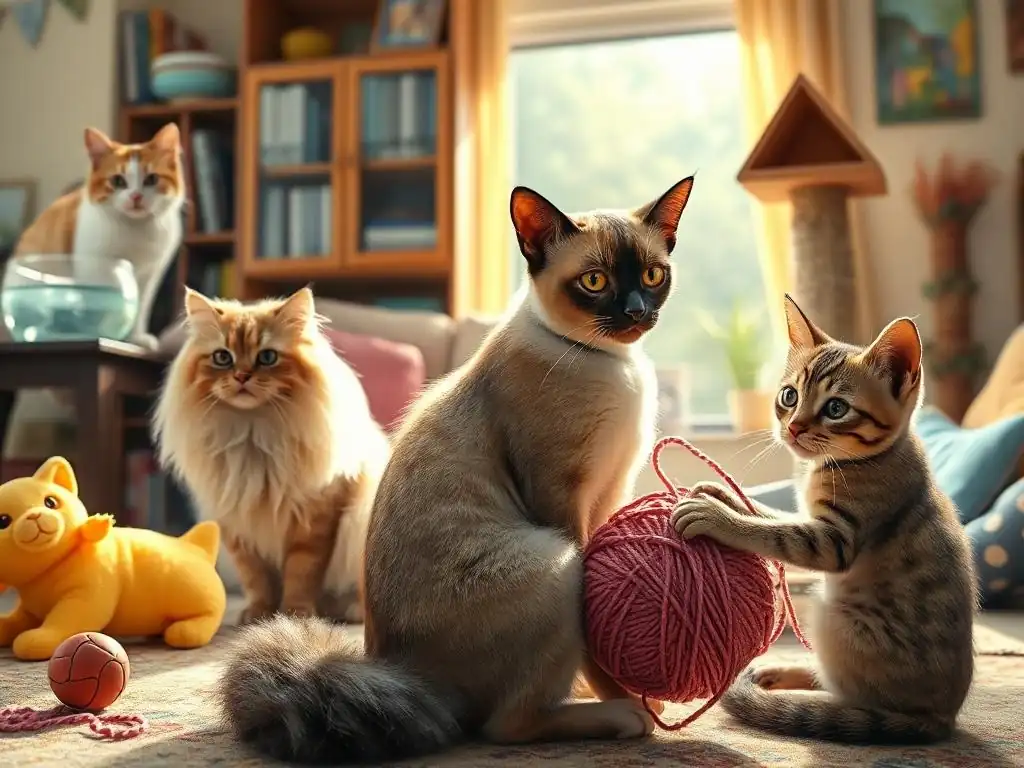
Welcome to PetCareWorld, your ultimate guide to a happier, healthier life for your beloved pets! Are you navigating the joys – and challenges – of a multicat household? We understand that multiple feline companions can sometimes lead to unexpected complexities. Discover practical solutions and expert advice on identifying serious issues in your multi-cat dynamic and learn when professional intervention might be necessary in our insightful article, "When to Seek Professional Help: Identifying Serious Issues in MultiCat Dynamics." Dive in and unlock the secrets to a harmonious home for all your furry friends!
-
Understanding Multi-Cat Household Challenges: Recognizing Warning Signs
- Aggression and Fighting in Multi-Cat Households: Severity Levels and Indicators
- Resource Guarding Behaviors in Cats: Food, Water, and Territory Disputes
- Stress and Anxiety Signs in Cats: Changes in Behavior and Health
- Urinary Tract Infections (UTIs) and Stress-Related Illnesses in Multi-Cat Households
-
Assessing the Severity of Multi-Cat Problems: When to Intervene
- Minor Squabbles vs. Serious Aggression: Differentiating Between Normal and Problematic Behavior
- Persistent Stress Indicators: Beyond Temporary Adjustments
- Impact on Cat Health: Weight Loss, Changes in Appetite, and Litter Box Issues
- Failure of Home Remedies: When Self-Help Strategies Are Insufficient
- Seeking Professional Help for Multi-Cat Dynamics: Options and Approaches
- Creating a Harmonious Multi-Cat Environment: Preventative Strategies
- Long-Term Solutions for Multi-Cat Household Problems: Maintaining Harmony
-
Frequently Asked Questions
- How common are behavioral problems in multicat households?
- What are the most common signs of stress in a multi-cat household?
- When should I seek professional help for my multicat household?
- What kind of professional should I consult for multicat household problems?
- Are there any preventative measures to avoid multicat household problems?
- Final Reflection: Navigating the Complexities of Multi-Cat Harmony
- Unleash Harmony: Take Charge of Your Multi-Cat Household
Understanding Multi-Cat Household Challenges: Recognizing Warning Signs
Living with multiple cats can be incredibly rewarding, offering a unique dynamic of purrs, playful interactions, and comforting companionship. However, successfully navigating a multicat household requires careful observation and a proactive approach to potential problems. This article serves as a guide to help you identify serious issues within your feline family, enabling you to intervene early and prevent escalating conflicts.
Understanding the subtle signs of stress, aggression, and resource guarding is crucial for maintaining a harmonious and happy environment for all your cats. Ignoring these warning signs can lead to serious health and behavioral problems, impacting the overall well-being of your beloved pets. This guide will equip you with the knowledge to recognize these warning signs and make informed decisions regarding when professional veterinary behavioral intervention is necessary for your multicat household problems solutions.
We will delve into specific behavioral patterns, exploring their severity and providing actionable insights to help you create a truly peaceful and enriching home for your feline companions. Remember, early intervention is key to preventing minor issues from escalating into significant problems.
Aggression and Fighting in Multi-Cat Households: Severity Levels and Indicators
Aggression between cats can manifest in various ways, ranging from subtle hissing and swatting to severe, bloody fights. Understanding the severity levels is crucial for determining the appropriate response. Minor squabbles, involving hissing, growling, and the occasional swat, are relatively common, especially during initial introductions or when resources are scarce. However, these minor skirmishes should be monitored closely. Escalation to intense fighting, involving biting, scratching, and causing visible injuries, necessitates immediate intervention. Indicators of serious aggression include:
- Visible injuries: Wounds, scratches, or bald patches on the cats.
- Persistent avoidance: One cat consistently avoids another, even when food or resting places are available.
- Increased vocalization: Excessive hissing, yowling, or spitting, even outside of feeding times.
- Urinary marking: Increased spraying or urination outside the litter box, often as a territorial marker.
- Changes in appetite or sleep patterns: Significant reduction in food intake or disruption to normal sleep cycles.
A detailed record of the frequency, duration, and severity of aggressive incidents is invaluable for a veterinary behaviorist. This information allows for a more accurate assessment of the situation and the development of a tailored intervention plan. Remember, even seemingly minor incidents can escalate if left unaddressed.
Resource Guarding Behaviors in Cats: Food, Water, and Territory Disputes
Resource guarding is a common cause of conflict in multicat households. Cats may aggressively protect access to food, water, litter boxes, resting areas, or even specific locations in the house. This behavior stems from a perceived scarcity of resources, even if ample resources are actually available. Signs of resource guarding include:
- Food bowl aggression: One cat prevents other cats from approaching the food bowl, hissing, growling, or swatting.
- Water bowl guarding: Similar aggressive behavior exhibited near the water source.
- Territorial disputes: Aggressive displays over specific areas within the house, such as high perches or sunbeams.
- Blocking access: A cat physically prevents another from accessing a desired resource.
- Sudden attacks: Unprovoked attacks on other cats near a guarded resource.
Implementing strategies to mitigate resource guarding is crucial. This can involve providing multiple food and water bowls in separate locations, ensuring sufficient litter boxes, and creating ample vertical space with cat trees and shelves. However, in severe cases, professional guidance is necessary to address the underlying behavioral issues.
Stress and Anxiety Signs in Cats: Changes in Behavior and Health
Stress and anxiety are often underlying factors contributing to aggression and resource guarding in multicat households. Recognizing the subtle signs of stress is critical for early intervention. These signs can include:
- Changes in grooming habits: Excessive grooming, matted fur, or neglected grooming.
- Increased vocalization: More meowing, yowling, or chattering than usual.
- Changes in appetite: Increased or decreased food intake.
- Changes in litter box habits: Urinating or defecating outside the litter box.
- Changes in sleep patterns: Increased or decreased sleeping.
- Hiding: Spending more time hiding than usual.
- Changes in interaction with humans: Increased or decreased affection.
- Physical symptoms: Vomiting, diarrhea, or other gastrointestinal issues.
Chronic stress can significantly impact a cat's health, leading to both behavioral and physical problems. Addressing underlying stress is essential for maintaining a harmonious multicat household. Professional help may be necessary to identify and treat the root causes of stress and anxiety. A veterinary behaviorist can provide tailored strategies to reduce stress and improve the overall well-being of your feline companions.
Urinary tract infections (UTIs) are a common ailment in cats, and multi-cat households often present a higher risk. Stress, a significant factor in feline UTIs, is frequently amplified in environments with multiple cats vying for resources and attention. Competition for food, litter boxes, resting spots, and even human affection can create a tense atmosphere, leading to increased stress hormones. These hormones can suppress the immune system, making cats more vulnerable to bacterial infections like UTIs.
Symptoms can include frequent urination, straining to urinate, blood in the urine (hematuria), licking the genital area excessively, and changes in litter box habits. A cat exhibiting these signs in a multi-cat household should be examined by a veterinarian immediately. Early diagnosis and treatment are crucial to prevent serious complications. Ignoring these symptoms can lead to more severe health problems.
Beyond UTIs, stress in multi-cat households can trigger a range of other health issues. Chronic stress weakens the immune system, leaving cats susceptible to various illnesses. For example, feline herpesvirus (FHV-1) and feline calicivirus (FCV), common upper respiratory infections, can become more severe or recurrent in stressed cats. Gastrointestinal problems, such as inflammatory bowel disease (IBD), can also be exacerbated by stress.
Furthermore, stress can manifest as behavioral changes, such as increased aggression, hiding, over-grooming, or changes in appetite. These behavioral shifts can be subtle at first, making it crucial for owners to carefully monitor their cats' routines and demeanor. A holistic approach to managing stress in multi-cat households is essential for preventing these illnesses.
This includes providing ample resources, ensuring each cat has its own safe space, and implementing stress-reducing strategies like pheromone diffusers or calming treats. Regular veterinary check-ups are also paramount to identify and address any health concerns early on. The proactive approach of early detection and management of stress is a key solution for multicat household problems.
Assessing the Severity of Multi-Cat Problems: When to Intervene

This section focuses on discerning when minor disagreements between cats escalate into serious issues requiring professional veterinary or behavioral intervention. Understanding the nuances of feline communication is crucial for responsible multicat household management. Ignoring subtle signs can lead to chronic stress, health problems, and ultimately, a breakdown in the household harmony you're striving for. Successfully navigating "multicat household problems solutions" requires proactive monitoring and a willingness to seek expert help when needed.
Minor Squabbles vs. Serious Aggression: Differentiating Between Normal and Problematic Behavior
Cats, even within the same household, will occasionally engage in minor squabbles. These usually involve hissing, growling, or a brief chase, often stemming from resource competition (food, water, sleeping spots) or simple playful interactions. These interactions are typically short-lived, with cats quickly disengaging and returning to their normal routines. However, serious aggression presents differently. It involves prolonged attacks, intense hissing and spitting, visible injuries (scratches, bites), and a clear dominance hierarchy where one cat consistently bullies others.
Consider this example: Two cats sharing a food bowl might briefly hiss and push each other. This is a minor squabble. But if one cat consistently prevents the other from eating, even when multiple food bowls are available, or inflicts visible injuries, this indicates a serious problem requiring intervention. We need to differentiate between normal competitive interactions and sustained aggressive behavior that disrupts the household’s peace and the cats' well-being. Recognizing this difference is key to finding effective "multicat household problems solutions".
Persistent Stress Indicators: Beyond Temporary Adjustments
Beyond overt aggression, subtle signs of stress can signal deeper problems within your multicat household. These indicators often go unnoticed, yet they significantly impact the cats' quality of life. Persistent stress manifests in various ways, including changes in appetite (overeating or refusing food), increased hiding or sleeping, changes in litter box habits (increased urination outside the box, or straining to urinate), excessive grooming (leading to hair loss), and a general decrease in activity levels. These are not temporary adjustments; they represent chronic stress that needs addressing.
For instance, a cat suddenly hiding more than usual, even in familiar safe spaces, might indicate an underlying issue. Similarly, a change in litter box habits, such as spraying urine outside the box, can be a sign of stress or a medical problem that needs veterinary attention. Ignoring these subtle cues can lead to more severe behavioral problems and health complications down the line. Remember, proactive identification of stress indicators is vital in developing effective "multicat household problems solutions".
Impact on Cat Health: Weight Loss, Changes in Appetite, and Litter Box Issues
Chronic stress, stemming from unresolved multicat conflicts, directly impacts a cat's physical health. Weight loss, often accompanied by changes in appetite, is a common symptom. A stressed cat might lose weight due to decreased food intake or increased energy expenditure as a result of constant anxiety and avoidance behaviors. Conversely, some cats overeat as a coping mechanism, leading to obesity and related health problems.
Litter box issues are another significant indicator of underlying problems. Stress can manifest as increased urination outside the litter box, or straining and difficulty urinating. These changes can indicate urinary tract infections, often exacerbated by stress. In addition, persistent fighting can lead to injuries, abscesses, and other infections. A comprehensive approach to "multicat household problems solutions" necessitates addressing both the behavioral and potential medical aspects of these health concerns. Ignoring these signs can lead to more serious, and potentially costly, veterinary interventions later on. Early intervention is crucial for maintaining the health and well-being of your feline companions.
Failure of Home Remedies: When Self-Help Strategies Are Insufficient
Many pet owners initially try to resolve multicat household problems using readily available advice and home remedies. These might include providing more resources like food bowls, litter boxes, scratching posts, and high perches to reduce competition. Strategic placement of resources, creating separate feeding areas, and using pheromone diffusers are also common self-help approaches. However, there are crucial situations where these measures simply aren't enough.
Persistent fighting, despite increased resources, signifies a deeper issue that requires professional intervention. For example, if cats continue to hiss, swat, or chase each other even after you've implemented all the standard home remedies, it suggests the underlying problem is more complex than resource competition. This could involve ingrained territorial disputes, unresolved social hierarchies, or even underlying medical conditions contributing to aggression. The continued escalation of conflict, despite your best efforts, is a clear indicator that professional help is needed.
Ignoring this escalation can lead to chronic stress, injury, or even the development of more serious behavioral problems. Remember, the goal is a peaceful coexistence, and if home remedies are consistently failing, seeking expert guidance is a responsible and necessary step. Don't feel defeated; professional help is a sign of proactive pet ownership, not a failure on your part.
The length of time a home remedy should be attempted before seeking professional help is dependent on the severity of the issue. Minor squabbles might warrant a longer trial period of a few weeks, while more serious, persistent aggression or signs of distress should prompt a much faster intervention. Observe your cats' body language carefully; if you see signs of chronic stress like excessive grooming, hiding, or changes in appetite, it's crucial to seek help sooner rather than later.
The longer the problem persists, the more ingrained the negative behaviors become, making them more difficult to address later. Proactive intervention usually yields better and faster results. Early professional assessment can prevent escalation and ensure a more positive outcome for your feline family.
Seeking Professional Help for Multi-Cat Dynamics: Options and Approaches

This section explores the crucial decision of when to seek professional assistance for your multicat household. Successfully managing multiple feline companions requires understanding their individual needs and recognizing when those needs are not being met, leading to potential "multicat household problems." While many issues can be addressed with careful observation and proactive management, some situations necessitate expert intervention. This section outlines the types of professionals who can provide invaluable support and guidance.
Veterinary Care for Medical Issues in Multi-Cat Households
Underlying medical conditions can significantly impact cat behavior and interactions within a multicat household. A seemingly simple issue like increased vocalization or changes in litter box habits could be a symptom of a more serious underlying medical problem. For example, a cat experiencing chronic pain from arthritis might become more aggressive or withdrawn, impacting its relationships with other cats. Similarly, hyperthyroidism can lead to increased activity and irritability, potentially disrupting the household harmony. Kidney disease can cause increased thirst and urination, leading to increased territorial marking and conflict over resources.
It's crucial to rule out any medical causes before addressing behavioral issues. A comprehensive veterinary examination for each cat is essential. This should include a thorough physical exam, blood work, and urinalysis to identify potential problems. Early diagnosis and treatment of medical conditions are vital not only for the individual cat's well-being but also for maintaining a peaceful multicat environment. Veterinarians can also provide guidance on medication management and its potential impact on feline interactions. Regular veterinary check-ups are particularly important in multicat households to proactively address potential health concerns before they escalate into serious behavioral problems.
Certified Cat Behaviorists: Expertise in Addressing Behavioral Challenges
When behavioral issues persist despite addressing underlying medical concerns, consulting a certified cat behaviorist is highly recommended. These professionals possess specialized knowledge of feline behavior and possess the skills to diagnose and treat a wide range of behavioral problems common in multicat households. They can help identify the root cause of issues such as:
- Intercat Aggression: Understanding the triggers and dynamics of aggression between cats is crucial for effective intervention. A behaviorist can assess the situation, identify contributing factors (resource competition, lack of safe spaces, etc. ), and develop a tailored behavior modification plan.
- Inappropriate Elimination: Urinating or defecating outside the litter box is a common problem in multicat households, often stemming from stress, anxiety, or medical issues. A behaviorist can help pinpoint the cause and suggest solutions like adding more litter boxes, modifying the environment, or using pheromone diffusers.
- Excessive Vocalization: Constant meowing or yowling can be disruptive and indicate underlying stress or anxiety. A behaviorist can assess the vocalization patterns and work with the owner to address the underlying cause.
- Stress and Anxiety: Cats in multicat households can experience stress from various sources, including resource competition, lack of personal space, and changes in the environment. A behaviorist can help identify sources of stress and recommend strategies to reduce anxiety.
Behavior modification techniques employed by certified cat behaviorists often include environmental enrichment, training, and medication (when necessary under veterinary supervision). They will work closely with you to implement these strategies, providing ongoing support and guidance to ensure success.
Finding Qualified Professionals: Resources and Recommendations
Finding qualified professionals is key to resolving "multicat household problems." When searching for a veterinarian or certified cat behaviorist, consider the following:
| Professional Type | Key Qualifications | Verification Methods |
|---|---|---|
| Veterinarian | DVM degree, experience with feline medicine | Check licensing with your state's veterinary board |
| Certified Cat Behaviorist | Certification from a reputable organization (e.g., International Cat Behavior Consultants) | Verify certification on the organization's website |
Remember to thoroughly research potential professionals, read reviews, and schedule consultations to discuss your specific needs and concerns before committing to their services. Don't hesitate to ask questions about their experience with multicat households and their approach to behavior modification. Investing in professional help can significantly improve the well-being of your cats and the harmony of your home. Early intervention is often key to preventing minor issues from escalating into more serious problems.
The Importance of Early Intervention: Preventing Long-Term Problems
Addressing issues in a multicat household early on is crucial for preventing the development of more serious, long-term problems. Many seemingly minor behavioral changes can escalate rapidly if left unaddressed. A subtle shift in dominance hierarchies, for example, might initially manifest as increased hissing or avoidance.
However, if not carefully monitored and managed, this can quickly develop into full-blown aggression, territorial disputes leading to injuries, or even stress-induced illnesses like cystitis. Early intervention allows for the implementation of less intensive solutions, such as adjusting feeding schedules or providing additional resources like scratching posts and litter boxes. These simple changes can often prevent the need for more complex behavioral modification techniques or veterinary intervention later on.
Think of it like this: a small crack in a wall, if ignored, can lead to a much larger, more costly repair down the line. Similarly, ignoring subtle signs of feline tension can create significant challenges in the long run. The cost, both financially and emotionally, of dealing with chronic aggression or severe stress-related illnesses is far greater than proactively addressing the initial signs of conflict. A proactive approach not only saves you money on potential veterinary bills but also ensures a happier and healthier environment for all your cats.
This commitment to early intervention ultimately contributes to a more harmonious and peaceful multicat household, improving the overall well-being of your feline companions. Remember, prevention is always better than cure, especially when it comes to the delicate dynamics of a multicat household. Early detection and intervention are key to successful management of multicat household problems.
Creating a Harmonious Multi-Cat Environment: Preventative Strategies

This section focuses on proactive measures to minimize the likelihood of conflict in your multicat household. A well-planned environment significantly reduces stress and promotes peaceful co-existence among your feline companions. Addressing potential issues before they escalate is key to achieving a harmonious multicat household, a crucial aspect of effective multicat household problems solutions. Proactive management is far more effective than reactive intervention.
Proper Resource Management: Providing Adequate Food, Water, and Litter Boxes
Resource guarding is a common cause of conflict in multicat households. Cats are territorial creatures, and competition for essential resources like food, water, and litter boxes can trigger aggression. The rule of thumb is to have one more of each resource than the number of cats you have. For example, if you have three cats, you should provide at least four food bowls, four water bowls, and four litter boxes.
This isn't just about quantity; it's about placement. Distribute resources throughout the house, avoiding areas where cats feel particularly vulnerable or trapped. Consider placing food and water bowls in separate locations to minimize competition. Litter boxes should be placed in quiet, easily accessible areas, away from food and water sources. Consider using different types of litter boxes (covered, uncovered, etc.) to cater to individual cat preferences. Regular cleaning of litter boxes is paramount; a dirty litter box is a major stressor for cats. Failure to provide adequate resources contributes significantly to multicat household problems solutions.
Pro Tip: Consider using elevated food and water bowls to reduce stress and competition, especially for cats who are smaller or less assertive.
Environmental Enrichment: Stimulating Play and Reducing Boredom
Boredom and lack of stimulation can exacerbate existing tensions in a multicat household, leading to increased aggression and undesirable behaviors. Providing ample opportunities for play and exploration is crucial for preventing problems. Think of it as preventative medicine for your feline family. Enrichment strategies are a vital part of multicat household problems solutions.
This involves creating a stimulating environment with plenty of vertical space (cat trees, shelves), hiding places (tunnels, cardboard boxes), and interactive toys. Regular playtime sessions, using a variety of toys and engaging in interactive play, help cats burn off excess energy and reduce stress. Rotating toys keeps things interesting and prevents boredom. The goal is to create an environment where cats feel secure, stimulated, and less inclined to compete for attention or resources.
- Vertical Space: Cats are natural climbers. Providing vertical space allows them to escape from each other and reduces feelings of being trapped or threatened.
- Hiding Places: Secure hiding spots give cats a sense of safety and control, especially important for shy or anxious cats.
- Interactive Play: Engage in interactive play sessions using wands, feather toys, or laser pointers to stimulate hunting instincts and burn off energy.
Slow Introduction of New Cats: Gradual Integration Techniques
Introducing a new cat into an established multicat household requires careful planning and patience. A rushed introduction can lead to significant stress and conflict, potentially creating long-term behavioral problems. A slow and methodical approach is essential for successful integration, a key element in long-term multicat household problems solutions.
The process should be gradual, allowing cats to acclimate to each other's scent before direct contact. Start by keeping the new cat separate in a quiet room, allowing them to explore their new surroundings. Gradually increase the interaction, starting with scent swapping (rubbing a towel on one cat and then the other) and then supervised, short interactions through a barrier like a baby gate.
This controlled introduction minimizes stress and allows cats to adjust at their own pace. Monitor their interactions carefully and separate them if any signs of aggression appear. This careful approach is a critical piece of the puzzle when addressing multicat household problems solutions.
| Stage | Description | Duration |
|---|---|---|
| Separate Introduction | New cat kept in a separate room. | 1-2 days |
| Scent Swapping | Towels rubbed on both cats to allow scent familiarization. | 2-3 days |
| Visual Introduction | Cats allowed to see each other through a barrier (baby gate). | 3-7 days |
| Short Supervised Interactions | Brief supervised interactions under close monitoring. | 1-2 weeks |
| Full Introduction | Cats allowed unsupervised access, continuing monitoring for any signs of aggression. | Ongoing observation |
Remember, patience and careful observation are key to successfully integrating a new cat into your multi-cat household. Addressing these issues proactively is much more effective than dealing with established conflicts. By implementing these strategies, you can significantly improve the chances of creating a harmonious and happy multicat household.
Regular Veterinary Checkups: Maintaining Cat Health and Preventing Issues
Regular veterinary checkups are paramount in preventing and addressing potential health issues that can disrupt the harmony of your multicat household. A healthy cat is a happier cat, less likely to exhibit stress-induced behaviors that could trigger conflict with other felines. These checkups provide a proactive approach to multicat household problems solutions.
Preventative care goes beyond vaccinations. Comprehensive exams allow your veterinarian to detect subtle changes in your cat's health, such as early signs of kidney disease, hyperthyroidism, or dental problems. These conditions, if left untreated, can lead to behavioral changes like increased aggression, lethargy, or changes in litter box habits—all of which can negatively impact the dynamics within your multicat household. Early detection significantly improves treatment outcomes and reduces the likelihood of these health problems escalating into major disruptions.
For instance, a cat experiencing chronic pain from arthritis might become more irritable and prone to snapping at other cats. Regular checkups allow your vet to diagnose such conditions and recommend appropriate pain management strategies, thus improving your cat's comfort and reducing inter-cat aggression. Similarly, dental issues can cause significant discomfort, leading to changes in behavior and potentially impacting your cat's ability to eat properly, which can further stress the household dynamic.
Furthermore, regular checkups offer an opportunity to discuss any behavioral changes you’ve observed in your cats. While a veterinarian won't necessarily treat behavioral problems directly, they can rule out underlying medical conditions that might be contributing factors. For example, a cat exhibiting increased aggression might be suffering from a thyroid imbalance, a condition easily diagnosed and managed with veterinary intervention. This integrated approach to healthcare and behavior is crucial for maintaining a peaceful multicat environment.
Addressing underlying medical issues proactively is a key component of effective multicat household problems solutions. Remember, a healthy cat is a much more likely to thrive in a multi-cat environment. Don't underestimate the power of preventative care in maintaining a harmonious household.
Long-Term Solutions for Multi-Cat Household Problems: Maintaining Harmony

Successfully navigating the complexities of a multicat household requires a long-term commitment to proactive care and careful observation. Simply resolving an immediate conflict isn't enough; sustainable harmony demands ongoing management and a deep understanding of your feline companions' needs. This section explores strategies for maintaining a peaceful and enriching environment for multiple cats, focusing on proactive measures to prevent future conflicts and ensure their well-being. Addressing "multicat household problems solutions" effectively means embracing a holistic approach that considers both environmental factors and individual cat personalities.
Ongoing Monitoring and Adjustments: Adapting to Changing Dynamics
Cat personalities and relationships can shift over time. A previously harmonious pairing might develop friction due to age, hormonal changes, or even the introduction of a new pet or environmental alteration. Regular monitoring is crucial for early identification of potential issues. This includes observing their interactions – mealtimes are often a key indicator – noting any changes in body language (hissing, flattened ears, tail swishing), and paying close attention to resource guarding behaviors.
Consider keeping a detailed journal. Note any changes in eating habits, litter box usage, sleeping patterns, or play behavior. This detailed record can be invaluable in identifying subtle shifts that might precede overt conflict. For example, a cat suddenly avoiding a specific area of the house, or a previously playful cat exhibiting increased aggression, might signal an underlying problem. This proactive approach allows for timely interventions, preventing minor disagreements from escalating into serious conflicts. Early detection is key in preventing major "multicat household problems solutions" from becoming necessary.
Addressing Underlying Medical Conditions: Ruling Out Physical Causes
Before attributing behavioral issues solely to inter-cat dynamics, it's vital to rule out any underlying medical conditions. Pain, discomfort, or cognitive decline can significantly alter a cat's behavior, potentially leading to increased aggression or anxiety. A cat experiencing pain might become more irritable and territorial, leading to conflicts with other cats. Similarly, cognitive dysfunction syndrome (CDS) can manifest as disorientation, increased vocalization, and inappropriate elimination – all behaviors that can disrupt household harmony.
A thorough veterinary examination for each cat is essential. This should include blood work, urinalysis, and a physical examination to assess overall health. Addressing any medical issues promptly can dramatically improve a cat's temperament and reduce the likelihood of behavioral problems. Ignoring potential physical causes can lead to ineffective solutions and prolonged conflict within your multicat household. Remember, proactive veterinary care is a significant component of successful "multicat household problems solutions".
Maintaining a Positive and Enriching Environment: Sustaining a Peaceful Household
Creating a stimulating and resource-rich environment is paramount for preventing conflict. This involves providing ample resources such as food and water bowls, litter boxes (one more than the number of cats is a good rule of thumb), scratching posts, and resting areas. Strategically placing these resources throughout the house helps minimize competition and allows each cat to establish their own space.
Vertical space is crucial. Cats are naturally arboreal, and providing cat trees, shelves, and window perches allows them to escape perceived threats or simply enjoy a quieter environment away from other cats. Enrichment activities, such as puzzle feeders, interactive toys, and regular play sessions, can also help alleviate boredom and reduce stress, contributing to a more harmonious household. Remember, a well-designed environment is the cornerstone of long-term "multicat household problems solutions" and a happy, healthy multicat family.
Consider using pheromone diffusers, which can help reduce stress and promote a sense of calm amongst your feline companions. The goal is to create a home where each cat feels secure, comfortable, and respected. 😻
Frequently Asked Questions
How common are behavioral problems in multicat households?
Behavioral issues are quite common in multicat households. Resource guarding, territorial disputes, and stress are frequently observed, often stemming from inadequate resources or poor introductions. Early intervention is key.
What are the most common signs of stress in a multi-cat household?
Signs of stress can include changes in eating habits, increased vocalization, excessive grooming, or changes in litter box habits. Hiding or aggression are also significant indicators needing attention.
When should I seek professional help for my multicat household?
Seek professional help if you notice persistent aggression, severe anxiety, or inability to manage conflicts despite implementing home modifications. Unexplained illness or weight loss could also signal underlying stress needing veterinary attention.
What kind of professional should I consult for multicat household problems?
A certified cat behaviorist or a veterinarian experienced in feline behavior are best suited to address complex multicat household issues. They can offer tailored solutions based on a thorough assessment of your cats' interactions and home environment.
Are there any preventative measures to avoid multicat household problems?
Yes! Proper introductions are crucial. Provide ample resources (food, water, litter boxes, scratching posts) in separate locations, and ensure each cat has safe spaces to retreat to. Early intervention is key to preventing escalating conflict.
The challenges of managing a multicat household are far more significant than simply providing multiple food bowls and litter boxes; they represent a complex interplay of feline personalities, territoriality, and resource competition that can significantly impact the well-being of your furry family members. Untreated issues can lead to chronic stress, behavioral problems, and even physical health complications, underscoring the importance of proactive management and knowing when professional intervention is necessary.
The emotional toll of witnessing inter-cat conflict is undeniable, a constant source of worry for any devoted cat owner. It's easy to feel overwhelmed and inadequate when faced with seemingly intractable behavioral issues. The bond between a human and a cat is a unique and powerful one, built on mutual respect and understanding. When that bond is threatened by conflict within the household, it affects everyone involved.
Understanding the nuances of feline communication and social dynamics is crucial to fostering a harmonious environment, and sometimes, that requires seeking expert guidance. This journey of learning about my own cats has been incredibly rewarding, but also highlighted the limitations of self-help and the value of professional expertise.
So, consider this your call to action. Don't hesitate to reach out to a veterinary behaviorist or a certified cat behavior consultant if you're struggling to manage conflict in your multicat household. Your cats deserve a peaceful and enriching life, and you deserve the peace of mind that comes from knowing you're providing the best possible care. Take the time to observe your cats' interactions, learn their individual personalities, and don't be afraid to ask for help. The journey to a harmonious multicat household is worth the effort, and the rewards are immeasurable.
Unleash Harmony: Take Charge of Your Multi-Cat Household
Thank you for learning about the sometimes-challenging world of multi-cat households! You've gained valuable insights into recognizing potential problems and understanding your cats better. Now, let's put that knowledge into action.
- Schedule a veterinary consultation: If you've noticed persistent signs of stress or aggression between your cats, a veterinary checkup is crucial. Early intervention is key to resolving feline conflicts and ensuring their well-being.
- Share your experiences: Discuss your multi-cat journey in the comments below – your tips and challenges could help other cat owners!
- Enhance your cats' environment: Introduce a new puzzle feeder, climbing structure, or interactive toy to reduce boredom and improve your cats' well-being. This simple change can make a significant difference in their happiness and reduce the likelihood of conflict.
Ready to create a happier, healthier home for your feline family? What small step will you take today to improve your cats' lives and create a more harmonious household?