
Understanding the Hierarchy in Your MultiCat Home

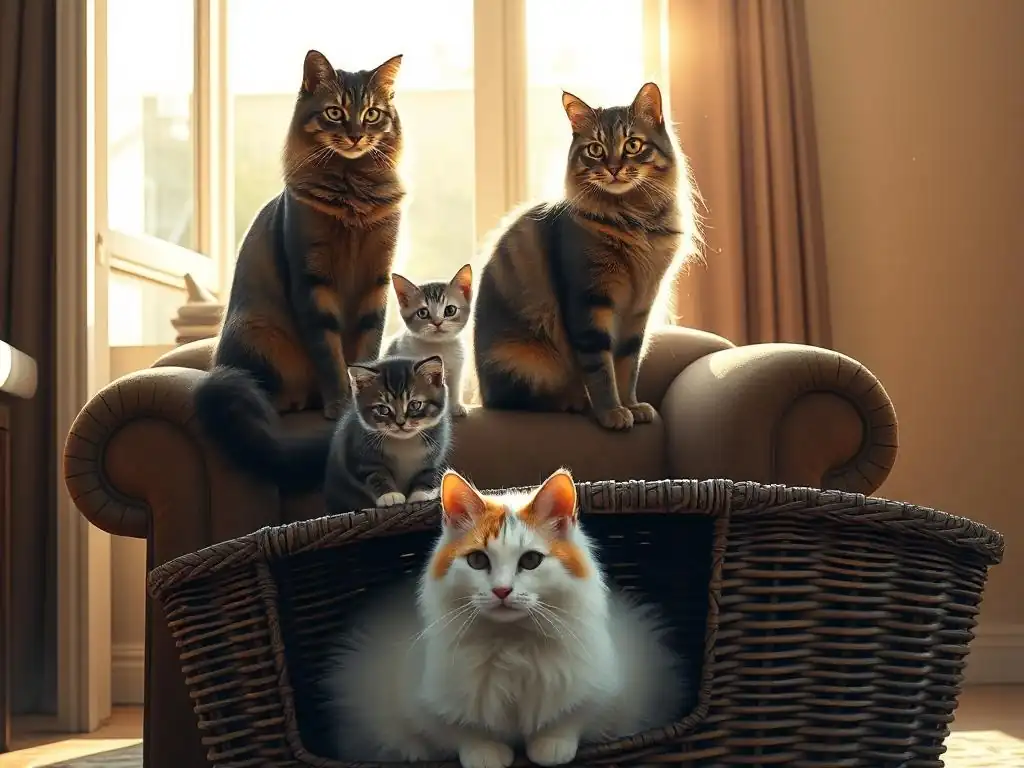
Welcome to PetCareWorld, your ultimate guide to a happier, healthier life for your beloved pets! Are you navigating the sometimes-challenging world of a multicat household? Understanding the complex dynamics of feline hierarchy is key to a peaceful and harmonious home. Discover how to identify and address potential hierarchy problems in your multi-cat family, and unlock the secrets to a thriving feline community. Dive into our expert advice and learn how to create a haven of purrs and contentment. Read on to learn more about "Multicat household hierarchy problems" and transform your home into a paradise for all your cats.
- Establishing a Peaceful Multi-Cat Household: Understanding Hierarchy
- Strategies for Managing MultiCat Household Hierarchy
- Addressing Specific MultiCat Household Hierarchy Problems
- Seeking Professional Help for MultiCat Household Hierarchy Issues
- Maintaining Harmony in Your MultiCat Home: Long-Term Strategies
- Frequently Asked Questions
- Final Reflection: Navigating the Feline Social Landscape
- Unleash Harmony: Building a Purrfect Multi-Cat Paradise
Establishing a Peaceful Multi-Cat Household: Understanding Hierarchy
Living with multiple cats can be a rewarding experience, filled with purrs, cuddles, and playful antics. However, navigating the complexities of feline social dynamics is crucial for creating a harmonious home. Understanding the natural hierarchy that often develops in multicat households is key to preventing and resolving potential conflicts.
This article delves into the intricacies of multi-cat hierarchies, exploring how to recognize signs of problems, identify common issues and their root causes, and ultimately, help your feline family members coexist peacefully. Ignoring these inherent social structures can lead to significant stress for your cats, manifesting in behavioral problems that impact their well-being and your enjoyment of their company.
We'll equip you with the knowledge to foster a positive and enriching environment for all your cats, addressing the common keyword search of "Multicat household hierarchy problems" head-on. Let's delve into the fascinating world of feline social structures and learn how to create a truly harmonious multi-cat home.
Recognizing the Signs of Multi-Cat Household Hierarchy Problems
Understanding the subtle signs of hierarchy-related stress in your multicat household is the first step towards resolving conflict. While some competition is normal, persistent displays of aggression or submissive behavior indicate a potential problem. These signs can range from subtle changes in behavior to overt aggression. Look out for:
- Increased hissing, growling, or swatting: These are clear indicators of feline tension and attempts to establish dominance or defend resources.
- Changes in eating habits: A submissive cat might avoid eating in the presence of a dominant cat, resulting in weight loss or malnutrition. Conversely, a dominant cat might aggressively guard food.
- Urinary marking or inappropriate elimination: Stress can lead to cats spraying urine outside the litter box as a territorial marker or to express anxiety.
- Excessive grooming or hiding: A stressed cat might excessively groom itself, leading to hair loss, or it might spend excessive time hiding, avoiding interaction with other cats.
- Changes in sleeping patterns: A cat experiencing stress might sleep more or less than usual, choosing less accessible or less desirable sleeping areas due to fear of interaction.
- Increased vocalization: Meows, yowls, or other vocalizations outside of normal communication might indicate stress or anxiety.
Common MultiCat Household Hierarchy Issues and Their Causes
Many issues stem from inadequate resource management. Cats are naturally territorial creatures, and competition over resources can fuel conflict. Common problems include:
| Problem | Cause | Solution |
|---|---|---|
| Food aggression | Insufficient feeding stations, competition for food | Provide multiple food bowls in separate locations, consider using puzzle feeders. |
| Litter box issues | Insufficient litter boxes, unclean litter boxes, location of litter boxes | Ensure enough litter boxes (one per cat + one extra), clean regularly, strategically place boxes. |
| Sleeping spot disputes | Limited comfortable sleeping areas | Provide multiple, varied sleeping areas such as high perches, soft beds, etc. |
| Play aggression | Lack of appropriate toys and play opportunities, unbalanced play sessions | Offer plenty of interactive toys and play sessions that cater to different play styles. |
| Territorial marking | Stress, lack of vertical space, insufficient scratching posts | Provide vertical spaces, scratching posts, and pheromone diffusers. |
The underlying causes often involve a lack of resources (food, water, litter boxes, resting areas) or inappropriate introduction methods. Introducing new cats gradually and slowly is crucial to avoiding conflict. Insufficient vertical space can also exacerbate territorial issues, as cats are naturally arboreal creatures.
Identifying the Dominant and Submissive Cats in Your Home
Identifying the dominant and submissive cats is not always straightforward, and labeling them isn't always necessary to create harmony. However, observing their interactions can provide valuable insights. Dominant cats often exhibit:
- Prioritized access to resources: They eat first, sleep in the best spots, and generally get what they want.
- Body language of confidence: They hold their tails high, have relaxed postures, and may stare down other cats.
- Initiation of play and interaction (often aggressively): They initiate interactions and often dominate play sessions.
Submissive cats, on the other hand, might:
- Avoid contact with other cats: They might hide, crouch, or flatten their ears when approaching dominant cats.
- Exhibit appeasement behaviors: They might roll onto their backs, lick the air, or avoid eye contact.
- Yield resources to other cats: They might allow other cats to eat first or take the best sleeping spot.
Remember that these behaviors are indicators, and it's essential to observe your cats' interactions over time to gain a clear understanding of their dynamics. The goal isn't to change the hierarchy but to ensure all cats feel safe and secure. Addressing resource issues, providing ample enrichment, and using calming pheromones can significantly improve the overall atmosphere in your multi-cat household.
Strategies for Managing MultiCat Household Hierarchy
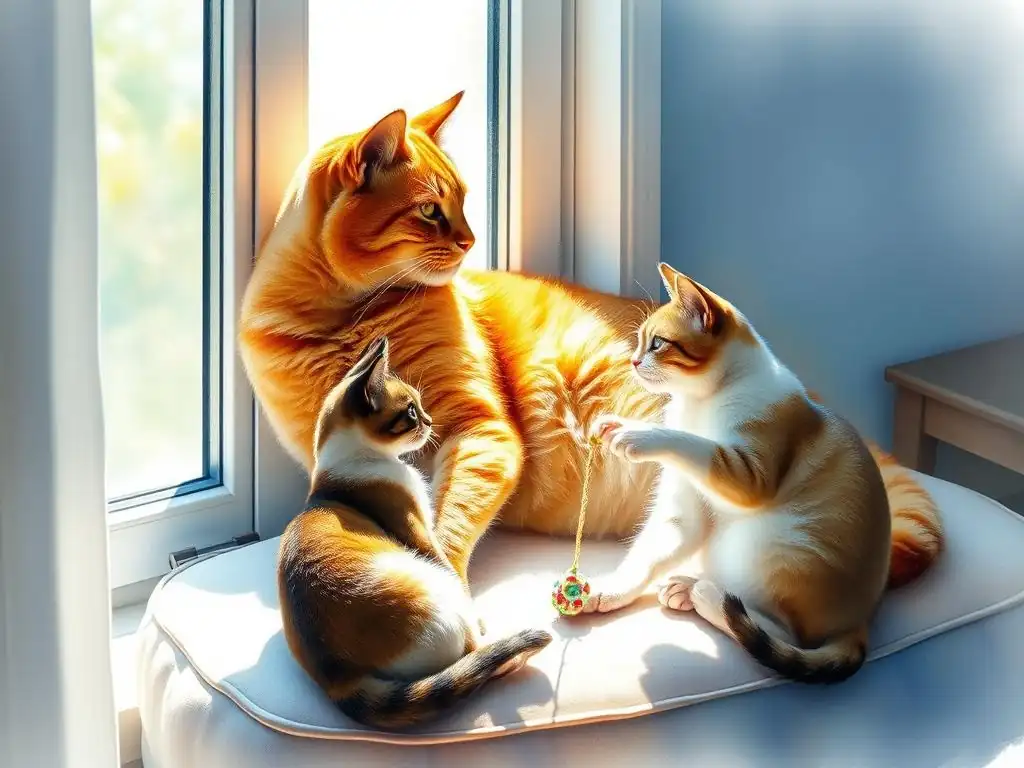
Understanding the dynamics of a multicat household is crucial for preventing and resolving hierarchy problems. While a certain level of hierarchy is natural in feline social structures, an overly aggressive or unbalanced hierarchy can lead to stress, fighting, and even health issues for your cats. Successfully managing this requires a proactive and multifaceted approach, focusing on creating a fair and balanced environment and minimizing competition for essential resources. This section will explore key strategies to mitigate multicat household hierarchy problems.
Creating a Fair and Balanced Environment for All Cats
A harmonious multicat household hinges on providing each feline with a sense of security and autonomy. This isn't simply about providing enough food and water; it's about creating an environment where each cat feels respected and has access to resources without feeling threatened. Consider the individual personalities of your cats. Are some more shy and timid than others?
Do any have specific needs or preferences? Tailoring your approach to these individual nuances is crucial. For example, a shy cat might benefit from having dedicated quiet spaces away from more boisterous housemates. Regular observation of your cats' interactions can also reveal potential problem areas requiring intervention.
Are there specific times of day when tension is higher? Identifying these patterns can help you implement targeted strategies. Remember, patience and consistent effort are key to creating a peaceful coexistence. The goal is not to eliminate hierarchy entirely, but to manage it so that it doesn't negatively impact your cats' well-being.
Providing Ample Resources to Minimize Competition
Competition for resources is a major driver of conflict in multicat households. By significantly increasing the availability of essential resources, you can dramatically reduce the likelihood of aggressive interactions stemming from scarcity. This includes food, water, litter boxes, resting places, and play areas.
Multiple Food and Water Bowls: Avoiding Resource Guarding
Resource guarding, where a cat aggressively protects its food or water, is a common cause of conflict. The solution is simple yet highly effective: provide multiple food and water bowls, ideally placed in different locations throughout your home. The number of bowls should exceed the number of cats to ensure ample access for all. Consider using elevated bowls for cats with arthritis or neck problems.
Also, avoid placing bowls near litter boxes or high-traffic areas to minimize stress. Different bowl types and materials can also be helpful for cats with specific needs or preferences. For example, some cats might prefer ceramic bowls, while others may prefer stainless steel or slow-feeders. Experiment to determine what works best for your cats.
Strategic Placement of Litter Boxes: Ensuring Equal Access
Similar to food and water, sufficient and strategically placed litter boxes are crucial. The general rule of thumb is to have one litter box per cat, plus one extra. Avoid placing litter boxes in high-traffic areas or near food and water bowls. Consider the preferences of your cats; some may prefer covered boxes, while others prefer uncovered ones.
Different types of litter may also need to be explored. Regular cleaning is paramount; a dirty litter box can quickly become a source of stress and conflict. Consider using clumping litter and scooping daily to maintain hygiene. This is a fundamental aspect of reducing stress and preventing disputes in a multicat household.
Dedicated Resting and Play Areas: Reducing Territorial Disputes
Cats are territorial creatures, and providing multiple resting and play areas can significantly minimize territorial disputes. This can include cat trees, shelves, beds, and scratching posts distributed throughout your home. These areas should be easily accessible and offer various heights and vantage points, allowing cats to choose their preferred location based on their individual personalities and preferences. Remember to provide a variety of textures and materials to cater to different preferences.
Enrichment activities, such as puzzle feeders or interactive toys, can further distract cats and reduce the likelihood of conflict. By creating a diverse range of appealing spots, you mitigate competition for limited space and resources, leading to a calmer and more harmonious home environment for all. Observe your cats' behavior to identify their preferred spots and adjust accordingly. This proactive approach to resource management directly addresses the root causes of many multicat household hierarchy problems.
Encouraging Positive Interactions Between Cats
Encouraging positive interactions is key to mitigating multicat household hierarchy problems. This involves creating an environment where cats feel safe and secure, minimizing competition for resources, and providing opportunities for positive social interaction. A crucial aspect is resource management. Multiple food and water bowls, strategically placed throughout the house, can significantly reduce competition-related aggression. Similarly, providing ample scratching posts, climbing structures, and resting areas ensures each cat has its own space and reduces territorial disputes. These seemingly small changes can dramatically impact the overall harmony of your multicat household. Remember, a cat's sense of security is paramount; a stressed cat is more likely to exhibit aggressive behavior as a result of perceived threats within the established hierarchy. Creating a calm and predictable environment is crucial in preventing conflict. This includes minimizing sudden loud noises, maintaining a consistent daily routine, and providing hiding places where cats can retreat when feeling overwhelmed.
Supervised Playtime: Fostering Positive Associations
Supervised playtime is not just about exercise; it's a powerful tool for fostering positive associations between cats. Engaging cats in interactive play sessions, using wands, toys, or laser pointers, redirects their energy away from potential conflicts. The shared activity creates a positive experience, associating the presence of other cats with fun and excitement, rather than competition or stress.
It's important to observe your cats during playtime and ensure that interactions remain playful and non-aggressive. If signs of aggression or stress appear, separate the cats and adjust the play session accordingly. For instance, if one cat becomes overly assertive during play, it's vital to intervene and redirect their focus.
The goal is to create positive memories and associations, subtly reshaping their perception of each other. Regular, supervised play sessions, tailored to each cat's personality and preferences, can significantly improve inter-cat relationships and ease tension within the household hierarchy. This approach allows for controlled interaction and helps establish positive social bonds.
Using Pheromone Diffusers to Reduce Stress and Anxiety
Pheromone diffusers release synthetic feline facial pheromones, mimicking the calming scents cats naturally produce. These diffusers create a sense of security and reduce stress and anxiety, which are often underlying causes of aggression and conflict in multicat households. By reducing overall stress levels, you create a more harmonious environment where cats are less likely to escalate hierarchical tensions into aggressive behavior.
Strategic placement of diffusers is crucial; position them in areas where cats frequently spend their time, such as near resting areas, scratching posts, or food bowls. Remember that pheromone diffusers are a preventative measure; they work best when implemented proactively, rather than as a reactive solution to existing conflict.
While they're not a magic bullet, their consistent use can significantly contribute to creating a calmer, less stressful atmosphere, thus making it easier to manage the established household hierarchy. The reduction in stress can help each cat feel more secure, leading to fewer disputes over resources or territory.
Introducing New Cats Gradually: Minimizing Conflict
Introducing a new cat into an established multicat household requires careful planning and a gradual introduction process. Rushing this process can significantly increase the risk of conflict and exacerbate existing hierarchy problems. The initial introduction should involve separate spaces, allowing cats to become accustomed to each other's scent through scent-swapping. This can be done by exchanging bedding or toys.
Subsequent visual introductions should be done through a barrier, allowing them to see and smell each other without direct contact. This controlled exposure minimizes the potential for immediate aggression or territorial disputes. Gradually increase the interaction time, always monitoring for signs of stress or aggression. Positive reinforcement techniques, such as rewarding calm behavior with treats or praise, can further encourage peaceful co-existence.
A slow, methodical approach minimizes the likelihood of establishing a rigid, conflict-ridden hierarchy. Patience and careful observation are key to a successful introduction and harmonious multicat household. This process can take weeks or even months, depending on the individual personalities and temperaments of the cats involved.
Addressing Specific MultiCat Household Hierarchy Problems
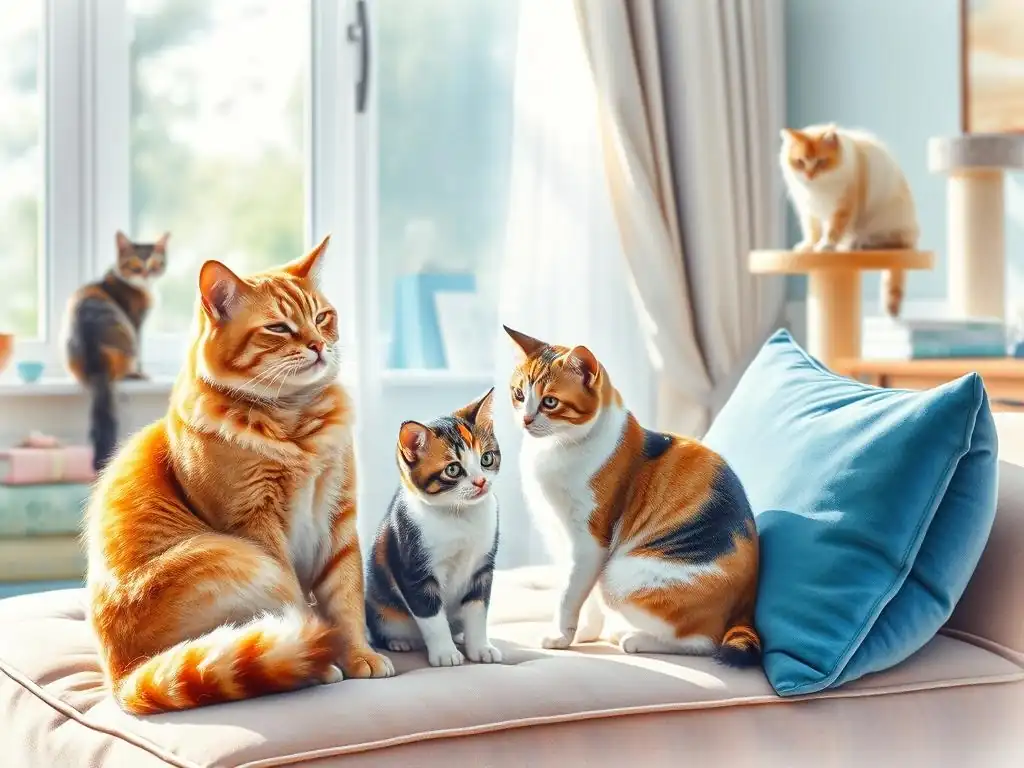
This section delves into common hierarchy-related issues in multicat households and offers practical solutions to promote harmony and reduce stress among your feline companions. Understanding the nuances of feline social dynamics is crucial for successfully managing a multi-cat home. Ignoring early signs of conflict can lead to escalating problems, so proactive intervention is key to preventing serious behavioral issues. Remember, a peaceful coexistence is achievable with patience, observation, and the right strategies.
Dealing with Bullying and Aggression Between Cats
Bullying and aggression manifest in various ways, from subtle intimidation tactics to outright physical attacks. Recognizing the signs is the first step towards intervention. Common indicators include hissing, swatting, chasing, blocking access to resources (food, water, resting areas), and even more serious displays like biting or scratching. The severity of the aggression will dictate the approach needed.
One effective strategy is to increase vertical space. Cats are naturally arboreal, and providing multiple cat trees, shelves, and high perches allows for escape routes and reduces direct confrontations. This is especially important if one cat is consistently dominating the others. Consider adding vertical space in different rooms to further alleviate the pressure.
Another crucial aspect is resource management. Multiple food and water bowls, strategically placed away from high-traffic areas and each other, can dramatically decrease competition. Litter boxes should also be abundant – a general rule of thumb is one box per cat, plus one extra. Ensure that litter boxes are clean and easily accessible to all cats. Consider using different types of litter or litter boxes to cater to individual preferences.
Finally, environmental enrichment plays a significant role. Interactive toys, puzzle feeders, and scratching posts provide mental stimulation and reduce boredom-induced aggression. A stimulating environment can divert attention from conflict and promote more positive interactions between cats. Data suggests that cats provided with ample enrichment exhibit less aggressive behavior compared to those in less stimulating environments. [Specific data on enrichment and aggression reduction pending]
Resolving Resource Guarding Issues in MultiCat Households
Resource guarding, the act of protecting valued resources from other cats, is a prevalent problem in multicat households. This behavior can manifest around food, water, toys, resting spots, or even human attention. Understanding the root cause is paramount to finding a solution. Often, resource guarding stems from insecurity or a perceived threat to the cat's well-being.
Implementing a feeding strategy that minimizes competition is crucial. Separate feeding stations, in different locations, can reduce conflict significantly. Puzzle feeders can also be beneficial, as they slow down eating and decrease the feeling of urgency, which often exacerbates guarding behaviors. Consider using different types of food bowls, perhaps elevated bowls, to further minimize competition.
Another important step is to desensitize and counter-condition the guarding cat. Gradually introduce the other cats to the guarded resource, starting at a distance, and rewarding calm behavior with treats. This process requires patience and consistency. The goal is to associate the presence of other cats with positive experiences, thereby reducing the cat's defensive response. [Specific data on success rates of counter-conditioning in resource guarding cats pending]
Managing Territorial Disputes in MultiCat Households
Territorial disputes often stem from a perceived lack of space or insufficient resources. Cats are highly territorial creatures, and establishing clear boundaries is vital for peaceful coexistence. This often involves scent marking, where cats use urine spraying or scratching posts to mark their territory. Increased spraying or scratching could indicate a territorial conflict.
One effective approach is to create distinct spaces for each cat. This could involve providing separate sleeping areas, play areas, and even separate rooms if possible. Feliway diffusers can help to calm cats and reduce stress related to territorial disputes. These diffusers release synthetic pheromones that mimic a cat's calming facial pheromones, helping create a more relaxed environment.
Providing ample vertical space and hiding places is also beneficial. Cats often feel more secure when they have places to retreat and escape when feeling overwhelmed or threatened. Vertical space allows cats to avoid direct confrontation and reduces the feeling of being trapped. A variety of scratching posts, cat trees, and shelves can provide many different escape routes and territories.
[Specific data on the effectiveness of Feliway diffusers in reducing territorial disputes pending] Careful observation and understanding of your cats' individual personalities and behaviors are key to resolving these issues effectively. Remember, patience and consistent effort are essential for creating a harmonious multicat household. 😻
Seeking Professional Help for MultiCat Household Hierarchy Issues
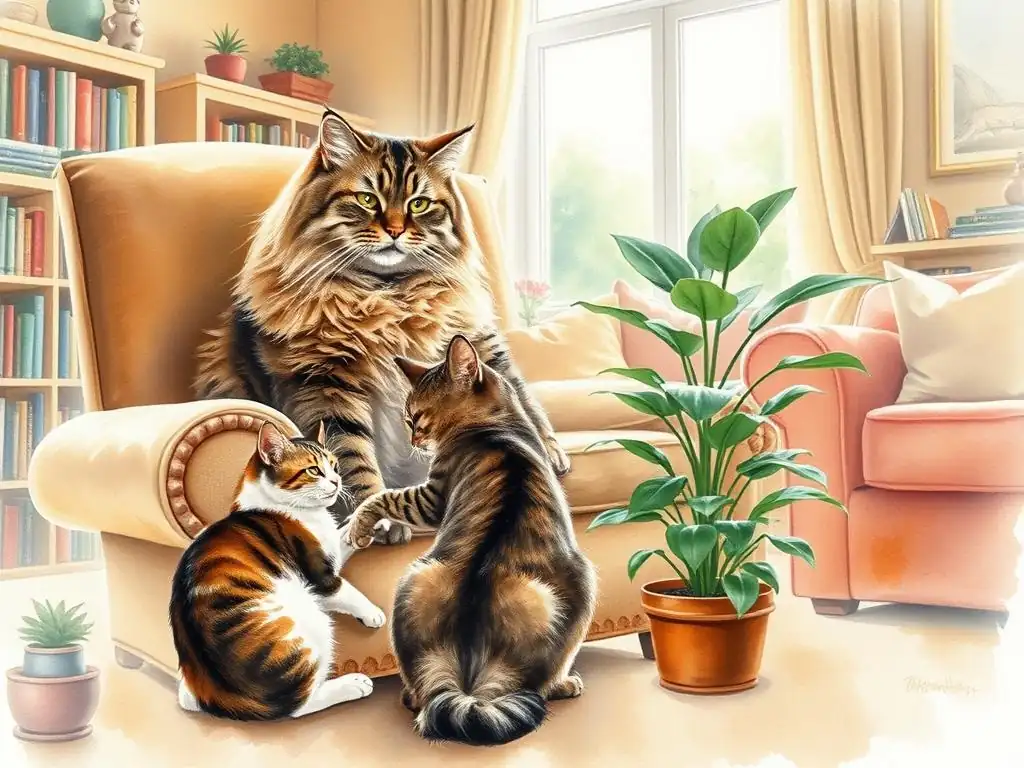
Understanding and managing the hierarchical dynamics in a multicat household can be challenging. While many issues can be resolved with careful observation and proactive management techniques, sometimes professional intervention is necessary. Recognizing the signs that indicate you need help is crucial for the well-being of your feline family. Ignoring escalating tensions can lead to serious behavioral problems, impacting the health and happiness of your cats. This section explores when professional assistance becomes essential and how to find the right expert for your unique multicat household.
When to Consult a Veterinarian or Certified Cat Behaviorist
Several warning signs indicate that your multicat household's hierarchy problems require professional intervention. These problems extend beyond simple squabbles and can significantly affect your cats' health and happiness. Don't hesitate to seek help if you observe any of the following:
- Persistent Aggression: Beyond the occasional hiss or swat, persistent fighting, chasing, or even attacks necessitate professional assessment. This includes scenarios where one cat consistently bullies others, leading to injuries or ongoing stress. The severity and frequency of aggressive interactions are key indicators of the need for professional help. For example, if your cats are regularly drawing blood during fights, immediate veterinary attention is required, as well as behavioral intervention.
- Unexplained Weight Loss or Changes in Appetite: Stress from unresolved hierarchical conflicts can manifest as physical symptoms. A cat experiencing chronic stress might exhibit significant weight loss, a decreased appetite, or changes in their eating habits. These physical signs should prompt a visit to the veterinarian to rule out underlying medical conditions and address any behavioral issues contributing to the problem.
- Inappropriate Elimination: Urinating or defecating outside the litter box can be a sign of stress related to hierarchical tensions. While there are many causes of inappropriate elimination, it is frequently linked to anxiety and territorial disputes within a multicat household. A veterinarian can rule out medical causes, and a cat behaviorist can help address the underlying behavioral issues.
- Excessive Grooming or Over-Grooming: While some grooming is normal, excessive or compulsive grooming can be a sign of stress or anxiety. Cats may over-groom themselves to the point of causing skin irritation or hair loss. This behavior is often a coping mechanism for stress and should be addressed by a professional.
- Withdrawal and Isolation: A cat consistently hiding or avoiding interaction with other cats or even humans might be a sign of severe stress or fear stemming from an unbalanced household hierarchy. This is a serious issue that warrants immediate professional attention.
Professional Assessment and Customized Solutions for MultiCat Households
Finding the right professional is crucial. Veterinarians can provide medical assessments and rule out any underlying health issues contributing to behavioral problems. However, certified cat behaviorists possess specialized knowledge of feline behavior and can offer tailored solutions to address complex hierarchical dynamics. A comprehensive assessment typically involves:
- Detailed History: Providing a detailed history of your cats, including their ages, personalities, history together, and the specific problems you're experiencing, is crucial for a proper diagnosis. The behaviorist will want to know the specifics of the interactions, including times of day, locations, and any triggers.
- Home Observation: An in-home observation allows the behaviorist to directly assess the cats' interactions within their natural environment. This is far more informative than relying solely on owner reports.
- Individualized Recommendations: Based on their assessment, the behaviorist will provide tailored recommendations. These may include environmental modifications (such as adding more resources like food bowls, litter boxes, scratching posts, and high perches), behavior modification techniques (such as desensitization and counter-conditioning), or even medication in severe cases, always prescribed by a veterinarian.
Remember, seeking professional help is a sign of responsible pet ownership. Addressing multicat household hierarchy problems proactively can prevent serious health and behavioral issues, ensuring a happier and healthier life for your feline companions. The investment in professional help is an investment in the well-being of your entire cat family.
Maintaining Harmony in Your MultiCat Home: Long-Term Strategies
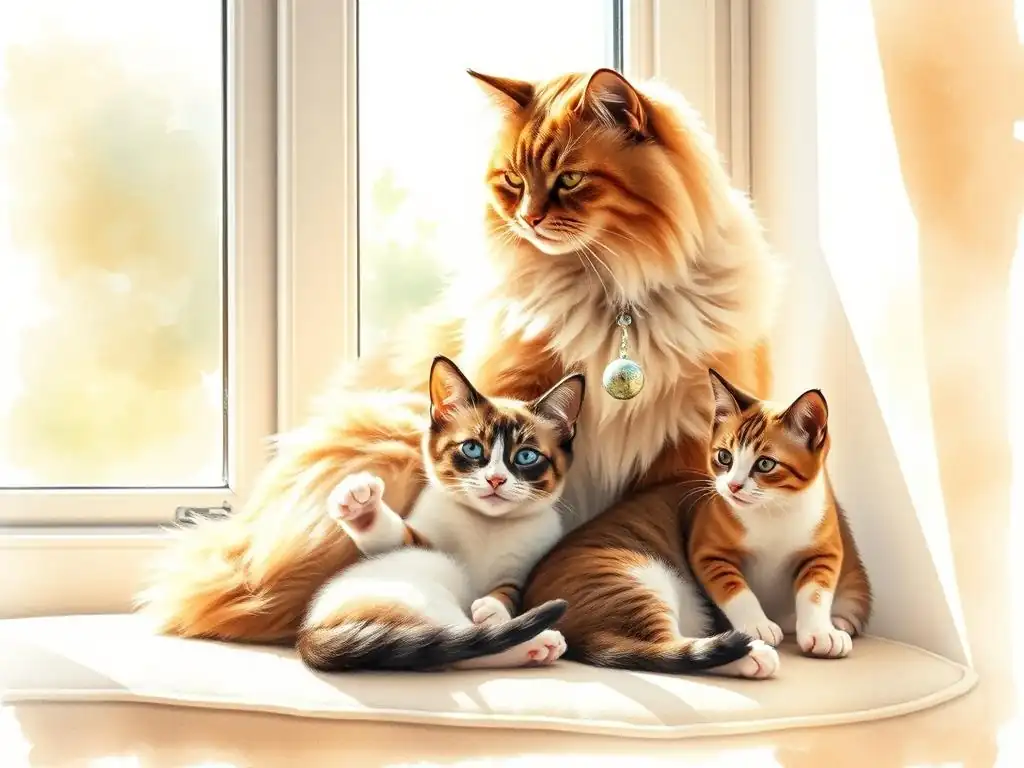
Successfully integrating multiple cats into a harmonious household requires ongoing effort and vigilance. Simply introducing cats and hoping for the best rarely works. Long-term strategies are crucial for preventing and resolving multicat household hierarchy problems and maintaining a peaceful co-existence. This section focuses on proactive measures to ensure your feline family thrives together. Understanding and addressing potential issues early is key to preventing escalation into serious conflicts.
Ongoing Monitoring of Cat Interactions and Dynamics
Consistent observation of your cats' interactions is paramount. This isn't about constant surveillance, but rather mindful attention during daily routines. Look for subtle signs of stress or tension. These can include:
- Increased vocalization: Hissing, growling, or excessive meowing, especially when other cats are nearby.
- Body language: Flattened ears, puffed-up fur, tail swishing, or avoiding eye contact can indicate discomfort or aggression.
- Resource guarding: One cat aggressively defending food, water bowls, litter boxes, or favorite sleeping spots.
- Changes in eating habits: A cat may eat less if stressed by another cat's presence at mealtimes.
- Changes in litter box habits: Stress can lead to inappropriate urination or defecation outside the litter box.
Maintaining a detailed log can be helpful. Note the time, location, cats involved, and the specific behaviors observed. This detailed record allows you to identify patterns and potential triggers for conflict. For instance, you might notice that conflicts frequently occur around feeding time, suggesting a need to adjust feeding strategies. Regular monitoring helps you proactively address emerging issues before they escalate into major problems. Remember, early intervention is key to preventing larger multicat household hierarchy problems.
Proactive Adjustments to the Home Environment and Resources
Even with careful introductions, proactive adjustments to your home environment can significantly impact the harmony of your multicat household. This involves providing ample resources and strategically placing them to minimize competition. Consider these key elements:
- Multiple Litter Boxes: The general rule is one litter box per cat, plus one extra. Different types of litter, box styles, and locations can also cater to individual preferences. Avoid placing litter boxes near food or water bowls.
- Separate Feeding Stations: Feed your cats in separate locations to prevent competition and resource guarding. Elevated food bowls can also help reduce stress.
- Vertical Space: Cats are naturally arboreal, and providing vertical spaces like cat trees, shelves, and window perches gives them opportunities to escape interactions and claim their own territory.
- Hiding Places: Secure, comfortable hiding places, such as cat beds, tunnels, or boxes, offer cats a safe haven when they feel overwhelmed or need a break from social interaction.
- Scent Management: Regular cleaning of surfaces and using enzymatic cleaners to eliminate urine and fecal odors helps minimize territorial marking and reduces stress related to scent competition.
Implementing these adjustments may require some experimentation to find the optimal arrangement for your specific cats. Observe their behavior and make adjustments as needed to create a more comfortable and less stressful environment. Regularly reassessing the layout and resource distribution is crucial for preventing and mitigating multicat household hierarchy problems.
Celebrating the Successes of a Harmonious MultiCat Household
Building a harmonious multicat household is a rewarding journey. While challenges may arise, acknowledging and celebrating even small successes reinforces positive interactions and strengthens the bond between your cats. This positive reinforcement is crucial in preventing and managing multicat household hierarchy problems.
Consider these ways to acknowledge progress:
- Positive Reinforcement: Reward positive interactions with treats, praise, or playtime. If you observe cats grooming each other or playing together, acknowledge and reward this positive behavior.
- Regular Playtime: Engaging your cats in interactive play sessions helps them burn energy and reduces the likelihood of aggression stemming from boredom or pent-up energy.
- Individual Attention: Dedicate individual playtime and affection to each cat to ensure they feel loved and secure, regardless of the dynamics with other cats.
- Environmental Enrichment: Introduce new toys, scratching posts, or puzzle feeders to keep your cats stimulated and engaged, reducing the likelihood of conflict.
Remember, creating a harmonious multi-cat household is an ongoing process, not a destination. By consistently monitoring, adjusting, and celebrating successes, you can create a loving and peaceful home for your feline family. This proactive approach significantly reduces the likelihood of serious multicat household hierarchy problems. 😻
Frequently Asked Questions
How can I tell if my cats have established a hierarchy?
Cats in a multi-cat household often display a hierarchy through body language. Dominant cats may exhibit behaviors like staring, tail swishing, or resource guarding, while subordinate cats may show appeasement signals such as crouching or flattening their ears.
My cats are constantly fighting. Is this normal?
While some inter-cat aggression is normal, frequent or intense fighting is a sign of stress or unresolved conflict. You should consult a veterinarian or a certified cat behaviorist to address the underlying issues.
What are some common causes of hierarchy problems in multicat households?
Common causes include inadequate resources (food, water, litter boxes, resting spaces), unresolved territorial disputes, and a lack of vertical space. Introducing cats gradually and providing sufficient enrichment are crucial for preventing problems.
My new cat is constantly being bullied by my resident cat. What can I do?
Provide separate feeding stations, litter boxes, and resting areas to reduce competition. Employ environmental enrichment to distract your cats and create more positive interactions. Consult a cat behaviorist for personalized advice.
How can I help my cats peacefully coexist?
Slow introductions are key. Provide ample resources, vertical space, and hiding places. Use pheromone diffusers to reduce stress and consider interactive play to strengthen positive relationships. Patience and consistency are essential.
Understanding the dynamics of a multicat household is not merely an academic exercise; it's crucial for ensuring the well-being and happiness of your feline companions. A harmonious home, free from unnecessary stress and conflict, is the ultimate goal, and recognizing the subtle (and sometimes not-so-subtle) hierarchies at play is the key to achieving it. Ignoring these inherent social structures can lead to significant behavioral problems, impacting the quality of life for all involved.
The impact of understanding feline social dynamics extends far beyond individual households. It shapes our understanding of animal behavior in general, highlighting the complexity of even seemingly simple social structures. The lessons learned from observing our cats can inform our interactions with other animals and even offer insights into human social dynamics. The cat, who walks by himself, and all places are alike to him, has the freedom of a beggar, and the independence of a king.
- Henry David Thoreau. This quote, while romantic, speaks to the inherent independence of cats, a factor that must be considered when managing a multicat household. Understanding their need for both independence and social interaction is paramount.
Now, consider your own multicat home. Are you providing enough resources to mitigate competition? Are you observing your cats' interactions carefully, looking for signs of stress or bullying? Take the time to reflect on your own observations and the information presented in this article. By actively working to create a balanced and enriching environment, you can foster a happy and harmonious multicat household, where each feline thrives within the complex social fabric of your home. The reward? A home filled with purrs, contentment, and the undeniable joy of sharing your life with multiple feline companions.
Unleash Harmony: Building a Purrfect Multi-Cat Paradise
Thanks for exploring the world of multi-cat harmony! You've gained valuable insights into understanding feline dynamics and creating a peaceful home for your cats. Now it's time to put that knowledge into practice.
- Prioritize Resources: Carefully consider your cats' access to food, water, litter boxes, and resting places to ensure fair distribution and minimize competition. This is crucial for a happier, less-stressed household.
- Enrich Their Environment: Introduce puzzle feeders, vertical scratching posts, or new interactive toys to encourage positive interaction and reduce boredom-related tension. Even small changes can make a big difference!
- Share Your Experience: Tell us about your journey in creating a peaceful multi-cat home – what techniques worked best, and what unexpected lessons did you learn? Let's build a supportive community together!
So, what small step will you take today to strengthen the bonds in your multi-cat family?