
Cat Anxiety and Age: Tailoring Techniques for Kittens and Seniors

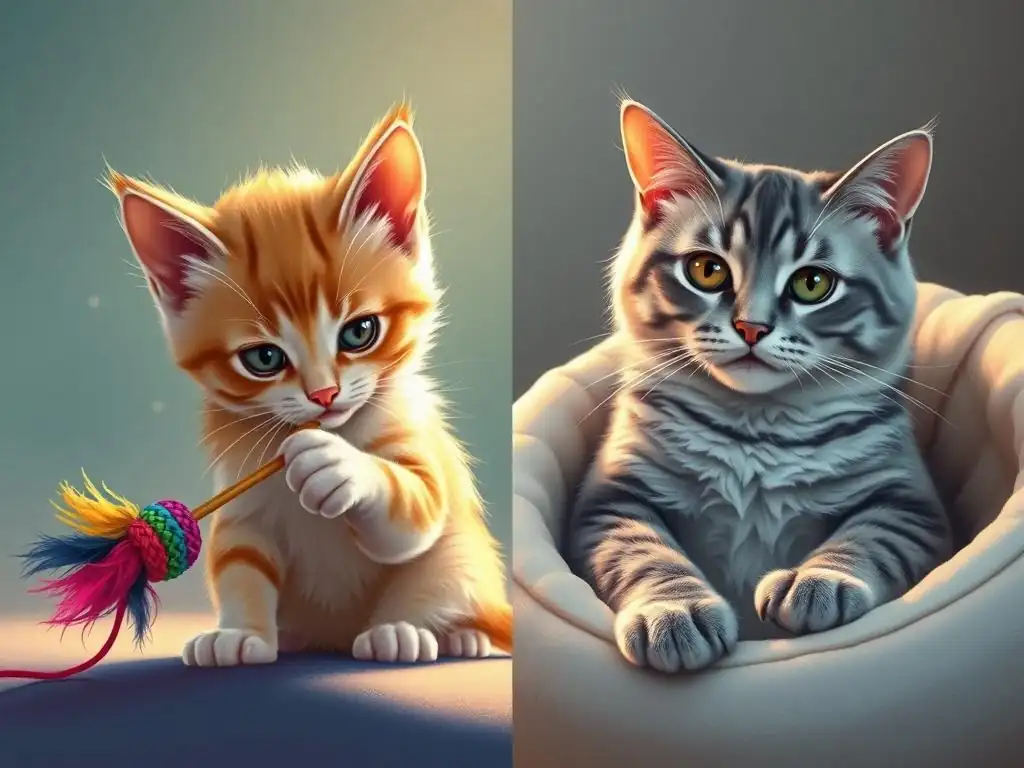
Welcome to PetCareWorld, your ultimate guide to happy and healthy pets! Are you noticing changes in your feline friend's behavior as they age? Discover practical and effective Senior Cat Anxiety Solutions in our comprehensive guide, exploring tailored techniques to ease anxiety in both kittens and senior cats. Uncover the secrets to a calmer, more content life for your beloved companion – explore the fascinating world of feline behavior and learn how to best support your cat through every stage of life.
- Understanding Cat Anxiety Across the Lifespan
-
Senior Cat Anxiety Solutions: Addressing Specific Needs
- Environmental Enrichment for Senior Cats with Anxiety: Creating a Safe and Comfortable Space
- Dietary Considerations for Anxious Senior Cats: Nutrition and Anxiety Relief
- Medication for Senior Cat Anxiety: When Professional Intervention is Necessary
- Behavioral Modification Techniques for Senior Cats: Patience and Consistency are Crucial
-
Cat Anxiety Relief for Kittens: Building Confidence and Resilience
- Socialization and Early Exposure for Kittens: Preventing Future Anxiety
- Play Therapy and Enrichment Activities for Kittens: Stimulating a Healthy Mind and Body
- Creating a Predictable Routine for Kittens: Structure and Security
- Addressing Separation Anxiety in Kittens: Gradual Adaptation and Positive Reinforcement
- Comparing Anxiety Management Strategies: Kittens vs. Seniors
- Long-Term Management and Prevention of Cat Anxiety
- Resources and Further Support for Cat Owners
- Frequently Asked Questions
- Final Reflection: Understanding and Addressing Anxiety Across a Cat's Lifetime
- Unleash Your Cat's Purrfect Potential: Tailored Anxiety Solutions
Understanding Cat Anxiety Across the Lifespan
Feline anxiety, a pervasive issue affecting cats of all ages, manifests differently depending on the cat's life stage. From the playful antics of kittens to the quiet dignity of senior cats, understanding these variations is crucial for effective management. This comprehensive guide delves into the unique anxieties faced by kittens and senior cats, providing tailored solutions to help you support your beloved companion.
We'll explore the subtle signs of anxiety in both age groups, examine the underlying age-related factors contributing to anxious behaviors, and offer practical strategies for alleviating these concerns. Successfully addressing cat anxiety requires a nuanced approach, acknowledging the significant physiological and cognitive shifts that occur throughout a cat's life.
By understanding these changes, we can better equip ourselves to provide the appropriate support and create a calmer, more enriching environment for our feline friends. This article focuses particularly on solutions for senior cat anxiety, a growing concern for many cat owners, offering practical steps to improve the quality of life for your aging companion.
Recognizing Anxiety Signs in Kittens: Early Intervention is Key
Kittens, despite their playful nature, can experience anxiety stemming from various factors including separation from their mother, unfamiliar environments, or even loud noises. Unlike adult cats, their anxiety may manifest in more overt ways. Recognizing these early signs is crucial for preventing the development of chronic anxiety later in life.
Early intervention is key to mitigating long-term issues. Some common signs of anxiety in kittens include:
- Excessive meowing: Persistent, high-pitched meowing, especially at night or when left alone.
- Restlessness and hyperactivity: Inability to settle down, constant pacing, or excessive grooming.
- Hiding behavior: Seeking refuge in dark, confined spaces, avoiding interaction.
- Inappropriate elimination: Urinating or defecating outside the litter box due to stress.
- Aggression: Sudden biting or scratching, often stemming from fear or insecurity.
Addressing kitten anxiety often involves creating a safe, stimulating, and predictable environment. Providing ample playtime, enrichment activities, and a secure hiding place can significantly reduce stress levels. Positive reinforcement training can help build confidence and reduce fear responses. Early veterinary intervention may be necessary to rule out underlying medical conditions that could be contributing to the anxiety. Remember, a calm and confident kitten is more likely to develop into a well-adjusted adult cat.
Identifying Anxiety Symptoms in Senior Cats: Subtle Clues and Common Issues
Senior cats, often facing physical and cognitive decline, may display anxiety in more subtle ways than their younger counterparts. These subtle cues can be easily overlooked, leading to delayed intervention and potentially worsening the condition. It's crucial to be attentive to even the smallest changes in your senior cat's behavior.
Common anxiety symptoms in senior cats include:
- Changes in sleep patterns: Increased nighttime activity, difficulty settling down, or excessive sleeping during the day.
- Increased vocalization: More frequent meowing, yowling, or chattering, particularly at night.
- Decreased appetite or changes in eating habits: Loss of interest in food, picky eating, or sudden changes in mealtimes.
- Increased grooming: Excessive licking or scratching, potentially leading to skin irritation or hair loss.
- Withdrawal and isolation: Avoiding interaction with humans or other pets, preferring solitary confinement.
- Urinary or fecal incontinence: Loss of bladder or bowel control due to stress or cognitive decline.
Recognizing these subtle signs is crucial for early intervention. A thorough veterinary examination is essential to rule out underlying medical conditions that might be contributing to the anxiety. The vet can also help determine the best course of action, which may include medication, environmental modifications, or behavioral therapy. Providing a comfortable, safe, and predictable environment for your senior cat is paramount.
The development of anxiety in cats is intricately linked to age-related changes. Both physical and cognitive decline can significantly impact a cat's emotional well-being, increasing their susceptibility to anxiety.
Physical Changes:
- Sensory loss: Decreased hearing or vision can make senior cats feel more vulnerable and disoriented, leading to anxiety.
- Pain and discomfort: Arthritis, dental problems, or other chronic pain conditions can cause stress and irritability.
- Hormonal imbalances: Changes in hormone levels can affect mood and behavior, increasing anxiety.
Cognitive Changes:
- Cognitive dysfunction syndrome (CDS): Similar to Alzheimer's disease in humans, CDS can lead to confusion, disorientation, and anxiety in senior cats.
- Memory loss: Difficulty remembering routines or familiar surroundings can cause stress and insecurity.
- Decreased ability to learn and adapt: Making changes to the cat's environment can be more challenging and stressful for a senior cat with cognitive decline.
Understanding these age-related factors is critical for developing effective anxiety management strategies. Addressing underlying physical issues through veterinary care is often the first step. Creating a safe, predictable environment, minimizing stressors, and providing appropriate enrichment activities tailored to their physical and cognitive abilities are essential for supporting senior cats experiencing anxiety. Patience, understanding, and a proactive approach are key to helping your aging feline companion live a happy and comfortable life.
Senior Cat Anxiety Solutions: Addressing Specific Needs
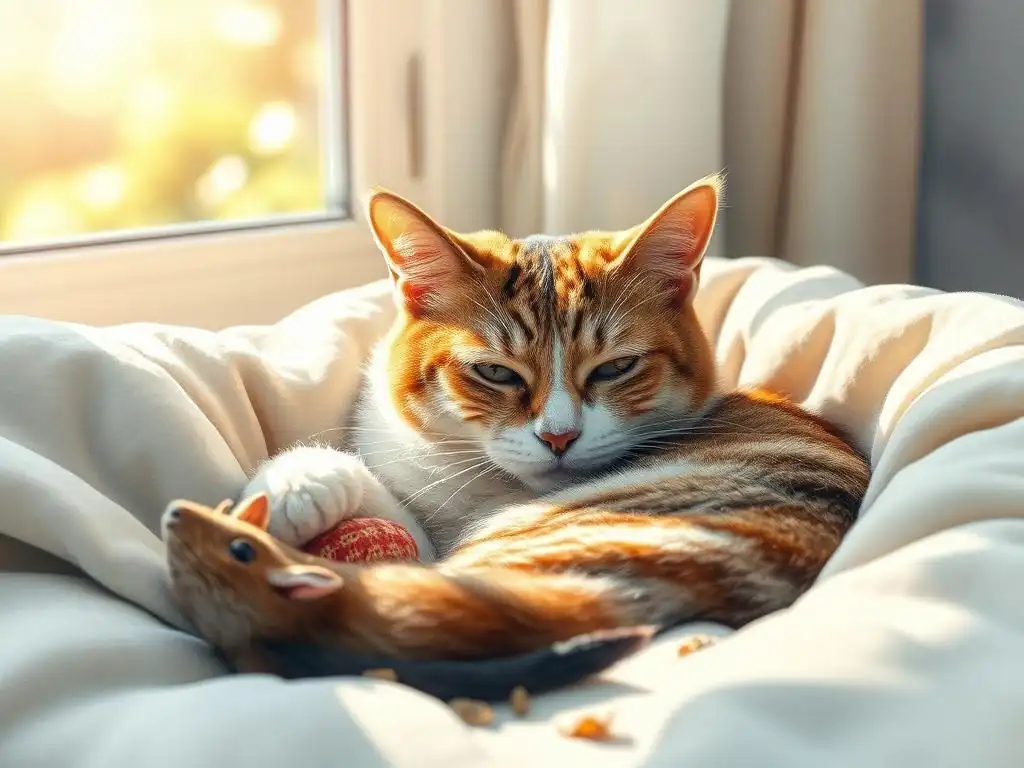
Senior cats, much like senior humans, can experience increased anxiety due to age-related changes. Understanding these changes is crucial to effectively managing their anxiety. This section focuses on tailored solutions for senior cats exhibiting anxious behaviors, offering a comprehensive approach to improving their quality of life. We'll examine environmental adjustments, dietary modifications, and when professional veterinary intervention, including medication, becomes necessary. Remember, patience and consistency are key when implementing any anxiety-reducing strategy for your beloved feline companion. Early intervention and a proactive approach can significantly improve the well-being of your aging cat.
Environmental Enrichment for Senior Cats with Anxiety: Creating a Safe and Comfortable Space
Creating a secure and stimulating environment is paramount for managing anxiety in senior cats. Their physical capabilities may be diminished, impacting their ability to navigate their surroundings. Consider these adjustments:
- Designated Safe Spaces: Provide multiple quiet, comfortable retreats, such as soft beds in warm, dimly lit areas. These should be easily accessible and free from disturbances. A cat tree near a window can offer a great vantage point and a sense of security.
- Slow Changes: Avoid sudden rearrangements of furniture or household items. Gradual changes minimize stress and allow your cat time to adapt to new configurations.
- Sensory Stimulation: While avoiding overwhelming stimuli, provide gentle sensory enrichment. This could include soft music, calming pheromone diffusers (like Feliway), or interactive toys that don't require excessive physical exertion.
- Routine and Predictability: Maintain a consistent daily routine. Regular feeding times, playtime, and grooming sessions provide a sense of security and reduce uncertainty, which can trigger anxiety.
- Temperature Control: Senior cats are often more sensitive to temperature fluctuations. Ensure a consistently comfortable temperature in their resting areas, avoiding drafts or extreme heat or cold.
Dietary Considerations for Anxious Senior Cats: Nutrition and Anxiety Relief
Diet plays a vital role in overall health and can significantly impact anxiety levels. Certain nutritional adjustments can help alleviate anxiety in senior cats:
- High-Quality Senior Formula: Opt for a senior-specific cat food formulated to meet the nutritional needs of older cats. These often contain added nutrients to support cognitive function and joint health, which can indirectly alleviate anxiety related to physical discomfort.
- L-Theanine Supplements: Consult your veterinarian before introducing supplements. L-Theanine, an amino acid found in green tea, has shown promise in reducing anxiety in some animals. Always follow recommended dosages carefully.
- Avoid Food Sensitivities: Identify and eliminate any potential food allergies or sensitivities that may contribute to discomfort and anxiety. Working with your vet to determine the best diet for your cat is crucial.
- Regular Feeding Schedule: Maintaining a consistent feeding schedule helps regulate blood sugar levels and contributes to a calmer, more predictable routine. This predictability can greatly reduce anxiety.
- Hydration: Ensuring adequate hydration is important for overall health and can positively impact mood and reduce stress. Consider providing multiple fresh water sources.
Medication for Senior Cat Anxiety: When Professional Intervention is Necessary
While environmental enrichment and dietary changes are often sufficient, some senior cats require additional support in the form of medication. This decision should always be made in consultation with a veterinarian.
- Veterinary Assessment: A thorough veterinary examination is crucial to rule out any underlying medical conditions that might be contributing to anxiety. Blood work and a physical exam are essential steps.
- Medication Options: Your veterinarian may recommend different types of medication depending on the severity and nature of the anxiety. These might include antidepressants or anxiolytics, specifically formulated for feline use.
- Gradual Introduction: Medication is typically introduced gradually to monitor for side effects and find the optimal dosage. Close monitoring and regular veterinary check-ups are essential.
- Potential Side Effects: Be aware of potential side effects and report any concerns to your veterinarian immediately. Some medications may cause drowsiness, changes in appetite, or other side effects.
- Combination Therapy: In some cases, a combination of medication, environmental modifications, and dietary changes may be the most effective approach. Your vet can help you create a personalized plan.
Remember: The information provided here is for educational purposes only and does not constitute veterinary advice. Always consult with a qualified veterinarian before making any changes to your senior cat's diet or introducing medication. Early intervention and a holistic approach to senior cat anxiety management can greatly improve their quality of life and extend their happy years with you. 😻
Behavioral Modification Techniques for Senior Cats: Patience and Consistency are Crucial
Addressing anxiety in senior cats requires a gentle and understanding approach. Unlike younger cats, senior felines may have age-related cognitive decline (dementia) or physical limitations that influence their behavior. Therefore, behavioral modification techniques must be tailored to their specific needs and physical capabilities. Rushing the process or employing harsh methods can worsen their anxiety and damage your bond. Patience and consistency are absolutely paramount.
One effective technique involves creating a safe and predictable environment. This means minimizing sudden changes in routine, minimizing loud noises, and keeping their living space calm and comfortable. A senior cat with anxiety might benefit from a dedicated, quiet space – a comfortable bed in a quiet corner, for example – where they can retreat when feeling overwhelmed. This safe haven should be consistently accessible and free from disturbances. Avoid rearranging furniture frequently, as this can disorient and stress them.
Positive reinforcement is key. Instead of punishment for unwanted behaviors (which can increase anxiety), focus on rewarding calm and relaxed behavior. This could involve offering treats, praise, or gentle petting when your cat exhibits calm behavior. Even small rewards can make a big difference over time. The timing of the reward is critical; it should immediately follow the desired behavior to create a positive association.
Gradual desensitization can be helpful for addressing specific triggers. If your senior cat is anxious around certain sounds (like vacuum cleaners), start by playing the sound at a very low volume while offering treats and praise. Slowly increase the volume over time, ensuring your cat remains calm and relaxed throughout the process. If they show signs of distress, immediately reduce the volume and resume the process later. This gradual approach helps them adapt to the sound without feeling overwhelmed.
Remember, senior cats may experience pain or discomfort that contributes to their anxiety. Regular veterinary checkups are crucial to rule out any underlying medical conditions. Addressing any physical issues can significantly improve their overall well-being and reduce anxiety. Working closely with your veterinarian and possibly a certified cat behaviorist can provide a comprehensive approach to managing your senior cat's anxiety. Their expertise can help you develop a personalized plan tailored to your cat's unique needs and circumstances.
Cat Anxiety Relief for Kittens: Building Confidence and Resilience
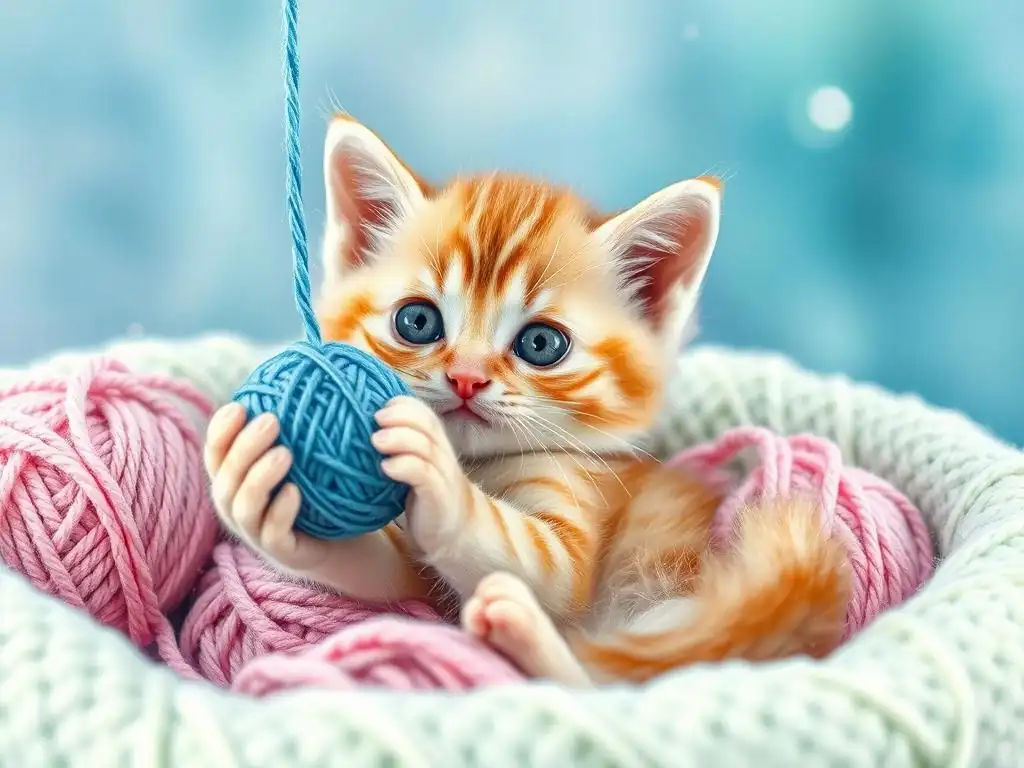
Kittens, despite their playful nature, are highly susceptible to developing anxiety if not properly socialized and cared for. Early intervention is key to preventing future anxieties and building a confident, well-adjusted feline companion. Addressing kitten anxiety proactively is crucial for their long-term well-being, laying a strong foundation for a happy and healthy life. This section focuses on specific techniques to help your kitten navigate the world with confidence and resilience.
Proper socialization during the critical period (2-7 weeks) is paramount in preventing anxiety in adult cats. This involves exposing kittens to a variety of sights, sounds, smells, and textures in a controlled and positive manner. Think of it as building an "anxiety immunity" – the more positive experiences a kitten has, the less likely they are to develop fear-based anxieties later in life.
This includes gentle handling, introducing them to different people (children included, with supervision), and exposing them to various household sounds (vacuum cleaner, doorbell) at low volumes. Gradually increasing the intensity of stimuli is crucial. For example, start with a muffled vacuum cleaner sound in the distance, gradually bringing it closer and decreasing the muffling over several days.
Always monitor the kitten's response; if they show signs of distress (hissing, flattened ears, tail tucked), immediately remove the stimulus and try again later at a lower intensity. Remember, positive reinforcement is key – rewarding calm behavior with treats and praise strengthens positive associations. A well-socialized kitten is a confident kitten, less prone to developing anxiety as an adult.
Play Therapy and Enrichment Activities for Kittens: Stimulating a Healthy Mind and Body
Enrichment activities are vital for a kitten's mental and physical health, contributing significantly to anxiety prevention. A bored kitten is a stressed kitten. Interactive play sessions, using toys that mimic natural prey (feather wands, laser pointers – used responsibly! ), help channel their natural hunting instincts and burn off excess energy.
This not only prevents behavioral problems but also builds confidence and reduces anxiety. Puzzle feeders, which require kittens to work for their food, stimulate their minds and provide a sense of accomplishment. Scratching posts provide a crucial outlet for natural scratching behaviors, preventing destructive scratching on furniture. Providing a variety of textures and climbing opportunities (cat trees) further enhances their environment, providing safe spaces for exploration and relaxation.
The goal is to create a stimulating and engaging environment that prevents boredom and promotes a healthy mind and body, naturally reducing anxiety levels. Remember to rotate toys regularly to keep things interesting and prevent boredom. Observe your kitten’s preferences and adjust your enrichment activities accordingly.
Creating a Predictable Routine for Kittens: Structure and Security
Kittens thrive on routine and predictability. A consistent daily schedule provides a sense of security and reduces uncertainty, a major contributor to anxiety. Establish a regular feeding schedule, consistent playtime, and designated rest periods. This creates a predictable environment that helps kittens feel safe and secure. Maintaining a consistent sleep-wake cycle is also important.
A quiet, comfortable sleeping area, away from noisy areas, is essential for restful sleep. Consistency is key – sticking to a routine minimizes stress and promotes a sense of security, a powerful tool in preventing anxiety from developing in the first place. Even small, consistent changes in routine can be stressful for a kitten, so try to maintain as much consistency as possible. A predictable environment fosters a sense of calm and reduces the likelihood of anxiety-inducing surprises. This simple yet crucial step can make a significant difference in your kitten's overall well-being.
Addressing Separation Anxiety in Kittens: Gradual Adaptation and Positive Reinforcement
Separation anxiety in kittens, while less common than in adult cats, can still manifest as excessive meowing, destructive scratching, or even house soiling when left alone. Addressing this requires a patient and consistent approach focusing on gradual adaptation and positive reinforcement. The key is to avoid abrupt departures and to associate your absence with positive experiences.
One effective technique is to gradually increase the duration of your absences. Start with short periods, perhaps just a few minutes, and gradually extend the time as your kitten becomes more comfortable. Before leaving, engage in a calming routine, such as gentle petting or a quiet play session. This creates a positive association with your departure. Upon returning, avoid overly enthusiastic greetings, which can inadvertently reinforce anxious behavior. Instead, offer calm reassurance and perhaps a favorite treat.
Positive reinforcement plays a crucial role. Reward your kitten's calm behavior while you're home with praise, petting, or small treats. This helps them learn to associate your presence with positive experiences and reduces the anxiety associated with your absence. Consider using puzzle feeders or interactive toys to keep your kitten occupied and entertained while you are away. These activities provide mental stimulation and reduce boredom, a common trigger for anxiety. Remember, consistency is key. Maintain the same routine and reward system to help your kitten understand and adapt to your absences.
For particularly anxious kittens, pheromone diffusers or sprays, containing synthetic feline facial pheromones (FFPs), can be helpful in creating a calming environment. These products mimic the natural calming scents cats produce, helping to reduce stress and anxiety. However, it's important to consult with your veterinarian before using any pheromone products, especially if your kitten has other underlying health concerns. They can advise on the appropriate product and dosage for your kitten's specific needs.
A consistent, positive approach, combined with potentially helpful calming aids, can significantly reduce separation anxiety in kittens and build their confidence and resilience in managing alone time. Remember, patience and understanding are crucial in this process. The goal is to help your kitten develop a positive association with being alone, rather than fearing it.
Comparing Anxiety Management Strategies: Kittens vs. Seniors
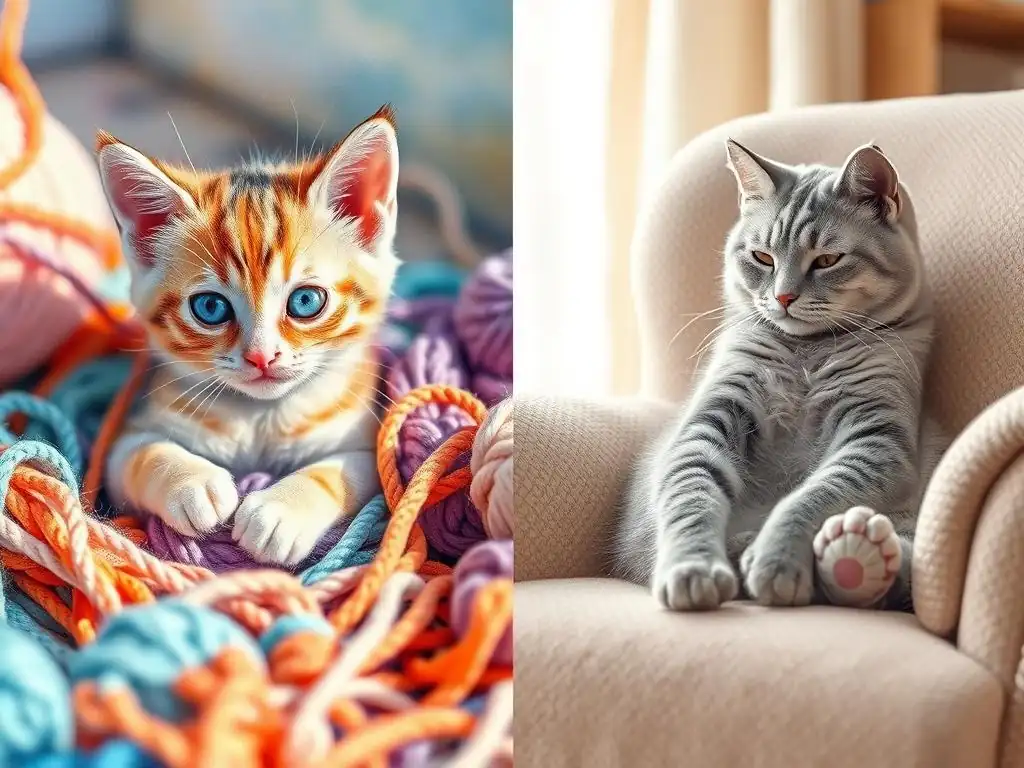
Addressing anxiety in cats requires a nuanced approach, significantly impacted by the cat's age. Kittens and senior cats, while both susceptible to anxiety, exhibit different symptoms and respond differently to treatment. Therefore, a "one-size-fits-all" strategy is ineffective. Understanding these age-related differences is crucial for effective anxiety management.
For example, a playful kitten might exhibit excessive vocalization and hyperactivity when anxious, while a senior cat might display lethargy, hiding, or changes in appetite. This section will delve into the specific strategies tailored to each age group, focusing on medication, behavioral modification, and environmental enrichment. The goal is to provide senior cat anxiety solutions, as well as effective strategies for kittens.
Medication Options: Differences in Dosage and Approach
Medication can be a valuable tool in managing feline anxiety, but its application varies considerably depending on the cat's age and overall health. Kittens, due to their still-developing systems, require lower dosages and careful monitoring. Veterinarians often opt for milder medications and closely observe for any adverse reactions. The medication selection also considers the kitten's growth and potential interactions with other medications they might be receiving. For example, a kitten with a concurrent infection might receive a different anxiolytic than a healthy kitten.
Conversely, senior cats often have pre-existing health conditions that must be considered when prescribing medication for anxiety. Kidney or liver issues, common in older cats, can significantly impact medication metabolism and necessitate adjustments in dosage and even medication choice. The veterinarian will conduct a thorough health assessment before prescribing any medication, prioritizing the cat's overall well-being and minimizing potential side effects.
This careful approach ensures the senior cat anxiety solutions are both effective and safe. The selection process prioritizes medications with fewer potential interactions with other medications the senior cat might be taking for conditions such as arthritis or hyperthyroidism. Regular blood work is often recommended to monitor the medication's effectiveness and detect any potential problems.
Behavioral Modification Techniques: Adapting Strategies to Age and Ability
Behavioral modification techniques form a cornerstone of anxiety management in both kittens and senior cats. However, the approach must be tailored to their different capabilities and learning styles. Kittens, being more energetic and playful, respond well to positive reinforcement training. Techniques like clicker training can be highly effective in associating positive experiences with calming behaviors. Patience and consistency are key, as kittens have shorter attention spans. Positive reinforcement focuses on rewarding desired behaviors, like calmness during stressful situations, rather than punishing unwanted anxieties. This builds positive associations and helps the kitten learn to self-regulate.
Senior cats, on the other hand, may have physical limitations or cognitive decline that influence their ability to learn new behaviors. Therefore, the focus shifts to creating a predictable and safe environment that minimizes stressors. Gentle handling, quiet playtime, and a consistent routine can significantly reduce anxiety levels. Instead of intense training sessions, short, positive interactions are preferred.
For example, a senior cat might benefit more from a quiet petting session than a vigorous play session. This approach ensures that the senior cat anxiety solutions are adapted to the cat's physical and cognitive capabilities. The goal is to create a comfortable and secure environment where the cat feels safe and relaxed.
Environmental Enrichment: Tailoring the Environment to Specific Needs
Environmental enrichment plays a crucial role in managing feline anxiety, regardless of age. However, the specific enrichment strategies differ for kittens and senior cats. Kittens benefit from stimulating environments that provide opportunities for play, exploration, and climbing. Providing ample vertical space, such as cat trees, allows them to feel secure and in control. Interactive toys and puzzle feeders stimulate their minds and prevent boredom, reducing the likelihood of anxiety-related behaviors. A variety of textures and surfaces also provides sensory stimulation.
For senior cats, the focus shifts to creating a calm and secure environment that minimizes stress. This might involve providing soft bedding, quiet resting areas away from household activity, and easy access to food and water. Reducing environmental stressors, such as loud noises or sudden movements, is crucial. Providing a safe, warm, and comfortable space that promotes relaxation is paramount.
Senior cats often appreciate the stability and predictability of a well-structured environment. This approach contributes significantly to effective senior cat anxiety solutions by reducing triggers and promoting a sense of security. Careful consideration should be given to the cat’s physical limitations; for instance, providing low-level food and water bowls might be necessary.
The Role of Veterinary Care: Diagnosis and Treatment Plans
Addressing anxiety in cats, especially senior cats, necessitates a crucial first step: a comprehensive veterinary examination. This isn't merely about addressing immediate symptoms; it's about identifying the underlying cause of the anxiety. Many conditions, often unseen by the untrained eye, can mimic anxiety symptoms.
For instance, hyperthyroidism in older cats can lead to increased restlessness and agitation, easily mistaken for anxiety. Similarly, cognitive dysfunction syndrome (CDS), a common age-related condition in cats, presents with behavioral changes that overlap significantly with anxiety. A thorough physical examination, including blood work and potentially imaging, is essential to rule out these and other medical conditions.
The veterinarian's role extends beyond diagnosis. They'll work with you to develop a tailored treatment plan. This plan might involve medication, particularly if the anxiety is severe or stems from an underlying medical issue. Anti-anxiety medications, such as selective serotonin reuptake inhibitors (SSRIs) or other anxiolytics, can be incredibly helpful in managing symptoms, allowing the cat to experience greater comfort and calmness.
However, it's crucial to remember that medication should be considered a tool within a broader management strategy, not a standalone solution. The veterinarian will carefully monitor the cat's response to medication, adjusting dosages or switching medications as needed to optimize efficacy and minimize side effects. Regular check-ups are vital to ensure the medication continues to be effective and safe for the aging cat. Furthermore, the vet can provide valuable guidance on integrating behavioral modification techniques with medication for the best outcome.
This collaborative approach ensures the cat receives the most comprehensive and effective care. Ignoring the veterinary aspect of managing anxiety in senior cats can lead to a worsening of symptoms and a diminished quality of life for your beloved companion. Therefore, a visit to the veterinarian should always be the first step in addressing senior cat anxiety.
Long-Term Management and Prevention of Cat Anxiety
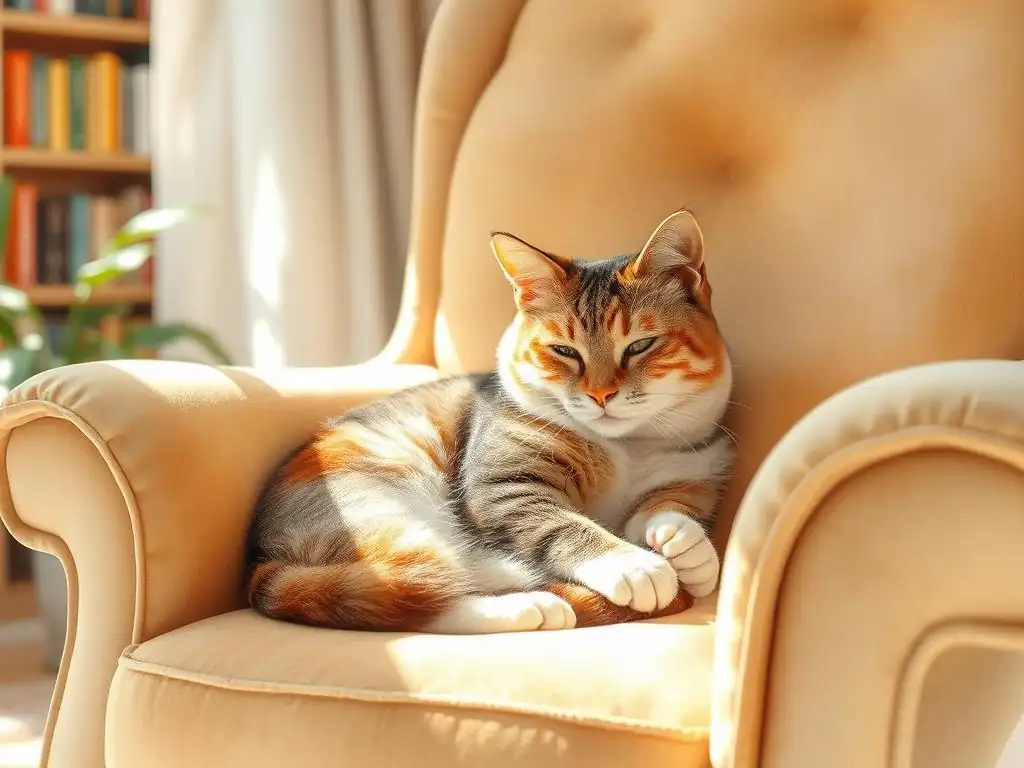
Addressing cat anxiety, especially in senior felines, requires a holistic and long-term approach. Simply treating acute anxiety episodes isn't sufficient; proactive measures are crucial for preventing future occurrences and improving your cat's overall quality of life. This section focuses on strategies for sustained anxiety management and preventative care, particularly relevant for senior cats whose anxieties can be exacerbated by age-related changes. We'll explore how ongoing monitoring, routine maintenance, and strengthening your bond contribute to a calmer, more secure life for your aging companion. Remember, patience and consistency are key in managing senior cat anxiety solutions.
Ongoing Monitoring and Assessment: Recognizing Changes in Behavior
Regular observation is paramount in managing senior cat anxiety. Age-related changes can subtly manifest as increased anxiety. These changes may not be immediately obvious, requiring attentive monitoring. For example, a normally playful cat might become withdrawn, exhibiting decreased appetite or increased sleeping. Conversely, a typically calm cat might display increased vocalization, restlessness, or even aggression.
Keep a detailed behavioral log. Note the frequency, duration, and intensity of anxious behaviors. This log acts as a valuable tool for identifying triggers and tracking the effectiveness of implemented strategies. Record any changes in your cat's eating habits, litter box use, grooming patterns, and interactions with you and other household members. Even seemingly insignificant changes can be indicators of underlying anxiety. Consider using a simple chart or spreadsheet to organize your observations. For instance:
| Date | Time | Behavior Observed | Severity (1-5) | Possible Trigger | Notes |
|---|---|---|---|---|---|
| 2024-10-27 | 8:00 AM | Hiding under the bed | 4 | Loud noise | Seemed startled by the garbage truck |
| 2024-10-27 | 6:00 PM | Increased vocalization | 3 | Dusk | More meows than usual at nightfall |
| 2024-10-28 | 10:00 AM | Refusal to eat | 2 | Unknown | Left food untouched for several hours |
This detailed record helps you and your veterinarian pinpoint potential triggers and assess the effectiveness of your management plan. Early detection of escalating anxiety allows for timely intervention, preventing it from becoming a more significant problem. Remember to consult your veterinarian if you observe any significant or persistent changes in your cat's behavior.
Maintaining a Consistent Routine: Providing Stability and Predictability
Senior cats thrive on predictability. A consistent daily routine minimizes unexpected changes that can trigger anxiety. This involves establishing regular feeding times, playtime, grooming sessions, and sleep schedules. Maintain consistent locations for food, water, litter boxes, and resting areas. Avoid sudden shifts in furniture arrangement or household routines. The more predictable your cat's environment, the less likely it is to experience anxiety-inducing surprises.
Consider using pheromone diffusers or sprays designed to calm cats. These products mimic feline facial pheromones, promoting a sense of security and reducing stress. Ensure that these products are used as directed, and consult your veterinarian if you have any concerns. A consistent, predictable environment creates a sense of safety and reduces the likelihood of anxiety-provoking situations. Think of it as providing a comforting sanctuary for your aging feline friend.
Building a Strong Bond with Your Cat: Trust and Companionship
A strong bond with your cat is a powerful tool in managing anxiety. Spend quality time engaging in activities your cat enjoys, such as gentle petting, brushing, or interactive play. Use positive reinforcement techniques, rewarding calm behavior with treats or praise. This strengthens the positive association between your presence and a feeling of safety and security. This is especially vital for senior cats who may be experiencing age-related cognitive decline or physical limitations.
Engage in calming activities together. Soft music, gentle touch, and quiet companionship can significantly reduce anxiety levels. Avoid stressful interactions, such as forceful handling or loud noises. Prioritize creating a calm and peaceful atmosphere in your home. The emotional support you provide can significantly contribute to reducing your cat's anxiety and improving its overall well-being. Remember, a loving and supportive environment is crucial for a senior cat's mental health. 😻
Resources and Further Support for Cat Owners
Addressing senior cat anxiety requires a multifaceted approach. While the strategies outlined earlier provide a solid foundation, seeking professional help can significantly enhance your success in managing your feline companion's anxieties. Remember, early intervention is key, and don't hesitate to reach out for support when needed. The emotional well-being of your senior cat is paramount.
Finding a Qualified Veterinarian: Expert Advice and Guidance
A veterinarian is your first line of defense when dealing with senior cat anxiety. They can rule out underlying medical conditions that might be contributing to the anxiety, such as hyperthyroidism, cognitive dysfunction syndrome (CDS), or pain. Many veterinarians are also well-versed in behavioral issues and can offer valuable advice and guidance. Look for a veterinarian with experience in feline geriatrics or who has expressed an interest in animal behavior.
A thorough physical examination, combined with a detailed discussion of your cat's behavior, will help your vet determine the best course of action. Don't hesitate to ask questions; a good vet will be happy to explain their diagnosis and recommendations clearly. They may suggest blood work to rule out underlying medical issues or recommend specific medications to help manage anxiety symptoms.
Remember to always be upfront about the full extent of your cat's behavioral changes. This information is crucial for accurate diagnosis and effective treatment. Furthermore, building a strong relationship with your veterinarian is essential for ongoing care and support, particularly for senior cats whose needs may change frequently.
Certified Cat Behaviorists: Specialized Help for Complex Cases
If your senior cat's anxiety is severe or doesn't respond to initial treatments, seeking help from a certified cat behaviorist is highly recommended. These professionals possess specialized knowledge and training in feline behavior and can provide tailored solutions to address complex cases. Certified cat behaviorists can perform thorough behavioral assessments to pinpoint the root causes of your cat's anxiety.
They may use a variety of techniques, including environmental modifications, training, and in some cases, medication management in conjunction with veterinary advice. They can also offer guidance on managing specific anxiety triggers and creating a more calming environment for your senior cat.
Finding a certified behaviorist might require some research, but the investment in their expertise can be invaluable in helping your cat live a more comfortable and less stressful life. The cost may vary depending on location and the complexity of the case, but the improved quality of life for your senior cat often makes it worthwhile.
Online Resources and Support Groups: Connecting with Other Cat Owners
Connecting with other cat owners facing similar challenges can provide invaluable support and practical advice. Numerous online forums and support groups cater specifically to cat owners, offering a platform to share experiences, ask questions, and learn from others. These communities can be a source of comfort and encouragement, particularly during challenging times.
You can learn about various coping mechanisms, management strategies, and even find recommendations for specific products or services that have helped other cat owners manage senior cat anxiety. Remember that sharing your experiences can also help others. The collective knowledge and support within these online communities can be a powerful tool in your journey to helping your senior cat overcome anxiety.
This social aspect, alongside professional guidance, can greatly improve your ability to provide the best possible care and support for your aging feline companion. Searching online for "senior cat anxiety support groups" or similar terms will reveal many valuable resources.
Frequently Asked Questions
How does aging affect a cat's anxiety?
As cats age, they can experience cognitive decline similar to dementia in humans, leading to increased anxiety, confusion, and disorientation. Physical changes and decreased mobility can also contribute to fear and stress.
What are some common signs of anxiety in senior cats?
Look for changes in sleeping patterns, increased vocalization, hiding, aggression, house soiling, or loss of appetite. Changes in interaction with family members are also important indicators.
Are there specific anxiety solutions tailored for senior cats?
Yes, gentle approaches are crucial. Avoid sudden changes in routine. Pheromone diffusers, environmental enrichment, and veterinary consultations for medication are key elements of senior cat anxiety solutions.
How can I make my senior cat's environment more calming?
Create a safe and predictable space with familiar objects and comfortable resting places. Reduce stressors like loud noises and sudden movements. Consider using calming music or pheromone sprays.
When should I seek professional veterinary help for my senior cat's anxiety?
Consult your vet if anxiety symptoms are severe, interfering with daily life, or if you see a sudden and significant change in your cat's behavior. They can rule out underlying medical conditions and recommend appropriate treatment.
Final Reflection: Understanding and Addressing Anxiety Across a Cat's Lifetime
The anxieties faced by our feline companions, from playful kittens to wise elders, are a pervasive reality demanding our understanding and compassion. Failing to address these anxieties not only diminishes their quality of life but also weakens the precious bond we share. This is not merely a matter of managing symptoms; it's about fostering a lifetime of security and well-being for our beloved cats.
The journey of understanding feline anxiety, as explored in this article, highlights the crucial need for tailored approaches based on age and individual personality. The subtle shifts in behavior, often masked by the stoicism inherent in cats, can easily be misinterpreted. Recognizing these changes, whether it's a kitten's fear of new environments or a senior cat's increased clinginess, is the first step towards effective intervention. The best way to find yourself is to lose yourself in the service of others.
– Mahatma Gandhi. This quote, while not directly about cats, speaks to the profound connection we build through caring for them, and understanding their anxieties deepens this bond.
Now, consider your own cat. Reflect on their behavior, their quirks, and the subtle signs they might be exhibiting. Are they exhibiting signs of anxiety? Take the time to observe, learn, and adapt your approach to their specific needs. Remember, the solutions presented in this article are not a one-size-fits-all; they are a starting point for a journey of understanding and compassionate care. By embracing this journey, you can help your feline friend live a happier, healthier, and less anxious life, enriching both their existence and your own.
Unleash Your Cat's Purrfect Potential: Tailored Anxiety Solutions
Thank you for learning about cat anxiety and how a cat's age affects its symptoms. We hope you gained valuable insights into understanding and addressing your cat's unique needs. Now, let's put that knowledge to work!
Here's what you can do next:
- Try one calming technique from the article that best suits your cat's personality and age. Start with a small change, watch your cat closely, and celebrate even the smallest successes!
- Share this article with other cat lovers – helping others understand feline anxiety is incredibly rewarding.
- Consider using additional calming methods, such as pheromone diffusers or calming treats, for a holistic approach to managing your cat's anxiety.
Ready to make a real difference in your cat's life? What small step will you take today to ease your cat's anxiety and improve their well-being?