
Travel Vaccinations for Cats: Essential Protection on the Go


Welcome to PetCareWorld, your ultimate guide to happy and healthy pets! Are you planning an adventure with your feline companion? Then understanding cat travel vaccination requirements is crucial. Discover essential information and expert advice to ensure your cat's safety and well-being throughout your journey. Dive in and learn how to prepare your furry friend for a smooth and stress-free trip!
- Understanding Cat Travel Vaccination Requirements
- Preparing Your Cat for Travel Vaccinations
- International Cat Travel Vaccination Requirements: A Regional Overview
- Essential Documents and Travel Carriers for Your Vaccinated Cat
- Potential Risks and Complications of Cat Travel Vaccinations
- Maintaining Vaccination Records and Future Travel Plans
-
Frequently Asked Questions
- What vaccinations are essential for cats traveling internationally?
- How far in advance should I get my cat's travel vaccinations?
- Are there any other health certificates or documents needed besides vaccinations?
- What if my cat has an underlying health condition? Can it still travel?
- My cat is only traveling domestically; does it still need vaccinations?
- Final Reflection: Protecting Our Feline Companions: A Journey of Responsibility
- Unleash Your Cat's Adventure: Safe Travels Start Now!
Understanding Cat Travel Vaccination Requirements
Planning a trip with your feline companion? Ensuring your cat's health and safety is paramount, and a crucial aspect of responsible pet travel involves understanding and adhering to the necessary vaccination protocols. This comprehensive guide delves into the specific vaccination requirements for cats traveling both domestically and internationally, clarifying the essential shots needed to protect your furry friend and ensure a smooth journey.
We'll explore core vaccinations, the legal implications of rabies vaccination, and the importance of considering FeLV and FIV vaccinations depending on your destination and your cat's overall health profile. Navigating the sometimes complex world of pet travel vaccinations can be daunting, but with the right information, you can confidently prepare for a safe and enjoyable trip with your beloved cat. This guide will equip you with the knowledge to understand "Cat travel vaccination requirements" and make informed decisions to protect your cat's well-being.
Core Vaccinations for Domestic and International Travel
Before embarking on any journey with your cat, regardless of distance, certain core vaccinations are generally recommended by veterinarians. These vaccinations offer protection against common and potentially serious feline illnesses. The specific core vaccines may vary slightly depending on your location and your veterinarian's recommendations, but typically include:
- FVRCP (Feline Viral Rhinotracheitis, Calicivirus, and Panleukopenia): This combination vaccine protects against three highly contagious viruses that can cause upper respiratory infections, oral ulcers, and a severe, often fatal, intestinal disease. Annual boosters are usually recommended to maintain immunity.
- Chlamydia: While not always included in core vaccine protocols, Chlamydia psittaci is a bacterial infection that can cause respiratory illness in cats. Your veterinarian may recommend this vaccine depending on your cat's risk factors and travel plans, especially if traveling to areas with known outbreaks.
It's crucial to consult with your veterinarian well in advance of your travel dates. They can assess your cat's individual health status, review your travel itinerary, and provide a tailored vaccination schedule that addresses any specific risks associated with your destination. Remember to bring a copy of your cat's vaccination records with you on your travels – this is often a requirement for boarding facilities and transportation providers. 🐾
Rabies Vaccination: Legal Requirements and International Standards
Rabies vaccination is often a legal requirement for international travel, and it's also highly recommended for domestic travel, especially if your cat will be interacting with other animals or the public. Rabies is a fatal viral disease, and preventing its spread is a top priority for animal health authorities worldwide.
The specific requirements for rabies vaccination vary significantly between countries. Some countries require a specific type of rabies vaccine, administered according to a strict protocol, and often necessitate a waiting period after vaccination before your cat can travel. This waiting period allows time for the vaccine to become fully effective. Furthermore, many countries require an official health certificate issued by a licensed veterinarian, attesting to your cat's rabies vaccination status and confirming compliance with their specific import regulations.
Failing to meet these requirements can result in quarantine or even the refusal of entry for your cat. Therefore, thorough planning and early consultation with both your veterinarian and the relevant authorities in your destination country are essential. 💉
Feline Leukemia Virus (FeLV) and Feline Immunodeficiency Virus (FIV) Vaccinations for Travel
While not always mandatory for travel, vaccinations against Feline Leukemia Virus (FeLV) and Feline Immunodeficiency Virus (FIV) are strongly considered, particularly for cats who will be exposed to other cats during travel, such as in boarding facilities or during extended stays in unfamiliar environments. These viruses can weaken your cat's immune system, making them more susceptible to other infections.
FeLV is transmitted through saliva, nasal secretions, and blood, while FIV is primarily spread through bites. Vaccination can significantly reduce the risk of infection, although it's not a guarantee of complete protection. The decision to vaccinate against FeLV and FIV should be made in consultation with your veterinarian, considering your cat's individual risk factors and the specific circumstances of your travel plans.
Remember that these viruses are often prevalent in areas with high cat populations, increasing the risk of exposure during travel. Your veterinarian can help you assess this risk and determine the best course of action for your cat's well-being. 😻
Other Recommended Vaccinations Based on Destination and Risk Factors
Beyond the core feline vaccinations, your veterinarian might recommend additional vaccines depending on your cat's destination and potential exposure risks. This is crucial for ensuring comprehensive protection against diseases prevalent in specific regions. For instance, traveling to areas with a higher incidence of feline leukemia virus (FeLV) might necessitate an FeLV vaccination, even if your cat is an indoor cat. The risk assessment is paramount; an indoor cat traveling to a rural area with a higher likelihood of wild feline interactions presents a different risk profile than a cat staying within a major metropolitan city.
Understanding these regional variations is key. Some countries have stricter import/export regulations regarding specific diseases. Your veterinarian will be aware of these regulations and can advise you on the necessary vaccinations to meet these requirements. They will consider factors like the duration of your trip, the type of environment your cat will be exposed to (e.g., boarding facility, rural area, another household), and the prevalence of specific diseases in the destination area. This personalized approach ensures your cat receives the most appropriate and effective protection. Failure to consider these factors could leave your feline companion vulnerable to preventable illnesses.
For example, a trip to a tropical or subtropical climate might necessitate vaccinations against diseases more common in warmer regions. Your vet will be able to provide a detailed list of recommended vaccinations based on your specific travel plans. Remember, proactive vaccination is far better than reactive treatment. Preventing illness through vaccination is significantly less stressful for your cat and far more cost-effective in the long run.
It's always better to err on the side of caution and discuss all potential risks with your veterinarian before embarking on any travel plans with your cat. They can provide a detailed vaccination schedule, tailored to your specific circumstances, ensuring your beloved feline friend stays healthy and happy throughout your journey. This comprehensive approach to vaccination addresses the nuances of "Cat travel vaccination requirements," ensuring a safe and enjoyable experience for both you and your pet.
Preparing Your Cat for Travel Vaccinations

This section focuses on the crucial steps to take before your cat receives their travel vaccinations, ensuring a smooth and safe journey. Understanding these preparatory measures is as vital as the vaccinations themselves for fulfilling cat travel vaccination requirements. Proper planning minimizes stress for both you and your feline companion.
Scheduling Vaccinations: Timing and Pre-Travel Consultations
Scheduling your cat's travel vaccinations requires careful planning and proactive communication with your veterinarian. The timing of vaccinations is critical, as many require a certain period to become fully effective. This timeframe varies depending on the destination and the specific vaccines required. For example, some countries mandate rabies vaccinations at least 21 days before entry. Others may have more stringent requirements, possibly including booster shots.
It's imperative to schedule a pre-travel consultation well in advance of your planned departure. During this consultation, your vet will:
- Determine your destination: This is the first step. Knowing the specific country or region you're traveling to allows your vet to identify the exact cat travel vaccination requirements.
- Assess your cat's current health: A thorough health check ensures your cat is fit enough to receive vaccinations and withstand the stress of travel. Pre-existing conditions may necessitate adjustments to the vaccination schedule or even postpone the trip.
- Recommend necessary vaccines: Based on destination-specific regulations and your cat's health, your vet will recommend the appropriate vaccines. This might include rabies, feline leukemia virus (FeLV), feline herpesvirus (FHV-1), and feline calicivirus (FCV).
- Discuss potential side effects: Your vet will explain potential side effects of the vaccinations, helping you prepare and manage any reactions. This is crucial for managing expectations and ensuring a smooth post-vaccination period.
- Provide travel documentation: Your vet will provide the necessary health certificates and documentation required by your destination. This paperwork is essential for complying with entry requirements and avoiding delays or complications upon arrival.
Remember, proactive scheduling is key. Don't leave vaccination arrangements to the last minute. The earlier you consult your vet, the better prepared you'll be.
Pre-Vaccination Health Check: Assessing Your Cat's Fitness for Travel
Before administering any vaccinations, a comprehensive health check is paramount. This pre-vaccination assessment ensures your cat is in optimal condition to receive the vaccines and handle the stresses of travel. A healthy cat is better equipped to cope with the journey and any potential side effects from the vaccinations.
The health check typically includes:
- Physical examination: This involves a visual inspection, palpation, and auscultation to detect any abnormalities.
- Blood tests: These may be necessary to assess organ function and detect any underlying health issues.
- Parasite screening: Checking for internal and external parasites is crucial to prevent potential complications during travel.
- Review of medical history: Providing your vet with a complete medical history, including previous vaccinations and illnesses, helps them tailor the vaccination plan to your cat's specific needs.
Ignoring a pre-existing condition could lead to adverse reactions to the vaccinations or worsen the condition during travel. A thorough health check is a critical investment in your cat's well-being. It's better to postpone travel if your cat's health isn't up to par.
Choosing a Veterinarian: Expertise in Travel Medicine for Cats
Selecting the right veterinarian is crucial for ensuring your cat receives the appropriate vaccinations and necessary documentation for international travel. Not all vets are equally experienced in handling travel-related pet healthcare. Look for a veterinarian with expertise in feline travel medicine.
Here's what to consider when choosing a vet:
- Experience with international travel requirements: Confirm that your veterinarian is familiar with the specific cat travel vaccination requirements for your destination. This ensures they can provide accurate advice and the correct documentation.
- Access to necessary vaccines: Ensure the vet has access to the specific vaccines required for your destination. Some vaccines might be less common and require special ordering.
- Availability and responsiveness: Choose a vet with convenient appointment times and responsive communication. This is essential for timely vaccination scheduling and addressing any concerns.
- Reputation and reviews: Check online reviews and seek recommendations from other pet owners to find a reputable and trustworthy veterinarian.
Choosing a veterinarian experienced in travel medicine for cats significantly reduces the risk of errors or delays in obtaining the necessary documentation. It's an investment in peace of mind and a smooth travel experience for both you and your feline companion. This careful selection is a key component in meeting cat travel vaccination requirements effectively.
International Cat Travel Vaccination Requirements: A Regional Overview
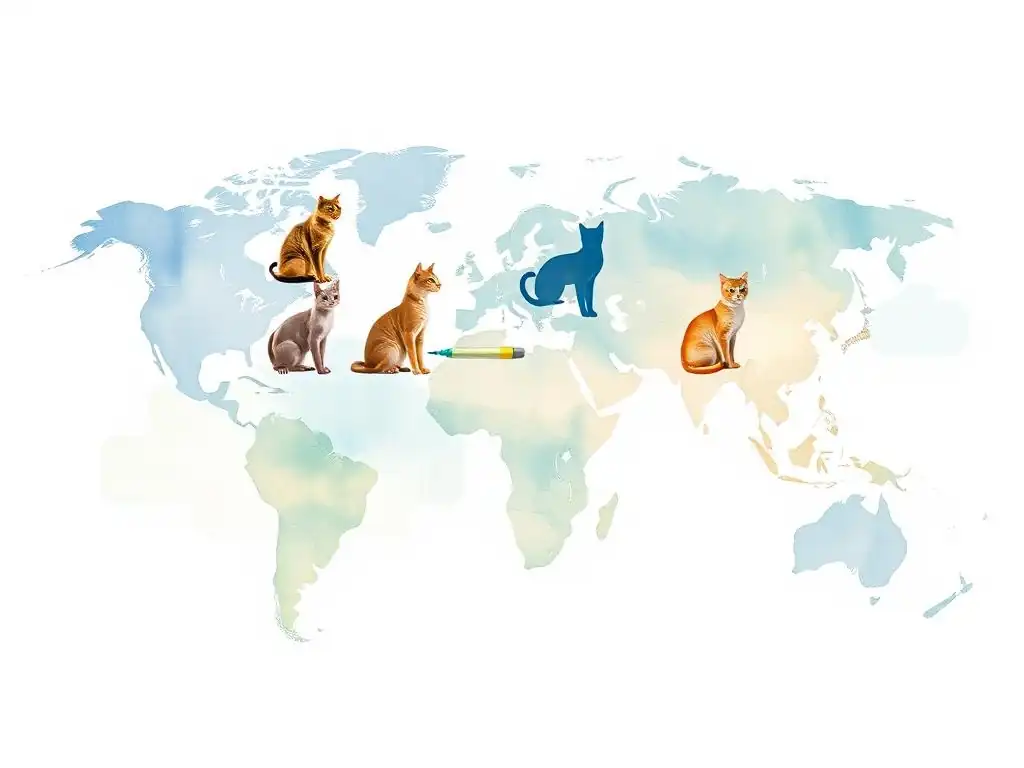
This section details the varying cat travel vaccination requirements across different regions globally. Understanding these regulations is crucial for responsible pet ownership and ensures a smooth travel experience for both you and your feline companion. Failure to comply with these requirements can lead to delays, quarantine, or even prevent your cat from entering a country. Always check the most up-to-date information with your veterinarian and the relevant embassy or consulate before you travel. This information is for guidance only and should not be considered a substitute for professional veterinary advice.
Cat Travel Vaccination Requirements: North America
North American cat travel vaccination requirements vary significantly depending on the specific country and even the state or province. Generally, rabies vaccination is a mandatory requirement for most international travel within North America and for entry into the US from other countries. However, the timing of the vaccination and any additional boosters needed will depend on the destination and your cat's age and vaccination history.
Some regions might also require proof of other vaccinations, such as feline leukemia virus (FeLV) or feline infectious peritonitis (FIP), although these are less common than rabies. Import permits might be needed for certain breeds or circumstances. For example, bringing a cat from Canada to the United States often involves less stringent requirements compared to importing a cat from another continent.
It’s vital to contact the appropriate agricultural or animal health authorities of your destination well in advance of your travel dates. The specific requirements for crossing borders within North America (such as between the US and Canada or Mexico) are subject to change and differ from the requirements for international travel. Always check the latest regulations on the official government websites for the most accurate and up-to-date information. This includes checking for any necessary quarantine periods.
Cat Travel Vaccination Requirements: Europe
European Union (EU) countries generally have harmonized pet travel regulations under the Pet Passport scheme. This simplifies the process, but strict adherence is crucial. The core requirement is a valid rabies vaccination administered by a veterinarian authorized to issue an EU pet passport. The cat must be microchipped, and a blood test to check rabies antibodies may be required depending on the country of origin and destination.
Outside of the EU, individual countries within Europe have their own specific regulations. Countries like the UK, Switzerland, and Norway, while geographically close to the EU, have separate entry requirements for cats. These requirements often include a rabies vaccination, microchip, and possibly further health certifications. Always confirm the exact requirements with the relevant embassy or consulate of your destination country, well in advance of your travel date. A delay in obtaining the necessary documentation can significantly impact your travel plans.
The EU's rules are complex and regularly updated. Failing to meet the precise stipulations can result in your cat being denied entry, facing quarantine, or even being returned to its country of origin. Consult your veterinarian and the relevant authorities to ensure compliance.
Cat Travel Vaccination Requirements: Asia
Asian countries exhibit a wide range of cat travel vaccination requirements, with significant variations between nations. Rabies vaccination remains a universal necessity for almost all countries in Asia, but the specific requirements surrounding the timing of the vaccination, blood tests, and additional documentation can vary significantly. Some countries may also require specific health certificates from accredited veterinarians.
For instance, importing a cat to Japan involves a lengthy process with strict quarantine measures. Similarly, bringing a cat into Singapore or South Korea has detailed procedures and often requires an extensive health check and a specific period of quarantine upon arrival. In contrast, other countries in Asia may have less rigorous regulations, but this can change rapidly.
Before traveling to any Asian country with your cat, it's absolutely essential to contact the relevant embassy or consulate months in advance. Obtain detailed information concerning the specific vaccination requirements, any necessary health certificates, quarantine procedures, and import permits. This proactive approach will ensure a smooth journey and prevent potential issues at the border. Remember that even seemingly minor discrepancies in documentation can lead to significant delays or refusal of entry. Plan carefully and thoroughly.
Cat Travel Vaccination Requirements: Australia and Oceania
Australia and Oceania present a relatively consistent, albeit stringent, approach to cat import regulations. The specific requirements vary slightly between countries, but generally involve a comprehensive health check performed by an accredited veterinarian within a specific timeframe before travel. This check often includes tests for feline leukemia virus (FeLV) and feline immunodeficiency virus (FIV), in addition to rabies vaccination. It's crucial to note that even though rabies is not endemic in Australia, a rabies vaccination is usually still mandated, often with a waiting period of at least 21 days post-vaccination before the cat can enter the country.
Furthermore, microchipping is a standard requirement across the region, ensuring easy identification and traceability. Import permits are also generally necessary and must be obtained well in advance of travel. The exact documentation and waiting periods vary depending on the specific destination within Australia and Oceania, so checking with the relevant authorities in the target country—like the Australian Department of Agriculture, Water and the Environment or the equivalent agency in New Zealand or other island nations—is absolutely essential. Failure to comply with these regulations can lead to quarantine periods, hefty fines, or even the refusal of entry for your feline companion.
Planning ahead and meticulously gathering all necessary documentation is paramount for a smooth and stress-free travel experience for both you and your cat. Thorough preparation will minimize disruptions and potential setbacks. Remember to consult your veterinarian well in advance of your travel dates to ensure your cat receives all necessary vaccinations and meets the health requirements.
Cat Travel Vaccination Requirements: South America and Africa
South America and Africa present a diverse landscape of cat travel vaccination requirements, significantly influenced by the presence or absence of rabies in specific regions. In countries where rabies is endemic, a current rabies vaccination is almost universally mandatory. This often necessitates a specific waiting period after vaccination before travel is permitted, typically ranging from 21 to 30 days. Beyond rabies, other vaccinations might be recommended or required, depending on the specific country and its prevalent diseases. These could include vaccinations against feline panleukopenia, feline herpesvirus, and feline calicivirus.
Import permits are usually necessary, and the process can be quite involved, often requiring veterinary health certificates and other supporting documentation. The specific requirements can change frequently, so consulting the relevant embassy or consulate of your destination country well in advance is crucial. Additionally, some countries might have specific quarantine periods upon arrival, which can range from a few days to several weeks. The variability between different regions within South America and Africa emphasizes the importance of thorough research and meticulous planning.
For instance, the requirements for importing a cat into Brazil might differ significantly from those in Argentina or even within different states of a single country. Similarly, the regulations for entering South Africa might vary from those in Kenya or Tanzania. It's also advisable to consult with your veterinarian, who can provide tailored advice based on your specific travel plans and your cat's health profile. Remember, neglecting these requirements could result in delays, fines, or even prevent your cat from entering the country.
Essential Documents and Travel Carriers for Your Vaccinated Cat

Even with the necessary cat travel vaccination requirements met, a smooth journey requires meticulous planning beyond just the shots. Successfully navigating the complexities of pet travel hinges on possessing the correct documentation and providing your feline companion with a secure and comfortable travel carrier. Failure to do so can lead to significant delays or even prevent your cat from traveling. Let's delve into the crucial details.
Obtaining Health Certificates and Veterinary Documentation
Securing the appropriate health certificates is paramount. These certificates, issued by your veterinarian, typically verify your cat's health status, including vaccination records, and confirm that they meet the specific cat travel vaccination requirements of your destination. The exact requirements vary considerably depending on your destination country and even the specific airline. Some countries may demand specific vaccinations against rabies, feline leukemia, or other diseases, while others might have stricter quarantine periods.
It's crucial to start this process well in advance of your travel date – ideally, several weeks prior. This allows ample time for any necessary vaccinations to take effect and for the paperwork to be processed correctly. Don't hesitate to contact the relevant embassies or consulates of your destination country to ascertain the precise requirements. They often provide detailed guidelines on pet import regulations.
Remember to keep copies of all documentation, both physical and digital, for easy access during your trip. Losing these documents can create significant complications. A well-organized travel binder or a secure digital folder can prove invaluable.
Choosing a Safe and Comfortable Travel Carrier for Your Cat
The choice of a suitable travel carrier is crucial for your cat's well-being and comfort during the journey. A cramped or poorly ventilated carrier can induce stress and discomfort. Consider these factors when selecting a carrier:
- Size: The carrier should be large enough for your cat to stand, turn around, and lie down comfortably. Avoid carriers that are too small, as this can cause significant stress and anxiety.
- Ventilation: Adequate ventilation is essential to prevent overheating. Opt for carriers with multiple vents or mesh panels.
- Security: The carrier should be sturdy and secure, with a reliable fastening mechanism to prevent escapes. Consider carriers with multiple latching systems for added safety.
- Comfort: Line the carrier with soft bedding to provide a comfortable and familiar environment for your cat. Familiar scents, like a lightly sprayed blanket with catnip (in moderation! ), can help reduce anxiety.
- Airline Compliance: Ensure the carrier meets the specific size and type requirements of your chosen airline. Airlines often have strict dimensions and material specifications for pet carriers.
Remember, a stressed cat is more likely to become ill. Investing in a high-quality, comfortable carrier is an investment in your cat’s well-being and a smoother travel experience for both of you. Consider the carrier's weight too, as you will be responsible for carrying it at times.
Airline Regulations and Pet Travel Policies
Airline policies regarding pet travel vary significantly. Some airlines have more stringent requirements than others, and the rules can change frequently. Thoroughly researching the specific pet travel policies of your chosen airline is absolutely essential. This research should be done well in advance of your travel date.
Key aspects to consider include:
- Breed Restrictions: Some airlines may have restrictions on certain breeds or types of animals.
- Size and Weight Limits: Airlines often have strict limits on the size and weight of both the pet and its carrier. Exceeding these limits can lead to travel refusal.
- Documentation Requirements: Airlines may require additional documentation beyond the health certificate, such as proof of ownership or microchip information.
- In-cabin vs. Cargo: Depending on the size and breed of your cat, you may have the option of bringing your cat in the cabin or shipping it as cargo. In-cabin travel is generally preferred for smaller cats to minimize stress. Cargo travel requires more stringent preparation and monitoring.
- Booking and Fees: Booking your pet's travel often requires advance notice and may incur additional fees.
Failing to adhere to airline regulations can result in your cat being denied boarding, leading to significant disruption and added costs. Always confirm all details directly with your airline well in advance of your departure. Careful planning and attention to detail will ensure a safe and stress-free journey for your feline companion. 😻
Potential Risks and Complications of Cat Travel Vaccinations

While cat travel vaccinations are crucial for protecting your feline companion from various diseases during travel, it's essential to be aware of potential risks and complications. Understanding these potential issues allows for proactive management and ensures your cat's safety and well-being throughout the journey. Remember, responsible pet ownership includes being informed about both the benefits and potential drawbacks of veterinary procedures. The goal is to minimize risks and maximize the positive impact of vaccination.
Adverse Reactions and Side Effects: Monitoring Your Cat's Health
Adverse reactions to vaccines, though rare, can occur. These can range from mild discomfort at the injection site (such as swelling, redness, or slight pain) to more serious reactions, including fever, lethargy, loss of appetite, and in rare cases, anaphylaxis. Careful monitoring of your cat's health post-vaccination is paramount.
After your cat receives their travel vaccinations, closely observe them for 24-48 hours. Note any changes in behavior, appetite, or energy levels. Symptoms like excessive lethargy, vomiting, diarrhea, or difficulty breathing require immediate veterinary attention. Keep a record of your cat's vaccination details, including the date, vaccine type, and any observed reactions. This information is invaluable for future veterinary visits.
It's crucial to inform your veterinarian about any pre-existing health conditions your cat may have before administering the vaccines. Pre-existing conditions can influence the risk of adverse reactions. A thorough discussion with your vet will help determine the best course of action and minimize potential complications. Open communication with your veterinarian is key to ensuring your cat's safety.
Managing Anxiety and Stress During Travel
Travel itself can be a stressful experience for cats. The unfamiliar environment, confinement, and potential exposure to noise and other stimuli can trigger anxiety and negatively impact their immune response. This stress can affect the effectiveness of the vaccinations and increase the likelihood of adverse reactions.
Minimizing stress during travel is therefore crucial. Provide a comfortable and secure carrier lined with familiar bedding. Offer your cat access to food and water throughout the journey. Consider using pheromone sprays or diffusers to help calm your cat. If your cat is particularly anxious, consult your veterinarian about the possibility of mild sedatives – always under veterinary supervision. Remember, a calm and relaxed cat is more likely to have a positive response to the vaccination. Planning and preparation are key components in mitigating travel-related stress for your feline friend.
Post-Travel Veterinary Check-up: Ensuring Your Cat's Well-being
Even with careful planning and monitoring, a post-travel veterinary check-up is highly recommended. This check-up allows your veterinarian to assess your cat's overall health, ensuring they have not contracted any illnesses during their travels. This is particularly important if your cat has traveled internationally, where different disease risks exist.
The vet will likely conduct a physical examination, checking for any signs of illness or injury. They may also recommend additional tests, depending on your cat's travel history and any observed symptoms. This proactive approach helps to catch any potential problems early, improving the chances of successful treatment and preventing more serious health complications. Don't underestimate the importance of this final step in ensuring your cat remains healthy and happy after their journey. A healthy cat is a happy cat! 😻
Maintaining Vaccination Records and Future Travel Plans
Maintaining accurate and readily accessible vaccination records for your feline companion is crucial, especially when planning travel. This isn't just about complying with "Cat travel vaccination requirements," but ensuring your cat's ongoing health and safety. Lost or disorganized records can lead to unnecessary delays or even prevent travel altogether. Proactive record-keeping minimizes stress and maximizes your cat's well-being during journeys. Let's explore effective strategies for managing this vital information.
Storing and Organizing Your Cat's Vaccination Records
Several methods ensure efficient storage and easy access to your cat's vaccination records. Consider these options:
- Digital Storage: Scan copies of your cat's vaccination certificates and store them securely in cloud-based storage services or on your computer. This allows for easy access from anywhere with an internet connection. Remember to back up your files regularly to prevent data loss. Consider password-protecting these files for enhanced security.
- Physical File: Maintain a physical file containing original vaccination certificates and any other relevant veterinary documents. This provides a backup in case of digital issues. Label the file clearly with your cat's name and details. Keep this file in a safe, easily accessible location.
- Veterinary Clinic Records: Your veterinarian maintains comprehensive records of your cat's health history, including vaccinations. Always inform your vet about upcoming travel plans to ensure your cat's vaccination schedule aligns with the destination's requirements. They can provide you with updated records when needed.
- Dedicated Pet Health App: Many smartphone apps are designed to manage pet health records. These apps often allow you to securely store vaccination records, appointment reminders, and other important health information. Choose a reputable app with strong security features.
A well-organized system helps you quickly locate necessary information, saving you time and reducing stress when preparing for travel. Remember to always keep your contact information updated with your veterinarian.
Booster Shots and Long-Term Vaccination Strategies for Frequent Travelers
Frequent travel requires a proactive approach to vaccination. Consult your veterinarian to develop a tailored vaccination plan that accounts for your cat's travel frequency and destinations. This plan should address both core vaccines and those specific to particular regions.
The timing of booster shots is crucial. Some vaccines require boosters every year, while others may have longer intervals. Ignoring booster schedules can compromise your cat's immunity, leaving them vulnerable to diseases during travel. Your veterinarian will advise on the appropriate schedule based on your cat's individual needs and the specific vaccines administered.
For cats traveling internationally, specific vaccination protocols might be required, depending on the country of origin and destination. These requirements can be complex and vary significantly. Thorough research and consultation with your veterinarian and potentially an animal import/export specialist are essential to avoid complications. Always begin this process well in advance of your travel dates.
Planning Future Trips and Updating Vaccination Schedules Accordingly
Planning future trips requires advance preparation regarding your cat's vaccinations. This involves:
- Researching destination-specific requirements: Different countries and even regions within countries may have varying "Cat travel vaccination requirements." Research these requirements well in advance of your trip. Official government websites and veterinary resources are reliable sources of information.
- Scheduling a veterinary appointment: Once you’ve identified the necessary vaccinations, schedule a veterinary appointment well in advance of your departure date. This allows ample time for vaccinations and any potential side effects to subside before travel.
- Obtaining necessary documentation: Ensure you have all the required documentation, including vaccination certificates and any other health certificates, well before your departure. Keep copies of these documents in both physical and digital formats.
- Considering travel health insurance: Investing in pet travel insurance can provide financial protection in case of unforeseen veterinary expenses during your trip. This can offer peace of mind knowing you are covered in case of illness or injury.
By meticulously planning and documenting your cat's vaccination schedule, you ensure safe and stress-free travel for both you and your feline companion. Remember, proactive planning is key to navigating "Cat travel vaccination requirements" successfully and keeping your furry friend healthy and happy on your adventures.
Frequently Asked Questions
What vaccinations are essential for cats traveling internationally?
The specific vaccines required for international cat travel vary greatly depending on your destination country. Check with your vet and the relevant embassy or consulate well in advance of your trip to ensure compliance with all regulations. Rabies vaccination is almost always mandatory.
How far in advance should I get my cat's travel vaccinations?
It's crucial to begin the vaccination process several weeks or even months before your travel date. This allows sufficient time for the vaccines to become fully effective and for any necessary paperwork to be processed. Consult your veterinarian for a personalized schedule.
Are there any other health certificates or documents needed besides vaccinations?
Yes, in addition to vaccination records, many countries require a veterinary health certificate issued within a specific timeframe before travel. This certificate confirms your cat's health status and compliance with import regulations. Always confirm requirements with your destination's authorities.
What if my cat has an underlying health condition? Can it still travel?
Cats with pre-existing health conditions may still be able to travel, but it requires careful planning and consultation with your veterinarian. They can assess your cat's fitness for travel and advise on any necessary precautions or adjustments to the trip. Special arrangements may be needed.
My cat is only traveling domestically; does it still need vaccinations?
While international travel has stricter requirements, core vaccinations are still recommended for domestic travel, particularly if your cat will be interacting with other animals or visiting areas with a higher risk of infectious diseases. Consult your vet for domestic travel vaccination advice.
Final Reflection: Protecting Our Feline Companions: A Journey of Responsibility
The health and well-being of our feline friends are inextricably linked to our own responsible actions, and understanding the nuances of cat travel vaccinations is paramount in ensuring their safety and happiness. Failing to properly vaccinate your cat before travel can expose them to a myriad of preventable diseases, jeopardizing their health and potentially leading to devastating consequences. This is not simply a matter of paperwork; it's a commitment to their well-being.
The impact of responsible pet ownership extends far beyond the individual animal; it shapes our collective understanding of animal welfare and influences the policies and practices surrounding international pet travel. The ease and frequency with which we travel with our pets today highlight the increasing interconnectedness of our world, and with this comes a greater responsibility to protect both our animals and the ecosystems they may encounter. The bond with a pet is one of the purest and most unconditional loves a human can experience. It is our duty to protect that bond by ensuring their health and safety.
This quote encapsulates the emotional core of this issue and underscores the importance of proactive measures like proper vaccination.
Consider the implications of your next travel plan with your feline companion. Will you be prepared to navigate the complexities of international travel regulations? Will you prioritize your cat's health and safety by ensuring they receive the necessary vaccinations? You hold the power to safeguard your beloved pet's journey, ensuring a safe and enriching experience for both of you. Take the time to research your destination's specific requirements, consult with your veterinarian, and make informed decisions that prioritize your cat's well-being. Let's embark on this journey of responsible pet ownership together.
Unleash Your Cat's Adventure: Safe Travels Start Now!
Thank you for learning about feline travel vaccinations with us! You're now equipped to keep your furry friend healthy and happy while traveling. Let's ensure your cat's next adventure is a wonderful one.
- Schedule your cat's vaccination appointment today. Ensuring their travel safety shouldn't be delayed; it's the crucial first step for worry-free travel.
- Share this article with other cat owners – spreading awareness is key to responsible pet ownership.
- Create a travel checklist for your cat, including essential documents and supplies. This proactive approach will significantly reduce stress before and during your trip.
Ready to embark on exciting adventures with your feline companion, knowing they are fully protected?