
Radioactive Iodine Therapy for Feline Hyperthyroidism: Is It the Right Choice?

Welcome to PetCareWorld, your ultimate guide to a happier, healthier life for your beloved companions! Are you concerned about your feline friend's well-being? Then delve into our expert analysis of cat hyperthyroidism iodine therapy. Discover if radioactive iodine treatment is the right choice for your cat and navigate the complexities of this crucial health issue. Uncover the latest insights and empower yourself with the knowledge to make informed decisions about your cat's care. Let's explore the path to a healthier, more vibrant life for your furry family member.
- Understanding Feline Hyperthyroidism and Treatment Options
- Radioactive Iodine Therapy (RAI) for Cat Hyperthyroidism: A Detailed Look
- Is Radioactive Iodine Therapy the Right Choice for Your Cat?
- Choosing a Veterinary Specialist for Radioactive Iodine Therapy
- Long-Term Outlook and Management After Radioactive Iodine Therapy
- Frequently Asked Questions
- Final Reflection: Navigating the Choices in Feline Hyperthyroidism Treatment
- Unlock Your Cat's Healthier Future: Next Steps for Hyperthyroidism
Understanding Feline Hyperthyroidism and Treatment Options
Hyperthyroidism, an overactive thyroid gland, is a prevalent endocrine disorder affecting older cats, often manifesting after age 8. This condition arises when the thyroid gland produces excessive amounts of thyroid hormones, leading to a cascade of metabolic changes impacting various bodily functions. The resulting symptoms can significantly reduce a cat's quality of life, making effective treatment crucial. This article focuses on radioactive iodine therapy ( 131 I) as a treatment option for feline hyperthyroidism, weighing its benefits and drawbacks against more traditional methods. Understanding the disease and available treatments is paramount for pet owners facing this diagnosis, enabling informed decision-making in collaboration with their veterinarian. We will explore the symptoms, diagnostic processes, and treatment options, specifically focusing on the role of radioactive iodine therapy in managing cat hyperthyroidism and its implications for long-term feline health. Choosing the right treatment path requires careful consideration of your cat's individual health profile and your own circumstances, so let's delve into the details.
Symptoms of Hyperthyroidism in Cats
Hyperthyroidism in cats presents a wide range of symptoms, and the severity can vary greatly between individual cats. Early detection is key to effective management. Some common signs to watch out for include:
- Increased appetite: Many cats with hyperthyroidism exhibit increased hunger despite maintaining or even losing weight.
- Weight loss: Despite increased food intake, hyperthyroid cats often experience unexplained weight loss due to accelerated metabolism.
- Increased thirst and urination: Polydipsia (increased thirst) and polyuria (increased urination) are frequently observed symptoms.
- Hyperactivity: Some cats become more restless, energetic, and even exhibit signs of anxiety.
- Vomiting and diarrhea: Gastrointestinal upset is a common occurrence in hyperthyroid cats.
- Heart problems: The increased metabolic rate can strain the heart, potentially leading to heart murmurs or arrhythmias.
- Thickened coat: The coat may appear unkempt or excessively thick.
- Restlessness and irritability: Changes in temperament, including increased irritability and restlessness, are also possible.
It's crucial to remember that not all cats will exhibit all these symptoms, and some may only show a few subtle signs. If you notice any of these changes in your cat's behavior or physical condition, consulting a veterinarian promptly is essential for proper diagnosis and treatment planning. Early intervention significantly improves the chances of a positive outcome.
Diagnosing Hyperthyroidism in Cats: Blood Tests and Imaging
Diagnosing feline hyperthyroidism involves a combination of blood tests and, in some cases, imaging techniques. The primary diagnostic tool is a blood test to measure the levels of thyroid hormones, specifically free thyroxine (fT4) and total thyroxine (T4). Elevated levels of these hormones strongly indicate hyperthyroidism. However, it's important to note that some cats with early-stage hyperthyroidism may have normal T4 levels, necessitating further investigation.
In cases where blood test results are inconclusive or show borderline elevations, additional diagnostic procedures may be necessary. These can include:
- Thyroid stimulating hormone (TSH) response test: This test assesses the pituitary gland's response to thyroid hormone levels.
- Ultrasound: Ultrasound imaging of the thyroid gland can help visualize the size and structure of the gland, identifying nodules or other abnormalities.
- Fine-needle aspiration biopsy (FNAB): In some cases, a small sample of thyroid tissue may be collected via FNAB for microscopic examination to confirm the diagnosis and rule out other conditions.
Accurate diagnosis is paramount to ensure the most effective and appropriate treatment strategy for your cat. A comprehensive diagnostic approach is crucial in tailoring treatment plans to address the specific needs of each feline patient.
Traditional Hyperthyroidism Treatments for Cats: Medication and Surgery
Before exploring radioactive iodine therapy, it's essential to understand the more traditional treatment options for feline hyperthyroidism. These include:
- Medication: Antithyroid drugs, such as methimazole, are commonly used to suppress thyroid hormone production. These medications are generally well-tolerated but require daily administration and regular blood monitoring to adjust dosage and manage potential side effects. Long-term medication is often necessary.
- Surgery: Thyroidectomy, the surgical removal of the thyroid gland, is another option. This is a more invasive procedure with associated risks, including potential complications such as bleeding, infection, and damage to nearby structures. While effective in eliminating hyperthyroidism, it carries a higher risk profile than medication.
The choice between medication and surgery depends on several factors, including the cat's overall health, age, and the severity of the hyperthyroidism. Careful consideration of the benefits and risks of each approach is crucial in making an informed decision. Radioactive iodine therapy presents an alternative with its own set of advantages and disadvantages, which will be discussed in subsequent sections.
Radioactive Iodine Therapy (RAI) for Cat Hyperthyroidism: A Detailed Look
Radioactive iodine therapy (RAI), also known as I-131 therapy, is a common and often highly effective treatment for feline hyperthyroidism. This section delves into the specifics of this procedure, offering a detailed understanding of its mechanism, process, and post-treatment considerations. Understanding the nuances of RAI can help cat owners make informed decisions regarding their feline companions' health. This treatment targets the overactive thyroid gland, reducing the production of excess thyroid hormones and alleviating hyperthyroidism symptoms.
The success rate of RAI for cat hyperthyroidism is quite high, often achieving long-term remission in a significant percentage of treated cats. However, like any medical procedure, it carries potential risks and requires careful consideration. The goal here is to equip you with the knowledge necessary to discuss RAI with your veterinarian and determine if it’s the right choice for your cat.
How Radioactive Iodine Therapy Works for Cats
Radioactive iodine (I-131) is a form of iodine that emits radiation. Cats, like humans, naturally absorb iodine into their thyroid glands. Because the thyroid gland is responsible for producing thyroid hormones, it selectively absorbs the I-131. Once absorbed, the radiation emitted by I-131 destroys the overactive thyroid cells, effectively reducing the production of excess thyroid hormones.
This targeted approach minimizes damage to surrounding tissues and organs. The dosage of I-131 is carefully calculated by a veterinary specialist based on the cat's individual needs and thyroid function tests. The specific amount needed varies depending on the severity of the hyperthyroidism and the size of the cat. Importantly, the radioactive iodine is administered orally, usually as a liquid or capsule.
This method is generally less stressful for the cat compared to surgical options. The treatment is designed to achieve a state of hypothyroidism (underactive thyroid) initially, with the goal of returning to euthyroidism (normal thyroid function) over time. The process of achieving the optimal level of thyroid hormone production post-RAI can require careful monitoring and potential adjustment of medication.
The Procedure: Preparing Your Cat for RAI Treatment
Preparing your cat for RAI treatment involves several key steps. First, your veterinarian will conduct a thorough physical examination and run various tests, including blood work to assess thyroid hormone levels and sometimes imaging studies (ultrasound) to visualize the thyroid glands. This helps determine the appropriate dosage of I-131. Pre-treatment blood work is crucial for establishing a baseline and monitoring the cat's response to the therapy.
Before the actual administration of I-131, your veterinarian will likely provide specific instructions regarding diet and medication. This preparation phase usually includes a period of fasting to ensure the cat's stomach is empty before the administration of the radioactive iodine. The administration itself is typically quick and painless, often involving a simple oral administration of the medication.
Following the administration, your cat will need to be confined to a special area, often a designated room or carrier, to prevent the spread of radiation. The length of confinement depends on the dosage and your veterinarian's recommendations, but it's usually a matter of days to minimize exposure to others and the environment. During this period, careful monitoring of the cat's condition is vital.
Post-Treatment Care and Monitoring for Radioactive Iodine Therapy
Post-treatment care is critical for the success and safety of RAI therapy. Following the confinement period, regular veterinary check-ups are necessary to monitor the cat's thyroid hormone levels and overall health. The goal is to ensure the treatment has been effective in reducing hyperthyroidism and to detect any potential side effects early. Blood tests to check thyroid function are typically performed at regular intervals after the treatment.
These tests will help determine if additional medication is needed to manage the thyroid levels. It's important to follow your veterinarian's instructions regarding medication, diet, and any other post-treatment recommendations. Potential side effects, while not common, can include temporary nausea, vomiting, or decreased appetite. In rare cases, more serious complications may occur, highlighting the importance of close monitoring.
Regular monitoring, including blood tests and veterinary visits, allows for early detection and management of any complications. The long-term prognosis for cats receiving RAI treatment for hyperthyroidism is generally positive, with many cats achieving long-term remission and a significant improvement in their quality of life. Remember, open communication with your veterinarian is key throughout the entire process. This ensures your cat receives the best possible care and helps you understand and address any concerns.
Is Radioactive Iodine Therapy the Right Choice for Your Cat?
Radioactive iodine therapy (RAI), also known as I-131 therapy, is a common treatment for feline hyperthyroidism. This section explores whether it's the right choice for your cat, weighing its benefits against potential risks. Understanding the nuances of this treatment is crucial for making an informed decision alongside your veterinarian. The decision hinges on several factors, including your cat's overall health, age, and the severity of its hyperthyroidism. This detailed analysis will help you navigate the complexities of this specific treatment for cat hyperthyroidism. Remember, this information is for educational purposes and should not replace professional veterinary advice.
Benefits of Radioactive Iodine Therapy for Feline Hyperthyroidism
Radioactive iodine therapy offers several significant advantages in managing feline hyperthyroidism. One key benefit is its high success rate. Studies show that RAI achieves a remission rate of over 85% in cats with hyperthyroidism. 1 This means a significant portion of cats treated with RAI experience a normalization of their thyroid hormone levels, leading to a substantial improvement in their clinical signs. Furthermore, RAI often leads to a permanent cure, eliminating the need for long-term medication. This is a major advantage compared to daily medication, which can be inconvenient and expensive over the long term. The procedure itself is minimally invasive, typically requiring only a single visit to a specialized veterinary hospital. The cat receives a carefully calculated dose of radioactive iodine orally or via injection, and then is monitored for a short period. Post-treatment, the cat usually requires minimal follow-up care. Finally, RAI is often a more cost-effective solution in the long run compared to lifelong medication, although initial costs might be higher.
Potential Risks and Side Effects of RAI for Cats
While RAI boasts a high success rate, it's crucial to acknowledge the potential risks and side effects. A temporary decrease in white blood cells (leukopenia) is a relatively common side effect, usually resolving spontaneously. However, more serious complications, though rare, can occur. One potential risk is hypothyroidism, where the thyroid gland becomes underactive. This requires subsequent medication to manage. Another concern is salivary gland dysfunction, potentially leading to temporary swelling or dryness. Rarely, cats may experience vomiting or diarrhea in the days following treatment. The risk of developing thyroid cancer from RAI is extremely low and considered negligible in cats. 2 It's also essential to understand the need for careful isolation of the cat for a short period post-treatment, to prevent accidental exposure to other individuals or pets. The duration of isolation depends on the administered dose and your veterinarian's specific instructions. Careful monitoring and adherence to post-treatment protocols are key to minimizing potential complications.
Comparing Radioactive Iodine Therapy to Other Treatments for Cat Hyperthyroidism
Several treatment options exist for feline hyperthyroidism. These include medication (e.g., methimazole), dietary management (low-iodine diets), and surgery. Each approach has its own set of advantages and disadvantages. Medication offers a relatively simple and immediate approach, but requires daily administration and carries the risk of side effects.
Dietary management can be effective for some cats, particularly those with mild hyperthyroidism, but requires strict adherence to a specialized diet. Surgery involves the removal of the affected thyroid tissue, but carries a higher risk of complications compared to RAI. When comparing RAI to other options, consider the following: RAI offers the possibility of a permanent cure, minimizing the need for long-term medication or dietary restrictions. However, it requires access to specialized facilities and carries the potential risks described above.
The ideal approach depends on the individual cat's health status, owner preference, and access to resources. A thorough discussion with your veterinarian is crucial to determine the most suitable treatment strategy for your cat's specific circumstances. This informed decision-making process will ensure the best possible outcome for your feline companion.
1 [Specific study data pending] 2 [Specific study data pending]
Factors to Consider When Choosing a Treatment: Cost, Lifestyle, and Cat's Health
The decision of whether or not to pursue radioactive iodine therapy (RAI) for your hyperthyroid cat involves a careful assessment of several key factors. It's not a one-size-fits-all solution, and the best approach depends heavily on your individual circumstances and your cat's specific health profile. Let's delve into the crucial considerations:
Cost: RAI therapy is generally more expensive upfront than other treatment options like medication. The total cost encompasses the initial diagnostic tests (blood work, ultrasound), the hospitalization for the RAI treatment itself, and potential post-treatment monitoring. While medication might seem cheaper initially, long-term costs can accumulate significantly, especially if your cat requires lifelong medication. It's essential to obtain detailed cost estimates from several veterinary specialists before making a decision. Remember to factor in potential complications and the cost of their treatment. For example, if your cat develops hypothyroidism after RAI, further medication will be needed.
Lifestyle: RAI therapy requires a period of hospitalization, typically ranging from [specific timeframe pending] days. This means you'll need to arrange for transportation to the specialized veterinary hospital and be prepared for a temporary separation from your cat. Following the treatment, your cat will need a period of isolation to prevent exposure of other pets and humans to residual radioactivity.
This isolation period, usually about [specific timeframe pending] days, necessitates careful planning. Consider your work schedule, family commitments, and the availability of someone to care for your cat during the isolation period. Furthermore, post-treatment monitoring often involves regular blood tests to check thyroid hormone levels, requiring additional time and expense.
Cat's Health: RAI therapy is generally safe and effective, but it's not suitable for all cats. Cats with pre-existing kidney disease, severe heart conditions, or other significant health problems might not be good candidates. The risks associated with anesthesia and the potential for complications from RAI itself must be carefully weighed against the benefits.
A thorough pre-treatment examination, including a complete blood panel and possibly an echocardiogram, is crucial to assess your cat's suitability for the procedure. Your veterinarian will assess your cat's overall health and discuss the potential risks and benefits specific to your individual situation. They will help you determine if the potential benefits of RAI outweigh the risks associated with your cat's specific health profile.
This careful assessment is paramount in making an informed decision about the best course of treatment for your feline companion. Remember to ask your veterinarian about any potential side effects related to your cat's unique health circumstances.
Choosing a Veterinary Specialist for Radioactive Iodine Therapy
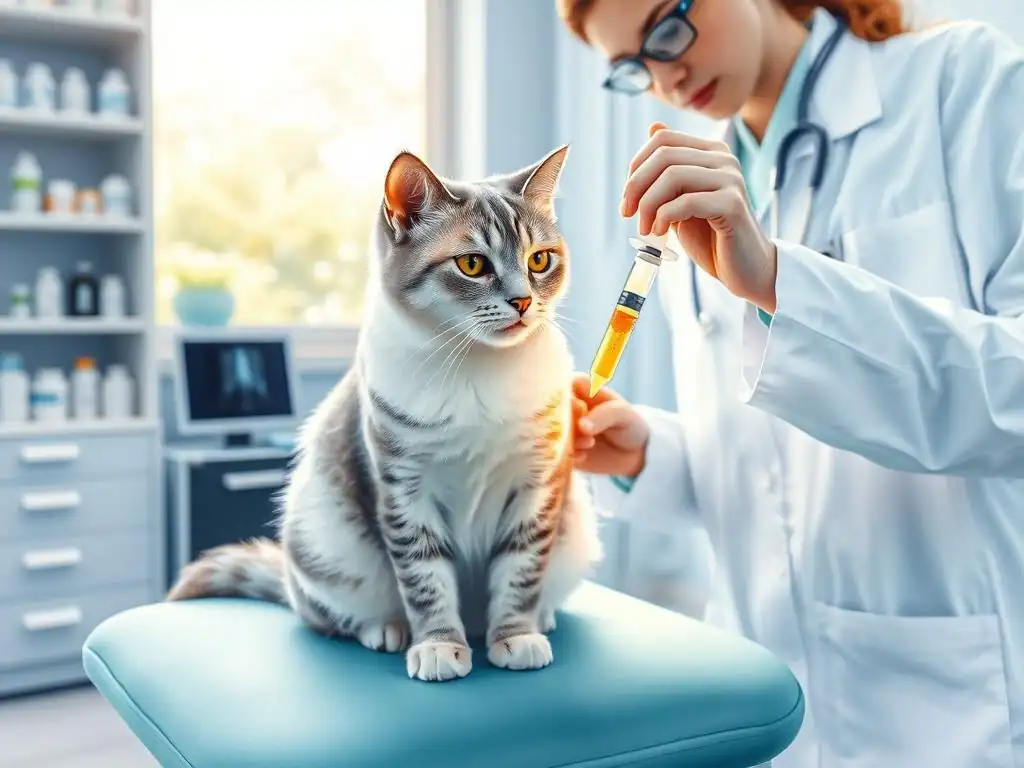
Finding the right veterinary specialist is crucial for successful radioactive iodine (RAI) therapy for your hyperthyroid cat. Not all veterinary practices offer this advanced treatment, and the expertise required goes beyond standard feline medicine. Successfully managing your cat's hyperthyroidism with RAI demands a team approach, involving skilled veterinary staff in nuclear medicine, radiology, and internal medicine. The level of care and subsequent monitoring directly impacts your cat's prognosis and quality of life. Choosing wisely can make all the difference.
Finding a Qualified Veterinarian for Radioactive Iodine Treatment
The search for a qualified veterinarian experienced in administering RAI for feline hyperthyroidism requires careful consideration. Begin by contacting your primary veterinarian. They may have established relationships with specialists who routinely perform this procedure and can provide referrals. Look for board-certified veterinary specialists in internal medicine or radiology with demonstrable experience in feline nuclear medicine. Check the veterinarian's credentials and experience specifically related to cat hyperthyroidism iodine therapy. Don't hesitate to ask about their success rate and the number of RAI treatments they've performed. A high volume of successful procedures suggests a high level of competency and experience.
Many veterinary teaching hospitals and specialized animal hospitals will have the necessary facilities and expertise. These institutions often publish their success rates and may be able to provide detailed information about their protocols and post-treatment care. This transparency can help you make an informed decision. Consider factors like location, cost, and the availability of post-treatment monitoring services when selecting a specialist. A shorter distance to the veterinary hospital might be beneficial for minimizing stress during transportation and follow-up appointments.
Questions to Ask Your Veterinarian About RAI for Hyperthyroidism
Before committing to RAI therapy for your cat's hyperthyroidism, it's essential to have a comprehensive discussion with the potential veterinary specialist. Asking the right questions will help you assess their expertise, understand the treatment process, and make an informed decision about your cat's care. Here are some key questions to ask:
- What is your experience with radioactive iodine therapy for feline hyperthyroidism? This question specifically targets their experience with cat hyperthyroidism iodine therapy, ensuring they possess the necessary expertise. Ask for specific numbers of procedures performed and success rates.
- What is your success rate with RAI for hyperthyroidism in cats? This question directly addresses the effectiveness of their treatment approach. A transparent and high success rate is a positive indicator.
- What are the potential risks and side effects of RAI therapy? Understanding the potential complications, including hypothyroidism, is crucial for informed consent. Ask for specific details and the likelihood of each side effect.
- What is your post-treatment monitoring protocol? Post-treatment monitoring is critical to ensure the therapy's effectiveness and identify any potential complications. Inquire about the frequency and type of monitoring tests.
- What is the estimated cost of the procedure, including pre- and post-treatment care? Understanding the financial implications is important for budgeting and planning. Ensure you receive a detailed breakdown of all costs involved.
- What is the typical recovery time for cats undergoing RAI therapy? Understanding the recovery period will allow you to prepare for the necessary care and adjustments at home.
Remember, choosing the right veterinary specialist is a critical step in ensuring the successful treatment of your cat's hyperthyroidism. Thorough research and open communication will empower you to make the best decision for your feline companion's health and well-being. Don't hesitate to seek second opinions if needed. The goal is to find a veterinary team that you trust and who are confident in their ability to provide your cat with the best possible care.
Long-Term Outlook and Management After Radioactive Iodine Therapy
Radioactive iodine therapy (RAI) offers a highly effective treatment for feline hyperthyroidism, often leading to a significant improvement in a cat's quality of life. However, understanding the long-term outlook and necessary management strategies is crucial for pet owners. While many cats experience a complete and lasting remission after a single RAI treatment, ongoing monitoring and potential management of side effects are essential components of post-treatment care.
Successful management hinges on close collaboration between the pet owner and the veterinarian. This ensures early detection of any complications and allows for timely intervention, maximizing the chances of a positive long-term outcome for your feline companion. The goal is to maintain a healthy thyroid hormone balance and address any lingering issues that may arise.
Monitoring Your Cat's Thyroid Levels After Treatment
Post-RAI monitoring is paramount to ensure the therapy's effectiveness and detect any potential recurrence of hyperthyroidism. Regular blood tests to measure thyroid hormone levels (T4) are typically recommended. The frequency of these tests varies depending on the individual cat's response to the treatment and the veterinarian's assessment. Initially, tests might be performed more frequently, perhaps every few weeks or months, gradually decreasing in frequency as the cat stabilizes.
These tests help determine if the thyroid hormone levels have returned to a normal or near-normal range and remain stable. Early detection of a recurrence allows for prompt intervention, potentially with a second dose of RAI or alternative treatment strategies. Maintaining a detailed record of these test results is crucial for tracking your cat's progress and informing future veterinary consultations. Remember, consistent monitoring is key to ensuring long-term success with RAI for cat hyperthyroidism.
Managing Potential Long-Term Side Effects of RAI in Cats
While RAI is generally well-tolerated, some cats may experience long-term side effects, albeit infrequently. These side effects are usually mild and manageable, but prompt veterinary attention is crucial. One potential long-term effect is hypothyroidism, a condition where the thyroid gland becomes underactive. This can manifest as lethargy, weight gain, hair loss, and other symptoms.
Regular thyroid level monitoring helps detect hypothyroidism early, allowing for appropriate medication management, typically with thyroid hormone replacement therapy. Another less common but potentially serious side effect is salivary gland dysfunction, which can lead to dry mouth or excessive salivation. Less frequently, some cats might experience mild and transient gastrointestinal upset. It's important to carefully observe your cat for any changes in behavior, appetite, or physical condition following RAI treatment.
Maintaining open communication with your veterinarian is vital for addressing any concerns and ensuring the best possible outcome. A proactive approach to managing potential side effects is essential for maintaining your cat's health and well-being in the long term. Early intervention greatly improves the chances of effective management and a positive outcome.
Frequently Asked Questions
What is feline hyperthyroidism?
Feline hyperthyroidism is a common endocrine disorder in cats, characterized by the overproduction of thyroid hormones. This leads to a range of symptoms, including increased appetite, weight loss, and hyperactivity. Early diagnosis and treatment are crucial.
How does radioactive iodine therapy work for hyperthyroidism in cats?
Radioactive iodine therapy uses a small dose of radioactive iodine to destroy the overactive thyroid tissue. The cat is hospitalized for a short period, and then the iodine targets and destroys the overactive thyroid cells, reducing hormone production. It's a highly effective treatment.
What are the risks associated with radioactive iodine therapy for cats?
While generally safe and effective, there are potential risks, including temporary nausea and vomiting. Rarely, complications like hypothyroidism (underactive thyroid) can occur, but are manageable with medication. Careful monitoring is essential.
What is the recovery period like after radioactive iodine therapy?
After treatment, cats need a period of isolation to prevent accidental exposure of others to the small amount of residual radioactivity. Full recovery usually takes several weeks, with gradual improvement in symptoms. Regular vet checkups are vital.
How much does radioactive iodine therapy for cats cost?
The cost of radioactive iodine therapy varies depending on the location and veterinary clinic. It's generally more expensive than other treatments, but often considered cost-effective in the long run due to its high success rate and potential to avoid long-term medication costs.
The decision surrounding radioactive iodine therapy (RAI) for hyperthyroid cats remains a critical one, impacting both the feline patient's well-being and the owner's emotional and financial resources. The information presented in this article highlights the complexities involved, from understanding the disease's progression to weighing the benefits and risks of RAI against alternative treatments. Choosing the right path requires careful consideration and a collaborative approach between veterinarian and owner.
The ongoing evolution of veterinary medicine, particularly in the field of feline endocrinology, underscores the importance of staying informed about treatment options for hyperthyroidism. The subtle yet significant shifts in our understanding of this condition, and the resulting advancements in treatment, continually shape the landscape of feline care. The best treatment is the one that best suits the individual needs of the patient and their owner.
This quote, while seemingly simple, encapsulates the ethical and practical considerations that must guide our decisions. The emotional bond between a cat and its owner adds another layer of complexity, making informed consent and shared decision-making paramount.
Consider the information presented here as a starting point, not an endpoint. Take the time to discuss your cat's specific circumstances with your veterinarian, asking clarifying questions and expressing any concerns you may have. Empowering yourself with knowledge is the first step towards making the best possible choice for your beloved companion. Remember, the goal is not just to treat the hyperthyroidism, but to ensure your cat enjoys a long, healthy, and happy life.
Unlock Your Cat's Healthier Future: Next Steps for Hyperthyroidism
Thank you for learning about radioactive iodine therapy for feline hyperthyroidism. We hope this article provided valuable insights into this important treatment. Now, let's ensure your cat receives the best possible care.
Here's what you can do next:
- Schedule a consultation with your veterinarian: This is crucial. Discuss what you've learned and determine if radioactive iodine therapy is right for your cat. Don't delay—your cat's health is important.
- Learn more: Explore additional resources like PetCareWorld.org for more articles on feline hyperthyroidism and related conditions. You can also find support groups for cat owners facing similar challenges.
- Share this information: Help other cat owners by sharing this article. You might be surprised how many others are dealing with this.
Ready to take the first step towards a healthier, happier life for your cat? Do you have any questions about managing your cat's hyperthyroidism and choosing the best treatment?