
Decoding Your Cat's Litter Box Preferences: A Guide to Location

Welcome to PetCareWorld, your ultimate guide to a happier, healthier life for your beloved pets! Are you puzzled by your feline friend's litter box habits? Discover the secrets to achieving purrfect potty training with our in-depth article on "Best cat litter box placement". Learn how the right location can dramatically impact your cat's happiness and hygiene, and unlock the key to a cleaner, more harmonious home. Dive in and explore the world of expert pet care advice – your journey to a better pet life starts here!
- Understanding Your Cat's Litter Box Needs: Key Factors for Optimal Placement
- Best Cat Litter Box Placement: Room Selection and Environmental Factors
- Optimizing Litter Box Placement for Multiple Cats
- Troubleshooting Litter Box Problems: Identifying and Solving Placement Issues
- Creating a Positive Litter Box Experience: Enhancing Your Cat's Comfort
- Frequently Asked Questions
- Final Reflection: Understanding Your Cat's Sanctuary: Litter Box Placement and Beyond
- Unleash Your Cat's Happy Place: Perfecting Their Litter Box Location
Understanding Your Cat's Litter Box Needs: Key Factors for Optimal Placement
Choosing the right location for your cat's litter box is crucial for their well-being and your sanity! A poorly placed litter box can lead to stress, anxiety, and even house soiling issues. This comprehensive guide delves into the key factors influencing optimal litter box placement, helping you create a comfortable and hygienic environment for your feline friend. We'll explore the importance of privacy, accessibility, and avoiding high-traffic areas, ultimately guiding you towards finding the best cat litter box placement for your individual cat's needs. Understanding your cat's preferences is paramount to preventing litter box problems and maintaining a harmonious household. This guide focuses on providing practical advice backed by feline behavior insights, ensuring your cat feels safe, secure, and comfortable using their litter box. We'll cover everything from ideal locations to potential pitfalls to avoid, making this the ultimate resource for achieving the perfect litter box placement in your home.
Privacy and Quiet: Essential Considerations for Litter Box Location
Cats are naturally private creatures, and their litter box is no exception. They need a sense of security and seclusion when eliminating waste. Placing the litter box in a high-traffic area, such as the middle of a living room or near a frequently used doorway, can cause significant stress and anxiety. This can lead to avoidance of the litter box and subsequent accidents elsewhere in the house.
Consider the following when choosing a location prioritizing privacy:
- Quiet corners: Look for quiet, less-used areas of your home. A spare bedroom, a hallway corner, or a bathroom (if not excessively trafficked) are good options.
- Away from food and water: Cats instinctively avoid eliminating near their food and water sources. Keep the litter box at a safe distance from their food and water bowls.
- Elevated locations: Some cats prefer elevated litter boxes, providing a greater sense of security and privacy. Consider a shelf or a raised platform.
- Visual barriers: If a completely secluded location isn't possible, consider using a room divider, a piece of furniture, or even strategically placed plants to create a visual barrier around the litter box. This can help your cat feel more secure and less exposed.
Remember, observing your cat's behavior is key. If they seem hesitant to use the litter box in a particular location, try relocating it to a quieter, more private spot. The goal is to create a safe haven where your cat can comfortably relieve themselves without feeling exposed or stressed.
Avoiding High-Traffic Areas: Minimizing Stress and Anxiety
High-traffic areas are detrimental to a cat's litter box experience. The constant noise, movement, and potential for human interaction can make your cat feel vulnerable and anxious, leading to avoidance behaviors. Even seemingly innocuous activities, like vacuuming nearby, can disrupt your cat's peace of mind.
Here's how to mitigate the stress associated with high-traffic areas:
- Avoid kitchens and living rooms: These are typically the busiest areas of the home and should be avoided when choosing a litter box location.
- Minimize noise and activity: Select a location as far removed as possible from loud noises and high activity areas, such as near washing machines, stereos, or frequently used doorways.
- Consider your cat's personality: Shy or easily startled cats will require a more secluded location than bolder cats. Observe their behavior to gauge their comfort levels in different areas of the house.
A stressed cat is more prone to litter box issues. By carefully considering the location, you can create a more peaceful and relaxing environment for your cat, promoting positive litter box habits.
Access and Accessibility: Ensuring Easy Entry and Exit for Your Cat
Easy access to the litter box is paramount, particularly for older cats, kittens, or cats with mobility issues. A difficult-to-reach location can lead to accidents outside the litter box.
Key considerations for accessibility include:
- Unobstructed pathways: Ensure there are no obstacles preventing your cat from easily reaching the litter box. Remove any rugs, furniture, or other items that could impede their access.
- Appropriate height: The litter box should be at a comfortable height for your cat. Older or arthritic cats may benefit from a lower litter box, while kittens may need a slightly shallower one.
- Multiple litter boxes: For multi-cat households, or for cats who are particularly sensitive, providing multiple litter boxes strategically placed throughout the house is highly recommended. The general rule is one litter box per cat, plus one extra.
- Easy cleaning: Choose a litter box that is easy to clean and maintain. Regular cleaning is crucial for preventing odors and maintaining a pleasant environment for your cat.
By carefully considering these factors, you'll significantly increase the chances of your cat consistently using their litter box and reducing the likelihood of litter box problems. Remember, a happy and stress-free cat is a well-adjusted cat!
Best Cat Litter Box Placement: Room Selection and Environmental Factors
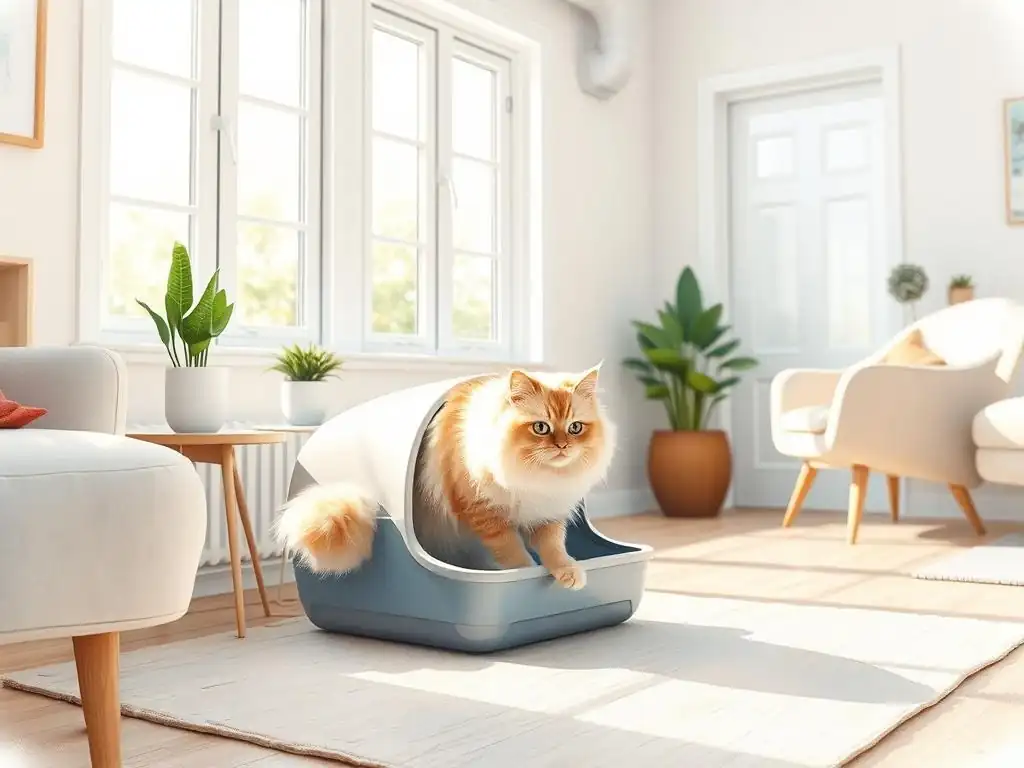
Choosing the right location for your cat's litter box is crucial for their hygiene and overall well-being. A poorly placed litter box can lead to litter box avoidance, accidents outside the box, and even stress for your feline friend. Understanding your cat's preferences and avoiding common pitfalls is key to achieving optimal litter box placement. This section delves into the ideal room selection and environmental factors that contribute to a happy and healthy cat. Finding the best cat litter box placement involves careful consideration of several factors, impacting both your cat's comfort and your home's aesthetics.
Ideal Room Locations for Litter Boxes: Bathrooms, Laundry Rooms, and More
Many rooms in your home offer suitable locations for a litter box, provided they meet certain criteria. Bathrooms and laundry rooms are frequently cited as ideal choices. Bathrooms often provide privacy and convenient access to water, a crucial element for maintaining cleanliness. Laundry rooms, similarly, often offer a degree of seclusion and are frequently less trafficked areas of the home.
However, the "best" location is highly dependent on your individual cat's personality and your home's layout. Some cats prefer quieter, less-used spaces, while others are more adaptable. Consider these factors when selecting a room:
- Privacy: Cats generally prefer to relieve themselves in private. A location away from high-traffic areas is usually preferred.
- Accessibility: The litter box should be easily accessible to your cat at all times, without obstacles or difficult-to-navigate areas.
- Ventilation: Good ventilation helps to minimize unpleasant odors. Rooms with adequate ventilation are ideal.
- Quiet and Calm: Avoid placing the litter box near loud appliances or frequently used areas.
Consider these additional options:
- Dedicated Cat Room: If space allows, a dedicated space for your cat, including their litter box, food, and water bowls, can be highly beneficial.
- Hallways: A quiet hallway can be a suitable alternative, particularly if it offers a degree of seclusion.
- Mudrooms: These spaces, often located near entrances, provide convenient access and often have good ventilation.
Remember, consistent observation of your cat's litter box habits is essential. If you notice any changes in their behavior, such as hesitancy to use the box, consider relocating it to a different area to find the optimal placement for your pet.
Avoiding No-Go Zones: Kitchens, Dining Areas, and Bedrooms
Certain areas in your home should be avoided when placing your cat's litter box. These areas often present challenges for both hygiene and your cat's comfort.
- Kitchens and Dining Areas: These areas tend to be high-traffic zones with strong food smells. The combination of strong odors and high activity can make these locations stressful and unappealing for your cat. Furthermore, food smells can contaminate the litter box and make it less hygienic.
- Bedrooms: Placing the litter box in a bedroom can lead to unpleasant smells, especially if the room is not well-ventilated. Additionally, some cats may find the proximity to their sleeping area stressful.
- Areas Near Food and Water Bowls: Cats generally prefer to keep their elimination areas separate from their food and water sources. Maintaining a distance between these areas contributes to a cleaner and more comfortable environment for your cat.
By avoiding these no-go zones, you significantly improve the chances of your cat consistently using their litter box and maintain a cleaner, more pleasant home environment.
The Impact of Noise and Activity Levels on Litter Box Usage
Noise and activity levels significantly influence a cat's willingness to use their litter box. Cats are sensitive creatures and can be easily stressed by excessive noise or activity. A noisy environment can make them hesitant to approach the litter box, leading to accidents outside the box.
- Loud Appliances: Avoid placing the litter box near noisy appliances such as washing machines, dryers, or dishwashers. The vibrations and sounds produced by these appliances can be disturbing to cats.
- High-Traffic Areas: Areas with a lot of foot traffic, such as hallways or living rooms with frequent visitors, can be stressful for cats. The constant movement and noise can make them feel insecure and reluctant to use the litter box in these areas.
- Children and Pets: If you have young children or other pets, it's important to ensure the litter box is placed in a location where it won't be disturbed or accessed by them. This will help to maintain its cleanliness and prevent accidents.
Creating a quiet and peaceful environment around the litter box is crucial for encouraging consistent use. A calm atmosphere ensures your cat feels safe and comfortable enough to relieve themselves without stress or anxiety. This contributes to a happier, healthier cat and a cleaner home. Remember, observing your cat's behavior and making adjustments as needed is key to finding the best cat litter box placement for your unique feline companion. 😻
Optimizing Litter Box Placement for Multiple Cats
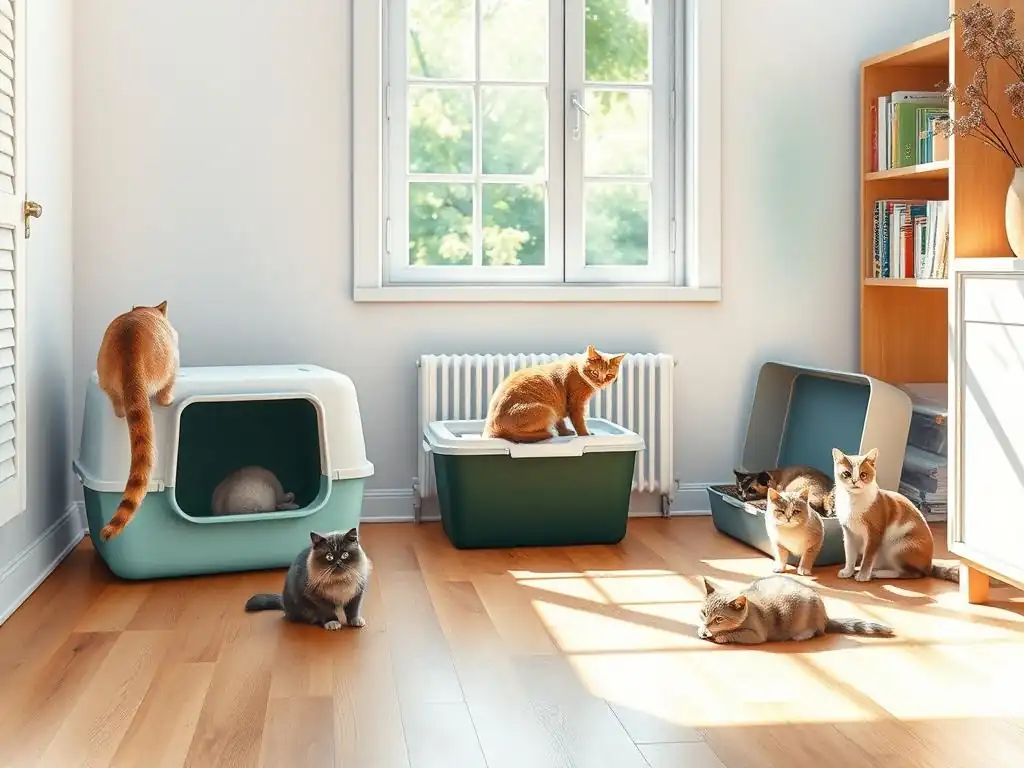
This section focuses on the specific challenges and solutions related to litter box placement when you have multiple cats. Finding the best cat litter box placement in a multi-cat household requires careful consideration of several factors beyond what's needed for a single feline companion. Ignoring these nuances can lead to frustrating litter box issues, such as inappropriate urination or defecation outside the designated areas, and even inter-cat aggression.
Multi-Cat Households: Strategies for Litter Box Placement and Management
Successfully managing multiple cats often hinges on providing ample and strategically placed litter boxes. The general rule of thumb is to have one more litter box than the number of cats you own. However, this is a minimum; consider adding extra boxes based on the size of your home and your cats' personalities. Shy or timid cats may need more secluded options, while dominant cats might prefer more open and accessible locations.
Consider these placement strategies:
- Spaced-out placement: Distribute litter boxes throughout the house, avoiding clustering them in one area. This minimizes competition and provides each cat with easy access to a private spot.
- High-traffic areas: Place at least one box in a high-traffic area, ensuring all cats have easy access to a litter box without having to traverse the entire house.
- Quiet corners: Offer at least one litter box in a quieter, less-frequented location for cats who prefer privacy.
- Different box types: Experiment with different types of litter boxes (open, covered, hooded, etc.) to see which your cats prefer. Some cats are more comfortable with open boxes, while others prefer the enclosed privacy of a covered box.
Remember, consistent cleaning is paramount. Scoop the litter boxes at least once a day, and completely change the litter regularly (frequency varies depending on the type of litter used). This reduces unpleasant odors and helps maintain a hygienic environment, encouraging cats to use their designated areas. Regular cleaning is crucial for preventing litter box avoidance, a common issue that can escalate into more serious behavioral problems.
Preventing Territorial Disputes and Litter Box Aggression
Territoriality is a natural feline instinct, and competition over resources, including litter boxes, can lead to aggression. Strategic placement can significantly mitigate these issues. For example, placing litter boxes in different rooms or on different levels of the house can reduce the chances of territorial disputes.
Here's how to minimize conflict:
- Avoid placing boxes near food or water bowls: This reduces the possibility of resource guarding behaviors.
- Separate boxes for dominant and submissive cats: If you have a clear dominance hierarchy among your cats, consider providing separate, easily accessible litter boxes for each. This prevents the dominant cat from monopolizing a specific box and potentially bullying subordinate cats away.
- Provide vertical space: Cats are naturally inclined to climb, so consider utilizing vertical space by placing litter boxes on shelves or elevated platforms. This can create a sense of personal space and reduce conflict.
- Observe your cats: Pay close attention to your cats’ behavior around the litter boxes. If you notice any signs of aggression or avoidance, adjust the placement or add more boxes as needed. Careful observation is key to understanding your cats' individual needs and preferences.
Ignoring these subtle cues can result in stress and potentially lead to more serious behavioral problems like spraying or other forms of inappropriate elimination.
Ensuring Sufficient Litter Boxes for Multiple Cats: A Simple Calculation
The "one more than the number of cats" rule is a good starting point, but it's not a hard and fast rule. Several factors influence the ideal number of litter boxes:
| Factor | Impact on Litter Box Quantity | Example |
|---|---|---|
| Number of Cats | Directly proportional | 3 cats = at least 4 litter boxes |
| Size of the House | Inversely proportional | Larger house = potentially fewer boxes (if well-spaced) |
| Cats' Personalities | Varies greatly | Shy cats need more secluded options |
| Litter Box Type | Can influence spacing | Large boxes may reduce the need for as many boxes |
Consider this scenario: You have three cats, a large house, and one cat is particularly shy. A simple calculation suggests four litter boxes. However, the shy cat's personality might necessitate an additional box in a quiet, secluded spot. This brings the total to five.
Ultimately, the best approach is to monitor your cats' litter box usage and adjust the number and placement of litter boxes as needed. Regular observation and a willingness to adapt your strategy are crucial for maintaining a harmonious and healthy multi-cat household. Remember, the goal is to provide a stress-free and easily accessible litter box solution for every cat, minimizing the risk of inappropriate elimination and inter-cat conflict. This contributes to a happy and healthy home environment for both you and your feline companions.
Troubleshooting Litter Box Problems: Identifying and Solving Placement Issues
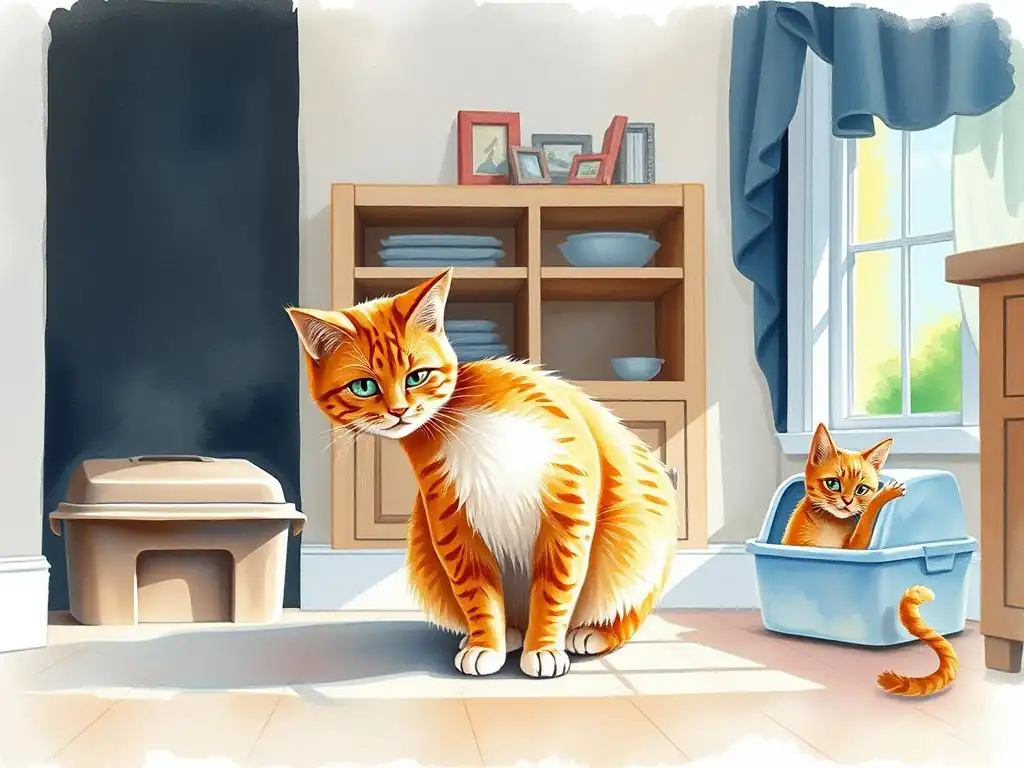
Finding the best cat litter box placement can significantly impact your feline friend's happiness and overall health. A poorly positioned litter box can lead to a range of issues, from accidents outside the box to stress and behavioral problems. This section focuses on identifying and resolving placement-related litter box problems. Understanding your cat's preferences is key to achieving a harmonious coexistence.
Identifying Signs of Litter Box Avoidance: Clues and Indicators
Before you start rearranging furniture, it's crucial to confirm that litter box avoidance is indeed linked to placement. Several signs indicate your cat might be unhappy with the current location. These aren't always obvious, so careful observation is essential.
- Eliminating outside the litter box: This is the most obvious sign. Pay attention to where they are eliminating – near the box, in a specific room, or consistently in the same spot. This can provide valuable clues about their preferences. For example, consistent urination near the box might indicate a problem with the box itself (e.g., too small, dirty, or unpleasant litter), while elimination in a hidden corner could suggest a fear of being observed while using the litter box.
- Changes in urination/defecation habits: Sudden changes in frequency, volume, or consistency of urine or feces warrant veterinary attention, as they can indicate underlying medical issues. However, changes coupled with avoidance of the litter box strongly suggest a problem with the placement or the box itself.
- Stress and anxiety signs: Cats communicate their discomfort in subtle ways. Increased vocalization (meowing, hissing), changes in appetite, hiding more often, or excessive grooming can all be indicators of stress, potentially linked to an undesirable litter box location.
- Avoiding the litter box altogether: If your cat completely avoids the litter box, it's a serious problem. This requires immediate attention, and you should consider consulting a veterinarian to rule out medical issues.
Relocating the Litter Box: A Step-by-Step Guide
Once you've identified potential placement issues, carefully relocating the litter box is key. A gradual approach minimizes stress and increases the chances of success.
- Choose a new location: Consider your cat's preferences. Cats often prefer quiet, private locations away from high-traffic areas, food, and water bowls. Observe your cat's behavior to identify potential preferred spots.
- Gradual transition: Don't abruptly move the litter box. Instead, start by moving it a few inches each day. This allows your cat to adjust gradually and reduces the likelihood of accidents outside the box.
- Maintain consistency: Keep the type of litter, box, and cleaning routine consistent throughout the transition. Changes in these factors can confuse your cat and exacerbate the problem.
- Monitor closely: Keep a close eye on your cat's behavior after the relocation. If they continue to avoid the litter box, consider further adjustments to the location or investigate other potential factors.
- Multiple litter boxes: For multi-cat households, having multiple litter boxes (following the general rule of one box per cat plus one extra) in different locations is crucial. This minimizes competition and caters to individual preferences.
Addressing Underlying Medical Issues Affecting Litter Box Habits
While litter box placement is a common culprit, it's essential to rule out underlying medical conditions that might be contributing to litter box problems. Several health issues can affect urination and defecation habits, leading to accidents outside the box.
- Urinary tract infections (UTIs): UTIs are common in cats and can cause painful urination, leading to avoidance of the litter box. Symptoms include frequent urination, straining, and blood in the urine.
- Kidney disease: Kidney disease can affect a cat's ability to control urination, resulting in increased frequency and accidents. Other symptoms include increased thirst, lethargy, and weight loss.
- Arthritis: Arthritis can make it difficult for older cats to get into and out of the litter box, leading to avoidance. Symptoms include stiffness, difficulty jumping, and limping.
- Constipation: Constipation can make defecation painful and difficult, causing cats to avoid the litter box. Symptoms include straining during bowel movements, hard stools, and decreased bowel movements.
If you suspect a medical issue, consult your veterinarian immediately. Early diagnosis and treatment are crucial for managing these conditions and preventing further complications. A thorough veterinary examination will help determine the underlying cause and guide appropriate treatment. Remember, a healthy cat is more likely to use the litter box consistently and appropriately.
Creating a Positive Litter Box Experience: Enhancing Your Cat's Comfort
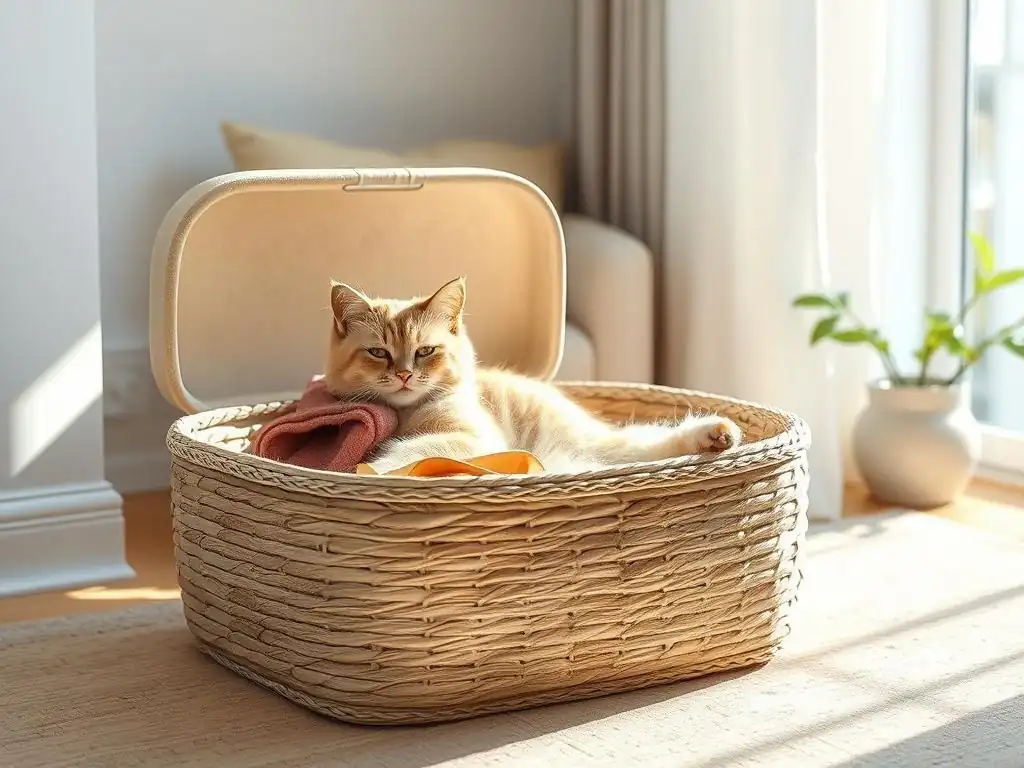
Cats are creatures of habit and routine, and their litter box experience significantly impacts their overall well-being. A poorly placed or maintained litter box can lead to stress, behavioral issues, and even health problems. Understanding your cat's preferences and creating a positive, comfortable environment around their litter box is crucial for best cat litter box placement and a happy, healthy feline companion. This section will delve into practical strategies to optimize your cat's litter box experience, focusing on comfort and hygiene. Remember, a happy cat is a cat that uses its litter box consistently and without issue.
Litter Box Accessories: Enhancing Privacy and Comfort
Providing a sense of security and privacy around the litter box is paramount for many cats. A stressed or anxious cat may avoid using the litter box if it feels exposed or vulnerable. Consider these accessories to enhance your cat's comfort and encourage appropriate litter box use:
- Litter box enclosures: These provide a secluded space, shielding the cat from distractions and providing a sense of security. The size of the enclosure should be appropriate for your cat's size, allowing for easy entry and exit. Ensure adequate ventilation to prevent ammonia buildup.
- Litter box covers: These offer a similar level of privacy to enclosures but are often more compact. Choose a cover with a large enough opening to allow easy access for your cat. Some covers even have built-in air filters to minimize odor.
- Soft bedding: Placing a soft mat or towel near the litter box can provide a comfortable spot for your cat to rest before and after using the box. This is particularly beneficial for older cats or those with joint issues.
- Scent diffusers (with caution): Some cats respond positively to calming pheromone diffusers placed near the litter box. However, it's crucial to introduce these gradually and monitor your cat's reaction, as some cats may be sensitive to artificial scents. Always choose diffusers specifically designed for cats.
The right accessories can significantly improve your cat's litter box experience and contribute to better best cat litter box placement. Experiment with different options to determine what works best for your individual cat's personality and preferences. Observe their behavior around the litter box to gauge their comfort level. A happy, relaxed cat is more likely to use the litter box consistently.
Litter Box Maintenance: Regular Cleaning and Hygiene
Maintaining impeccable hygiene around the litter box is critical for preventing health problems and encouraging appropriate litter box use. Cats are fastidious creatures and are easily deterred by unpleasant odors or uncleanliness. Here's a breakdown of essential maintenance practices:
- Daily scooping: Remove solid waste and clumps daily. This prevents the build-up of ammonia and other unpleasant odors that can repel your cat. Daily scooping is the single most important step in maintaining a clean litter box.
- Complete litter box changes: The frequency of complete litter box changes depends on the type of litter used and the number of cats. Generally, a complete change should be performed at least once a week, or more often if necessary. Thoroughly wash the litter box with soap and water (avoid harsh chemicals) and allow it to dry completely before refilling with fresh litter.
- Litter depth: Maintain the appropriate litter depth as recommended by the litter manufacturer. Too little litter can make it difficult for your cat to bury their waste, while too much can make it uncomfortable to dig.
- Litter type: Experiment with different litter types to find one that your cat prefers. Some cats are sensitive to certain fragrances or textures. Consider factors like dust level, clumping ability, and absorbency when choosing a litter.
Regular and thorough cleaning is essential for a positive litter box experience and contributes directly to best cat litter box placement. Neglecting hygiene can lead to health issues for your cat and behavioral problems, such as inappropriate urination or defecation outside the litter box. Prioritize hygiene and observe your cat's reactions to ensure their comfort and well-being. A clean litter box is a happy cat's best friend!
Frequently Asked Questions
Where is the best place to put a cat litter box?
The ideal location is a private, quiet area, away from food and water bowls, and high-traffic zones. Consider your cat's personality – some prefer open spaces, while others need more seclusion.
My cat avoids the litter box; is location the problem?
Yes, incorrect placement is a common reason for litter box avoidance. Try moving the box to a different, quieter location. Rule out other potential issues like the type of litter or underlying medical conditions.
How many litter boxes do I need for multiple cats?
A good rule of thumb is to have one litter box per cat, plus one extra. This ensures enough space and reduces territorial conflicts, especially important for multi-cat households.
What should I avoid when placing a cat litter box?
Avoid placing the box in noisy or high-traffic areas, near appliances (like washing machines), or confined spaces that make your cat feel vulnerable. Good ventilation is also key.
My cat keeps peeing outside the litter box - what should I do?
Try moving the litter box to a new location. Consider cleaning the box more frequently and using a different type of litter. If the problem persists, consult a veterinarian to rule out any underlying medical conditions.
Final Reflection: Understanding Your Cat's Sanctuary: Litter Box Placement and Beyond
Understanding your cat's litter box preferences isn't just about finding the "best" spot; it's about fostering a deeper connection and ensuring their well-being. A seemingly simple act like choosing a litter box location can significantly impact your cat's happiness and health, revealing much about their individual personalities and needs.
The quest for the perfect litter box placement highlights a larger truth: our feline companions communicate in subtle ways, and paying attention to their behaviors—from their litter box habits to their playfulness—is crucial for building a strong bond. The cat is a creature of mystery, but its mysteries are worth unraveling.
This quote, while not directly about litter boxes, speaks to the rewarding journey of understanding our feline friends. By observing their preferences and adapting our approach, we can create a truly harmonious home environment where both cat and owner thrive. This understanding extends beyond just litter box placement; it informs how we approach all aspects of cat care, from feeding to playtime.
So, consider the insights shared in this article. Reflect on your cat's current litter box setup. Is it truly meeting their needs? Take the time to observe your cat's behavior around their litter box. Are they hesitant to use it? Do they seem stressed or anxious? By making small adjustments based on their preferences, you can create a more comfortable and secure environment for your beloved companion, strengthening your bond and enriching both your lives. The journey to understanding your cat is an ongoing one, filled with rewarding discoveries. Embrace it.
Unleash Your Cat's Happy Place: Perfecting Their Litter Box Location
Thanks for exploring the world of feline litter box preferences! You now have the knowledge to create a happier, healthier home for your cat. Ready to put this knowledge into action?
- Optimize your cat's litter box setup: Consider the suggestions in this article – is there a better location that offers privacy, quiet, and easy access? Relocating the litter box and observing your cat's response can be very insightful.
- Share your expertise: Have you discovered any clever solutions for litter box placement? Share your tips and experiences with other cat owners in the comments below!
- Learn more: Explore additional resources on cat behavior to further enhance your understanding of your feline friend's needs.
Now that you have the tools, how will you creatively ensure your cat's bathroom breaks are stress-free and enjoyable?