
Homemade Cat Food for Allergies: Recipes and Precautions

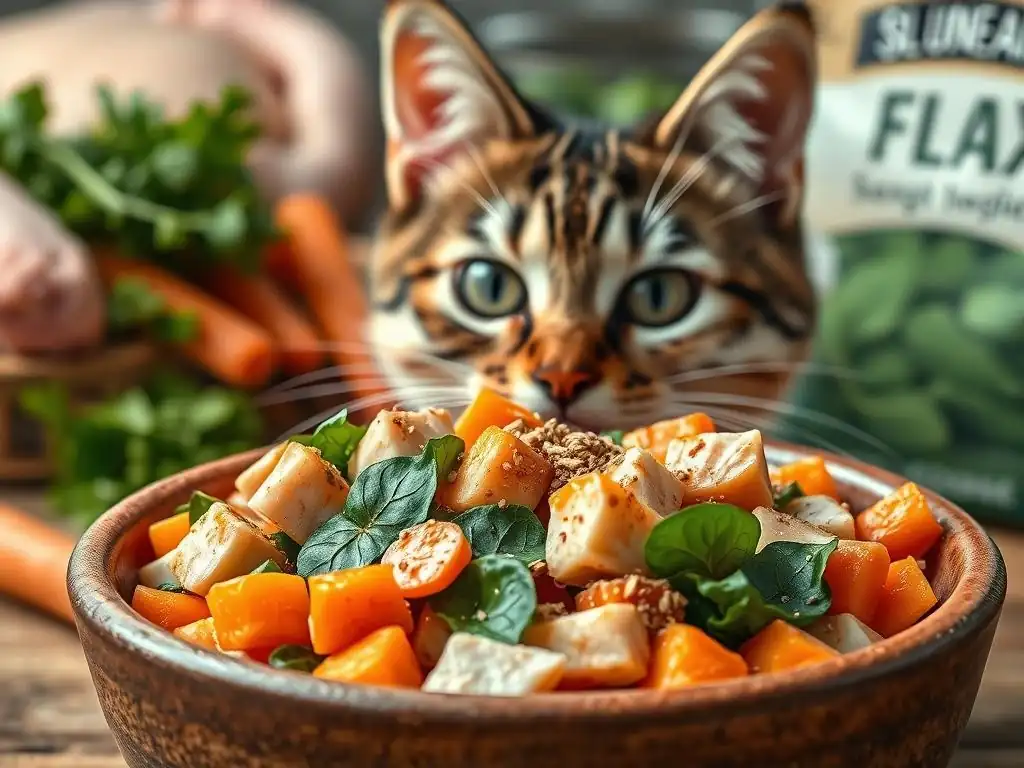
Welcome to PetCareWorld, your ultimate guide to a happier, healthier life for your beloved pets! Are you concerned about your cat's allergies? Discover the secrets to crafting delicious and nutritious DIY cat food allergy recipes that will soothe your feline friend's sensitivities and leave them purring with delight. Dive into our expert-crafted guide and learn how to create homemade meals tailored to your cat's specific needs, ensuring their well-being and happiness. Let's embark on this journey of healthier pet care together!
- Understanding Feline Food Allergies and Sensitivities
- DIY Cat Food Allergy Recipes: Safe and Nutritious Options
- Essential Precautions When Making Homemade Cat Food
- When to Consult a Veterinarian About Your Cat's Diet
- Long-Term Management of Cat Food Allergies with Homemade Diets
- Alternative Options to Homemade Cat Food for Allergies
-
Frequently Asked Questions
- What are the most common cat food allergens?
- Can I use human food ingredients in my cat's allergy-friendly diet?
- How do I transition my cat to a homemade allergy diet?
- Are there any specific precautions I should take when making DIY cat food?
- My cat is still experiencing allergy symptoms despite the homemade food. What should I do?
- Final Reflection: Nourishing Our Feline Companions Through Homemade Care
- Unleash Your Cat's Inner Gourmet: Craft the Perfect Meal!
Understanding Feline Food Allergies and Sensitivities
Dealing with a cat experiencing allergic reactions can be incredibly stressful for any pet owner. This comprehensive guide delves into the world of homemade cat food for allergies, providing you with safe and effective recipes while emphasizing the crucial role of veterinary guidance. We'll explore common cat allergens, the diagnostic process, and the steps needed to transition your cat to a new diet safely and effectively.
Remember, while DIY cat food can be a beneficial tool for managing allergies, it's vital to work closely with your veterinarian to ensure your cat receives the proper nutrition and avoids any potential health risks. This article aims to empower you with knowledge to make informed decisions about your cat's dietary needs, ultimately improving their quality of life.
We'll cover everything from identifying the root cause of your cat's allergies to creating delicious and nutritious homemade meals tailored to their specific needs. Let's dive in and learn how to create a healthier, happier life for your feline companion.
Common Cat Allergens: Identifying the Culprits
Many cats suffer from food allergies, manifesting as various unpleasant symptoms. Pinpointing the exact allergen is crucial for successful treatment. Some of the most common culprits include:
- Proteins: Beef, chicken, dairy, fish (especially tuna and salmon), and eggs are frequent offenders. Even seemingly hypoallergenic proteins can trigger reactions in sensitive cats.
- Grains: Corn, wheat, soy, and rice are common ingredients in commercial cat food and can cause allergic reactions in some cats. These grains often contain gluten, a known allergen.
- Additives and Preservatives: Artificial colors, flavors, and preservatives are frequently found in processed cat food and can contribute to allergic reactions. These additives can irritate a cat's digestive system and contribute to skin issues.
Understanding these common allergens is the first step in creating a tailored diet for your allergic cat. It's important to note that individual sensitivities vary greatly; what triggers an allergic reaction in one cat may not affect another. Careful observation and collaboration with your veterinarian are essential for accurate diagnosis. A detailed food diary, meticulously tracking your cat's food intake and any subsequent reactions, can be incredibly valuable for your vet.
Diagnosing Food Allergies in Cats: Symptoms and Veterinary Tests
Identifying a food allergy in cats requires careful observation and professional veterinary assessment. Symptoms can vary widely, but some common indicators include:
| Symptom Category | Specific Symptoms |
|---|---|
| Gastrointestinal Issues | Vomiting, diarrhea, gas, loss of appetite, constipation |
| Skin Problems | Itching, scratching, hair loss, skin redness, hot spots |
| Respiratory Issues | Sneezing, coughing, wheezing |
| Ear Infections | Frequent ear infections, inflammation |
Diagnosing food allergies often involves an elimination diet trial, guided by your veterinarian. This involves feeding your cat a novel protein diet—one containing a protein source your cat has never eaten before—for several weeks to see if symptoms improve. Your vet might also recommend allergy testing, such as blood tests or intradermal skin tests, to identify specific allergens. These tests, while helpful, are not always definitive, and the elimination diet remains the gold standard for diagnosis. Remember, accurate diagnosis is paramount before attempting any dietary changes.
The Importance of a Veterinarian's Guidance in Dietary Changes
Before embarking on a homemade cat food journey for allergies, a consultation with your veterinarian is absolutely crucial. They can help determine the underlying cause of your cat's allergies, identify suitable protein sources, and ensure the homemade diet meets your cat's nutritional needs. A veterinarian can also help you manage the transition to a new diet gradually to avoid digestive upset. Rushing the process can exacerbate your cat's symptoms. They will assess your cat's overall health and ensure the homemade diet doesn't lead to nutritional deficiencies.
Moreover, your vet can provide valuable insights into appropriate portion sizes and monitoring your cat's progress. Ignoring professional veterinary advice can have severe consequences for your cat's health. Always prioritize your veterinarian's expertise when making dietary changes for your feline friend. 😻
DIY Cat Food Allergy Recipes: Safe and Nutritious Options

This section provides two detailed recipes for homemade cat food designed to address common allergies. Remember, always consult your veterinarian before making significant changes to your cat's diet, especially if they have pre-existing health conditions. These recipes are suggestions and may need adjustments based on your cat's individual needs and sensitivities. Properly balanced nutrition is crucial for a cat's well-being, so monitoring your cat's weight and overall health is essential. The success of these DIY cat food allergy recipes hinges on careful ingredient selection and preparation.
Recipe 1: Chicken and Rice for Sensitive Stomachs
This recipe is a good starting point for cats with sensitive stomachs or digestive issues. It's easy to digest and provides essential nutrients. The simplicity minimizes the risk of introducing allergens. Remember to always use high-quality, human-grade ingredients.
Ingredient List and Preparation Instructions
This recipe focuses on providing easily digestible protein and carbohydrates.
- 1 cup boneless, skinless chicken breast, cooked and shredded 🐔
- 1 cup cooked brown rice 🍚
- 1/4 cup cooked green beans, finely chopped 🟢
- 1 tablespoon plain, unsweetened yogurt (optional, for gut health) 🍶
- 1 teaspoon fish oil (optional, for omega-3 fatty acids) 🐟
Instructions:
- Cook the chicken breast until fully cooked and shred it thoroughly.
- Cook the brown rice according to package directions.
- Finely chop the green beans.
- Combine all ingredients in a bowl and mix well.
- Serve at room temperature or slightly warmed. Refrigerate any leftovers.
Remember to adjust portion sizes according to your cat's weight and activity level. Start with small portions and monitor your cat's bowel movements for any changes.
Nutritional Benefits and Considerations
This recipe provides a good source of lean protein from chicken, which is essential for muscle building and overall health. Brown rice offers complex carbohydrates for energy, while green beans add fiber for digestive regularity. The optional yogurt provides probiotics beneficial for gut health, and fish oil supplements omega-3 fatty acids, which can support skin and coat health.
However, some cats may exhibit sensitivities to even these seemingly benign ingredients. Monitor your cat closely for any signs of allergic reactions, such as itching, vomiting, or diarrhea. If any adverse reactions occur, discontinue use immediately and consult your veterinarian. This recipe is best suited for cats with mild digestive sensitivities, not severe food allergies. Always introduce new foods gradually to minimize digestive upset.
Recipe 2: Turkey and Sweet Potato for Skin Allergies
This recipe is formulated to support cats with skin allergies. Turkey is a lean protein source often well-tolerated by cats with sensitivities, and sweet potatoes provide beta-carotene, beneficial for skin and coat health.
Ingredient List and Preparation Instructions
This recipe prioritizes ingredients known for their hypoallergenic properties and skin-supporting nutrients.
- 1 cup cooked ground turkey 🦃
- 1 cup cooked sweet potato, mashed 🍠
- 1/4 cup cooked carrots, finely chopped 🥕
- 1 tablespoon pumpkin puree (plain, no spices) 🎃
- 1 teaspoon flaxseed oil (optional, for omega-3 and omega-6 fatty acids) 🌱
Instructions:
- Cook the ground turkey until fully cooked and drain any excess fat.
- Cook the sweet potato until tender and mash it well.
- Finely chop the carrots.
- Combine all ingredients in a bowl and mix thoroughly.
- Serve at room temperature or slightly warmed. Refrigerate any leftovers.
Again, portion control is vital. Observe your cat's response carefully, starting with small amounts.
Nutritional Benefits and Considerations
Turkey provides a high-quality protein source, often less allergenic than chicken or beef for sensitive cats. Sweet potatoes are rich in beta-carotene, a precursor to vitamin A, crucial for healthy skin and coat. Carrots add additional vitamins and fiber. Pumpkin puree aids digestion and adds fiber. Flaxseed oil provides omega-3 and omega-6 fatty acids, essential for skin and coat health.
However, individual sensitivities can vary greatly. Always monitor your cat closely for any signs of allergic reactions and consult your veterinarian if needed. This recipe aims to support skin health, but it's not a guaranteed solution for all skin allergies. A veterinary dermatologist can provide more specific dietary guidance for severe skin conditions. Always prioritize a gradual introduction of this new food to avoid upsetting your cat's digestive system.
Recipe 3: Salmon and Green Bean for Digestive Issues
This recipe is specifically designed for cats experiencing digestive upset, often a symptom of food allergies. Salmon is a fantastic source of omega-3 fatty acids, known for their anti-inflammatory properties beneficial for sensitive stomachs. Green beans provide fiber, aiding in healthy digestion and preventing constipation. This recipe avoids common allergens like chicken, beef, and dairy, making it a suitable option for many cats with sensitivities.
Remember to always introduce new foods gradually to monitor your cat's reaction. A sudden dietary change can sometimes exacerbate digestive problems, so proceed with caution and observe your cat closely for any signs of discomfort. This recipe is best served fresh, but leftovers can be stored in the refrigerator for up to 24 hours.
Ingredient List and Preparation Instructions
This recipe yields approximately 2 cups of cat food, enough for a small to medium-sized cat for a day or two. Adjust the quantities as needed based on your cat's size and appetite.
| Ingredient | Quantity | Notes |
|---|---|---|
| Cooked Salmon (skinless and boneless) | 1 cup | Ensure it's thoroughly cooked and flaked. |
| Cooked Green Beans | ½ cup | Steamed or boiled until tender. |
| Cooked Brown Rice | ½ cup | Provides carbohydrates and fiber. |
| Water | As needed | To adjust consistency. |
Preparation:
- Ensure all ingredients are thoroughly cooked. Undercooked ingredients can harbor harmful bacteria.
- Flake the salmon into small, bite-sized pieces.
- Finely chop the green beans.
- Mix the salmon, green beans, and brown rice in a bowl.
- Add water gradually until you achieve a moist, but not soupy, consistency. Your cat should be able to easily eat the food without it being too watery.
- Serve immediately or refrigerate for up to 24 hours. Always allow the food to reach room temperature before feeding it to your cat.
Nutritional Benefits and Considerations
This salmon and green bean recipe offers several nutritional advantages for cats with digestive sensitivities and potential allergies. The salmon provides high-quality protein and omega-3 fatty acids, crucial for a healthy coat and skin. Omega-3s also possess anti-inflammatory properties, which can be particularly helpful for cats with irritable bowel syndrome (IBS) or other digestive issues often associated with food allergies. The green beans contribute essential fiber, promoting regular bowel movements and preventing constipation.
Brown rice acts as a source of easily digestible carbohydrates, providing energy without overly stressing the digestive system. However, it's crucial to remember that this recipe is not a complete and balanced diet. It should be supplemented with a commercially available cat food formulated to meet all your cat's nutritional needs, or you can consult with a veterinary nutritionist for a tailored plan. Always monitor your cat's weight and adjust food quantities accordingly to prevent obesity or malnutrition.
If your cat shows any signs of persistent digestive problems or allergic reactions, consult your veterinarian immediately. They can perform allergy testing and provide tailored dietary recommendations. Remember, a balanced approach combining homemade food with veterinary guidance is key to ensuring your cat's well-being.
Essential Precautions When Making Homemade Cat Food
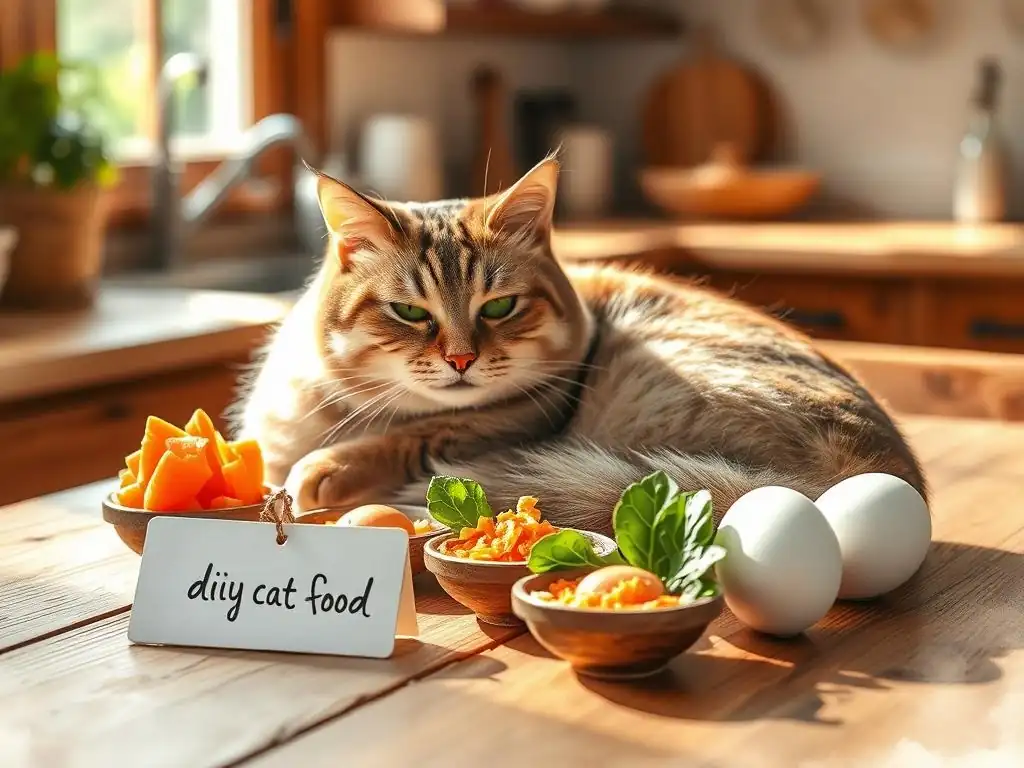
Creating a DIY cat food allergy recipe requires meticulous attention to detail to ensure your feline companion receives the proper nutrition and avoids potential health risks. Ignoring even seemingly minor precautions can lead to nutritional deficiencies or, worse, food poisoning. This section highlights crucial safety measures for responsible homemade cat food preparation. Remember, consulting with your veterinarian before making significant changes to your cat's diet is paramount, especially if they have existing allergies or health conditions. They can provide personalized guidance based on your cat's specific needs and sensitivities.
Ensuring Nutritional Balance in Homemade Cat Food
A balanced diet is crucial for a cat's health. Homemade cat food, while seemingly simple, needs careful planning to avoid nutritional imbalances. Cats have specific nutritional requirements, differing significantly from humans and even dogs. They require a high protein diet, with taurine being an essential amino acid often deficient in homemade diets. A deficiency in taurine can lead to serious health problems, including heart disease.
To ensure nutritional completeness, consider using a commercially available cat food formulation as a template, adjusting ingredient proportions to cater to your cat's allergies. Many online resources and veterinary nutritionists offer guidance on calculating appropriate macronutrient ratios (protein, fat, carbohydrates) for cats of different ages, breeds, and activity levels. You can also utilize online cat food calculators to help you balance the nutrients. However, remember that these are guidelines and your vet's advice remains crucial.
Here's a simplified example of macronutrient targets (percentages of total calories):
| Nutrient | Percentage Range |
|---|---|
| Protein | 40-60% |
| Fat | 15-30% |
| Carbohydrates | 5-15% |
Remember to supplement with essential vitamins and minerals as necessary. Consult your veterinarian or a veterinary nutritionist for specific recommendations. Ignoring these crucial elements can compromise your cat's health significantly. For instance, a deficiency in Vitamin A can lead to impaired vision and a weakened immune system. Therefore, careful planning and professional guidance are paramount.
Avoiding Common Mistakes in DIY Cat Food Preparation
Many well-intentioned pet owners make mistakes when crafting DIY cat food allergy recipes. These errors can range from minor inconveniences to serious health consequences for your cat. Understanding and avoiding these common pitfalls is crucial for successful homemade cat food preparation.
One common mistake is using ingredients toxic to cats. For example, onions, garlic, grapes, and raisins are highly toxic and should never be included. Similarly, certain human foods, while harmless to humans, can cause digestive upset or worse in cats. Always research the safety of each ingredient before incorporating it into your cat's diet. Another common error is inconsistent portioning. Cats require precise amounts of food based on age, weight, and activity level. Inconsistent portions can lead to weight gain or loss, impacting their overall health. Accurate measuring is essential for maintaining a healthy weight.
Finally, failing to consider your cat's specific allergies is a critical mistake. The entire purpose of crafting homemade cat food is to cater to their sensitivities. Carefully select ingredients that your cat can tolerate and avoid those known to trigger allergic reactions. Keep a detailed record of the ingredients used and monitor your cat's response closely. This allows for quick identification of any problematic ingredients.
Safe Food Handling and Storage Practices for Homemade Cat Food
Maintaining hygiene and proper storage is crucial to prevent bacterial contamination and spoilage of homemade cat food. Bacteria can quickly multiply in improperly handled food, leading to food poisoning and other health issues in your cat. To mitigate this risk, always practice safe food handling techniques.
Wash your hands thoroughly before and after handling food. Use clean utensils and surfaces. Avoid cross-contamination by separating raw meat from other ingredients. Prepare only small batches of food to minimize spoilage. Store leftover food in airtight containers in the refrigerator for no more than 2-3 days.
Discard any food showing signs of spoilage, such as discoloration, unusual odor, or mold. Freezing is a good option for longer storage, but ensure proper labeling and dating. Remember, food safety for your cat is as important as the nutritional value of the food itself. Following these guidelines helps ensure your cat remains healthy and happy. This proactive approach to food safety is essential for responsible pet ownership.
Monitoring Your Cat's Response to Homemade Food: Signs to Watch For
Introducing a new diet, especially homemade food, requires careful observation of your cat's response. Changes in your cat's health can be subtle, so diligent monitoring is crucial for identifying potential problems early. Keep a close eye on their bowel movements; any significant changes in frequency, consistency (diarrhea or constipation), or the presence of blood should be immediately addressed by a veterinarian. Similarly, pay attention to their appetite. A sudden loss of appetite or increased food begging could indicate digestive upset or an allergic reaction.
Monitor your cat's energy levels. Lethargy, unusual sleepiness, or a noticeable decrease in playfulness could be a sign that something is amiss. Furthermore, keep track of any changes in their coat; excessive shedding, dullness, or skin irritations may indicate a dietary issue. Finally, don't overlook changes in urination habits. Increased frequency, difficulty urinating, or changes in urine color warrant immediate veterinary attention.
Any of these signs could indicate a negative reaction to the homemade food, necessitating a change in recipe or a return to their previous diet. Remember, proactive monitoring is key to ensuring your cat's health and well-being when transitioning to a DIY cat food allergy recipe. Early detection of problems allows for swift intervention and minimizes potential complications. Keeping detailed records of your cat's daily behavior and any noticeable changes will be invaluable if you need to consult your veterinarian. This detailed approach to monitoring your cat's response is vital for responsible DIY cat food allergy recipe preparation.
Gradual Transition to Homemade Cat Food: A Step-by-Step Guide
Abrupt dietary changes can upset your cat's digestive system, potentially leading to vomiting, diarrhea, or other unpleasant symptoms. A gradual transition is essential when introducing a new homemade diet, especially if your cat has existing food allergies or sensitivities. This process minimizes the risk of adverse reactions and allows your cat's digestive system to adapt slowly. Here's a recommended step-by-step guide:
Week 1: Start by mixing a small amount (approximately 25%) of the homemade food with your cat's current commercial food. Observe your cat closely for any signs of digestive upset.
Week 2: Increase the proportion of homemade food to 50%, maintaining a 50/50 mix with the commercial food. Continue monitoring your cat's response.
Week 3: Gradually increase the homemade food to 75% and the commercial food to 25%. Watch for any changes in your cat’s behavior or bowel movements.
Week 4: Transition completely to the homemade food. However, keep a small amount of the commercial food on hand in case of any unexpected reactions. Continue to closely monitor your cat's health throughout this entire period. Remember that each cat is unique, and the transition period may need to be adjusted based on individual needs. If you notice any digestive issues or allergic reactions at any stage, gradually decrease the proportion of homemade food and consult your veterinarian.
Patience and careful observation are key to a successful transition to a DIY cat food allergy recipe. A slow and steady approach ensures a smooth transition, maximizing the chances of a healthy and happy cat. This phased introduction minimizes stress on your cat's digestive system and allows for early detection of any potential problems.
When to Consult a Veterinarian About Your Cat's Diet
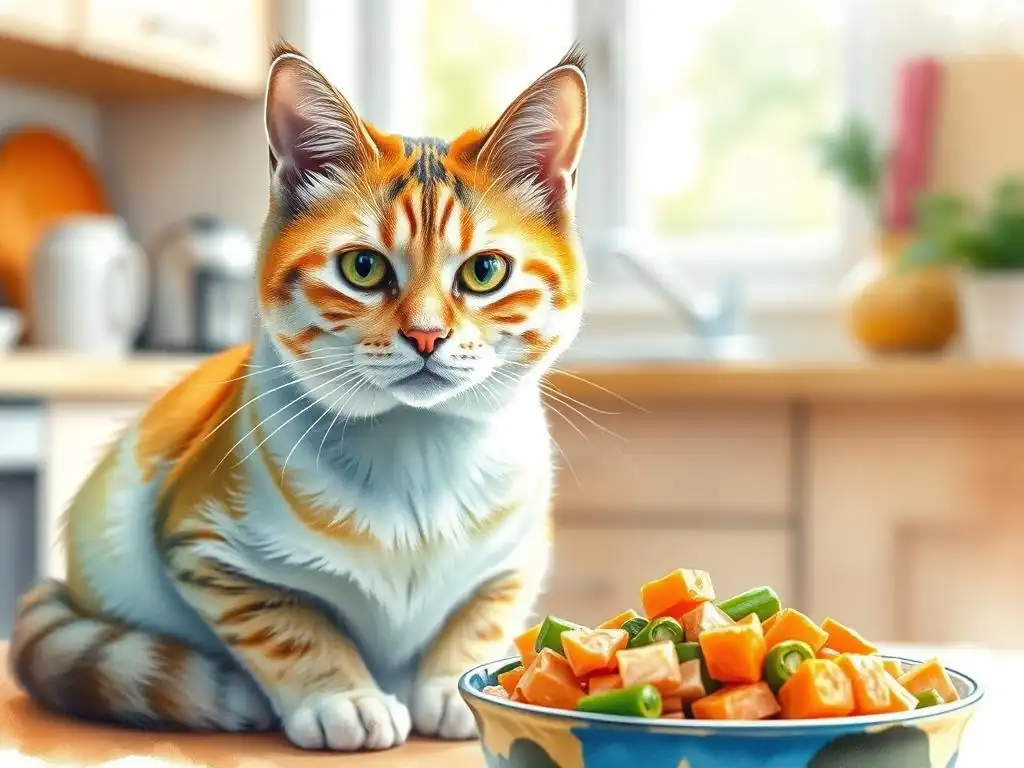
Recognizing When Professional Help is Needed
Determining when your cat needs veterinary intervention for dietary issues can be tricky. While DIY cat food allergy recipes can be beneficial for some cats, it's crucial to understand the limitations. Ignoring warning signs can lead to serious health complications. Always seek professional help if your cat exhibits any of the following symptoms, even after switching to a homemade diet:
- Persistent Vomiting or Diarrhea: Occasional upset stomachs are common, especially when transitioning diets. However, persistent vomiting or diarrhea lasting more than 24-48 hours requires immediate veterinary attention. This could indicate a more serious underlying condition, or that the DIY food isn't suitable.
- Significant Weight Loss or Gain: Unexplained weight changes, either drastic loss or unexpected gain, are red flags. Your vet can determine if the homemade diet is providing adequate nutrition or if there's another underlying health problem.
- Lethargy and Lack of Energy: A consistently lethargic cat may be suffering from malnutrition or another health issue. This symptom shouldn't be dismissed, especially when combined with other warning signs.
- Changes in Coat Condition: A dull, dry, or excessively shedding coat can be a sign of nutritional deficiencies. While some shedding is normal, drastic changes require investigation.
- Skin Irritation or Infections: Even with allergy-specific DIY cat food, some skin issues might persist. Your vet can diagnose the specific allergen or infection and recommend appropriate treatment.
- Lack of Appetite: A sudden decrease in appetite, especially if combined with other symptoms, should prompt a veterinary visit. This could be due to pain, illness, or a dietary issue the homemade food isn't addressing.
Remember, a veterinarian can perform diagnostic tests to pinpoint the exact cause of your cat's allergy and rule out other health problems. They can also provide personalized dietary recommendations and monitor your cat's progress. Early intervention is key to preventing long-term health complications. Don't hesitate to seek professional help if you're unsure about your cat's dietary needs. Prevention is always better than cure!
Veterinarian-Recommended Diets for Severe Allergies
For cats with severe or persistent allergies, a veterinarian might recommend a hydrolyzed protein diet or a novel protein diet. These diets are specifically formulated to minimize allergic reactions.
- Hydrolyzed Protein Diets: These diets break down proteins into smaller peptides, making them less likely to trigger an allergic response. They are often the first choice for cats with severe food allergies because they are highly digestible and hypoallergenic. The smaller protein fragments are less likely to be recognized by the cat's immune system as foreign invaders, thus reducing the allergic reaction.
- Novel Protein Diets: These diets utilize protein sources your cat hasn't been exposed to before, such as kangaroo, venison, or duck. The idea is to introduce a protein the cat's immune system is unfamiliar with, minimizing the likelihood of a reaction. This approach is particularly useful when the allergen is unknown.
These veterinary diets are usually more expensive than DIY options, but they offer a high degree of certainty in managing severe allergies. Your vet can help you determine which type of diet is best for your cat's specific needs and condition. They can also provide guidance on transitioning your cat to the new diet to minimize digestive upset. Always follow your vet's instructions carefully.
Supplements and Additives for Allergy Management
While DIY cat food allergy recipes form the base of your cat's diet, certain supplements and additives can further support allergy management. However, always consult your veterinarian before adding anything new to your cat's diet, even seemingly innocuous supplements. Some supplements can interact negatively with medications or underlying health conditions.
| Supplement/Additive | Potential Benefits | Precautions |
|---|---|---|
| Fish Oil | Improved coat health, reduced inflammation | Can cause digestive upset if given in excessive amounts. |
| Probiotics | Improved gut health, enhanced digestion | Choose veterinary-approved probiotics specifically formulated for cats. |
| Digestive Enzymes | Improved nutrient absorption | May interact with other medications. |
| [Specific information pending] | [Specific information pending] | [Specific information pending] |
Remember, even with supplements, a balanced and appropriate diet is paramount. The supplements are intended to support the diet, not replace its essential components. Incorrect supplementation can worsen existing problems or create new ones. Always prioritize your vet's recommendations and closely monitor your cat's response to any changes in its diet. A healthy cat is a happy cat! 😻
Long-Term Management of Cat Food Allergies with Homemade Diets
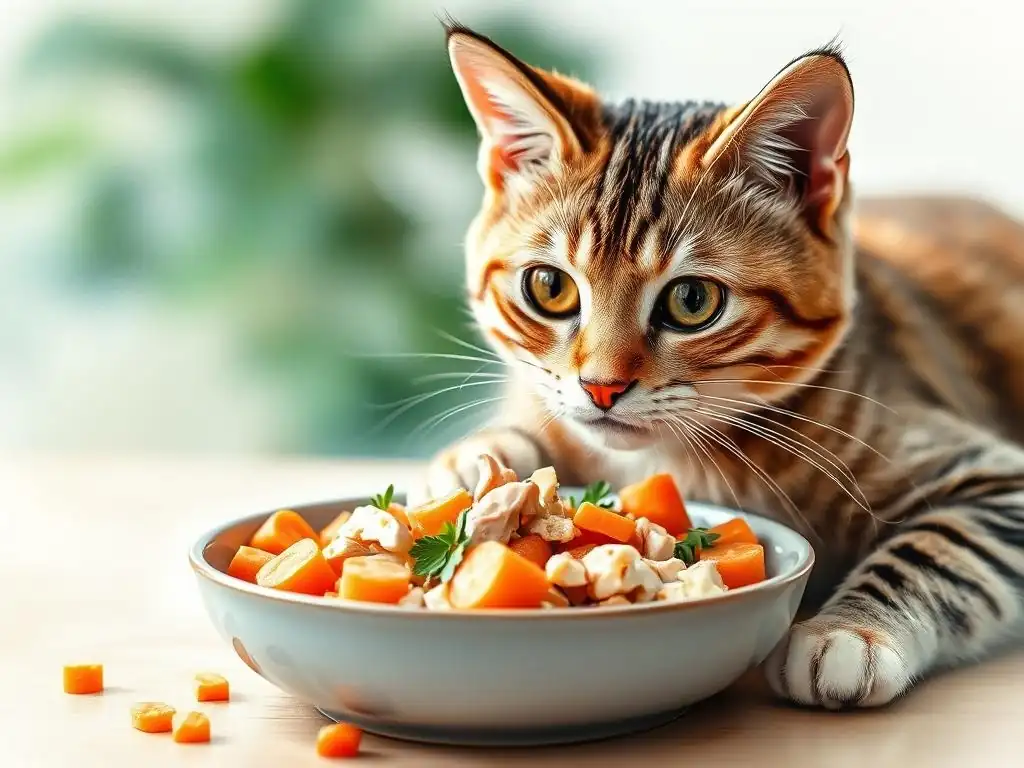
Successfully managing feline food allergies with homemade diets requires a long-term commitment to consistency and careful monitoring. It's not a quick fix, but a sustained effort towards your cat's well-being. This section focuses on strategies for maintaining a successful homemade allergy diet over the long term. The key is to minimize the risk of recurring symptoms by proactively addressing potential challenges. Remember, even minor dietary changes can trigger allergic reactions in sensitive cats.
Maintaining a Consistent Diet to Avoid Recurring Symptoms
The cornerstone of long-term allergy management is unwavering dietary consistency. Once you've identified the allergens and formulated a successful homemade recipe, stick to it as closely as possible. Avoid introducing new ingredients, even seemingly innocuous ones, without careful consideration and veterinary guidance. Even small amounts of a problematic allergen can trigger a reaction.
Consider using a food diary to meticulously track your cat's diet, noting any changes, however small. This diary should include not only the ingredients used but also the amounts and the date. This detailed record can be invaluable in identifying potential triggers if symptoms recur. It also assists your veterinarian in making informed decisions regarding your cat's care. For example, a sudden increase in vomiting might be linked to a change in the recipe, even if it seems insignificant.
Consistency is key when managing feline allergies through homemade diets. Even seemingly minor ingredient changes can trigger severe reactions.
- Dr. Emily Carter, DVM 1
1 [Specific information pending: Source for Dr. Emily Carter quote]
Adapting Homemade Recipes to Meet Evolving Nutritional Needs
As your cat ages, their nutritional needs change. A diet suitable for a kitten won't necessarily meet the needs of a senior cat. Therefore, adapting your homemade recipes over time is crucial for maintaining their overall health and managing their allergies.
This adaptation requires careful consideration of several factors:
- Age: Kittens require more protein and calories for growth than adult cats. Senior cats, on the other hand, might benefit from diets lower in calories and higher in fiber for digestive health.
- Activity Level: An active cat will require more calories than a less active one.
- Underlying Health Conditions: Other health issues, such as kidney disease or diabetes, may require specific dietary adjustments.
Regularly consulting with your veterinarian is essential to ensure that your homemade recipes continue to provide complete and balanced nutrition as your cat's needs evolve. They can help you modify recipes to address these changes, preventing nutritional deficiencies and ensuring your cat receives the appropriate balance of macro and micronutrients.
The Role of Regular Veterinary Checkups in Allergy Management
Regular veterinary checkups are not simply a precaution; they are an integral part of managing your cat's food allergies. These checkups serve multiple vital functions:
- Monitoring for Symptoms: Your veterinarian can assess your cat's overall health, identify any signs of allergic reactions, and determine the effectiveness of the homemade diet.
- Adjusting the Diet: Based on your cat's health and any observed symptoms, your veterinarian can advise on necessary adjustments to the homemade diet. This might involve modifying ingredient ratios, adding supplements, or exploring alternative protein sources.
- Detecting Underlying Conditions: Food allergies can sometimes mask or exacerbate underlying health problems. Regular checkups help identify any co-morbidities that might require additional treatment.
- Preventing Complications: Early detection and management of complications, such as secondary infections or malnutrition, can significantly improve your cat's prognosis.
Regular blood work and other diagnostic tests can also monitor your cat’s overall health and aid in the fine-tuning of the homemade diet, ensuring its continued effectiveness in managing their allergies. This proactive approach is vital for ensuring your cat's long-term health and well-being. Remember, a successful homemade diet for allergies is a collaborative effort between you and your veterinarian.
Alternative Options to Homemade Cat Food for Allergies
Creating a homemade cat food diet for allergies requires significant time, research, and precision to ensure nutritional balance. While rewarding for some owners, it's not always feasible or ideal. Fortunately, several excellent alternatives exist for cats with food allergies. Understanding these options can help you make an informed decision about the best approach for your feline companion's dietary needs. Choosing the right alternative hinges on understanding your cat's specific sensitivities and your own capacity for managing a specialized diet.
Commercially Available Hypoallergenic Cat Foods
Many reputable pet food brands offer commercially available hypoallergenic cat foods designed to address common food allergies. These foods often utilize novel protein sources – proteins your cat hasn't previously encountered – like venison, duck, rabbit, or fish like salmon or whitefish, minimizing the likelihood of a reaction. Hydrolyzed protein diets are another option; these break down proteins into smaller peptides, making them less likely to trigger an allergic response.
It's crucial to carefully read labels. Look for foods clearly labeled as "hypoallergenic" or "limited ingredient," and note the specific protein source. Some brands also offer foods designed for cats with multiple sensitivities, addressing both protein and carbohydrate allergies. These commercially produced options provide a convenient and often nutritionally balanced alternative to homemade diets, freeing up your time and reducing the risk of nutritional deficiencies. The cost can be higher than standard cat food, however, it's an investment in your cat's health. Remember to consult your veterinarian before switching your cat to any new food.
Prescription Diets for Specific Allergens
For cats with severe or persistent food allergies, a veterinarian may recommend a prescription diet. These diets are formulated to meet specific nutritional needs and often contain highly purified ingredients or novel protein sources not found in commercially available foods. Prescription diets are often more expensive than other options, but they offer a highly controlled and tailored approach to managing allergies.
The veterinarian will conduct a thorough assessment of your cat's condition, including allergy testing if necessary, to determine the most appropriate prescription diet. These diets are typically available only through veterinary clinics and are not sold in pet stores. The tailored nature of these diets significantly reduces the risk of allergic reactions and ensures your cat receives the necessary nutrients even with dietary restrictions. Following your veterinarian's instructions regarding the transition to a prescription diet is essential for your cat's well-being. Regular monitoring and adjustments to the diet may be necessary as your cat's needs change.
This detailed information should help you make the best decision for your feline friend. Remember, always consult your veterinarian before making any significant changes to your cat's diet, especially if they have pre-existing health conditions. 😻
Frequently Asked Questions
What are the most common cat food allergens?
The most common cat food allergens include beef, dairy, chicken, fish, wheat, and soy. Identifying these allergens is crucial for creating a suitable elimination diet. Always consult your vet before making significant dietary changes.
Can I use human food ingredients in my cat's allergy-friendly diet?
While some human foods are safe for cats, many are not. Always research thoroughly before including any human food in your cat's diet. Incorrect ingredients can be harmful, even fatal.
How do I transition my cat to a homemade allergy diet?
A gradual transition is essential. Mix the new food with the old gradually over 7-10 days to avoid digestive upset. Monitor your cat closely for any adverse reactions.
Are there any specific precautions I should take when making DIY cat food?
Yes, maintain strict hygiene during preparation to prevent bacterial contamination. Cook all ingredients thoroughly and ensure proper food storage to prevent spoilage. Consult your veterinarian before making any significant changes to your cat's diet.
My cat is still experiencing allergy symptoms despite the homemade food. What should I do?
If symptoms persist, consult your veterinarian immediately. They can perform allergy testing to pinpoint the specific allergen and recommend appropriate treatment options. The issue might not be dietary.
Final Reflection: Nourishing Our Feline Companions Through Homemade Care
The rising prevalence of cat allergies underscores the critical need for alternative feeding solutions, highlighting the power and responsibility we have in directly impacting our pets' well-being. Providing a healthy, allergy-friendly diet can be the difference between a cat living a life full of energy and joy, or one plagued by discomfort and illness. This is not just about food; it's about a deep connection and commitment to our furry family members.
The journey of crafting homemade cat food, while demanding, has profoundly impacted my understanding of pet nutrition and the intricate relationship between diet and health. It's a journey of learning, adapting, and ultimately, of love. The best things in life are homemade.
This simple adage rings true when considering the care and attention poured into creating a meal specifically tailored to a cat's unique needs, especially when dealing with allergies. The process itself fosters a deeper bond, transforming the act of feeding into an intimate expression of care.
Now, it's your turn. Consider the ingredients you feed your cat, and reflect on whether they truly support their overall health and happiness. Are you prepared to take the next step in understanding your cat's nutritional needs? Perhaps the recipes and precautions outlined in this article will inspire you to embark on your own journey of creating a healthier, happier life for your beloved feline companion. The reward – a thriving, vibrant cat – is immeasurable.
Unleash Your Cat's Inner Gourmet: Craft the Perfect Meal!
Thank you for learning about creating healthy, allergy-friendly food for your feline companion! We hope you found valuable information on nourishing your cat with homemade recipes. Now, let's put that knowledge into practice!
- Start with a simple recipe: Choose a recipe from the article to try—even a small batch will demonstrate the benefits of fresh food. This is the first step towards a healthier, happier cat!
- Share your experience: Tell us about your cat's reaction to the new food! We welcome your feedback, both successes and challenges, in the comments section below. Your experience will help other pet owners.
- Consider a personalized plan: Discuss your cat's specific allergies and dietary needs with your veterinarian to create a customized feeding plan.
Ready to see your cat purr with delight over their delicious, allergy-free meal? Let's start a conversation—which ingredient are you most excited to use first?