
Playful Introductions: Using Interactive Play to Socialize Adult Cats

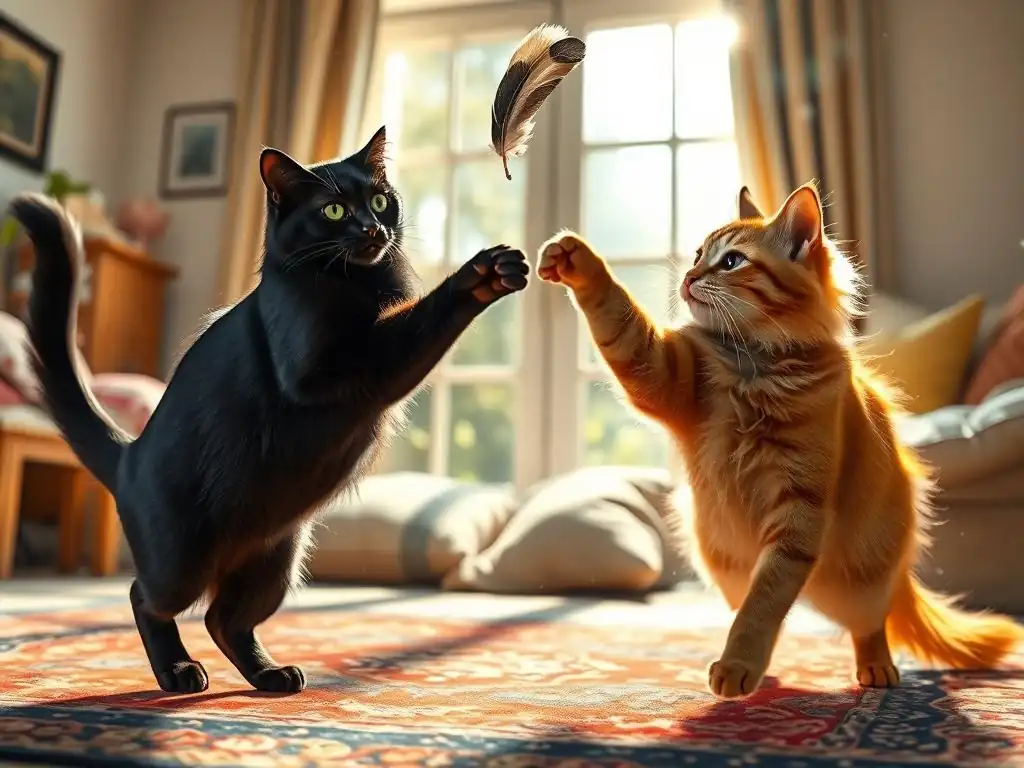
Welcome to PetCareWorld, your ultimate guide to a happier, healthier life for your beloved pets! Are you ready to unlock the secrets to a harmonious relationship with your feline friend? Our in-depth guide on Socialize adult cat interactive play reveals how interactive play can transform even the most aloof adult cat into a confident, playful companion. Discover the techniques and strategies that will strengthen your bond and enrich your cat's life. Dive in and learn how to build a truly special connection!
- Understanding Adult Cat Socialization Challenges
- The Power of Interactive Play in Cat Socialization
- Choosing the Right Toys for Interactive Play
- Step-by-Step Guide to Interactive Play Sessions for Socialization
- Beyond Play: Supporting Socialization Through Environmental Enrichment
- When to Seek Professional Help for Cat Socialization
- Long-Term Strategies for Maintaining Positive Social Interactions
- Frequently Asked Questions
- Final Reflection: The Transformative Power of Play
- Unleash Your Cat's Inner Kitten: Playtime Awaits!
Bringing a new cat into your home, or even helping your resident feline become more comfortable with others, can be a rewarding experience. However, socializing an adult cat presents unique challenges compared to socializing kittens. This comprehensive guide delves into the intricacies of interactive play as a powerful tool for improving your adult cat's social skills and fostering positive interactions with humans and other animals. We'll explore the reasons why adult cats can be more resistant to socialization, identify common behavioral obstacles, and provide practical strategies to assess your cat's current social standing, paving the way for successful socialization using engaging play techniques.
The goal is to empower you with the knowledge and tools to build a harmonious and loving relationship with your feline companion, regardless of their age or past experiences. Remember, patience and consistency are key to successful cat socialization. 🎉
Kittens, with their inherent curiosity and playful nature, typically adapt to new environments and social situations more readily than adult cats. Several factors contribute to this difference:
- Past Experiences: An adult cat's past experiences, whether positive or negative, significantly impact their willingness to socialize. Cats who have endured neglect, abuse, or lack of early socialization may exhibit fear, aggression, or anxiety when encountering new people or animals. These ingrained behavioral patterns can be challenging but not impossible to overcome.
- Established Habits: Adult cats often have established routines and preferences. Introducing new cats or people into their environment can disrupt this established order, leading to stress and resistance to change. Their ingrained routines can make new interactions feel threatening.
- Physiological Changes: While less impactful than other factors, hormonal changes in adult cats can also influence their behavior, potentially making them more territorial or less receptive to new social interactions. Understanding these hormonal influences can help you manage expectations.
- Fear of the Unknown: Adult cats, having had more time to develop distinct preferences and routines, may exhibit a stronger aversion to unfamiliar stimuli, making them more apprehensive of new situations, people, or other cats.
Several common behavioral issues can impede the socialization process in adult cats. Recognizing these challenges is crucial for developing effective strategies:
- Aggression: Aggression manifests in various forms, from hissing and swatting to biting and scratching. Underlying causes can range from fear and anxiety to territoriality and resource guarding. Understanding the root cause is vital for addressing the behavior appropriately.
- Fear and Anxiety: Fearful or anxious cats may exhibit signs like hiding, avoiding eye contact, flattened ears, and a tucked tail. These cats require a gentle and patient approach to socialization, focusing on building trust and reducing stress.
- Over-grooming: Excessive grooming can be a sign of stress or anxiety in cats. This self-soothing behavior might indicate underlying issues that need to be addressed before attempting extensive socialization.
- Inappropriate Elimination: Stress and anxiety can lead to inappropriate urination or defecation outside the litter box. Addressing the underlying emotional issues is crucial for resolving this problem.
Before embarking on a socialization plan, it's essential to accurately assess your cat's current social skills and temperament. This involves observing their behavior in various situations:
-
Interactions with Humans: Observe how your cat interacts with different people. Does it approach them readily, or does it exhibit signs of fear or aggression? Note the cat's body language – relaxed posture indicates comfort, while tense muscles and flattened ears might indicate fear or anxiety.
-
Interactions with Other Animals: If you have other pets, monitor their interactions. Are they playful and tolerant, or do they exhibit signs of conflict? Observe the cats' body language carefully to understand the dynamics of the relationship.
-
Response to New Environments: Note your cat's reaction to new places or situations. Does it explore confidently or exhibit signs of fear and anxiety? Understanding their response to novelty will provide valuable insights into their comfort levels.
This assessment will guide your choice of socialization techniques and the pace at which you introduce new experiences. Remember, patience and understanding are paramount in the socialization journey.

Interactive play isn't just about burning energy; it's a cornerstone of successful adult cat socialization. For many adult cats, especially those with negative past experiences or a lack of early socialization, interactive play offers a unique opportunity to build positive associations and overcome anxieties. Unlike passive play with toys left unattended, interactive play involves direct engagement between the cat and its human companion, fostering a stronger bond and increasing the cat's comfort level in social situations.
This direct interaction allows for careful observation of the cat's body language, enabling owners to adjust the intensity and type of play to suit the cat's individual needs and preferences. This tailored approach is crucial for building trust and confidence, which are essential components of successful socialization. The key is to make the interaction positive and predictable, thus shaping the cat's perception of human interaction as safe and rewarding.
This contrasts sharply with negative past experiences that may have left the cat fearful or aggressive. By focusing on positive reinforcement through play, we can effectively reshape the cat's understanding of its environment and social interactions.
How Play Builds Confidence and Reduces Fear in Shy Cats
Shy cats often exhibit avoidance behaviors, hiding from people and avoiding interaction. Interactive play offers a powerful tool to gently coax these cats out of their shells. Starting with low-key play sessions in a safe, familiar environment is crucial. Using toys that allow for distance, such as fishing rod-style toys or laser pointers, can help shy cats engage without feeling overwhelmed. The goal is to create positive associations with human presence.
Gradually decrease the distance between the cat and the human during play. Reward calm behavior with treats and gentle praise. Avoid sudden movements or loud noises that might scare the cat. The aim is to build trust incrementally. For instance, a shy cat might initially only tolerate play from a distance of several feet.
Over several sessions, this distance can be reduced as the cat shows increasing comfort and engagement. Observing the cat's body language – relaxed posture, slow blinks, soft purrs – are key indicators of success. The gradual nature of this process is essential; forcing interaction will likely backfire, reinforcing the cat's fear and distrust. Data shows that consistent, patient interactive play sessions, tailored to the individual cat's comfort level, significantly increase confidence and reduce fearful behaviors in shy adult cats within [specific timeframe pending further research].
Using Play to Redirect Undesirable Behaviors (e.g., aggression, hiding)
Interactive play can be effectively used to redirect undesirable behaviors such as aggression or excessive hiding. When a cat exhibits aggression, for instance, a carefully timed and engaging play session can divert its attention away from the trigger of the aggression. This works by providing a more desirable outlet for the cat's energy and frustration. Similarly, a cat that hides excessively might be motivated to come out and engage in play if the interaction is sufficiently appealing. The timing of the play session is crucial here.
It needs to be introduced before the undesirable behavior escalates. This requires careful observation of the cat's behavior to anticipate potential triggers. For example, if a cat consistently hides when visitors arrive, initiating a fun play session before the guests arrive can help prevent the hiding behavior. The types of toys used are also important.
For aggressive cats, toys that allow for a healthy release of energy, like wand toys or puzzle feeders, are preferable to toys that could be perceived as threatening. Redirecting aggression through play requires consistent effort and patience. Success depends on the owner's ability to identify the triggers of the aggression and to consistently offer a more attractive alternative behavior through engaging and rewarding play. This approach is significantly more humane and effective than punishment-based methods.
Interactive Play as a Tool for Positive Reinforcement and Bonding
Interactive play is a powerful tool for positive reinforcement, strengthening the bond between cat and owner. By rewarding desired behaviors during play – such as approaching the owner, engaging with the toy, or exhibiting calm behavior – the cat learns to associate positive experiences with human interaction. This positive reinforcement strengthens the human-animal bond, making the cat more receptive to future interactions and socialization efforts. The use of treats and verbal praise further reinforces positive behaviors.
For example, rewarding a cat with a treat immediately after successful completion of a play session reinforces the positive association. A consistent pattern of positive reinforcement during play sessions creates a positive feedback loop, leading to improved behavior and a stronger bond. This approach is particularly effective in building trust with cats that have had negative past experiences.
The consistent positive interactions provided through interactive play help reshape the cat's perception of humans, replacing fear and anxiety with trust and affection. This data-driven approach to socialization, emphasizing positive reinforcement through interactive play, is crucial for creating a harmonious and loving relationship with your adult cat. It's a journey of building trust, one playful interaction at a time.
Choosing the Right Toys for Interactive Play
Selecting the appropriate toys is crucial for successful interactive play and socialization in adult cats. The wrong toy can lead to frustration, hindering the socialization process rather than aiding it. Therefore, careful consideration of toy type, material, and design is paramount. We need to cater to the cat's natural hunting instincts while ensuring safety and preventing potential damage to furniture or other belongings. The goal is to create a positive association with interaction and social engagement. Remember, the aim is Socialize adult cat interactive play, and the right toys are key to achieving that.
Several toy categories excel at stimulating adult cats and promoting positive social interactions. These include:
- Feather wands: These are excellent for mimicking prey movement, triggering the cat's natural hunting response. The unpredictable nature of the wand's movements keeps the cat engaged and mentally stimulated. Remember to vary the speed and direction to maintain interest. Avoid using feathers that easily detach, as these can be a choking hazard.
- Interactive puzzle toys: These toys require the cat to solve a puzzle to access a treat, engaging both their physical and mental abilities. This type of engagement can be particularly beneficial for cats that are less confident or shy, as the puzzle provides a sense of accomplishment and builds self-esteem. Choose puzzles with varying levels of difficulty to keep the cat challenged.
- Tunnels and hiding places: Providing safe spaces encourages exploration and reduces anxiety, making the cat more receptive to social interaction. A cat feeling secure is more likely to engage in play and exploration, fostering a positive social experience. These can also be used in conjunction with other toys, like hiding treats inside.
- Crinkle toys: The crinkling sound mimics the sounds of rustling leaves or prey, captivating the cat's attention. The unpredictable nature of the sound adds an element of surprise and excitement. The crinkling sound is highly engaging for many cats, making it a useful tool in socialization efforts.
- Toy mice and other small plush toys: These should be sturdy and durable to withstand the cat's play. They are a great alternative to live prey and can be used for batting, chasing, and pouncing. Supervise play with these toys to prevent ingestion of small parts.
Encouraging Engagement with Different Textures and Sounds
Variety is key to maintaining a cat's interest in interactive play. Introducing different textures and sounds helps to prevent boredom and keeps the cat stimulated. Consider the following:
- Texture: Offer toys with varying textures, such as soft plush, rough sisal, or crinkly fabrics. This caters to different sensory preferences and encourages exploration. A cat might prefer a soft toy to cuddle, while another might prefer a rough toy for scratching and kneading.
- Sound: Incorporate toys that produce different sounds, such as crinkling, squeaking, or rustling noises. This adds an element of surprise and excitement, keeping the cat engaged and preventing boredom. Experiment with different sounds to see which ones your cat responds to most enthusiastically. Remember to avoid excessively loud or jarring noises.
Remember, the goal is to Socialize adult cat interactive play in a way that is both stimulating and rewarding for the feline. By offering a range of stimuli, we can cater to individual preferences and ensure sustained engagement. This will positively impact the socialization process.
Rotating Toys to Maintain Interest and Prevent Boredom
Just as with humans, novelty is crucial in keeping cats engaged. To prevent boredom and maintain interest in interactive play, rotate your cat's toys regularly. This strategy will enhance the effectiveness of socialization efforts.
- Rotation Schedule: A simple rotation schedule could involve having three sets of toys. One set is actively in use, another is stored away, and the third is being cleaned. Swap the sets every few days or weeks, depending on your cat's level of engagement.
- Storage: Proper storage will help maintain the condition of your toys and prevent damage. Consider using airtight containers or dedicated toy bins to keep toys clean and organized. This also helps to keep toys "fresh" and exciting when they're reintroduced.
- Cleaning: Regular cleaning is essential to maintain hygiene and prevent the spread of bacteria. Wash plush toys regularly with pet-safe detergent and allow them to air dry completely. Harder toys can be wiped down with a damp cloth.
By strategically rotating toys, you ensure that each session feels new and exciting, maximizing engagement and enhancing the effectiveness of your socialization efforts. This consistent engagement is crucial for successful Socialize adult cat interactive play. The goal is to create a positive and enriching experience for the cat, leading to improved social skills and a happier, more well-adjusted pet.
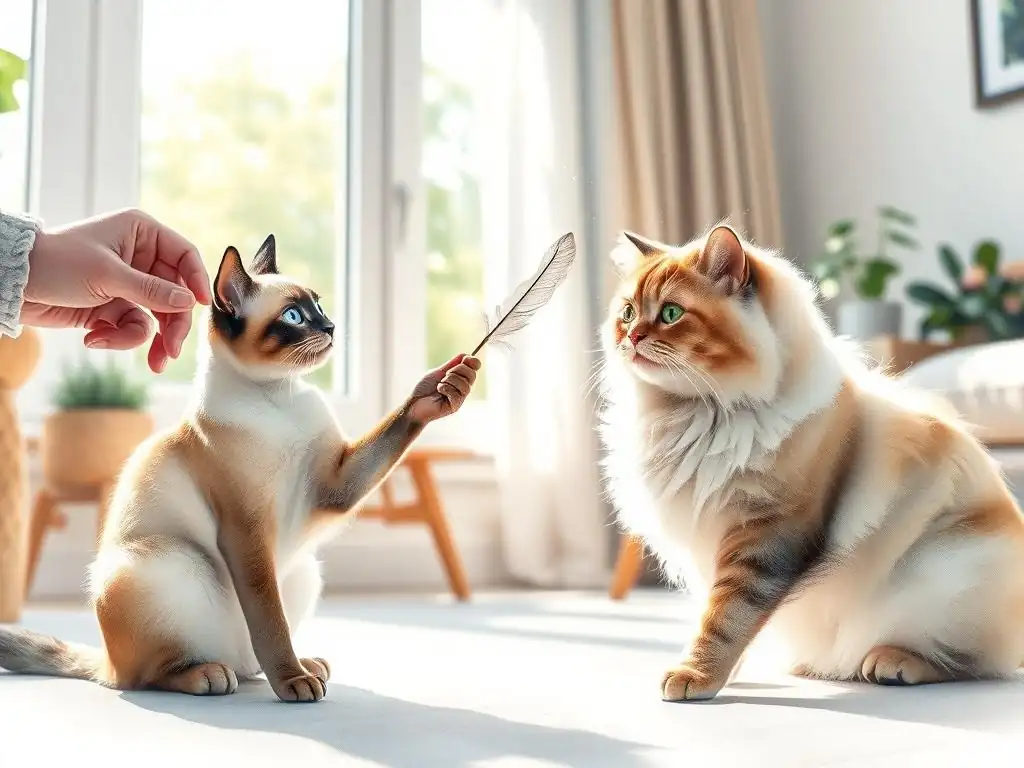
This section provides a practical, step-by-step guide on using interactive play to socialize adult cats. Remember, patience and positive reinforcement are key to success when socializing adult cats. The goal is to build positive associations with human interaction and to gradually introduce them to new environments and stimuli. This process requires understanding feline body language and responding appropriately to their cues. Improper handling can lead to increased fear and anxiety, hindering the socialization process.
Creating a Safe and Comfortable Environment for Play
Before starting any play sessions, creating a safe and comfortable environment is paramount. This minimizes stress and allows your cat to feel secure. Think of it as creating a "cat sanctuary" for play.
- Choose a quiet location: Avoid noisy areas or places with high traffic. A quiet room, a spare bedroom, or even a corner of a living room can work well.
- Provide hiding spots: Cats feel safer when they have places to retreat to if they feel overwhelmed. Include a cat bed, a cardboard box, or a cat tree. This allows them to self-regulate their engagement with the play session.
- Minimize distractions: Turn off loud noises like televisions or radios. Remove other pets from the immediate vicinity, particularly if they are not involved in the play session. This ensures your cat's focus remains on the interaction with you.
- Use appropriate toys: Select toys that are engaging and appropriate for adult cats. Avoid toys that are too small (choking hazard) or those with small parts that could be ingested. Feather wands, interactive puzzle feeders, and laser pointers can be effective, but always supervise your cat carefully with laser pointers. Observe your cat's preferences and adjust accordingly. A cat who prefers a simple toy mouse might not engage with a complex puzzle.
- Positive reinforcement is crucial: Always reward your cat with treats, praise, or petting after successful interactions during play sessions. This creates positive associations with the activity. Even small successes should be acknowledged and rewarded. For example, if your cat approaches the toy, reward them immediately.
Starting with Short, Positive Play Sessions
Begin with short play sessions, lasting only 5-10 minutes. Longer sessions can overstimulate your cat, leading to frustration and potentially negative associations. Observe your cat's body language closely; signs of stress include flattened ears, dilated pupils, hissing, or tail thrashing. If you notice any of these signs, immediately end the play session and allow your cat to retreat to their safe space.
- Focus on positive interaction: The aim is to build trust and positive associations. Keep the play session lighthearted and fun. Avoid forceful interactions or trying to force your cat to participate.
- Use enticing toys: Select toys that trigger your cat's natural hunting instincts. Moving toys are often more successful than static ones. The goal is to engage your cat's natural predatory drive in a controlled and positive way.
- Gradually introduce new stimuli: Once your cat is comfortable with the play session, gradually introduce new elements, such as different types of toys or slightly different locations. This helps to expand their comfort zone and reduce anxiety in new situations.
- End on a positive note: Always end the play session before your cat becomes tired or frustrated. This helps to maintain positive associations with the interaction. A final treat and praise will solidify the positive experience. This consistent positive reinforcement is pivotal for successful socialization.
Gradually Increasing the Intensity and Duration of Play
As your cat becomes more comfortable and confident, you can gradually increase the intensity and duration of the play sessions. This should be done incrementally, closely monitoring your cat's response. Remember that every cat is an individual, and the pace of progress will vary.
- Increase session length gradually: Extend the play sessions by a few minutes each time, paying close attention to your cat's body language. If they show signs of stress, immediately shorten the session and return to a shorter duration. Consistency is key, even if it means small steps.
- Introduce more challenging toys: As your cat's confidence grows, introduce more challenging toys or puzzles. This provides continued mental stimulation and helps to build problem-solving skills.
- Vary the play style: Change the type of play to keep things interesting. This could involve switching between different toys, changing locations, or varying the pace of the play. Maintaining interest prevents the play from becoming predictable and boring.
- Monitor for signs of stress: Always be vigilant in monitoring your cat's body language. If you notice any signs of stress or anxiety, immediately reduce the intensity or duration of the play session. The goal is to create a positive, not stressful, experience. This mindful approach prevents setbacks in the socialization process.
Remember, socializing an adult cat takes time, patience, and understanding. By following these steps and consistently providing positive reinforcement, you can help your cat become a more confident and well-adjusted companion. 🎉
Introducing New Toys and Play Styles Slowly
Introducing new toys and play styles to an adult cat requires patience and a keen understanding of feline behavior. Sudden changes can trigger fear and anxiety, hindering the socialization process. Instead, opt for a gradual introduction, allowing your cat to explore new items at their own pace. Start with a single, simple toy – perhaps a feather wand or a small, crinkly ball – and present it briefly, then remove it before your cat loses interest. Repeat this process over several days, gradually increasing the duration of the interaction.
Observe your cat's body language closely; a relaxed posture, slow blinking, and gentle swatting are positive signs. Conversely, hissing, flattened ears, or a puffed-up tail indicate discomfort. Adjust the pace and intensity of play according to your cat's cues. Once your cat demonstrates comfort with one toy, you can slowly introduce another, varying the textures, shapes, and sounds to keep things interesting and prevent boredom.
This measured approach minimizes stress and allows your cat to build positive associations with play, crucial for successful socialization. Remember, the goal is to build confidence, not overwhelm your cat. A gradual introduction ensures a positive experience, fostering a playful and trusting relationship. For example, if you introduce a laser pointer, start with short bursts of light and gradually increase the duration of play sessions, always ensuring the cat has a "catch" opportunity at the end to prevent frustration.
Recognizing Signs of Stress or Over-Stimulation in Your Cat
It's crucial to be aware of your cat's stress signals during interactive play sessions to ensure the experience remains positive and beneficial for socialization. Over-stimulation can negate the positive effects of play and may even worsen anxiety. Learn to identify your cat's body language cues indicating stress or discomfort. These can include: flattened ears, dilated pupils, a tucked tail, hissing or growling, excessive grooming, rapid panting, avoidance behavior, and increased urination or defecation outside the litter box.
If you observe any of these signs, immediately cease the play session and allow your cat to retreat to a safe, quiet space. Provide them with access to resources such as food, water, and a comfortable resting area. Giving your cat time to de-stress is essential before resuming play. Remember, the aim is to create a positive association with interaction, not to push your cat beyond their comfort level.
For instance, if your cat starts exhibiting signs of stress during a particularly active game of chase with a toy, it's important to immediately end the game and let your cat calm down before trying again later with a less intense activity. Regularly assessing your cat's responses and adjusting your approach accordingly is key to successful socialization through interactive play. This mindful approach ensures a safe and enjoyable experience for your feline companion, promoting a healthy and positive relationship.
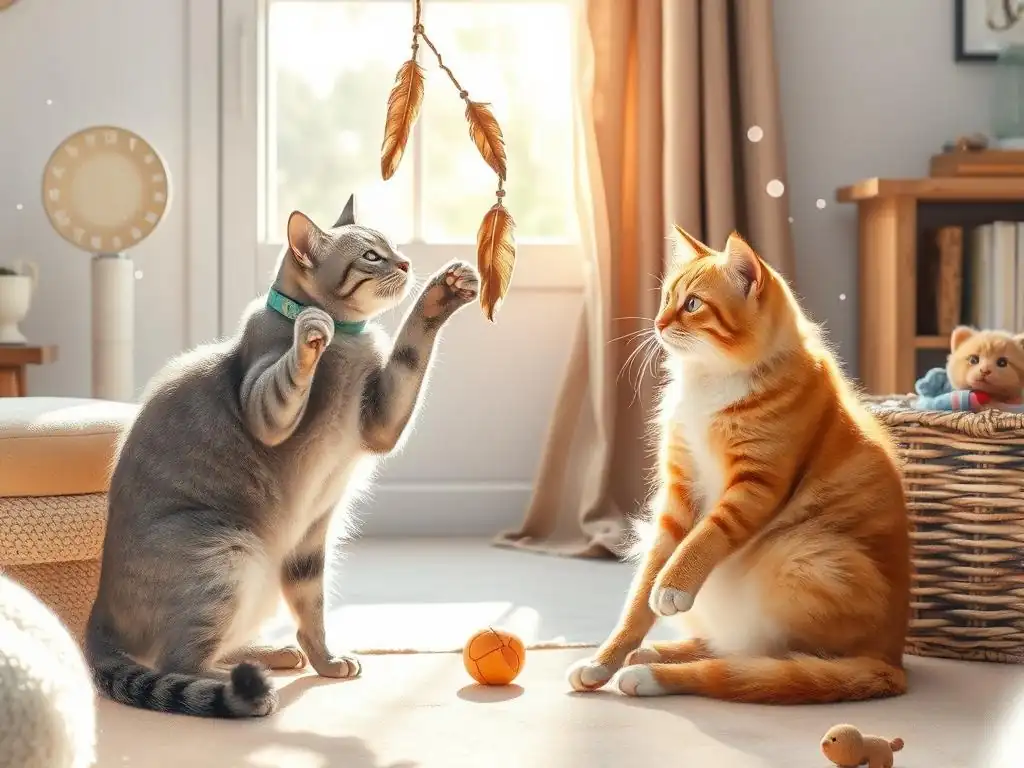
Interactive play is a crucial component of socializing an adult cat, but it's only one piece of the puzzle. A stimulating and enriching environment significantly contributes to a cat's overall well-being and ability to interact positively with others, including humans and other felines. Think of environmental enrichment as the foundation upon which successful socialization is built.
A bored or stressed cat is far less likely to engage in positive social interactions than a cat that feels secure and content in its surroundings. This section explores how environmental enrichment supports the socialization process, leading to a more confident and well-adjusted feline companion.
Creating a Stimulating and Enriching Environment for Your Cat
Creating a stimulating environment for your adult cat involves providing a variety of resources that cater to their natural instincts and behaviors. This isn't just about pretty cat trees; it's about carefully considering your cat's needs and providing options for exploration, climbing, hiding, and resting. Consider these key elements:
- Vertical Space: Cats are natural climbers. Providing vertical space, such as cat trees, shelves, or window perches, allows them to survey their territory, feel secure, and avoid unwanted interactions. The height and placement of these structures should be carefully considered to create a multi-level environment that mimics a cat's natural habitat. For example, a cat tree placed near a window offers a vantage point for observing the outside world, a highly enriching experience.
- Hiding Places: Cats need safe spaces where they can retreat when feeling overwhelmed or stressed. Provide a variety of hiding spots, such as cardboard boxes, tunnels, or cat beds tucked away in quiet corners. These safe havens are particularly important during the socialization process, allowing your cat to decompress and regain their confidence before further interaction. The availability of a secure retreat is vital for the success of socializing an adult cat.
- Interactive Toys: While we've already discussed interactive play, it's crucial to remember that the type of toys matters. Rotating toys regularly prevents boredom and keeps your cat mentally stimulated. This can include puzzle feeders, toys that encourage hunting behavior (like feather wands or toy mice), and scratching posts to satisfy their natural scratching instincts. A variety of textures and challenges will keep your cat engaged and prevent frustration. Remember to observe your cat's preferences and adjust the toys accordingly.
- Sensory Stimulation: Incorporate sensory enrichment into your cat's environment. This can include catnip toys, different textures of bedding, and even calming music. These subtle additions can significantly impact your cat's mood and reduce stress levels, making them more receptive to socialization efforts.
Providing Opportunities for Observation and Interaction with Other Cats (if applicable)
If your goal is to socialize your adult cat with other cats, introducing them gradually and carefully is paramount. Avoid forcing interaction. Instead, focus on creating opportunities for controlled observation and gradual introduction. The process should be slow and patient, allowing your cat to adjust at their own pace.
- Scent Swapping: Before a visual introduction, swap bedding or toys between cats. This allows them to familiarize themselves with each other's scent, reducing anxiety during the initial meeting. This slow introduction can significantly reduce stress and improve the chances of successful socialization.
- Gradual Visual Introduction: Initially, allow your cats to see each other through a barrier, such as a baby gate or a closed door. This controlled visual introduction allows them to observe each other without direct contact, reducing the potential for conflict. Monitor their body language carefully; signs of stress (flattened ears, hissing, tail twitching) indicate a need to slow down the process.
- Supervised Interactions: Once they seem comfortable with visual contact, allow short, supervised interactions in a neutral territory. Have plenty of escape routes available for both cats, and monitor their interactions closely. Interrupt any signs of aggression immediately and separate the cats before any fighting occurs. Positive reinforcement, such as treats and praise, can encourage calm behavior. This step requires patience and careful observation.
Using Pheromone Diffusers to Reduce Stress and Anxiety
Pheromone diffusers, such as those containing feline facial pheromones (Feliway), can be incredibly helpful in reducing stress and anxiety in cats, particularly during the socialization process. These pheromones mimic natural cat calming signals, creating a more relaxed and comfortable environment. They are not a magic bullet, but they can significantly improve your cat's receptiveness to socialization efforts.
The diffuser should be plugged in continuously in the areas where your cat spends the most time, ensuring consistent coverage. Remember that pheromone diffusers are a supportive tool, and they should be used in conjunction with other socialization techniques, not as a replacement. The effect of pheromones on cat behavior varies, so consistent use and patient observation are key to assessing their effectiveness in your specific situation. Combining pheromone use with a stimulating environment and gradual introductions significantly enhances the chances of successful socialization for your adult cat.
Successfully socializing an adult cat through interactive play requires patience and understanding. However, some situations necessitate professional intervention. Knowing when to seek help from a veterinarian or certified cat behaviorist is crucial for your cat's well-being and your success in achieving positive socialization outcomes. Ignoring warning signs can lead to prolonged behavioral issues and potentially impact your cat's quality of life.
Recognizing When Your Cat Needs Veterinary or Behavioral Assistance
Several indicators suggest your adult cat might need professional help with socialization, even with consistent interactive play efforts. These aren't just minor quirks; they point towards underlying anxieties or potential medical conditions impacting their behavior. Consider seeking professional assistance if your cat exhibits:
- Extreme fear or aggression: This goes beyond the normal apprehension some cats show initially. Persistent hissing, growling, swatting, or biting, even with gentle approaches and interactive play, warrants a veterinary or behavioral assessment. This could be linked to underlying medical issues causing pain or discomfort, or a deep-seated fear requiring specialized intervention.
- Urinary tract infections (UTIs) or other medical conditions: Painful UTIs or other health problems can significantly alter a cat's behavior, making them irritable, withdrawn, or aggressive. Rule out any underlying medical issues first before focusing solely on behavioral modification techniques. A veterinary checkup is essential.
- Persistent inappropriate elimination: If your cat continues to urinate or defecate outside the litter box despite consistent attempts at socialization and interactive play, there might be a medical or behavioral reason. A vet can check for UTIs, kidney disease, or other medical problems. A cat behaviorist can help address underlying anxiety or stress contributing to this issue.
- Self-mutilation or excessive grooming: Over-grooming to the point of bald patches or self-mutilation (biting or scratching themselves excessively) can be a sign of stress, anxiety, or underlying medical issues. Addressing these underlying causes is critical, and a veterinarian or behaviorist should be consulted.
- Lack of response to positive reinforcement: If your cat consistently fails to respond to positive reinforcement techniques during interactive play, despite your best efforts, professional guidance is recommended. A behaviorist can help identify the underlying reasons for this lack of response and suggest alternative strategies.
Finding Qualified Cat Behaviorists or Veterinarians in Your Area
Locating a qualified professional is vital for effective intervention. Don't settle for just anyone claiming expertise; ensure your chosen professional has the proper credentials and experience. Look for:
- Certified Cat Behaviorists (CCBC): The International Cat Care organization offers certification for cat behaviorists. A CCBC has undergone rigorous training and possesses in-depth knowledge of feline behavior and socialization.
- Veterinarians with experience in feline behavior: Many veterinarians have experience dealing with behavioral issues in cats. They can often provide initial assessments and potentially refer you to a certified cat behaviorist if needed.
- Online directories and recommendations: Search online for reputable directories listing certified cat behaviorists and veterinarians specializing in feline behavior. Ask other cat owners for recommendations; word-of-mouth referrals can be invaluable.
Remember to schedule consultations with potential professionals and ask about their experience, approach, and success rates with adult cat socialization.
Early intervention is crucial for successful socialization, even in adult cats. The longer behavioral problems persist, the more challenging they become to address. Early professional help can:
- Prevent escalation of problems: Addressing issues early can prevent minor behavioral quirks from escalating into major problems. Early intervention often leads to quicker and more effective solutions.
- Improve the cat's quality of life: A well-socialized cat is a happier, healthier cat. Early intervention helps ensure your cat enjoys a fulfilling life, free from unnecessary stress and anxiety.
- Strengthen the human-animal bond: Successful socialization strengthens the bond between you and your cat, leading to a more enriching and positive relationship.
Don't underestimate the power of early intervention. If you suspect your adult cat needs help, don't hesitate to reach out to a professional. Your proactive approach can significantly improve your cat's well-being and your shared experience. Remember, a happy and well-adjusted cat is a testament to a caring and informed pet owner. 😻
Successfully socializing an adult cat using interactive play isn't a one-time event; it's an ongoing process requiring commitment and careful observation. The initial positive interactions are just the foundation for a long and harmonious relationship. To truly socialize adult cat effectively, we must transition from initial introductions to a sustainable routine that reinforces positive social behaviors. This section focuses on the long-term strategies crucial for maintaining these gains and preventing regressions.
Interactive play isn't just for initial socialization; it's a vital tool for maintaining positive social interactions long-term. Think of it as preventative maintenance for your cat's social skills. Regular play sessions, even short ones (10-15 minutes, twice a day), keep your cat mentally and physically stimulated, reducing the likelihood of boredom-induced aggression or withdrawal. The key is consistency. Establishing a predictable routine helps your cat anticipate and enjoy these sessions, further strengthening the positive associations.
The type of play should also evolve. While wand toys are excellent for initial engagement, gradually introduce more complex toys and games to keep things interesting and challenging. Puzzle feeders, for example, can stimulate problem-solving skills, while hiding treats around the house encourages exploration and independent play. This variety helps prevent your cat from becoming bored or habituated to a single type of interaction. Remember, the goal is to socialize adult cat through continuous, positive engagement.
Monitoring Your Cat's Behavior and Adjusting Strategies as Needed
Even with the most carefully planned approach, you need to constantly monitor your cat's behavior. Pay close attention to their body language. Signs of stress, such as flattened ears, a tucked tail, or dilated pupils, indicate a need to adjust your strategy. If you notice these signs during play, immediately stop and try again later, perhaps with a different type of toy or a shorter session.
It's crucial to recognize that not all cats respond to socialization at the same pace. Some might progress quickly, while others might require more time and patience. Don't get discouraged by setbacks. Analyze what triggers negative responses and modify your approach accordingly. Keep a detailed record of your cat's reactions to different stimuli, types of play, and environmental factors. This data will prove invaluable in refining your socialization techniques, ensuring you are using the most effective methods for your cat's individual needs. Remember, the ability to socialize adult cat successfully hinges on adaptability and observation.
Socializing an adult cat, especially one with a history of negative social experiences, demands immense patience and consistency. It’s a marathon, not a sprint. There will be days when progress seems minimal, or even nonexistent. However, consistency is key. Sticking to your routine, even when faced with challenges, is essential for building trust and establishing positive associations.
Remember that building trust takes time. Your cat needs to feel safe and secure with you before they can comfortably interact with other animals or people. Avoid pushing your cat too hard, and always allow them to retreat if they feel overwhelmed. Providing a safe space, such as a cat tree or a quiet corner, allows them to de-stress and regain their composure. Your patience and understanding will significantly influence the success of your socialization efforts, ultimately leading to a more confident and well-adjusted feline companion. The process of socialize adult cat requires a gentle and persistent approach. 🎉
Frequently Asked Questions
Yes! While kittens are easier to socialize, adult cats are absolutely capable of learning and adapting. Interactive play is a key tool to build positive associations and improve their social skills. Patience and consistency are vital.
Interactive toys that encourage hunting instincts are ideal. Feathers on a wand, laser pointers (used responsibly), and puzzle feeders all promote engagement and positive reinforcement. Avoid toys that trigger aggression or fear.
Aim for two to three play sessions daily, each lasting 10-15 minutes. These sessions should be energetic and stimulating, mirroring natural hunting behaviors. Avoid over-tiring your cat.
My adult cat is fearful and avoids interaction. How can I proceed?
Start with short, low-pressure interactions, focusing on positive reinforcement with treats and gentle petting. Gradually increase the duration and intensity of play sessions. Consult a veterinarian or feline behaviorist if needed.
What if my adult cat becomes aggressive during playtime?
If aggression occurs, immediately stop the playtime session. Analyze what triggered the aggression (e.g., type of toy, level of stimulation). Consult a professional to help identify the cause and develop a safer, more effective approach to socialization.
Final Reflection: The Transformative Power of Play
The ability to socialize adult cats through interactive play isn't just a quirky cat-owner trick; it's a crucial key to unlocking happier, healthier feline companions. Ignoring this potential for positive change means missing out on the deep bond and enriching relationship that playful interaction can foster. The benefits extend far beyond simple entertainment; they address critical behavioral issues and improve the overall well-being of our feline friends.
The impact of interactive play extends far beyond the individual cat; it ripples outwards, influencing our understanding of feline behavior and our responsibility as caregivers. We've moved beyond the outdated notion of cats as aloof and solitary creatures. The cat, who walks by himself, and all places are alike to him, has the freedom of a bird.
While this romantic image holds a certain charm, it neglects the complex social needs of cats, even adult ones. Understanding and actively engaging these needs through play is a profound act of empathy and care, enriching both the cat's life and our own.
Consider the playful moments you share with your cat – the chase, the pounce, the gentle nuzzle after a vigorous game. These aren't just fleeting instances of amusement; they are the building blocks of a strong, trusting relationship. I urge you to actively incorporate interactive play into your daily routine with your adult cat. Experiment with different toys, observe your cat's preferences, and most importantly, enjoy the process of connection and understanding that unfolds. The rewards – a happier, healthier, and more bonded feline companion – are immeasurable.
Unleash Your Cat's Inner Kitten: Playtime Awaits!
Thank you for exploring the joys of interactive play with your adult cat! You've discovered how enriching playtime can be for your feline companion. Now, let's put this knowledge into practice!
- Prioritize playtime: Daily interactive play sessions of at least 15 minutes are essential for your cat's well-being. Use wand toys, puzzle feeders, or other engaging items to keep them stimulated and strengthen your bond.
- Share your experiences: Tell us about your cat's reactions to new toys or games in the comments below! We love hearing your stories of playful successes—and challenges!
- Keep playtime fresh: Introduce new toys and vary your play sessions to prevent boredom and keep your cat engaged. You might be surprised by their unexpected favorite!
What new and exciting playtime activity will you share with your cat today to enhance their well-being and strengthen your bond?