
Why Does My Cat Play Like That? An Indepth Look at Feline Play Styles

Welcome to PetCareWorld, your ultimate guide to the wonderful world of pet care! Are you curious about your feline friend's quirky behaviors? Unravel the mysteries behind their playful antics with our in-depth exploration of cat play style meaning. Discover how understanding your cat's unique play style can strengthen your bond and ensure a happier, healthier life together. Dive in and unlock the secrets to a purrfectly playful relationship!
- Understanding Your Cat's Play Style: Deciphering Feline Communication
- Common Cat Play Behaviors and Their Meanings
- Factors Influencing Your Cat's Play Style: Breed, Personality, and Environment
- Enhancing Your Cat's Play Experience: Toys, Games, and Enrichment
- When Cat Play Becomes a Problem: Addressing Excessive or Aggressive Play
- Frequently Asked Questions
- Final Reflection: Understanding the Whiskered World of Play
- Unleash Your Cat's Inner Kitten: Playtime Perfected!
Understanding Your Cat's Play Style: Deciphering Feline Communication
Understanding your cat's play style is key to building a strong bond and ensuring their overall well-being. Feline play isn't just about chasing toys; it's a complex behavior rooted in their natural instincts, reflecting their personality, health, and even their developmental stage. This in-depth guide will explore the nuances of cat play, helping you decipher your cat's unique communication style and provide them with the appropriate enrichment.
We'll delve into the meaning behind different play styles, examining how age influences behavior and offering insights into how to best interact with your feline companion. By understanding the "cat play style meaning," you'll be better equipped to meet your cat's needs and foster a happier, healthier relationship. This is crucial for responsible pet ownership and contributes significantly to your cat's physical and mental stimulation.
Cat Play Style Meaning: Interpreting Hunting Instincts in Play
Much of a cat's play mimics their hunting behavior. Even seemingly random pouncing, stalking, and batting at toys are deeply rooted in their evolutionary heritage. Understanding this "cat play style meaning" helps us interpret their actions. For instance, a cat slowly creeping along the floor before suddenly launching at a toy is demonstrating classic stalking and ambush behavior.
This isn't just idle fun; it's the satisfaction of fulfilling a primal instinct. The intensity of the play, the types of toys preferred (feathery wands mimicking birds, for example), and the cat's body language during play all provide valuable clues about their personality and preferences. The way a cat interacts with its toys—whether it's gentle batting or aggressive pouncing—reveals much about its temperament and energy levels. A cat who consistently displays intense hunting behavior may require more challenging playtime, while a more gentle cat might prefer slower-paced interaction.
Different Cat Play Styles: From Stealth Hunters to Rough-and-Tumble Fighters
Cats exhibit diverse play styles, reflecting individual personalities and preferences. Some cats are stealth hunters, patiently stalking their prey (or toys) before striking with precision. Others are more boisterous, engaging in rough-and-tumble play, wrestling with toys or even their human companions. Some cats prefer solitary play, while others thrive on interactive sessions.
Understanding these variations is crucial for providing appropriate enrichment. For example, a stealth hunter might benefit from toys that encourage stalking and ambush, such as puzzle feeders or long, string-like toys. A rough-and-tumble cat might enjoy wrestling with stuffed animals or engaging in interactive games like fetch.
Observing your cat's preferred play style allows you to tailor playtime to their specific needs and preferences, ensuring they receive the right level of mental and physical stimulation. This can lead to a more fulfilled and well-adjusted cat. Providing a variety of toys and play styles caters to their diverse instincts and preferences.
Age and Play: How Kitten Play Differs from Adult Cat Play Behavior
Kitten play is often characterized by high energy and a focus on developing essential hunting skills. Kittens will pounce, bat, and wrestle with anything and everything, honing their reflexes and coordination. Their play is typically more frantic and less controlled than that of an adult cat.
As cats mature, their play style often becomes more refined and strategic. Adult cats may still engage in active play, but they may also incorporate more subtle hunting behaviors, such as patiently waiting for the perfect moment to strike. Understanding these age-related differences is important for providing age-appropriate enrichment.
Kittens need plenty of opportunities for active play to burn off energy and develop their skills, while adult cats may benefit from a mix of active and passive play opportunities. Providing appropriate toys and activities that match the developmental stage of your cat ensures their optimal well-being and prevents behavioral issues that can arise from boredom or lack of stimulation. This includes adjusting play intensity and duration to suit their age and energy levels.
Common Cat Play Behaviors and Their Meanings
Understanding your cat's play style is crucial for providing appropriate enrichment and ensuring their well-being. Feline play isn't just about burning energy; it's a complex interplay of instinct, socialization, and communication. Deciphering the nuances of their playful actions helps you better understand their needs and strengthens your bond. This section delves into common cat play behaviors, offering insights into their meaning and significance within the broader context of "cat play style meaning." We'll explore the underlying motivations and potential implications of various playful actions, empowering you to better interpret your cat's unique style of play.
The Significance of "Stalking and Pouncing" in Cat Play Styles
The quintessential feline play style involves stalking and pouncing. This behavior is deeply rooted in a cat's predatory instincts, honed over millennia. Even domesticated cats retain this innate drive to hunt, and play provides a crucial outlet for this instinctual behavior. Observe your cat carefully during this type of play.
You'll likely witness a period of intense focus, where they crouch low to the ground, their bodies tense, and their eyes fixated on their "prey" – be it a toy, a dangling string, or even a dust bunny. This "stalking" phase is characterized by slow, deliberate movements, designed to avoid alerting the potential victim. The subsequent "pounce" is a sudden burst of energy, a powerful leap aimed at capturing the prey.
The intensity and frequency of stalking and pouncing can vary depending on several factors, including the cat's age, breed, and personality. Kittens, for instance, tend to engage in this type of play more frequently and with greater enthusiasm than adult cats. Furthermore, the type of toy used can influence the intensity of the play. A highly stimulating toy might elicit a more vigorous response compared to a less engaging one.
Understanding these nuances allows you to tailor your cat's playtime to their individual needs and preferences. The act of successful capture and the subsequent "kill bite" (discussed below) are essential components of this instinctual play sequence. Providing opportunities for these behaviors contributes significantly to your cat's physical and mental health, preventing boredom and promoting a sense of fulfillment.
Understanding the "Kill Bite" and its Role in Cat Play
The "kill bite" is a crucial component of feline predatory play. It's not an act of aggression, but rather the culmination of the stalking and pouncing sequence. This bite is typically gentle, although it can be surprisingly strong, especially in larger or more energetic cats. The bite's intensity is usually self-regulated; cats instinctively understand the difference between play and aggression. However, it's important to supervise playtime, especially with kittens or young cats, to ensure that their bites remain playful and not overly forceful.
The kill bite serves several important purposes. Firstly, it provides a satisfying conclusion to the hunting sequence, fulfilling the cat's innate predatory drive. Secondly, it helps the cat practice its hunting skills, refining its precision and coordination. Finally, it reinforces the positive association between play and reward. Observing your cat's kill bite can provide valuable insights into their overall play style.
A gentle, controlled bite suggests a well-adjusted cat, comfortable in its play. Conversely, an excessively hard bite might indicate underlying issues such as stress or frustration. Always ensure that your cat is engaging in play appropriately. If you're ever concerned about your cat's bite, consult a veterinarian. Proper playtime significantly contributes to a well-adjusted cat.
Wrestling and chasing are common feline play behaviors, particularly prevalent among kittens and young cats. These activities serve not only as forms of exercise but also as important opportunities for social interaction and skill development. Kittens often engage in wrestling matches with their siblings, learning to negotiate boundaries, understand social cues, and control their biting. This type of play helps them develop essential social skills and refine their motor coordination.
For adult cats, wrestling and chasing can be a way to burn energy, maintain physical fitness, and strengthen their bond with their human companions. Interactive play sessions involving toys that encourage chasing and wrestling are highly beneficial. These sessions provide a valuable outlet for their innate energy and instincts. The intensity of wrestling and chasing can vary greatly depending on the cats involved and their relationship. Some cats prefer gentle, playful wrestling, while others might engage in more boisterous, energetic chases. Observing these interactions can offer valuable insights into your cat's personality and social preferences. Remember to always supervise playtime, particularly when multiple cats are involved, to ensure that interactions remain playful and not aggressive. Providing suitable toys and opportunities for this type of play contributes immensely to a happy and healthy cat. Understanding these nuances is key to interpreting your cat's unique play style and ensuring their overall well-being.
Vocalizations During Play: Meows, Purrs, and Hisses – What They Mean
Cats are surprisingly vocal creatures, and their vocalizations during play can offer valuable insights into their emotional state and intentions. Understanding these sounds is crucial for interpreting your cat's play style and ensuring positive interactions. A simple meow might seem innocuous, but the context of play significantly alters its meaning.
During a playful chase, a meow can be a sign of excitement and encouragement, almost like a playful yelp. It's a way for your cat to communicate their engagement and desire to continue the game. The pitch and intensity of the meow can vary; a high-pitched, excited meow indicates a higher level of engagement than a low, drawn-out meow, which might signal a shift in interest or a desire for a break.
Purring, often associated with contentment, can also appear during play. However, a purr during play doesn't always equate to pure relaxation. While it can certainly indicate enjoyment and satisfaction, it can also be a sign of self-soothing or a way to regulate their emotional state during intense play sessions.
A cat might purr even during slightly aggressive play, suggesting that the purr helps them manage their arousal levels and prevents the interaction from escalating into a real fight. Observing the accompanying body language is key to differentiating between a content purr and a self-soothing one. For example, a purring cat with relaxed body posture and slow blinks is likely content, whereas a purring cat with tense muscles and dilated pupils might be trying to calm itself.
Hisses, on the other hand, are clear indicators of discomfort or displeasure. During play, a hiss usually means that the cat feels overwhelmed, stressed, or that the play is becoming too rough. It's a warning signal that the interaction should be stopped immediately.
Ignoring a hiss can lead to a more serious escalation, such as biting or scratching. It's crucial to respect your cat's boundaries and immediately cease the play if they hiss, providing them with a safe space to retreat and calm down. Understanding the subtle differences in vocalizations, coupled with careful observation of body language, allows for a more nuanced understanding of your cat's play style and preferences, ultimately leading to a more enriching and harmonious relationship.
Recognizing these vocal cues is vital in ensuring that your play sessions are fun and safe for both you and your feline companion. The key to successful cat play is recognizing and responding appropriately to your cat's communication, verbal and nonverbal.
Factors Influencing Your Cat's Play Style: Breed, Personality, and Environment
Understanding your cat's play style is crucial for providing appropriate enrichment and ensuring their overall well-being. Many factors contribute to the way your feline friend interacts during playtime, and recognizing these influences can help you better understand their needs and preferences. This section delves into the key elements shaping your cat's unique play style, focusing on breed predispositions, individual personality, and the impact of their environment. Understanding these factors will help you decode the "cat play style meaning" and strengthen your bond with your pet.
Breed-Specific Play Preferences: Do Certain Breeds Exhibit Unique Play Styles?
While individual personalities heavily influence a cat's play style, certain breeds do exhibit tendencies toward specific types of play. For example, highly energetic breeds like Bengals are often known for their intense, playful nature, frequently engaging in active hunting games and requiring substantial stimulation. Their play often involves bursts of speed, agility, and pouncing, reflecting their ancestry and natural hunting instincts. Conversely, more laid-back breeds such as Persians might prefer gentler forms of interaction, such as interactive toys that don't demand intense physical exertion. They might enjoy batting at dangling toys or slow, deliberate stalking games.
It's crucial to remember that these are tendencies, not guarantees. A Persian cat could be incredibly energetic, and a Bengal might be surprisingly calm. Breed is just one piece of a larger puzzle. The table below provides a generalized overview; individual variations are the norm:
| Breed | Typical Play Style | Notes |
|---|---|---|
| Bengal | High-energy, active hunting, pouncing, chasing | Requires significant playtime and enrichment |
| Abyssinian | Playful, curious, agile, enjoys interactive games | Often engages in complex problem-solving activities during play |
| Siamese | Intelligent, demanding, interactive, vocal | Enjoys complex puzzles and games that challenge their intelligence |
| Persian | More relaxed, enjoys gentle play, less demanding | May prefer slower-paced activities like batting at toys or light chasing |
| Maine Coon | Playful but can be gentle, enjoys interactive play | Size and strength should be considered when choosing toys and play activities |
Further research into specific breeds is encouraged to gain a deeper understanding of their inherent play preferences. Remember, individual variation within breeds is substantial.
Personality and Temperament: How Individual Cat Personalities Shape Play Behavior
A cat's personality plays a significant role in determining their play style. Just like humans, cats have unique temperaments. Some are bold and adventurous, while others are shy and cautious. This inherent personality directly influences how they approach play.
A confident, outgoing cat might initiate play frequently, exhibiting assertive behaviors like stalking, chasing, and pouncing with gusto. They might even be prone to "roughhousing," engaging in playful wrestling or biting. Conversely, a more timid cat might require a gentler approach to playtime. They might prefer quiet, solitary play with less intense interaction. Forcing a shy cat into vigorous play can be stressful and counterproductive.
Observing your cat's body language during play is essential. Signs of stress, such as flattened ears, tucked tail, or hissing, indicate that the play session should be modified or ended. Understanding your cat's individual personality and adapting your play style accordingly will foster a positive and enriching experience. This understanding is key to deciphering the "cat play style meaning" specific to your cat.
Environmental Enrichment and its Impact on Cat Play Styles
The environment significantly impacts a cat's play style. A stimulating environment provides opportunities for exploration, problem-solving, and physical activity, influencing the type and frequency of play. Cats confined to small spaces with limited enrichment often exhibit less playful behavior, potentially leading to boredom and frustration.
Providing a variety of toys, climbing structures, and hiding places caters to different play styles. Rotating toys regularly keeps your cat engaged and prevents boredom. Vertical space, such as cat trees, allows for climbing, jumping, and surveying their territory, stimulating natural behaviors. Puzzle feeders engage their problem-solving skills, adding an intellectual dimension to playtime.
A lack of environmental enrichment can lead to destructive behaviors, such as scratching furniture or excessive vocalization. Conversely, a well-enriched environment promotes healthy play behavior, contributing to a happier and more well-adjusted cat. This is crucial for understanding the complete "cat play style meaning" – it's not just about the cat, but also about its surroundings. Consider the following checklist for environmental enrichment:
- [ ] Variety of toys (e.g., feather wands, balls, puzzle toys)
- [ ] Scratching posts
- [ ] Climbing structures (cat trees, shelves)
- [ ] Hiding places (boxes, tunnels)
- [ ] Regular toy rotation
By understanding the interplay of breed, personality, and environment, you can unlock the secrets of your cat's unique play style. Remember, patience and observation are key to building a stronger bond with your feline companion and providing the best possible care.
Enhancing Your Cat's Play Experience: Toys, Games, and Enrichment
Understanding your cat's play style is only half the battle; the other half involves providing the right tools and environment to encourage healthy, fulfilling playtime. This means carefully selecting toys, structuring interactive sessions, and creating a stimulating home environment. Ignoring this aspect can lead to behavioral problems such as excessive grooming, destructive scratching, or even aggression stemming from pent-up energy and boredom. A well-rounded approach to feline play is crucial for a happy and well-adjusted cat. The meaning behind your cat's play style becomes clearer when you actively participate in shaping their playful experiences.
Choosing the Right Toys to Stimulate Different Cat Play Styles
Cats exhibit diverse play styles, ranging from the stealthy hunter to the boisterous pouncer. Offering a variety of toys caters to these preferences and prevents boredom. Consider these categories and how they relate to different cat play style meaning:
- For the Hunter: Toys that mimic prey are essential. This includes:
- Feather wands: These activate the stalking and pouncing instincts. Vary the speed and trajectory to keep them engaged.
- Interactive puzzle feeders: These challenge your cat to work for their reward, tapping into their natural hunting prowess. The slow release of food mimics the process of catching prey.
- Small, moving toys: Mice, balls, or even crinkly paper balls can provide hours of amusement.
- For the Pouncer: Toys designed for quick bursts of energy are ideal. These include:
- Spring toys: These unpredictable movements trigger the pouncing instinct.
- Jack-in-the-box style toys: The element of surprise adds excitement and encourages playful aggression.
- Toy mice with bells: The sound adds an auditory element to the hunt, enhancing the experience.
- For the Solo Player: Cats who prefer independent play need toys that provide self-amusement.
- Crinkle balls: These provide auditory and tactile stimulation.
- Catnip toys: The euphoric effects of catnip can enhance solo play sessions.
- Puzzle toys: These offer mental stimulation and a sense of accomplishment.
Remember to rotate toys regularly to prevent your cat from becoming bored. A well-stocked toy box is a cornerstone of a happy, playful cat, contributing significantly to understanding the overall cat play style meaning.
Interactive Play Sessions: Building Bonds and Providing Mental Stimulation
Interactive play is not just about entertainment; it's about strengthening your bond with your cat and providing crucial mental stimulation. These sessions should mimic a hunting scenario, engaging your cat's natural instincts. Avoid prolonged play sessions that could overexcite your cat; instead, opt for several shorter, more intense sessions throughout the day.
Here are some tips for effective interactive play:
| Play Session Type | Duration | Frequency | Benefits |
|---|---|---|---|
| Wand play | 5-10 minutes | 2-3 times/day | Improves hunting skills, strengthens bond, burns energy |
| Puzzle feeder play | 10-15 minutes | Once/day | Mental stimulation, slows eating, reduces boredom |
| Hide-and-seek with toys | 5 minutes | Several times/day | Encourages hunting instincts, provides mental stimulation |
Remember to end the session on a positive note, allowing your cat to "catch" the toy and experience a sense of accomplishment. This reinforces positive associations with playtime and contributes positively to the cat play style meaning you observe. Observing their reactions during these sessions offers invaluable insights into their individual preferences.
Creating an Enriching Environment to Encourage Natural Cat Play Behaviors
A stimulating environment is essential for encouraging natural cat play behaviors. This goes beyond simply providing toys; it's about creating a space that caters to their innate instincts. Consider these elements:
- Vertical space: Cats are natural climbers, so providing cat trees, shelves, and window perches allows them to explore their surroundings from different vantage points. This satisfies their natural urge to survey their territory.
- Scratching posts: These are crucial for satisfying their scratching instincts, preventing them from damaging furniture. Offer various textures and heights to cater to their preferences.
- Hiding places: Cats instinctively seek out safe, secure spaces. Provide hiding places like boxes, tunnels, or cat caves. This fosters a sense of security and reduces stress.
- Variety of textures: Incorporate different textures in their environment, such as carpets, sisal rope, and soft blankets. This provides tactile stimulation and enrichment.
By creating a stimulating and enriching environment, you're not only providing opportunities for play but also contributing to your cat's overall well-being. This holistic approach helps to clarify the cat play style meaning and fosters a stronger, healthier bond between you and your feline companion. The combination of appropriate toys, interactive sessions, and an enriched environment creates a positive feedback loop, leading to happier, more well-adjusted cats.
When Cat Play Becomes a Problem: Addressing Excessive or Aggressive Play
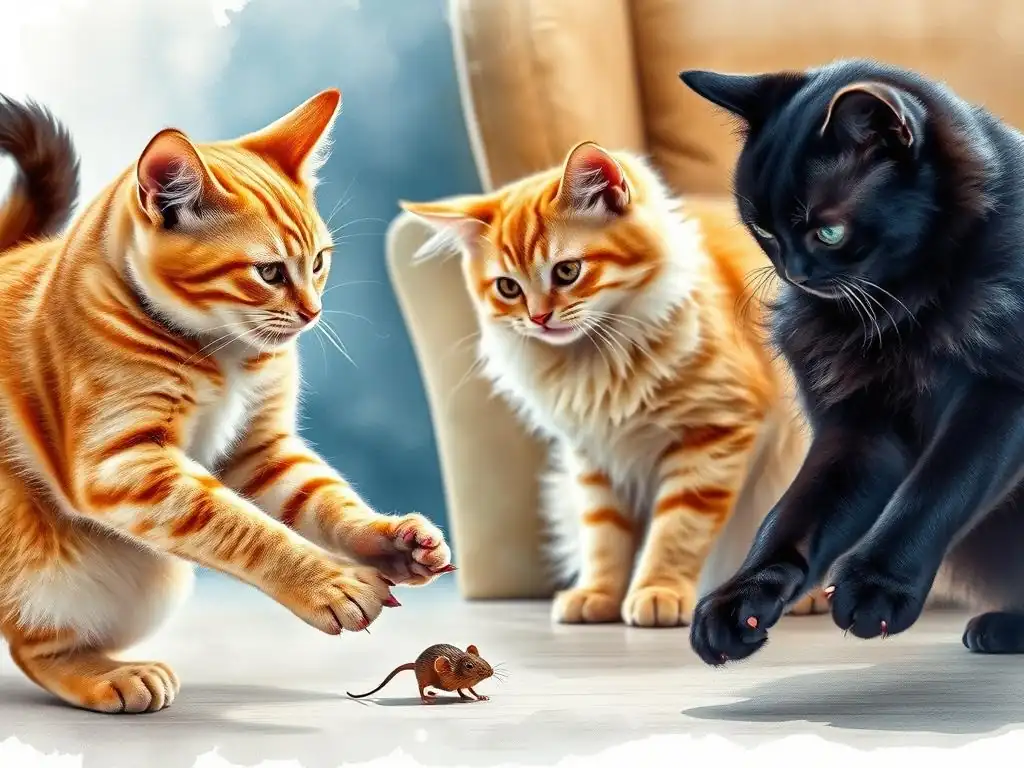
Cats, despite their often independent nature, engage in play for crucial reasons: physical exercise, mental stimulation, and the development of essential hunting skills. However, what starts as playful pouncing can sometimes escalate into excessive or aggressive behavior, causing concern for owners and potentially leading to injury for both cat and human. Understanding the nuances of feline play and recognizing when it crosses the line is crucial for maintaining a harmonious household.
This section explores the signs of problematic play and strategies for managing it effectively. The key is to understand the root cause of the behavior – is it simply exuberant energy, or is there something underlying contributing to aggression? This will guide your approach to managing the situation.
Recognizing Signs of Over-Stimulation or Frustration During Play
Over-stimulated or frustrated cats exhibit distinct behavioral cues. Instead of the typical playful swats and chases, you might observe:
- Increased intensity: Play sessions become longer, more frenzied, and less responsive to attempts to end them. The cat may ignore attempts to redirect or end the play session.
- Excessive vocalization: Hissing, growling, or yowling during play, even when no other cat is present, signals frustration or over-arousal.
- Target fixation: The cat becomes intensely focused on a single toy or object, even to the exclusion of other stimuli. This can manifest as relentless stalking and chasing, even after the toy has been removed.
- Redirected aggression: Frustration can cause the cat to redirect its aggression onto inappropriate targets, such as furniture, human hands or feet. This often involves biting, scratching, or even attacking.
- Body language: Look for flattened ears, a puffed-up tail, or a tense body posture—all indications of stress and potential aggression. A whale eye (showing the whites of their eyes) is a significant warning sign.
Understanding these subtle signals is essential for preventing escalation. Early intervention is key to managing excessive or aggressive play before it becomes entrenched. Remember, a playful nip can quickly escalate into a serious bite if the cat feels threatened or cornered. Observing your cat's play style closely will help you identify potential problems early on.
Strategies for Managing Aggressive Play in Cats
Managing aggressive play requires a multi-pronged approach focusing on providing adequate outlets for your cat's energy and addressing potential underlying causes. Here are some effective strategies:
- Enrichment: Provide ample opportunities for environmental enrichment. This includes climbing structures, scratching posts, interactive toys, and puzzle feeders. A bored cat is more likely to engage in destructive or aggressive behaviors.
- Structured Play Sessions: Engage your cat in short, structured play sessions using appropriate toys like wands, feather teasers, or interactive puzzles. These sessions should mimic natural hunting behaviors. End the session before your cat becomes overly excited or frustrated.
- Appropriate Toys: Avoid toys that resemble human hands or feet, which can inadvertently encourage biting or scratching.
- Positive Reinforcement: Reward calm and appropriate behavior with treats, praise, or petting. This reinforces desirable behaviors and helps your cat associate positive experiences with play.
- Environmental Modifications: If your cat is targeting specific areas or objects, consider modifying the environment to make those areas less accessible or attractive. This might include covering furniture with protective covers or providing alternative scratching posts.
- Time-Outs: If your cat becomes overly aggressive, gently remove it from the situation and give it a time-out in a quiet, safe space. This allows the cat to calm down before returning to play.
Remember, consistency is key. It may take time and patience to modify your cat's behavior. By implementing these strategies consistently, you can help your cat channel its energy into more appropriate and less aggressive play.
Seeking Professional Help: When to Consult a Veterinarian or Animal Behaviorist
While many instances of excessive or aggressive play can be managed with at-home strategies, some situations require professional intervention. Consult a veterinarian or certified cat behaviorist if:
- Aggression is severe or escalating: If your cat's aggressive behavior is causing injury or significant distress, professional help is crucial.
- Underlying medical conditions are suspected: Certain medical conditions can contribute to aggression. A veterinarian can rule out any underlying health issues.
- Home management techniques are ineffective: If you've implemented the strategies outlined above and haven't seen improvement, seeking professional guidance is essential. A behaviorist can provide a tailored plan to address your cat's specific needs.
- The behavior is sudden and unexplained: A sudden change in play style could indicate a medical problem or environmental stressor. Professional evaluation will help identify the cause.
Don't hesitate to seek professional help. Early intervention can prevent the problem from worsening and ensure a safe and happy environment for both your cat and yourself. Remember, understanding your cat's play style meaning is crucial to addressing any problematic behaviors. A collaborative approach, combining your efforts with the expertise of a professional, can lead to positive outcomes.
Frequently Asked Questions
What does a cat's play style actually mean?
A cat's play style reflects its personality and hunting instincts. Some cats are ambush predators, preferring to stalk and pounce, while others are more playful and energetic. Understanding your cat's play style helps you choose appropriate toys and interaction methods.
How can I tell if my cat's play is healthy or problematic?
Healthy play involves alternating between bursts of activity and rest. Problematic play might include excessive aggression, destructive behavior, or an inability to switch off. Consult a vet if concerned.
My cat only plays with specific toys. Is this normal?
Yes, preference in toys is perfectly normal. Cats often favor textures, sounds, or movement patterns that stimulate their natural hunting instincts. Try offering a variety of toys to see what your cat prefers.
My cat is an adult, but still acts very playful. Is this a cause for concern?
No, many adult cats retain a playful nature. Maintaining playfulness is beneficial for their physical and mental health. However, if the play becomes excessive or destructive, consult your vet.
What is the best way to interact with my cat during playtime?
Engage your cat in interactive play sessions, mimicking prey movements with toys like wands or laser pointers. Avoid repetitive motions, and end sessions before your cat becomes overly frustrated or aggressive. Always prioritize positive reinforcement.
Final Reflection: Understanding the Whiskered World of Play
Understanding feline play styles isn't just about cute videos; it's the key to unlocking a deeper connection with our feline companions. A cat's playful behavior, far from being random, is a window into their personality, their health, and their needs. Ignoring these subtle cues can lead to misunderstandings and even behavioral problems down the line.
The exploration of different feline play styles has profoundly impacted my own relationship with my cats. I've learned to appreciate the nuances of their hunting behaviors, their playful aggression, and their need for both physical and mental stimulation. This understanding has allowed me to tailor their playtime to their individual preferences, enriching our bond and fostering a happier, healthier home environment. The cat, who walks by himself, will not be happy with a dog who walks by his master.
- This quote, while not directly about play, highlights the importance of understanding individual animal needs and respecting their unique nature.
Now, it's your turn. Take a moment to observe your cat's play. Do you recognize any of the styles discussed? Are there ways you can adjust their playtime to better meet their needs? By understanding the meaning behind their playful antics, you can build a stronger, more fulfilling relationship with your feline friend, enriching both their lives and yours. Embrace the opportunity to learn their language, and watch your bond deepen through the shared joy of play.
Unleash Your Cat's Inner Kitten: Playtime Perfected!
Thanks for exploring the world of feline fun! You've gained valuable insights into your cat's unique play style and what it reveals about their personality. Ready to put this knowledge into practice?
- Craft a personalized playtime routine: Based on your cat's preferences and energy levels, create a daily play schedule. This could include interactive toys, puzzle feeders, and varied play sessions tailored to their individual needs.
- Share your cat's play discoveries: Tell us (and other cat lovers!) about your cat's favorite games and how you've adapted playtime to enhance their well-being. We'd love to see a photo or video!
- Introduce a new playtime challenge: Try a new toy or play technique from the article. You might be surprised by your cat's hidden talents!
So, what exciting playtime adventures await you and your feline companion today?