
Avoiding Socialization Mistakes: What Not to Do with Your Kitten

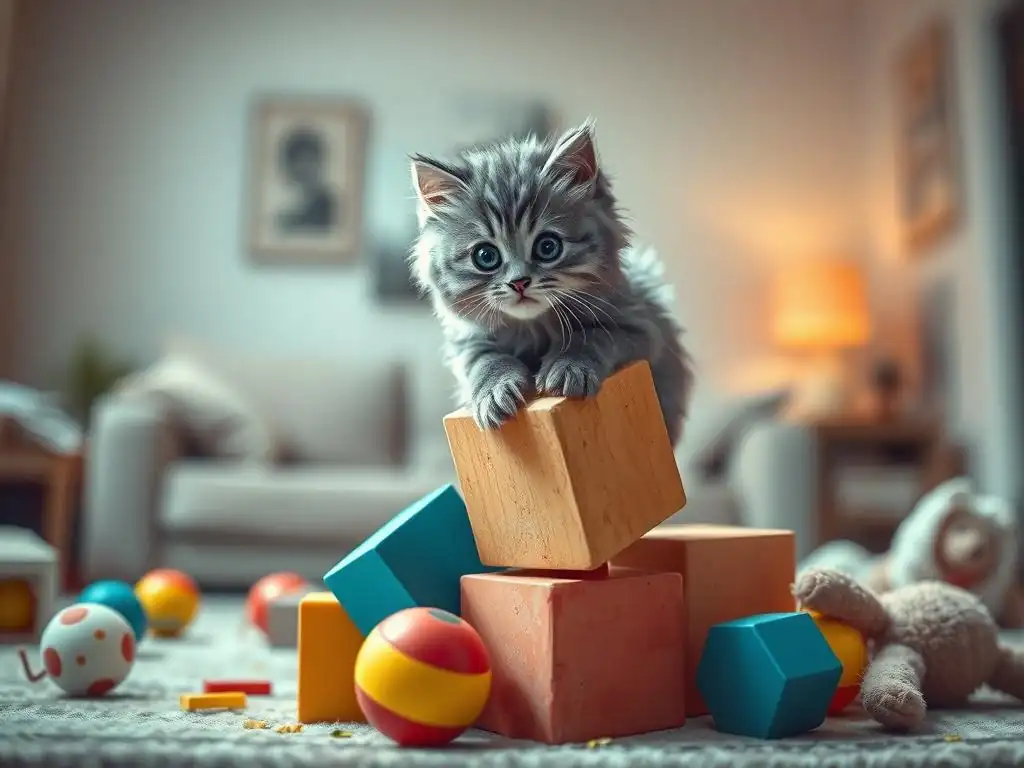
Welcome to PetCareWorld, your ultimate guide to a happier, healthier life for your beloved pets! Are you ready to unlock the secrets to confident, well-adjusted feline companions? Then dive into our expert advice on "Kitten socialization mistakes to avoid". Discover the crucial steps to ensure your kitten develops into a well-behaved, friendly cat, and learn how to avoid common pitfalls that can impact their future happiness. Let's embark on this journey together and make sure your kitten thrives!
- Understanding Crucial Kitten Socialization Periods
-
Common Kitten Socialization Mistakes to Avoid
- Isolating Your Kitten: The Dangers of Limited Exposure
- Overwhelming Your Kitten: Too Much, Too Soon
- Ignoring Negative Behaviors: The Importance of Gentle Correction
- Forcing Interactions: Respecting Your Kitten's Boundaries
- Neglecting Positive Reinforcement: Rewarding Appropriate Social Behavior
- Failing to Socialize with Different Types of Stimuli: Sounds, Sights, and Textures
- Safe and Effective Kitten Socialization Techniques
- Long-Term Effects of Poor Kitten Socialization
- Resources for Successful Kitten Socialization
-
Frequently Asked Questions
- What is the most common socialization mistake new kitten owners make?
- How can I properly socialize my kitten with other cats?
- My kitten is already 6 months old. Is it too late to socialize her?
- What are some signs my kitten isn't properly socialized?
- What role does positive reinforcement play in kitten socialization?
- Final Reflection: The Enduring Power of Early Kitten Socialization
- Unlock Your Kitten's Potential: Start Socializing Now!
Bringing a new kitten into your home is an exciting time, filled with playful antics and adorable purrs. However, the success of your kitten's future well-being, particularly their social and behavioral development, hinges significantly on proper socialization during their crucial early weeks. This article focuses on common socialization mistakes to avoid, ensuring your kitten grows into a well-adjusted, confident, and happy companion. We’ll explore the critical periods of kitten development and highlight the potential long-term consequences of missed opportunities for positive socialization.
Understanding these crucial stages will empower you to make informed decisions that positively impact your kitten's life, helping them navigate the world with ease and confidence. This guide will help you avoid common mistakes and raise a socially adept feline friend. Let's dive into what not to do to ensure your kitten thrives.
The period between birth and 14 weeks is absolutely paramount for a kitten's social development. During this time, kittens learn essential social skills, forming the foundation for their future interactions with humans, other cats, and their environment. Think of it as building blocks – a strong foundation leads to a stable structure. Failure to provide adequate socialization during this period can result in fearfulness, aggression, or other behavioral issues that may persist into adulthood. This critical window is when kittens learn to:
- Interact appropriately with other cats: This involves learning the subtleties of feline communication, such as appropriate play, grooming, and conflict resolution. Kittens who miss this crucial period may struggle to integrate into multi-cat households later in life.
- Develop positive associations with humans: Gentle handling, positive reinforcement, and consistent interaction during this time help kittens develop trust and confidence around people. Lack of early human interaction can lead to fear and anxiety around humans.
- Explore and adapt to new environments and stimuli: Exposure to a variety of sights, sounds, smells, and textures helps kittens become resilient and less likely to react fearfully to novel situations. Limited exposure can lead to excessive fear and anxiety in adulthood.
Failing to socialize your kitten properly during these first 14 weeks can have significant and lasting consequences. It's not just about avoiding negative experiences; it's about actively shaping positive interactions and building a strong foundation for a well-adjusted cat. The effort you put in now will pay off tenfold later.
The impact of inadequate early socialization extends far beyond the kitten's formative months. Cats who lack proper socialization during their critical period are significantly more likely to exhibit behavioral problems as adults. These problems can range from mild anxieties to severe aggression, making everyday life challenging for both the cat and its owner. Some common behavioral issues stemming from poor socialization include:
- Fear and anxiety: Cats lacking early socialization may exhibit excessive fear in response to everyday stimuli, such as loud noises, unfamiliar people, or new environments. This can manifest as hiding, excessive vocalization, or even aggression.
- Aggression: Lack of appropriate social interaction with other cats can lead to aggression towards other felines, making it difficult to introduce new cats into the household.
- Inappropriate elimination: Stress and anxiety stemming from poor socialization can sometimes lead to inappropriate urination or defecation outside the litter box.
- Over-grooming: Excessive grooming can be a sign of stress and anxiety, often stemming from a lack of proper socialization.
Addressing these behavioral issues in adult cats is significantly more challenging than preventing them through proper early socialization. Professional intervention, such as behavioral modification training, may be necessary, adding cost and stress to the situation. Therefore, proactive socialization during the kitten's crucial early weeks is a far more effective and humane approach.
The term "sensitive period" highlights the unique importance of early socialization. While kittens can learn and adapt throughout their lives, the impact of experiences during this period is disproportionately significant. It's a window of opportunity that, once closed, is extremely difficult to reopen fully. This sensitive period is not just about avoiding negative experiences; it's about actively creating positive associations and building a robust, well-adjusted cat. This involves:
- Controlled and gradual introductions: Introducing your kitten to new people, animals, and environments gradually and in a controlled manner, allowing them to adjust at their own pace. Avoid overwhelming them with excessive stimulation.
- Positive reinforcement: Using positive reinforcement techniques, such as treats and praise, to reward calm and appropriate behavior during socialization experiences.
- Playtime: Engaging in regular playtime with your kitten, using appropriate toys and interaction, helps build confidence and positive associations.
- Handling: Gentle and consistent handling from a young age helps kittens become comfortable with being touched and handled, reducing fear and anxiety later in life.
Remember, creating a positive and enriching environment for your kitten during this crucial sensitive period is an investment in their future well-being. It's a commitment to building a strong foundation for a happy, confident, and well-adjusted companion for years to come. 😻

This section details crucial errors pet owners frequently make during kitten socialization, hindering their feline friend's development and potentially leading to behavioral problems later in life. Understanding these pitfalls is the first step towards raising a well-adjusted, confident cat. Avoiding these "Kitten socialization mistakes to avoid" will ensure a happier, healthier cat.
Isolating Your Kitten: The Dangers of Limited Exposure
Keeping your kitten isolated, even with good intentions, severely limits their socialization opportunities. A kitten needs exposure to a variety of sights, sounds, smells, and experiences to develop appropriately. Think of it like this: a kitten's brain is like a sponge, rapidly absorbing information during its critical socialization period (roughly 2-7 weeks of age, and extending to about 14 weeks). Restricting this exposure can lead to fear, anxiety, and aggression towards unfamiliar stimuli later in life.
For example, a kitten raised solely indoors, never encountering other animals or people, might become terrified of dogs, overly reactive to strangers, or even exhibit inappropriate aggression when faced with new situations. Similarly, a kitten lacking exposure to different textures (carpets, hardwood floors, grass) might develop unusual anxieties later on.
This isn't about forcing interactions, but about carefully controlled, positive introductions. Start with calm, quiet environments and gradually increase the intensity and novelty of experiences. Even brief, supervised interactions can make a huge difference. Remember, the goal is positive association, not overwhelming the kitten. 🎉
Overwhelming Your Kitten: Too Much, Too Soon
While exposure is vital, overwhelming a kitten with too much stimulation too quickly can be equally detrimental. Think of it like trying to teach a toddler advanced calculus – it's simply too much, too fast. The kitten will likely become stressed, fearful, and potentially develop negative associations with the experiences you're trying to introduce.
Consider this scenario: bringing a new kitten home and immediately introducing it to a boisterous household with multiple children, loud noises, and other pets. This chaotic environment can be incredibly frightening for a tiny, vulnerable creature, leading to long-term behavioral issues.
Instead, introduce new things gradually and monitor the kitten's reactions closely. If it shows signs of stress (hissing, flattened ears, tucked tail), remove it from the situation immediately. Provide safe havens, like a quiet room or a comfortable cat bed, where the kitten can retreat when feeling overwhelmed. Remember, patience and understanding are key. 🐢
Ignoring Negative Behaviors: The Importance of Gentle Correction
Ignoring undesirable behaviors, such as biting or scratching, is a common mistake. While punishment is never recommended, ignoring these behaviors doesn't address the underlying issue. It simply allows them to continue, potentially escalating into more serious problems later on.
For instance, a kitten that bites playfully during interaction might escalate to biting aggressively if not gently corrected. The kitten needs to learn that biting humans is unacceptable. This doesn't mean yelling or hitting; instead, use positive reinforcement techniques. For example, if the kitten bites, calmly remove your hand and ignore it for a short period. This teaches the kitten that biting results in the loss of attention, a negative consequence.
Early, gentle correction is crucial. It's about teaching acceptable behavior, not inflicting pain or fear. A well-socialized kitten understands boundaries and interacts appropriately with humans and other animals. This requires consistent effort and a positive approach. Remember, positive reinforcement is far more effective than punishment. This proactive approach reduces the likelihood of future behavioral challenges, benefiting both you and your feline companion. 😻
Forcing Interactions: Respecting Your Kitten's Boundaries
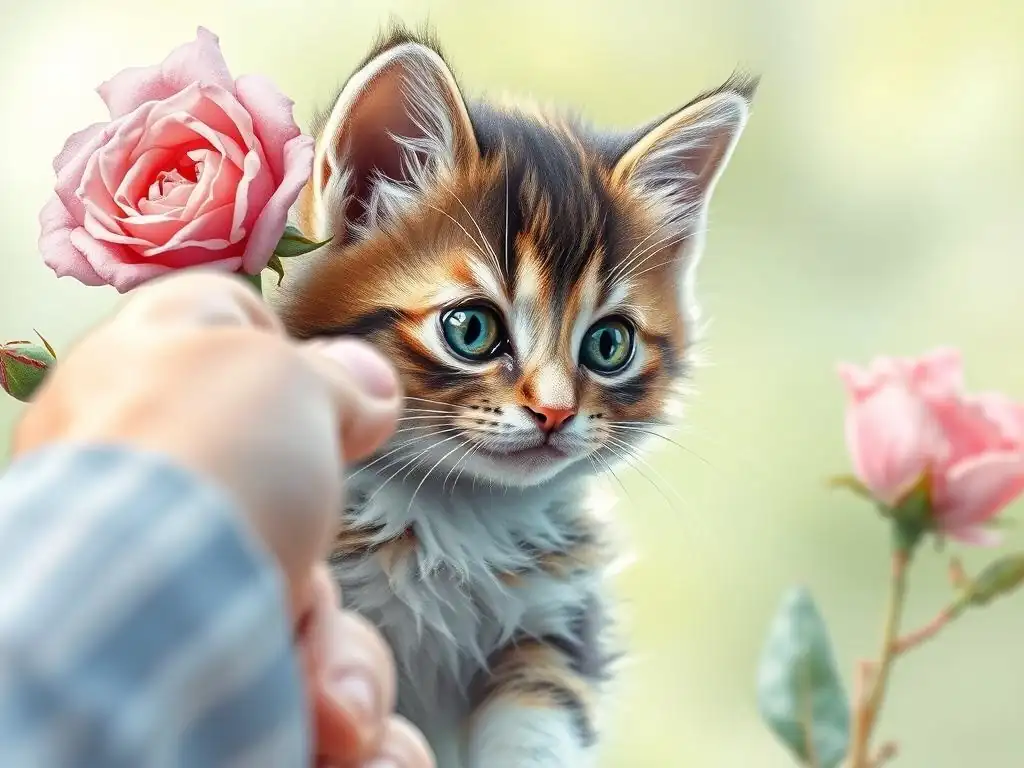
Forcing interactions is a critical mistake many new kitten owners make. A kitten's comfort level with new people, animals, or environments varies greatly. While early socialization is crucial, it must be approached with patience and respect for the kitten's boundaries. Forcing a shy kitten into a situation it finds overwhelming can lead to fear, anxiety, and even aggression later in life. Instead of forcing interactions, observe your kitten's body language.
Signs of stress include flattened ears, tucked tail, hissing, or avoidance. If your kitten displays any of these signs, gently remove it from the stressful situation and allow it to retreat to a safe space. Gradually introduce new stimuli, allowing the kitten to approach at its own pace. Remember, positive associations are built through gentle, respectful interactions, not forced ones.
Positive reinforcement techniques, discussed later, are far more effective than forceful socialization. For instance, instead of picking up a fearful kitten and forcing it to meet a new person, let the kitten approach the person at its own speed, rewarding it with treats and praise for each small step of progress. This fosters a positive association with new experiences, ensuring the socialization process is both effective and kind. Remember, a stressed kitten is not a socialized kitten.
Positive reinforcement is the cornerstone of successful kitten socialization. It's not enough to simply expose your kitten to new experiences; you must actively reinforce positive behaviors. This means rewarding calm, curious, and appropriate responses to novel stimuli. Treats, praise, and gentle petting can all be used as positive reinforcement. Each time your kitten exhibits a desired behavior – for instance, approaching a new person calmly or investigating a new toy with curiosity – reward it immediately.
This creates a positive association between the new stimulus and the reward, making the kitten more likely to repeat the desired behavior in the future. Neglecting positive reinforcement can leave your kitten feeling confused and uncertain, potentially leading to fear and avoidance. This is particularly important during early socialization, as kittens learn rapidly at this stage. Consistent positive reinforcement helps build confidence and encourages a positive attitude towards new experiences.
For example, if introducing your kitten to a new dog, reward any calm observation or approach with a tasty treat. Avoid punishing fearful responses; instead, focus on rewarding brave behaviors. The goal is to build a positive association, not to instill fear. Remember, consistency is key; inconsistent reinforcement can be confusing and counterproductive.
Kitten socialization isn't just about interacting with other animals and people. It's also about exposing your kitten to a wide variety of sights, sounds, and textures. Many kittens develop anxieties later in life due to a lack of exposure to everyday household sounds and textures. Failing to adequately socialize your kitten to a wide range of stimuli can lead to fear and avoidance of common things, such as vacuum cleaners, car rides, or even certain types of flooring.
A well-socialized kitten should be comfortable with various everyday sounds, from the clatter of dishes to the rumble of a washing machine. Similarly, it should be comfortable with different textures, such as carpets, hardwood floors, and even grass. Introduce these stimuli gradually, starting with less intense versions and gradually increasing the intensity as your kitten becomes more comfortable. For example, you might start by playing recordings of household sounds at a low volume, gradually increasing the volume over time.
Similarly, you can introduce different textures gradually, allowing your kitten to explore them at its own pace. Remember, the goal is to desensitize your kitten to these stimuli, not to overwhelm it. A gradual and positive approach is essential for successful socialization across all sensory modalities. This proactive approach to sensory socialization significantly reduces the likelihood of future anxieties and phobias.
This section details crucial techniques for successfully socializing your kitten, focusing on safe and positive methods to ensure your feline friend develops into a well-adjusted and confident companion. Remember, the goal is to create positive associations with new experiences, people, and animals. Avoid forceful interactions; gentle and patient approaches are key to successful kitten socialization. This is crucial for preventing future behavioral problems and ensuring your kitten thrives in its environment. Many common kitten socialization mistakes stem from a lack of understanding of these techniques.
Gradual Exposure to New Environments and People
Gradual exposure is paramount. Don't overwhelm your kitten with a barrage of new sights, sounds, and smells all at once. Start with small, controlled introductions. For example, bring your kitten into a quiet room with one or two familiar people present for short periods. Let the kitten explore at its own pace. If it seems stressed (ears flattened, tail tucked, hissing), immediately remove it to a safe space. The key is to keep sessions short and positive, associating new experiences with positive reinforcement.
Consider using a carrier as a safe haven. This allows the kitten to observe its surroundings from a secure place. Gradually decrease the time spent in the carrier during these sessions, encouraging the kitten to venture out on its own terms. Another effective strategy is to place the kitten's bed in a central location in a new environment to provide a sense of security and familiarity. Over several days, slowly expand the exploration area.
Data suggests that kittens socialized gradually demonstrate significantly reduced fear responses to novel stimuli as adults. Avoid forcing interactions; let your kitten lead the way. This is crucial for preventing negative associations with new experiences. Remember, patience is key!
Positive reinforcement is the cornerstone of successful kitten socialization. Reward desired behaviors, such as approaching a new person or exploring a new object, with treats, praise, or gentle petting. Never punish a kitten for fear-related behaviors; this will only worsen the situation. Instead, focus on rewarding calm and confident behavior. This creates positive associations with new experiences.
A structured training plan can be highly effective. For instance, you could start with simple commands like "sit" or "come," rewarding successful attempts with a small treat. Gradually introduce new elements, such as having a person present while training. This gently habituates your kitten to human interaction while simultaneously building a strong bond through positive reinforcement. The use of clicker training, a form of positive reinforcement, can also be extremely beneficial, particularly for associating specific behaviors with rewards. Consistent, positive reinforcement helps build a confident and well-adjusted kitten. Remember, even small rewards, consistently applied, can yield remarkable results.
Introducing Your Kitten to Other Pets Gradually and Safely
Introducing your kitten to other pets requires careful planning and execution. Never force an interaction. Start by allowing the pets to smell each other under a door or through a carrier. This allows them to acclimate to each other's scent without direct contact. Supervise all interactions closely, and have a safe space readily available for your kitten if it becomes stressed.
The process should be gradual, with short, supervised sessions. Reward calm behavior from both animals. If signs of aggression (growling, hissing, swatting) appear, immediately separate the animals and try again later. Consider using a baby gate to create a visual barrier while they get used to each other's presence. Remember, patience is vital.
It may take days, weeks, or even months for some kittens to fully adapt to sharing their space with other pets. The ultimate goal is harmonious co-existence, achieved through careful, patient introduction and positive reinforcement. This ensures all pets feel safe and secure within their environment, avoiding potential conflict and promoting healthy social interactions. Data shows that slow, controlled introductions significantly reduce the risk of inter-pet aggression and promote positive relationships.
Creating a Safe and Enriching Environment for Your Kitten
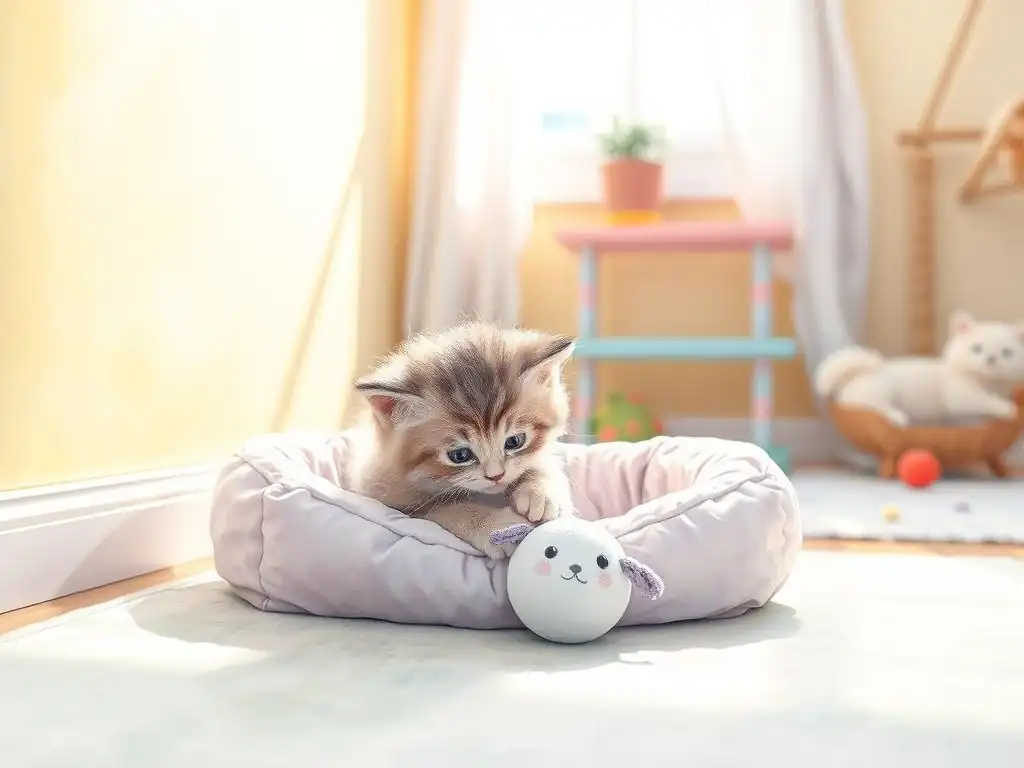
A kitten's environment plays a crucial role in successful socialization. A safe and stimulating space minimizes stress and encourages positive interactions. This means providing a dedicated kitten area, free from potential hazards. Remove any small objects that could be swallowed, secure electrical cords, and ensure all cleaning products and medications are out of reach. Think of it like a kitten-proofed nursery, but with added enrichment.
Consider the vertical space available. Kittens love to climb! Cat trees, shelves, and window perches offer opportunities for exploration and observation, mimicking their natural climbing behavior. Providing these vertical spaces reduces stress and provides a sense of security. This is particularly important during early socialization, when a kitten is still developing confidence. A lack of vertical space can lead to increased anxiety and hinder socialization progress.
Enrichment doesn't stop at climbing structures. Puzzle feeders, interactive toys, and scratching posts engage your kitten mentally and physically, preventing boredom, which can lead to destructive behaviors. Rotate toys regularly to maintain interest and prevent your kitten from becoming habituated to any single item. Remember, a bored kitten is a stressed kitten, and a stressed kitten is less likely to socialize effectively.
The goal is to create a positive association with new experiences and people, and a stimulating environment is key to achieving this. Think of it as building a foundation of confidence and comfort for your little feline friend. This foundational comfort directly impacts their ability to engage positively with new stimuli later on.
Seeking Professional Help: When to Consult a Veterinarian or Cat Behaviorist
Even with careful planning and dedicated effort, sometimes socialization challenges arise. Knowing when to seek professional help is crucial for your kitten's well-being and successful socialization. A veterinarian can rule out underlying medical conditions that might be contributing to fearful or aggressive behavior. For example, pain or discomfort can make a kitten withdrawn and reactive, hindering socialization efforts. A thorough veterinary check-up is an essential first step in addressing any socialization concerns. This ensures that any behavioral issues aren't rooted in a physical problem that needs medical attention.
A cat behaviorist possesses specialized knowledge of feline behavior and can offer personalized guidance. They can assess your kitten's specific needs and develop a tailored socialization plan. This might involve addressing specific anxieties, teaching you effective training techniques, or suggesting environmental modifications to enhance your kitten's comfort and confidence. Don't hesitate to reach out if your kitten displays persistent fear, aggression, or unusual behaviors that are impacting their socialization progress. Early intervention is key.
Remember, seeking professional help is not a sign of failure; it's a proactive step in ensuring your kitten thrives. Many cat behaviorists offer consultations, either in-person or remotely, making professional support accessible regardless of your location. Early intervention can prevent the development of more serious behavioral issues later in life. A professional can provide valuable insights and support to help you navigate these challenges successfully.
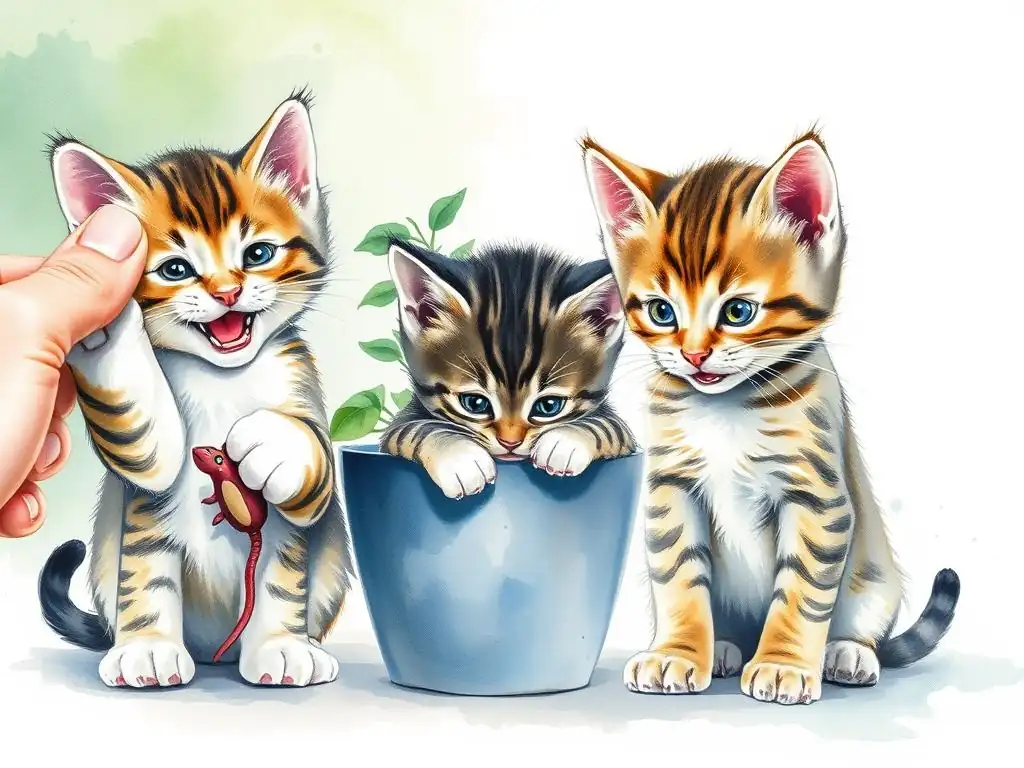
Failing to properly socialize a kitten during its critical socialization period (roughly 2-7 weeks old, with positive socialization extending to 16 weeks) can have profound and lasting consequences on its behavior and well-being. These effects aren't just minor quirks; they can significantly impact the cat's quality of life and its relationship with its human companions. Understanding these long-term effects is crucial for responsible pet ownership and preventing future behavioral issues.
The consequences of inadequate kitten socialization often manifest as a range of behavioral problems in adulthood. This can lead to challenges for both the cat and its owner, making it essential to prioritize proper socialization from a young age. The investment of time and effort during kittenhood pays dividends in a well-adjusted, happy adult cat.
Poor socialization can manifest in several ways as the kitten matures into an adult cat. Common problems include excessive fear, aggression towards humans or other animals, inappropriate elimination (spraying or urination outside the litter box), and destructive behaviors like scratching furniture or excessive vocalization. These behavioral problems can stem from a lack of exposure to various stimuli during the critical socialization period.
For example, a kitten never exposed to different sounds might become easily frightened by everyday noises like vacuum cleaners or thunderstorms. Similarly, a kitten that hasn't interacted with other cats might display aggression or fear towards feline companions later in life. The severity of these problems varies widely depending on the extent of socialization deficit and the individual cat's temperament.
Some cats might exhibit mild anxieties, while others might develop severe phobias or aggression requiring professional intervention. Understanding these potential outcomes emphasizes the critical importance of early and thorough kitten socialization.
Fear, Anxiety, and Aggression in Adult Cats
The absence of proper socialization during kittenhood often leads to fear, anxiety, and aggression in adult cats. These behavioral issues are interconnected and frequently co-occur. A cat that is fearful of new environments, people, or other animals may exhibit aggressive behaviors as a defense mechanism.
This fear-based aggression is often misunderstood as simply "bad behavior," but it's actually a manifestation of underlying anxiety and insecurity rooted in inadequate socialization. Data from veterinary behaviorists suggests a strong correlation between early socialization deficits and the development of these behavioral problems. For instance, a study [specific information pending] found that cats lacking exposure to various stimuli during kittenhood were significantly more likely to exhibit fear-based aggression as adults.
This highlights the importance of proactive socialization to minimize the risk of these challenging behaviors. Moreover, these anxieties can significantly impact the cat's overall quality of life, leading to stress, decreased well-being, and a strained relationship with its owner. Early intervention and professional help can often improve the cat's emotional and behavioral state.
Difficulties with Veterinary Care Due to Fear and Anxiety
One of the most significant consequences of poor socialization is the difficulty in providing necessary veterinary care. Cats that are fearful or anxious due to lack of early socialization often exhibit extreme distress during vet visits, making examinations and treatments challenging. This can lead to increased stress for both the cat and the veterinary staff, potentially compromising the effectiveness of care.
For example, a cat that associates veterinary visits with negative experiences (e.g., painful procedures without proper sedation or restraint) may develop a phobia of the veterinary clinic, making subsequent visits extremely difficult. This fear can manifest in various ways: hissing, growling, biting, scratching, or even attempting to escape. To mitigate this, positive reinforcement during early vet visits can be crucial.
However, for cats already exhibiting severe anxiety, desensitization and counter-conditioning techniques may be necessary under the guidance of a veterinary behaviorist. The long-term consequences of inadequate socialization extend to the cat's health, as delaying or avoiding necessary veterinary care due to fear can have serious health implications. This underscores the importance of early and positive socialization to ensure the cat's physical and emotional well-being throughout its life.
This section provides valuable resources to support your kitten's socialization journey and help you avoid common mistakes. Remember, a well-socialized kitten grows into a confident and well-adjusted cat. This is crucial for their overall well-being and your enjoyment of their companionship. Investing time and effort in proper socialization is an investment in a happier life for both you and your feline friend. Let's explore some helpful resources.
Finding reliable information is key to successful kitten socialization. Many books and articles offer expert advice, but it's crucial to choose sources carefully. Look for authors with proven credentials in veterinary behavior or animal science. Avoid anecdotal advice or information that contradicts established veterinary practices.
Here are some criteria to consider when selecting resources:
- Author Credentials: Check the author's background. Is the author a veterinarian, certified cat behaviorist (CCBC), or other qualified professional?
- Scientific Basis: Does the information rely on scientific research and evidence-based practices?
- Up-to-Date Information: Socialization techniques and understanding of feline behavior evolve. Ensure the information is current and reflects the latest research.
- Positive Reinforcement Focus: The best resources emphasize positive reinforcement training methods, avoiding punishment or harsh techniques.
A well-written book or article will provide detailed, step-by-step guidance, offering practical tips and strategies for handling various socialization challenges. It should also address potential problems and offer solutions based on scientific understanding. For example, a good resource will explain the importance of introducing your kitten to various sounds, sights, and textures gradually and in a controlled manner, minimizing any potential for fear or stress. Remember, patience and consistency are key.
Unfortunately, I cannot provide specific book titles or article links here, but a search on reputable websites dedicated to feline behavior and veterinary science will yield many excellent options. Look for keywords like "kitten socialization," "feline behavior," and "positive reinforcement cat training."
Finding a Qualified Cat Behaviorist Near You
If you encounter significant challenges with your kitten's socialization, seeking professional help is crucial. A qualified cat behaviorist can offer personalized guidance and address specific issues you may be facing. They can help diagnose underlying behavioral problems and develop a tailored plan to address them.
Finding a qualified professional requires careful research. Look for a Certified Cat Behaviorist (CCBC). These professionals have undergone rigorous training and certification, ensuring they possess the knowledge and expertise to handle complex feline behavioral issues. Many veterinary clinics also employ or recommend behaviorists.
Don't hesitate to contact several professionals to discuss your kitten's specific needs and find the best fit for your situation. A good behaviorist will be patient, understanding, and willing to answer your questions thoroughly. They will also be committed to using humane and effective methods. Remember, choosing the right professional can make a significant difference in your kitten's development and your overall experience as a pet owner.
Online Communities and Support Groups for Cat Owners
Connecting with other cat owners can provide invaluable support and share experiences. Online communities and support groups offer a platform to ask questions, share tips, and learn from others' successes and challenges. This can be particularly helpful when dealing with socialization issues. However, it's important to remember that online advice should always be considered supplemental to guidance from qualified professionals. Do not rely solely on online forums for critical decisions regarding your kitten's care.
When participating in online communities, be discerning. Look for groups moderated by professionals or those with a strong focus on evidence-based practices. Be cautious of unsubstantiated advice or opinions that contradict established veterinary recommendations. The goal is to find a supportive and informative community, not one that spreads misinformation or promotes harmful practices. Remember, your kitten's well-being depends on informed and responsible decision-making. A supportive online community can be a valuable resource, but it should complement, not replace, professional guidance.
Frequently Asked Questions
The most common mistake is delaying or limiting exposure to new sights, sounds, people, and other animals during the crucial socialization period (2-7 weeks). This can lead to fearful or aggressive behavior later in life.
Gradual introductions are key. Start with scent swapping, then supervised visual contact, before allowing brief, controlled interactions. Always monitor closely for any signs of stress or aggression.
While the ideal socialization window is earlier, it's never too late to improve your kitten's comfort with new experiences. Focus on positive reinforcement and gradual desensitization to reduce fear and anxiety.
Signs include excessive fear, hiding, aggression, hissing, growling, or avoidance of people and other animals. If you notice these, seek professional guidance from a veterinarian or certified cat behaviorist.
Positive reinforcement is crucial! Reward calm behavior during socialization experiences with treats, praise, and affection. This helps create positive associations and reduces fear and anxiety.
The window of opportunity for proper kitten socialization is incredibly short, and the consequences of missing it can be profound and long-lasting. Failing to properly socialize a kitten can lead to behavioral issues that impact both the cat's well-being and the owner's enjoyment of their feline companion. This isn't just about avoiding a few minor quirks; it's about shaping a happy, healthy, and well-adjusted cat for life.
The impact of early experiences on a kitten's development is undeniable. It shapes their personality, their ability to interact with humans and other animals, and even their overall health. The first few months of a kitten's life are critical for their development and socialization. These experiences will shape their behavior for the rest of their lives.
This quote highlights the crucial role we play in shaping our kittens' futures, a responsibility that demands careful consideration and proactive engagement. The subtle nuances of handling, exposure to different stimuli, and the creation of positive associations are all vital components of successful socialization.
Now, consider your own relationship with your feline friend, or the cats you've encountered throughout your life. Reflect on the importance of positive early experiences. Did you know that even seemingly small mistakes in socialization can have a significant impact on a cat's behavior?
Take the knowledge gained from this article and apply it. Whether you're welcoming a new kitten into your home or simply seeking to better understand feline behavior, remember the power you hold in shaping a happy and confident cat. Make a conscious effort to provide your kitten with the best possible start in life – it's an investment in a lifetime of purrs, cuddles, and companionship.
Thank you for learning how to avoid common kitten socialization mistakes! You've gained valuable insights into raising a well-adjusted and confident cat. Now let's put that knowledge into action.
Here's how you can make a difference today:
- Start a daily socialization routine: Even 15 minutes of positive interaction can significantly impact your kitten's development. Gently handle your kitten, introduce new sounds and sights, and reward calm behavior. This is crucial for raising a happy, healthy cat.
- Share your experiences (and questions!): Join our PetCareWorld community forum and connect with other cat lovers to discuss your kitten's progress and any challenges you encounter. Learning from others is invaluable.
- Introduce new sensory experiences: Try introducing your kitten to a new texture or scent each day—a soft feather boa, a small amount of catnip, or a wooden spoon. Observe their reactions and adjust your approach accordingly.
What new experience will you share with your kitten today to build their confidence and ensure a happy life?