
Size and Stability: Ensuring a Safe and Engaging Scratching Experience for Your Cat

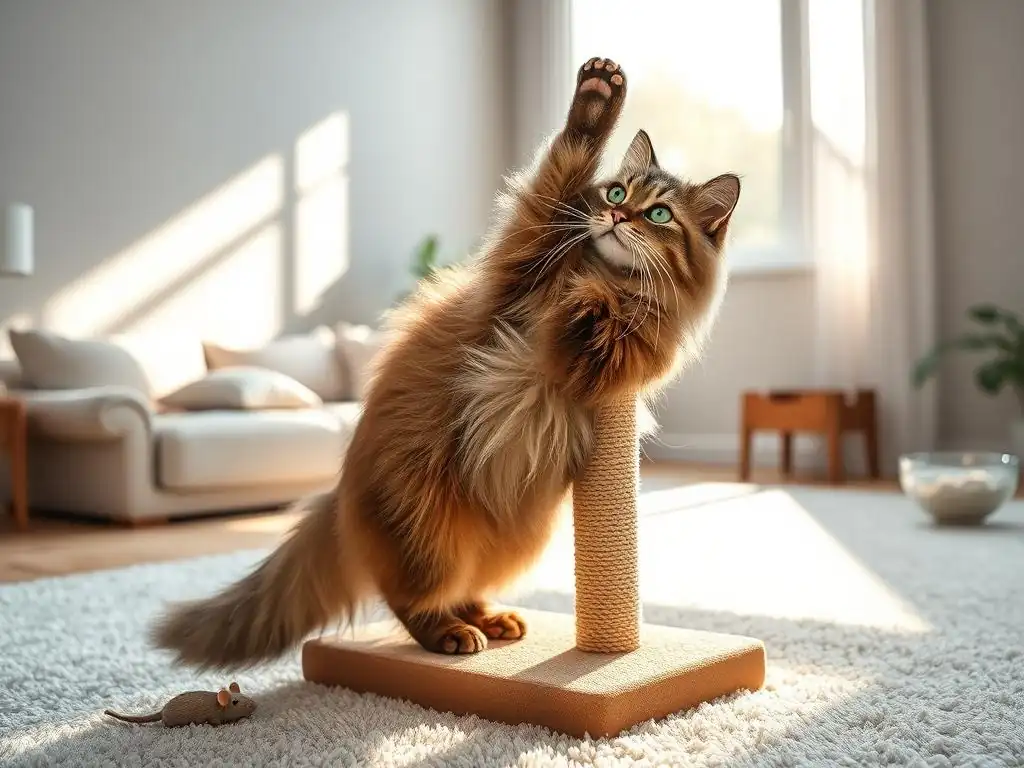
Welcome to PetCareWorld, your ultimate guide to a happier, healthier life for your beloved pets! Are you ready to unlock the secrets to a purrfectly peaceful home? Our expert advice on everything from nutrition to training can help, but first, let's tackle a common feline frustration: discover the crucial role of cat scratching post size in ensuring your cat's safety and satisfaction. Dive into our comprehensive Cat scratching post size guide and learn how to choose the ideal scratching post for your furry friend. Read on to transform your cat's scratching habits and create a harmonious home environment!
- Understanding Your Cat's Scratching Needs: A Cat Scratching Post Size Guide
- Choosing the Right Size Cat Scratching Post: A Comprehensive Guide
- Ensuring Stability: Preventing Tip-Overs and Accidents
- Optimizing Scratching Post Placement for Engagement
- Maintaining Your Cat's Scratching Post: Cleaning and Replacement
-
Frequently Asked Questions
- How tall should a cat scratching post be for my cat?
- What is the minimum base diameter for a stable scratching post?
- What materials are best for a durable scratching post?
- My cat ignores the scratching post; what size might be better?
- How do I know if the scratching post is the right size for my multi-cat household?
- Final Reflection: Scratching Posts: Small Changes, Big Impact on Cat Wellbeing
- Unlock Your Cat's Happy Scratching Habits!
Understanding Your Cat's Scratching Needs: A Cat Scratching Post Size Guide
Cats scratch for a multitude of reasons, extending far beyond simple mischief. Scratching is a vital instinctual behavior crucial for their physical and mental well-being. This comprehensive guide will delve into the critical role of proper scratching post sizing in ensuring your feline friend has a safe, engaging, and enriching scratching experience.
We'll explore how to choose the right dimensions for your cat's scratching post, considering their size, breed, and preferred scratching style. Choosing the appropriate size isn't merely about convenience; it's about promoting healthy claw maintenance, preventing furniture damage, and contributing to your cat's overall happiness and contentment. This guide will serve as your ultimate resource for selecting the perfect scratching post, helping you navigate the world of cat scratching post size guides and ensuring your cat enjoys a satisfying and safe scratching experience.
Understanding your cat's scratching needs is the first step towards a harmonious and damage-free co-existence. Let's dive in! 😻
Assessing Your Cat's Size and Breed
Determining the ideal scratching post size begins with a thorough assessment of your cat's physical dimensions. Measure your cat from head to tail to get a baseline understanding of their length. Consider also their height when standing on all fours; this will help determine the minimum vertical height needed for a comfortable scratching experience. Different breeds exhibit varying sizes and physiques.
For example, a Maine Coon will naturally require a larger scratching post than a Siamese. Consider your cat's breed and typical adult size to guide your selection. Below is a table offering some general guidelines, but remember these are just approximations – individual cats can vary significantly:
| Breed Category | Approximate Adult Height (inches) | Approximate Adult Length (inches) | Recommended Post Height (inches) |
|---|---|---|---|
| Small Breeds (e.g., Siamese) | 8-10 | 18-24 | 24-36 |
| Medium Breeds (e.g., Domestic Shorthair) | 10-14 | 24-30 | 36-48 |
| Large Breeds (e.g., Maine Coon) | 14-18 | 30-40 | 48-60+ |
Remember to always err on the side of caution and choose a slightly larger scratching post than you initially think necessary. A cat should be able to stretch out fully while scratching without feeling cramped or confined. This will encourage the use of the post and discourage scratching on your furniture.
The Importance of Vertical Space in Cat Scratching Posts
Vertical scratching posts are crucial for cats to fully extend their bodies and stretch their back muscles while scratching. This natural stretching motion contributes to their physical health and helps prevent stiffness and pain. The height of the post should be sufficient to allow your cat to fully extend its body while scratching. A shorter post may not satisfy this need and could lead to continued furniture scratching.
Many cats also enjoy climbing and perching, so a taller scratching post can double as a climbing structure and a comfortable lookout spot. Consider providing a variety of vertical scratching surfaces of different heights and textures to cater to your cat's preferences. Some cats prefer taller posts while others may prefer shorter, sturdier options. Observing your cat's scratching behavior will help you determine the ideal height and style.
Horizontal Scratching Surfaces: Dimensions and Placement
While vertical scratching posts are popular, many cats also appreciate horizontal scratching surfaces. These surfaces offer a different angle for scratching, providing variety and catering to various scratching preferences. The dimensions of horizontal scratching surfaces should be wide enough for your cat to comfortably lie down and scratch. A good rule of thumb is to aim for a width at least the length of your cat, and a length that's at least twice their width. Consider also the thickness of the material; a thicker surface will provide more resistance and may be preferred by cats with strong claws.
Placement is equally important. Strategic placement, away from high-traffic areas and near their favorite resting spots, will encourage use. Consider placing horizontal scratching surfaces at various locations throughout your home to provide a diverse range of scratching options. Experiment with different placements to discover your cat's preferences.
Choosing the Right Size Cat Scratching Post: A Comprehensive Guide
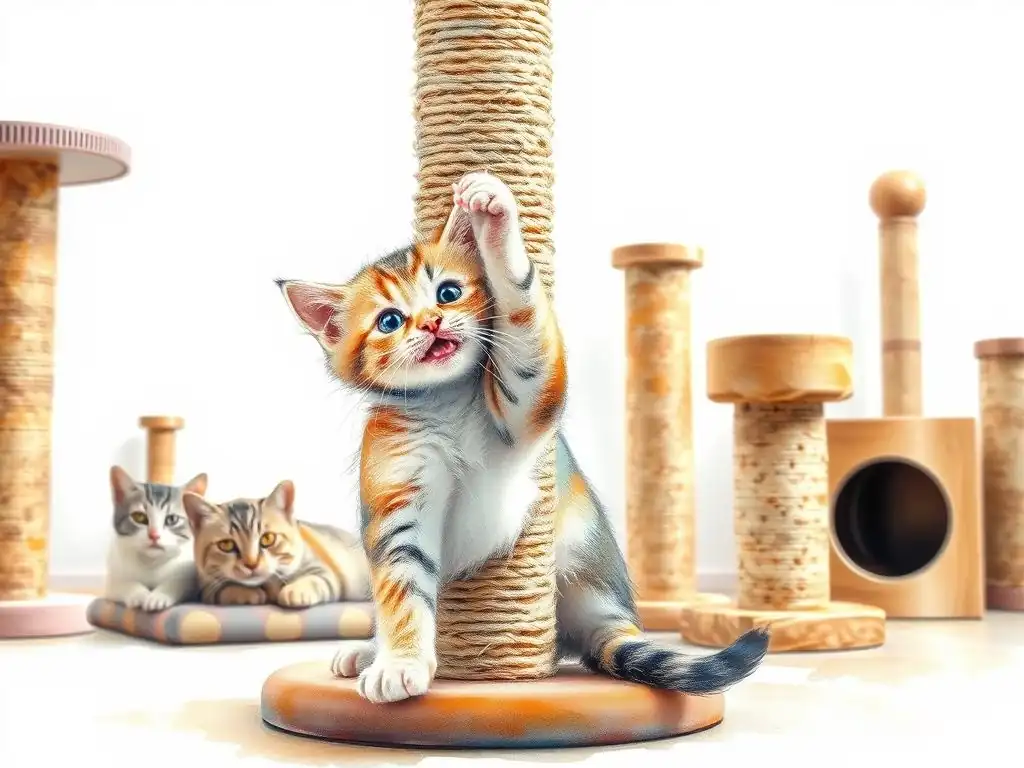
This section delves into the crucial aspect of choosing the right size cat scratching post, a cornerstone of providing a safe and enriching environment for your feline companion. A poorly sized scratching post can lead to frustrated cats, damaged furniture, and even potential injuries. Understanding the nuances of size selection ensures your cat enjoys its scratching post and uses it effectively. This guide provides a detailed "Cat scratching post size guide" to help you make the best choice for your cat's needs.
Cat Scratching Post Height Considerations for Kittens and Adult Cats
The height of a scratching post is paramount, particularly considering your cat's developmental stage and size. Kittens, with their smaller stature and playful energy, often benefit from shorter posts (around 12-18 inches). This allows them easy access and encourages frequent use. However, as they mature, taller posts become essential.
Adult cats, especially larger breeds, need posts that allow them to stretch fully, engaging their entire body during scratching. Ideally, the post should be tall enough for them to comfortably stand on their hind legs and extend their claws to the top. Aim for posts that are at least 30-40 inches tall for adult cats, or even taller for larger breeds. Failure to provide sufficient height can lead to cats ignoring the post and resorting to other vertical surfaces in your home, such as furniture.
Consider this scenario: A large Maine Coon cat is provided with a small, 12-inch scratching post. The cat will likely find it insufficient for its needs, leading to frustration and a continued preference for scratching your sofa. Conversely, a tiny kitten presented with a 48-inch post might find it intimidating and avoid it altogether.
The optimal height also depends on your cat's personality. Some cats prefer to scratch vertically, while others might enjoy a more horizontal approach. A combination of heights and orientations within a scratching post system might be the perfect solution for your feline friend.
Selecting the Appropriate Base Diameter for Stability
The base diameter of a scratching post directly impacts its stability. A narrow base is prone to tipping, especially when a cat scratches vigorously. This can lead to injury for both the cat and potential damage to surrounding objects. A wider, heavier base is crucial for ensuring the post remains firmly planted.
For kittens, a base diameter of at least 6-8 inches is generally sufficient. However, for adult cats, especially larger or more powerful breeds, a base diameter of 10-12 inches or more is recommended. The larger the cat and the more vigorous its scratching, the wider the base needs to be. Consider the material of the base as well. A heavy base made of durable materials like solid wood or concrete provides superior stability compared to a lighter plastic base.
Think of it this way: A heavy, wide base provides a secure foundation for your cat's energetic scratching sessions, preventing toppling and ensuring a safe experience. A wobbly post, on the other hand, can discourage use and potentially lead to injuries.
Here’s a table summarizing base diameter recommendations:
| Cat Size | Recommended Base Diameter (inches) |
|---|---|
| Kitten | 6-8 |
| Small Adult Cat | 8-10 |
| Medium Adult Cat | 10-12 |
| Large Adult Cat | 12+ |
Material and Construction: Durability and Safety
The materials and construction of the scratching post directly influence its longevity and safety. Durability is crucial; a flimsy post will quickly become damaged, discouraging your cat from using it. Furthermore, the materials should be non-toxic and safe for your cat, avoiding any potential hazards. Natural sisal, carpet, or cardboard are popular choices, each offering unique textures and durability.
Sisal is a strong, naturally rough fiber that provides excellent scratching resistance, while carpet offers a softer texture. Cardboard provides a more economical option, but may not be as durable as sisal or carpet. However, ensure that any glue or other adhesives used in the construction are non-toxic and safe for your cat. Avoid posts made with materials that could easily splinter or break, posing a risk of injury. Look for solid construction and sturdy materials to ensure your cat's safety and the post's longevity.
Consider the following: A poorly constructed post with sharp edges or splintering wood presents a clear danger to your cat. Choosing a high-quality, well-constructed scratching post made from safe materials is essential for ensuring both safety and enjoyment for your feline companion. The selection of appropriate materials and construction are key factors in ensuring the long-term usefulness and safety of your cat's scratching post. Investing in a durable and safe post will save you money and stress in the long run.
Ensuring Stability: Preventing Tip-Overs and Accidents
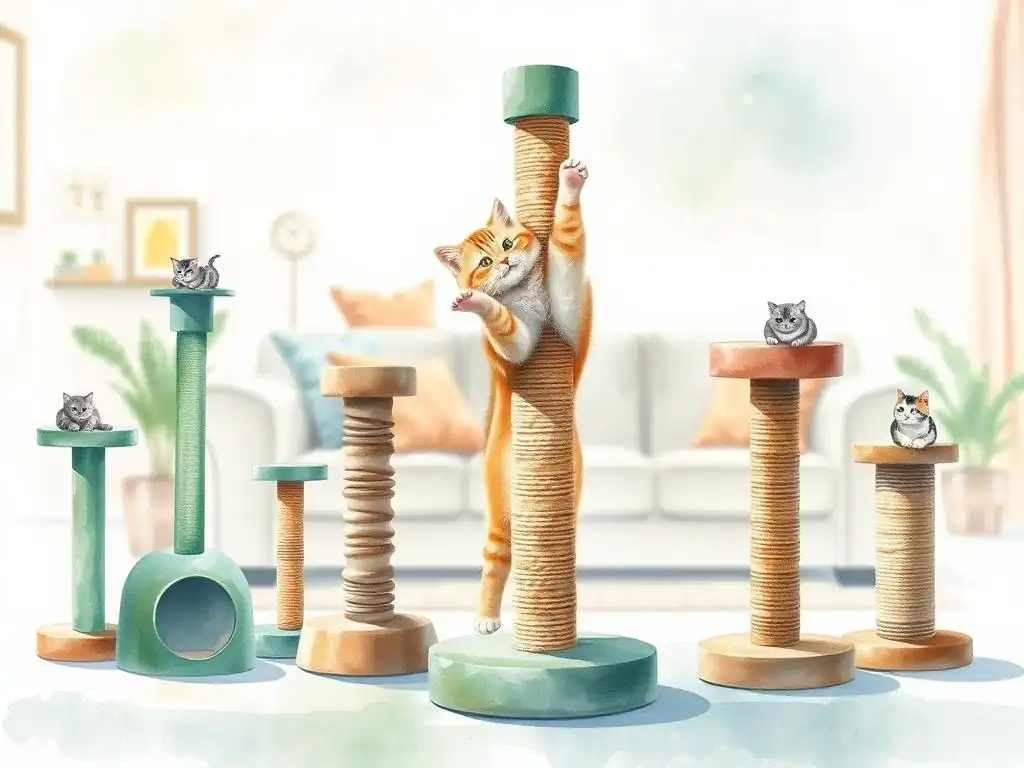
Cat scratching posts are essential for your feline friend's well-being, providing a crucial outlet for natural scratching instincts and preventing damage to your furniture. However, a wobbly or unstable scratching post presents a significant safety hazard. A tipping post can injure your cat, causing fear and potentially leading to avoidance of the post altogether. Therefore, selecting and positioning a stable scratching post is paramount for a safe and enjoyable scratching experience.
This section focuses on practical strategies to ensure your cat's scratching post remains firmly planted, minimizing the risk of accidents and maximizing its usefulness. Choosing the right size post, as detailed in other sections of this Cat scratching post size guide, is only one aspect of ensuring safety. Stability is equally critical.
Weight and Balance: Choosing a Sturdy Scratching Post
The weight and design of the scratching post significantly impact its stability. Heavier posts are inherently more resistant to tipping. Look for posts with a wide, sturdy base. A circular base often provides better stability than a square or rectangular one, distributing weight more evenly. Consider the post's material; dense materials like wood or heavy-duty cardboard are preferable to lightweight materials like thin cardboard or plastic.
The center of gravity is also crucial. Posts with a low center of gravity are less likely to topple. This means that the weight should be distributed evenly throughout the structure, rather than concentrated at the top. For example, a tall, slender scratching post filled with heavy material at the base will be far more stable than a similar post with all the weight at the top.
Avoid posts with top-heavy designs, such as those with large, overhanging platforms or toys that are concentrated at the top. These features can easily shift the center of gravity, making the post more prone to tipping. Always check the manufacturer's specifications and weight limits, paying close attention to any warnings or recommendations regarding stability. Remember, a stable scratching post is a safe scratching post. Investing in a high-quality, well-constructed post is an investment in your cat's safety and happiness.
Anchoring Options for Extra Security
Even the sturdiest scratching posts can benefit from added security, especially if you have a particularly energetic cat or if the post is tall and slender. Several anchoring methods can significantly improve stability. One simple option is to use double-sided adhesive strips to secure the base of the post to the floor. These are readily available and relatively inexpensive. However, their effectiveness depends on the surface and the weight of the post. For heavier posts or carpeted floors, this may not provide sufficient stability.
A more robust solution is to use screws or bolts to attach the post to the floor or a sturdy piece of furniture. This method requires some DIY skills and may involve drilling holes, but it offers superior stability. Ensure you use screws appropriate for the floor type and the post's material. Always check the structural integrity of the floor or furniture before drilling to avoid damage.
You could also consider using weight-based anchoring. Place heavy objects, such as bags of sand or gravel, at the base of the post to increase its overall weight and stability. This is a particularly useful temporary solution or for posts that are difficult to anchor permanently. Remember to always prioritize safety and use appropriate anchoring methods for your specific situation.
Placement Strategies for Maximum Stability
The location of the scratching post plays a crucial role in its stability and your cat's overall safety. Avoid placing the post in high-traffic areas where it could be easily bumped or knocked over. Similarly, avoid locations near doors or windows where drafts or accidental impacts could cause it to tip. Ideally, place the post against a wall or in a corner. This provides additional support and prevents the cat from easily toppling it while scratching. A corner placement offers maximum stability and prevents the post from being easily moved.
Consider the surface beneath the post. A stable, even surface is essential for maximum stability. Avoid placing the post on uneven surfaces like rugs or carpets with thick pile, as these can compromise its stability.
If you must place it on a carpet, ensure the base is firmly planted and consider using additional anchoring methods as described above. Strategic placement not only enhances safety but also encourages your cat to use the post consistently, ensuring both its safety and the preservation of your furniture. Choosing the right location, combined with the right size and anchor points, will ensure your cat enjoys many years of safe and satisfying scratching.
Optimizing Scratching Post Placement for Engagement
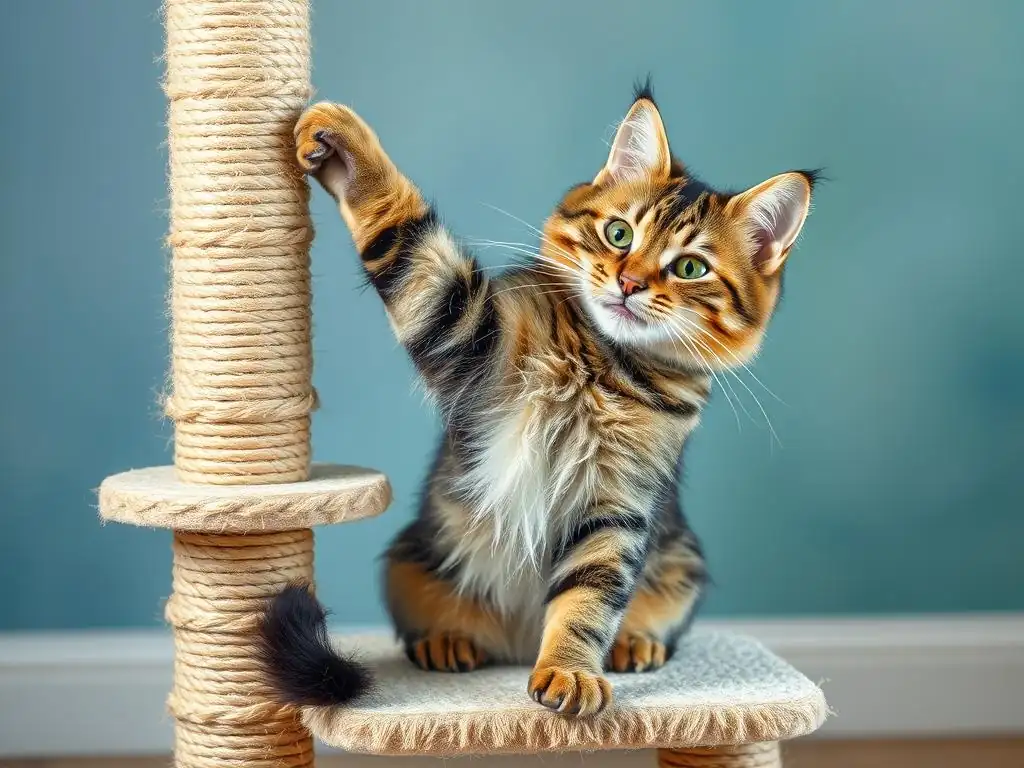
Cats, being naturally inclined to scratch, require appropriately sized scratching posts strategically placed to maximize their use. A poorly placed post, regardless of size, might be completely ignored. This section focuses on optimizing post placement for maximum engagement, thereby diverting scratching behavior away from furniture and other undesirable surfaces. Understanding your cat's preferences and routine is key to successful placement. This is crucial for effective Cat scratching post size guide implementation.
Strategic Locations to Encourage Scratching
The ideal location for a scratching post considers your cat's natural behaviors and routines. Observe where your cat currently scratches – is it near a window for sunbathing, next to their food bowl, or by their favorite sleeping spot? Placing a scratching post near these locations significantly increases the likelihood of adoption.
Consider these key areas:
- High-traffic areas: Placing a post in a frequently used area of the house makes it more visible and accessible to your cat. This doesn't necessarily mean the busiest room, but a spot where your cat spends a considerable amount of time.
- Near resting areas: Cats often scratch before and after naps. Positioning a scratching post near their favorite sleeping spots or lounging areas creates a natural flow in their routine.
- By windows: Cats are captivated by the outside world. A scratching post near a window offers a combined activity – scratching and bird-watching!
- Avoid high-traffic walkways: While visibility is important, avoid placing the post in a location that obstructs human movement, or where your cat might feel threatened or stressed while scratching.
- Multiple locations: For multi-cat households or cats with multiple favorite spots, consider placing several scratching posts in different areas to cater to individual preferences.
Encouraging Use Through Positive Reinforcement
Simply placing a scratching post isn't enough; you need to encourage its use. Positive reinforcement is the most effective method. Avoid punishment, as this can make your cat fear the post and seek out other scratching locations.
Here's how to positively reinforce scratching post use:
- Reward with treats: When your cat uses the scratching post, immediately reward them with a tasty treat or a favorite toy. This creates a positive association with the post.
- Play near the post: Engage your cat in interactive play near the scratching post. This encourages them to investigate and use it.
- Catnip: Sprinkling catnip on the scratching post can be a highly effective lure, especially for cats who enjoy catnip. However, remember that not all cats respond to catnip.
- Consistency is key: Be patient and consistent with your reinforcement efforts. It may take time for your cat to fully adopt the scratching post.
Remember, consistency in rewarding desired behaviors is paramount for effective training and a happy, well-adjusted cat.
Addressing Scratching Issues Outside Designated Areas
Despite your best efforts, your cat might still scratch in inappropriate areas. This doesn't mean your efforts have failed; it simply indicates a need for further adjustments.
Here's how to address persistent scratching issues:
- Identify triggers: Observe your cat's scratching behavior to identify specific triggers or situations. Are they scratching more frequently after mealtimes, or when stressed?
- Provide alternative scratching surfaces: If your cat is scratching a specific piece of furniture, provide a similar scratching surface nearby. For example, if they're scratching a carpet, a sisal scratching post might be a suitable alternative.
- Make undesirable areas less appealing: Cover furniture with cat-repellent sprays or double-sided tape. These deterrents make the surfaces less attractive for scratching.
- Consult a veterinarian: If the scratching persists despite your efforts, consult a veterinarian to rule out any underlying medical conditions that might contribute to the behavior. Excessive scratching can sometimes indicate a medical issue.
Addressing inappropriate scratching requires patience, observation, and a combination of strategies. Remember to focus on positive reinforcement and creating a positive scratching environment for your feline friend. A well-placed and appropriately sized scratching post, combined with positive reinforcement, is crucial for your cat's well-being and the preservation of your furniture!
Maintaining Your Cat's Scratching Post: Cleaning and Replacement
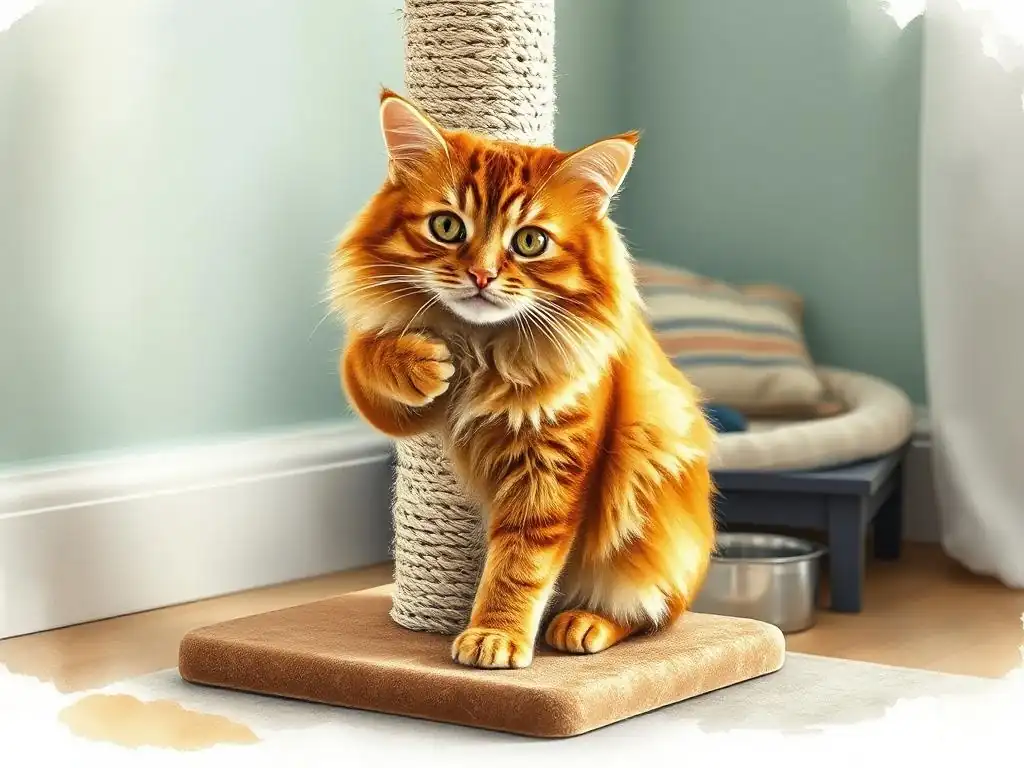
This section delves into the crucial aspect of maintaining your cat's scratching post to ensure its longevity and hygiene. A well-maintained scratching post not only provides a safe and engaging activity for your feline friend but also contributes to a cleaner and healthier home environment. Ignoring maintenance can lead to premature wear and tear, reducing the post's effectiveness and potentially creating hygiene issues. Let's explore the best practices for cleaning and replacing your cat's scratching post.
Regular Cleaning for Hygiene and Longevity
Regular cleaning is paramount for maintaining a hygienic scratching post. Cats, despite their meticulous grooming habits, can leave behind dander, hair, and potentially even parasites. A dirty scratching post becomes a breeding ground for bacteria and unpleasant odors, deterring your cat from using it and potentially impacting their health. The frequency of cleaning depends on your cat's activity level and the material of the scratching post. However, a general rule of thumb is to clean it at least once a week, or more frequently if needed.
Here's a step-by-step guide to cleaning various scratching post materials:
- Sisal: Use a stiff brush to remove loose debris. For more stubborn dirt, consider using a damp cloth with a mild, pet-safe detergent. Always ensure the post is completely dry before allowing your cat back near it.
- Carpet: Vacuum regularly to remove loose hair and dirt. Spot clean any stains with a pet-safe stain remover. For deeper cleaning, you may be able to machine wash the carpet cover (check manufacturer's instructions).
- Cardboard: These are generally disposable, but you can try wiping down a sturdy cardboard post with a damp cloth. However, they tend to wear down faster and require more frequent replacement.
Remember to always use pet-safe cleaning products, avoiding harsh chemicals that could be harmful to your cat. Thoroughly rinse and dry the post after cleaning to prevent any residue from irritating your cat's paws or causing skin issues. The use of enzymatic cleaners can be helpful in eliminating odor-causing bacteria.
Recognizing Signs of Wear and Tear
Even with regular cleaning, scratching posts will eventually show signs of wear and tear. Recognizing these signs is crucial for timely replacement, ensuring your cat continues to have a safe and enjoyable scratching experience. Neglecting a worn-out post can lead to your cat finding alternative scratching surfaces, such as your furniture!
Here are some key indicators that your cat's scratching post needs replacing:
- Significant fiber loss: If the sisal or carpet is significantly frayed or worn down, exposing the inner core, it's time for a replacement. This reduces the post's structural integrity and can pose a hazard to your cat.
- Unstable base: If the base of the scratching post wobbles or is damaged, it presents a safety risk. A falling scratching post could injure your cat or damage your home.
- Loss of appeal: If your cat is consistently avoiding the scratching post despite regular cleaning, it may be due to its worn-out condition. Observe your cat's behavior – a shift in scratching preferences might signal that the post has lost its appeal and needs replacing.
- Strong unpleasant odor: Despite regular cleaning, a persistent unpleasant odor may indicate deep-seated bacteria or other issues that are difficult to remove. This is a strong sign that replacement is necessary.
Regular inspection of your cat's scratching post is key to identifying these issues before they become serious problems.
Replacing Damaged or Worn-Out Scratching Posts
Replacing a damaged or worn-out scratching post is essential for your cat's safety and well-being. Consider the following factors when selecting a replacement:
- Material: Choose a material that your cat prefers. Sisal is a popular and durable option, while carpet and cardboard offer different textures.
- Size and stability: Select a post that is appropriately sized for your cat and has a sturdy base to prevent tipping. Consider the size of your cat and their scratching style when making your choice. A larger cat might need a taller, sturdier post.
- Placement: Place the new scratching post in a location that is convenient and appealing to your cat. Consider areas where your cat already spends a lot of time.
Remember, a suitable scratching post is a critical part of a happy and healthy cat's life. Replacing a worn-out scratching post is not just about maintaining a clean home, it's about providing your feline companion with the proper tools to satisfy their natural instincts and prevent them from damaging your furniture. Prioritize regular maintenance and timely replacements to ensure your cat has a safe and enjoyable scratching experience for years to come. 😻
Frequently Asked Questions
How tall should a cat scratching post be for my cat?
The ideal height depends on your cat's size and breed. A good rule of thumb is to choose a post that's at least as tall as your cat when it's fully stretched out. This allows for a full body stretch and satisfying scratching experience.
What is the minimum base diameter for a stable scratching post?
A wide and sturdy base is crucial to prevent tipping. Aim for a base diameter of at least 10-12 inches for smaller cats and even larger for bigger breeds or more active cats. Stability is key to preventing accidents and encouraging use.
What materials are best for a durable scratching post?
Look for posts made from sisal, carpet, or cardboard. Sisal is particularly durable and long-lasting. Avoid materials that easily fray or tear. The material's strength directly impacts the post's longevity.
My cat ignores the scratching post; what size might be better?
If your cat isn't using it, consider the height and base size. Perhaps it's too short or unstable. Try a taller post with a wider base, or place it near their favorite sleeping or playing areas to encourage use.
How do I know if the scratching post is the right size for my multi-cat household?
For multiple cats, consider getting multiple scratching posts of varying sizes and heights. This caters to individual preferences and reduces competition for the same scratching space. Multiple posts eliminate territorial disputes.
Final Reflection: Scratching Posts: Small Changes, Big Impact on Cat Wellbeing
The right scratching post isn't just about convenience; it's a cornerstone of a happy, healthy cat. A seemingly small detail like size directly impacts your feline friend's physical and mental well-being, preventing furniture destruction and promoting natural behaviors. Ignoring this crucial aspect can lead to unwanted scratching, stress, and even injury.
The influence of proper scratching post selection extends beyond simply protecting your sofa; it's about understanding and respecting your cat's innate needs. Providing the appropriate size and type of scratching post fosters a sense of security and control in their environment. As Jackson Galaxy famously said, Cats don't destroy things out of spite; they destroy things out of need.
Understanding this need, and responding with thoughtful provision, strengthens the bond between cat and owner, creating a more harmonious home life.
Consider your cat's unique personality and physical characteristics. Do they prefer vertical or horizontal scratching? Are they a small kitten or a large, powerful adult? Take the time to observe their scratching habits and choose a post that truly meets their needs. By making this conscious choice, you're not just selecting a piece of furniture; you're investing in a happier, healthier, and more fulfilling life for your beloved companion. Let this guide be your starting point on a journey towards a more enriching relationship with your feline friend.
Unlock Your Cat's Happy Scratching Habits!
Thanks for learning how to create the purrfect scratching environment for your feline friend! You've gained valuable insights into choosing the right size and stability for their scratching post—a crucial element for both their well-being and your home's decor. Now, let's put that knowledge into practice:
- Upgrade your cat's scratching post: Evaluate your cat's current scratching post. Does it meet the size and stability guidelines we discussed? If not, consider investing in a new one that better suits their needs.
- Observe and adjust: Carefully watch how your cat interacts with their new (or improved) scratching post. Note their preferred scratching positions and adjust its placement accordingly to maximize engagement and minimize unwanted scratching elsewhere.
- Share your success: Tell us about your cat's scratching post upgrade! Share a picture or comment below—let's build a community of happy cats and satisfied owners.
Ready to create a safer and more engaging scratching experience for your beloved companion? What small change will you make today to ensure your cat's happiness and contentment?