
The Role of Preventative Care in Extending Your Cat's Lifespan


Welcome to PetCareWorld, your ultimate guide to a happier, healthier life for your beloved pet! Are you ready to unlock the secrets to a longer, more fulfilling life for your feline friend? Discover how crucial preventative cat healthcare is in extending your cat's lifespan and learn practical steps you can take today to ensure their well-being. Dive into our comprehensive guide and embark on a journey towards a richer bond with your cat.
- Understanding Preventative Cat Healthcare and Lifespan
- Key Components of Preventative Cat Healthcare
- Recognizing Early Warning Signs of Illness
- Preventative Cat Healthcare and Senior Cat Care
- The Financial Aspects of Preventative Cat Healthcare
- Frequently Asked Questions
- Final Reflection: Investing in a Longer, Healthier Purr
- Unlock Your Cat's Longest, Healthiest Life
Understanding Preventative Cat Healthcare and Lifespan
Preventative cat healthcare is paramount in ensuring your feline companion enjoys a long, healthy, and happy life. This isn't simply about occasional vet visits; it's a proactive approach encompassing regular checkups, vaccinations, parasite prevention, and a commitment to a healthy lifestyle.
This article delves into the crucial role preventative care plays in extending your cat's lifespan, highlighting key strategies and emphasizing the significant impact even small actions can have on your cat's overall well-being. By understanding and implementing these preventative measures, you'll not only increase the chances of a longer life for your beloved pet but also significantly reduce the risk of costly and potentially heartbreaking health issues down the line.
We’ll explore the benefits of early intervention, the importance of routine veterinary checkups, and how to build a strong foundation for a long and healthy life for your cat. Investing in preventative care is an investment in the quality of life for your feline friend – a bond enriched by years of shared companionship.
The Importance of Early Preventative Care for Kittens
Kittens, with their playful energy and boundless curiosity, are particularly vulnerable to various health issues. Early preventative care is crucial during this formative period. This includes a series of core vaccinations to protect against potentially fatal diseases like feline panleukopenia (feline distemper), feline herpesvirus, and feline calicivirus.
These vaccinations, usually administered in a series of shots starting around 6-8 weeks of age, build a strong immune system foundation. Additionally, deworming is essential to eliminate intestinal parasites that can cause significant health problems in young kittens. Regular parasite prevention, including flea and tick control, should also be implemented from a young age, reducing the risk of infestations and associated health complications.
Early veterinary check-ups also allow for early detection of any congenital issues or underlying health problems, enabling timely intervention and improving the kitten’s chances of a long, healthy life. Remember, a healthy start translates to a healthier future for your kitten. A proactive approach during these crucial early weeks and months significantly enhances their chances of reaching a ripe old age.
Routine Veterinary Checkups: A Cornerstone of Preventative Cat Healthcare
Regular veterinary checkups are the cornerstone of preventative cat healthcare. These aren't just about addressing immediate concerns; they serve as proactive health assessments, allowing for early detection of potential problems before they escalate. Annual checkups, or even more frequent visits for senior cats, allow your veterinarian to monitor your cat's overall health, weight, and behavior. Early detection of conditions like kidney disease, hyperthyroidism, or diabetes can dramatically improve treatment outcomes and extend your cat’s lifespan.
During these checkups, your veterinarian can also assess your cat's teeth and gums, identifying potential dental problems that can impact overall health. Beyond physical examinations, your vet can advise on appropriate nutrition, exercise, and lifestyle choices to maintain your cat's well-being. Don't underestimate the value of these routine visits; they're an invaluable investment in your cat's long-term health and happiness. Consider it a vital part of your cat's preventative healthcare plan.
Building a Strong Foundation for a Long and Healthy Life
Building a strong foundation for a long and healthy life for your cat involves a holistic approach. This encompasses not only regular veterinary care but also a commitment to providing a healthy diet, regular exercise, and a safe and stimulating environment. A balanced diet tailored to your cat's age and health needs is essential. Avoid feeding your cat human food, which can lead to nutritional deficiencies or imbalances.
Regular exercise, even simple playtime, helps maintain a healthy weight and reduces the risk of obesity-related health problems. A safe and stimulating environment, with opportunities for play and exploration, is crucial for your cat's mental and emotional well-being. This includes providing scratching posts to protect your furniture and prevent claw damage, and ensuring access to fresh water at all times.
By combining regular veterinary care with a focus on providing a healthy and stimulating life, you significantly increase your cat's chances of living a long, healthy, and fulfilling life. Remember, a happy cat is a healthy cat! This comprehensive approach is key to achieving preventative cat healthcare excellence.
Key Components of Preventative Cat Healthcare
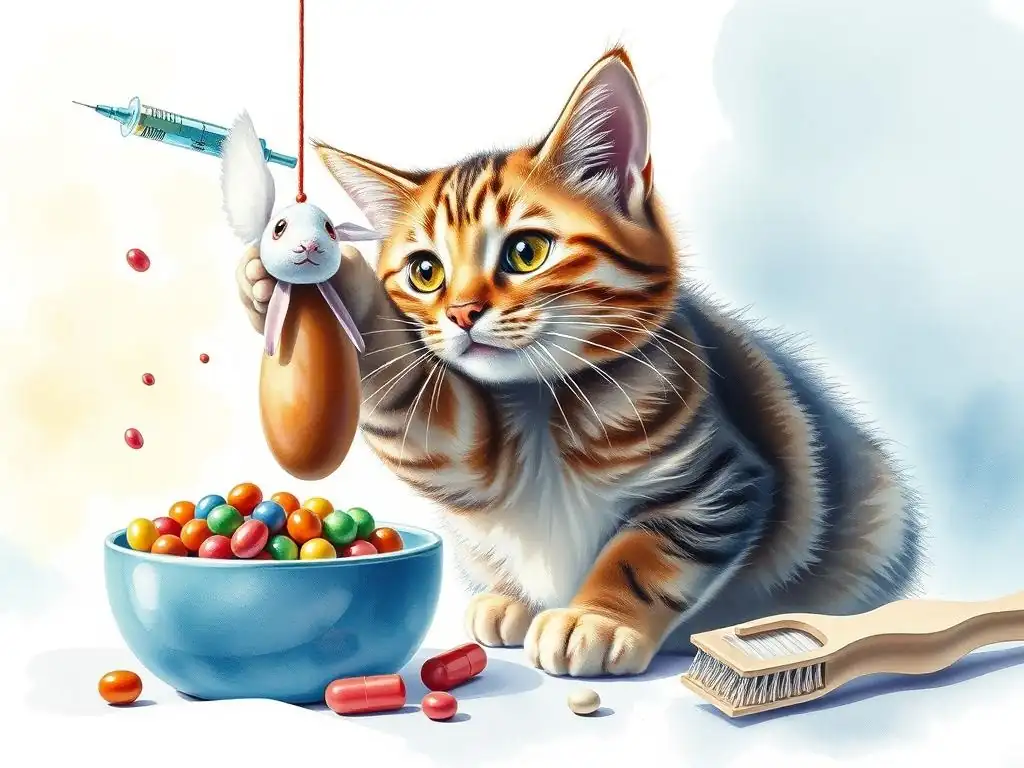
Preventative cat healthcare is paramount in maximizing your feline companion's lifespan and overall well-being. A proactive approach, focusing on regular check-ups and preventative measures, significantly reduces the risk of serious illnesses and contributes to a longer, happier life for your cat. This section delves into the crucial elements of a comprehensive preventative healthcare plan, emphasizing the importance of consistent care for your pet's longevity and quality of life.
Understanding and implementing these strategies is key to responsible cat ownership and ensuring your furry friend enjoys many healthy years. Remember, even seemingly minor health issues can escalate into serious problems if left unaddressed.
Vaccinations: Protecting Against Deadly Diseases
Vaccinations are a cornerstone of preventative cat healthcare. They provide crucial protection against a range of potentially fatal diseases, including feline viral rhinotracheitis (FVR), feline calicivirus (FCV), and feline panleukopenia (FPV). These core vaccines are essential for kittens and adult cats, offering a robust defense against highly contagious and often deadly illnesses. The frequency of vaccinations may vary depending on your cat's age, lifestyle (indoor vs. outdoor), and pre-existing health conditions; your veterinarian will guide you on the optimal vaccination schedule.
Furthermore, additional vaccines may be recommended depending on your geographic location and the prevalence of specific diseases in your area. For example, feline leukemia virus (FeLV) and feline immunodeficiency virus (FIV) vaccines are often considered, particularly for cats with outdoor access. These viruses can weaken the immune system, making cats more susceptible to other infections.
It is crucial to understand that vaccines, while highly effective, are not 100% foolproof. Even vaccinated cats can contract diseases, though the severity of the illness is usually significantly reduced. Maintaining regular veterinary check-ups allows for early detection of any potential issues and ensures your cat receives prompt and appropriate treatment. Remember, consistent vaccination is a vital part of responsible preventative cat healthcare and contributes significantly to extending your cat's lifespan. Regular boosters are essential to maintain immunity.
Parasite Prevention: Fleas, Ticks, and Worms
Parasite prevention is another crucial aspect of preventative cat healthcare. Fleas, ticks, and intestinal worms can cause significant health problems for your cat, ranging from skin irritations and anemia to serious internal infections. Effective parasite control involves a multifaceted approach, often including:
- Topical treatments: These medications are applied directly to the cat's skin and provide protection against fleas and ticks. They are generally safe and easy to administer.
- Oral medications: These are pills or chewable tablets that protect against internal parasites like roundworms, hookworms, and tapeworms. Regular administration is key to maintaining effectiveness.
- Environmental control: Regular cleaning of your home, including vacuuming and washing bedding, helps to eliminate flea eggs and larvae, reducing the risk of re-infestation.
Choosing the right parasite preventative requires careful consideration of your cat's individual needs and lifestyle. Discuss various options with your veterinarian to determine the most effective and safest approach for your furry friend. Regular fecal examinations are recommended to detect and address any internal parasites promptly. Ignoring parasite infestations can lead to severe health complications, impacting your cat's overall well-being and potentially shortening its lifespan. Proactive parasite prevention is a vital part of responsible cat ownership and extends your cat's healthy years.
Dental Care: Maintaining Oral Health for a Longer Life
Dental disease is incredibly common in cats, often leading to pain, discomfort, and serious health problems if left untreated. Regular dental care is therefore a non-negotiable element of preventative cat healthcare, significantly impacting your cat's quality of life and lifespan. Neglecting dental hygiene can lead to periodontal disease, which causes inflammation and infection of the gums, potentially affecting vital organs.
A comprehensive dental care plan for your cat should include:
- Regular brushing: Gentle brushing of your cat's teeth with a pet-specific toothpaste is highly recommended. Start early and gradually introduce your cat to the process to ensure a positive experience.
- Professional dental cleanings: Annual or semi-annual professional dental cleanings are crucial for removing tartar and plaque buildup, preventing periodontal disease. Your veterinarian will perform a thorough examination and provide necessary treatment.
- Dental chews and toys: These can help to remove plaque and tartar naturally, but they should not replace professional cleanings.
Maintaining good oral hygiene is not just about fresh breath; it's about preventing painful infections and systemic diseases that can significantly shorten your cat's lifespan. Regular veterinary check-ups, including dental examinations, are essential for early detection and treatment of any dental problems, ensuring your cat enjoys a longer, healthier life. Early intervention is key to preventing serious complications and maintaining your cat's overall well-being. Investing in your cat's dental health is an investment in its longevity and happiness.
Nutrition and Diet: Fueling a Healthy Cat

A cat's diet plays a pivotal role in its overall health and longevity. Providing your feline companion with a balanced and nutritious diet is crucial for preventative healthcare. This means selecting high-quality cat food that meets the Association of American Feed Control Officials (AAFCO) standards. Look for foods that list named meat sources (like chicken or salmon) as the primary ingredients, avoiding fillers like corn, wheat, or soy. The protein content should be substantial, as cats are obligate carnivores, meaning their bodies are designed to thrive on a meat-based diet.
The nutritional needs of a cat also vary depending on its age, breed, activity level, and health status. Kittens require diets higher in calories and specific nutrients to support their rapid growth. Senior cats may benefit from food formulated for their age, often with lower calorie counts and joint-supporting ingredients.
Always consult your veterinarian to determine the best dietary plan for your individual cat, considering any pre-existing health conditions. They can guide you towards appropriate food choices and portion sizes to ensure your cat maintains a healthy weight and receives all the necessary nutrients. Ignoring nutritional needs can lead to a range of health issues, significantly impacting lifespan and quality of life.
For example, a deficiency in taurine can cause heart problems, while a lack of certain vitamins can weaken the immune system, making your cat more susceptible to illness. Therefore, thoughtful consideration of your cat's dietary needs is a cornerstone of preventative cat healthcare. Providing a proper diet can significantly contribute to a longer, healthier life for your beloved pet.
Maintaining a healthy weight is paramount for preventative cat healthcare and extending your cat's lifespan. Obesity in cats is a prevalent problem, often linked to overfeeding, lack of exercise, and inappropriate food choices. Excess weight places significant strain on the cat's organs, increasing the risk of numerous health complications, including diabetes, heart disease, arthritis, and liver problems. These conditions can severely impact your cat's quality of life and significantly shorten its lifespan.
Effective weight management begins with monitoring your cat's food intake. Use a measuring cup to ensure you're feeding the recommended amount based on your cat's age, breed, and activity level, as specified on the food packaging or recommended by your vet. Regular weigh-ins are also crucial—aim for at least once a month—to track your cat's weight and adjust food portions as needed.
If your cat is overweight, gradual weight loss under veterinary supervision is recommended. Sudden, drastic weight loss can be harmful. Your veterinarian can help create a safe and effective weight loss plan, perhaps including adjustments to their diet or recommendations for increased physical activity.
Beyond diet, providing opportunities for exercise is essential. Interactive play sessions using toys like feather wands or laser pointers can help burn calories and keep your cat mentally stimulated. Climbing structures and scratching posts also encourage physical activity.
Even seemingly small adjustments, like providing several smaller meals throughout the day instead of one large meal, can make a difference in weight management. Remember, a proactive approach to weight management is a critical component of preventative cat healthcare, significantly contributing to a longer and healthier life for your feline friend. Regular check-ups with your veterinarian will help identify potential weight issues early on, allowing for timely intervention and prevention of serious health problems.
Recognizing Early Warning Signs of Illness

Cats are masters of disguise when it comes to illness. Their innate survival instincts often lead them to hide signs of discomfort, making early detection crucial for preventative cat healthcare and extending their lifespan. Recognizing subtle changes in your feline companion's behavior and physical condition is paramount to ensuring prompt veterinary intervention and improving their chances of a long, healthy life. The earlier you identify a problem, the more effective treatment can be, significantly impacting their overall quality of life and longevity. Preventative cat healthcare isn't just about vaccinations; it's about proactive monitoring and swift action.
Behavioral Changes: Subtle Clues to Potential Problems
Significant shifts in your cat's demeanor can be early indicators of underlying health issues. These changes might be gradual, making them easily overlooked. Pay close attention to alterations in their usual routines and interactions.
For example, a typically playful cat suddenly becoming lethargic, hiding more frequently, or exhibiting less interest in their favorite activities could signal a problem. Similarly, increased vocalization (meowing excessively or in unusual tones), aggression (biting or scratching more than usual), or changes in litter box habits (straining, increased frequency, or accidents outside the box) warrant immediate attention. Keep a detailed record of any behavioral changes, noting the date, time, and nature of the alteration.
This detailed information can be invaluable to your veterinarian in diagnosing the issue. Even seemingly minor shifts in personality or behavior, if persistent, deserve evaluation as part of comprehensive preventative cat healthcare. Early intervention can often mean the difference between a manageable condition and a serious, life-threatening illness.
Physical Symptoms: What to Watch For in Your Cat
Beyond behavioral shifts, physical symptoms can also indicate underlying health problems. Regularly examining your cat for any abnormalities is a vital component of preventative cat healthcare. Pay close attention to their coat condition: a dull, matted coat, excessive shedding, or patchy fur loss can be indicative of various health issues, from simple nutritional deficiencies to more serious conditions like allergies or hyperthyroidism.
Changes in appetite (eating significantly more or less than usual), weight fluctuations (sudden weight gain or loss), persistent vomiting or diarrhea, and changes in urination or defecation habits (frequency, color, consistency) all require veterinary assessment. Also, carefully examine your cat's eyes, ears, and mouth for any discharge, redness, swelling, or unusual odors.
Regularly checking their gums for paleness or discoloration can also help detect anemia or other circulatory problems. A comprehensive physical examination, ideally performed by a veterinarian during a routine checkup, is an essential part of preventative cat healthcare, allowing for early detection and treatment of potential health concerns.
The Importance of Prompt Veterinary Attention
When you notice any concerning behavioral or physical changes in your cat, prompt veterinary attention is crucial. Delaying treatment can allow minor issues to escalate into significant health problems, potentially shortening their lifespan and reducing their quality of life. Preventative cat healthcare isn't just about avoiding illness; it's about minimizing the impact of illness when it does occur.
A swift response, guided by a veterinarian's expertise, can lead to more effective treatment options and a better prognosis. Don't hesitate to contact your veterinarian – even if you're unsure whether the symptoms warrant a visit. Regular veterinary checkups, combined with vigilant monitoring at home, constitute a proactive approach to preventative cat healthcare, significantly contributing to your cat's longevity and well-being.
Remember, early detection and prompt action are key to ensuring your feline companion enjoys a long and happy life. This proactive approach to preventative cat healthcare is the cornerstone of responsible pet ownership.
Preventative Cat Healthcare and Senior Cat Care

Preventative cat healthcare is crucial for maximizing your feline companion's lifespan and overall well-being. Regular veterinary checkups, vaccinations, and parasite prevention are cornerstones of this proactive approach. However, the needs of your cat change as they age, necessitating adjustments to your preventative healthcare strategy. Understanding these evolving needs is key to ensuring your senior cat enjoys a comfortable and healthy life.
This section focuses on how to adapt preventative care for older cats and address common health concerns they may face. The goal is to extend their lifespan by mitigating age-related issues and maintaining a high quality of life. This proactive approach to preventative cat healthcare lifespan is essential for responsible pet ownership.
Adjusting Preventative Care for Older Cats
As cats enter their senior years (generally considered 7+ years, but varying by breed and size), their bodies become more susceptible to various ailments. Their immune systems may weaken, making them more vulnerable to infections. Therefore, the frequency and type of preventative care need adjustments. For example:
- Vaccinations: While core vaccines (like rabies and feline distemper) remain important, the frequency might decrease. Your veterinarian will assess your cat's individual risk factors and determine the appropriate vaccination schedule. They may recommend titer tests to measure antibody levels, avoiding unnecessary vaccinations in healthy seniors. 😻
- Parasite Prevention: Heartworm, flea, and tick prevention remain vital, even in older cats. However, some medications may have age-related side effects. Discuss the safest and most effective options with your vet, considering their potential impact on liver and kidney function.
- Dental Care: Dental disease is prevalent in senior cats, leading to pain, infection, and systemic issues. Regular brushing, professional dental cleanings (possibly under anesthesia if needed), and appropriate dental chews become increasingly important for preventing this.
- Bloodwork and Urinalysis: Annual bloodwork and urinalysis become even more crucial to detect early signs of kidney disease, diabetes, and other age-related conditions. Early detection significantly improves treatment outcomes and quality of life.
Common Health Issues in Senior Cats
Senior cats are prone to a range of health problems. Early recognition is paramount for effective management. Some of the most common issues include:
- Hyperthyroidism: This condition involves an overactive thyroid gland, leading to weight loss, increased appetite, hyperactivity, and other symptoms. Regular blood tests can detect this, and treatment options are available.
- Kidney Disease (Chronic Kidney Disease or CKD): CKD is a progressive and often irreversible condition affecting kidney function. Early detection through bloodwork is crucial for managing the disease and slowing its progression. Dietary changes and medication can improve the cat's quality of life.
- Arthritis: Joint pain and stiffness are common in older cats, impacting their mobility and comfort. Weight management, pain medication (under veterinary guidance), and supportive therapies can help.
- Diabetes: Diabetes mellitus is a condition where the body doesn't produce enough insulin or can't use it effectively. This leads to high blood sugar levels. Regular monitoring and management are crucial to prevent complications.
- Cognitive Dysfunction Syndrome (CDS): Similar to Alzheimer's in humans, CDS affects brain function, leading to changes in behavior, such as disorientation, changes in sleep-wake cycles, and inappropriate elimination.
Maintaining Quality of Life in Later Years
Even with health challenges, you can still ensure your senior cat enjoys a high quality of life. This requires a holistic approach, encompassing:
- Nutrition: Senior cats often require specialized diets tailored to their age and any health conditions. These diets usually focus on supporting kidney function, maintaining healthy weight, and providing essential nutrients.
- Environment: Make sure your cat's environment is safe and comfortable. Provide easy access to food, water, litter boxes, and resting areas. Consider ramps or steps to help them navigate furniture.
- Mental Stimulation: Keep your senior cat mentally engaged with interactive toys, puzzle feeders, and playtime. This helps prevent boredom and cognitive decline.
- Regular Veterinary Care: Consistent veterinary checkups are vital for early detection and management of health problems. Don't hesitate to contact your veterinarian if you notice any changes in your cat's behavior or physical condition. This proactive approach to preventative cat healthcare contributes significantly to extending their lifespan and overall happiness. 🐈⬛
Remember, proactive and tailored preventative cat healthcare lifespan strategies are key to ensuring your beloved feline companion enjoys a long, healthy, and happy life. Regular veterinary visits and attentive observation are crucial components of this ongoing commitment.
The Financial Aspects of Preventative Cat Healthcare
Preventative cat healthcare, while crucial for extending your feline companion's lifespan, involves financial considerations that many pet owners need to understand. Planning a budget and considering long-term costs are vital aspects of responsible pet ownership. Failing to prioritize preventative care can lead to significantly higher expenses down the line, potentially impacting both your pet's well-being and your financial stability. This section explores the financial implications of preventative cat healthcare, helping you make informed decisions about your cat's well-being.
Budgeting for Preventative Care
Creating a realistic budget for your cat's preventative care is paramount. This should include regular expenses and potential unexpected costs. A well-structured budget allows for proactive planning and prevents financial strain from unforeseen veterinary needs. Consider the following regular expenses:
- Annual Wellness Exams: These checkups are fundamental. Costs vary based on location and veterinary clinic, ranging from $50 to $200 or more. Include this in your annual budget.
- Vaccinations: Essential for protecting against common feline diseases. The cost of vaccinations depends on the specific vaccines needed and your cat's age, typically ranging from $50 to $150 per year.
- Parasite Prevention: Monthly flea, tick, and heartworm preventative medications are crucial. These can cost between $15 and $50 per month, depending on the product and your cat's weight.
- Dental Care: Regular dental cleanings are often overlooked but extremely important. These can cost between $100 and $500 or more, depending on the extent of the procedure. Plan for this at least annually.
To create your budget, add up these recurring costs and set aside a dedicated savings account for your cat's healthcare. Consider unexpected costs, such as minor illnesses or injuries, by setting aside an emergency fund. A good rule of thumb is to allocate 10-20% of your annual pet budget for unforeseen events. Remember, consistent budgeting minimizes financial stress and ensures your cat receives the best possible care.
The Long-Term Cost Savings of Preventative Measures
While the upfront costs of preventative care might seem significant, they pale in comparison to the potential expenses associated with treating illnesses and injuries that could have been prevented. Regular checkups allow for early detection of health problems, enabling timely intervention and often less invasive, less expensive treatments.
For example, early detection of kidney disease through regular blood work can allow for lifestyle changes and medication to slow progression, whereas late-stage diagnosis often leads to significantly more expensive and intensive treatments. Similarly, preventing heartworm through monthly medication is far cheaper than treating a heartworm infection, which can cost thousands of dollars.
Consider this comparison:
| Treatment | Preventative Cost (Annual) | Treatment Cost (Estimated) |
|---|---|---|
| Heartworm Prevention | $50 - $100 | $1,000 - $5,000+ |
| Kidney Disease (Early Detection) | $50 - $200 (annual exam) | $500 - $10,000+ (treatment) |
| Dental Cleanings (Preventative) | $100 - $500 | $500 - $2000 (treatment for advanced issues) |
The table highlights that investing in preventative care significantly reduces long-term veterinary expenses. By preventing serious illnesses, you save money and provide your cat with a higher quality of life.
Insurance Options for Cat Healthcare
Pet insurance can significantly alleviate the financial burden of unexpected veterinary expenses. Numerous providers offer various plans catering to different budgets and levels of coverage. However, it is crucial to carefully review policy details, including deductibles, co-pays, and coverage limits before selecting a plan.
Some policies cover preventative care, while others focus primarily on accidents and illnesses. Understanding the specific coverage offered by each plan is crucial to making an informed decision. Consider factors like your cat's breed, age, and pre-existing conditions when choosing a policy. A comprehensive plan may be more expensive upfront, but it can provide significant peace of mind and financial protection in the long run. Remember to compare quotes from several providers to find the best plan that meets your needs and budget. Remember to factor in the monthly premium cost into your overall preventative care budget.
Frequently Asked Questions
What is preventative cat healthcare?
Preventative cat healthcare involves routine checkups, vaccinations, parasite prevention, and dental care to detect and address potential health issues early, before they become serious. This proactive approach significantly impacts your cat's overall well-being and lifespan.
How often should I take my cat to the vet for preventative care?
Ideally, you should schedule annual wellness exams for your cat. However, kittens require more frequent visits, and older cats may benefit from more regular checkups depending on their health status. Discuss the appropriate schedule with your veterinarian.
What vaccinations are essential for my cat?
Core vaccinations protect against feline viral rhinotracheitis (FVR), calicivirus (FCV), and panleukopenia (FPV). Your vet may recommend additional vaccines depending on your cat's lifestyle and risk factors, such as exposure to other cats.
How can I prevent parasites in my cat?
Regular parasite prevention is crucial. This includes using flea and tick medications, as well as preventative treatments for heartworm and intestinal parasites. Your vet can recommend the best options for your cat's specific needs and your geographic location.
Does preventative care really extend my cat's lifespan?
Yes! Studies show that consistent preventative care is strongly linked to a longer, healthier life for cats. Early detection and treatment of diseases significantly improve their chances of survival and quality of life.
Final Reflection: Investing in a Longer, Healthier Purr
The proactive approach to feline healthcare detailed in this article isn't just about extending your cat's lifespan; it's about enriching the quality of those years. Early detection and prevention of common feline ailments translate directly into more time spent playing, cuddling, and enjoying the unique bond you share with your beloved companion. This isn't merely about veterinary bills; it's an investment in a deeper, more fulfilling relationship.
The impact of preventative care on the feline population is profound, extending far beyond individual cats. It contributes to a healthier overall feline community, reducing the prevalence of contagious diseases and lessening the burden on veterinary resources. As responsible pet owners, we have a collective responsibility to prioritize preventative care. The best medicine is prevention,
a simple yet powerful truth that rings particularly true in the context of our feline friends. This responsibility extends beyond our own pets; it's about contributing to the well-being of the entire cat population.
Consider the joy of those extra years spent with your furry friend, the countless moments of shared affection, and the unwavering companionship they offer. You hold the power to shape the length and quality of your cat's life. By embracing preventative care – regular check-ups, vaccinations, and a healthy lifestyle – you're not just adding years to their life, you're adding life to their years. Make the commitment today, and watch your bond deepen with each healthy, happy year you share.
Unlock Your Cat's Longest, Healthiest Life
Thank you for learning about the vital role preventative care plays in your cat's well-being. You've gained valuable insights into keeping your furry friend happy and healthy for many years to come! Now, let's put this knowledge into action.
Here's how you can start giving your cat the best possible care:
- Schedule your cat's next veterinary checkup: This is the most crucial step. Don't delay – call your veterinarian today to book an appointment.
- Share this article with other cat owners. Help spread awareness about the importance of preventative care and help other cats live longer, healthier lives!
- Explore our website's resources on feline health – you might discover new ways to further improve your cat's health and happiness.
Ready to give your cat the gift of a longer, healthier life? What will you do today to prioritize your cat's preventative care?