
The Link Between Diet and Your Cat's Immune System


Welcome to PetCareWorld, your ultimate guide to happy and healthy pets! Are you ready to unlock the secrets to a stronger, healthier cat? We delve into the fascinating connection between cat diet and a robust immune system, revealing how the right food choices can significantly impact your feline friend's well-being. Discover the surprising ways nutrition plays a crucial role in boosting your cat's defenses – read on to learn more about " The Link Between Diet and Your Cat's Immune System"!
- Understanding Your Cat's Nutritional Needs for Immune System Support
- How Specific Dietary Components Impact Cat Immune Function
-
Boosting Your Cat's Immunity Through Dietary Choices: Practical Tips
- Choosing the Right Cat Food for Immune Support
- Considerations When Selecting Cat Food
- Supplements to Consider for Immune System Boosting (Consult your Vet)
- Hydration and its Impact on Immune Function in Cats
- Avoiding Foods Harmful to Your Cat's Immune System
- Recognizing Signs of a Compromised Immune System in Cats
- Dietary Strategies for Cats with Weakened Immune Systems
- Maintaining a Healthy Immune System Through Consistent Cat Diet
-
Frequently Asked Questions
- What is the most important dietary factor for boosting a cat's immune system?
- Can specific nutrients directly strengthen my cat's immunity?
- How much protein should my cat consume for optimal immune health?
- My cat has a sensitive stomach. How can I boost its immunity without upsetting its digestion?
- Are there any foods I should avoid giving my cat to maintain its immune health?
- Final Reflection: Nurturing Immunity, One Delicious Meal at a Time
- Unlock Your Cat's Inner Superhero: Boost Their Immunity Today!
Understanding Your Cat's Nutritional Needs for Immune System Support
A cat's health, vitality, and longevity are intrinsically linked to its diet. Providing your feline companion with the right nutrients is crucial, not only for their overall well-being but also for bolstering their immune system. A strong immune system is the cornerstone of a healthy cat, protecting them from a wide range of illnesses and infections.
This article delves into the critical connection between a cat's diet and its immune function, exploring essential nutrients and highlighting the role of specific dietary components in strengthening your cat's natural defenses. We'll examine how the right balance of protein, fats, and other vital nutrients contributes to a robust immune response, helping your cat live a longer, happier, and healthier life. Understanding these nutritional needs empowers you to make informed decisions about your cat's food, ultimately contributing to their overall health and well-being.
This guide is designed to help you navigate the complexities of feline nutrition and make choices that support a strong immune system in your beloved pet. Remember, a healthy diet is the first line of defense against illness for your cat. 😻
Essential Nutrients for a Strong Feline Immune System
A balanced diet rich in essential nutrients is paramount for a strong feline immune system. These nutrients act as building blocks for immune cells, enabling them to function effectively. Key nutrients include:
- Vitamin A: Crucial for maintaining the integrity of mucous membranes, the body's first line of defense against pathogens. A deficiency can significantly impair immune function. Good sources include liver and certain vegetables (although cats are obligate carnivores, some commercially available cat foods supplement with plant-based sources of Vitamin A).
- Vitamin E: A potent antioxidant that protects cells from damage caused by free radicals, thereby supporting immune cell activity. Found in various oils and some commercial cat foods.
- Vitamin C: Although cats can synthesize some Vitamin C, supplemental amounts can further enhance immune function, particularly during times of stress or illness. Many commercial cat foods include supplemental Vitamin C.
- B Vitamins: This group of vitamins plays a vital role in cell metabolism and the production of antibodies, which are essential components of the immune response. B vitamins are often found in meat-based ingredients.
- Minerals: Minerals like zinc, iron, and selenium are crucial cofactors in numerous enzymatic reactions essential for immune function. Deficiencies in these minerals can lead to compromised immunity. These are found in various animal-based ingredients.
The optimal levels of these nutrients vary depending on factors such as age, breed, and activity level. Consult with your veterinarian to determine the best dietary approach for your individual cat's needs. They can provide personalized recommendations based on your cat's specific health status.
The Role of Protein in Cat Immunity
Protein is the cornerstone of a cat's diet and plays a critical role in supporting immune function. Protein provides the amino acids necessary for building and repairing tissues, including those involved in the immune system. Cats are obligate carnivores, meaning they require animal-based protein for optimal health. A deficiency in high-quality protein can lead to impaired immune function and increased susceptibility to illness.
The type of protein also matters. Proteins from different sources offer varying levels of essential amino acids. Choosing cat foods with high-quality animal-based proteins, such as chicken, fish, or turkey, ensures your cat receives the essential building blocks for a healthy immune system. Avoid cat foods with vague or unclear protein sources.
The Importance of Fats and Fatty Acids for Immune Function in Cats
Fats are not just a source of energy; they are essential for immune function. Essential fatty acids, such as omega-3 and omega-6 fatty acids, have anti-inflammatory properties and play a vital role in regulating the immune response. These fatty acids help reduce inflammation, which is often associated with immune system dysfunction. They also support the production and function of immune cells.
Omega-3 fatty acids, in particular, have been shown to have beneficial effects on the immune system, potentially reducing the risk of certain inflammatory diseases. Sources of these beneficial fats include fish oil and flaxseed oil (though always consult your vet before supplementing your cat's diet with oils). Ensure your cat's food contains a balanced ratio of omega-3 and omega-6 fatty acids for optimal immune support. Again, carefully review the ingredient list of your cat's food to ensure appropriate levels.
Vitamins and Minerals Crucial for Immune Health in Cats
A cat's immune system, like ours, relies heavily on a balanced intake of essential vitamins and minerals. Deficiencies can significantly weaken their defenses, making them more susceptible to infections and illnesses. Understanding which nutrients are key to a robust immune response is crucial for responsible cat ownership. Let's explore some of the most vital components:
Vitamin A: This fat-soluble vitamin plays a critical role in maintaining the integrity of the mucous membranes, which act as the body's first line of defense against pathogens. Vitamin A also supports the production of white blood cells, essential components of the immune system responsible for identifying and eliminating harmful invaders. A deficiency can lead to increased vulnerability to infections, particularly respiratory and eye problems.
Good sources of Vitamin A for cats include liver (in moderation), eggs, and certain commercially available cat foods fortified with this essential nutrient. Always consult your veterinarian before supplementing your cat's diet with Vitamin A, as excessive intake can be toxic.
Vitamin E: Another powerful antioxidant, Vitamin E protects cells from damage caused by free radicals. These unstable molecules can contribute to inflammation and oxidative stress, compromising the immune system's effectiveness. Vitamin E also enhances the activity of immune cells, improving their ability to fight off infections. Foods naturally rich in Vitamin E include vegetable oils, nuts (in moderation and only if safe for cats), and some commercially prepared cat foods.
Vitamin C: While cats can synthesize some Vitamin C, they may not produce enough to meet their needs, especially during periods of stress or illness. Vitamin C is a potent antioxidant that supports immune function by boosting the activity of white blood cells and reducing inflammation. Supplementation with Vitamin C should be done under veterinary guidance, as excessive amounts can have negative consequences.
Zinc: This essential mineral is vital for the development and function of immune cells, including T lymphocytes and B lymphocytes, which are crucial for cell-mediated and humoral immunity respectively. Zinc also plays a role in wound healing, which is important for recovery from infections. Good sources of zinc include meat, poultry, and fish. However, it's important to note that oversupplementation with zinc can be harmful, so always consult with a veterinarian before adding zinc supplements to your cat's diet.
Selenium: This trace mineral acts as a powerful antioxidant, working synergistically with Vitamin E to combat oxidative stress and protect cells from damage. Selenium also plays a role in the production of antibodies, enhancing the immune response. Meat, poultry, and fish are good sources of selenium for cats. Again, it's crucial to avoid oversupplementation, as it can lead to toxicity.
Providing your cat with a diet rich in these vitamins and minerals is a proactive step towards boosting their immune system and promoting overall health. Remember to consult your veterinarian for personalized advice on the best dietary choices for your feline companion, considering their age, breed, and overall health status. They can help you create a balanced feeding plan that supports a strong and resilient immune system, minimizing their risk of illness. A well-nourished cat is a happy and healthy cat! 😻
How Specific Dietary Components Impact Cat Immune Function
This section delves into the intricate relationship between a cat's diet and the strength of its immune system. Understanding how specific nutrients contribute to immune function is crucial for cat owners seeking to optimize their feline companion's health and well-being. A well-balanced diet, rich in the right nutrients, is a cornerstone of a robust immune response, helping cats fight off illness and maintain overall vitality.
We will explore the impact of key dietary components on feline immunity, providing actionable insights for pet owners aiming to boost their cat's immune system through nutrition. This information is particularly relevant when considering a cat diet immune system boost.
The Impact of Carbohydrates on Feline Immunity
Carbohydrates are a source of energy for cats, but their role in immune function is often overlooked. While cats are obligate carnivores and don't require large amounts of carbohydrates, a complete and balanced commercial cat food will typically include some carbohydrates, usually in the form of easily digestible sources like corn, rice, or potatoes. These carbohydrates provide glucose, which fuels the immune cells' activity. However, excessive carbohydrate intake can lead to obesity and other health problems, indirectly impacting the immune system.
Obesity is known to suppress immune function, making cats more susceptible to infections. Therefore, choosing a cat food with a moderate carbohydrate content is essential for maintaining a healthy weight and supporting a strong immune system. A good quality cat food will list the carbohydrate sources and their percentages clearly on the label.
Understanding these labels and comparing different brands is important when choosing a diet that promotes a strong immune system. It is important to note that the optimal carbohydrate level can vary depending on factors such as the cat's age, activity level, and overall health. Consult with your veterinarian for personalized dietary recommendations.
How Fiber Affects Gut Health and Immunity in Cats
The gut microbiome plays a significant role in feline immunity. Fiber, a type of carbohydrate that cats cannot digest, acts as prebiotics, feeding beneficial bacteria in the gut. These beneficial bacteria produce short-chain fatty acids (SCFAs) that have anti-inflammatory properties and support the integrity of the intestinal barrier. A healthy gut lining is essential for preventing the entry of pathogens into the bloodstream, thus bolstering the immune system's defenses.
Insoluble fiber, found in sources like beet pulp, adds bulk to the stool and promotes regular bowel movements, preventing constipation and improving overall digestive health. Soluble fiber, found in sources such as psyllium husk, can help regulate blood sugar levels, which indirectly benefits the immune system. Therefore, incorporating adequate fiber into a cat's diet is crucial for maintaining a healthy gut microbiome and supporting optimal immune function.
Look for cat foods that specifically list prebiotic fibers in their ingredient list. Remember to introduce fiber gradually to avoid digestive upset. For cats with pre-existing digestive issues, consult with your veterinarian before making significant dietary changes.
The Role of Antioxidants in Protecting the Immune System
Antioxidants are vital in protecting the immune system from damage caused by free radicals. Free radicals are unstable molecules that can damage cells and contribute to inflammation and disease. Antioxidants neutralize free radicals, protecting cells and reducing oxidative stress. Cats obtain antioxidants from various dietary sources, including fruits, vegetables, and meat. Vitamin C, Vitamin E, and beta-carotene are particularly important antioxidants that support immune function.
These nutrients are often added to commercial cat foods, but the levels can vary. Furthermore, some antioxidants, such as taurine, are essential amino acids that cats cannot synthesize and must obtain from their diet. Taurine plays a crucial role in various bodily functions, including immune function. A deficiency in taurine can lead to several health problems, including weakened immunity.
Choosing a cat food formulated with a balanced blend of antioxidants and essential nutrients ensures your cat receives the necessary protection against oxidative stress and maintains a strong immune system. A balanced diet, rich in antioxidants, is an essential part of a comprehensive approach to boosting your cat's immune system through proper nutrition. Always check the label for the listed antioxidants and their concentration. Consult your veterinarian to determine if supplementation is necessary.
The Effect of Prebiotics and Probiotics on Feline Gut Microbiome and Immunity
The gut microbiome—the complex community of bacteria, fungi, and other microorganisms residing in a cat's digestive tract—plays a crucial role in overall health, significantly impacting the immune system. A balanced and thriving gut microbiome is essential for a strong immune response in cats. This is where prebiotics and probiotics come into play, offering a powerful way to support feline immune function through targeted dietary intervention.
Prebiotics are non-digestible food ingredients that selectively stimulate the growth and/or activity of beneficial bacteria in the gut. They act as "food" for the good bacteria, fostering their proliferation and enhancing their beneficial effects. Examples of prebiotics often found in cat foods include fructooligosaccharides (FOS) and inulin.
These prebiotics encourage the growth of beneficial bacteria like Bifidobacteria and Lactobacilli, which are known to produce short-chain fatty acids (SCFAs). SCFAs have anti-inflammatory properties and help maintain the integrity of the gut lining, preventing the passage of harmful substances into the bloodstream. A healthy gut barrier is vital for preventing immune system overreaction and chronic inflammation.
Probiotics, on the other hand, are live microorganisms that, when administered in adequate amounts, confer a health benefit on the host. They directly introduce beneficial bacteria into the gut, helping to restore balance and improve gut microbial diversity. Common probiotic strains used in feline nutrition include Lactobacillus acidophilus, Lactobacillus casei, and Bifidobacterium animalis.
These probiotics not only compete with harmful bacteria for space and resources but also produce substances that inhibit the growth of pathogens. Furthermore, probiotics can modulate the immune system by stimulating the production of antibodies and enhancing the activity of immune cells, thereby contributing directly to a stronger immune response against disease.
The synergistic effect of prebiotics and probiotics is particularly noteworthy. Prebiotics provide the fuel for the probiotics to thrive, creating a more robust and resilient gut microbiome. Studies have shown that cats fed diets supplemented with both prebiotics and probiotics exhibit improved immune responses, reduced incidence of gastrointestinal issues, and increased resistance to infections.
However, it's crucial to choose high-quality commercial cat food containing scientifically proven strains of probiotics and prebiotics, and to consult with a veterinarian before making significant changes to your cat's diet, especially if they have underlying health conditions. The right balance and specific strains can vary depending on the individual cat's needs. Choosing the right blend can significantly contribute to a stronger immune system and overall better health for your feline companion.
Boosting Your Cat's Immunity Through Dietary Choices: Practical Tips
A strong immune system is crucial for your cat's overall health and well-being. While vaccinations play a significant role, dietary choices are equally important in bolstering your feline friend's natural defenses against illness. A balanced and nutritious diet provides the essential building blocks—vitamins, minerals, antioxidants, and proteins—necessary for a robust immune response.
This section explores practical strategies to optimize your cat's diet for immune support, focusing on key nutritional components and supplementary options. Remember, always consult your veterinarian before making significant changes to your cat's diet, especially if they have pre-existing health conditions. This ensures you're providing the best possible care tailored to your individual cat's needs.
Choosing the Right Cat Food for Immune Support
Selecting the right cat food is paramount for a strong immune system. Look for high-quality cat food that lists named meat sources (e.g., chicken, turkey, salmon) as the primary ingredients, not unspecified "meat by-products." The protein content should be substantial, forming a significant portion of the total ingredients. Avoid foods with excessive fillers, artificial colors, flavors, and preservatives, as these can negatively impact your cat's digestive health and overall immune function.
The ideal cat food should also contain a balanced array of essential nutrients. Key elements to look for include:
- High-quality protein: Essential for building and repairing tissues, including those of the immune system. Aim for foods with protein levels of at least 30%.
- Healthy fats: Provide energy and are crucial for cell membrane function, impacting immune cell activity. Look for sources like fish oil (rich in omega-3 fatty acids) and chicken fat.
- Vitamins and minerals: Act as co-factors in numerous immune processes. Pay particular attention to Vitamin A, Vitamin E, Vitamin C, zinc, and selenium, all known for their immune-boosting properties.
- Antioxidants: Help protect cells from damage caused by free radicals, reducing oxidative stress and supporting immune function. Look for foods containing fruits and vegetables rich in antioxidants, such as cranberries and blueberries (though always in moderation and as part of a balanced diet).
Consider your cat's age and activity level when choosing a food. Kittens require higher calorie and nutrient-dense food to support their rapid growth, while senior cats may benefit from foods formulated for their specific needs, often with joint support and easily digestible protein sources. A gradual transition to a new food is always recommended to avoid digestive upset.
Considerations When Selecting Cat Food
Beyond the basic nutritional requirements, several other factors should influence your cat food choices regarding immune support. These include:
- Food allergies and sensitivities: If your cat suffers from food allergies, selecting a hypoallergenic diet is crucial. These diets often utilize novel protein sources or hydrolyzed proteins to minimize allergic reactions, which can significantly weaken the immune system.
- Digestibility: Easy-to-digest food ensures optimal nutrient absorption, maximizing the benefits for immune function. Look for foods with high digestibility ratings or those specifically formulated for sensitive stomachs.
- Ingredient quality: Always check the ingredient list carefully. Avoid foods with excessive fillers, artificial ingredients, and by-products. Prioritize whole, natural ingredients whenever possible. This directly impacts the bioavailability of nutrients and, consequently, immune support.
- Feeding frequency: While the exact number of meals depends on your cat's age, activity level, and overall health, regular, smaller meals are generally preferred over one large meal. This promotes consistent nutrient intake and supports optimal digestive function.
Choosing the right food requires careful consideration of your cat's individual needs. Don't hesitate to consult your veterinarian for personalized recommendations.
Supplements to Consider for Immune System Boosting (Consult your Vet)
While a balanced diet forms the cornerstone of immune support, certain supplements can provide additional benefits. However, it's crucial to consult your veterinarian before introducing any supplements to your cat's diet. Improper supplementation can be harmful and may interact negatively with existing medications or underlying health conditions. Some supplements frequently discussed for immune support in cats include:
- Fish oil: Rich in omega-3 fatty acids (EPA and DHA), which possess anti-inflammatory properties and can support immune function.
- Probiotics: Support a healthy gut microbiome, which plays a vital role in immune system development and function. A healthy gut equates to a healthier immune system.
- Vitamin E: A potent antioxidant that protects cells from damage and supports immune cell activity.
- L-lysine: An amino acid with antiviral properties; while its use in cats is still under research, some veterinarians may recommend it for specific viral infections under careful monitoring.
Remember, supplements should be considered additions to a complete and balanced diet, not replacements. Your veterinarian can help you determine the appropriate dosage and type of supplement, if any, based on your cat's individual needs and health status. Always prioritize a high-quality diet as the foundation for a strong immune system. A holistic approach, combining proper nutrition with regular veterinary care, provides the best chance for your cat to live a long, healthy life.
Hydration and its Impact on Immune Function in Cats
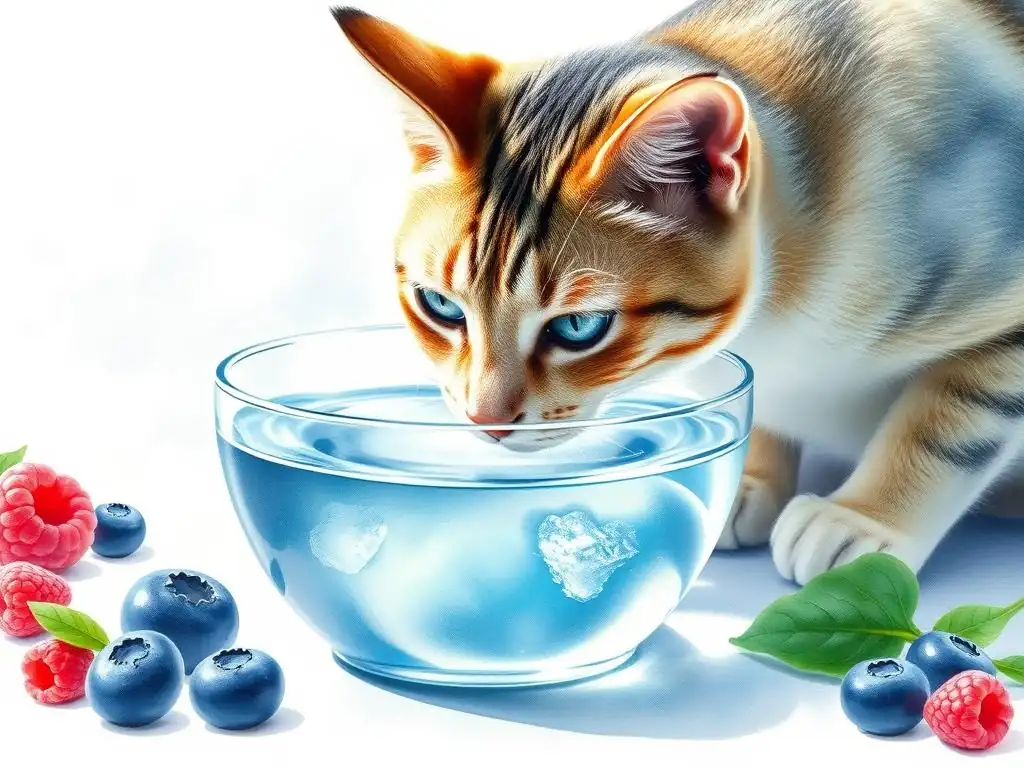
Maintaining adequate hydration is crucial for a cat's overall health, and this directly impacts their immune system. Water is essential for many bodily functions, including the transportation of nutrients and immune cells throughout the body. Dehydration can significantly impair the immune system's ability to fight off infections and diseases. A dehydrated cat is more susceptible to illness, as the body struggles to effectively produce antibodies and white blood cells, the primary players in immune response.
Signs of dehydration in cats include lethargy, sunken eyes, dry gums, and decreased skin elasticity. Ensuring your cat always has access to fresh, clean water is paramount. Consider providing multiple water sources, perhaps a fountain to encourage drinking, especially for finicky felines.
Adding a small amount of low-sodium broth to their water bowl can sometimes entice them to drink more, but always consult your veterinarian before making significant dietary changes. Regular veterinary check-ups can help identify and address any underlying health issues contributing to dehydration. Remember, a well-hydrated cat is a healthier cat, with a stronger immune system to combat illness.
Avoiding Foods Harmful to Your Cat's Immune System
Certain foods can negatively impact a cat's immune system, weakening their defenses against disease. Many common household foods are toxic to cats and should be kept out of reach. These include onions, garlic, chocolate, grapes, raisins, and avocados. Even small amounts of these foods can cause digestive upset and potentially more severe health problems, hindering the immune system's ability to function optimally.
Furthermore, excessive consumption of processed foods, high in sugars and artificial ingredients, can lead to obesity and chronic inflammation, both of which compromise immune function. A diet rich in natural, whole foods is essential for a healthy immune system. Always opt for high-quality cat food formulated to meet their specific nutritional needs, avoiding fillers and artificial additives.
Consulting with a veterinarian or a veterinary nutritionist can help you choose a diet best suited to your cat's age, breed, and overall health. By carefully selecting your cat's food and avoiding harmful substances, you significantly contribute to strengthening their immune system. Remember, a balanced diet is the cornerstone of a robust immune response.
Recognizing Signs of a Compromised Immune System in Cats
Recognizing the early signs of a compromised immune system in your cat is vital for timely intervention and treatment. While a weakened immune system can manifest in various ways, some common indicators include persistent lethargy, unexplained weight loss, chronic diarrhea or vomiting, frequent infections (ear infections, urinary tract infections, etc. ), slow wound healing, and recurring skin problems.
A cat with a weakened immune system may also exhibit increased susceptibility to parasites or allergies. These symptoms are not necessarily definitive proof of a compromised immune system, but they warrant a veterinary examination. Your vet can perform diagnostic tests to determine the underlying cause and recommend appropriate treatment.
Early detection and intervention are crucial in managing conditions that weaken the immune system, potentially preventing serious health complications. Remember, regular veterinary check-ups, including blood work, are essential for monitoring your cat's overall health and identifying any potential immune deficiencies early on. Prompt veterinary care is key to supporting your cat's immune system and ensuring a long, healthy life.
Dietary Strategies for Cats with Weakened Immune Systems
A cat's immune system, like ours, relies heavily on proper nutrition. A diet deficient in essential nutrients can significantly impair its ability to fight off infections and diseases. Boosting your cat's immune system through diet involves focusing on high-quality ingredients and a balanced nutritional profile. This isn't just about preventing illness; it's about supporting your feline companion's overall health and well-being. A strong immune system contributes to a happier, more energetic cat. The key is understanding the nutritional building blocks vital for a robust immune response.
Dietary Adjustments for Cats with Allergies
Food allergies are a common cause of weakened immunity in cats. Allergens can trigger inflammation, diverting energy away from immune function and potentially leading to secondary infections. Identifying and eliminating the offending allergen is crucial. This often involves a process of elimination, working closely with your veterinarian to determine which ingredient is causing the allergic reaction.
Common cat allergens include beef, dairy, chicken, fish, and wheat. Once the allergen is identified, a hypoallergenic diet, often consisting of novel protein sources like venison, rabbit, or duck, should be implemented. Furthermore, supplementing with omega-3 fatty acids, found in fish oil or flaxseed oil, can help reduce inflammation and support immune function.
Careful monitoring of your cat's symptoms is essential to assess the effectiveness of the dietary changes. Remember to introduce new foods gradually to avoid digestive upset. Many cats with allergies also benefit from a hydrolyzed protein diet, where proteins are broken down into smaller, less allergenic peptides.
Nutritional Support for Cats with Chronic Illnesses
Chronic illnesses such as kidney disease, diabetes, and hyperthyroidism significantly impact a cat's immune system. These conditions often require specialized dietary management to support immune function and overall health. For instance, cats with kidney disease benefit from diets low in phosphorus and protein, while maintaining adequate levels of essential amino acids. These adjustments help to reduce the strain on the kidneys and support immune cell activity.
Similarly, diabetic cats need diets that help regulate blood sugar levels, preventing fluctuations that can weaken the immune system. The best approach is to collaborate closely with your veterinarian to develop a diet tailored to your cat's specific needs and condition. They can provide guidance on appropriate calorie intake, protein sources, and essential nutrient levels to ensure your cat receives the optimal support. Regular blood work will monitor the effectiveness of the dietary plan and allow for adjustments as needed.
Working with Your Veterinarian to Develop a Personalized Diet Plan
Developing the optimal diet for a cat with immune system challenges requires a collaborative approach. Your veterinarian plays a critical role in assessing your cat's health, identifying potential underlying issues, and guiding you toward the most appropriate dietary interventions. They can perform blood tests to evaluate your cat's nutritional status, identify deficiencies, and monitor the effectiveness of dietary changes.
Don't hesitate to discuss your cat's dietary needs in detail with your vet. They can help you understand the specific nutrient requirements for your cat's condition and recommend commercial or homemade diets tailored to their needs. Regular check-ups are essential to monitor your cat's progress and make necessary adjustments to their diet to ensure optimal immune support.
Remember, a personalized approach is key to maximizing the benefits of dietary interventions for a weakened immune system in your cat. This proactive approach can significantly improve your cat’s quality of life and enhance its ability to fight off illness.
Maintaining a Healthy Immune System Through Consistent Cat Diet
A cat's immune system, like ours, relies heavily on proper nutrition. A consistent and balanced diet is the cornerstone of a strong immune response, helping your feline friend fight off illness and maintain overall well-being. The phrase "Cat diet immune system boost" perfectly encapsulates this vital connection. Providing the right nutrients isn't just about preventing disease; it's about actively supporting your cat's natural defenses.
This means focusing on high-quality ingredients and avoiding unnecessary fillers found in many commercial cat foods. We'll explore the crucial components of a diet designed to bolster your cat's immune system. Remember, consistency is key; sudden dietary changes can stress the system and potentially weaken its defenses.
Creating a Balanced and Nutritious Diet for Your Cat
Crafting a truly balanced diet for your cat requires understanding their specific nutritional needs. Cats are obligate carnivores, meaning their bodies are designed to thrive on a diet primarily composed of animal protein. This protein provides the essential amino acids necessary for building and repairing tissues, including those crucial for immune function.
A balanced cat food should contain a high percentage of animal protein, ideally from named sources like chicken, turkey, or fish. Avoid foods with vague labels like "meat by-products" which can contain low-quality ingredients. Look for foods that list specific meat sources prominently on the ingredient list.
Beyond protein, essential fatty acids like omega-3 and omega-6 are vital for immune cell function and reducing inflammation. These are often found in fish oil and other animal fats. Vitamins, particularly Vitamin A, Vitamin E, and Vitamin C, are also crucial antioxidants that support immune cell activity. These vitamins are naturally present in many high-quality cat foods.
Finally, minerals like zinc, iron, and copper play a supporting role in the immune system. A balanced diet should supply these minerals in appropriate amounts. Supplementation should only be considered after consulting with your veterinarian, as over supplementation can be harmful.
Consider these nutritional guidelines:
| Nutrient | Importance | Sources |
|---|---|---|
| Animal Protein | Builds and repairs tissues, supports immune cells | Chicken, turkey, fish, lamb |
| Omega-3 & 6 Fatty Acids | Reduce inflammation, support immune cell function | Fish oil, animal fats |
| Vitamin A, E, C | Antioxidant support, immune cell activity | Various fruits and vegetables (in some foods) |
| Zinc, Iron, Copper | Support various immune functions | Various meat and vegetable sources |
Remember, always check the ingredients list carefully and choose a food formulated for your cat's age and life stage (kitten, adult, senior). Avoid foods with excessive fillers, artificial colors, and preservatives.
The Importance of Regular Veterinary Checkups
Regular veterinary checkups are integral to maintaining your cat's health and immune function. These visits allow your veterinarian to assess your cat's overall health, monitor weight, and detect any potential health issues early on. Early detection and intervention are critical for managing chronic conditions that can compromise the immune system.
During these checkups, your veterinarian can also perform blood tests to assess your cat's complete blood count (CBC) and other indicators of immune function. This provides valuable insight into the health of your cat's immune system. This proactive approach can help identify potential problems before they escalate, allowing for timely intervention and improved outcomes. Don't underestimate the power of preventative care in supporting your cat's long-term health and immune resilience. Scheduling regular checkups is a crucial component of holistic cat care.
Monitoring Your Cat's Weight and Overall Health
Maintaining a healthy weight is directly linked to a strong immune system. Obesity places extra strain on the body, potentially weakening immune responses. Regularly monitoring your cat's weight and body condition score is essential. Use a combination of visual assessment and weighing to track any changes. A gradual weight gain or loss can signal underlying health issues that may affect immunity.
Beyond weight, pay close attention to your cat's overall health. Changes in appetite, energy levels, coat condition, and litter box habits can indicate problems. If you notice any significant changes, consult your veterinarian promptly. Early detection of illness can significantly improve treatment outcomes and protect your cat's immune system. A healthy cat is a happy cat, and a happy, healthy cat has a robust immune system capable of fighting off illness. Remember, proactive monitoring is a key aspect of responsible pet ownership and boosts your cat's chances of a long and healthy life.
Frequently Asked Questions
What is the most important dietary factor for boosting a cat's immune system?
A balanced diet rich in high-quality protein is crucial. Essential amino acids, found in meat sources, are vital building blocks for a strong immune response. Avoid diets overly reliant on carbohydrates.
Can specific nutrients directly strengthen my cat's immunity?
Yes, vitamin A, vitamin E, and zinc are particularly important for immune function. These are often found in high-quality commercial cat foods or can be added through supplements after consulting your vet.
How much protein should my cat consume for optimal immune health?
The exact amount varies by age, activity level, and overall health, but generally, high protein diets (around 30-50% of total calories) are beneficial for immune support. Always check your cat food's label.
My cat has a sensitive stomach. How can I boost its immunity without upsetting its digestion?
Introduce changes gradually. Choose easily digestible protein sources like chicken or turkey. Consider a high-quality, veterinary-recommended hypoallergenic food if necessary. Consult your vet for guidance.
Are there any foods I should avoid giving my cat to maintain its immune health?
Avoid foods high in sugar and processed ingredients, as these can weaken the immune system. Also, be cautious of foods that may be toxic to cats, such as onions, garlic, and chocolate. Always prioritize a balanced and vet-approved diet.
Final Reflection: Nurturing Immunity, One Delicious Meal at a Time
The health of our feline companions is inextricably linked to the food they consume, and understanding this connection is crucial for ensuring their well-being. A balanced diet isn't just about preventing obesity; it's the cornerstone of a robust immune system, capable of fighting off illness and ensuring a long, happy life for your beloved cat. This knowledge, readily available yet often overlooked, holds the key to proactive pet care.
The impact of proper nutrition on a cat's immune response is profound and far-reaching, influencing everything from their susceptibility to common infections to their overall vitality and lifespan. The food you give your pet is the foundation of its health.
This simple truth underscores the responsibility we bear as pet owners to make informed choices about our cats' diets. Witnessing the positive changes – the shiny coat, the playful energy, the overall robustness – is a testament to the power of nourishing their bodies with the right nutrients. It's a deeply rewarding experience, strengthening the bond between pet and owner.
Now, consider your own cat. Think about their current diet, their energy levels, and their overall health. Are you providing them with the nutritional support they need to thrive? Take this opportunity to review their food, perhaps consulting with your veterinarian to ensure their diet aligns with their specific needs and age. By making conscious choices about your cat's nutrition, you're not just feeding them; you're investing in their health, happiness, and a future filled with purrs and playful antics. Let's work together to empower our feline friends with the best possible start to a long and healthy life.
Unlock Your Cat's Inner Superhero: Boost Their Immunity Today!
Thanks for exploring the fascinating world of feline nutrition and immunity! You've discovered how crucial the right diet is for keeping your furry friend healthy and happy. Ready to put this knowledge into action?
- Prioritize nutrient-rich foods: Begin by evaluating your cat's current diet and making necessary adjustments. Focus on high-quality protein sources and essential vitamins and minerals for optimal health. This is the most impactful step you can take.
- Consult your veterinarian: Schedule a check-up to discuss your cat's specific dietary needs and any concerns regarding their immune system. Your vet can provide personalized advice and answer any questions.
- Share your knowledge: Do your friends or family have cats? Spread the word about the significant impact of nutrition on feline health! Sharing this information can help other pet owners support their cats' well-being.
What small change will you make today to support your cat's amazing immune system?