
The Truth About Raw Food and Salmonella in Cats

Welcome to PetCareWorld, your ultimate guide to a happier, healthier life for your beloved pets! We're passionate about providing you with the knowledge and tools you need to be the best pet parent possible. But did you know that even seemingly healthy choices, like feeding your cat a raw diet, can harbor hidden risks? Learn the truth about the cat raw food salmonella risk and make informed decisions about your feline friend's nutrition by diving into our in-depth article. Discover how to ensure your cat thrives, safely and happily.
- Understanding the Risks of Salmonella in Raw Cat Food
- Raw Food Diet and Salmonella Risk Reduction Strategies
-
Debunking Myths about Raw Food and Salmonella in Cats
- Myth 1: Feeding raw food eliminates the need for vaccinations - Reality: Vaccinations remain crucial regardless of diet.
- Myth 2: Only commercially produced raw food is risky - Reality: Homemade raw food carries significant salmonella risk.
- Myth 3: Cats are naturally immune to salmonella - Reality: Cats are susceptible to salmonella infection.
- Assessing the Overall Risk: Raw Food vs. Commercial Cat Food
- Conclusion: Making Informed Decisions about Your Cat's Diet
- Frequently Asked Questions
- Final Reflection: Navigating the Raw Food Debate: A Cat's Health and Your Peace of Mind
- Unleash Your Cat's Healthiest Self: A Raw Food Journey
Understanding the Risks of Salmonella in Raw Cat Food
Feeding your cat a raw food diet has become increasingly popular, driven by the belief that it offers superior nutritional benefits compared to commercial kibble. However, a crucial concern for cat owners considering this dietary approach is the potential risk of Salmonella contamination. This article delves into the realities of Salmonella in raw cat food, exploring the bacteria's impact on feline health, the symptoms of infection, and how cats contract this dangerous pathogen. We aim to provide pet owners with the necessary information to make informed decisions regarding their cat's diet, balancing the potential nutritional advantages of raw food with the very real dangers of bacterial contamination. Understanding the risks associated with Salmonella is paramount to ensuring your cat's health and well-being, regardless of their chosen dietary regimen. This comprehensive guide will equip you with the knowledge to mitigate these risks and make the best choices for your feline companion.
Salmonella Bacteria and Feline Health: A Detailed Look
Salmonella is a genus of bacteria that can cause salmonellosis, a potentially life-threatening infection. While humans are commonly affected, cats are also susceptible. In cats, Salmonella infection can manifest in various ways, ranging from mild gastrointestinal upset to severe systemic illness. The severity depends on several factors, including the cat's overall health, the strain of Salmonella, and the amount of bacteria ingested. Young kittens, senior cats, and cats with compromised immune systems are particularly vulnerable to serious complications.
The bacteria primarily affect the gastrointestinal tract, causing inflammation and damage. This can lead to symptoms such as vomiting, diarrhea (often bloody), lethargy, fever, and loss of appetite. In severe cases, Salmonella can spread beyond the gut, leading to septicemia (blood infection), which can be fatal. Early detection and prompt veterinary intervention are crucial for successful treatment and a positive prognosis. Treatment typically involves supportive care, such as intravenous fluids to combat dehydration, and antibiotics to target the bacterial infection. Prevention, however, remains the most effective strategy.
Identifying Symptoms of Salmonella Poisoning in Cats
Recognizing the symptoms of Salmonella poisoning in cats is crucial for timely veterinary intervention. While some cats may exhibit only mild symptoms, others can experience a more severe illness. It is important to note that many gastrointestinal symptoms can be caused by various factors, so a veterinary diagnosis is essential to confirm Salmonella infection.
Here's a list of common symptoms to watch out for:
- Vomiting: Frequent vomiting is a key indicator. The vomit may contain undigested food or bile.
- Diarrhea: Diarrhea can range from watery to bloody and is often accompanied by abdominal pain.
- Lethargy: A significant decrease in energy levels and activity.
- Fever: Elevated body temperature, often accompanied by shivering.
- Loss of Appetite: Refusal to eat or drink.
- Dehydration: Dry gums, sunken eyes, and decreased skin elasticity are signs of dehydration, a serious complication of Salmonella infection.
- Weight loss: Noticeable decrease in body weight over a short period.
If you observe any of these symptoms, especially in combination, immediately consult your veterinarian. Prompt treatment is crucial to prevent severe complications. Remember, early diagnosis and treatment greatly increase the chances of a full recovery. Don't hesitate to seek veterinary attention if you suspect your cat may have contracted Salmonella.
Transmission Routes: How Cats Contract Salmonella from Raw Food
The primary route of Salmonella transmission in cats consuming raw food diets is through ingestion of contaminated raw meat, poultry, or fish. Raw food can easily become contaminated during the slaughtering, processing, or handling stages. Even meticulously prepared raw food can harbor Salmonella bacteria.
Beyond the raw food itself, indirect transmission is also possible. Contamination can occur through contaminated surfaces, such as cutting boards, utensils, or bowls. Cats can also become infected by ingesting feces from other infected animals, highlighting the importance of maintaining a clean and sanitary environment. The risk is significantly higher with raw food diets compared to commercially prepared cat food that undergoes rigorous processing to eliminate harmful bacteria.
Therefore, careful handling and preparation of raw food are crucial to minimizing the risk of Salmonella infection. Regular disinfection of feeding areas and utensils is also essential to prevent cross-contamination. The meticulous attention to hygiene required when feeding a raw food diet cannot be overstated.
Raw Food Diet and Salmonella Risk Reduction Strategies
The allure of a raw food diet for cats is undeniable. Many pet owners believe it offers superior nutritional benefits, mirroring their feline companions' ancestral diet. However, a significant concern surrounding raw cat food is the risk of Salmonella contamination. Understanding this risk and implementing robust preventative measures is crucial for ensuring your cat's health and safety.
This section details practical strategies to significantly minimize the chances of Salmonella exposure when feeding your cat a raw diet. Successfully navigating the potential dangers of Salmonella in raw cat food hinges on careful sourcing, meticulous handling, and a thorough understanding of food safety practices. The goal is not to eliminate all risk—that's impossible—but to reduce it to an acceptable level through diligent attention to detail. Remember, even with the best precautions, regular veterinary check-ups are essential for early detection of any health issues.
Selecting Safe Raw Food Sources for Cats
Choosing a reputable supplier is paramount when selecting raw food for your cat. Look for companies that adhere to strict quality control measures and have transparent sourcing practices. Avoid purchasing raw food from unknown sources or those lacking proper food safety certifications. Consider these key factors:
- Source Transparency: A reputable supplier will openly share information about the origin of their ingredients, including where the meat is sourced and how it's processed.
- Testing and Certification: Look for suppliers who regularly test their products for Salmonella, E. coli, and other harmful bacteria. Certifications from relevant food safety organizations are a strong indicator of quality and safety.
- Freezing Procedures: Proper freezing is crucial for killing bacteria. Ensure the supplier utilizes rapid freezing techniques to minimize bacterial growth before freezing.
- Packaging and Storage: The packaging should be sealed to prevent contamination. Check the expiration dates and storage instructions carefully.
Remember, the "cat raw food salmonella risk" is significantly reduced by choosing high-quality, responsibly sourced products. Don't hesitate to contact the supplier directly with questions regarding their safety protocols. A responsible supplier will be happy to provide detailed information about their practices.
Proper Handling and Storage of Raw Cat Food: Minimizing Contamination
Even with the safest raw food source, improper handling and storage can introduce Salmonella and other pathogens. Follow these guidelines meticulously:
- Dedicated Surfaces: Designate specific cutting boards, utensils, and bowls solely for preparing and serving raw cat food. Thorough cleaning and sanitization after each use are essential.
- Hand Hygiene: Always wash your hands thoroughly with soap and water before and after handling raw food.
- Refrigeration: Store raw cat food properly in the refrigerator at or below 40°F (4°C). Avoid leaving it out at room temperature for extended periods.
- Freezing: Freezing is an excellent method for preserving raw food and killing bacteria. Properly sealed packaging prevents freezer burn and contamination.
- Thawing: Thaw raw food safely in the refrigerator. Never thaw at room temperature.
Failure to maintain proper hygiene and storage practices increases the "cat raw food salmonella risk" exponentially. Even a small lapse in hygiene can have significant consequences. Consider using disposable gloves when handling raw food to further minimize the risk of cross-contamination.
Cooking Raw Food to Reduce Salmonella Risk: A Safe Approach
While many advocate for a raw diet, cooking raw cat food significantly reduces the risk of Salmonella and other bacterial infections. While this might compromise some of the purported nutritional benefits of raw food, it offers a considerably safer alternative.
- Safe Cooking Temperatures: Ensure the food reaches an internal temperature of 165°F (74°C) to kill harmful bacteria. Use a food thermometer to verify the temperature.
- Thorough Cooking: Cook the food evenly to ensure all parts reach the required temperature.
- Hygiene During Cooking: Maintain the same hygiene protocols as with raw food handling, washing hands and surfaces thoroughly.
Cooking raw cat food is a simple yet effective method to mitigate the "cat raw food salmonella risk". While it may alter the texture and taste, the increased safety for your cat outweighs these considerations for many pet owners. Remember, your cat's health and well-being are the top priorities. Choose the feeding method that best balances nutritional needs with safety concerns.
Alternative Safe Food Options for Cats: Avoiding Salmonella Entirely
Choosing a raw food diet for your cat carries inherent risks, primarily the potential for salmonella contamination. While properly sourced and handled raw food can minimize this risk, many cat owners prefer to eliminate it entirely. Fortunately, several safe and nutritious alternatives exist that provide complete and balanced nutrition without the salmonella concerns.
One excellent option is high-quality commercially prepared cat food. Look for brands that utilize reputable sourcing and rigorous manufacturing processes. These foods undergo extensive testing and are formulated to meet the Association of American Feed Control Officials (AAFCO) nutritional profiles, ensuring your cat receives all necessary vitamins, minerals, and amino acids. Read labels carefully and choose foods appropriate for your cat's age, breed, and activity level.
Many premium brands offer specific formulas for kittens, adult cats, and senior cats, catering to their unique nutritional needs. Consider factors like protein source, fat content, and fiber levels when making your selection. Don't hesitate to consult with your veterinarian for personalized recommendations.
Another viable alternative is home-prepared cooked food. This allows for greater control over ingredients, eliminating potential allergens or unwanted additives. However, it requires significant research and careful planning to ensure a balanced diet. Recipes must be meticulously formulated to provide the correct proportions of protein, carbohydrates, fats, vitamins, and minerals. Consulting a veterinary nutritionist is highly recommended to create a safe and effective diet plan. Improperly balanced home-cooked meals can lead to nutritional deficiencies or excesses, potentially harming your cat's health. Remember that cooking destroys many beneficial enzymes found in raw foods, so careful supplementation may be necessary.
Finally, consider discussing novel protein sources with your veterinarian. While chicken and fish are common, exploring other options like venison, rabbit, or duck can offer a variety of nutrients and potentially reduce the risk of allergies. Always ensure that any protein source is prepared safely and thoroughly cooked to eliminate potential pathogens, including salmonella. This approach offers a way to diversify your cat's diet while minimizing health risks associated with raw foods.
However, remember that even cooked meat can harbor harmful bacteria if not handled properly. Maintain strict hygiene standards in food preparation and storage. The key is to prioritize safety and balanced nutrition regardless of the food source. A healthy cat is a happy cat, and choosing the right diet plays a pivotal role in their overall well-being.
Debunking Myths about Raw Food and Salmonella in Cats
This section addresses common misconceptions surrounding the risks of Salmonella in cats fed raw food diets. Understanding these myths is crucial for responsible pet ownership and ensuring your cat's well-being. The perceived benefits of a raw food diet must be carefully weighed against the potential dangers, particularly concerning bacterial contamination like Salmonella. Let's examine some prevalent misunderstandings.
Myth 1: Feeding raw food eliminates the need for vaccinations - Reality: Vaccinations remain crucial regardless of diet.
Many believe that a raw food diet somehow boosts a cat's immune system to the point where vaccinations become unnecessary. This is categorically false. Vaccinations provide crucial protection against a range of potentially fatal diseases, regardless of dietary choices.
A raw food diet, while potentially providing certain nutritional benefits, does not replace the vital preventative measures offered by vaccinations. Think of it like this: a strong immune system is like a well-maintained car – it's better equipped to handle challenges. But even the most robust car needs regular servicing (vaccinations) to prevent major breakdowns.
Regular veterinary check-ups and vaccinations are essential for maintaining your cat's health, regardless of whether they consume commercially produced or homemade raw food. Failing to vaccinate your cat leaves it vulnerable to serious illnesses like feline leukemia virus (FeLV) and feline infectious peritonitis (FIP), which can be devastating. The risk of Salmonella infection is further compounded by a weakened immune system.
Myth 2: Only commercially produced raw food is risky - Reality: Homemade raw food carries significant salmonella risk.
Some pet owners mistakenly believe that only commercially produced raw food carries a Salmonella risk. While commercial producers are subject to certain safety regulations (although these vary significantly), the truth is that homemade raw food poses an even greater danger. The lack of rigorous processing and quality control in homemade diets significantly increases the likelihood of contamination. Improper handling, storage, and preparation of raw meat, organs, and bones at home dramatically elevates the chance of Salmonella and other harmful bacteria being present.
In fact, studies have shown that homemade raw food is frequently contaminated with significantly higher levels of Salmonella and E. coli than commercially produced alternatives. This highlights the critical need for meticulous hygiene and safety protocols when preparing any raw food for your feline companion. The risk of cat raw food salmonella is especially high with homemade options.
Myth 3: Cats are naturally immune to salmonella - Reality: Cats are susceptible to salmonella infection.
The notion that cats possess inherent immunity to Salmonella is entirely inaccurate. While cats may have some natural defenses, they are not immune to infection. Salmonella can cause severe gastrointestinal illness in cats, leading to vomiting, diarrhea, lethargy, and even death, especially in kittens or cats with compromised immune systems. Symptoms can range from mild to severe, and prompt veterinary attention is crucial if your cat exhibits any signs of illness after consuming raw food.
The misconception of natural immunity can lead to delayed treatment, potentially worsening the outcome. It's essential to remember that even healthy cats can contract Salmonella from contaminated raw food. Understanding this susceptibility is paramount to making informed decisions about your cat's diet and overall health. The risk of Salmonella in raw cat food should never be underestimated.
Assessing the Overall Risk: Raw Food vs. Commercial Cat Food
The question of whether raw food diets pose a higher risk of Salmonella infection for cats compared to commercially produced food is complex. While raw food undeniably carries a higher Salmonella risk, it's crucial to understand the nuances and avoid generalizations. The risk isn't simply "raw food = high risk, commercial food = low risk."
Several factors influence the overall probability of Salmonella exposure and subsequent illness in felines. These factors include the sourcing and handling of ingredients, the manufacturing processes of commercial foods, and the cat's individual immune system. For example, a meticulously prepared raw food diet from a reputable source, handled with stringent hygiene protocols, might present a lower risk than a commercially produced food made with ingredients sourced from a facility with subpar sanitation practices.
Therefore, a blanket statement about the comparative risks is misleading and potentially dangerous. A thorough risk assessment requires a more granular approach, considering individual aspects of both raw and commercial food production and consumption. The following sections will delve into these details.
Comparing Salmonella Risk in Raw and Cooked Cat Food
The primary difference lies in the cooking process. Heat treatment during commercial food manufacturing significantly reduces the Salmonella risk. While complete eradication isn't guaranteed, the probability of finding viable Salmonella in properly cooked commercial cat food is drastically lower than in raw meat. Studies have shown a significant correlation between raw meat consumption and Salmonella outbreaks in cats.
However, the prevalence of Salmonella in commercial cat food is comparatively rare, largely due to rigorous quality control and safety regulations. This is not to say commercial food is entirely devoid of risk; cross-contamination during manufacturing or in the home can still occur. But the baseline risk is demonstrably lower than that associated with raw food. Furthermore, the type of meat used also plays a role.
Some meats are more likely to harbor Salmonella than others. This highlights the importance of sourcing high-quality ingredients, regardless of whether you choose a raw or cooked diet. The absence of proper cooking in raw diets inherently elevates the risk.
| Food Type | Salmonella Risk | Other Bacterial Risks | Handling Considerations |
|---|---|---|---|
| Raw Cat Food | High | High | Extremely high |
| Cooked Cat Food | Low | Low | Moderate |
Weighing the Benefits and Drawbacks of Raw Food Diets for Cats
Raw food proponents often cite various benefits, such as improved coat condition, increased energy levels, and better digestion. While anecdotal evidence abounds, rigorous scientific studies supporting these claims are limited. Conversely, the risks associated with raw food are substantial and well-documented. Beyond Salmonella, other pathogens like E. coli, Listeria, and Campylobacter can contaminate raw meat and pose a serious threat to cats' health. Furthermore, nutritional imbalances are possible in homemade raw diets unless formulated by a veterinary nutritionist.
This can lead to deficiencies or excesses of essential nutrients, negatively impacting your cat's long-term well-being. Therefore, a careful cost-benefit analysis is crucial. The potential benefits must be weighed against the significant risks, especially the higher probability of Salmonella infection and other bacterial diseases. The decision should not be taken lightly and requires careful consideration of your cat's individual needs and your ability to mitigate the risks.
Consult Your Veterinarian: Personalized Advice on Cat Nutrition
Ultimately, the best approach is to consult with your veterinarian. They can assess your cat's individual health status, dietary needs, and lifestyle to provide personalized advice. Your vet can help you determine whether a raw food diet is appropriate for your cat, considering its potential benefits and risks. They can also guide you on safe handling practices if you choose a raw food diet, minimizing the risk of Salmonella and other bacterial infections. Remember, a healthy and balanced diet is crucial for your cat's overall well-being.
A veterinarian’s expertise is invaluable in making informed decisions about your cat's nutrition, ensuring its health and longevity. Don't hesitate to seek professional guidance; it's the best way to protect your feline companion. Ignoring professional advice can have severe consequences. 😻
Conclusion: Making Informed Decisions about Your Cat's Diet
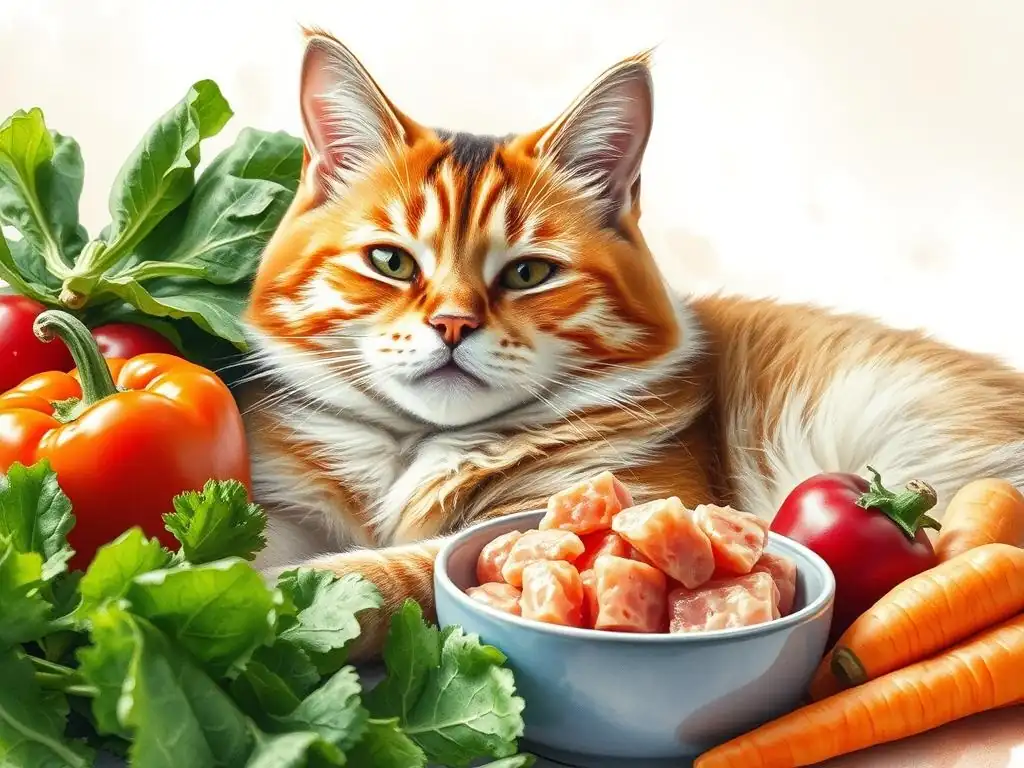
The decision of whether or not to feed your cat a raw food diet is a deeply personal one, requiring careful consideration of numerous factors. While raw food proponents highlight potential benefits like improved coat condition and increased energy levels, the inherent risks associated with Cat raw food salmonella risk, including bacterial contamination like Salmonella, E. coli, and Listeria, cannot be ignored.
This risk is significantly amplified for cats with compromised immune systems, kittens, senior cats, or those with pre-existing health conditions. The potential for cross-contamination in your kitchen and the difficulty in ensuring consistent nutritional balance also present challenges.
Ultimately, the "best" diet for your cat depends on a careful assessment of your individual circumstances, your cat's specific needs, and your ability to mitigate the risks associated with each dietary choice. A thorough understanding of the potential benefits and drawbacks of various feeding options is crucial. Remember, consulting with a veterinarian is paramount before making any significant changes to your cat's diet. They can provide personalized advice based on your cat's breed, age, health status, and lifestyle. Don't hesitate to seek professional guidance to ensure your feline companion receives the optimal nutrition for a long and healthy life.
Choosing the Best Diet for Your Cat's Health and Safety
Choosing the right diet for your cat involves a multifaceted approach. It's not simply about choosing between raw food and commercial kibble; it's about understanding your cat's individual needs and making an informed decision that prioritizes their health and safety. This involves several key considerations:
- Your Cat's Age and Health: Kittens, senior cats, and cats with pre-existing conditions have different nutritional requirements and may be more susceptible to foodborne illnesses. A raw food diet may present higher risks for these vulnerable groups.
- Your Lifestyle and Commitment: Preparing a raw food diet requires significant time and effort. Are you prepared to source high-quality ingredients, handle raw meat safely, and meticulously clean all surfaces to prevent cross-contamination?
- Nutritional Balance: Ensuring a balanced diet is crucial for your cat's overall health. Commercial cat foods undergo rigorous testing to guarantee they meet nutritional standards. Achieving this balance with a homemade raw food diet requires considerable knowledge and precision.
- Cost: Raw food diets can be significantly more expensive than commercial options, depending on the quality and source of ingredients. Factor this into your budget planning.
Consider the following table summarizing the pros and cons of different feeding options:
| Diet Type | Pros | Cons | Salmonella Risk |
|---|---|---|---|
| Commercial Kibble | Convenient, balanced nutrition, readily available, cost-effective | Can contain fillers, potentially lower palatability for some cats | Low |
| Commercial Wet Food | Higher moisture content, often more palatable, good for hydration | Can be more expensive than kibble, shorter shelf life | Low |
| Homemade Raw Food | Potentially higher digestibility, closer to a cat's natural diet | High risk of bacterial contamination (Cat raw food salmonella risk), requires expertise, time-consuming | High |
Remember, a balanced and safe diet is paramount for your cat's well-being. Weigh the pros and cons carefully before making a decision. The involvement of your veterinarian in this process is highly recommended.
Resources and Further Reading on Feline Nutrition and Salmonella
For further information on feline nutrition and the risks associated with Salmonella and other pathogens in raw food diets, consider consulting reputable veterinary organizations and scientific literature. While specific resources are beyond the scope of this article, searching for keywords like "feline nutrition guidelines," "raw food diet safety for cats," and "Salmonella in cats" will yield numerous relevant articles and studies. Remember to always prioritize information from credible sources, such as veterinary colleges, recognized animal health organizations, and peer-reviewed scientific publications.
This will ensure you are making decisions based on accurate and reliable data, minimizing the risks associated with your cat's diet and maximizing their health and longevity. A well-informed decision is the best way to address the concerns surrounding Cat raw food salmonella risk.
Frequently Asked Questions
Does feeding my cat raw food increase the risk of salmonella?
Yes, feeding your cat raw food significantly increases the risk of salmonella exposure for both your cat and you. Raw meat and fish can contain harmful bacteria like salmonella, which can cause illness.
How can I minimize salmonella risk when feeding my cat raw food?
While eliminating risk entirely is impossible, you can minimize contamination by sourcing food from reputable suppliers, ensuring proper handling and storage, and thoroughly washing your hands after handling the food.
What are the symptoms of salmonella in cats?
Symptoms of salmonella in cats can include vomiting, diarrhea, lethargy, and fever. If you suspect your cat has salmonella, contact your veterinarian immediately.
Is cooked salmon safer than raw salmon for my cat?
Yes, cooking salmon kills harmful bacteria like salmonella, making it a much safer option for your cat. Always cook salmon thoroughly before feeding it to your pet.
Are there alternative safe food options for my cat besides raw food?
Yes, many commercially available high-quality cat foods provide complete and balanced nutrition without the salmonella risk associated with raw diets. Consult your vet for recommendations.
The risk of Salmonella in raw cat food is a very real concern, demanding careful consideration by every cat owner. Ignoring this risk can have devastating consequences for your beloved feline companion, leading to serious illness and even death. The information presented in this article highlights the crucial need for informed decision-making when choosing a diet for your cat.
The ongoing debate surrounding raw food diets for cats underscores the complex interplay between nutritional needs and potential health hazards. The potential for bacterial contamination, particularly Salmonella, remains a significant challenge. This isn't simply about avoiding a single pathogen; it's about understanding the broader implications of feeding raw food and the responsibility we bear for our pets' well-being. The best laid plans of mice and men often go awry,
and the same can be said for even the most meticulously prepared raw food diets. Careful consideration of the risks is paramount.
So, what's the takeaway? This isn't about demonizing raw food diets entirely, but rather about empowering you to make informed choices. Consider the risks, weigh the benefits, and prioritize your cat's health above all else. Take the time to research thoroughly, consult with your veterinarian, and make a decision that aligns with your cat's individual needs and your comfort level with the associated risks. Your cat's health and happiness depend on it.
Unleash Your Cat's Healthiest Self: A Raw Food Journey
Thanks for exploring the world of raw food diets for your cat! We hope you've learned about the potential benefits and drawbacks. Now, let's put that knowledge into practice. Ready to give your cat the best possible nutrition?
- Consult Your Veterinarian: This is the most important step. Before changing your cat's diet, talk to your vet. They can assess whether a raw food diet is suitable for your cat's specific health needs and address any potential concerns.
- Choose High-Quality Ingredients: Research reputable suppliers of human-grade raw ingredients specifically formulated for cats. Consider factors like freshness, sourcing, and nutritional completeness.
- Join Our PetCareWorld Community: Share your experience and connect with other cat owners who are feeding their cats raw food. Learn from each other and offer mutual support.
Ready to begin this exciting journey with your cat? What's your first step towards ensuring their optimal health?