
Rotating Your Cat's Scratching Surfaces: Why Variety is Key

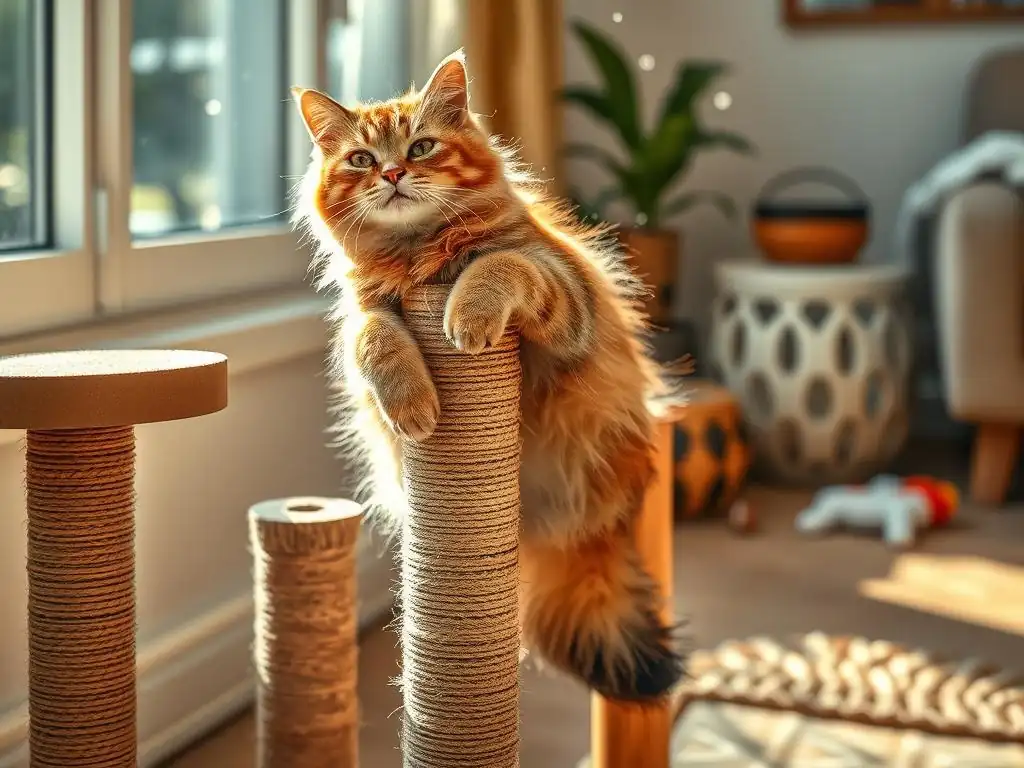
Welcome to PetCareWorld, your ultimate guide to a happier, healthier life for your beloved pets! Are you curious about unlocking the secrets to a more content feline companion? Discover the surprising benefits of cat scratching post rotation and learn how this simple change can significantly impact your cat's behavior and well-being. Dive into our expert advice and uncover the key to a purrfectly happy cat!
- Understanding Cat Scratching Behavior and its Importance
- The Benefits of Rotating Cat Scratching Posts: Cat Scratching Post Rotation Benefits
-
How to Rotate Your Cat's Scratching Surfaces Effectively: A Step-by-Step Guide
- Step 1: Assessing Your Cat's Preferences: Identifying Favorite Materials and Styles
- Step 2: Selecting Appropriate Replacement Scratching Posts: Choosing the Right Options
- Step 3: Gradual Introduction of New Scratching Posts: Minimizing Disruption and Stress
- Step 4: Strategic Placement of Scratching Posts: Optimizing Location for Cat Access
- Step 5: Monitoring Your Cat's Behavior: Observing Response and Making Adjustments
- Creating a Stimulating Scratching Environment for Your Cat: Optimizing Cat Scratching Post Placement
- Addressing Common Challenges in Rotating Cat Scratching Surfaces
- Frequently Asked Questions
- Final Reflection: The Unexpected Rewards of Rotating Your Cat's Scratching Posts
- Unlock Your Cat's Happy Scratching Habits!
Understanding Cat Scratching Behavior and its Importance
Cats scratching isn't just a destructive habit; it's a fundamental instinct deeply ingrained in their feline nature. Understanding this behavior is crucial for responsible pet ownership and ensuring your cat's physical and mental well-being. This article delves into the benefits of rotating your cat's scratching surfaces, a simple yet effective strategy to keep your feline friend happy, healthy, and away from your furniture!
We'll explore the reasons behind this instinctive behavior, the various types of scratching posts available, and how to recognize the signs that your cat is ready for a change in their scratching landscape. This approach, focusing on the "Cat scratching post rotation benefits," will help you create a stimulating and enriching environment for your beloved companion, contributing to a harmonious co-existence and a happy home. The benefits extend beyond simply protecting your furniture; a varied scratching experience contributes to your cat's overall health and happiness.
The Instinctive Need to Scratch: Why Cats Scratch
Cats scratch for a multitude of reasons, all stemming from deeply rooted instincts. It's not simply about sharpening their claws; scratching is a complex behavior that serves several vital purposes:
- Claw Maintenance: Scratching helps cats shed the outer layers of their claws, keeping them sharp and healthy. Think of it as a natural manicure! 💅
- Scent Marking: Cats have scent glands in their paws. When they scratch, they leave their scent on the surface, marking their territory and providing a sense of security.
- Stretching and Exercise: Scratching provides a fantastic full-body stretch, exercising their muscles and improving their flexibility. This is particularly important for indoor cats.
- Stress Relief: Scratching can be a stress-relieving activity for cats, helping them to release tension and feel more comfortable in their environment.
- Sensory Stimulation: Different textures provide varied sensory input, enriching their environment and preventing boredom.
The failure to provide adequate scratching opportunities can lead to several undesirable behaviors, including excessive scratching on furniture, increased stress levels, and even potential health issues. Providing a variety of scratching posts and regularly rotating them addresses these needs and prevents problems before they arise.
Types of Cat Scratching Posts and Surfaces: Vertical Scratching Posts, Horizontal Scratching Boards, Cardboard Scratchers, Sisal Scratching Posts, Carpet Scratching Posts
Cats have individual preferences when it comes to scratching surfaces. Offering a variety ensures your cat finds a surface they enjoy. Here's a breakdown of common types:
| Type of Scratching Post | Description | Pros | Cons |
|---|---|---|---|
| Vertical Scratching Posts | Tall posts, often wrapped in sisal, carpet, or other materials. | Durable, good for stretching and claw maintenance. | Can take up significant space. |
| Horizontal Scratching Boards | Flat surfaces, often made of cardboard or sisal. | Easy to place, good for cats who prefer a horizontal scratching motion. | May not be as durable as vertical posts. |
| Cardboard Scratchers | Scratching posts made entirely of cardboard. | Inexpensive, easily replaceable, attractive to many cats. | Less durable than other materials; can easily be destroyed. |
| Sisal Scratching Posts | Posts wrapped in sisal rope, a durable natural fiber. | Very durable, good for strong scratchers. | Can be rough on sensitive paws. |
| Carpet Scratching Posts | Posts or boards covered in carpet. | Soft and comfortable, appealing to some cats. | Can be less durable than sisal and may harbor more bacteria. |
Rotating these different types of scratching surfaces introduces novelty and prevents your cat from becoming bored with a single option.
Identifying Signs Your Cat Needs New Scratching Surfaces
Recognizing when your cat needs a change in their scratching options is key to preventing destructive behavior. Look for these telltale signs:
- Increased scratching on furniture: This is a clear indication that your cat's current scratching posts are insufficient.
- Ignoring existing scratching posts: If your cat consistently avoids their current scratching posts, it's a sign they're not meeting their needs.
- Changes in scratching behavior: Sudden changes in how your cat scratches (e.g., scratching more intensely or in different areas) could indicate dissatisfaction.
- Increased vocalization or restlessness: These could be indirect signs of boredom or frustration related to inadequate scratching opportunities.
By regularly rotating your cat's scratching surfaces and paying attention to these signs, you can ensure your feline friend has a stimulating and enriching environment, leading to a happier, healthier cat and a more peaceful home. Remember, a happy cat is a healthy cat! 😻
The Benefits of Rotating Cat Scratching Posts: Cat Scratching Post Rotation Benefits
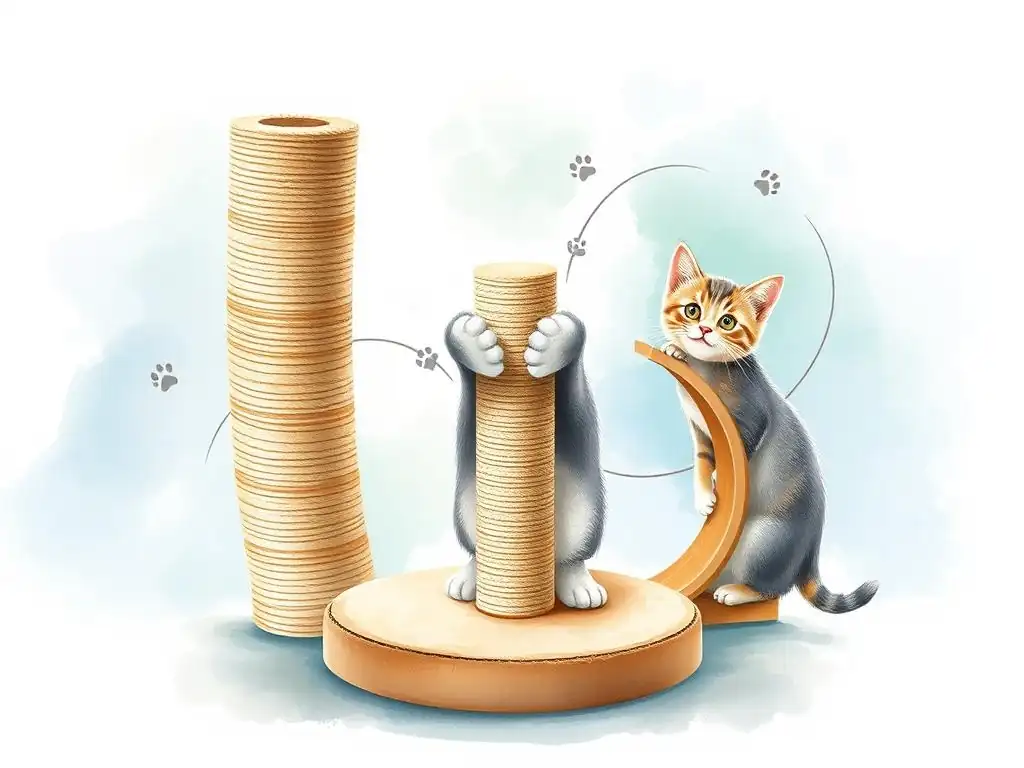
Rotating your cat's scratching surfaces offers a multitude of advantages beyond simply keeping things tidy. It's a proactive approach to feline well-being and home preservation, significantly impacting your cat's happiness and the longevity of your furniture. Understanding these "cat scratching post rotation benefits" is key to a harmonious coexistence with your feline friend. This section delves into the specific advantages of regularly changing up your cat's scratching options.
Preventing Boredom and Encouraging Play: Enhancing Cat Engagement
Cats, despite their often-observed languid nature, are naturally curious and playful creatures. A monotonous scratching environment can lead to boredom, manifesting as decreased activity levels, increased sleeping, and potentially even destructive behaviors. Rotating scratching posts, mats, and other surfaces introduces novelty and intrigue, stimulating your cat's natural instincts.
Think of it like this: imagine eating the same meal every day for weeks. Eventually, even your favorite dish would become unappealing. The same principle applies to your cat's scratching habits. By offering a variety of textures, materials, and shapes, you keep their scratching experience fresh and engaging.
This variety encourages more frequent use of the provided scratching surfaces, diverting their attention away from your furniture. This simple act can significantly boost your cat's mental stimulation and overall well-being. The introduction of a new scratching post, even temporarily, can be met with excited investigation and vigorous scratching, transforming a mundane routine into a playful interaction. This enhanced engagement contributes to a happier, healthier cat.
Reducing Destructive Scratching on Furniture: Protecting Your Home
One of the most significant "cat scratching post rotation benefits" is the reduction of unwanted scratching on your furniture. Cats scratch for several reasons: to sharpen their claws, to mark their territory, and to stretch their bodies. If your cat only has one scratching post and it becomes worn or less appealing, they're more likely to seek alternative scratching surfaces—namely, your sofa, curtains, or walls.
By rotating scratching posts, you ensure that your cat always has access to a fresh, appealing option. A well-maintained, regularly rotated selection of scratching posts is far more likely to satisfy your cat's scratching needs, preventing them from turning to your furniture as a substitute. The introduction of a new sisal post, a cardboard scratcher, or even a different texture of carpet can revitalize their interest and redirect their scratching instincts away from your prized possessions.
This proactive approach saves you money on furniture repairs and protects your home from potential damage. Consider implementing a rotation schedule, perhaps swapping out posts every few weeks, to maximize this benefit.
Maintaining Healthy Claws: Preventing Ingrown Nails and Claw Problems
Regular scratching is essential for maintaining healthy claws in cats. Scratching helps remove the outer layer of the claw, preventing it from becoming overgrown and potentially ingrown. Ingrown claws can cause significant pain and discomfort, leading to infections and other health complications. A variety of scratching surfaces, regularly rotated, ensures your cat scratches frequently and effectively.
Different textures stimulate different parts of the claw, leading to more thorough maintenance. A sisal post, for example, provides a rough texture that effectively files down the claws, while a cardboard scratcher offers a different type of abrasion. By rotating these options, you ensure that your cat's claws are consistently maintained, minimizing the risk of ingrown nails and other related issues.
This preventative measure contributes to your cat's overall health and well-being, reducing the need for costly veterinary interventions down the line. Observing your cat's scratching habits and the wear on different surfaces can help you tailor your rotation strategy to maximize claw health. Remember, a happy, healthy cat is a cat with healthy claws!
Promoting Mental Stimulation and Enrichment: Addressing Cat Enrichment Needs
Cats, despite their often perceived independence, are intelligent creatures with complex needs. Providing a stimulating environment is crucial for their mental and emotional well-being, preventing boredom and behavioral issues. Rotating scratching posts contributes significantly to this enrichment. The novelty of a new texture, height, or even location stimulates their natural hunting and exploring instincts. Imagine a cat encountering a new scratching post – the unfamiliar material sparks curiosity, encouraging investigation and play. This simple act provides mental stimulation, preventing the boredom that can lead to destructive behaviors like excessive scratching on furniture or inappropriate urination.
A varied scratching surface selection also caters to a cat's innate need for exploration and problem-solving. Cats are naturally inquisitive animals; they enjoy investigating their environment and discovering new things. By regularly switching out scratching posts, you introduce new challenges and opportunities for exploration.
This keeps their minds engaged and prevents the monotony that can lead to depression or anxiety in cats. The act of choosing which post to use, figuring out the best way to scratch it, and even the simple act of moving from one to another provides a low-level cognitive challenge that's both enriching and satisfying for your feline companion. Think of it as a feline puzzle – a small, enriching task that helps keep them happy and engaged.
Furthermore, the introduction of different materials and textures can satisfy a cat's need for tactile stimulation. Cats have sensitive paws, and the varied textures of different scratching posts provide a range of sensory experiences. This tactile enrichment, in combination with the mental stimulation, contributes to a more well-rounded and happy cat. A cat that is mentally stimulated is less likely to exhibit destructive behaviors or become overly anxious.
Rotating scratching posts is therefore a simple, yet effective, way to improve your cat's overall quality of life. Remember, a happy and healthy cat is a well-stimulated cat! Providing a range of scratching options is a fundamental aspect of responsible cat ownership and contributes significantly to their overall well-being.
How to Rotate Your Cat's Scratching Surfaces Effectively: A Step-by-Step Guide
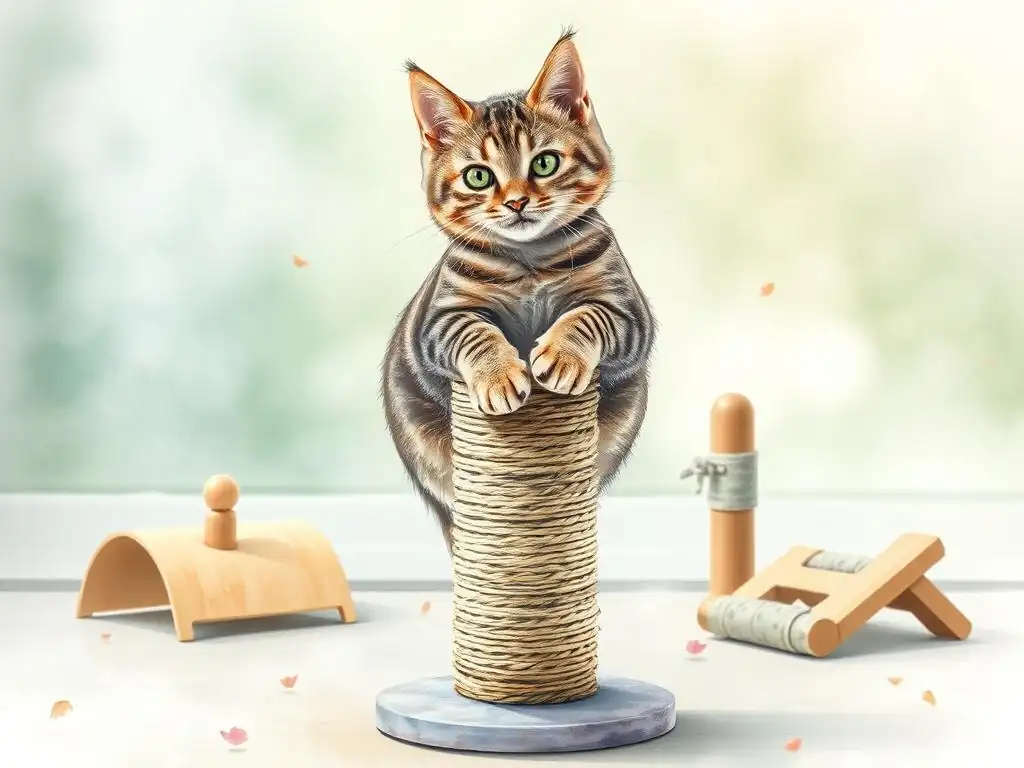
This section details a practical approach to rotating your cat's scratching posts and surfaces, maximizing their engagement and minimizing potential stress for your feline friend. Regular rotation offers significant benefits for your cat's health and your home's furniture. Understanding the process will ensure you reap the rewards of this enriching activity. The key to success lies in a gradual and thoughtful approach, respecting your cat's individual preferences and needs.
Step 1: Assessing Your Cat's Preferences: Identifying Favorite Materials and Styles
Before embarking on a scratching post rotation program, understanding your cat's preferences is crucial. Cats, like humans, have individual tastes. Some adore sisal, others prefer carpet, and some might even show a fondness for cardboard scratchers. Observe your cat's behavior closely. Which scratching post does it gravitate towards most frequently? Does it prefer vertical, horizontal, or angled scratching surfaces? Note the texture, material, and style of the most used scratching posts.
This detailed observation will inform your selection of replacement posts. For example, if your cat favors a sturdy sisal scratching post, consider replacing it with another sisal option, perhaps a different size or shape, to maintain its interest. If your cat frequently uses a cardboard scratcher, rotating it with a new one, or supplementing it with a similar alternative, will maintain its engagement.
Consider creating a simple log to track your cat's scratching habits. A table like this can be helpful:
| Date | Scratching Post Used | Material | Style (Vertical/Horizontal) | Frequency (Times/Day) | Notes |
|---|---|---|---|---|---|
| October 26 | Post A | Sisal | Vertical | 5 | Cat spent significant time grooming after |
| October 27 | Post B | Cardboard | Horizontal | 2 | Little interest shown |
| October 28 | Post A | Sisal | Vertical | 7 |
This detailed record allows you to identify patterns and make informed decisions about the replacement scratching posts. Remember that even subtle changes in texture, height, or angle can influence your cat's choice.
Step 2: Selecting Appropriate Replacement Scratching Posts: Choosing the Right Options
Once you've identified your cat's preferences, selecting appropriate replacement scratching posts is the next step. The goal is to offer variety while maintaining a level of familiarity. Avoid introducing drastically different scratching posts all at once; this might confuse your cat.
Focus on maintaining a balance between familiar and novel options. If your cat favors sisal, consider introducing a new sisal post with a slightly different texture or shape. If they enjoy cardboard, try a different size or perhaps a corrugated cardboard option. The key is to provide options that feel somewhat familiar but also offer some novelty to keep your cat engaged.
Consider these factors when selecting replacement posts:
- Material: Sisal, carpet, cardboard, wood – offer a mix.
- Size and Shape: Vertical, horizontal, angled, tall, short – provide variety.
- Sturdiness: Ensure the posts are stable and won't tip over easily.
- Placement: Consider the location and accessibility of the new scratching posts.
Remember, the goal is to enrich your cat's environment by providing engaging and stimulating options for scratching. A varied selection prevents boredom and encourages healthy scratching behaviors, protecting your furniture from damage.
Step 3: Gradual Introduction of New Scratching Posts: Minimizing Disruption and Stress
Introducing new scratching posts gradually is key to a smooth transition and to prevent stress for your cat. Avoid simply replacing all the old posts at once. Instead, introduce one new post at a time, placing it near a familiar scratching surface. This helps your cat adjust gradually and associate the new post with positive experiences.
Here's a suggested approach:
- Introduction: Place the new scratching post next to a favorite scratching post.
- Encouragement: Encourage your cat to use the new post with catnip, treats, or interactive play.
- Observation: Observe your cat's reaction. Does it show interest? Does it use the new post?
- Gradual Replacement: Once your cat is comfortable with the new post, you can gradually phase out an older, less-used post.
By following this gradual approach, you'll minimize stress and make the rotation process seamless. Remember, patience is crucial. Some cats adapt faster than others. If your cat seems hesitant, continue to encourage it, but don't force the issue. The ultimate goal is to provide a variety of stimulating scratching options, contributing to your cat's overall well-being and preventing destructive scratching habits. This proactive approach to scratching post rotation contributes significantly to the overall benefits of cat scratching post rotation. 😻
Step 4: Strategic Placement of Scratching Posts: Optimizing Location for Cat Access
Strategic placement is crucial for successful scratching post rotation. Cats, being creatures of habit, often gravitate towards specific locations for scratching. Understanding this behavior helps maximize the effectiveness of your rotation strategy. Consider these factors when placing your posts:
- High-traffic areas: Position scratching posts near areas where your cat spends a significant amount of time, such as near their favorite sleeping spots, feeding areas, or windows. This increases the likelihood of them encountering and using the rotated post. For example, placing a new sisal post near their favorite sunbeam might encourage them to investigate it.
- Vertical vs. horizontal: Cats prefer different scratching surfaces depending on their individual preferences and the activity. Some cats prefer vertical scratching posts for stretching and sharpening claws, while others may favor horizontal scratching pads for kneading and marking their territory. A diverse range of scratching post orientations caters to all feline preferences.
- Accessibility and comfort: Ensure the scratching posts are easily accessible and placed in locations that are comfortable for your cat to reach and use. Avoid placing them in cramped or inconvenient areas that might deter your cat from using them. Consider your cat's age and physical abilities – senior cats may prefer lower posts.
- Avoid overcrowding: While variety is key, overcrowding your home with scratching posts isn't beneficial. Too many options might confuse your cat. A balanced approach, strategically rotating a few key posts, is more effective than overwhelming them with choices. Observe your cat's behavior and adjust the number accordingly. For instance, if you notice your cat frequently avoiding one specific type of post, you may need to remove it from the rotation.
The optimal placement will vary depending on your cat's personality and your home's layout. Experiment with different locations and observe your cat's responses to determine the most effective placement for each scratching post. Remember, the goal is to make scratching the rotated posts as convenient and appealing as possible.
Step 5: Monitoring Your Cat's Behavior: Observing Response and Making Adjustments
After rotating your cat's scratching posts, it's essential to monitor their behavior closely. This allows you to assess the success of your rotation and make any necessary adjustments. Pay attention to:
- Post usage: Observe which posts your cat uses most frequently and for how long. This data provides valuable insight into their preferences and helps you refine your rotation schedule. You might discover that they strongly prefer a certain material, shape, or height.
- Scratching in inappropriate areas: If you notice your cat resuming undesirable scratching behaviors (e.g., scratching furniture) despite the availability of rotated posts, it indicates that the rotation strategy needs adjustment. This could mean that the placement, type, or frequency of rotation needs to be reassessed. Perhaps the new post isn't stimulating enough, or it's located in an area that's less appealing.
- Signs of stress or anxiety: Sudden changes in routine can sometimes stress cats. Watch for signs of stress, such as excessive grooming, hiding, or changes in appetite. If you notice these behaviors, consider slowing down the rotation process or adjusting the placement of the posts to create a more comfortable environment for your cat. A gradual transition often works best.
- Positive reinforcement: Reward your cat with treats or praise when they use the rotated scratching posts. Positive reinforcement can significantly reinforce the desired behavior and make the rotation process smoother. This creates a positive association with the new scratching surfaces.
Regular monitoring and adjustments are crucial for the long-term success of your cat scratching post rotation strategy. By paying close attention to your cat's behavior and making necessary adjustments, you can ensure that your rotation program effectively redirects their scratching behavior away from your furniture and towards their designated scratching posts. Remember, patience and observation are key to success.
Creating a Stimulating Scratching Environment for Your Cat: Optimizing Cat Scratching Post Placement
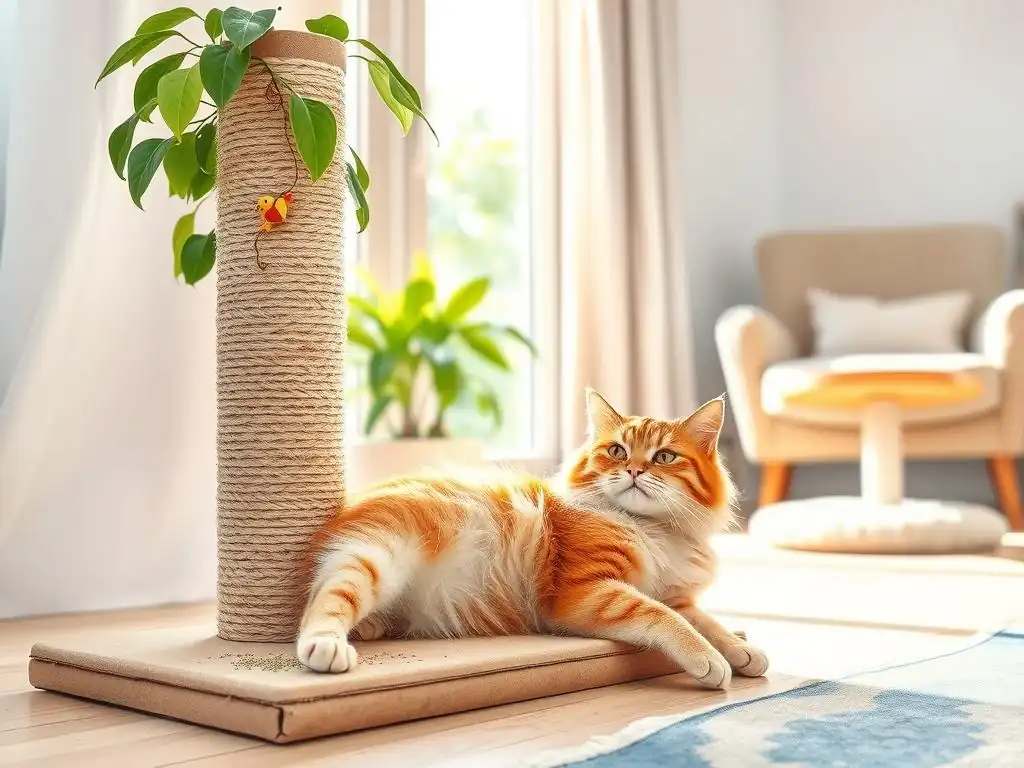
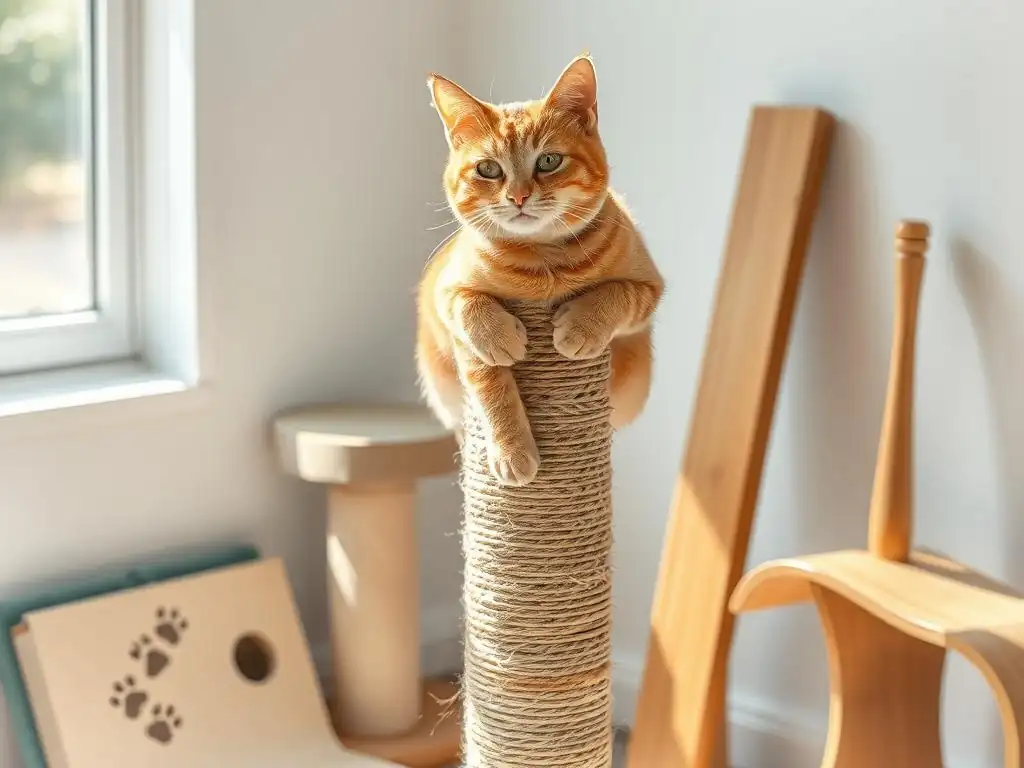
Cats, by nature, are creatures of habit, but also creatures of instinct. Their scratching behavior isn't just about sharpening claws; it's about marking territory, stretching muscles, and expressing themselves. A static scratching post setup, however, might not fully satisfy these multifaceted needs.
Rotating your cat's scratching surfaces introduces variety, significantly impacting their scratching habits and overall well-being. This rotation, a key element in effective Cat scratching post rotation benefits, offers a dynamic and engaging environment that caters to your feline companion's natural instincts. The benefits extend beyond simply preventing furniture damage; a thoughtfully rotated scratching post system contributes to a happier, healthier cat.
Variety of Textures and Materials: Offering Diverse Scratching Options
Providing a variety of scratching surfaces is paramount. Cats possess individual preferences regarding texture and material. Some cats adore the rough texture of sisal, others prefer the soft give of carpet, while some might gravitate towards corrugated cardboard. Offering a diverse range ensures that your cat has options that cater to their specific preferences. This diversity is a cornerstone of effective Cat scratching post rotation benefits.
Consider these examples:
- Sisal: Durable and long-lasting, sisal scratching posts are excellent for satisfying the need for a strong, firm scratching surface. They are often preferred by cats who enjoy a more robust scratching experience.
- Carpet: Softer than sisal, carpet-covered scratching posts offer a more gentle scratching experience. This might be preferred by cats with more sensitive paws or those who prefer a less abrasive feel.
- Cardboard: Corrugated cardboard scratching pads are often inexpensive and readily available. Their easily replaceable nature makes them ideal for rotation, especially if your cat tends to shred them quickly. Many cats are drawn to the unique texture and sound cardboard provides.
- Wood: Some cats might even prefer a natural wood scratching post. Ensure the wood is untreated and safe for your cat.
By rotating these different types of scratching posts, you ensure your cat always has a stimulating and appealing option. This approach significantly improves the likelihood of them using the provided posts instead of your furniture. The key is to observe your cat's preferences and adjust the rotation accordingly. Regularly monitor which surfaces are used most frequently and prioritize those in the rotation.
Strategic Placement Throughout the Home: Providing Convenient Access
The placement of scratching posts is just as crucial as the materials used. Cats often prefer to scratch in locations that are convenient and offer a good vantage point, allowing them to survey their territory. Simply placing all scratching posts in one location isn't always effective. Rotating the placement of your scratching posts throughout your home provides multiple convenient scratching options, maximizing the Cat scratching post rotation benefits.
Consider these strategic placements:
- Near resting areas: Cats often scratch before and after naps, so placing a post near their favorite sleeping spot is beneficial.
- In high-traffic areas: Placing a scratching post in a location frequently used by the family can encourage your cat to use it.
- Near windows: Cats love to observe the world outside, so a post near a window can be very appealing.
- In different rooms: Don't limit scratching posts to just one room. Distribute them throughout the house to ensure convenient access.
Rotating the location of these posts keeps your cat engaged and prevents them from becoming bored with a particular spot. The element of surprise helps maintain their interest and encourages the continued use of the designated scratching surfaces.
Integrating Scratching Posts into Play Areas: Encouraging Engagement and Play
Integrating scratching posts into your cat's play areas can significantly boost their use. Cats are naturally playful, and combining play with scratching can create a positive association. This is a crucial aspect of reaping the full Cat scratching post rotation benefits.
Consider these ideas:
- Combine with toys: Place a scratching post near interactive toys or puzzle feeders to encourage your cat to engage with it during playtime.
- Use cat trees: Cat trees often incorporate scratching posts into their design, providing a multi-functional play and scratching area.
- Create a "scratching circuit": Strategically place multiple scratching posts along a route your cat frequently travels, creating a "circuit" that encourages scratching throughout their daily routine.
- Rotate toys and scratching posts together: By rotating both the placement of toys and scratching posts, you create a constantly evolving and engaging environment.
By implementing these strategies, you not only protect your furniture but also provide your cat with a stimulating and enriching environment. Remember, observation is key. Pay attention to your cat's preferences and adjust your rotation strategy accordingly to maximize the positive impact on their behavior and well-being. This holistic approach to scratching post management is the essence of achieving optimal Cat scratching post rotation benefits.
Addressing Common Challenges in Rotating Cat Scratching Surfaces
Rotating your cat's scratching surfaces, while beneficial for their claw health and furniture preservation, can sometimes present challenges. Understanding and proactively addressing these issues is crucial for a successful rotation strategy. This section explores common hurdles and offers practical solutions to ensure a smooth transition and maximize the "Cat scratching post rotation benefits".
Dealing with Resistance to New Scratching Posts: Strategies for Encouraging Acceptance
Introducing a new scratching post can be met with resistance from even the most well-adjusted feline. Cats are creatures of habit, and a sudden change in their scratching landscape can cause anxiety or confusion. Successfully integrating new scratching posts requires patience and a strategic approach.
Several techniques can encourage acceptance. Firstly, positive reinforcement is key. Place the new scratching post near a favorite spot, perhaps next to their food bowl or a sunny windowsill. Sprinkle catnip on the post to pique their interest. Reward any interaction with the post, no matter how brief, with treats or praise. This creates a positive association.
Secondly, gradual introduction is vital. Don't simply replace an old post with a new one. Instead, introduce the new post alongside the old one for several days. This allows your cat to investigate at their own pace without feeling pressured to immediately adopt the new option.
Thirdly, consider the type of scratching post. Cats have preferences! Some prefer sisal, others carpet, and some even cardboard. Experiment with different textures and materials to find what appeals to your cat. Vertical posts, horizontal scratching boards, and even scratching pads offer variety. Observe your cat's current scratching habits to guide your choices.
Finally, if your cat continues to show resistance, consult a veterinarian or a certified cat behaviorist. Underlying medical issues or behavioral problems might be at play.
Maintaining Hygiene and Cleanliness: Cleaning and Maintaining Scratching Surfaces
Maintaining the hygiene of your cat's scratching surfaces is crucial for their health and the overall cleanliness of your home. Regular cleaning prevents the buildup of bacteria, allergens, and unpleasant odors. Neglecting this aspect can lead to skin irritations in your cat and unpleasant smells in your house, undermining the "Cat scratching post rotation benefits".
The cleaning method depends on the material of the scratching post. Sisal posts can be cleaned with a stiff brush to remove loose debris, followed by a wipe down with a damp cloth and mild pet-safe cleaner. Carpet-covered posts can be spot-cleaned with a pet-safe stain remover or machine-washed (if removable). Cardboard scratchers are generally disposable, but can be wiped down before disposal.
Remember to allow the scratching post to dry completely before your cat uses it again. Always use pet-safe cleaning products, avoiding harsh chemicals that could be harmful to your cat. Regular cleaning, ideally weekly or bi-weekly, significantly contributes to a healthy and pleasant environment for both you and your cat.
Choosing Durable and Long-lasting Scratching Posts: Investing in Quality Products
The longevity of your scratching posts directly impacts the effectiveness of your rotation strategy. Investing in high-quality, durable products reduces the frequency of replacements, saving you money and minimizing disruption to your cat's routine.
Look for posts made from robust materials like thick sisal rope, sturdy cardboard, or heavy-duty carpet. Avoid flimsy posts that might collapse easily under your cat's enthusiastic scratching. The construction should be solid and well-made, able to withstand regular use. Check customer reviews to gauge the durability of different brands and models.
Consider the size and weight of the post relative to your cat's size and scratching style. A larger, heavier post will generally be more stable and long-lasting. The base should be wide and stable to prevent tipping. A well-constructed post will provide lasting "Cat scratching post rotation benefits", minimizing the need for frequent replacements. Investing in durable products is a cost-effective long-term solution.
Frequently Asked Questions
Why should I rotate my cat's scratching posts?
Rotating your cat's scratching posts provides environmental enrichment. It prevents boredom and encourages your cat to use all available scratching surfaces, preventing them from scratching furniture. This keeps your cat happy and your home safe.
How often should I rotate my cat's scratching posts?
A good rule of thumb is to rotate them every 1-2 weeks. This frequency ensures novelty while still allowing your cat to become familiar with each post. Adjust the frequency based on your cat's individual preferences.
What are the benefits of using different types of scratching posts?
Offering variety in textures and materials (e.g., sisal, carpet, cardboard) caters to your cat's preferences. This can lead to increased scratching post usage and reduced furniture damage. Experiment to find your cat's favorites.
My cat ignores the new scratching post. What should I do?
Cats can be picky! Try placing the new post near their favorite sleeping or playing area. You can also lure them with catnip or treats. Consistency is key; don't give up!
Does rotating scratching posts prevent all scratching problems?
While rotation significantly helps, it's not a guaranteed solution for all scratching issues. Underlying behavioral problems, like stress or medical conditions, may require further investigation and professional advice from a veterinarian. Consider consulting a veterinary behaviorist if problems persist.
Final Reflection: The Unexpected Rewards of Rotating Your Cat's Scratching Posts
The seemingly simple act of rotating your cat's scratching posts offers unexpected benefits, impacting not only their physical well-being but also the overall harmony of your home. Ignoring this seemingly minor detail can lead to unwanted scratching on furniture and a frustrated feline friend. The key takeaway is that providing variety in scratching surfaces is crucial for a happy and well-adjusted cat.
The impact of this simple act extends beyond just preventing furniture damage; it speaks to the importance of understanding and catering to our feline companions' innate needs. Cats, much like humans, thrive on novelty and stimulation. A rotating selection of scratching posts caters to this need, preventing boredom and encouraging healthy scratching behaviors. A cat's scratching post isn't just a piece of furniture; it's a vital tool for their physical and mental well-being.
This simple truth highlights the profound connection between environmental enrichment and a cat's overall happiness.
Now, consider your own cat. Think about their current scratching situation. Is it varied enough? Are they showing signs of boredom or frustration? Take action today! Rotate your cat's scratching posts, introduce new textures and materials, and observe the positive changes in their behavior and your home environment. By understanding and responding to your cat's needs, you'll not only protect your furniture but also strengthen the bond you share, creating a more harmonious and loving home for both of you.
Unlock Your Cat's Happy Scratching Habits!
Thank you for exploring the world of cat scratching! We hope you've learned how rotating scratching posts can keep your cat stimulated and your furniture safe. Now let's put that knowledge into practice.
- Try a new scratching surface this week: Surprise your cat with a different texture or material, or even relocate their scratching post! A sisal post, cardboard scratcher, or even a sturdy piece of carpet could be a welcome change.
- Share your cat's favorite scratching spot: Tell us (and other cat lovers!) in the comments what your cat's new favorite scratching surface is! Let's inspire each other with creative solutions.
- Capture the purrfect scratching moment: Take a photo of your cat enjoying their new scratching post and share it on social media using #PetCareWorldScratching.
Ready to unleash your cat's inner scratching superstar? What creative scratching surfaces will you try next?