
The Science Behind Cat Food: Understanding the Ingredients

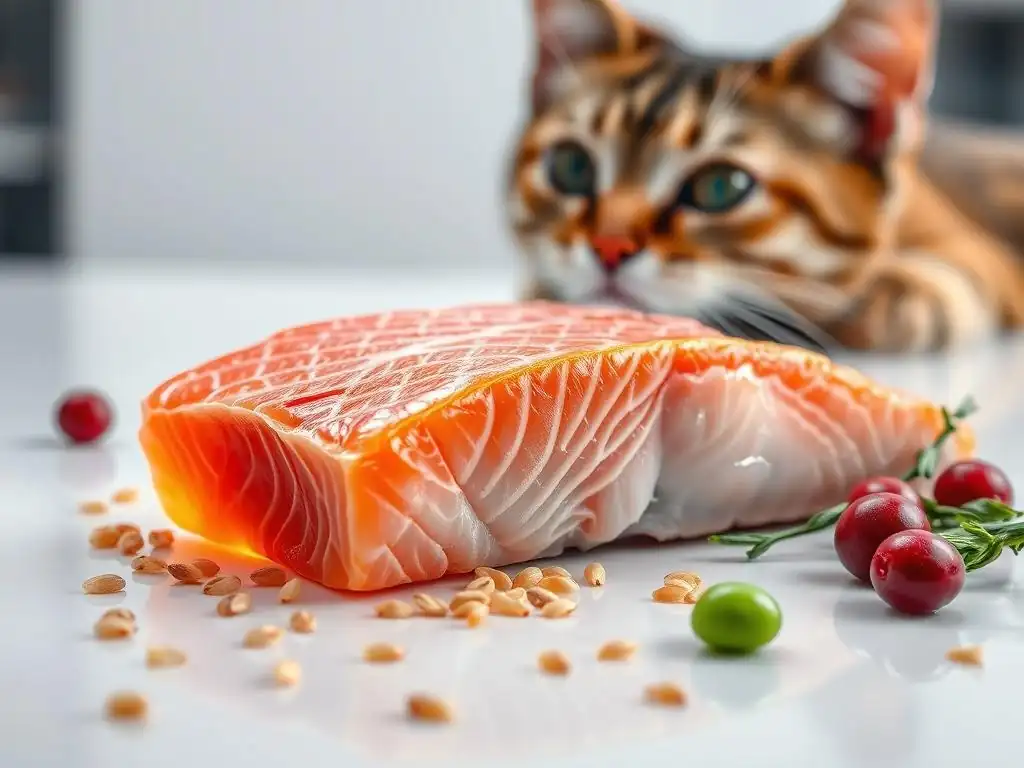
Welcome to PetCareWorld, your ultimate guide to a happier, healthier life for your beloved pets! Are you ready to unlock the secrets to feline well-being? Our comprehensive Cat food ingredient science guide dives deep into the world of cat nutrition, revealing what truly makes a superior cat food. Discover the science behind the kibble and learn how to make informed choices that will nourish your cat from the inside out. Explore the fascinating world of cat food ingredients and embark on a journey towards better pet care – start reading now!
- Deciphering Cat Food Labels: A Guide to Ingredient Analysis
-
Common Cat Food Ingredients: Benefits and Potential Drawbacks
- Meat and Meat By-Products in Cat Food: A Detailed Look
- Poultry, Fish, and Other Protein Sources in Cat Food Formulas
- Grain-Free Cat Food: Understanding the Hype and the Science
- Vegetable and Fruit Ingredients in Cat Food: Nutritional Value and Considerations
- Additives and Preservatives in Cat Food: What to Look For
- Choosing the Right Cat Food Based on Life Stage and Health Needs
- The Science of Cat Food Formulation and Manufacturing
- Making Informed Decisions: Selecting the Best Cat Food for Your Feline Companion
-
Frequently Asked Questions
- What are the most important ingredients to look for in cat food?
- How can I tell if a cat food is truly high-quality?
- What are some ingredients I should avoid in my cat's food?
- My cat has allergies. How can ingredient science help me?
- What is the difference between "complete and balanced" and other cat food labels?
- Final Reflection: Decoding the Dish: A Deeper Look at Cat Food Science
- Unlock Your Cat's Nutritional Potential!
Deciphering Cat Food Labels: A Guide to Ingredient Analysis
Choosing the right cat food can feel overwhelming. The pet food aisle is a labyrinth of brands, formulas, and ingredient lists that often leave even experienced cat owners scratching their heads. This comprehensive guide delves into the science behind cat food, empowering you to make informed decisions about your feline companion's nutrition. We'll explore the intricacies of ingredient lists, highlighting key nutrients and explaining the importance of understanding guaranteed analysis statements. By the end, you'll be equipped to confidently navigate the world of cat food and select the best option for your cat's health and well-being.
This guide is essential for anyone seeking a deeper understanding of the "Cat food ingredient science guide" and ensuring their cat receives optimal nutrition. We will cover everything from deciphering the guaranteed analysis to understanding the crucial role of essential amino acids. Let's embark on this journey to become better-informed cat guardians! 😻
Understanding Guaranteed Analysis Statements on Cat Food
Guaranteed analysis statements are a crucial part of any cat food label. These statements, mandated by regulatory bodies like the Association of American Feed Control Officials (AAFCO), provide minimum percentages of certain nutrients. They usually include crude protein, crude fat, crude fiber, and moisture content. However, it's crucial to understand the limitations of these statements.
The "crude" designation means the analysis doesn't specify the type of protein, fat, or fiber. For example, a high crude protein percentage doesn't necessarily mean high-quality protein sources are used. The guaranteed analysis provides a baseline but doesn't reveal the complete nutritional picture.
To gain a more complete understanding, you need to carefully examine the ingredient list itself. A guaranteed analysis might show a high protein percentage, but the source of that protein could be less desirable (e.g., rendered meat byproducts) compared to a food with a slightly lower percentage derived from named meat sources like chicken or salmon. Therefore, while the guaranteed analysis is a starting point, it should be interpreted in conjunction with the full ingredient list for a truly informed decision.
Identifying Key Nutrients in Cat Food: Protein, Fat, and Carbohydrates
Cats are obligate carnivores, meaning their bodies are designed to thrive on a diet primarily composed of animal-based proteins. Protein is essential for building and repairing tissues, producing enzymes and hormones, and supporting overall health. Look for cat foods with high-quality protein sources listed prominently in the ingredient list, such as named meats (chicken, turkey, salmon) or whole eggs. Avoid foods with vague terms like "meat by-products" or "animal digest."
Fat is another crucial nutrient, providing energy and aiding in the absorption of fat-soluble vitamins. Healthy fats like omega-3 and omega-6 fatty acids are beneficial for skin and coat health. Carbohydrates, while less crucial for cats than for other animals, still play a role in providing energy.
However, cats don't need large amounts of carbohydrates, and complex carbohydrates are generally preferred over simple sugars. The ideal balance of protein, fat, and carbohydrates will vary depending on the cat's age, activity level, and overall health. Always consult with your veterinarian to determine the optimal nutritional profile for your individual cat.
The Importance of Essential Amino Acids in Cat Food
Essential amino acids are the building blocks of protein that cats cannot synthesize on their own; they must obtain them through their diet. These include taurine, arginine, and methionine, among others. A deficiency in any of these essential amino acids can lead to serious health problems. Taurine deficiency, for example, can cause blindness and heart problems.
Arginine is crucial for ammonia detoxification. Therefore, choosing a cat food that explicitly lists these essential amino acids or guarantees their inclusion is paramount. While the guaranteed analysis provides overall protein content, it doesn't specify the amounts of individual amino acids.
Checking the ingredient list for high-quality protein sources is a better indicator of adequate essential amino acid intake. Reading the label carefully and understanding the role of essential amino acids will help you select a cat food that supports your feline friend's long-term health and well-being. Remember, consulting with a veterinarian remains crucial for addressing specific dietary needs.
Essential Fatty Acids and Their Role in Feline Health
Essential fatty acids (EFAs) are crucial for a cat's overall health and well-being, playing a vital role in various bodily functions that many pet owners may not fully understand. Unlike dogs, cats cannot synthesize certain fatty acids, making them essential nutrients that must be obtained through their diet. These EFAs are not just about shiny coats; they impact everything from brain function to immune system strength. The two most important EFAs for cats are arachidonic acid (AA) and linoleic acid (LA).
AA is an omega-6 fatty acid that is particularly important for cats. It's a precursor to various eicosanoids, which are hormone-like compounds that regulate inflammation, blood clotting, and other crucial processes. A deficiency in AA can lead to a variety of health problems, including skin issues, impaired immune function, and reproductive problems. Many commercial cat foods include sources of AA, but the amount and bioavailability can vary significantly. Understanding the source of AA is important; some sources are better absorbed than others.
LA, an omega-6 fatty acid, is also vital. While cats can convert LA to AA to some extent, the conversion rate is often inefficient, highlighting the importance of including both EFAs in their diet. LA contributes to healthy skin and coat, and plays a role in maintaining the integrity of cell membranes. Insufficient LA can manifest in dry, dull fur, flaky skin, and a compromised immune response. High-quality cat foods will list specific sources of LA, such as vegetable oils like sunflower oil or safflower oil, ensuring adequate intake of this essential nutrient.
Beyond AA and LA, other fatty acids, such as omega-3 fatty acids like EPA and DHA (found in fish oil), offer additional health benefits. These omega-3s are known for their anti-inflammatory properties and can support brain function, heart health, and even reduce the risk of certain chronic diseases. While not strictly "essential" in the same way as AA and LA, incorporating omega-3s into a cat's diet is considered beneficial for overall well-being and can contribute to a longer, healthier life. The ideal balance of omega-6 and omega-3 fatty acids is a topic of ongoing research, but a ratio closer to 5:1 or even lower is often recommended for optimal feline health.
Always check the cat food label for the complete fatty acid profile to ensure your feline companion is receiving the right balance. A healthy balance of EFAs is key to a happy, healthy cat. 😻
Common Cat Food Ingredients: Benefits and Potential Drawbacks
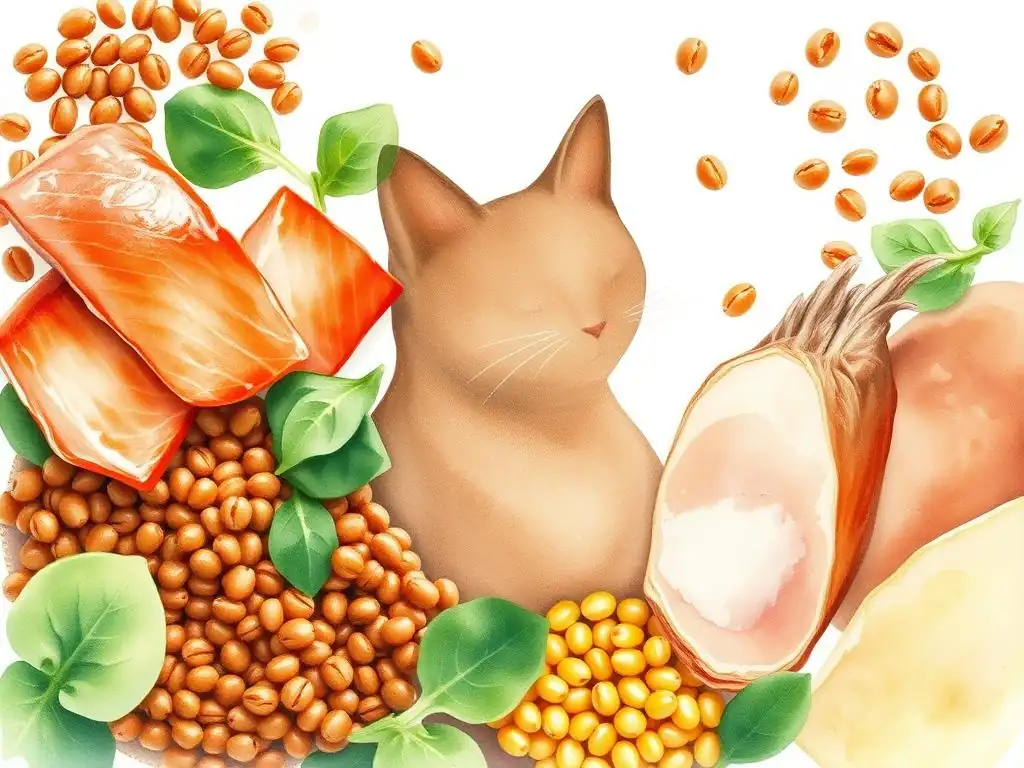
This section delves into the common ingredients found in commercial cat food, exploring their nutritional benefits and potential drawbacks. Understanding these components is crucial for making informed decisions about your feline companion's diet. A balanced diet is essential for a cat's overall health and well-being, impacting everything from coat condition to energy levels. This guide will help you decipher the often-confusing ingredient lists on cat food packaging, empowering you to choose the best food for your cat. We'll be focusing on the scientific aspects of these ingredients, examining their impact on feline health from a nutritional perspective.
Meat and Meat By-Products in Cat Food: A Detailed Look
Meat and meat by-products are primary protein sources in many cat foods. While "meat" usually refers to muscle tissue, "meat by-products" encompass organs, bone, and other parts. The quality and source of these ingredients vary significantly. High-quality meat sources, such as named specific meats (e.g., chicken, turkey, beef), provide essential amino acids crucial for muscle development, enzyme function, and overall health. However, the nutritional value of meat by-products can be less predictable, depending on the processing methods and specific components included.
Some by-products can contribute essential nutrients, while others may be lower in quality. Always check the ingredient list for specifics. For example, a food listing "chicken" as the primary ingredient is generally preferable to one listing "meat by-products" as the primary ingredient. The order of ingredients indicates their relative proportions in the food.
It's important to note that the term "by-product" doesn't automatically equate to low quality. Some by-products, such as liver, are rich in essential vitamins and minerals. However, the lack of specific details makes it difficult to assess the nutritional value accurately. Look for cat foods that clearly list specific meat sources and, if by-products are included, specify which ones they are. Transparency in ingredient sourcing is key to ensuring a high-quality, nutritious diet for your cat.
Poultry, Fish, and Other Protein Sources in Cat Food Formulas
Beyond meat and meat by-products, poultry (chicken, turkey) and fish (tuna, salmon) are popular protein sources in cat food. Poultry is a good source of lean protein and essential amino acids. Fish, especially fatty fish like salmon, provides omega-3 fatty acids, beneficial for coat health and reducing inflammation. Other protein sources, such as lamb or venison, can be included to cater to cats with specific dietary needs or sensitivities.
However, it's crucial to note potential allergens. Some cats may exhibit sensitivities to certain protein sources, leading to digestive upset or allergic reactions. Introducing new protein sources gradually helps monitor for any adverse reactions.
The bioavailability of protein is also a crucial factor. This refers to how efficiently the cat's body can absorb and utilize the protein from the food. Highly processed foods might have lower bioavailability compared to foods with minimally processed protein sources. Consider the overall quality of the ingredients and the processing methods employed during manufacturing.
Always read the guaranteed analysis on the food label, which provides information on the minimum percentages of crude protein, fat, and fiber. This helps you compare the nutritional content of different cat food brands. A higher percentage of crude protein generally indicates a higher protein content in the food.
Grain-Free Cat Food: Understanding the Hype and the Science
Grain-free cat food has gained significant popularity, but the science behind its benefits is complex and often debated. While grains are not essential nutrients for cats, they can contribute to the overall palatability and cost-effectiveness of the food. Some cats may have sensitivities to certain grains, leading to digestive issues. However, eliminating grains doesn't automatically guarantee a healthier diet. The focus should be on the overall quality of ingredients, not just the absence of grains.
Many grain-free diets replace grains with alternative carbohydrate sources, such as legumes or potatoes. While these ingredients can provide energy, some studies suggest a potential link between certain grain-free diets and a higher risk of dilated cardiomyopathy (DCM) in cats. However, more research is needed to fully understand this complex issue. The focus should remain on choosing high-quality cat food with named meat sources as primary ingredients, regardless of whether it contains grains or not.
The absence of grains does not automatically equate to superior nutritional value. Prioritize a balanced diet with a variety of essential nutrients, rather than solely focusing on avoiding grains. Consult your veterinarian for personalized dietary advice for your cat, considering its individual needs and health status. 🐾
Vegetable and Fruit Ingredients in Cat Food: Nutritional Value and Considerations
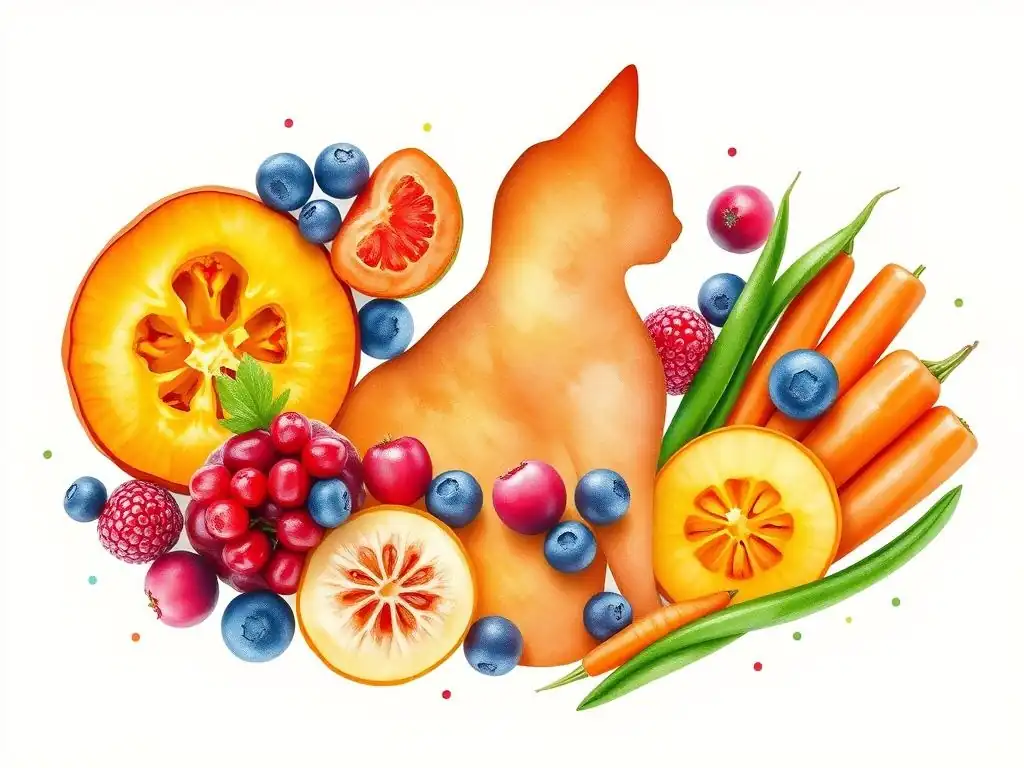
While cats are obligate carnivores, meaning their bodies are designed to thrive on meat-based diets, small amounts of certain vegetables and fruits can offer supplemental nutritional benefits in cat food. These additions are often touted for their antioxidant properties and fiber content. However, it's crucial to understand that these ingredients should be used sparingly and should never replace the essential protein and fat sources cats require.
Many commercial cat foods include ingredients like pumpkin, cranberries, and carrots. Pumpkin, for instance, is a good source of fiber, which can aid in digestion and alleviate constipation. Cranberries are known for their antioxidant properties, potentially supporting urinary tract health. Carrots contribute small amounts of Vitamin A and fiber. However, the quantities present in most cat foods are relatively low, and shouldn't be relied upon as the primary source of these nutrients.
It's important to note that not all fruits and vegetables are suitable for cats. Some, like onions and garlic, are toxic. Others, like grapes and raisins, can cause kidney damage. Always check the ingredient list carefully and research the potential effects of any unfamiliar fruits or vegetables before feeding them to your cat.
Overreliance on fruits and vegetables as a significant portion of a cat's diet can lead to nutritional deficiencies and health problems. A balanced diet, prioritizing high-quality animal protein, is essential for a cat's well-being. The inclusion of vegetables and fruits should be considered a minor addition, enhancing rather than replacing the core nutritional components. Always consult with a veterinarian before making significant changes to your cat's diet, especially if your cat has pre-existing health conditions.
Additives and Preservatives in Cat Food: What to Look For
Additives and preservatives are commonly found in commercial cat food to enhance its palatability, extend shelf life, and maintain nutritional integrity. While some are necessary and beneficial, others may raise concerns among pet owners. Understanding the different types and their potential impacts is crucial for making informed choices about your cat's food.
Natural Preservatives: These are often preferred by pet owners due to their perceived safety. Examples include vitamin E, rosemary extract, and tocopherols. These work as antioxidants, preventing rancidity and extending the food's shelf life. They generally pose minimal risk to cats.
Artificial Preservatives: These preservatives, such as BHA (butylated hydroxyanisole), BHT (butylated hydroxytoluene), and ethoxyquin, have been the subject of some debate. While generally considered safe within regulatory limits, some studies have raised concerns about their potential long-term effects. Always opt for cat foods with minimal artificial preservatives or those that utilize natural alternatives whenever possible.
Artificial Colors and Flavors: These additives are primarily used to enhance the food's appearance and taste, making it more appealing to cats. However, some artificial colors and flavors have been linked to potential health issues in some animals. Look for cat foods that use natural colorings derived from fruits and vegetables, and avoid those with a long list of artificial additives.
Other Additives: Many other additives may be present, including thickening agents, emulsifiers, and binding agents. These typically serve functional purposes in the manufacturing process, but their impact on cat health is often minimal. However, it’s always advisable to carefully examine the ingredient list and research any unfamiliar additives.
Understanding the role of each additive can help in assessing its potential benefits and drawbacks. Consulting your veterinarian can help you navigate the complexities of additives and preservatives and choose the best food for your cat's individual needs. Remember, a clear and concise ingredient list, with easily recognizable and natural ingredients, is a good sign of a high-quality cat food.
Choosing the Right Cat Food Based on Life Stage and Health Needs
Selecting the appropriate cat food is crucial for your feline companion's health and well-being. A "Cat food ingredient science guide" like this one helps you understand that nutritional needs vary significantly throughout a cat's life. Failing to provide the correct balance of nutrients can lead to various health problems, impacting their lifespan and quality of life. Understanding the science behind cat food formulation allows for informed decision-making, ensuring your cat receives the optimal nourishment for each stage of development. This section explores the nutritional variations required for kittens, adult cats, and senior cats.
Kitten Food: Meeting the Nutritional Demands of Growing Cats
Kittens experience rapid growth and development, requiring a diet significantly different from that of adult cats. Their food needs to be highly digestible and rich in energy to support their rapid growth spurts. A high-quality kitten food will typically feature:
- Higher protein levels: Kittens need more protein than adult cats to build muscle mass and support organ development. Look for protein sources like chicken, turkey, or fish, listed prominently on the ingredient list. The protein should ideally be above 30%.
- Increased fat content: Fat provides essential fatty acids and is a concentrated energy source crucial for their active lifestyle and development. However, excessive fat can lead to obesity, so moderation is key. Aim for fat levels around 20%.
- Essential amino acids: These are the building blocks of protein and are vital for growth. Taurine, an amino acid particularly important for feline health (especially vision and heart function), should be clearly listed.
- High calcium and phosphorus: These minerals are essential for bone development and strong teeth. The ratio of calcium to phosphorus should be carefully balanced to promote optimal bone growth.
- Vitamins and minerals: A complete and balanced kitten food will contain a comprehensive blend of vitamins and minerals to support overall health and development. Look for foods fortified with vitamins A, D, E, and K, as well as minerals like zinc and iron.
Ignoring these specific nutritional requirements can result in stunted growth, weakened bones, and other developmental problems. Always choose a kitten food specifically formulated for their age group and consult your veterinarian if you have any concerns. Remember, a healthy kitten today lays the foundation for a healthy adult cat tomorrow.
Adult Cat Food: Maintaining Optimal Health and Well-being
Once a cat reaches adulthood (typically around 1 year old), its nutritional needs shift to maintaining optimal health and well-being. While still requiring high-quality protein, the energy density can be slightly lower compared to kitten food. Adult cat food should focus on:
- Moderate protein levels: Adult cats still need sufficient protein for muscle maintenance and overall health, but the levels can be slightly lower than in kitten food (around 26-30%).
- Balanced fat content: Fat remains essential for energy and healthy skin and coat, but excessive fat can lead to obesity. A balanced fat content (around 15-18%) is ideal.
- Fiber for digestive health: Adequate fiber promotes healthy digestion and prevents constipation. Look for soluble and insoluble fibers in the ingredient list.
- Essential fatty acids (Omega-3 and Omega-6): These are crucial for maintaining a healthy coat, reducing inflammation, and supporting overall health. Look for sources like fish oil or flaxseed oil.
- Sustained Release Energy: Adult cats generally have a lower metabolic rate than kittens. Food formulated for sustained energy release can help prevent weight gain and maintain consistent energy levels throughout the day.
Choosing an adult cat food that aligns with your cat's activity level and body condition is crucial. Overfeeding can lead to obesity, while underfeeding can result in malnutrition. Regular veterinary checkups and monitoring of your cat's weight are essential.
Senior Cat Food: Addressing the Specific Needs of Older Cats
As cats age (generally over 7 years), their nutritional needs change once again. Senior cats often experience decreased metabolism, reduced activity levels, and potential health issues that require specific dietary adjustments. Senior cat food typically includes:
| Nutrient | Importance in Senior Cat Food | Considerations |
|---|---|---|
| High-Quality Protein | Maintaining muscle mass and supporting immune function. | Easily digestible protein sources are preferred. |
| Moderate Fat | Providing energy without contributing to weight gain. | Lower fat content than adult food; balanced fatty acids. |
| Increased Fiber | Promoting healthy digestion and preventing constipation. | Easily digestible fiber sources are important. |
| Joint Support | Glucosamine and chondroitin can help maintain joint health. | Look for these ingredients specifically mentioned. |
| Kidney Support | Reduced phosphorus levels can help protect kidney function. | Consult your vet if your cat has kidney issues. |
| Digestibility | Easier digestion is crucial due to age-related changes. | Look for easily digestible ingredients and formulas. |
Senior cats often have decreased kidney function, so lower phosphorus levels are beneficial. Moreover, maintaining a healthy weight is crucial to prevent further strain on their joints and organs. Consult your veterinarian to determine the best senior cat food for your cat's individual health needs and any existing health conditions. Regular monitoring of their weight and overall health is essential to ensure they receive proper nutrition throughout their golden years. 😻
Cat Food for Specific Health Conditions: Addressing Urinary Tract Issues, Sensitive Stomachs, and Diabetes
Addressing specific health concerns through dietary adjustments is crucial for a cat's well-being. Many commercial cat foods are formulated to cater to these needs, offering specialized nutrition to mitigate symptoms and support overall health. Understanding these formulations is key to making informed choices for your feline companion.
Choosing the right cat food for a cat with urinary tract issues requires careful consideration of several factors. Feline Lower Urinary Tract Disease (FLUTD) is a common problem, and diet plays a significant role in its management. Foods formulated for FLUTD often contain controlled levels of minerals like magnesium, which can contribute to the formation of crystals in the urine.
These diets also typically include ingredients that help maintain a slightly acidic urine pH, discouraging crystal formation and reducing the risk of urinary tract infections. Some brands utilize specific ingredients such as cranberries, known for their potential urinary tract benefits. Always consult your veterinarian before making dietary changes for a cat with FLUTD, as they can advise on the most suitable food based on your cat's specific condition and medical history.
The correct balance of nutrients and the specific formulation are crucial for managing this condition effectively. Ignoring these factors can lead to more severe complications.
Cats with sensitive stomachs often exhibit symptoms like vomiting, diarrhea, or changes in appetite. Dietary management plays a vital role in alleviating these issues. Hypoallergenic cat foods are designed to minimize the risk of allergic reactions, often using hydrolyzed proteins or novel protein sources that are less likely to trigger sensitivities.
These foods break down proteins into smaller fragments, making them less likely to elicit an immune response. Gentle digestion formulas, on the other hand, focus on ingredients that are easily digestible, reducing the burden on the cat's digestive system. These often include highly digestible proteins and fibers that promote healthy bowel movements.
Furthermore, the elimination of common food allergens like beef, chicken, dairy, and wheat is crucial in reducing gastrointestinal upset. For cats with chronic digestive issues, a gradual transition to a new diet is recommended to minimize stress on the digestive tract. Close monitoring of your cat's stool consistency and overall well-being is essential during this transition.
For diabetic cats, managing blood glucose levels is paramount, and diet plays a critical role. Diabetic cat foods are formulated to provide a consistent source of energy without causing significant spikes in blood sugar. These foods typically contain moderate levels of carbohydrates and higher levels of protein and fiber.
The higher protein content helps maintain muscle mass and supports healthy metabolism, while the fiber slows down the absorption of glucose, preventing rapid increases in blood sugar. Furthermore, these specialized diets often incorporate ingredients with low glycemic index, meaning they release glucose into the bloodstream more slowly than other carbohydrates. Regular monitoring of blood glucose levels is crucial, and your veterinarian can provide guidance on the optimal food choice and necessary adjustments to the diet based on your cat's individual response and blood glucose monitoring results.
Remember, consistency is key in managing feline diabetes; therefore, sticking to the recommended diet is crucial for long-term health management. Ignoring this can lead to serious health complications for your diabetic cat.
The Science of Cat Food Formulation and Manufacturing
This section delves into the scientific principles underpinning the creation of commercially available cat food, a process far more complex than simply mixing ingredients. Understanding this science is crucial for discerning pet owners seeking high-quality, nutritionally complete cat food. The formulation and manufacturing process are meticulously designed to meet the specific nutritional needs of felines, considering their unique physiology and dietary requirements. We'll explore the key aspects of this process, highlighting the scientific rigor involved. This "Cat food ingredient science guide" will help you make informed decisions about your cat's diet.
How Cat Food is Made: A Step-by-Step Process
The journey from raw ingredients to a can of cat food or a bag of kibble is a multi-stage process involving precise measurements, rigorous quality checks, and advanced processing techniques. Let's break down the typical steps:
- Ingredient Sourcing and Quality Assessment: The process begins with sourcing high-quality ingredients, such as meat, poultry, fish, grains, and vegetables. Suppliers undergo thorough vetting to ensure the ingredients meet stringent standards of purity, safety, and nutritional value. Each batch undergoes rigorous testing for contaminants, pathogens, and nutritional composition.
- Ingredient Preparation and Mixing: Once approved, ingredients are prepared according to specific formulas. This might involve grinding, milling, cooking, or rendering. The precise proportions of each ingredient are carefully measured and mixed according to the formulated recipe, ensuring nutritional balance.
- Extrusion (for Kibble): For dry kibble, the mixed ingredients are then extruded. This involves forcing the mixture through a die under high pressure and temperature, shaping the kibble into its characteristic form. The extrusion process also cooks the kibble, further enhancing its digestibility and shelf life.
- Cooking and Sterilization (for Wet Food): Wet food undergoes a different process, typically involving cooking in large vats under controlled temperature and pressure to ensure thorough cooking and sterilization. This step eliminates harmful bacteria and extends the shelf life.
- Drying and Cooling (for Kibble): After extrusion, kibble is dried in large dryers to reduce moisture content, preventing spoilage. It’s then cooled to a safe temperature for packaging.
- Flavoring and Coating (Optional): Some cat foods include added flavors and coatings to enhance palatability. These additions are carefully selected and added in controlled amounts to avoid compromising nutritional balance.
- Packaging and Distribution: Finally, the completed food is packaged and distributed to retailers, ready for consumption by our feline companions. Packaging is designed to maintain product freshness and prevent contamination.
Quality Control and Safety Standards in Cat Food Production
Maintaining the highest quality and safety standards is paramount in cat food production. Manufacturers adhere to strict guidelines and regulations, including those set by the Association of American Feed Control Officials (AAFCO) and other relevant bodies. These standards cover various aspects, including:
- Ingredient Safety: Regular testing ensures ingredients are free from harmful bacteria, toxins, and contaminants. This includes testing for heavy metals, pesticides, and mycotoxins.
- Nutritional Completeness and Balance: Formulations must meet AAFCO's minimum nutritional requirements for cats of different life stages (kitten, adult, senior). Independent laboratory analysis regularly verifies the nutritional content of the finished product.
- Manufacturing Process Control: The entire manufacturing process is meticulously monitored and documented to ensure consistency and quality. This includes temperature, pressure, and mixing times.
- Packaging Integrity: Packaging must be airtight and tamper-proof to maintain product quality and prevent contamination.
- Traceability: Comprehensive traceability systems allow manufacturers to track ingredients and products throughout the entire supply chain, enabling rapid identification and response to any potential issues.
The rigorous quality control measures ensure that the cat food you purchase meets the highest safety and nutritional standards, promoting the health and well-being of your beloved pet. This commitment to quality is a cornerstone of responsible pet food manufacturing.
The Role of Research and Development in Cat Food Innovation
Continuous research and development (R&D) are vital for improving cat food formulations and manufacturing processes. This ongoing work encompasses various areas:
- Nutritional Science: Researchers constantly investigate the optimal balance of nutrients for cats at different life stages and with varying health conditions. This involves studying feline digestive physiology, nutrient metabolism, and the impact of different ingredients on health.
- Ingredient Optimization: R&D efforts focus on identifying and utilizing novel ingredients with enhanced nutritional value, digestibility, and palatability. This includes exploring alternative protein sources, prebiotics, probiotics, and other functional ingredients.
- Manufacturing Technology: Technological advancements are continuously incorporated to improve efficiency, reduce waste, and enhance the quality and safety of the manufacturing process.
- Palatability and Texture: Researchers actively work on improving the taste and texture of cat food to ensure high acceptance among feline consumers. This involves sensory testing and behavioral studies to determine what makes cat food appealing.
The constant evolution driven by R&D ensures that cat food continues to meet the evolving needs of cats and remains at the forefront of nutritional science. This commitment to innovation is a hallmark of the responsible cat food industry, continually striving to provide the best possible nutrition for our feline companions. This ongoing research is essential to maintaining a cutting-edge "Cat food ingredient science guide" for pet owners.
Making Informed Decisions: Selecting the Best Cat Food for Your Feline Companion
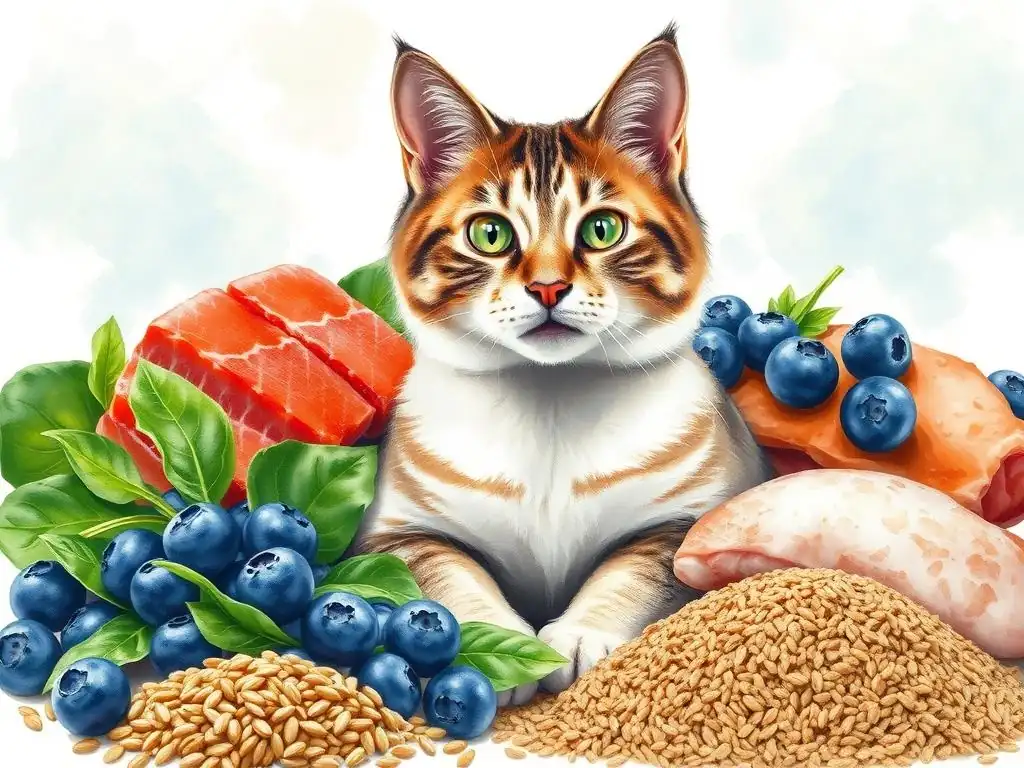
Choosing the right cat food can feel overwhelming, given the sheer variety available. However, understanding the science behind cat food ingredients empowers you to make informed decisions that support your cat's health and well-being. This section will guide you through the process, helping you navigate the complexities of cat food labels and select a diet tailored to your feline friend's unique needs. A scientifically sound approach to cat nutrition translates directly into a happier, healthier cat. Remember, "Cat food ingredient science guide" is key to success.
Reading Cat Food Labels Critically: Beyond the Marketing Claims
Cat food labels often employ marketing strategies that can be misleading. Don't be fooled by catchy phrases! Focus on the guaranteed analysis, which provides the minimum percentages of crude protein, crude fat, crude fiber, and moisture. These values offer a more objective assessment of the nutritional content than vague marketing terms. For example, a label boasting "premium ingredients" doesn't necessarily mean it's superior to a food with a clearly defined guaranteed analysis showing high protein and low fiber content, essential for felines.
A crucial aspect of critical label reading is identifying the primary protein source. Is it named specifically (e.g., chicken, salmon, turkey)? Or is it vaguely listed as "meat by-products" or "animal protein"? Specific naming indicates higher quality and traceability. Look for clear ingredient lists, avoiding those with numerous unidentifiable fillers or artificial additives. The order of ingredients also matters; ingredients are listed in descending order by weight. The first ingredient should ideally be a named meat source, not a grain or filler.
Here's a simple table summarizing key aspects of label interpretation:
| Label Feature | What to Look For | What to Avoid |
|---|---|---|
| Guaranteed Analysis | High protein (minimum 30%), moderate fat, low fiber | Low protein, high fiber, unclear values |
| Primary Ingredient | Named meat source (chicken, salmon, etc.) | Vague terms like "meat by-products," "animal digest" |
| Ingredient List | Short list, recognizable ingredients | Long list, numerous fillers, artificial additives |
| Additives | Minimal or none | Excessive artificial colors, flavors, preservatives |
Understanding these nuances helps you decipher the marketing jargon and focus on the factual nutritional information. Remember, a thorough understanding of the "Cat food ingredient science guide" allows you to make superior choices.
Considering Your Cat's Individual Needs and Preferences
Beyond the label, consider your cat's individual needs. Age, activity level, and health conditions all influence dietary requirements. Kittens require higher calorie and protein intake for growth, while senior cats may benefit from lower calorie, easily digestible formulas. Cats with specific health issues, such as kidney disease or diabetes, may need specialized diets prescribed by a veterinarian.
Even seemingly minor factors, like food allergies or sensitivities, can impact your cat’s health and preference for specific food types. Observing your cat's response to different foods—coat condition, stool consistency, energy levels—is essential for making adjustments. Does your cat enthusiastically devour its food, or does it leave portions uneaten? Such observations give invaluable insight into its preferences and digestive capabilities.
Consider also your cat's breed and lifestyle. Some breeds are naturally more prone to certain health issues, necessitating specific dietary considerations. For instance, certain breeds are predisposed to urinary tract problems, requiring diets formulated to address this. An indoor cat's nutritional needs might differ from those of an outdoor, highly active cat. Remember, individual needs should always guide your food selection process. The "Cat food ingredient science guide" is valuable, but individual cat assessment is equally important.
Resources for Further Learning About Cat Nutrition
For a deeper dive into cat nutrition, several resources are available. Consult your veterinarian for personalized dietary recommendations tailored to your cat's specific health status and life stage. Many veterinary nutritionists specialize in feline nutrition and can provide expert guidance. Reputable veterinary organizations and academic institutions often publish research and guidelines on feline nutrition, providing invaluable scientific insights. Always prioritize reliable sources backed by scientific evidence when researching cat food and nutrition. This comprehensive approach, combined with a thorough understanding of the "Cat food ingredient science guide", ensures your cat receives optimal nutrition. 😻
Frequently Asked Questions
What are the most important ingredients to look for in cat food?
The most crucial ingredients are high-quality animal protein sources like chicken, turkey, or fish, listed early in the ingredient list. Look for named meat sources, avoiding vague terms like "meat by-products." Healthy fats are also essential.
How can I tell if a cat food is truly high-quality?
Check the ingredient list carefully. Real meat should be the primary ingredient, not fillers like corn or wheat. Look for foods with specific named meat sources, and a clearly stated guaranteed analysis of protein and fat content.
What are some ingredients I should avoid in my cat's food?
Avoid foods containing artificial colors, flavors, and preservatives. Also, be wary of high levels of fillers like corn, wheat, and soy, as these offer little nutritional value. By-products should be minimized or avoided entirely.
My cat has allergies. How can ingredient science help me?
Understanding ingredient lists allows you to identify potential allergens. Simple protein sources, like single-source chicken or fish formulas, can help pinpoint and avoid allergens. Consult your veterinarian for personalized advice.
What is the difference between "complete and balanced" and other cat food labels?
A "complete and balanced" label signifies that the food meets the Association of American Feed Control Officials (AAFCO) nutritional standards for cats. This means it provides all necessary nutrients for a healthy life. Other labels may not meet these standards.
Final Reflection: Decoding the Dish: A Deeper Look at Cat Food Science
Understanding the science behind cat food isn't just about reading labels; it's about ensuring the health and well-being of our feline companions. The choices we make in our cats' diets directly impact their longevity, energy levels, and overall quality of life. This knowledge empowers us to make informed decisions, moving beyond marketing hype and into a realm of responsible pet ownership.
The impact of this understanding extends far beyond individual cats; it shapes the entire pet food industry. The demand for transparency and scientifically-backed formulations is growing, pushing manufacturers to prioritize quality ingredients and responsible sourcing. This shift is vital, as our furry friends rely entirely on us for their nutritional needs. The best way to find yourself is to lose yourself in the service of others.
– Mahatma Gandhi. This quote, while not directly about cat food, speaks to the profound responsibility we have towards our pets, a responsibility that is amplified by our understanding of their nutritional requirements.
Now, consider your own cat's diet. Are you confident in the ingredients you're feeding them? Take this opportunity to examine the label of your cat's food with a newfound critical eye. Don't just feed your cat; nourish your bond with them through informed choices. By understanding the science behind cat food, you are not only improving their health but also deepening your connection and commitment to their well-being. This journey of understanding is ongoing, and your continued exploration will benefit both you and your beloved feline friend.
Unlock Your Cat's Nutritional Potential!
Thank you for exploring the world of feline nutrition with us! You've gained valuable knowledge to make informed decisions about your cat's health. Ready to apply this new understanding?
- Craft a personalized meal plan: Use your newfound knowledge to carefully select high-quality ingredients and create a balanced diet tailored to your cat's specific needs and preferences. Don't be afraid to experiment with different recipes and flavors to find what your cat enjoys most!
- Share your experiences: Connect with other cat owners in our online community (link removed per instructions) and discuss your experiences and insights on feline nutrition. Let's build a supportive network dedicated to improving the well-being of our cats!
- Keep a food journal: Monitor your cat's food intake and observe any changes in their energy levels, coat health, or overall well-being. This will help you fine-tune their diet and ensure they are thriving.
What's one key ingredient you'll focus on in your cat's meals, based on what you've learned?