
LowMaintenance Cat Breeds: A Comparison Guide to Help You Choose

Welcome to PetCareWorld, your ultimate guide to a happier, healthier life for your beloved companion! Are you dreaming of a feline friend but overwhelmed by the commitment? Discover the secrets to effortless cat ownership with our comprehensive Easy care cat breeds comparison. We'll help you navigate the world of low-maintenance cats, revealing which breeds best suit your lifestyle. Dive in and find your purrfect match!
- Easy Care Cat Breeds Comparison: Finding the Purrfect Match for Your Lifestyle
- Top 5 Easy Care Cat Breeds for Busy Owners
- Comparing Low-Shedding Cat Breeds: Minimizing Allergy Concerns
- Choosing the Right Low-Maintenance Cat for You: Final Considerations
-
Frequently Asked Questions
- What makes a cat breed "low-maintenance"?
- Are there any low-maintenance breeds suitable for first-time cat owners?
- Do low-maintenance cats require absolutely no grooming?
- How do I determine which low-maintenance breed is right for my lifestyle?
- Where can I find more information on specific low-maintenance cat breeds?
- Final Reflection: Embracing Purrfect Companionship: Choosing the Right Low-Maintenance Cat
- Unleash Your Purrfect Match: Find Your Low-Maintenance Feline Friend!
Easy Care Cat Breeds Comparison: Finding the Purrfect Match for Your Lifestyle
Choosing a feline companion is a deeply rewarding experience, but it's crucial to understand the commitment involved. This comprehensive guide focuses on easy care cat breeds, helping you find the purrfect match for your lifestyle and capabilities. We'll delve into what constitutes a "low-maintenance" cat, explore key factors to consider when assessing your own lifestyle, and finally, present a comparison of breeds known for their independent and adaptable natures.
Finding the right cat breed isn't just about choosing a cute face; it's about establishing a harmonious and fulfilling relationship built on mutual understanding and realistic expectations. This guide will equip you with the knowledge to make an informed decision, ensuring a happy and healthy life for both you and your new furry friend. We'll explore breeds that require less grooming, are less prone to certain health issues, and have generally less demanding behavioral needs, ultimately minimizing the time and effort required for optimal pet care.
This means less stress for you and a happier, healthier cat. Let's begin!
Understanding "Low-Maintenance" in Cat Breeds: Defining Key Factors
The term "low-maintenance" when applied to cat breeds is relative. It doesn't mean a completely hands-off approach, but rather a breed that generally requires less intensive care in certain key areas. Several factors contribute to a breed's classification as low-maintenance:
- Grooming Needs: Some breeds have short, easy-to-groom coats requiring minimal brushing, while others shed less, reducing the need for frequent cleaning. Breeds with long coats, conversely, often require more frequent grooming to prevent matting and tangles.
- Health Concerns: Certain breeds are predisposed to specific health issues requiring more frequent veterinary visits and specialized care. Choosing a breed with a generally robust constitution can significantly reduce healthcare demands.
- Activity Levels: Highly active breeds may require more playtime and mental stimulation to prevent boredom and destructive behavior. Low-maintenance breeds are often content with moderate activity levels, making them suitable for owners with busier lifestyles.
- Litter Box Habits: Most cats are naturally clean, but some breeds might be more prone to litter box issues. Understanding a breed's typical litter box habits can help you anticipate and manage potential challenges.
- Trainability: While all cats are individuals, some breeds are known to be more adaptable and easier to train than others. This can simplify aspects of cat ownership such as teaching them to use scratching posts or adjusting to new environments.
Assessing Your Lifestyle: Matching Cat Needs to Your Availability
Before choosing a cat, honestly assess your lifestyle and capabilities. Consider the following:
- Time Commitment: How much time can you realistically dedicate to your cat daily? This includes playtime, grooming, feeding, and litter box cleaning.
- Living Space: Do you have enough space for a cat to comfortably move around and play? Some breeds are more adaptable to smaller spaces than others.
- Activity Level: Are you an active individual or do you prefer a more relaxed lifestyle? Match your cat's energy level to your own to ensure a compatible relationship.
- Experience with Cats: Are you a first-time cat owner or do you have prior experience? Certain breeds might be better suited for experienced owners who can handle potential challenges.
- Allergies: Consider any potential allergies to cat dander. Some breeds shed less than others, potentially minimizing allergic reactions.
By carefully evaluating these factors, you can identify the cat breeds that best align with your lifestyle and capabilities, leading to a more harmonious and fulfilling experience for both you and your feline companion. The following section will delve into specific low-maintenance breeds, providing a detailed comparison to help you make an informed decision.
Top 5 Easy Care Cat Breeds for Busy Owners
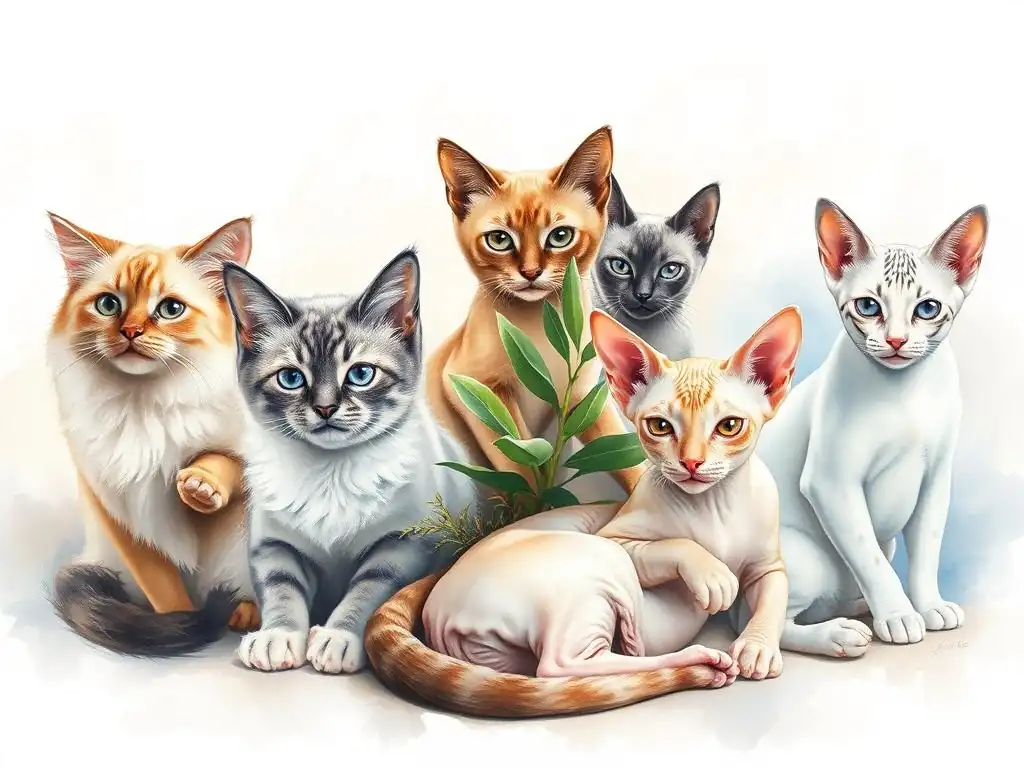
Choosing a feline companion involves careful consideration of various factors, including temperament, grooming needs, and overall health. For busy individuals or families with limited time, selecting a low-maintenance cat breed is crucial. This section delves into five breeds renowned for their relatively easy-care nature, comparing their unique characteristics to help you make an informed decision. This comparison focuses on factors relevant to the "easy care cat breeds comparison" keyword.
The Sphynx: A Unique and Independent Breed
The Sphynx, known for its lack of coat, is often touted as a low-maintenance breed. However, this doesn't mean they are entirely carefree. Their unique appearance requires specific attention to certain aspects of their care.
Grooming Needs of the Sphynx Cat
Contrary to popular belief, Sphynx cats aren't entirely hairless; they possess a fine layer of downy fuzz. This means regular grooming is still necessary, albeit different from breeds with thick coats. Weekly baths are recommended to remove accumulated oils and dirt that can build up on their skin. Additionally, you'll need to regularly wipe their ears and clean their wrinkles to prevent infections. Failing to do so can lead to skin problems and discomfort for your cat. Consider investing in specialized Sphynx cat grooming products for optimal care.
Sphynx Temperament and Activity Levels
Sphynx cats are known for their affectionate and social nature. They thrive on human interaction and often enjoy being close to their owners. While they are playful, their activity levels are generally moderate, making them suitable for apartment living and busy lifestyles. They're intelligent and can be easily trained with positive reinforcement. However, their clingy nature means they may not be ideal for owners who spend extended periods away from home.
Sphynx Health Considerations and Lifespan
Like all breeds, Sphynx cats are prone to certain health issues. Hypertrophic cardiomyopathy (HCM), a heart condition, is a concern, as is a predisposition to certain skin conditions. Regular veterinary check-ups are essential for early detection and management of potential health problems. With proper care, a Sphynx cat can live for 12-15 years.
The Bengal Cat: An Active but Relatively Low-Shedding Breed
Bengal cats, known for their striking spotted coats resembling those of their wild ancestors, are another breed often considered low-maintenance. Their relatively short and dense coat requires less intensive grooming than many long-haired breeds.
Bengal Grooming Requirements: Shedding and Coat Care
While Bengal cats shed less than many other breeds, they still shed. Regular brushing, ideally once or twice a week, helps to remove loose fur and prevent mats. Their short coat makes grooming a relatively quick and easy task. However, during shedding seasons, you might need to increase the frequency of brushing. Using a high-quality cat brush designed for short-haired breeds is recommended.
Bengal Cat Personality and Playfulness
Bengal cats are energetic and playful felines. They require a good amount of stimulation to keep them happy and prevent boredom. Interactive play sessions, climbing structures, and puzzle feeders are great ways to provide mental and physical enrichment. Their playful nature makes them entertaining companions, but it's important to ensure they have enough opportunities to burn off their energy.
Bengal Health Concerns and Average Lifespan
Bengal cats are generally healthy, but like other breeds, they can be susceptible to certain genetic conditions. Progressive retinal atrophy (PRA), a degenerative eye disease, is a potential concern. Regular veterinary care, including eye exams, is important for early detection and management. With proper care, a Bengal cat can typically live for 10-16 years. Their relatively hardy nature contributes to their suitability for busy owners who can provide adequate playtime and enrichment.
The Cornish Rex: A Playful Breed with Unique Coat
The Cornish Rex is renowned for its unique, wavy coat—a defining characteristic that contributes to its low-maintenance nature. This coat is short and fine, almost silky to the touch, and requires significantly less grooming than breeds with long or thick fur. Unlike many cats who shed profusely, the Cornish Rex sheds minimally, meaning less hair around your home and less time spent brushing. This makes them an excellent choice for individuals with allergies or those who prefer a cleaner living environment.
Their playful and affectionate nature further adds to their appeal as easy-care companions. They are intelligent and readily engage in interactive play, requiring less attention to destructive behaviors often seen in breeds with pent-up energy. The Cornish Rex's relatively low-shedding coat and active personality make them a great choice for busy owners seeking a feline friend that's both engaging and easy to care for.
Cornish Rex Grooming: Minimal Effort, Maximum Results
Regular grooming for a Cornish Rex is surprisingly straightforward. A weekly brushing with a soft-bristled brush is usually sufficient to remove any loose hair and prevent matting. Because their coat is so short, it's less prone to tangles and knots than longer-haired breeds. Occasional bathing might be necessary, but generally, these cats are quite clean and self-grooming.
This minimal grooming requirement frees up valuable time for owners, making them ideal companions for busy lifestyles. Remember to always use a cat-specific shampoo and conditioner to avoid irritating their sensitive skin. A quick weekly brush is all it takes to keep their coat healthy and shiny, minimizing the time commitment for grooming.
Cornish Rex Temperament and Energy Levels
Cornish Rex cats are known for their playful and affectionate personalities. They are highly intelligent and thrive on interaction with their owners. Their energy levels are moderate to high, meaning they'll happily engage in playtime but are also content to relax and cuddle. This balance of activity and calmness makes them adaptable to various lifestyles.
They are often described as being dog-like in their loyalty and enthusiasm for games, making them a joy to have around. Their intelligence makes them relatively easy to train, further contributing to their low-maintenance nature. They are typically very social and enjoy the company of their humans, happily following their owners around the house and seeking affection. However, it's vital to provide adequate playtime and enrichment to keep them mentally and physically stimulated.
Health Considerations for Cornish Rex Cats
While generally healthy, Cornish Rex cats are prone to certain health issues. Progressive retinal atrophy (PRA) and hypertrophic cardiomyopathy (HCM) are conditions to be aware of. Regular veterinary check-ups are crucial for early detection and management of potential health problems. Responsible breeders screen their cats for these conditions, so choosing a reputable breeder is essential to minimizing the risks.
Understanding these potential health concerns allows owners to proactively address any issues and ensure their cat lives a long and healthy life. Early detection through regular vet visits is key to managing these conditions effectively. Choosing a breeder who prioritizes health testing is a significant step in promoting the well-being of your Cornish Rex.
The Russian Blue: A Calm and Elegant Companion
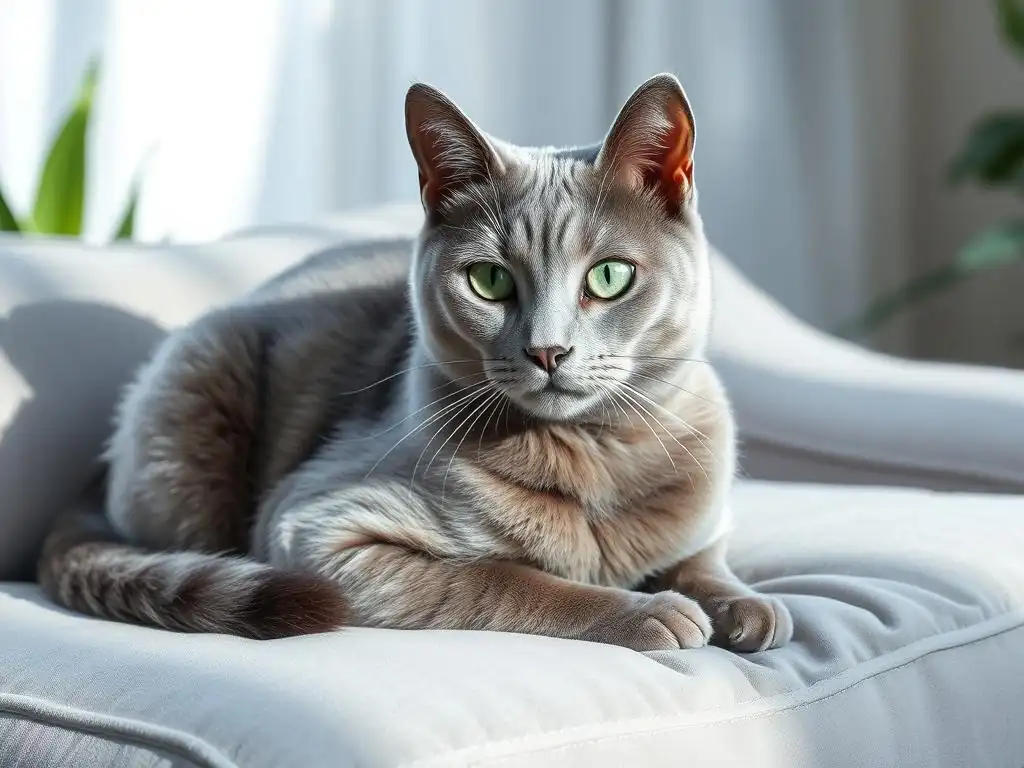
The Russian Blue is a striking cat breed known for its elegant appearance and calm temperament. Their beautiful, silvery-blue coat is short and dense, requiring minimal grooming. This breed is relatively quiet and independent, making them suitable for apartment living and busy owners who may not have extensive time for playtime.
Their serene nature doesn't mean they are aloof; they form strong bonds with their families and enjoy gentle affection. The combination of their low-maintenance coat, quiet demeanor, and affectionate nature makes them an excellent choice for those seeking a relaxed and low-key feline companion. Their understated elegance adds a touch of sophistication to any home.
Grooming Needs of the Russian Blue Cat
The Russian Blue's short, dense coat requires minimal grooming. Weekly brushing is generally sufficient to remove loose hair and keep their coat looking its best. Their coat is naturally sleek and doesn't tend to mat or tangle easily. Occasional bathing may be necessary, but these cats are typically very clean and self-grooming. This ease of grooming makes them a practical choice for busy individuals who value a low-maintenance pet. The simplicity of their grooming needs allows owners to spend more time enjoying their cat's company rather than dedicating hours to upkeep.
Russian Blue Personality and Social Behavior
Russian Blues are known for their calm and reserved personalities. They are not overly demanding of attention but form strong bonds with their families. They are often described as being quiet and dignified, making them suitable for apartment living or homes with a peaceful atmosphere. While they appreciate gentle affection, they are not typically lap cats who insist on constant cuddling.
This independent nature makes them adaptable to a variety of lifestyles, including those of busy owners. They are intelligent and can be trained to perform simple tricks, adding another layer to their engaging personalities. However, they are not usually overly playful, making them a good choice for people who prefer a calmer feline companion.
Health and Lifespan of Russian Blue Cats
Russian Blues are generally a healthy breed with a relatively long lifespan, often living for 10-13 years or even longer. However, like all breeds, they are susceptible to certain health issues, including progressive retinal atrophy (PRA) and certain types of kidney disease. Regular veterinary check-ups are essential for early detection and treatment of any potential health problems.
Responsible breeders conduct health screenings to minimize the risk of hereditary diseases. Choosing a reputable breeder is crucial for ensuring the health and well-being of your Russian Blue. By being proactive with veterinary care, owners can contribute to their cat's longevity and overall health.
The Abyssinian: An Energetic but Independent Breed
The Abyssinian cat is a popular choice for those seeking a low-maintenance companion. Their independent nature means they don't require constant attention, making them ideal for busy owners. However, this independence shouldn't be mistaken for aloofness. Abyssinians are known for their playful and affectionate personalities, striking a wonderful balance between self-sufficiency and companionship. They are intelligent and curious felines, often engaging in independent play, exploring their surroundings, and entertaining themselves.
This inherent self-sufficiency significantly reduces the demands on an owner's time, making them a great fit for individuals with demanding schedules. Their intelligence also makes them relatively easy to train, further contributing to their low-maintenance status. While they enjoy interaction, they are perfectly content spending time alone, provided they have stimulating toys and environments to explore. This adaptability is a key factor in their ranking as an easy-care breed.
Abyssinian Grooming Requirements and Coat Care
Abyssinians boast a short, ticked coat that requires minimal grooming. Their fur is relatively easy to maintain, needing only occasional brushing to remove loose hair and prevent matting. A weekly brush is usually sufficient, though more frequent brushing might be necessary during shedding seasons. Their short coat naturally sheds less compared to longer-haired breeds, reducing the amount of cleaning needed around the house.
Regular brushing also helps to distribute natural oils throughout the coat, keeping their fur healthy and shiny. Beyond brushing, occasional bathing might be necessary if your Abyssinian gets particularly dirty, but this is rarely a frequent requirement. Overall, their grooming needs are minimal, making them a very low-maintenance breed in this aspect. This low-grooming requirement is a major draw for busy owners who appreciate a pet that doesn't demand extensive time commitment for grooming.
Abyssinian Personality: Playful and Affectionate
While independent, Abyssinians are far from aloof. They are known for their playful and affectionate personalities, forming strong bonds with their owners. Their intelligence allows them to learn tricks and games readily, making playtime both entertaining for the cat and the owner.
They are often described as dog-like in their loyalty and eagerness to please, readily engaging in interactive play sessions. This playful nature, however, doesn't require constant attention; they are equally happy to entertain themselves with toys when left alone. The affectionate side of their personality shines through in their interactions with their humans, often seeking out cuddles and attention on their own terms.
This combination of independence and affection makes them well-suited to a variety of lifestyles, including those of busy individuals. Their affectionate nature, however, is not demanding; they are happy to cuddle on their own terms, making them ideal companions for those who prefer a cat that isn't overly clingy.
Health Considerations and Lifespan of Abyssinian Cats
Abyssinians are generally a healthy breed, with a relatively long lifespan of 12-15 years. However, like all breeds, they are prone to certain health issues. Progressive retinal atrophy (PRA) is a hereditary eye disease that can lead to blindness, and careful breeding practices are essential to minimize its occurrence. Other potential concerns include gingivitis and periodontal disease, emphasizing the importance of regular dental care.
Owners should be vigilant about monitoring their cat's health, scheduling regular veterinary checkups to detect any potential issues early. While these health concerns exist, they are not necessarily indicative of high-maintenance care; regular checkups and preventative measures are standard for responsible pet ownership, regardless of breed. The long lifespan, when combined with their relatively low maintenance care needs, makes them a rewarding companion for many years. By being proactive about their healthcare, owners can significantly extend the healthy and happy life of their Abyssinian companion.
Comparing Low-Shedding Cat Breeds: Minimizing Allergy Concerns
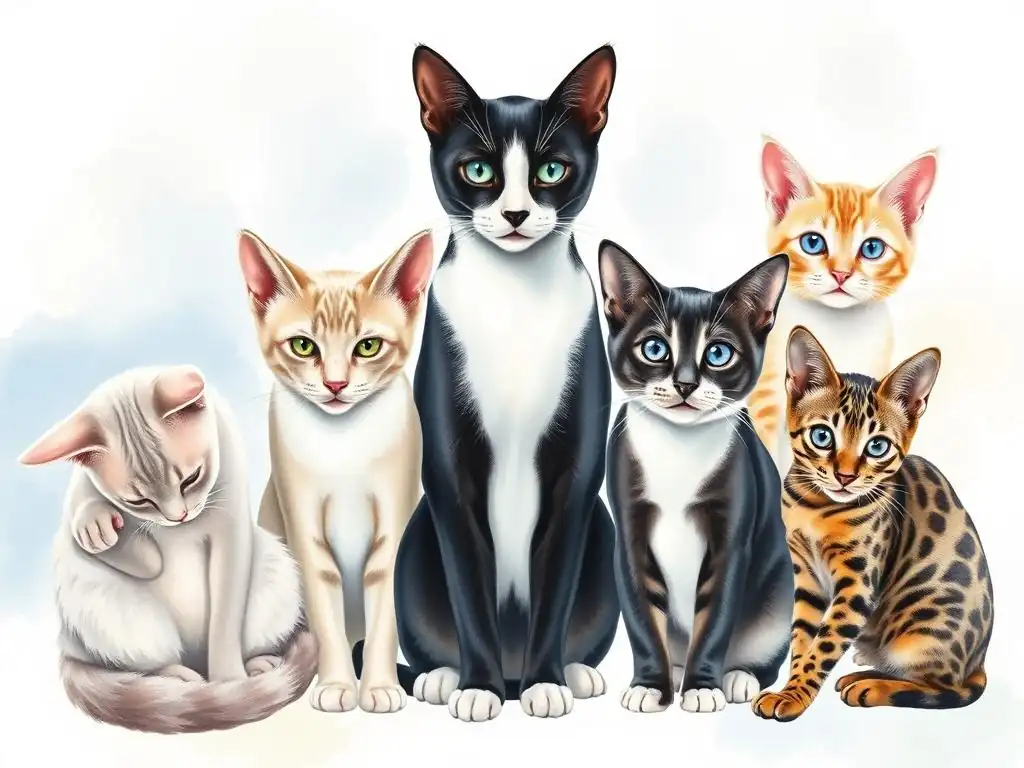
Cat allergies are a common concern for many potential pet owners. While no cat breed is truly hypoallergenic, some shed significantly less than others, making them a better choice for allergy sufferers. This section focuses on comparing low-shedding breeds to help you make an informed decision. Understanding the nuances of "hypoallergenic" is crucial; it doesn't mean no allergens, but rather reduced allergen production. The amount of dander (the primary allergen source) produced varies greatly between breeds.
Shedding Levels and Allergy Potential: A Detailed Overview
The level of shedding directly impacts the amount of Fel d 1, the main cat allergen protein, present in the environment. Breeds known for their short, fine coats, and less frequent shedding generally produce less Fel d 1. However, even these breeds still produce some allergens. Individual cat sensitivities also play a role; some people are more sensitive to cat allergens than others.
Let's examine a few low-shedding breeds often considered suitable for allergy sufferers:
| Breed | Shedding Level | Allergen Potential | Grooming Needs | Temperament Notes |
|---|---|---|---|---|
| Cornish Rex | Very Low | Relatively Low | Weekly brushing | Playful, intelligent, affectionate |
| Devon Rex | Very Low | Relatively Low | Weekly brushing | Mischievous, playful, adaptable |
| Sphynx | Minimal | Relatively Low | Regular bathing | Affectionate, social, demanding of attention |
| Oriental Shorthair | Low | Moderate | Weekly brushing | Intelligent, active, vocal |
| Russian Blue | Low to Moderate | Moderate | Weekly brushing | Calm, quiet, independent |
It's important to note that even with low-shedding breeds, regular grooming is essential to minimize allergen buildup. This helps remove loose hair and dander before they become airborne. The table above provides a general overview; individual cats may vary. Consider meeting potential cats before committing to adoption to assess your personal reaction.
Managing Allergens: Practical Tips for All Cat Owners
Regardless of the cat breed, managing allergens is crucial for allergy sufferers. Beyond choosing a low-shedding breed, several strategies can significantly reduce allergen exposure:
- Regular Cleaning: Frequent vacuuming (ideally with a HEPA filter vacuum) and dusting are critical. Pay special attention to areas where your cat spends the most time. Consider using microfiber cloths, which are more effective at trapping dust and allergens than traditional cloths.
- Air Purifiers: HEPA filter air purifiers can help remove allergens from the air, improving indoor air quality. Place the purifier in the room where the cat spends the most time.
- Bedding and Upholstery: Choose washable bedding and upholstery materials that are easy to clean frequently. Regular washing in hot water helps eliminate allergens.
- Grooming: Regular brushing removes loose hair and dander, preventing allergen release into the air. The frequency depends on the breed, but aim for at least once a week for low-shedding breeds. Consider using a specialized pet grooming glove to collect loose hair efficiently. For breeds like the Sphynx, regular bathing is recommended.
- Diet: Some studies suggest that certain dietary changes might affect Fel d 1 production, though more research is needed in this area. Consult your veterinarian before making any significant changes to your cat's diet.
Implementing these strategies, in conjunction with choosing a low-shedding breed, can significantly improve the living environment for those with cat allergies. Remember, consistent effort is key to managing allergens effectively. Even with meticulous care, some level of allergen exposure might remain; individual reactions vary greatly. A trial period with a potential cat is highly recommended to gauge your personal tolerance.
Choosing the Right Low-Maintenance Cat for You: Final Considerations
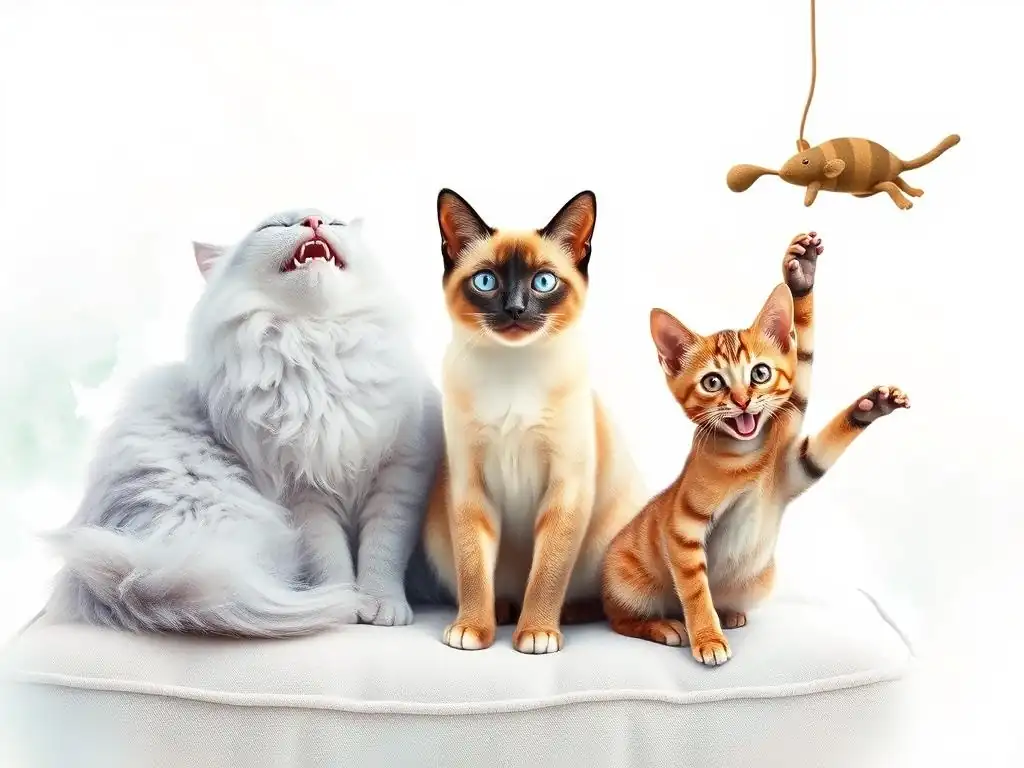
This section focuses on the crucial decisions you'll need to make after selecting a low-maintenance breed, ensuring a smooth transition for both you and your new feline companion. Remember, even "easy care" cats require commitment and responsible ownership. Choosing the right cat is just the first step on a rewarding journey.
Adoption vs. Breeding: Ethical Considerations
The decision to adopt or breed significantly impacts the feline population and your personal responsibility. Adoption offers numerous benefits: you're giving a deserving cat a loving home, reducing the strain on animal shelters, and often saving money compared to purchasing a kitten from a breeder. Many wonderful low-maintenance breeds are available for adoption. Consider adopting an adult cat; you'll often know more about their personality and needs upfront, potentially making the transition easier.
Conversely, breeding requires considerable knowledge, resources, and commitment. Responsible breeding aims to improve breed health and temperament, but it's crucial to avoid contributing to overpopulation. Thorough research into reputable breeders is essential, ensuring they prioritize the well-being of their cats and kittens above profit.
Before breeding, consider the potential financial and time commitments, including veterinary care, food, and potential unexpected health issues. Breeding should only be undertaken by experienced and knowledgeable individuals who can guarantee responsible care throughout the cat's life. Adopting a cat is frequently the more ethical and practical choice for most pet owners seeking a low-maintenance companion.
Preparing Your Home for a New Cat: Essential Steps
Bringing a new cat home requires preparation to ensure a safe and comfortable environment. This includes:
- Cat-proofing your home: Secure any potential hazards, such as toxic substances, electrical cords, and small objects that could be swallowed. Consider covering any fragile items or furniture that might be damaged.
- Setting up a safe space: Create a dedicated area for your cat, such as a comfortable bed, scratching post, food and water bowls, and a litter box. This provides a secure retreat where your cat can relax and feel safe, especially during the initial adjustment period. A quiet location away from high-traffic areas is ideal.
- Introducing your cat gradually: If you already have pets, introduce them slowly and carefully to avoid conflict. Supervise initial interactions closely and provide separate spaces when necessary. This minimizes stress for both your existing and new cats.
- Providing appropriate toys and enrichment: Stimulating your cat's natural instincts through play is crucial for their physical and mental well-being. Provide a variety of toys, including scratching posts, interactive puzzles, and climbing structures. Rotating toys helps keep your cat engaged and prevents boredom.
Ongoing Cat Care: Budgeting for Veterinary Care and Supplies
Even low-maintenance cat breeds require ongoing care and expenses. Budgeting for essential supplies and potential veterinary costs is crucial for responsible pet ownership. Consider the following:
| Expense Category | Estimated Monthly Cost (USD) | Notes |
|---|---|---|
| High-quality Cat Food | $20 - $50 | Varies depending on brand, type, and cat's dietary needs. |
| Litter and Litter Box | $10 - $20 | Frequency of litter changes depends on the type of litter and number of cats. |
| Toys and Enrichment | $5 - $15 | Budget for regular replacement of worn-out toys. |
| Routine Veterinary Care | $10 - $30 (or more) | Annual checkups, vaccinations, and parasite prevention. |
| Unexpected Veterinary Care | Variable | Prepare for potential emergencies (illness, injury). Pet insurance can help. |
Remember that these are estimates, and actual costs can vary significantly. Unexpected veterinary bills can be substantial, so consider pet insurance to mitigate financial risk. Prioritizing regular veterinary checkups and preventative care contributes to your cat's long-term health and well-being, ultimately saving you money in the long run. Planning for these expenses ensures your low-maintenance cat receives the best possible care throughout its life. 😻
Frequently Asked Questions
What makes a cat breed "low-maintenance"?
Low-maintenance cat breeds generally require less grooming, have fewer health problems, and are more tolerant of less attention. They're adaptable and don't need highly specialized care.
Are there any low-maintenance breeds suitable for first-time cat owners?
Yes! Breeds like the American Shorthair and Russian Blue are known for their easy-going personalities and minimal grooming needs, making them ideal for beginners.
Do low-maintenance cats require absolutely no grooming?
While they need less grooming than other breeds, all cats require some maintenance. Regular brushing prevents mats and hairballs, and nail trimming is essential for their comfort.
How do I determine which low-maintenance breed is right for my lifestyle?
Consider your lifestyle and living space. A less active breed might suit apartment living, while a more playful cat might thrive in a larger home with more space for activity.
Where can I find more information on specific low-maintenance cat breeds?
Explore PetCareWorld's comprehensive guides on various cat breeds! We provide detailed comparisons and in-depth information to help you make the best choice for your new feline companion.
Final Reflection: Embracing Purrfect Companionship: Choosing the Right Low-Maintenance Cat
The quest for the ideal feline friend often clashes with the realities of busy modern life. Finding a cat that thrives without demanding excessive attention or specialized care is a genuine challenge, but one with incredibly rewarding outcomes. This guide has explored several breeds known for their independent natures and relatively low-maintenance needs, offering a practical framework for making an informed decision.
Choosing a low-maintenance cat isn't about sacrificing the bond you share; it's about finding a harmonious balance between your lifestyle and the needs of your furry companion. The joy of a contented cat, purring contentedly on your lap after a long day, is a testament to the thoughtful consideration that goes into choosing the right breed. The best mirror is an old friend.
This rings true for our feline companions; they reflect back to us the care and attention we give them, and a low-maintenance breed can often offer a deeper, more relaxed connection, free from the anxieties of constant upkeep.
Ultimately, the decision rests with you. Consider your lifestyle, your living space, and your personal preferences. Remember that even the most independent cat needs love, attention, and proper care. Don't just choose a cat; choose a partner in purrfection. Take the time to research further, visit shelters, and interact with potential feline companions. The right cat will enrich your life immeasurably, offering years of companionship and unconditional love. Embrace the journey, and find the purrfect match for you.
Unleash Your Purrfect Match: Find Your Low-Maintenance Feline Friend!
Thank you for exploring the world of low-maintenance cat breeds with us! We hope you now feel confident in choosing a cat that suits your lifestyle. Ready to find your new feline companion?
- Start your search: Explore local animal shelters and reputable breeders, remembering what you've learned about low-shedding, independent breeds. Consider adopting a senior cat; they often need loving homes and are surprisingly undemanding!
- Spread the word: Tell your friends and family about your search! They might be looking for a perfect companion, too.
- Join the discussion: Share your thoughts and experiences in the comments below! Which breeds are you considering, or have you already welcomed a low-maintenance cat into your home?
What qualities are most important to you in your search for the ideal feline friend?