
Scooping Frequency: How Often Should You Clean MultiCat Litter Boxes?

Welcome to PetCareWorld, your ultimate guide to a happier, healthier life for your beloved pets! Are you a multi-cat household navigating the sometimes overwhelming world of litter box maintenance? Discover the secrets to a cleaner, more harmonious home with our expert advice on Multicat litter box cleaning frequency. Learn the surprising truth about how often you really need to scoop, and avoid common pitfalls that can impact your cats' health and happiness. Dive in and unlock the key to stress-free litter box management!
- Understanding Multicat Litter Box Cleaning Frequency
- Establishing a Practical Scooping Schedule for Multiple Cats
- Troubleshooting Common Multi-Cat Litter Box Issues
- Choosing the Right Litter Box for Multiple Cats
-
Frequently Asked Questions
- How often should I scoop a multi-cat litter box?
- What happens if I don't scoop the litter box frequently enough?
- How can I tell if my multi-cat litter box needs scooping?
- What type of litter is best for multi-cat households?
- Besides scooping, how often should I completely change the litter in a multi-cat litter box?
- Final Reflection: The Unsung Symphony of Multi-Cat Litter Box Hygiene
- Unlock Litter Box Bliss: Take Action Now!
Understanding Multicat Litter Box Cleaning Frequency
Maintaining a clean litter box is crucial for any cat owner, but the task becomes significantly more complex when dealing with multiple felines. This guide delves into the intricacies of multicat litter box cleaning, providing practical advice and solutions to ensure your cats' health and happiness. Ignoring regular cleaning can lead to a variety of health problems, ranging from urinary tract infections to behavioral issues like inappropriate urination outside the litter box. Understanding the optimal scooping frequency for your multi-cat household is essential for preventing these problems and fostering a harmonious environment for both you and your feline companions. We'll explore the key factors influencing how often you should clean your litter boxes, empowering you to create a clean and comfortable space for your beloved pets. This article will help you effectively manage the "multicat litter box cleaning frequency" challenge, ensuring a healthy and happy home for your furry family.
The Importance of Regular Scooping for Multiple Cats
Regular scooping of multicat litter boxes is paramount for maintaining hygiene and preventing health issues. Unlike single-cat households, the increased frequency of urination and defecation in a multi-cat environment necessitates more frequent cleaning. Leaving waste in the litter box for extended periods creates an unsanitary environment, attracting pests and potentially exposing your cats to harmful bacteria and parasites. 💩 This can lead to a range of health problems, including:
- Urinary tract infections (UTIs)
- Gastrointestinal issues
- Respiratory infections
- Parasite infestations
Furthermore, a dirty litter box can contribute to behavioral problems, such as stress, anxiety, and even house soiling. Cats are fastidious creatures and will avoid using a dirty litter box, leading to accidents elsewhere in your home. Regular scooping ensures your cats maintain a clean and comfortable toileting experience, promoting their overall well-being.
Factors Affecting Multicat Litter Box Cleaning Schedules
Several factors influence how often you need to scoop your multicat litter boxes. Understanding these factors will help you develop a cleaning schedule tailored to your specific situation. Failing to consider these factors can lead to insufficient cleaning, resulting in health problems for your cats and unpleasant odors in your home. Let's examine these crucial factors in detail:
Number of Cats and Their Litter Box Habits
The number of cats directly impacts the frequency of litter box cleaning. More cats mean more waste, necessitating more frequent scooping. However, individual cat habits also play a significant role. Some cats use the litter box more frequently than others. Observing your cats' litter box habits—how often they use it and the amount of waste they produce—is crucial for determining the appropriate scooping schedule. For instance, a household with three cats, each using the box multiple times a day, will require significantly more frequent cleaning than a household with the same number of cats, but with less frequent use.
Type of Litter Used and its Absorption Capacity
The type of litter you use significantly affects how quickly the litter box becomes soiled. Clumping litters generally require more frequent scooping than non-clumping litters because you remove only the clumps, leaving the cleaner litter behind. However, even with clumping litter, regular scooping is essential to remove solid waste and prevent odors. The absorption capacity of the litter also plays a role; litters with higher absorption capacity can stay cleaner for slightly longer periods. Consider switching to a higher-quality litter that better manages odors and moisture to lessen the cleaning burden.
Size and Type of Litter Box: Open vs. Covered
The size and type of litter box also influence cleaning frequency. Larger litter boxes can accommodate more cats and waste, potentially extending the time between cleanings. However, even large boxes require regular scooping to maintain hygiene. Covered litter boxes can trap odors more effectively, but they also require more frequent cleaning as they tend to accumulate more moisture and ammonia.
Open litter boxes allow for better ventilation, potentially reducing odor buildup, but they may also scatter litter more easily. Consider the pros and cons of each type when choosing the best option for your multi-cat household. Choosing the appropriate size and style based on the number of cats is crucial for minimizing cleaning time and maintaining a clean environment.
Establishing a Practical Scooping Schedule for Multiple Cats
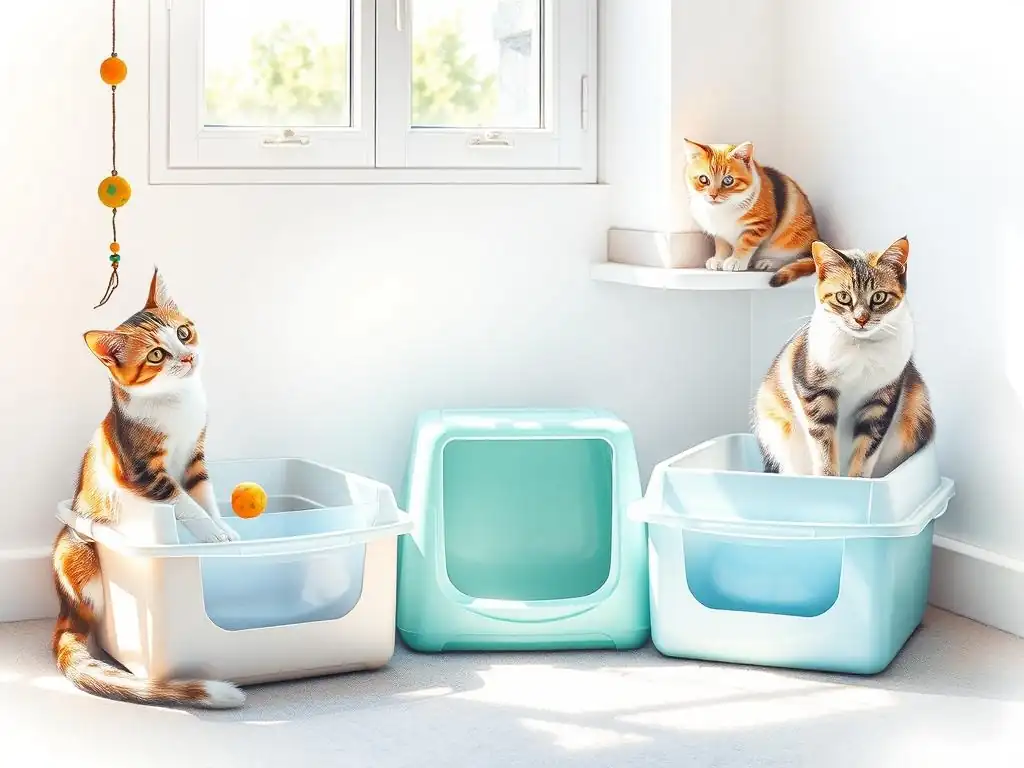
The optimal "multicat litter box cleaning frequency" hinges on several factors: the number of cats, the type of litter used, the size of the litter box, and the individual habits of your feline companions. A consistent, proactive approach is crucial for maintaining a clean and healthy environment for your cats and preventing potential health issues. Neglecting litter box maintenance can lead to ammonia build-up, bacterial growth, and the spread of parasites, ultimately impacting your cats' well-being.
Remember, happy cats use their litter boxes consistently; unhappy cats may start eliminating outside the box, signaling a problem that needs addressing. This section will outline a practical schedule to help you stay ahead of the curve.
Daily Scooping: Minimizing Odor and Bacterial Growth
Daily scooping is non-negotiable for multi-cat households. Think of it as preventative maintenance. Removing solid waste and clumps daily significantly reduces odor and minimizes the risk of bacterial growth. Bacteria thrive in warm, moist environments – perfect conditions found in a litter box filled with waste. Regular scooping interrupts this cycle, creating a more pleasant environment for both you and your cats.
Aim to scoop at least once, and ideally twice, a day. This is especially important during warmer months when bacterial growth accelerates. The frequency of daily scooping will also depend on the number of cats and their individual elimination habits. For instance, a household with three cats might require more frequent scooping than one with two.
Pro Tip: Use a dedicated scoop for each litter box to avoid cross-contamination. Dispose of waste in a sealed bag immediately.
Weekly Deep Cleaning: Maintaining Hygiene and Preventing Disease
While daily scooping addresses immediate waste, weekly deep cleaning is essential for maintaining optimal hygiene and preventing the spread of disease. This involves completely emptying the litter box, scrubbing it thoroughly with a pet-safe disinfectant, and replacing the litter. Failing to perform this crucial step can lead to a build-up of harmful bacteria and parasites. This isn't just about odor control; it's about safeguarding your cats' health.
Regular deep cleaning helps prevent urinary tract infections (UTIs), which are more common in cats, particularly those with multiple cats sharing litter boxes. The build-up of urine and feces can also attract parasites, impacting your cats' overall well-being. Remember that even with multiple litter boxes, thorough weekly cleaning is still vital.
Step-by-Step Guide to Deep Cleaning Multi-Cat Litter Boxes
Here's a detailed approach to ensure a thorough cleaning process:
- Empty the Litter Box: Remove all the used litter, disposing of it in a sealed bag. Use a sturdy trash bag to prevent any leakage.
- Wash Thoroughly: Wash the litter box with warm, soapy water. Use a pet-safe disinfectant to eliminate bacteria and viruses. Pay close attention to corners and crevices.
- Rinse and Dry: Rinse the litter box thoroughly to remove all traces of soap and disinfectant. Allow it to air dry completely before adding fresh litter. Avoid using harsh chemicals, as these can be harmful to your cats.
- Replace the Litter: Add fresh, clean litter to the box, ensuring it's filled to the appropriate level. The depth of the litter should be adequate for your cats' needs.
- Observe and Adjust: Monitor your cats' litter box usage. If you notice any changes in their behavior, such as avoiding the litter box, adjust your cleaning schedule accordingly. This might indicate a problem that requires veterinary attention.
| Cleaning Task | Frequency | Importance |
|---|---|---|
| Daily Scooping | Once or Twice Daily | Minimizes odor, prevents bacterial growth |
| Weekly Deep Cleaning | Once a Week | Maintains hygiene, prevents disease and parasites |
Remember, proactive litter box maintenance is a crucial aspect of responsible multi-cat ownership. By following this schedule and adapting it to your specific needs, you'll create a clean, healthy, and happy environment for your feline companions. This contributes to their overall well-being and strengthens the bond you share. 😼
Monthly Maintenance: Preventing Buildup and Extending Litter Box Life
Regular monthly maintenance is crucial for preventing odor buildup and extending the lifespan of your multi-cat litter boxes. This goes beyond the daily scooping and weekly cleaning. Think of it as preventative maintenance for your litter box system, much like you might service your car regularly to prevent major issues down the road.
One key aspect of monthly maintenance is a thorough cleaning of the litter box itself. This involves removing all the litter, scrubbing the box with a pet-safe disinfectant (avoid harsh chemicals that could harm your cats), and rinsing thoroughly before allowing it to air dry completely. Failing to completely dry the box before adding fresh litter can contribute to bacterial growth and unpleasant odors. Consider using a mild, enzymatic cleaner specifically designed for pet messes; these cleaners are effective at breaking down organic matter and neutralizing odors far better than typical household cleaners.
Beyond the box itself, pay close attention to the surrounding area. Litter can easily scatter, especially with multiple cats using the box frequently. Sweep or vacuum the area around the litter box to remove any stray litter and prevent tracking throughout your home. This is particularly important if you have light-colored flooring where litter is more visible. Regular sweeping also helps to prevent the accumulation of dust and allergens, which can benefit both your cats and your family.
Finally, evaluate the condition of your litter box. Look for signs of wear and tear, such as cracks or damage to the plastic. A damaged litter box can harbor bacteria and become difficult to clean effectively. If your litter box shows signs of significant damage, consider replacing it with a new one.
Investing in durable, high-quality litter boxes will pay off in the long run by reducing the frequency of replacements and maintaining a cleaner, healthier environment for your feline companions. Remember, a clean and well-maintained litter box is a cornerstone of happy and healthy cats, especially in a multi-cat household. This monthly diligence will save you time and effort in the long run, preventing larger issues and ensuring your cats' continued well-being.
Troubleshooting Common Multi-Cat Litter Box Issues
This section delves into the practical challenges of maintaining multiple litter boxes for a multi-cat household and offers solutions to common problems. Effective litter box management is crucial for the health and happiness of your feline companions. Ignoring these issues can lead to stress, behavioral problems, and even health complications. Proper multicat litter box cleaning frequency is paramount in preventing these issues.
Dealing with Unpleasant Odors in Multi-Cat Households
Unpleasant odors are a frequent complaint among owners of multiple cats. The key to minimizing smells lies in proactive and thorough cleaning. Simply scooping once a day isn't enough in a multi-cat household. Consider these strategies:
- Frequent Scooping: Aim for at least two scoopings per day, removing all solid waste and clumps immediately. This prevents ammonia buildup, a major contributor to unpleasant odors. Think of it as a small investment of time for a significantly cleaner and more pleasant-smelling home. 😻
- Complete Box Changes: Completely change the litter in all boxes at least once a week. This is even more crucial with multiple cats using the same litter box. While some advocate for more frequent changes, weekly is a good minimum to prevent odor build-up and bacterial growth.
- Litter Box Placement: Strategic placement of litter boxes minimizes odor spread. Avoid placing them in confined spaces or areas with poor ventilation. Ideally, place them in well-ventilated areas away from food and water sources.
- Litter Type: Experiment with different litters. Some litters are better at controlling odor than others. Consider clumping litters that effectively absorb urine and trap odors. Look for litters specifically designed for odor control and multiple cats.
- Litter Box Type: The type of litter box can also affect odor control. Covered boxes can trap odors, but ensure adequate ventilation to prevent ammonia build-up. Open-top boxes allow for better air circulation, but require more frequent cleaning.
Addressing Litter Box Avoidance in Multi-Cat Environments
Litter box avoidance can stem from various factors, including insufficient resources, cleanliness issues, stress, and underlying medical conditions. In multi-cat households, competition for resources is a significant factor.
- The Rule of Thumb: The general guideline is to have one litter box per cat, plus one extra. If you have three cats, you should have at least four litter boxes. This ensures sufficient resources and reduces competition.
- Box Location & Privacy: Cats prefer private, quiet locations for elimination. Avoid placing boxes in high-traffic areas or near loud appliances. Provide multiple boxes in different locations to cater to individual preferences.
- Litter Preferences: Cats can be picky about litter type and texture. Experiment with different litters to find one that your cats prefer. Sudden changes in litter can cause avoidance.
- Medical Considerations: Litter box avoidance can be a symptom of a medical condition. If a cat suddenly avoids the litter box, consult a veterinarian to rule out urinary tract infections, arthritis, or other health issues. This is especially crucial in multi-cat homes, where stress can exacerbate existing health problems.
- Stress Reduction: Stress is a common cause of litter box issues. Ensure your cats have plenty of hiding spots, scratching posts, and play opportunities. Minimize stressful situations, such as introducing new pets gradually.
Maintaining clean litter boxes is essential for preventing the spread of diseases among cats. The accumulation of urine and feces creates an environment conducive to bacterial and parasitic growth. This is especially true in a multi-cat environment.
- Regular Cleaning: The importance of multicat litter box cleaning frequency cannot be overstated. Regular cleaning, including complete litter changes, minimizes the risk of bacterial and parasitic infections.
- Parasite Prevention: Regular deworming is crucial, particularly in multi-cat households. Consult your veterinarian regarding appropriate deworming schedules and preventative measures.
- Disease Monitoring: Monitor your cats for signs of illness, such as changes in appetite, lethargy, weight loss, or changes in urination habits. Address any concerns promptly by consulting a veterinarian.
- Vaccination: Ensure your cats are up-to-date on their vaccinations. Vaccinations help protect against various infectious diseases that can be transmitted through contaminated litter boxes.
- Hygiene: Practice good hygiene when cleaning litter boxes. Wear gloves, wash your hands thoroughly, and dispose of waste properly to prevent the spread of potential pathogens. Remember, a clean environment is a healthy environment, especially for your beloved feline family.
Choosing the Right Litter Box for Multiple Cats
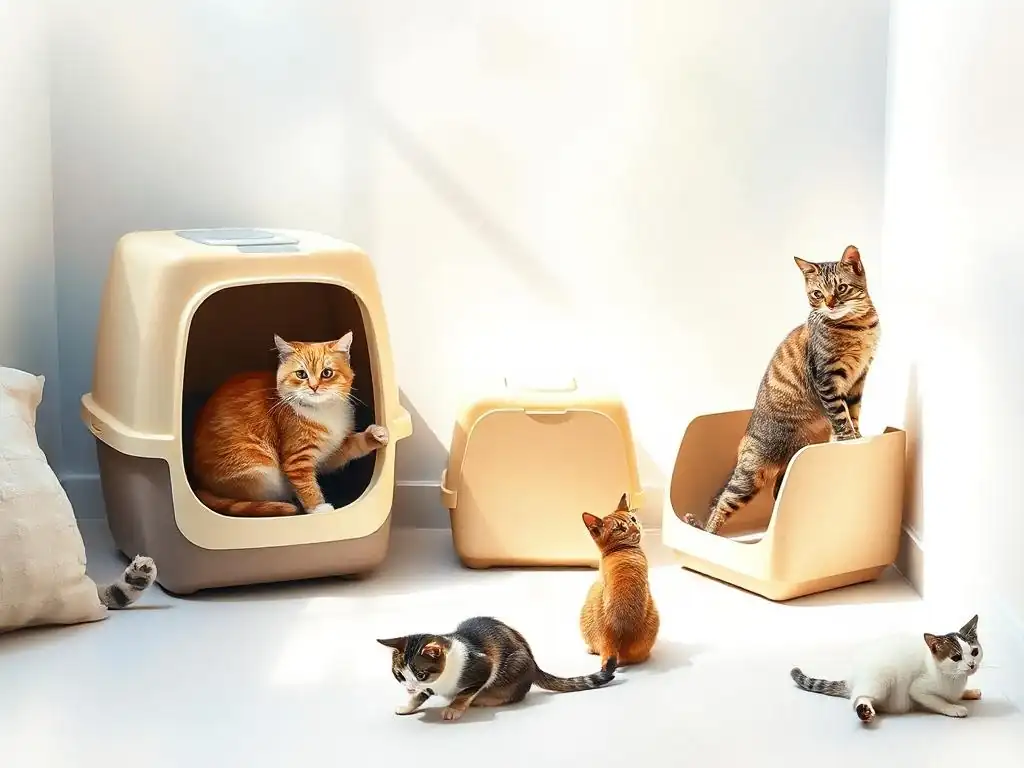
Selecting the appropriate litter box setup is paramount for maintaining a clean and hygienic environment for your multi-cat household. Ignoring this crucial aspect can lead to litter box avoidance, a common behavioral problem resulting in inappropriate urination or defecation outside the designated areas. The "one-box-per-cat-plus-one" rule is a widely accepted guideline; however, the specific needs will vary depending on the number of cats, their size, and their individual litter box preferences. For instance, a household with three large Maine Coons will require a different approach than one with five small Siamese cats.
Understanding your cats' individual needs and preferences is essential for successful litter box management. Consider factors such as the cats' age, health conditions (e.g., arthritis, obesity), and any existing behavioral issues when making your decision. Remember, providing ample litter box options significantly reduces the likelihood of litter box-related problems.
Selecting Appropriate Litter Box Size and Type for Multiple Cats
The size and type of litter box directly impact its usability and appeal to your cats. Simply put, a cramped litter box is less appealing, increasing the chance of accidents. For larger cats, opting for extra-large, open-top boxes provides ample space to comfortably turn around and eliminate waste. Smaller cats might prefer smaller, enclosed boxes, offering a sense of security and privacy. Consider the following points:
- Size: Aim for at least one litter box large enough for your largest cat to comfortably turn around in. A good rule of thumb is to have a box that's approximately 1.5 times the length of your cat.
- Type: Experiment with different types of litter boxes to determine your cats’ preferences. Options include open-top, hooded, self-cleaning, and corner boxes. Some cats are more sensitive to the type of material used (e.g., plastic vs. metal). Observe which type your cats use most frequently.
- Material: Durable plastic is a common and affordable option, but metal or other less easily scratched materials are preferable if your cats are prone to aggressive scratching. Ensure the material is non-toxic and easy to clean.
Remember to regularly monitor your cats' interaction with their litter boxes. If you notice any avoidance, it's crucial to assess the situation and consider alternative options. A reluctance to use a particular box might be due to its size, type, or even its location within the house. This requires keen observation and potential adjustments to your litter box setup. Data on the most popular litter box types for multi-cat households is [specific information pending], but anecdotal evidence suggests that a mix of open and enclosed boxes generally works best.
Optimizing Litter Box Placement for Multiple Cats
Proper placement of litter boxes is critical in preventing litter box avoidance and promoting hygiene. Cats prefer privacy and quiet locations, away from food and water bowls, traffic areas, and loud noises. Consider these factors for optimal placement:
- Accessibility: Ensure all cats have easy access to all litter boxes, without having to navigate obstacles or traverse high traffic areas. This is especially important for senior or disabled cats.
- Privacy: Cats often prefer to eliminate their waste in private locations. Strategically place litter boxes in quieter corners or rooms that offer a sense of seclusion. Avoid placing them in highly visible areas or near doorways.
- Multiple Locations: Distribute litter boxes throughout your home to accommodate multiple cats. This prevents competition and ensures that each cat has easy access to a clean and accessible litter box at all times. Consider the layout of your home and identify several suitable locations. For example, one box on the main floor, another in the basement, and a third on an upper floor.
- Cleaning Schedule: A regular cleaning schedule is crucial, regardless of location. The more cats, the more frequent the cleaning. Even with multiple boxes, each needs cleaning daily, with a complete change of litter being necessary weekly. Failure to maintain a clean environment will negatively impact litter box usage.
By following these guidelines and paying close attention to your cats' behaviors, you can effectively manage litter box usage in your multi-cat household, creating a happier and healthier environment for everyone. Remember, providing a suitable litter box setup is a crucial aspect of responsible cat ownership and contributes to their overall well-being.
Frequently Asked Questions
How often should I scoop a multi-cat litter box?
Ideally, you should scoop a multi-cat litter box at least once a day, and more frequently if you have multiple cats or they produce a lot of waste. Daily scooping prevents odor buildup and keeps the litter box hygienic.
What happens if I don't scoop the litter box frequently enough?
Failing to scoop regularly can lead to ammonia buildup, which is harmful to your cats' respiratory systems. It also creates an unpleasant odor and can encourage your cats to urinate or defecate outside the litter box.
How can I tell if my multi-cat litter box needs scooping?
Look for visible feces and urine clumps. If you notice a strong smell, or if your cats are hesitant to use the box, it's time for a scoop. Regular visual checks are key.
What type of litter is best for multi-cat households?
Clumping litter is generally recommended for multi-cat households, as it makes scooping easier and more efficient. Consider a litter with odor control properties to minimize unpleasant smells.
Besides scooping, how often should I completely change the litter in a multi-cat litter box?
You should completely change the litter in your multi-cat litter box at least once a week, or more often depending on the number of cats and the type of litter used. Complete changes help maintain hygiene and prevent the buildup of bacteria.
Final Reflection: The Unsung Symphony of Multi-Cat Litter Box Hygiene
Maintaining pristine litter boxes in a multi-cat household isn't just about cleanliness; it's a cornerstone of feline well-being and harmonious home life. Failing to address this crucial aspect can lead to significant health issues for your beloved companions and create unnecessary stress for everyone involved. The frequency of cleaning directly impacts their health, happiness, and your overall household harmony.
The impact of proper litter box maintenance extends far beyond the immediate scent and visual appeal. It speaks to our responsibility as caregivers to provide a safe and healthy environment for our feline friends. A clean litter box is not a luxury, but a necessity for a happy and healthy cat.
This simple statement encapsulates the profound connection between environmental hygiene and the overall well-being of our cats. Ignoring this fundamental need can lead to behavioral problems, urinary tract infections, and other serious health complications, highlighting the crucial role we play in their lives.
Consider the information presented in this article – the different types of litter, the varying needs of individual cats, and the importance of consistent cleaning schedules. Now, take a moment to reflect on your own multi-cat household. Are you providing the best possible environment for your furry companions? Are you proactively addressing their needs, or are you reacting to problems as they arise? Make a conscious effort to implement the strategies discussed here, and witness the positive transformation in your home – a transformation marked by happier cats, a cleaner environment, and a more peaceful coexistence.
Unlock Litter Box Bliss: Take Action Now!
Congratulations on taking the first step towards mastering multi-cat litter box management! You've gained valuable knowledge to ensure your feline companions remain happy and healthy. Ready to put this knowledge into practice?
- Refine your cleaning routine: Adjust your scooping schedule to meet your cats' individual needs and the guidelines provided in this article. This is the most effective action you can take today!
- Experiment with different litter and boxes: Find the ideal combination for your household—it could significantly improve your litter box experience!
- Share your experiences (and questions!): We encourage you to share your litter box management successes and challenges in the comments below. We're eager to learn from your insights and offer support.
What simple adjustment will you make to simplify your multi-cat litter box management?